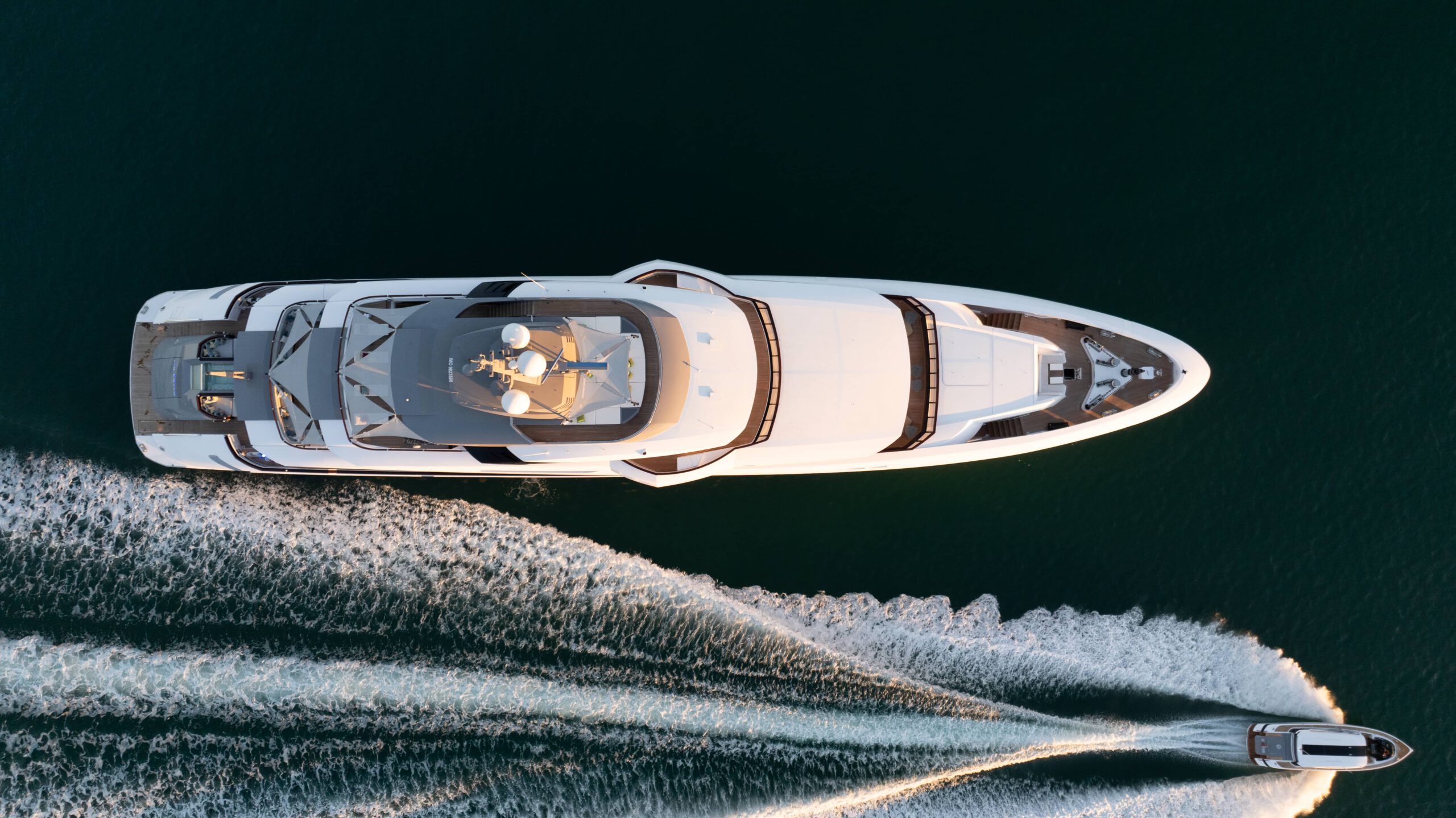
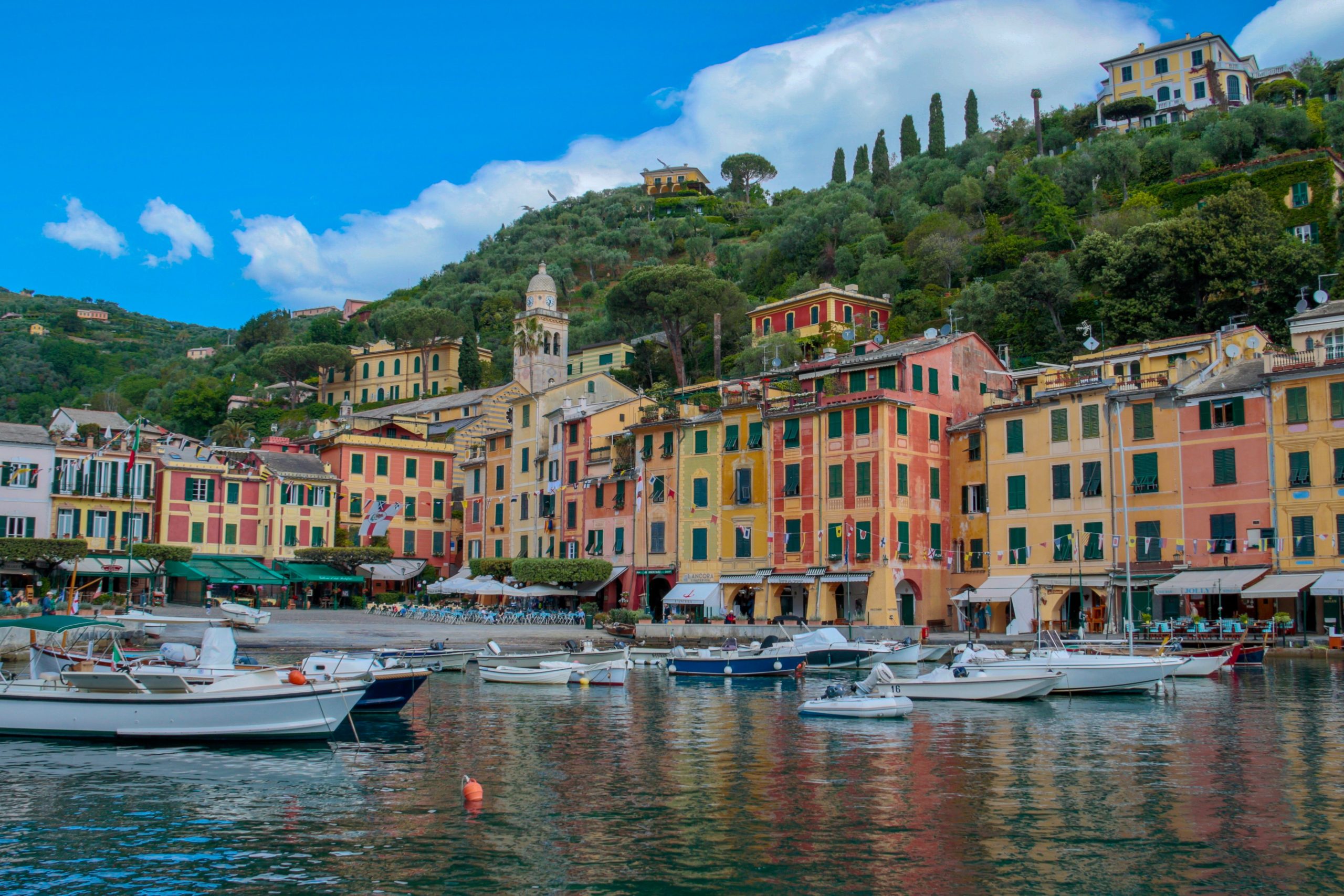
Explorer yachts feature heavy steel displacement hulls, 5,000+ nm ranges, and ice-class capabilities for remote, self-sustained voyages. Traditional motor yachts prioritize speed, shallow drafts, and open-air beach clubs designed for refined Mediterranean and Caribbean coastal cruising.
Beyond the Riviera: The Dual Philosophies of Luxury at Sea
Picture two distinctly magnificent maritime moments.
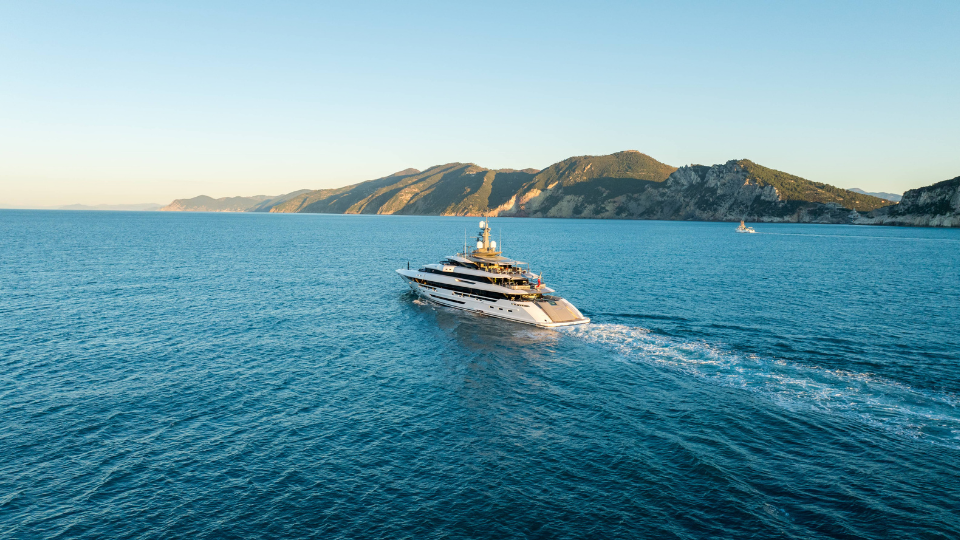
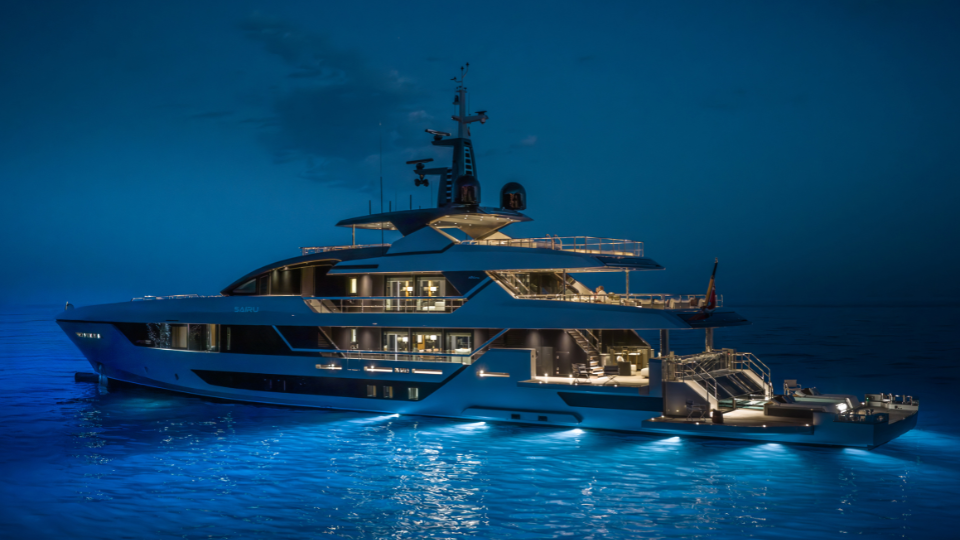
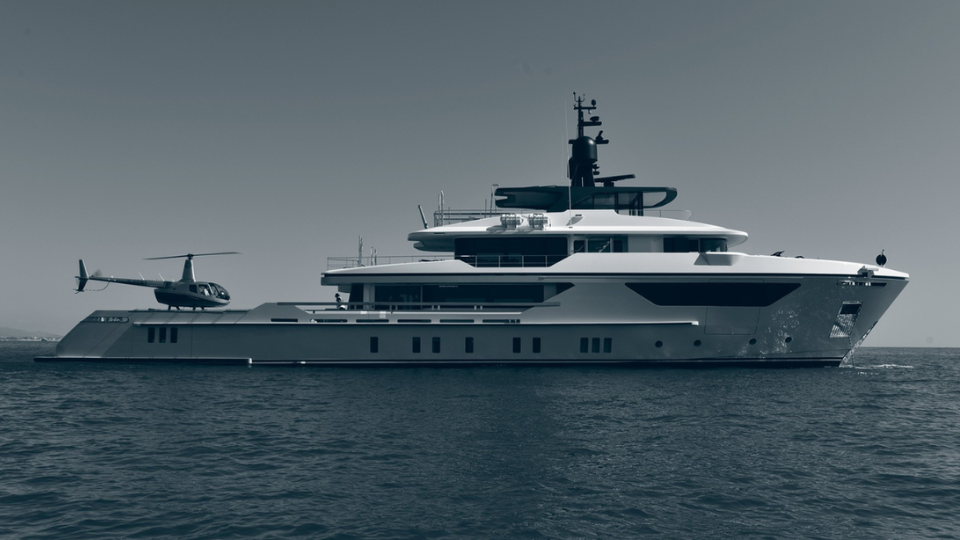
On one hand, a sleek 65-meter custom motor yacht glides effortlessly into Port Hercule just before dusk. Her multi-tiered beach club hovers inches above the Mediterranean, the guest quarters echo with refined Italian joinery, and her lightweight aluminum hull promises swift passage between St. Tropez and Corsica.
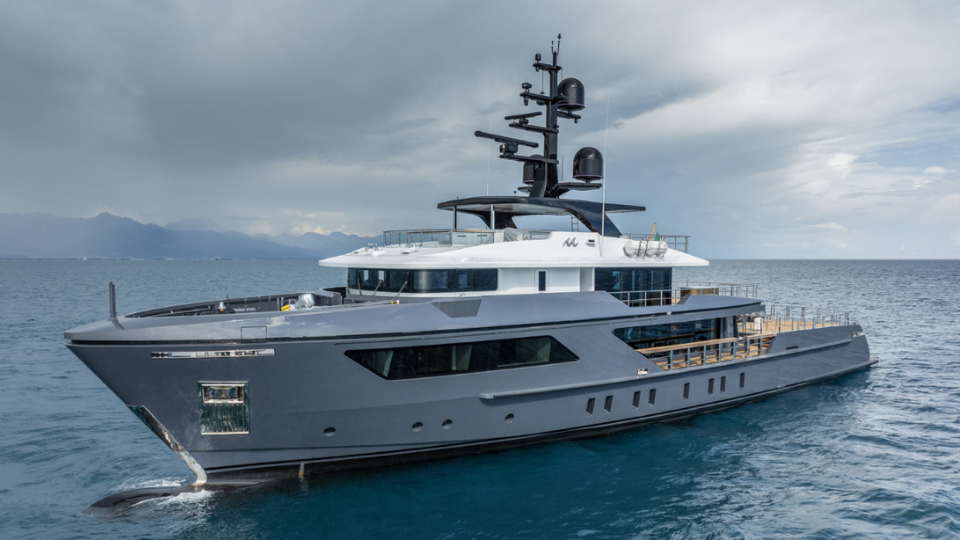
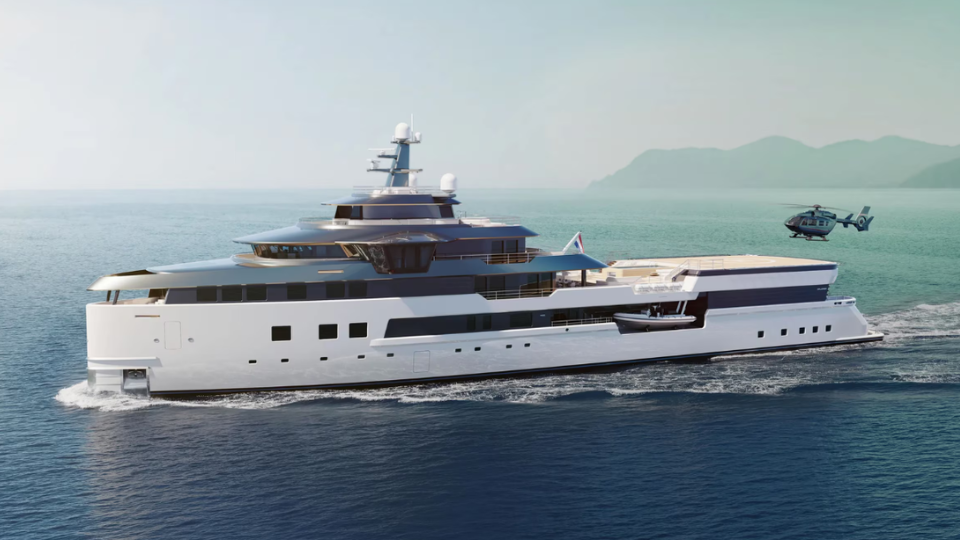
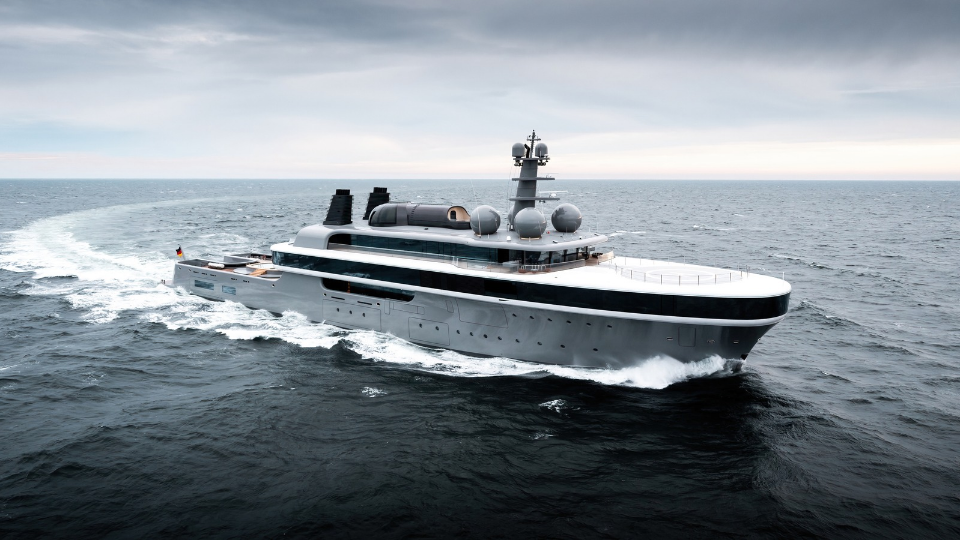
On the other, a rugged 75-meter expedition vessel sits anchored off the glacial coast of Svalbard. Her commercial-grade steel hull effortlessly displaces loose ice, a certified helipad holds a Eurocopter ready for alpine landings, and onboard desalination plants grant her crew 40 continuous days of absolute independence.
Both vessels represent the absolute pinnacle of naval architecture and bespoke craftsmanship. Yet, they serve fundamentally different aspirations. Selecting between a pedigree explorer yacht and a high-performance traditional motor yacht is a definitive statement of where—and how—you intend to experience the world.
Engineering & Naval Architecture: Purpose-Built Freedom
The foundational distinction between these two vessel classes lies beneath the waterline, dictated by physics and operational intent.
Traditional Motor Yachts: Elegance, Speed, and Coastal Access
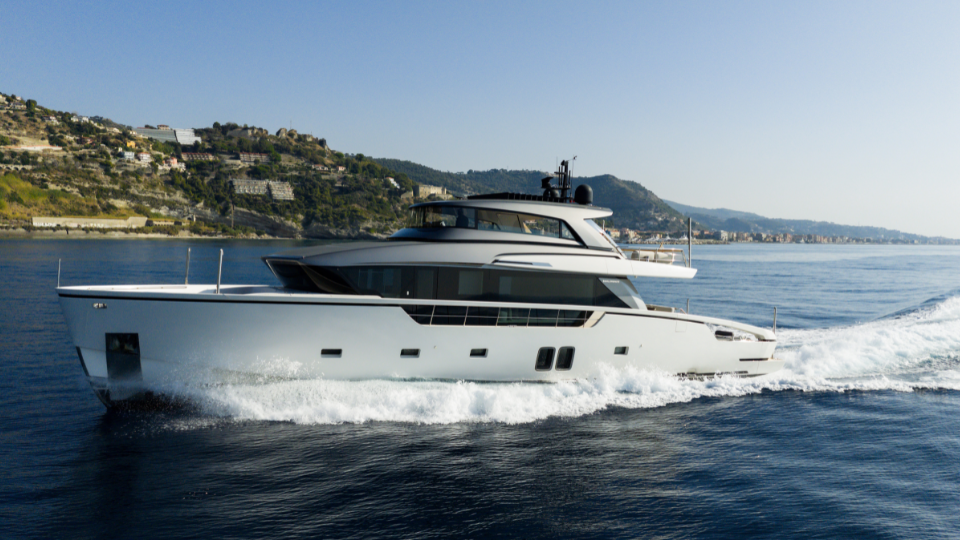
Traditional motor yachts are engineered for comfort, pace, and seamless social living. Built primarily from advanced composites or lightweight aluminum, their hulls frequently utilize semi-displacement or planing profiles.
-
Shallow Draft: Reduced displacement allows access to secluded Bahamian coves, coral atolls, and historically restricted Mediterranean harbors.
-
Pace and Agility: Cruising speeds often exceed 16 to 22 knots, enabling rapid, comfortable transit between coastal hot spots.
-
Stabilization Integration: Modern zero-speed gyro and fin stabilizers are heavily relied upon to ensure minimal roll while at anchor in open bays.
Explorer Yachts: Unyielding Autonomy in Hostile Seas
Explorer yachts—often referred to as expedition vessels—adapt the relentless reliability of commercial ship architecture to the standards of superyacht luxury. Built around full-displacement, high-tensile steel hulls, these vessels prioritize ultimate seaworthiness over raw speed.
-
Polar Code & Ice Class Ratings: Reinforced bows and thickened hull plating allow for safe navigation through high-latitude ice drifts.
-
Long-Range Efficiency: By cruising at an economical 10 to 12 knots, these displacement hulls maximize fuel efficiency, yielding oceanic ranges that comfortably exceed 5,000 nautical miles.
-
Redundant Autonomy: Dual engine rooms, vast cold-storage capacities, and commercial-grade waste management systems allow for extended, unassisted voyages far from shore-side infrastructure.
The Onboard Experience: Layout and Lifestyle
While traditional motor yachts blur the lines between indoor and outdoor entertaining, explorer yachts must dedicate substantial Gross Tonnage (GT) to utility, logistics, and heavy equipment storage.
The Traditional Layout: Social Continuity
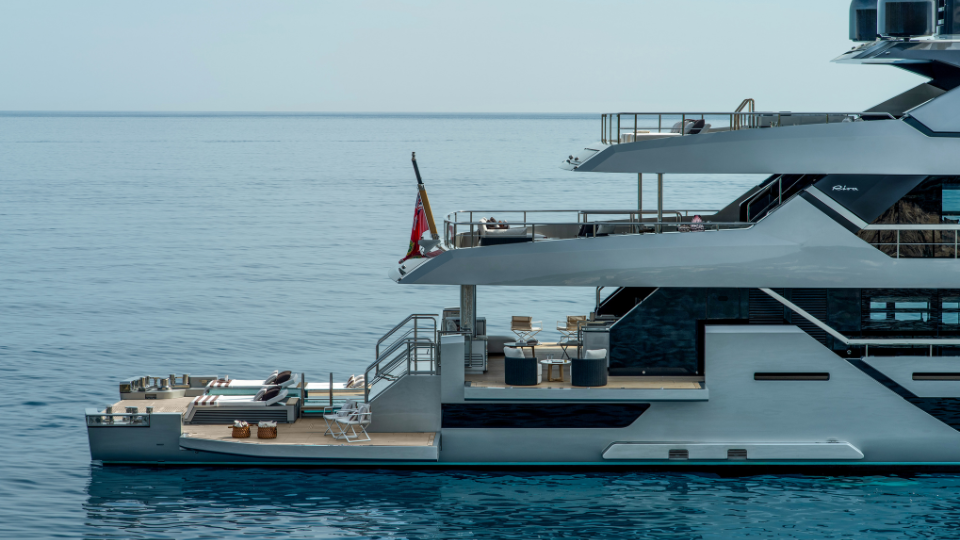
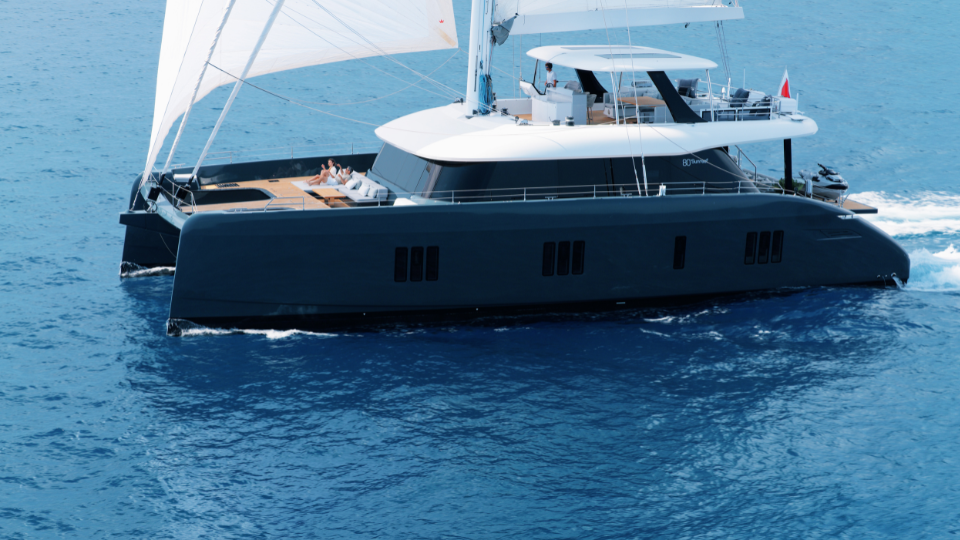
The traditional motor yacht focuses heavily on the art of hosting. Expect sprawling, tiered sundecks featuring infinity pools, drop-down balconies that expand the beam, and lavish owner suites positioned forward on the main deck for panoramic views. The crowning jewel is typically the aft beach club—a massive, water-level lounge designed for swimming, tender boarding, and sunbathing.
The Explorer Layout: The Expedition Deck
Conversely, explorer yachts frequently feature a forward-biased superstructure. This architectural choice frees up a vast, reinforced aft working deck. Instead of a water-level beach club, this expansive deck is utilized to launch the tools of discovery: heavy-duty commercial cranes, 30-foot enclosed tenders, personal submersibles, all-terrain vehicles, and even scientific dive compression chambers.
Structured Specification Contrast
To distill the technical differences, consider the baseline profiles of each vessel class.
Traditional Motor Yacht Profile
-
Primary Hull Material: Aluminum or GRP Composite
-
Hull Profile: Semi-Displacement or Planing
-
Transatlantic Range: 3,000 to 4,000 nm
-
Autonomy at Sea: 7 to 14 Days
-
Emissions Standard: IMO Tier II / Tier III Compliance
-
Specialized Crew: Hospitality Teams, Executive Chefs, Stewards
-
Primary Cruising Grounds: French Riviera, Amalfi Coast, Caribbean, Exumas
Explorer / Expedition Yacht Profile
-
Primary Hull Material: High-Grade Steel or Heavy-Gauge Aluminum
-
Hull Profile: Full Displacement / Ice-Reinforced
-
Transatlantic Range: 5,000 to 8,000+ nm
-
Autonomy at Sea: 30 to 50+ Days (Self-Sustaining)
-
Emissions Standard: IMO Tier III Compliance & Green Star Certification
-
Specialized Crew: Ice Pilots, Submersible Pilots, Expedition Guides, Scientists
-
Primary Cruising Grounds: Antarctica, Northwest Passage, Patagonia, South Pacific
Defining Your Maritime Vision
Deciding between these two architectural marvels requires a candid assessment of your intended operational profile.
Commission an Explorer Yacht if:
-
You demand true off-grid independence and the ability to cross oceans without relying on frequent bunkering.
-
Your itineraries include high-latitude, extreme destinations like Antarctica, Greenland, or remote atolls in the South Pacific.
-
Your lifestyle requires significant logistical support, including aviation facilities, submersibles, or heavy off-road vehicles.
Commission a Traditional Motor Yacht if:
-
Your primary cruising grounds are iconic, established coastal hubs like the Mediterranean or the Caribbean.
-
Draft restrictions are a priority for accessing shallow anchorages close to beaches and reefs.
-
You value the combination of rapid transit times, sleek exterior lines, and expansive, open-air luxury resort amenities.
FAQs
What defines a true explorer yacht?
A true explorer yacht is defined by an autonomous cruising range exceeding 5,000 nautical miles, a full displacement steel hull, the capacity for extended self-sustainability (via commercial watermakers and cold storage), and heavy equipment handling capabilities for remote, unassisted navigation.
Can a traditional motor yacht cross the Atlantic Ocean?
Yes. Most motor yachts over 40 meters possess a transatlantic range of approximately 3,000 to 3,500 nautical miles when operating at economical cruising speeds of 10 to 12 knots, allowing them to cross the Atlantic safely between seasonal cruising grounds.
Are explorer yachts less luxurious than traditional superyachts?
No. While the exterior architecture of an explorer yacht prioritizes rugged utility, seaworthiness, and high Gross Tonnage (GT), the interior guest accommodations match or exceed the bespoke luxury, acoustic dampening, and refined craftsmanship found on traditional superyachts.