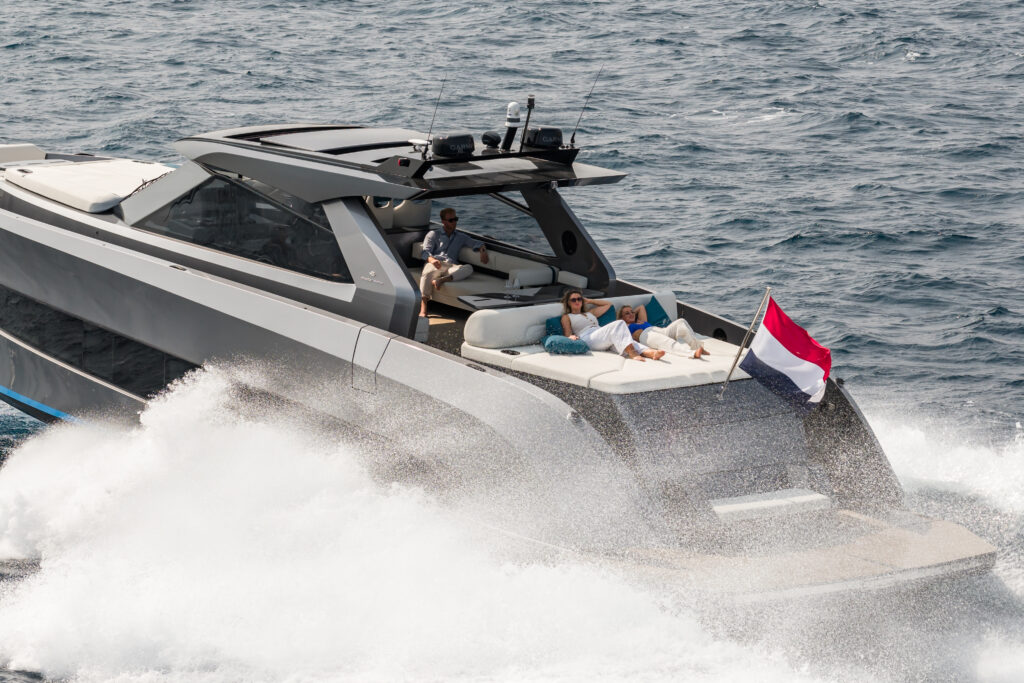
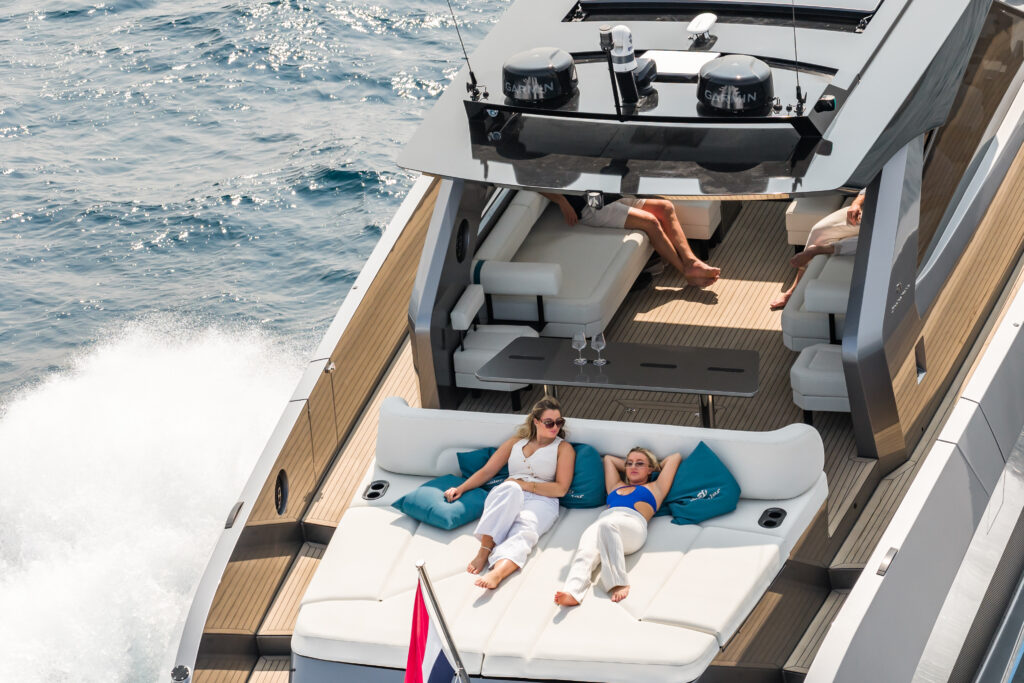
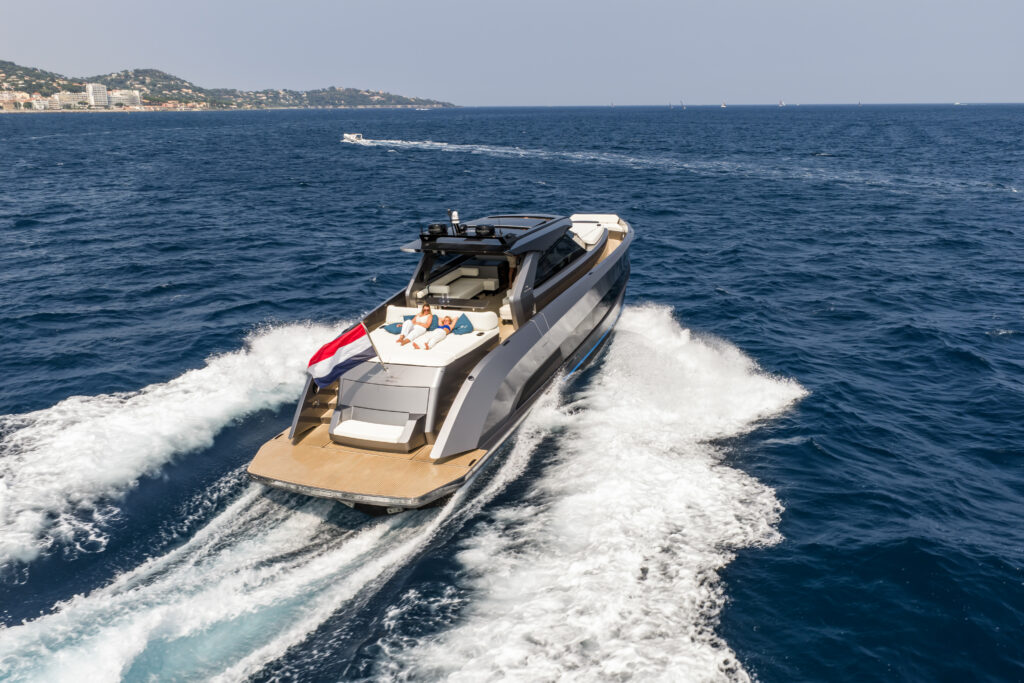
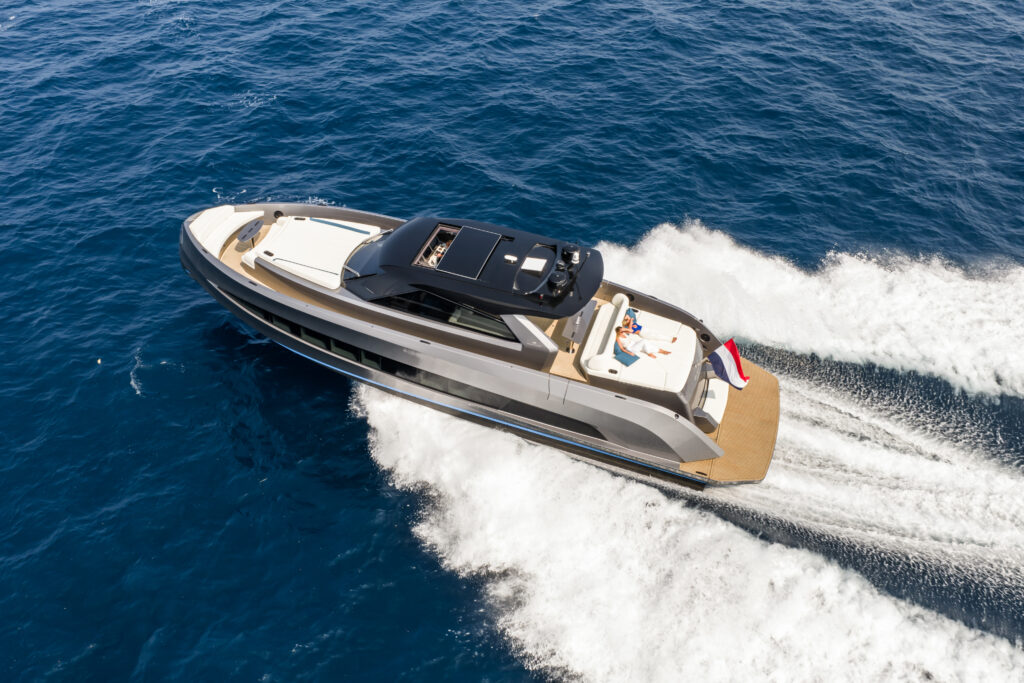
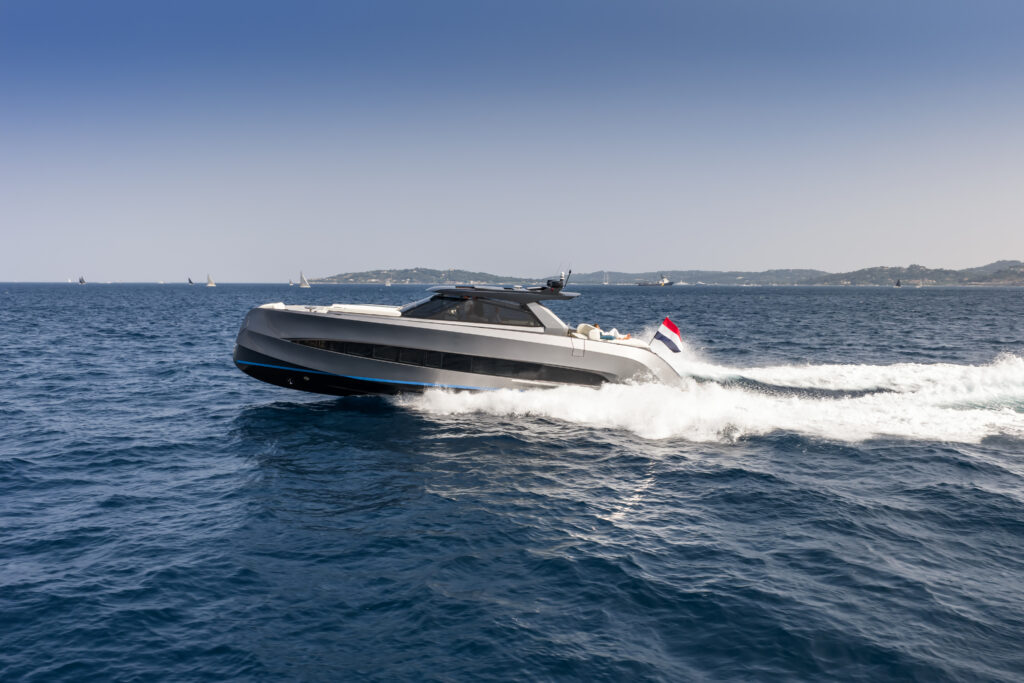
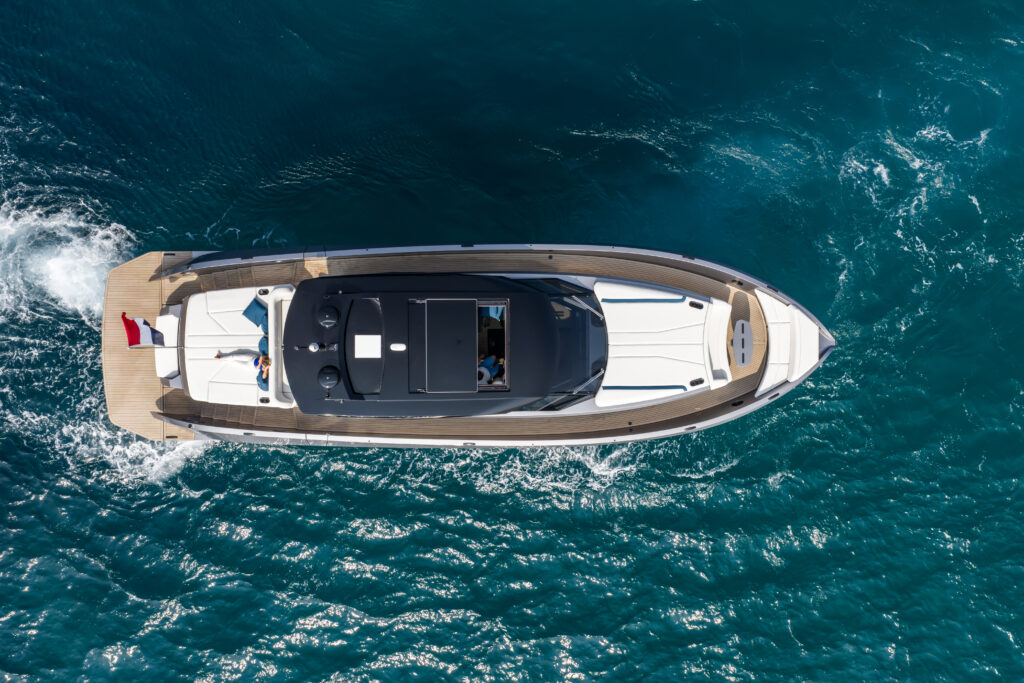
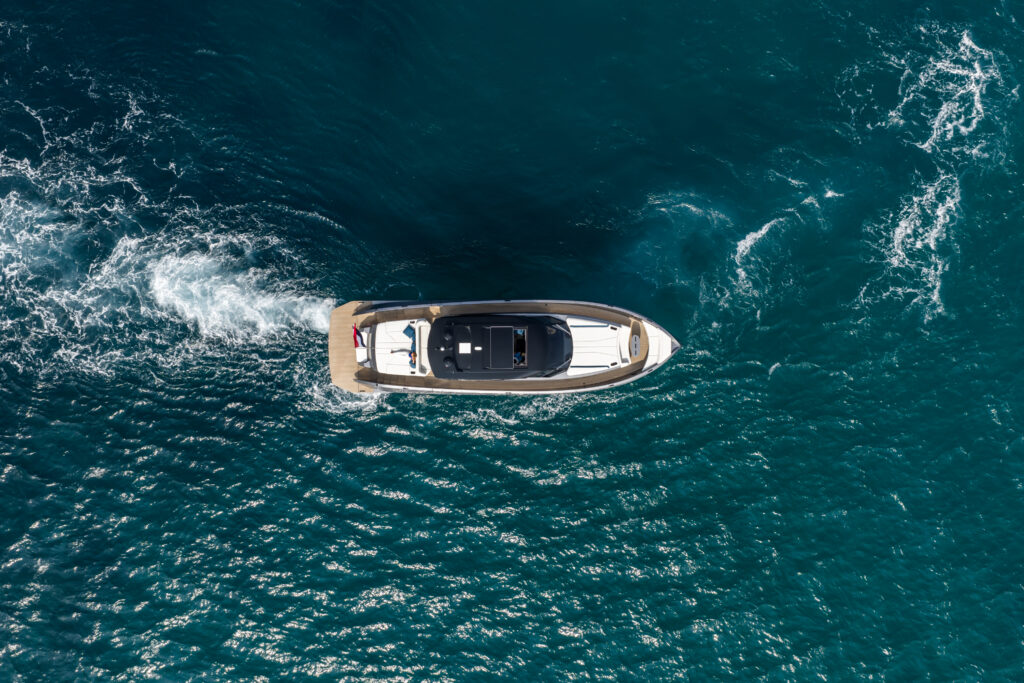
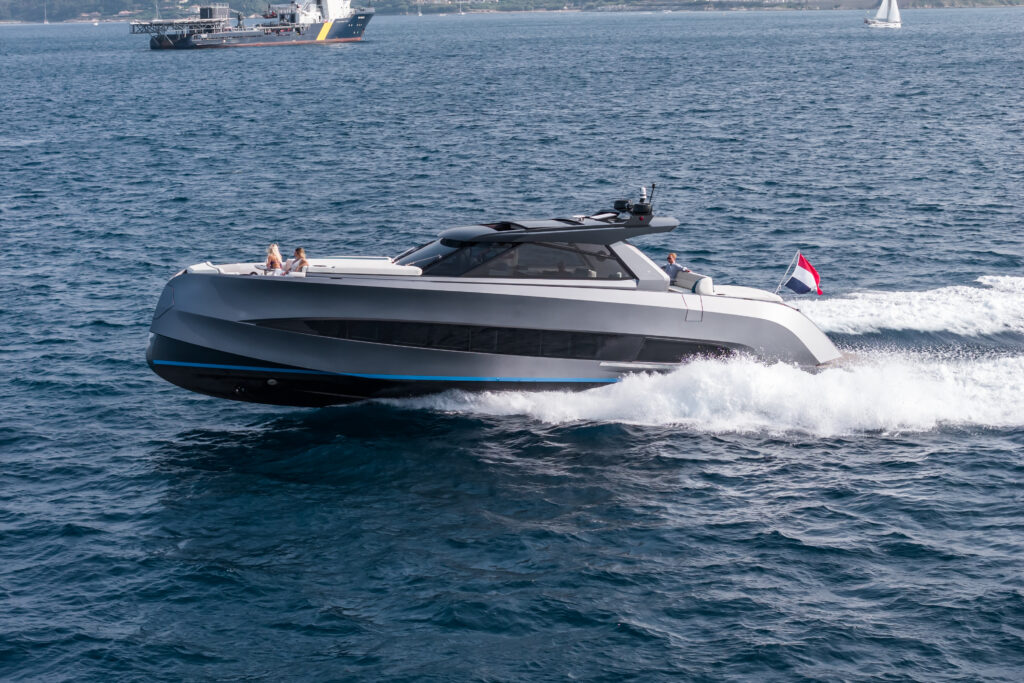
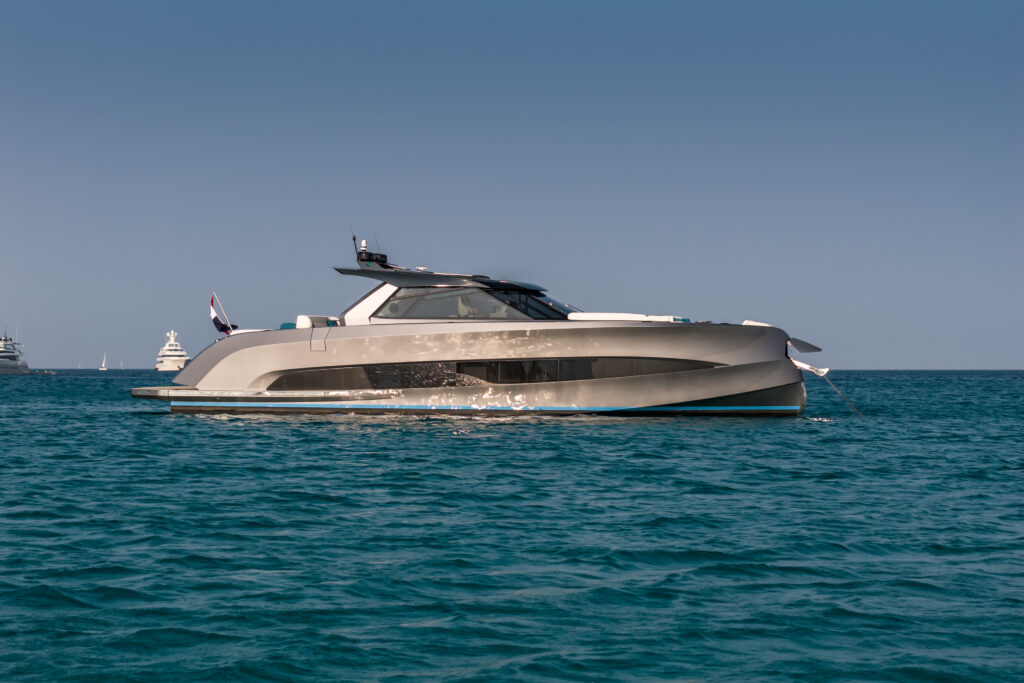
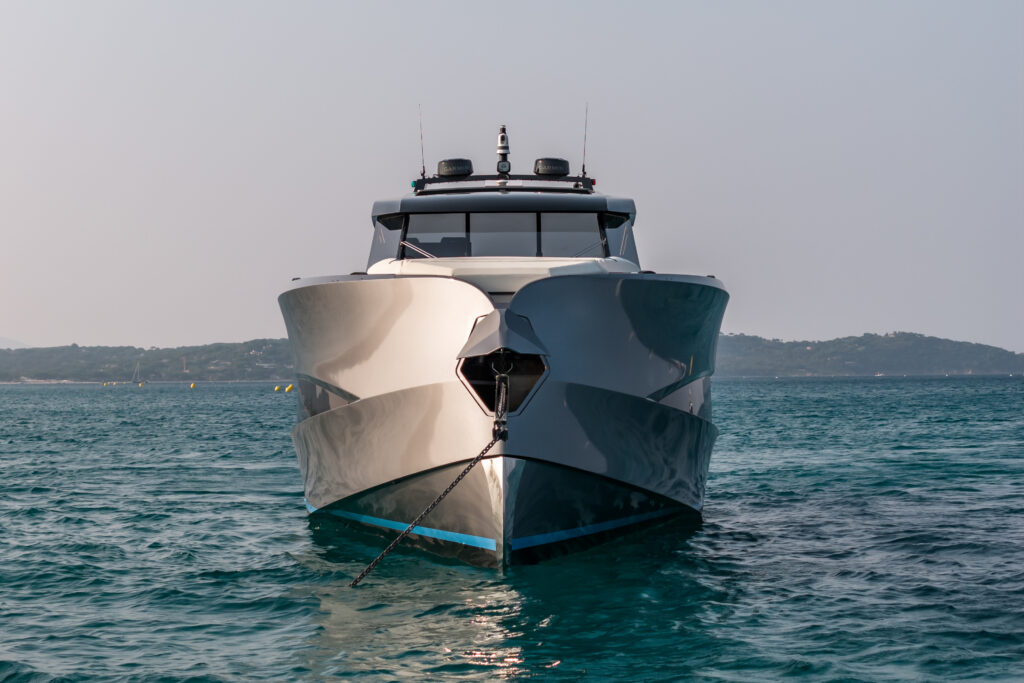
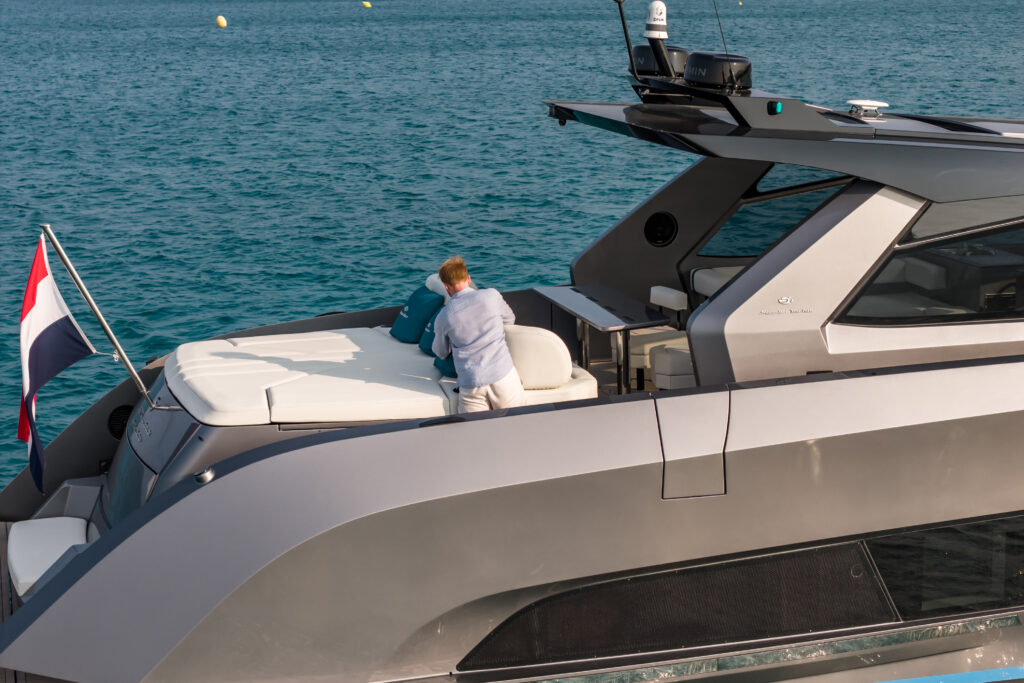
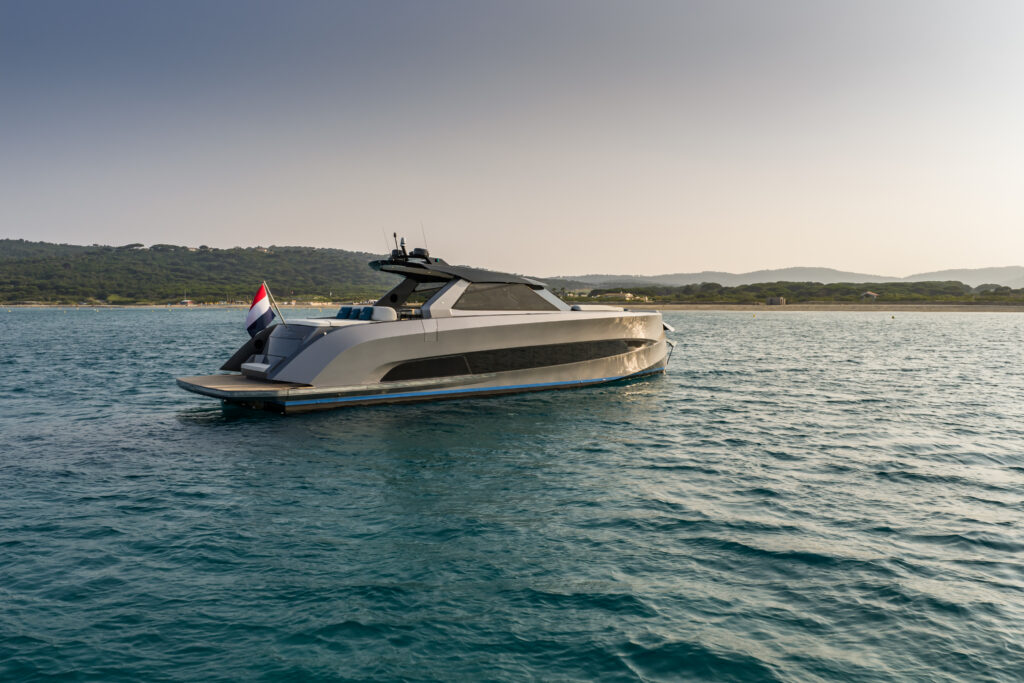
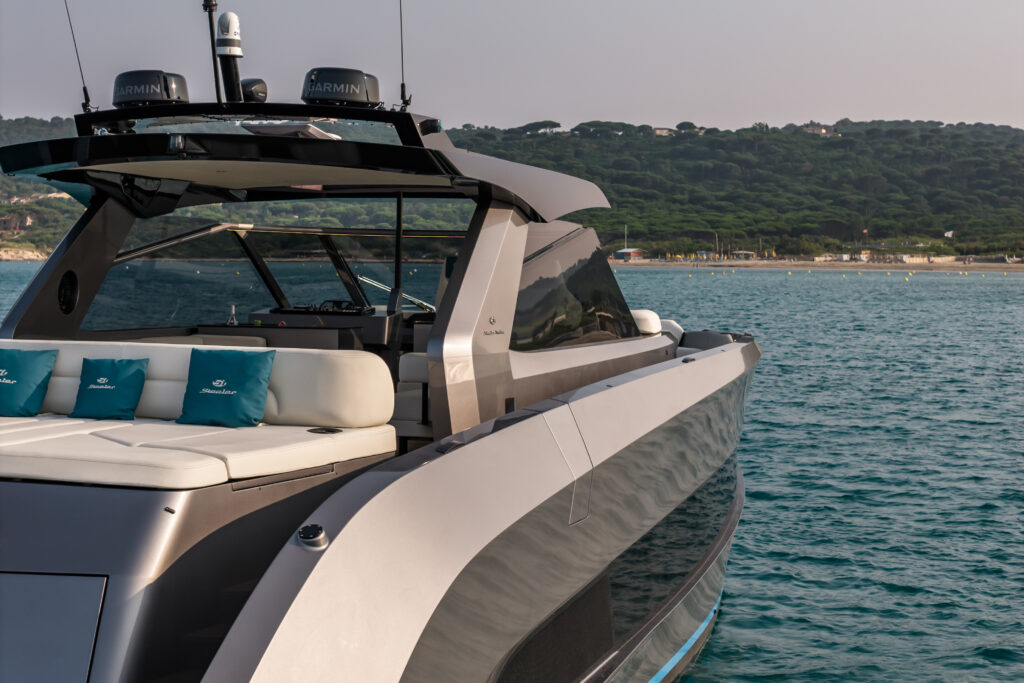
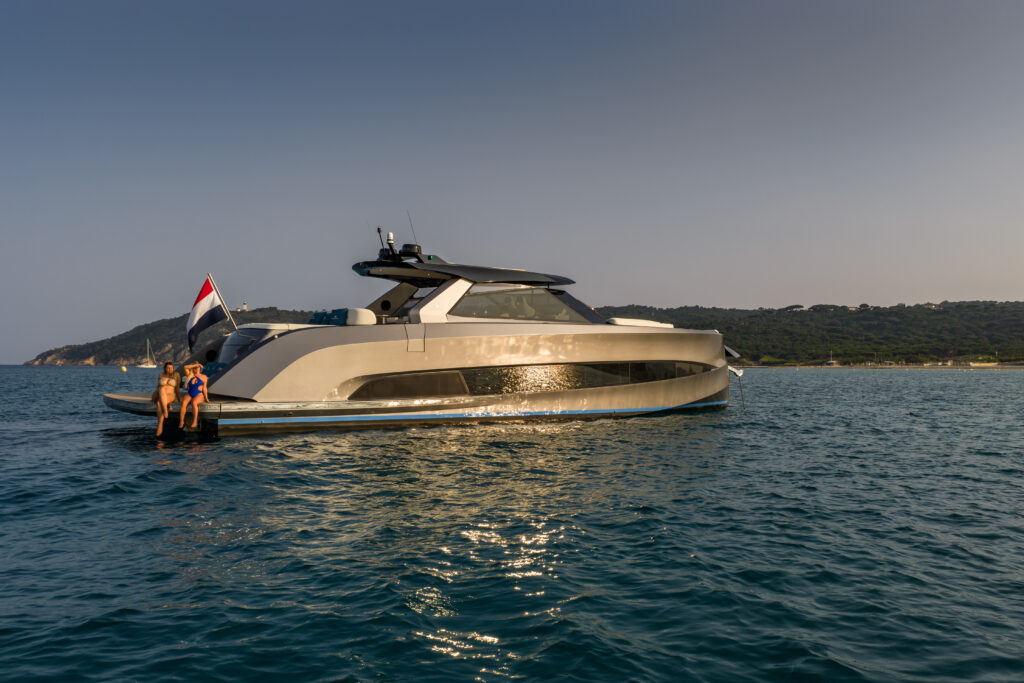
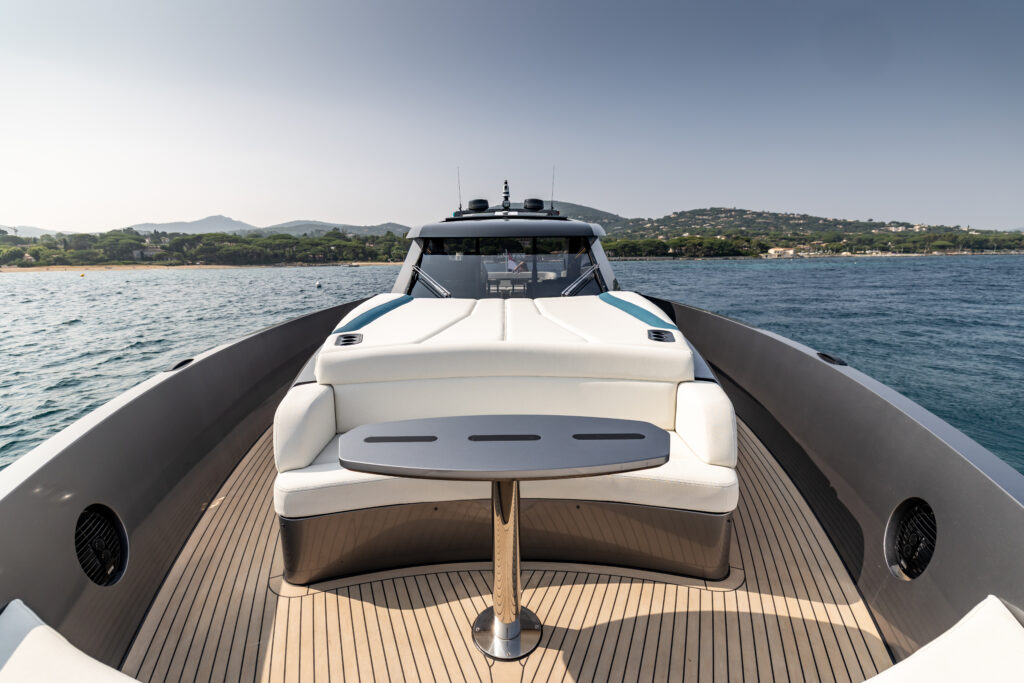
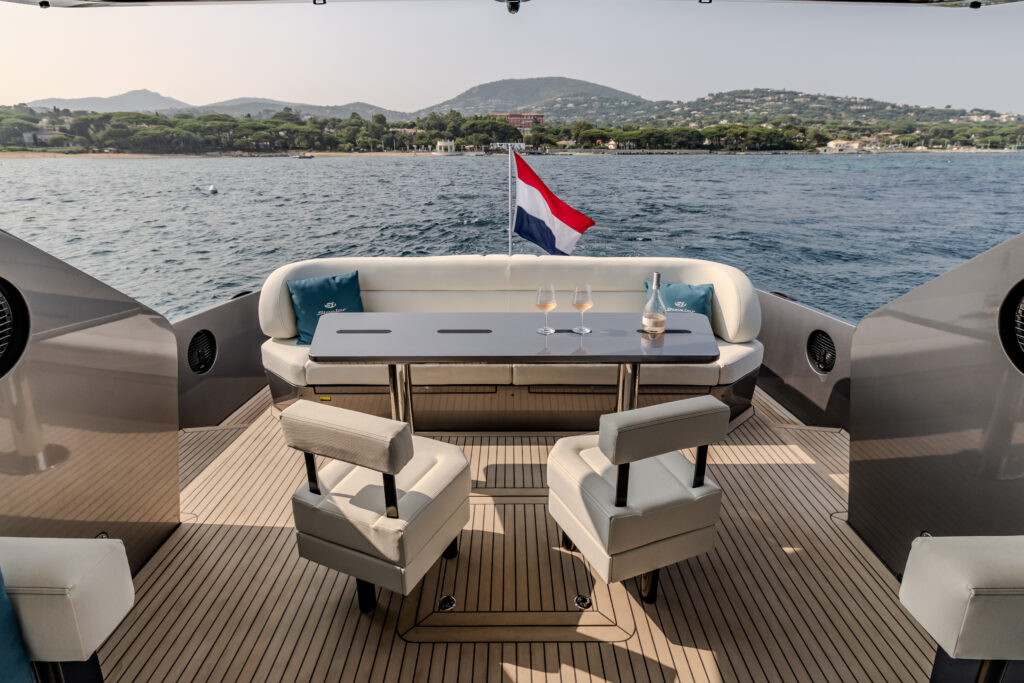
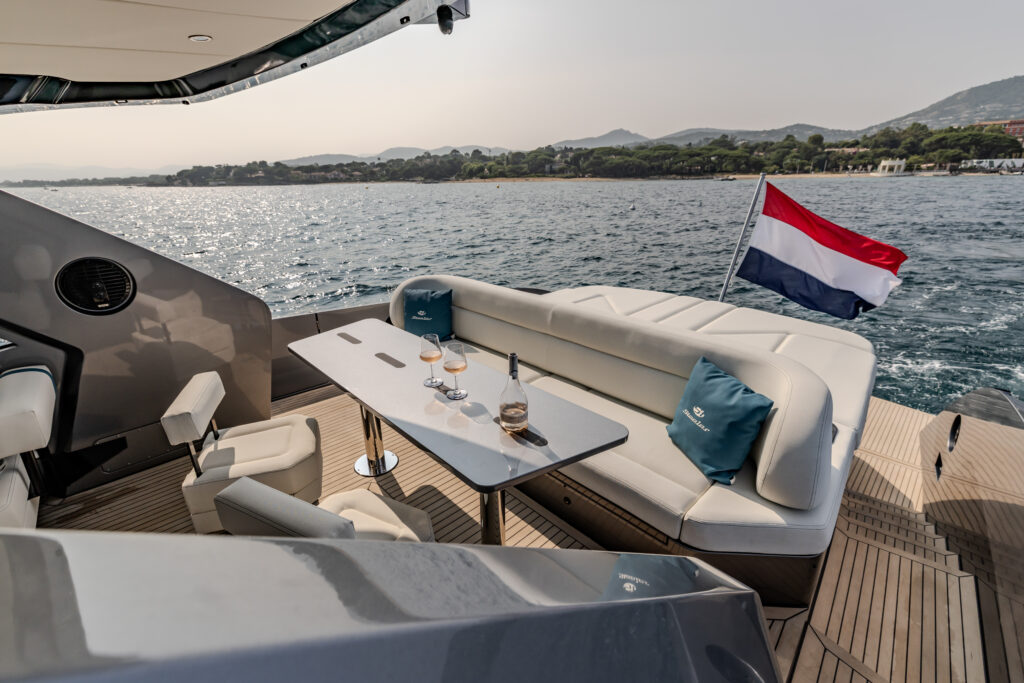
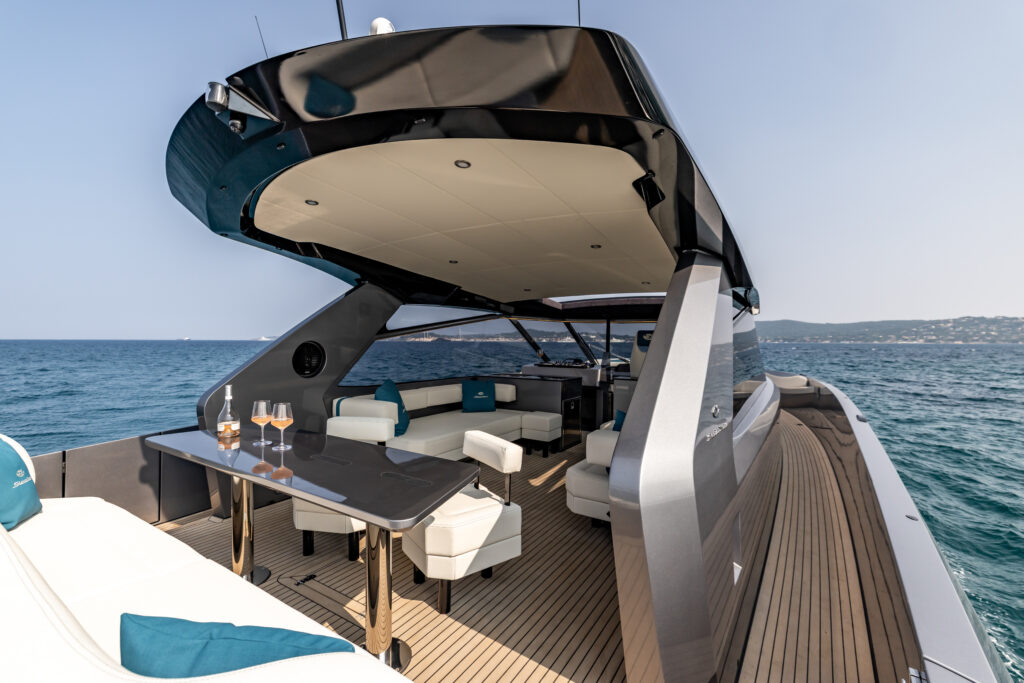
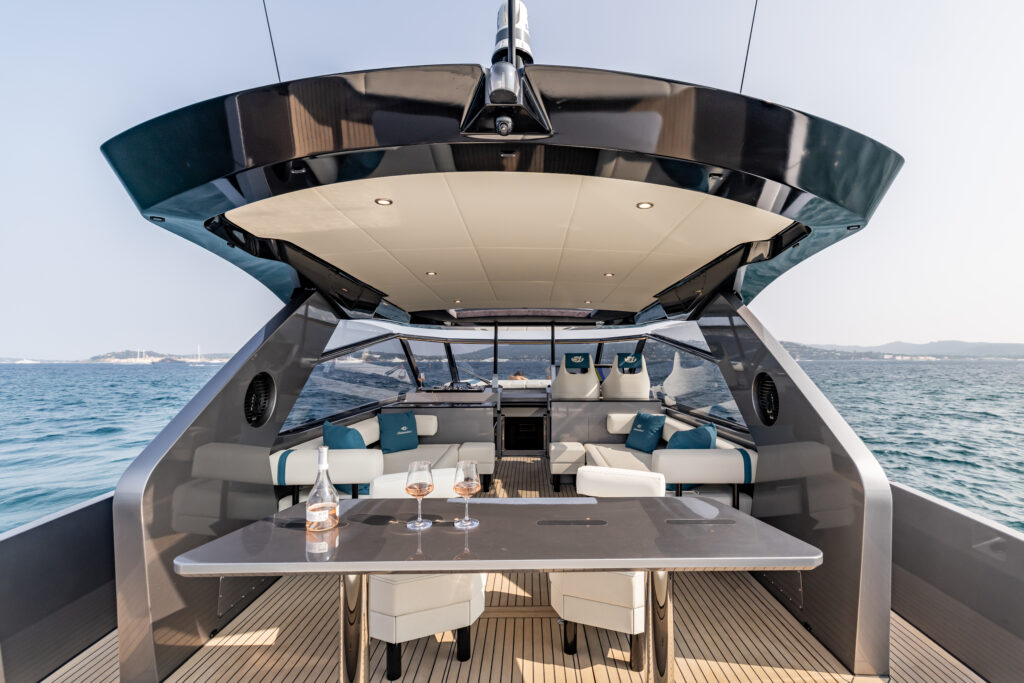
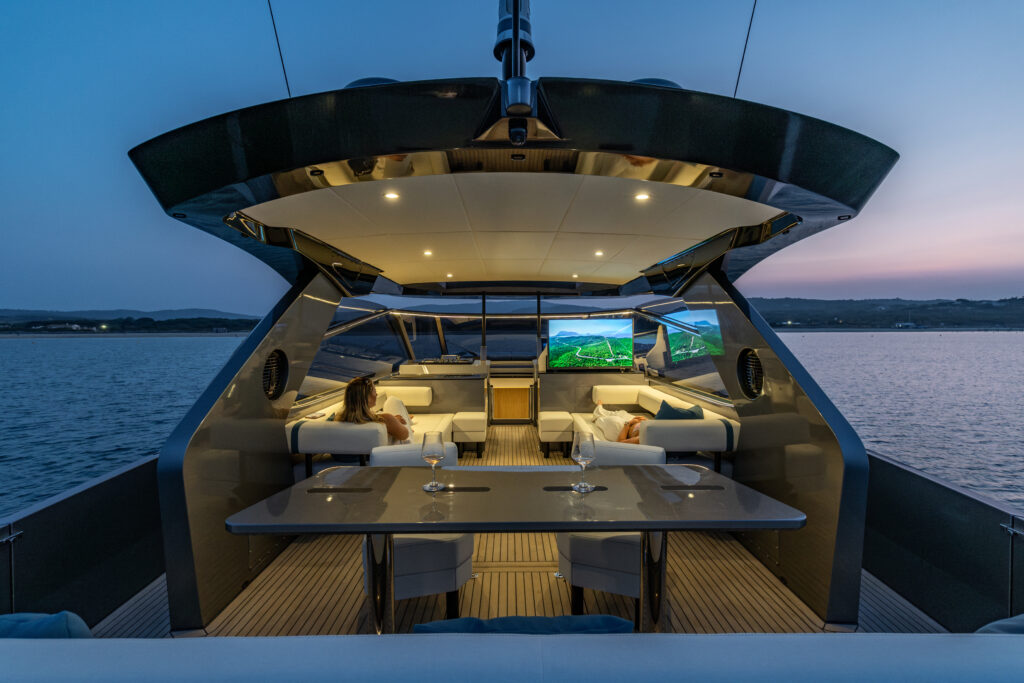
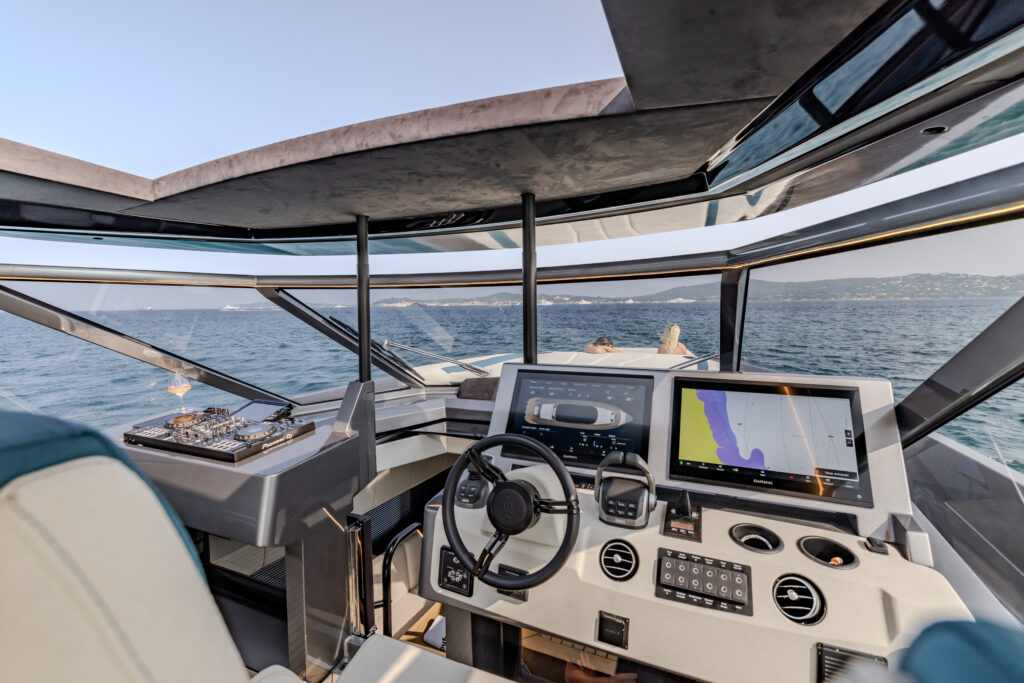
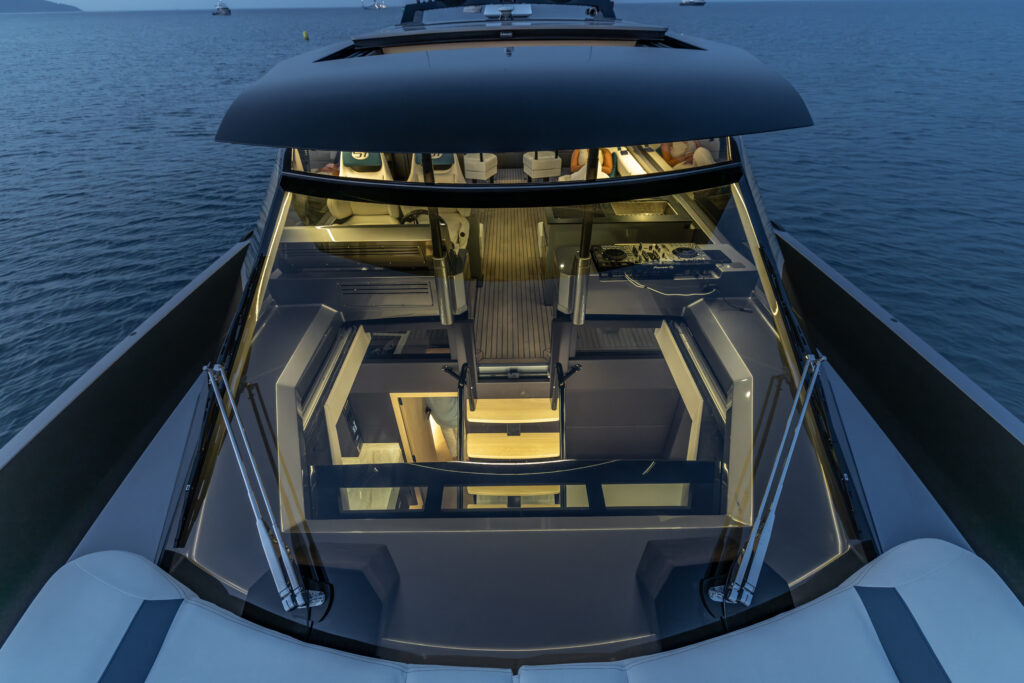
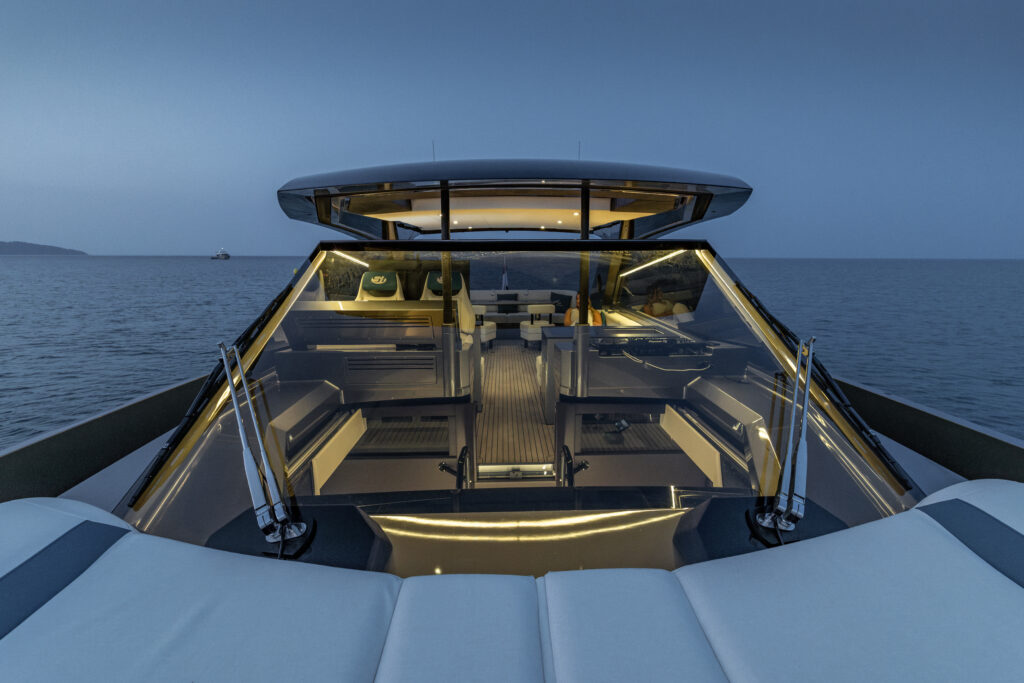
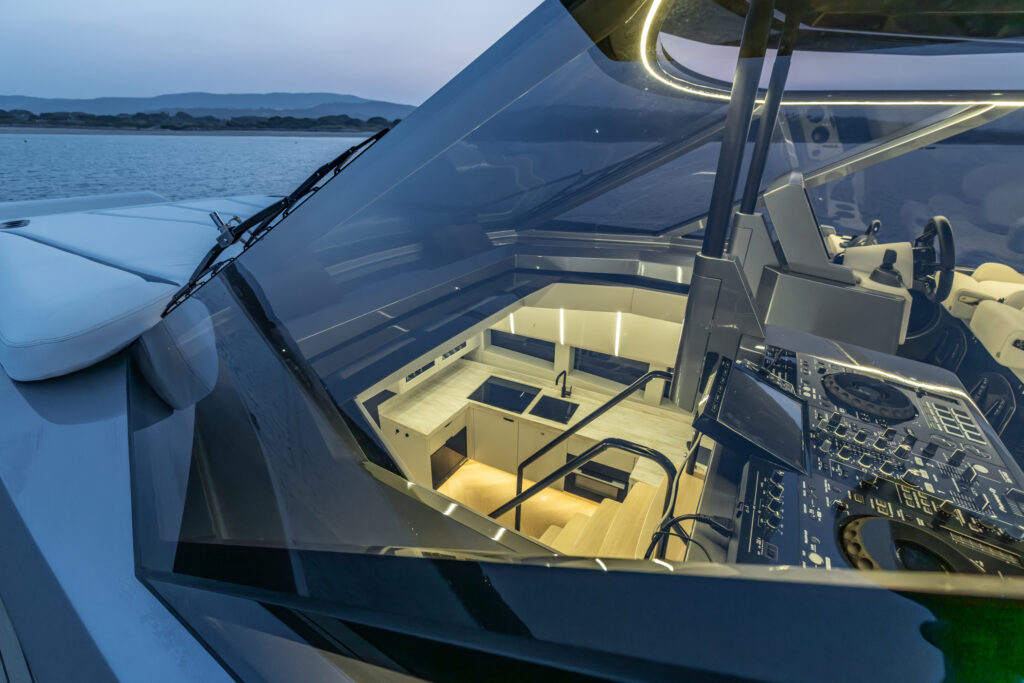
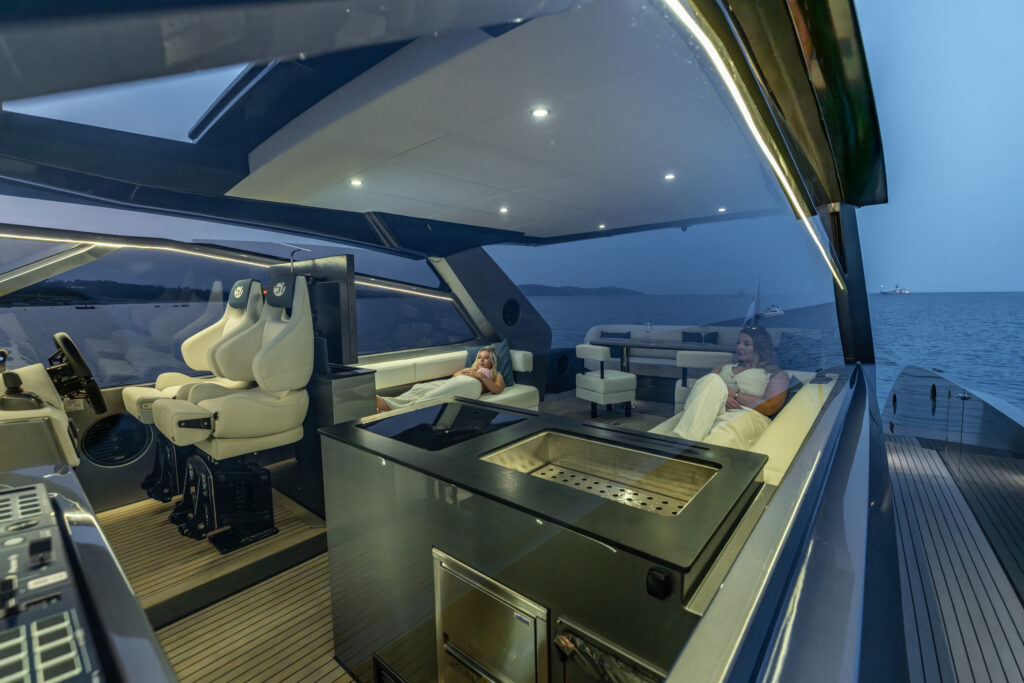
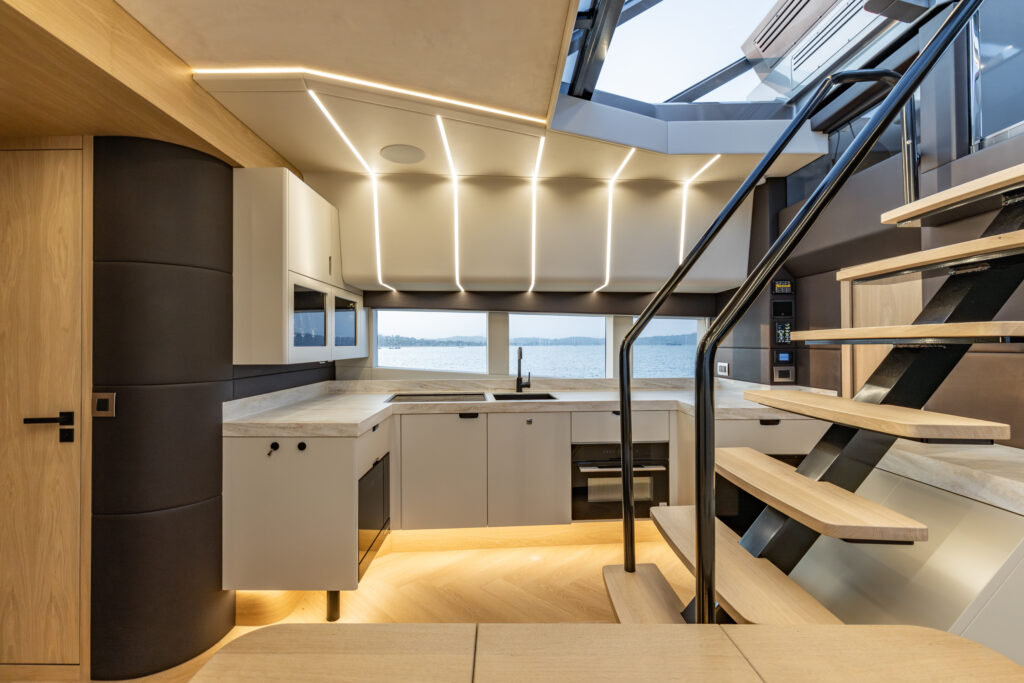
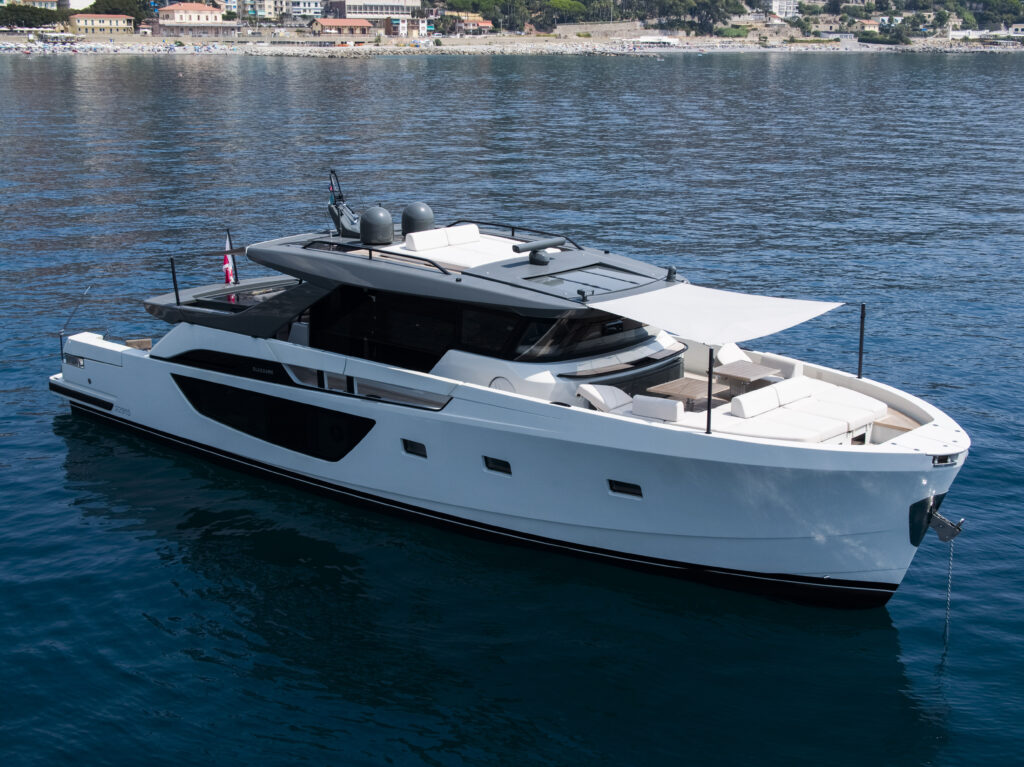
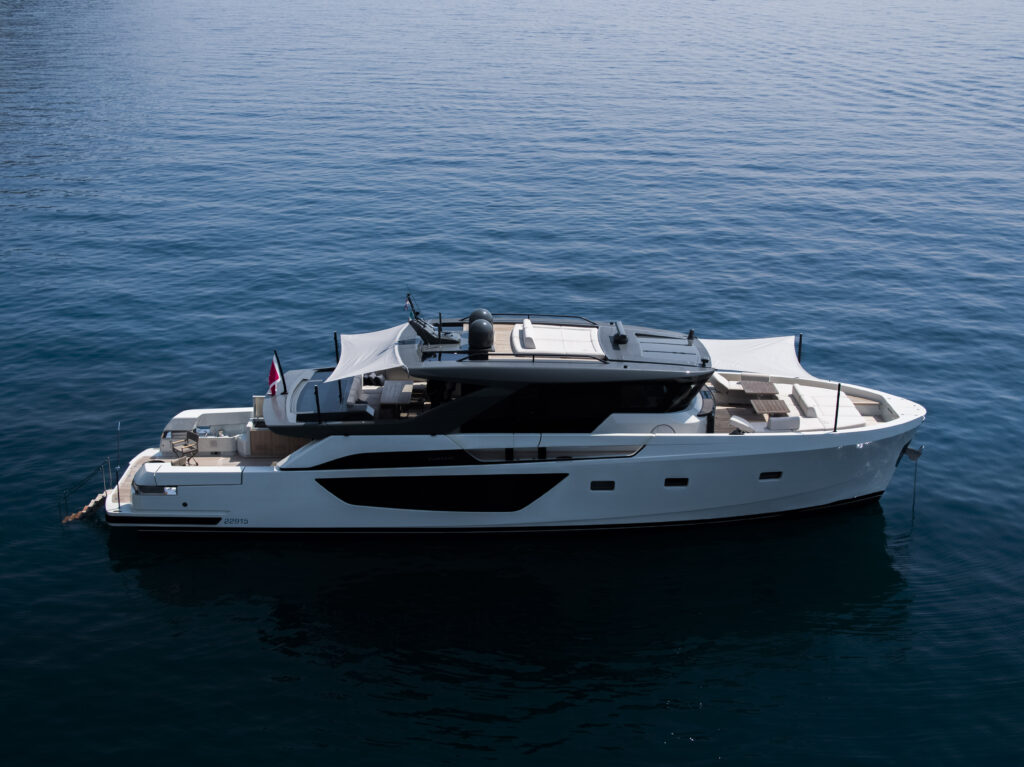
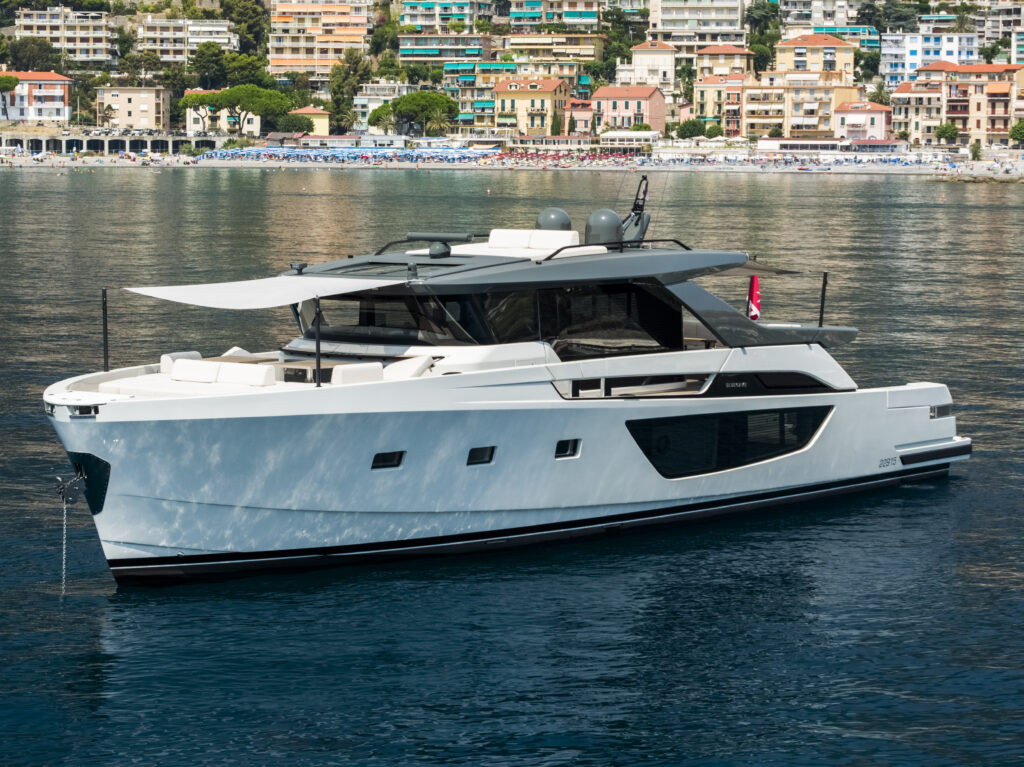
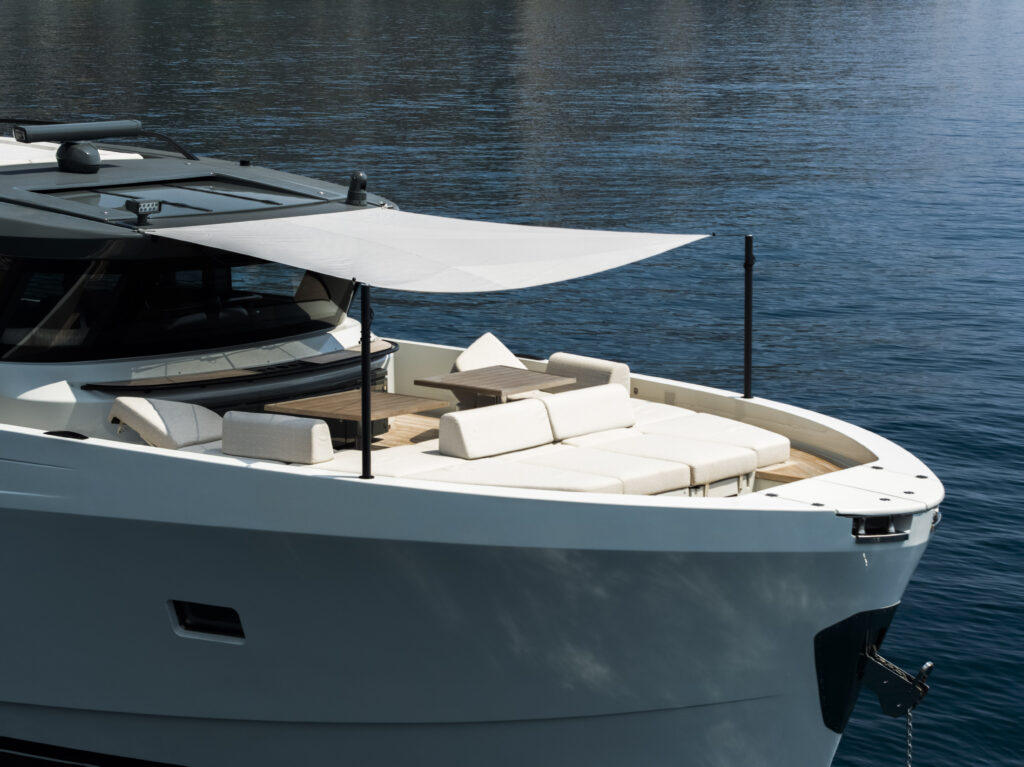
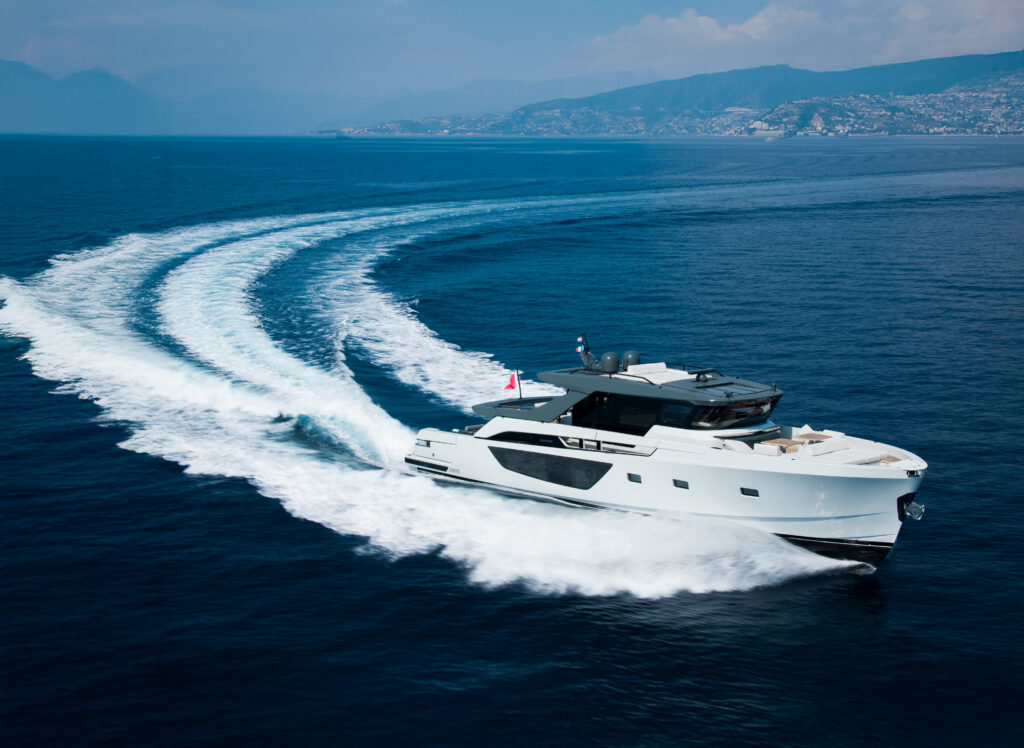
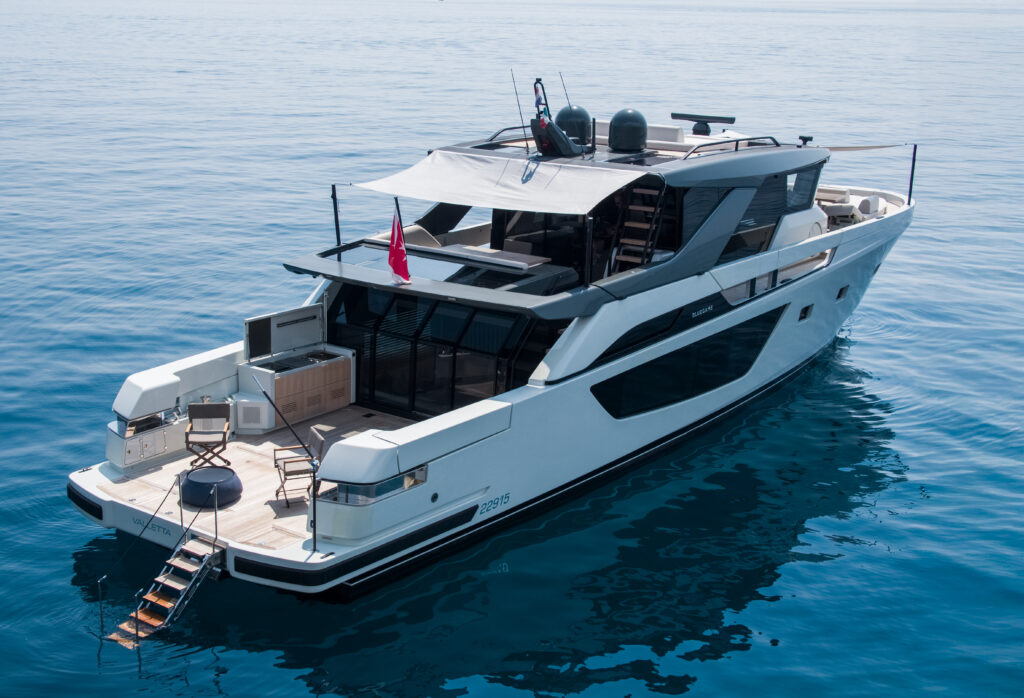
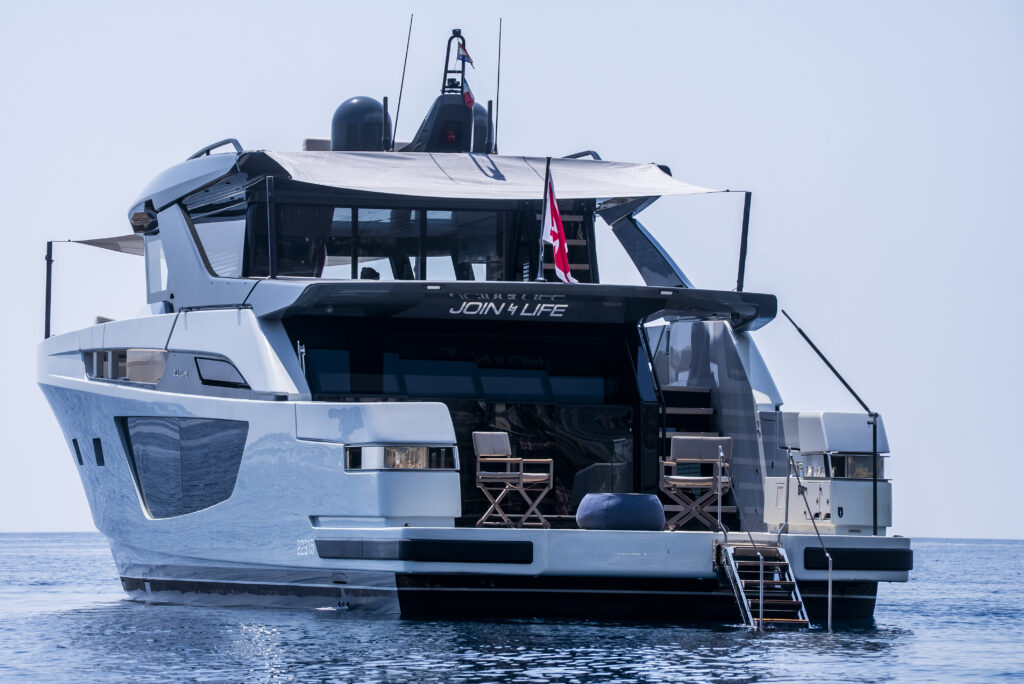
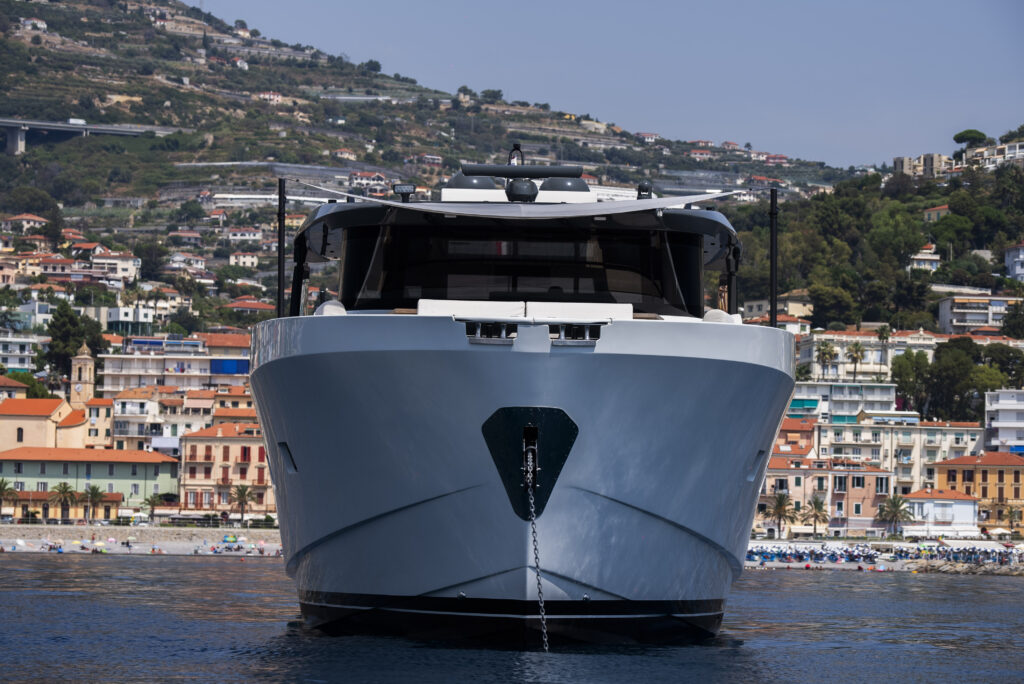
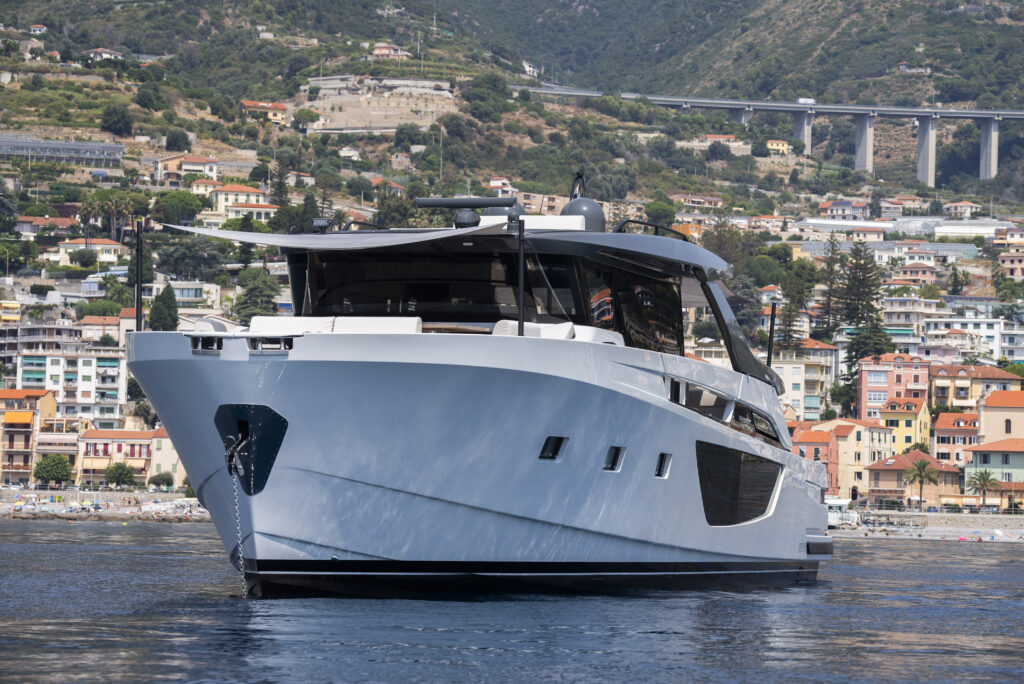
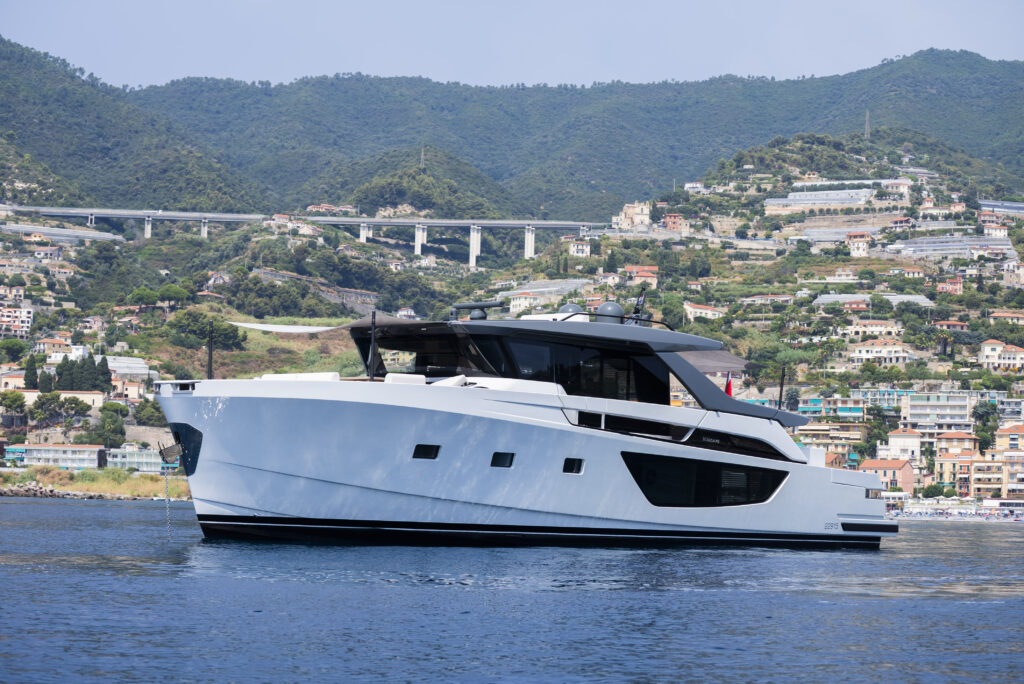
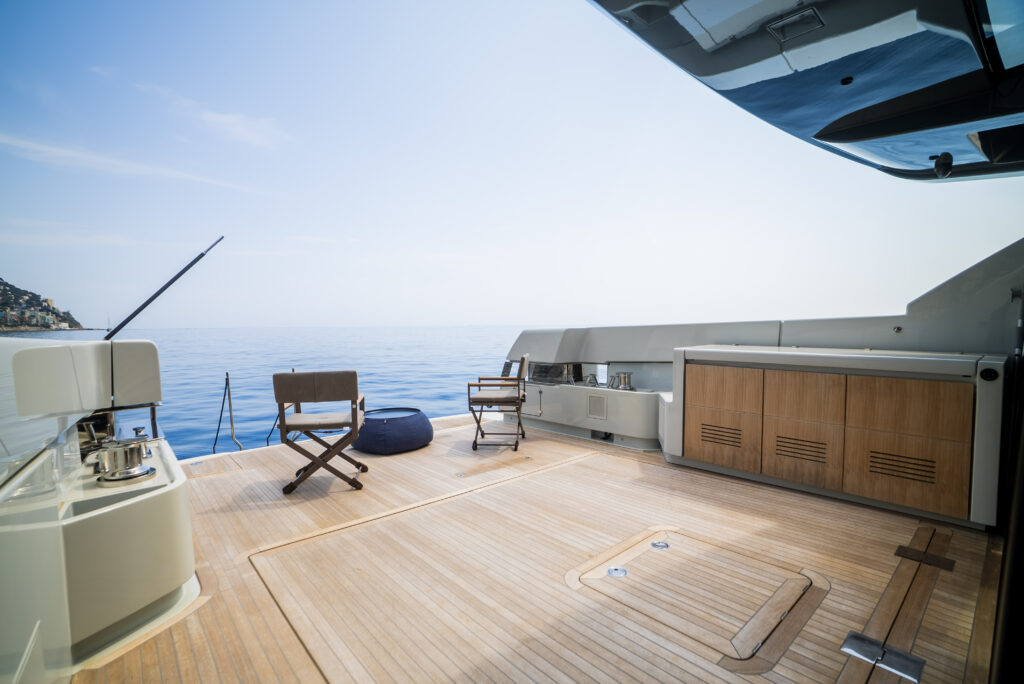
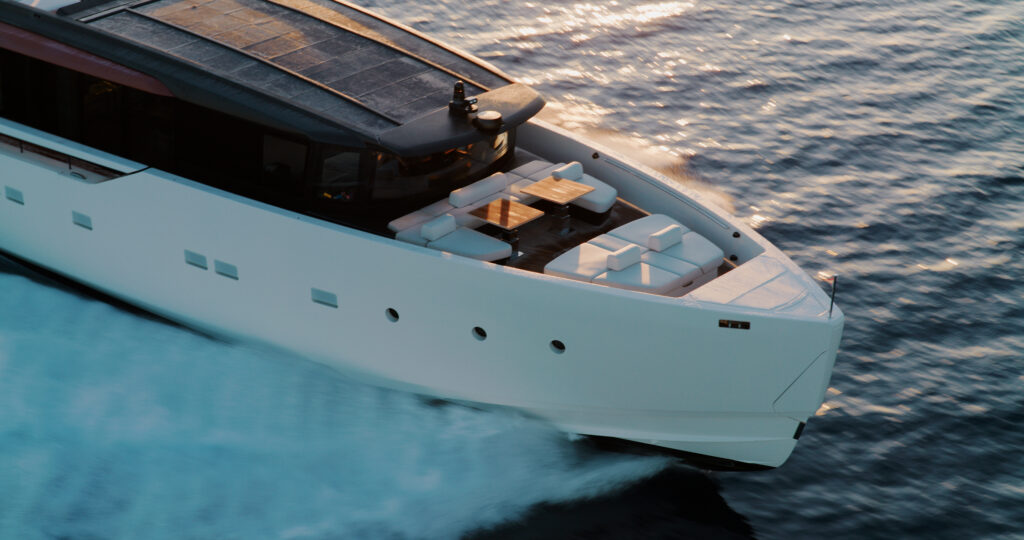
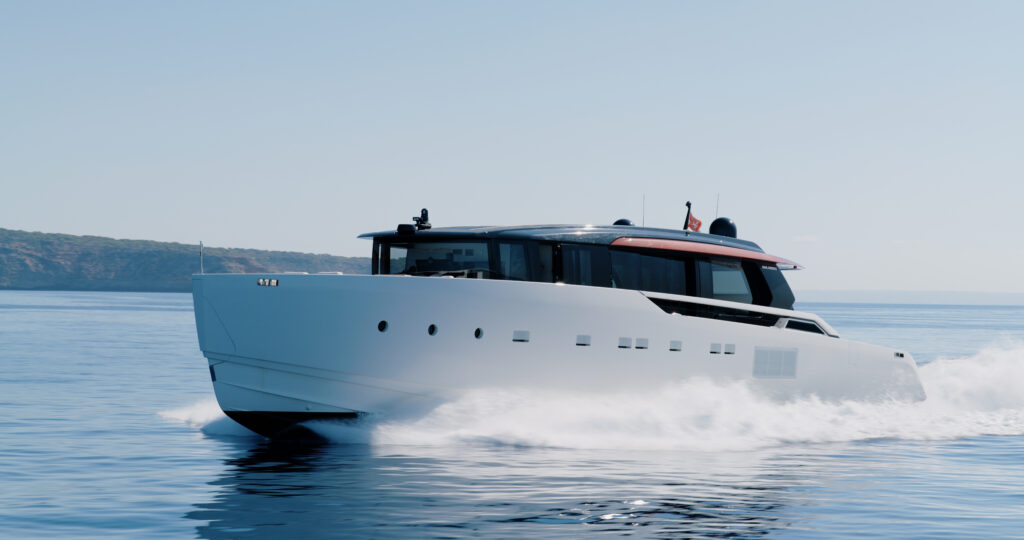
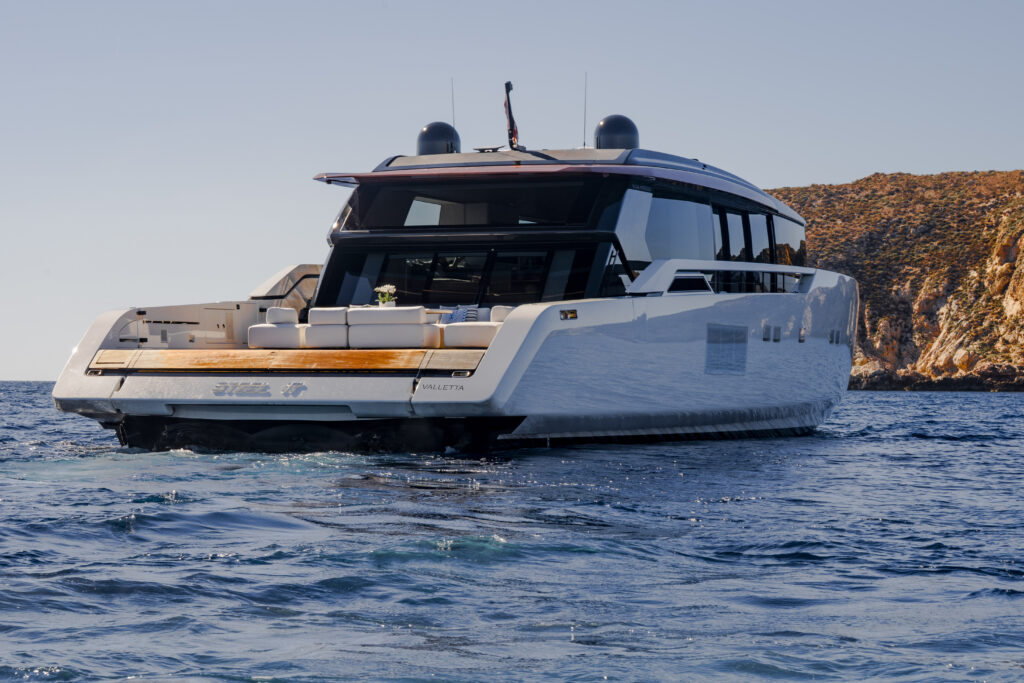
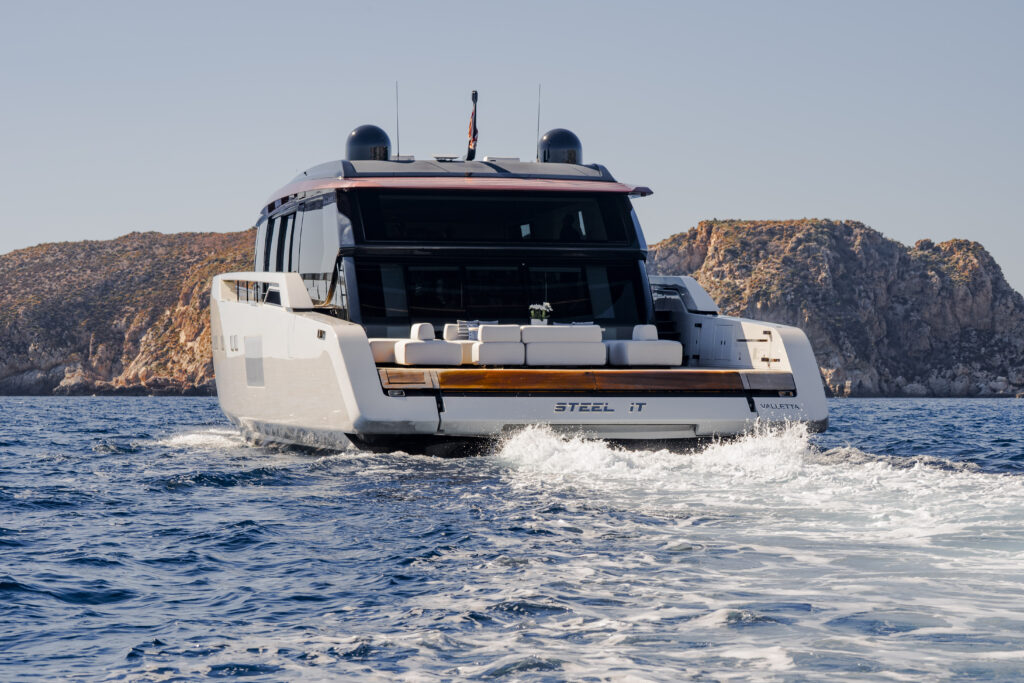
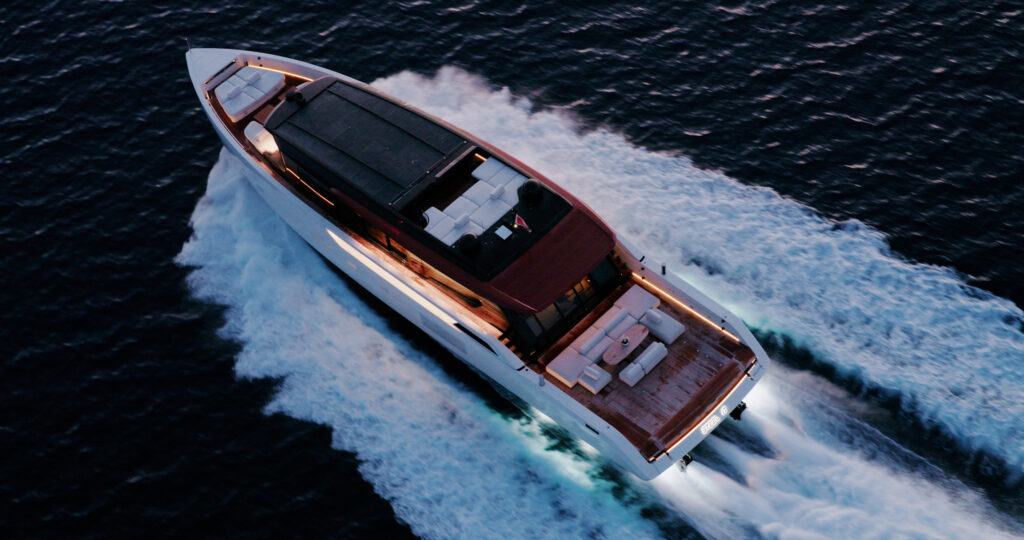
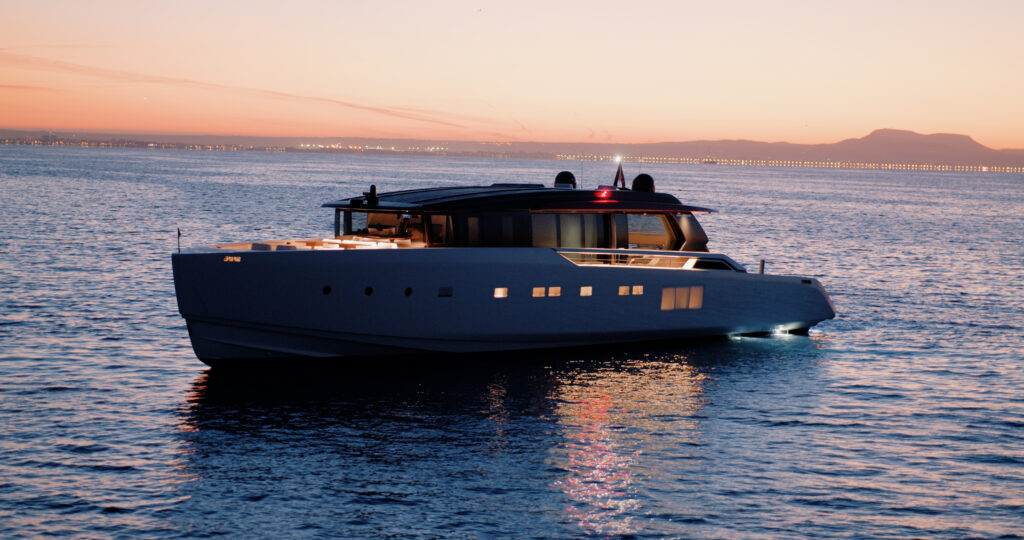
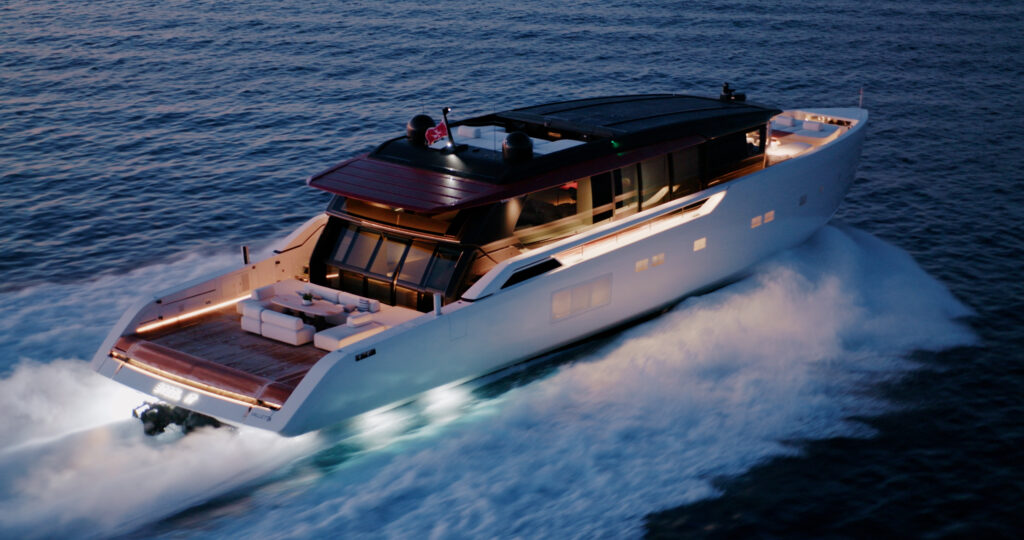
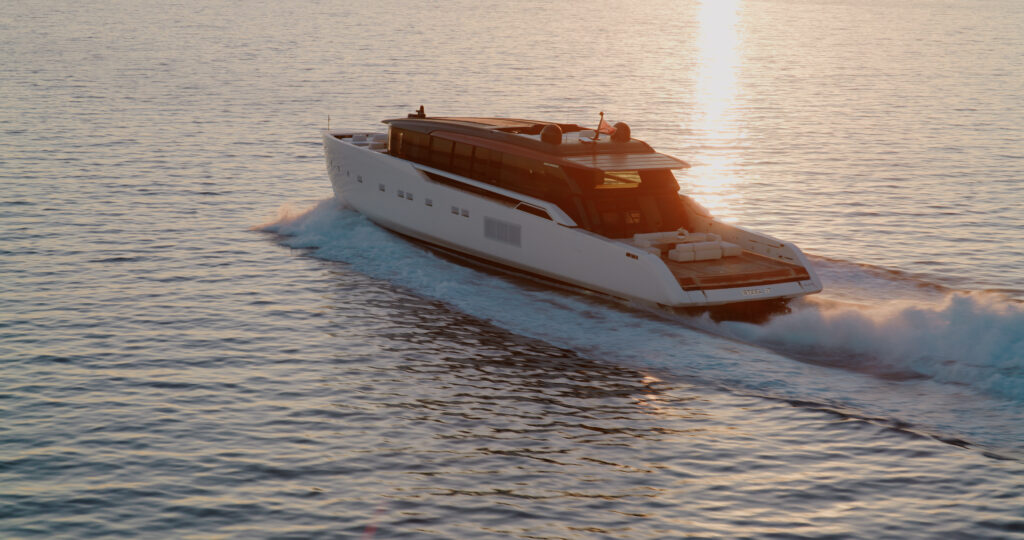
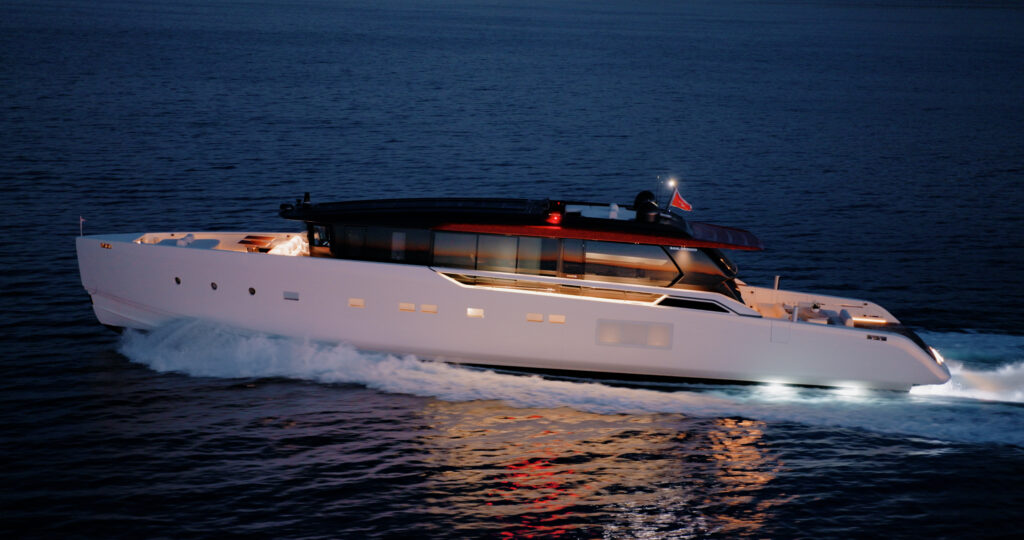
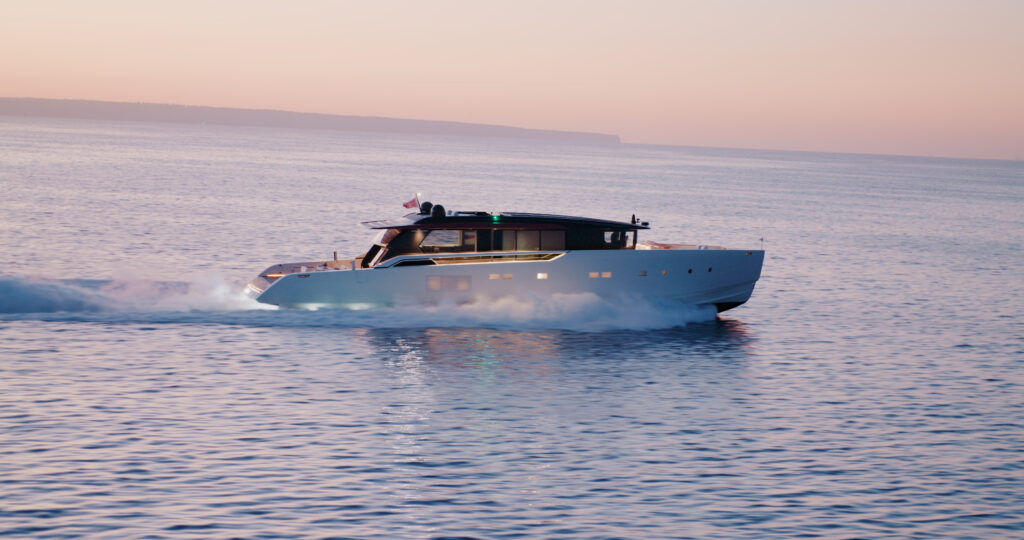
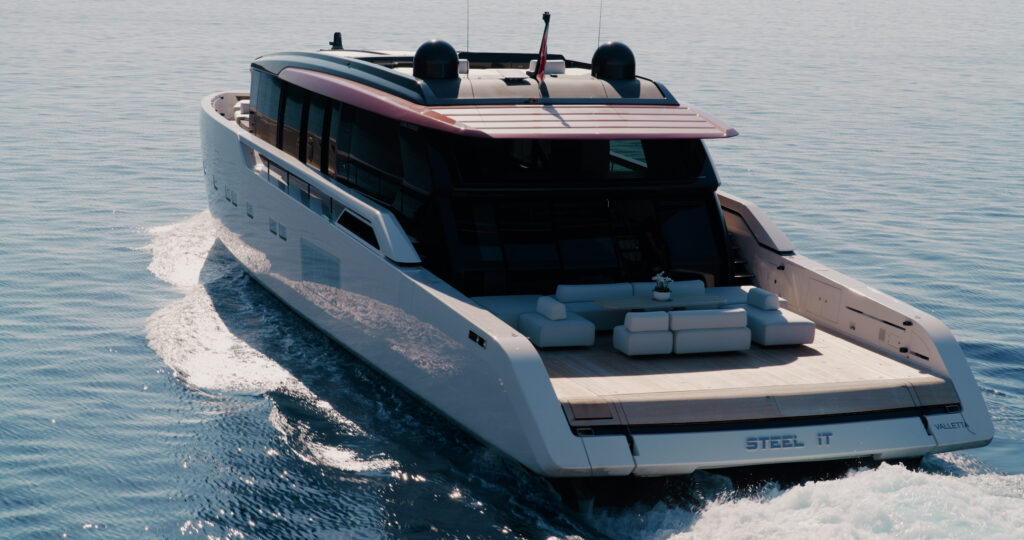
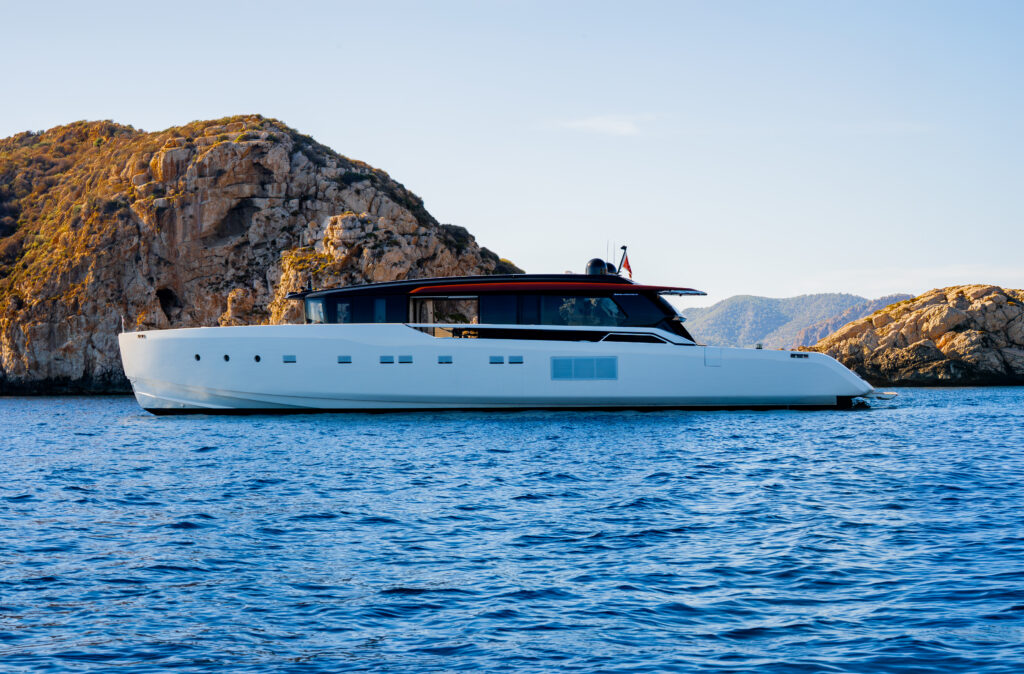
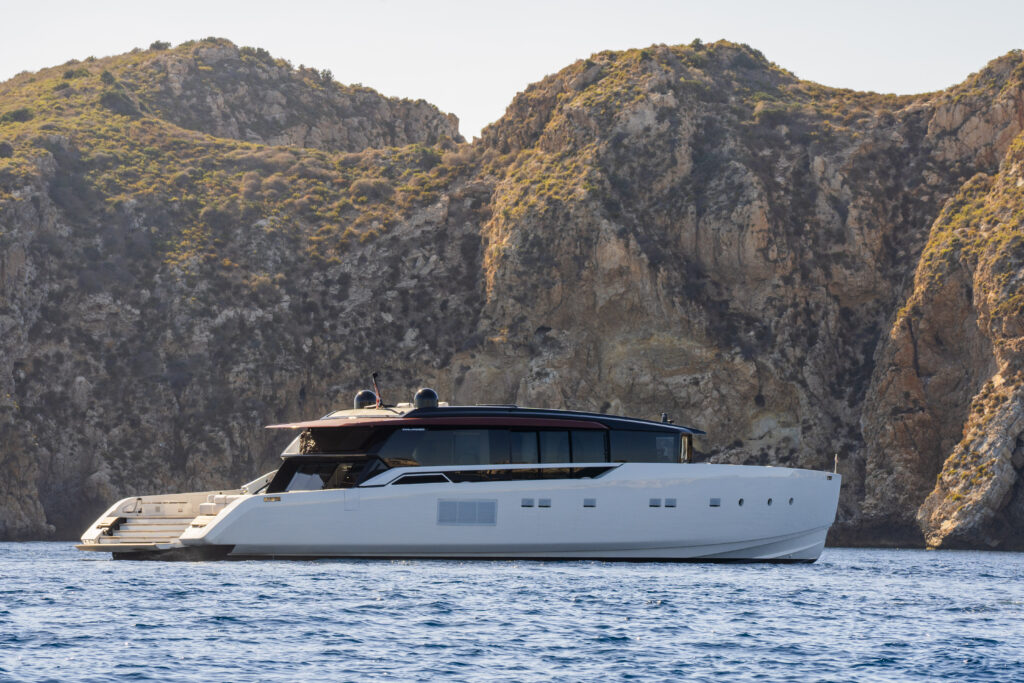
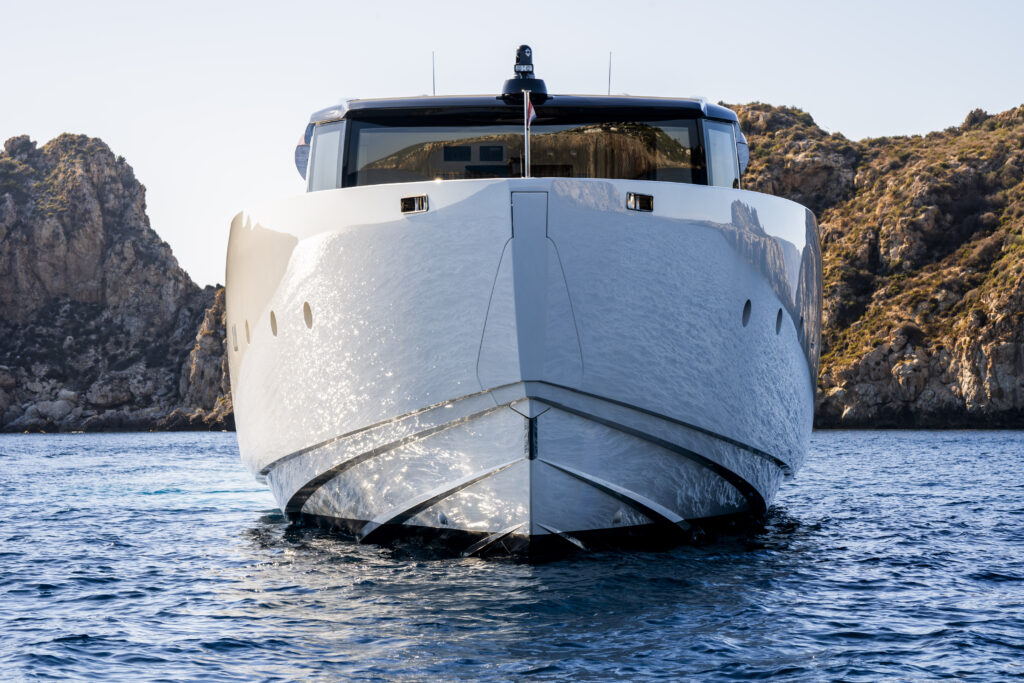
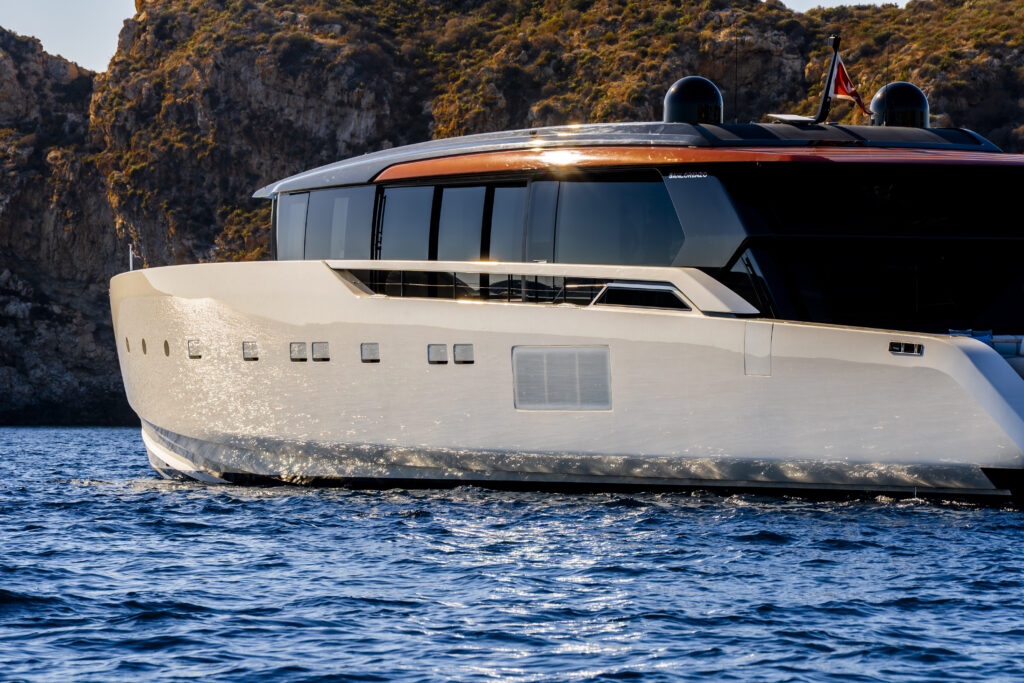
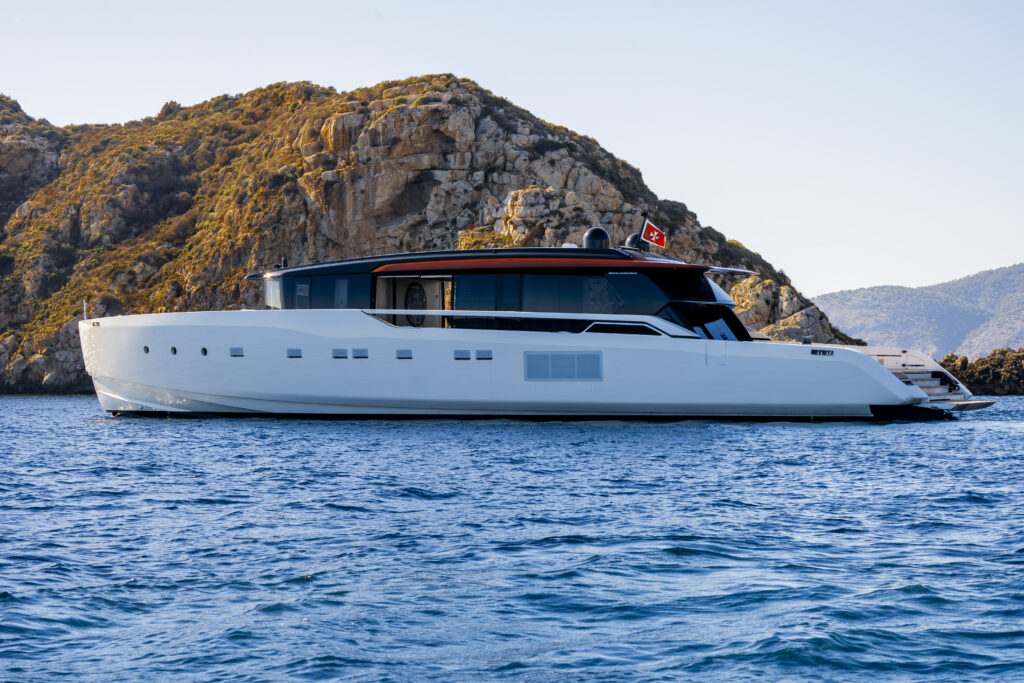
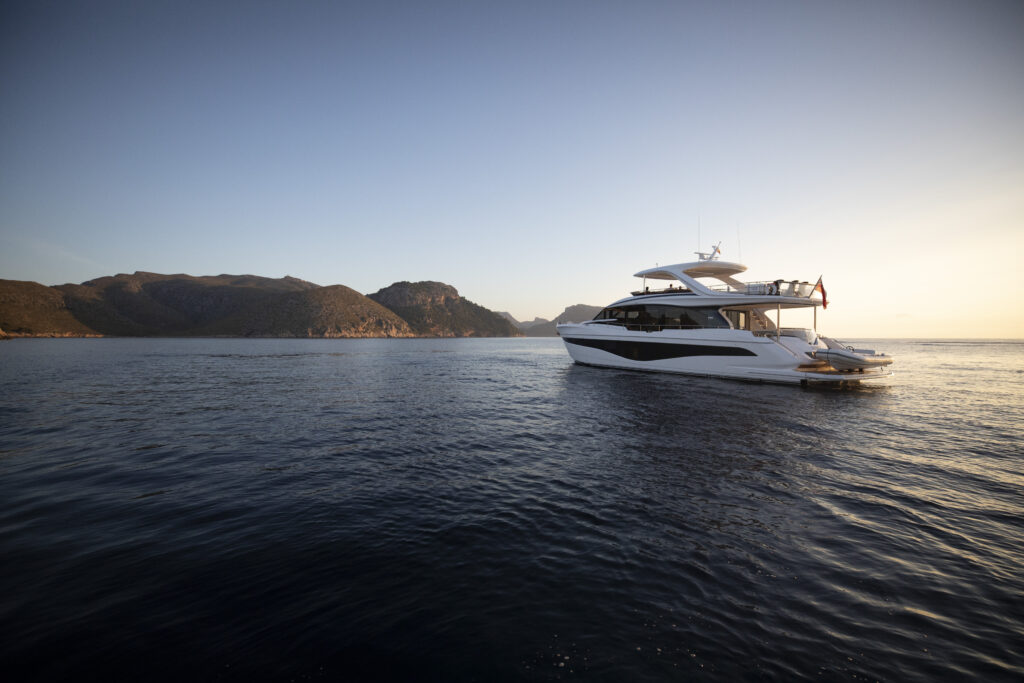
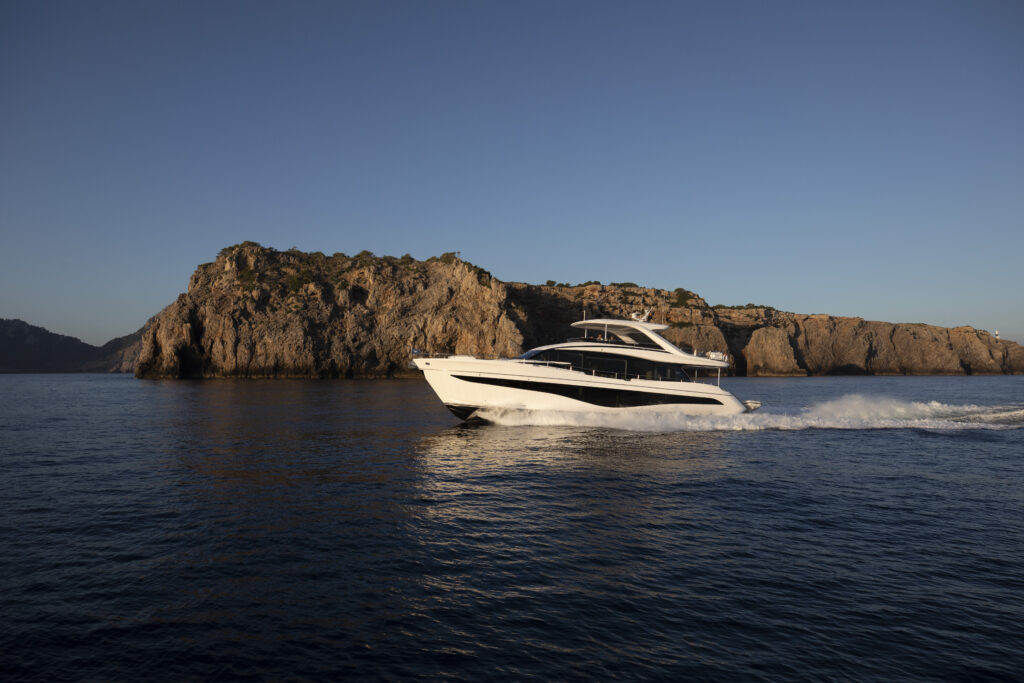
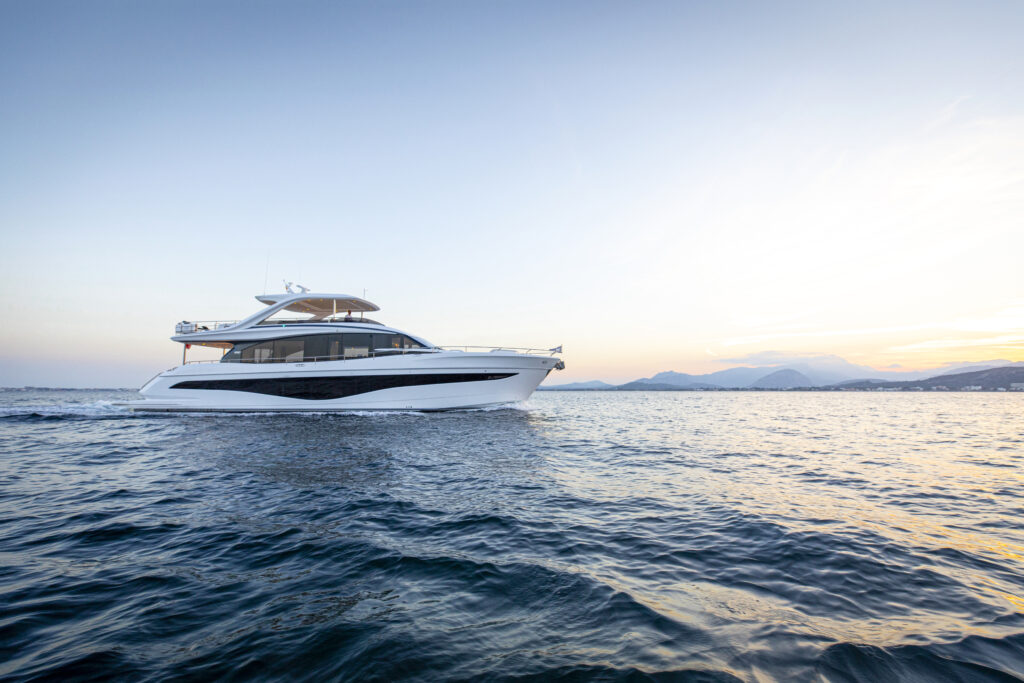
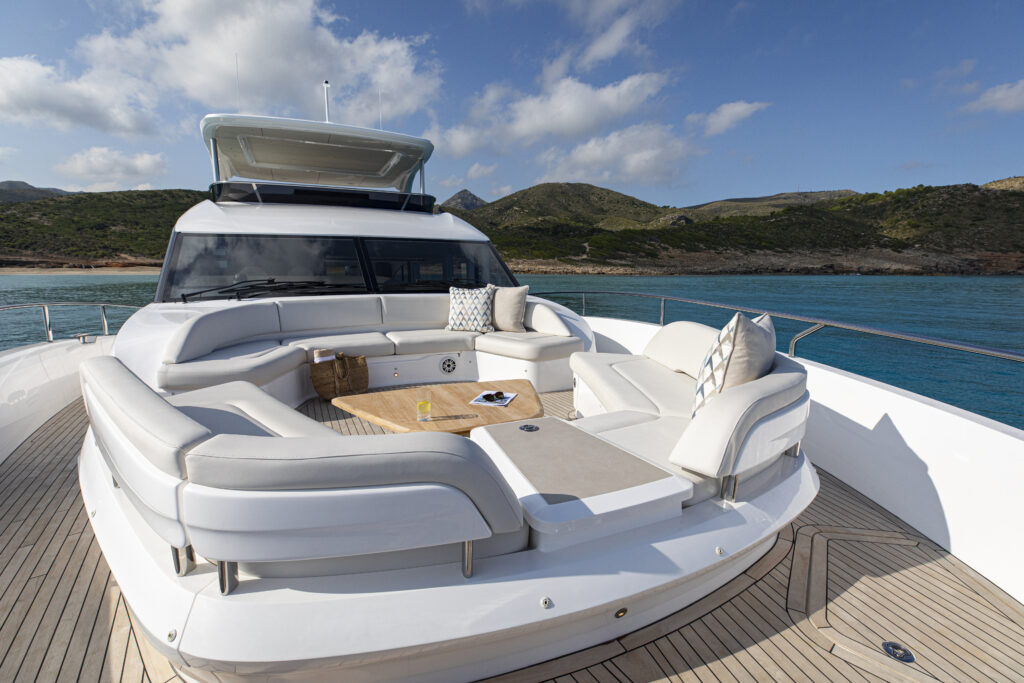
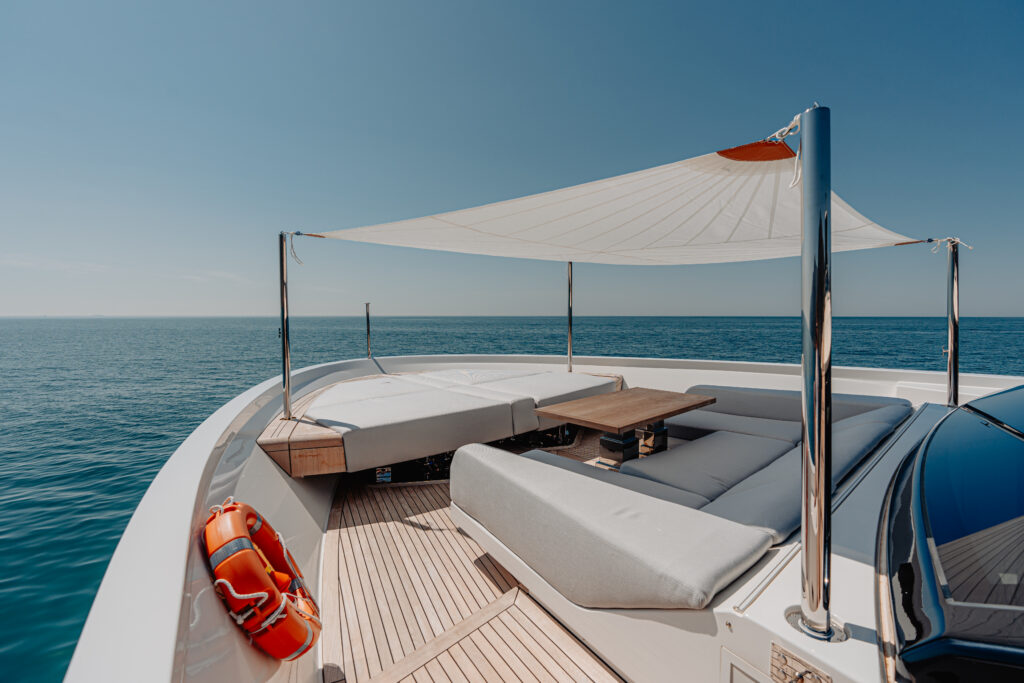
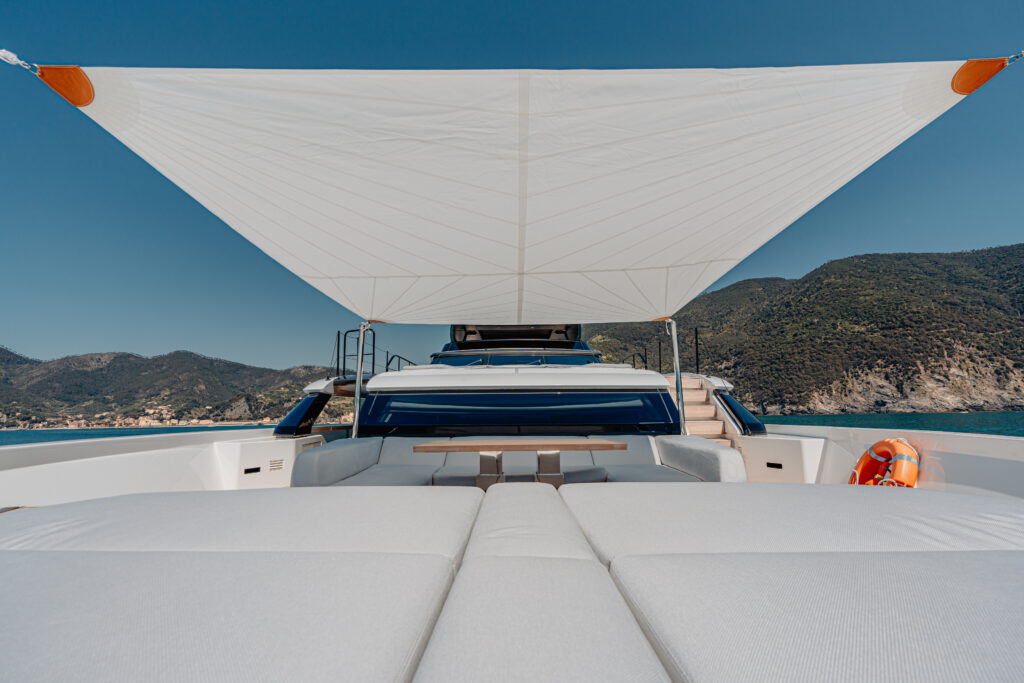
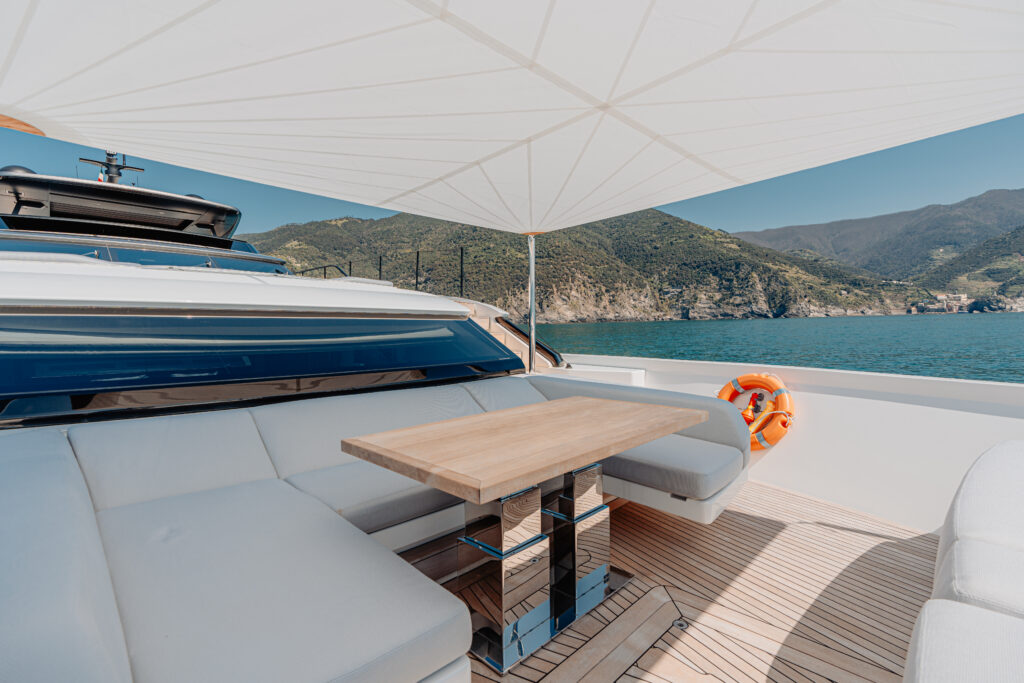
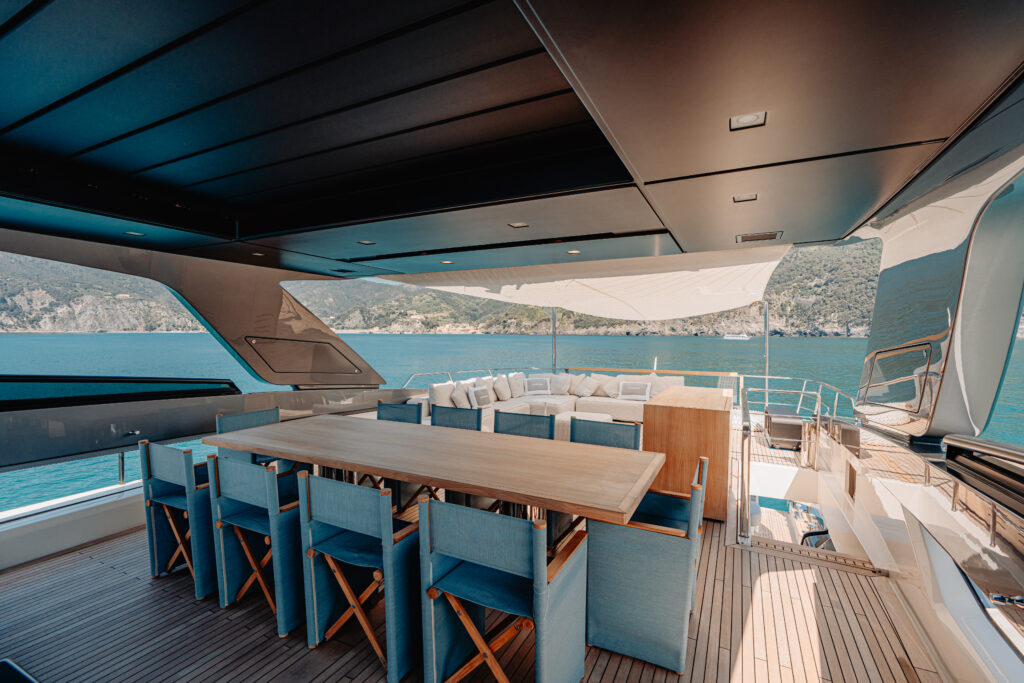
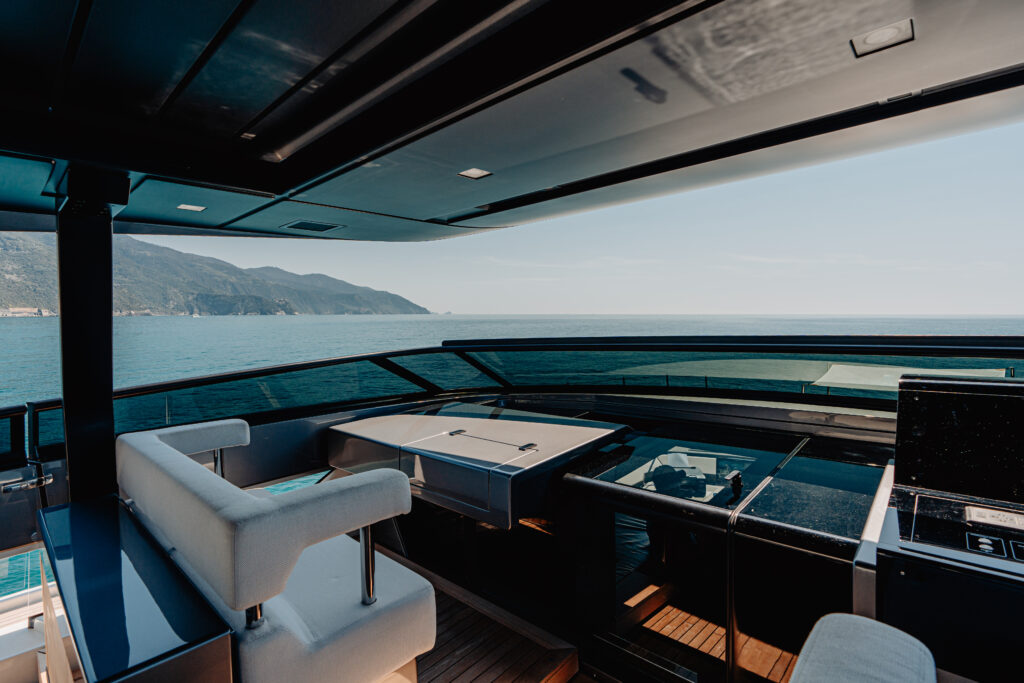
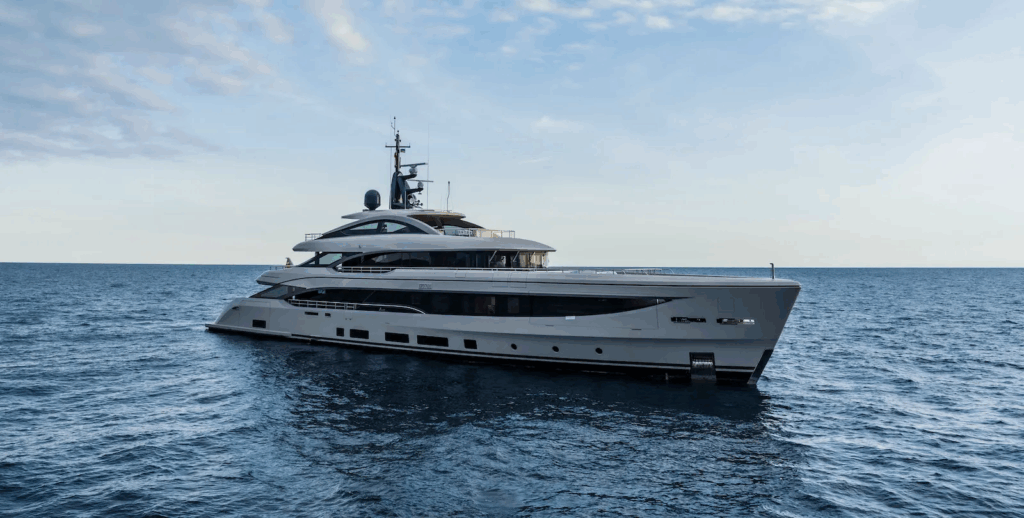
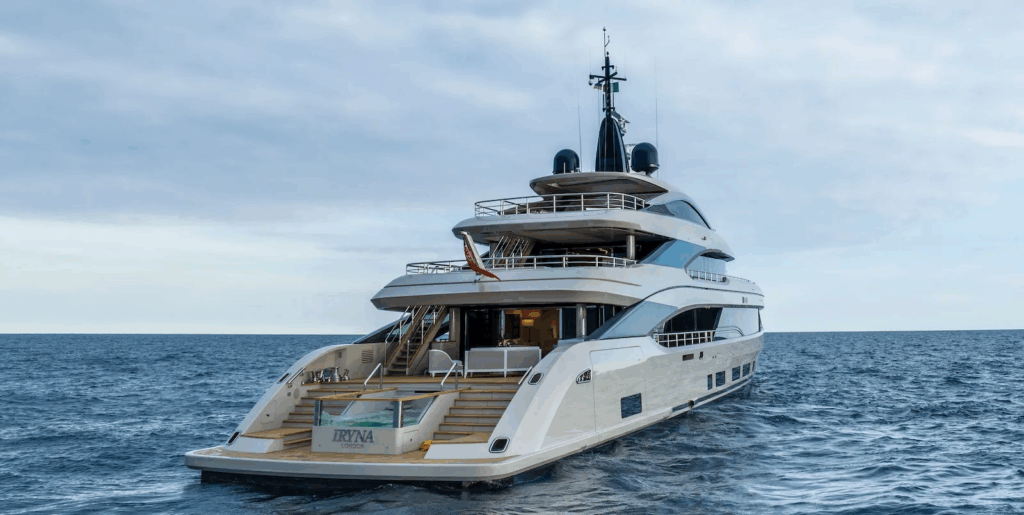
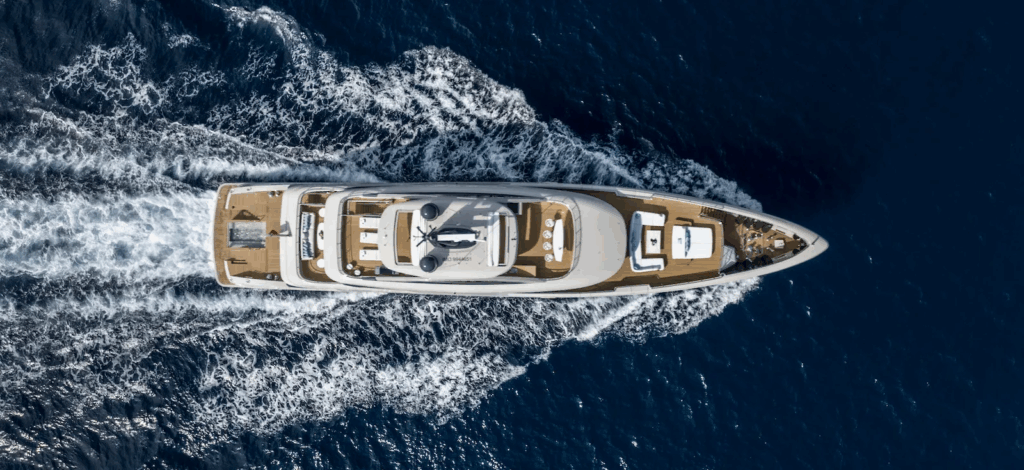
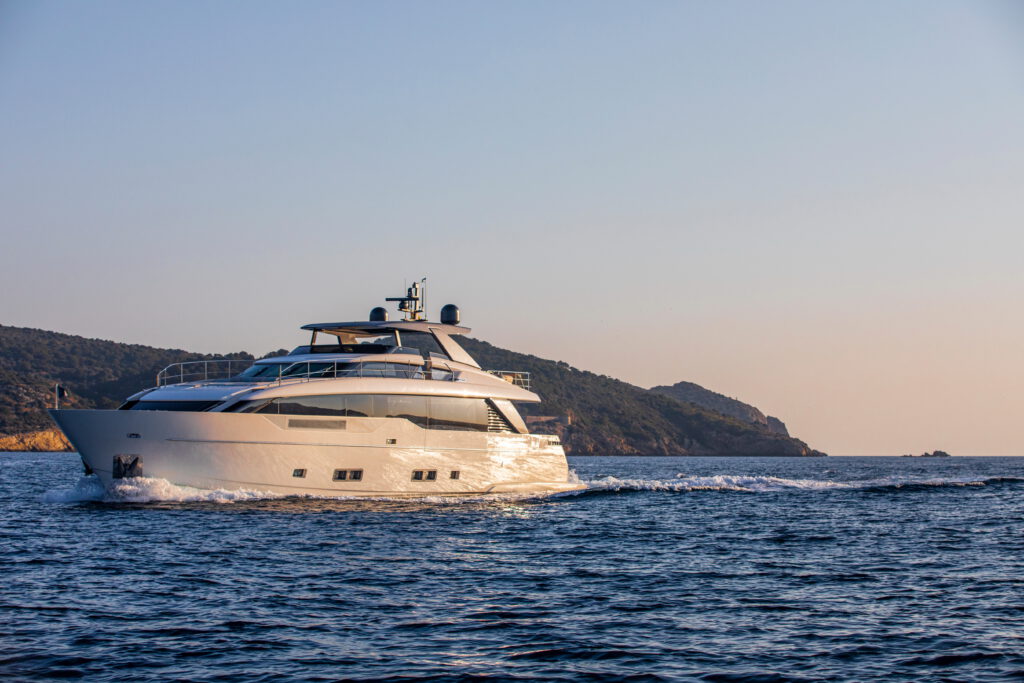
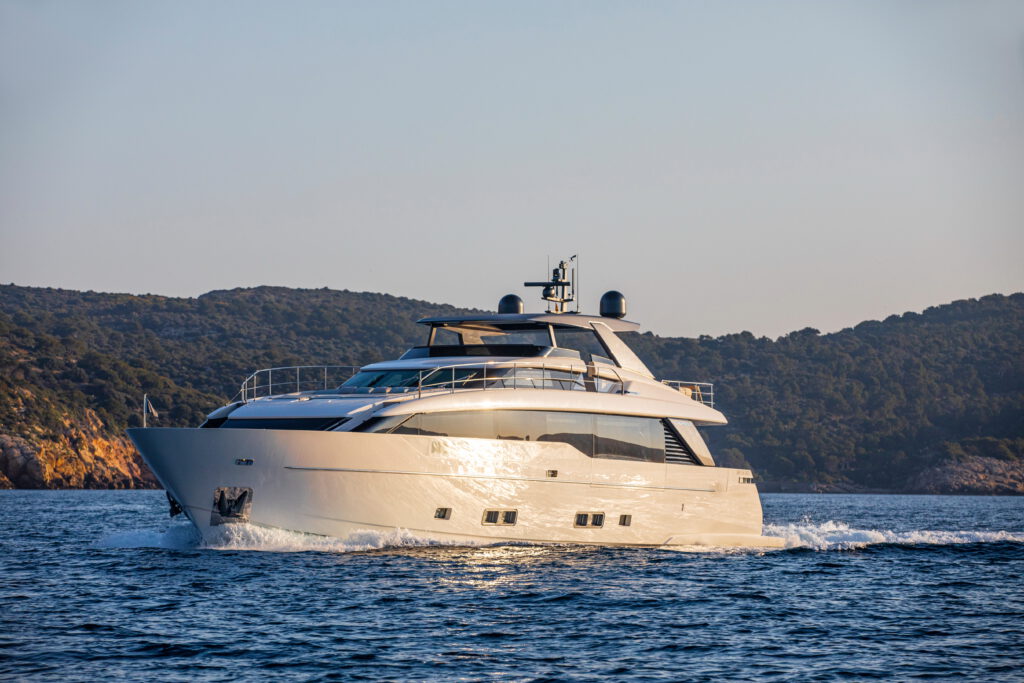
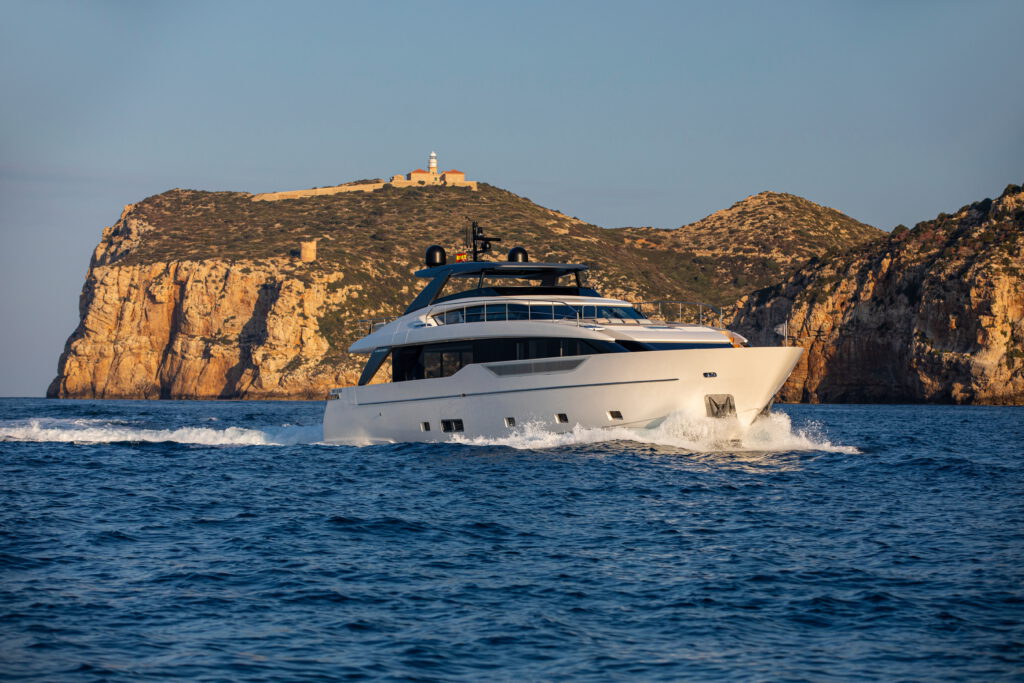
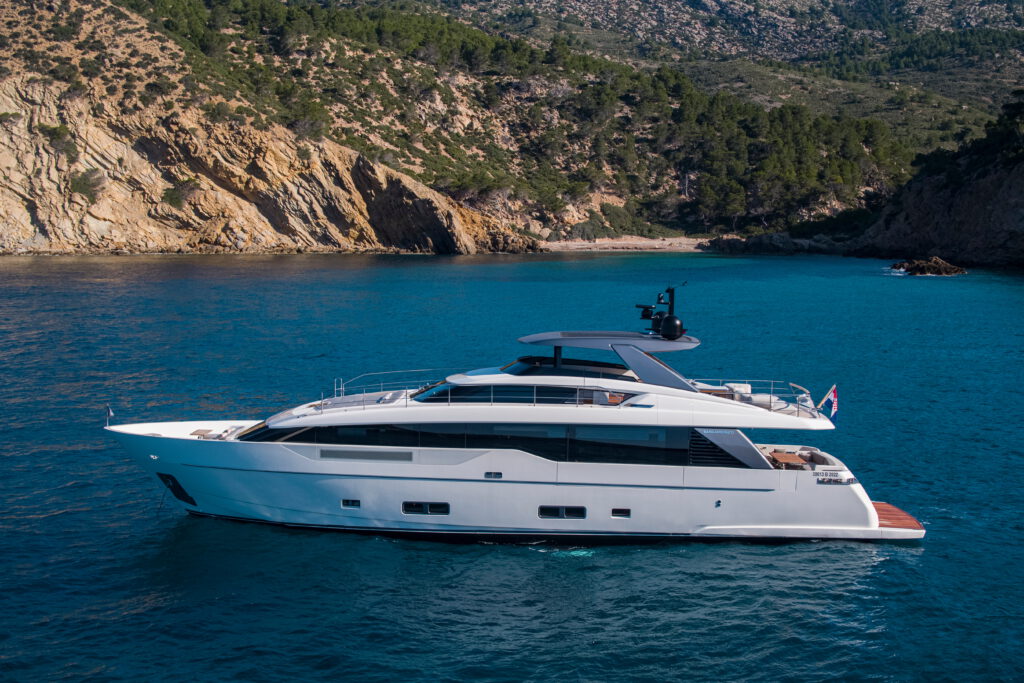
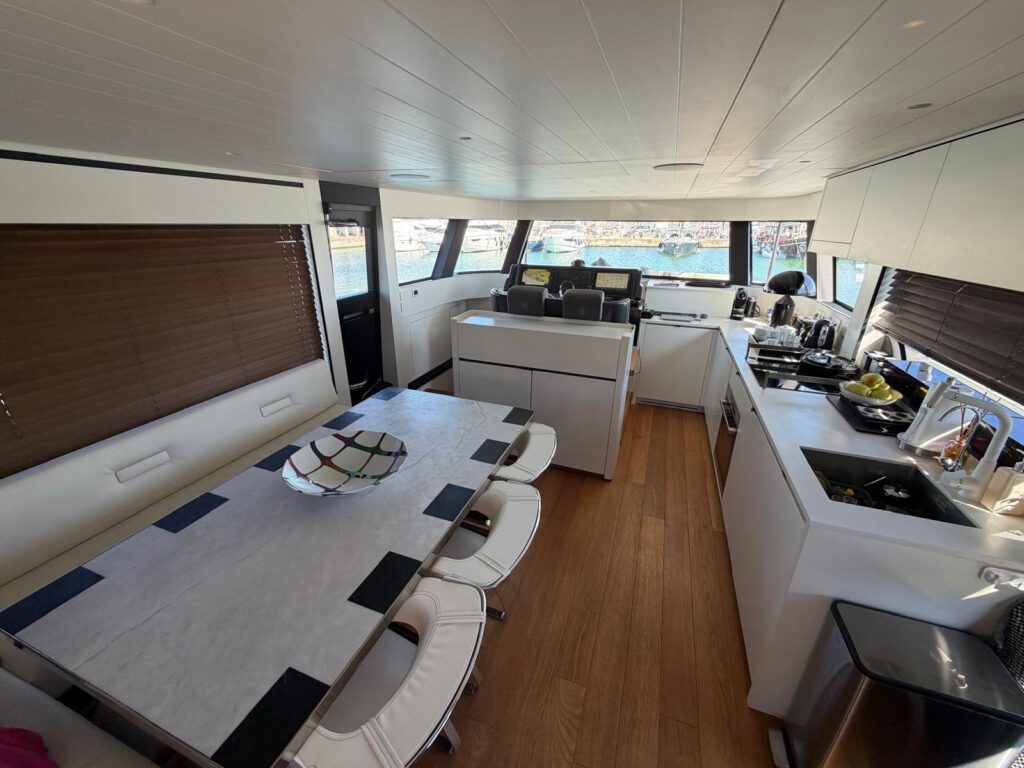
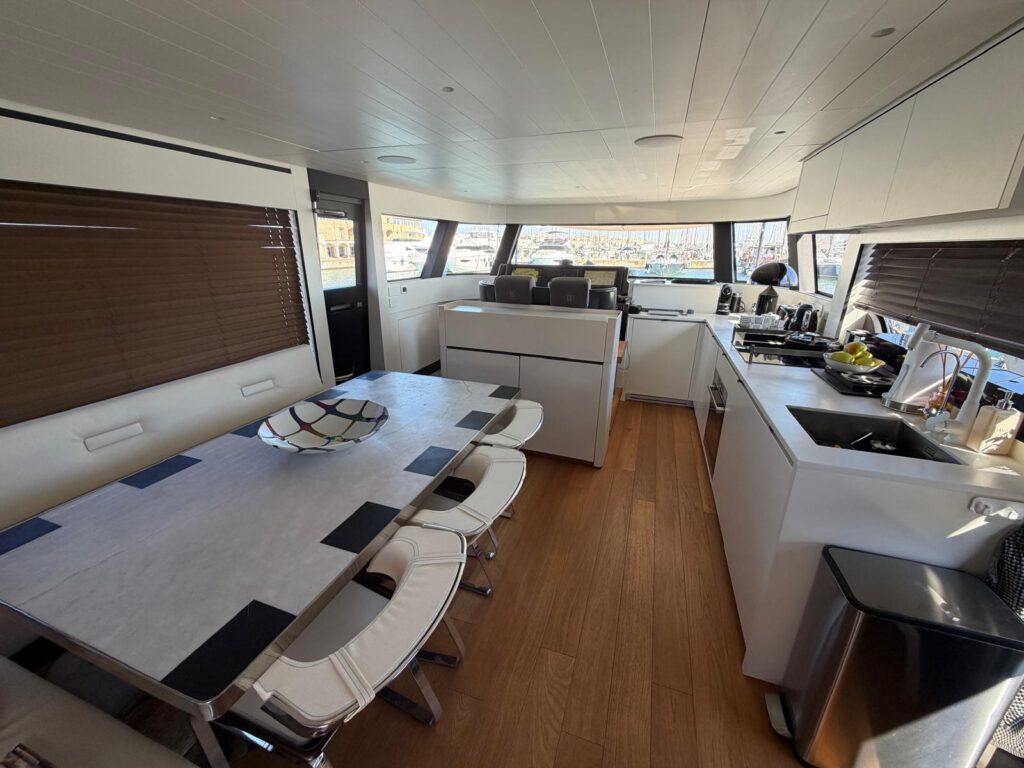
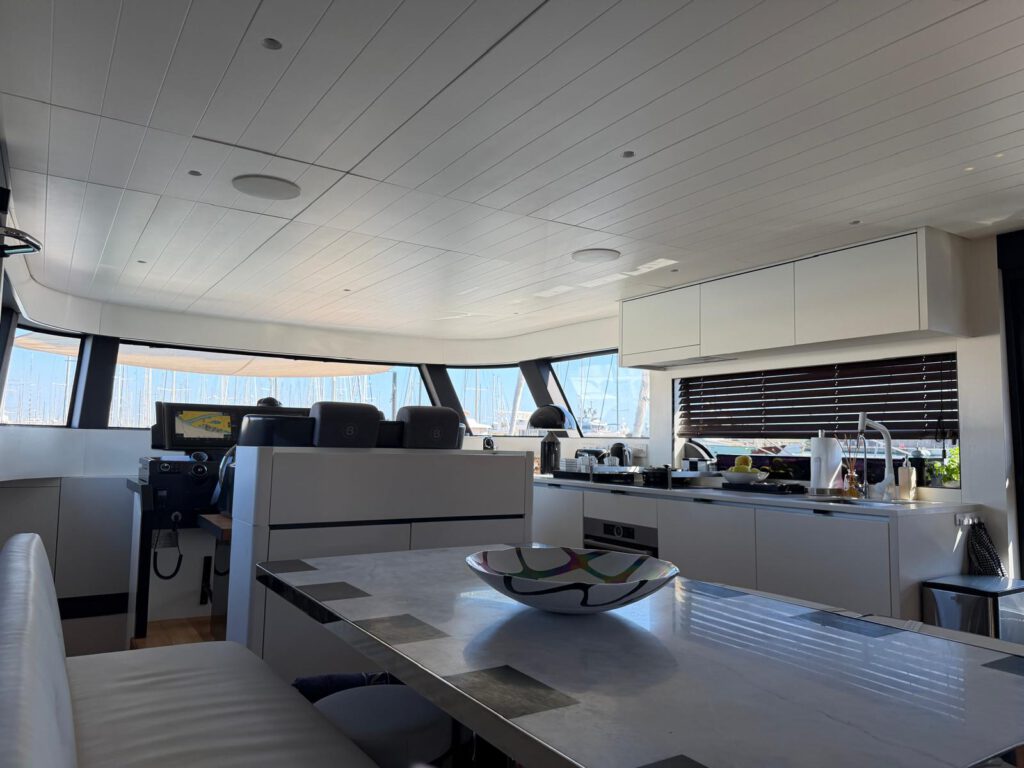
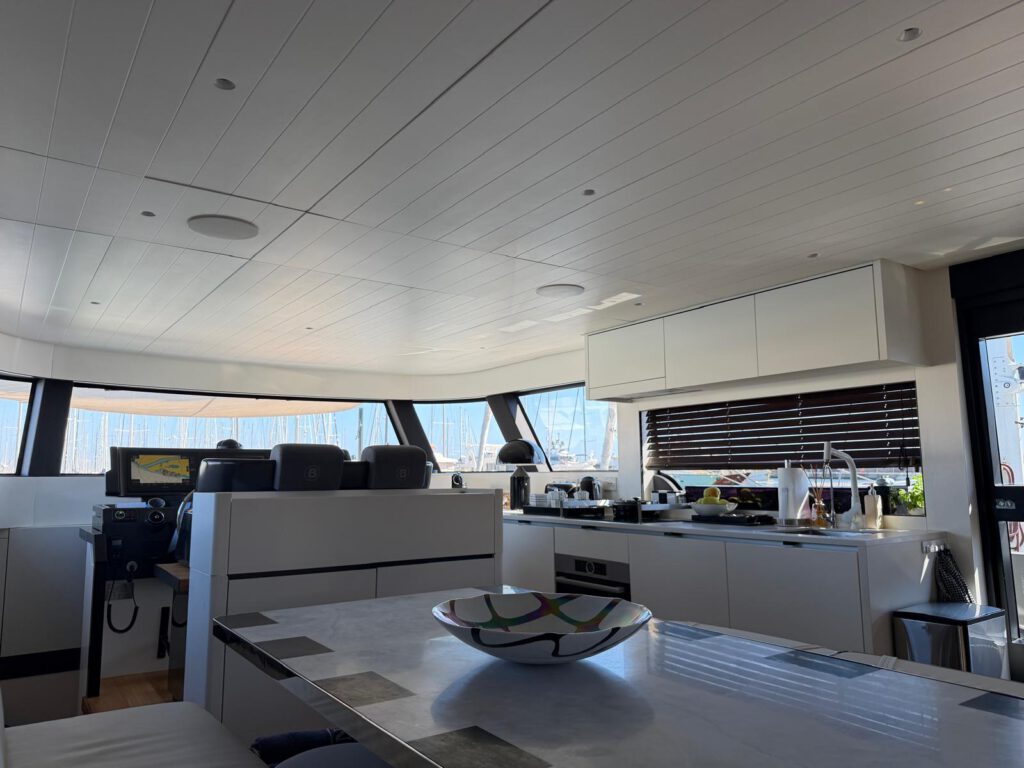
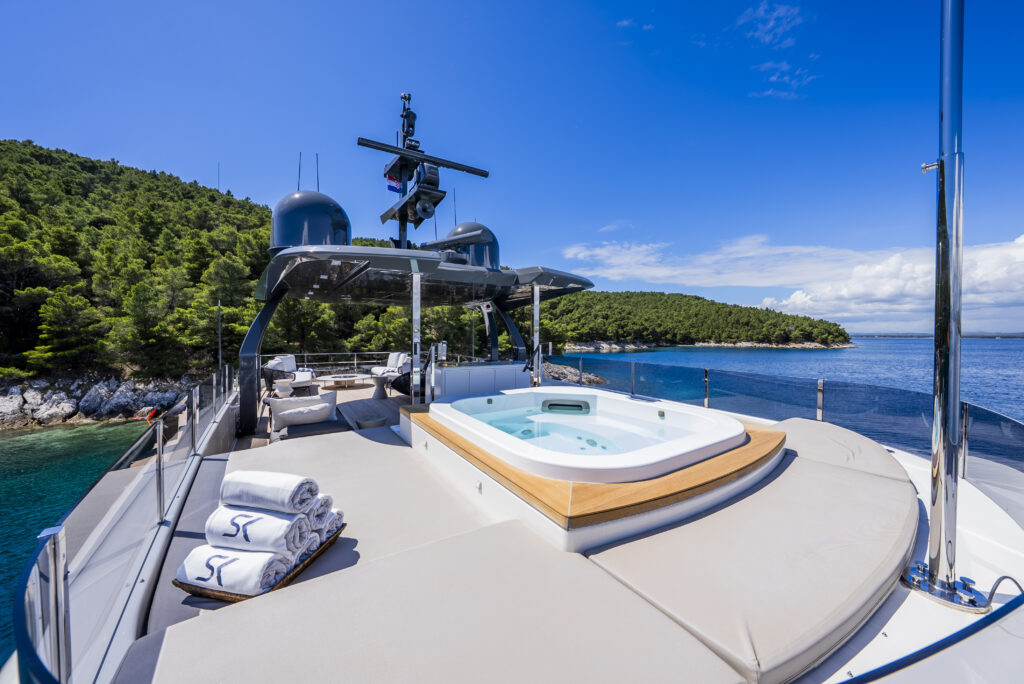
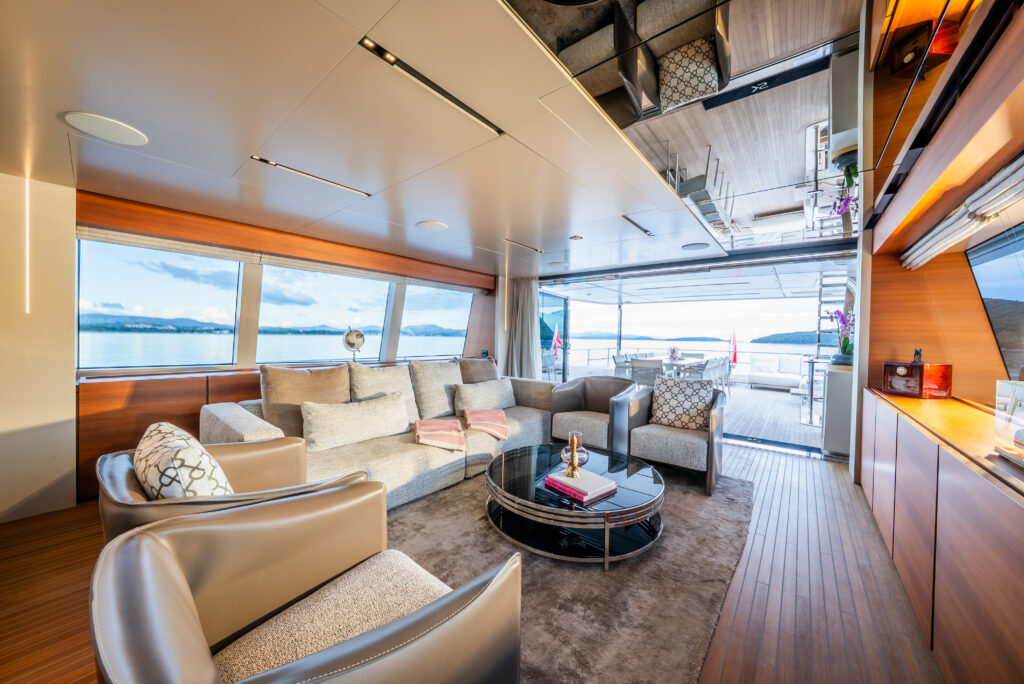
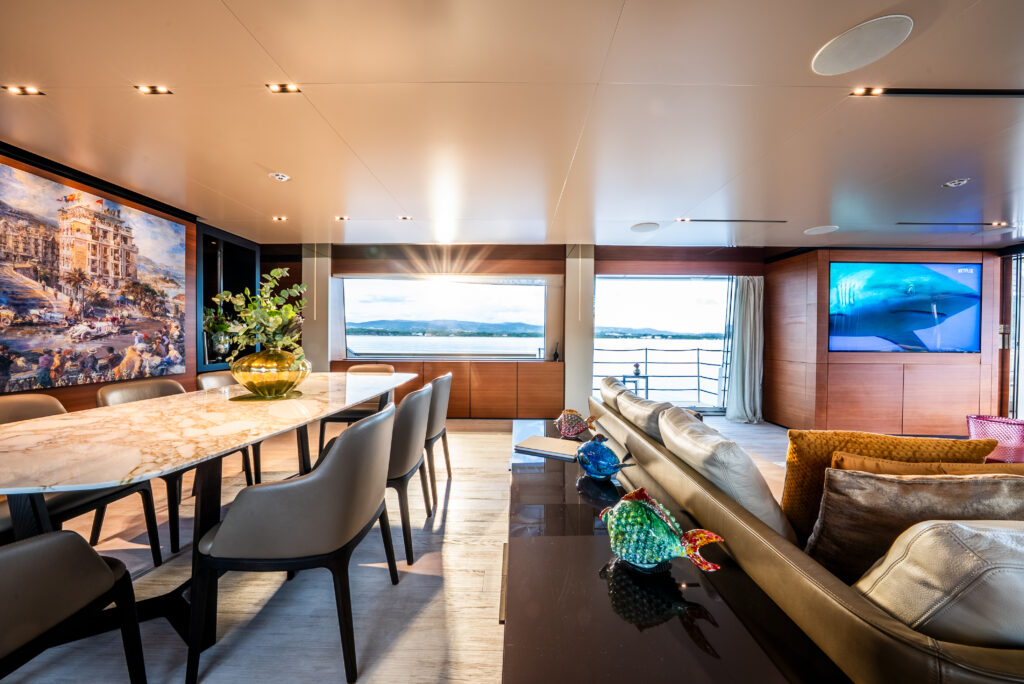
OUR YACHTS FOR SALE
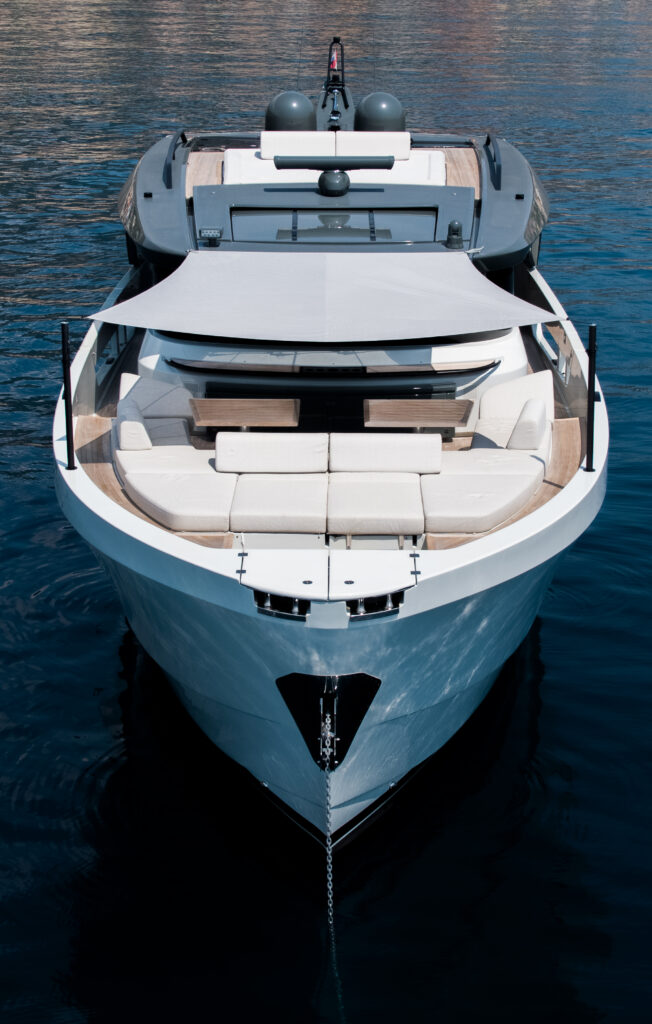
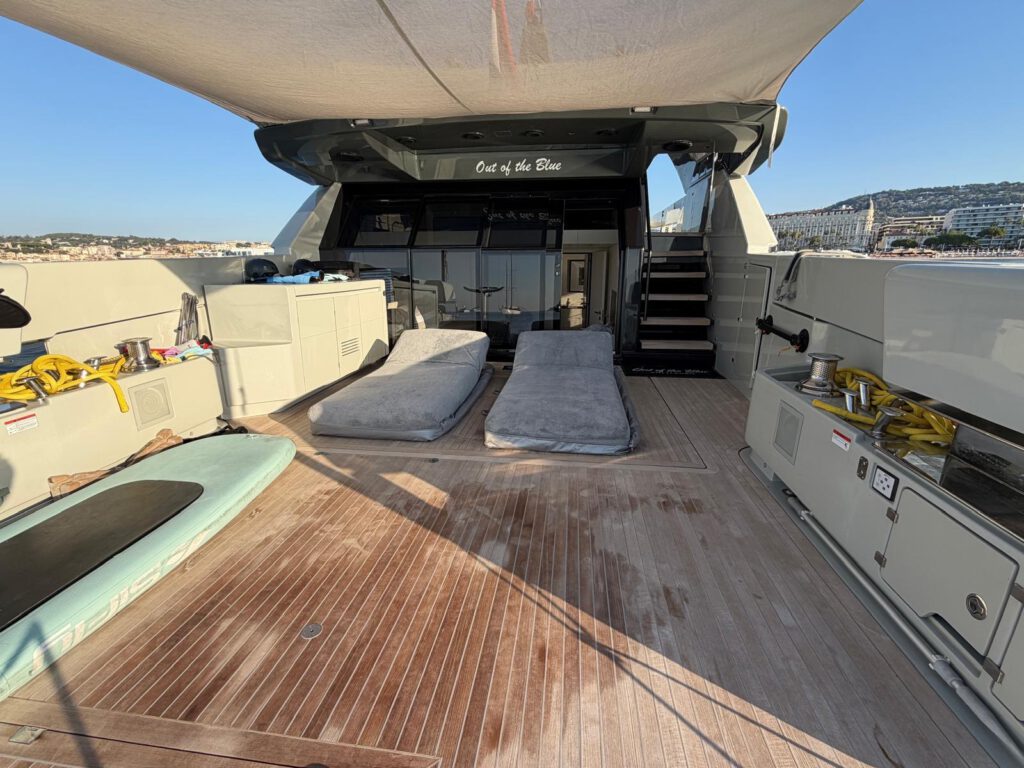
MENGI YAY
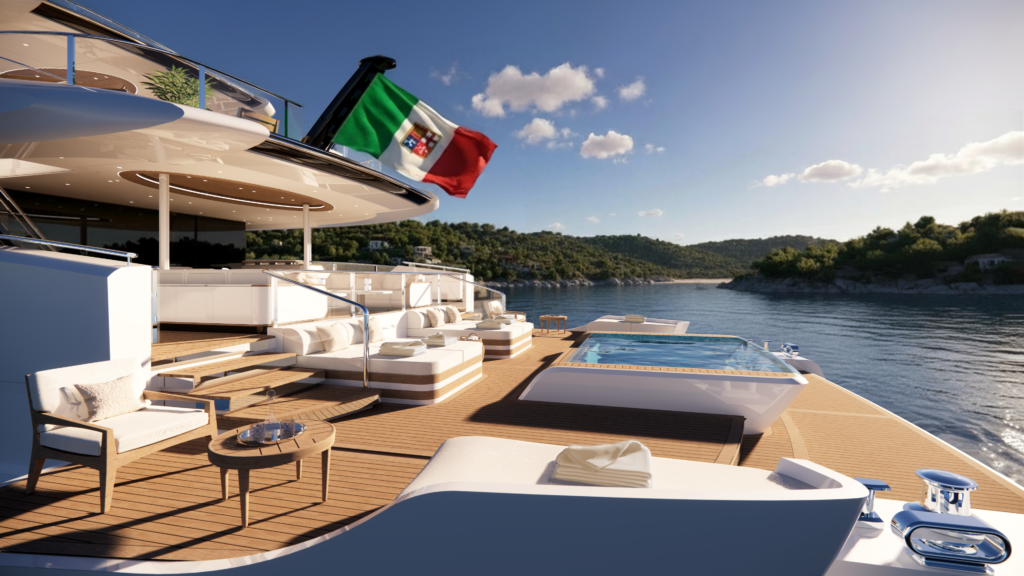
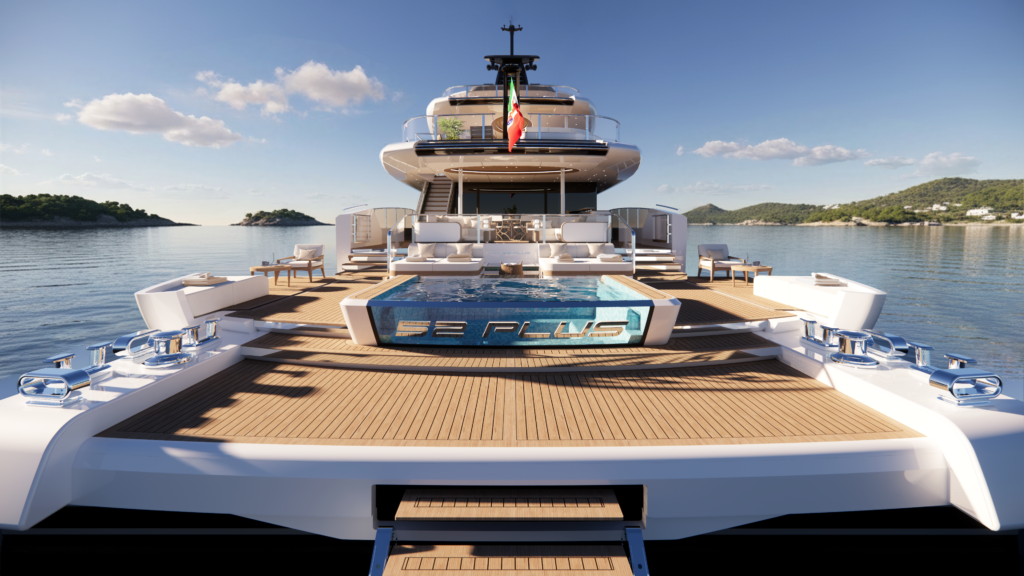
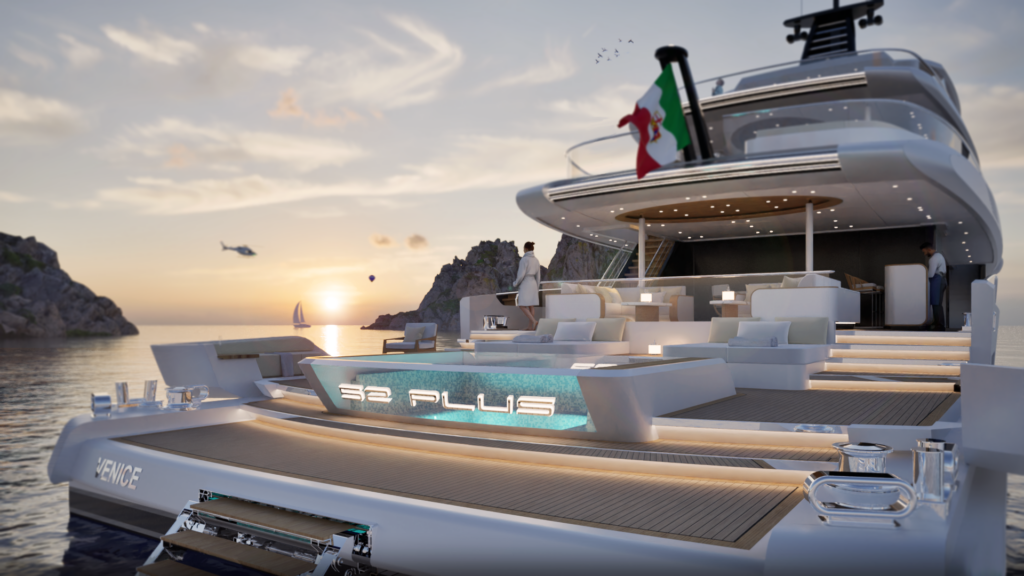
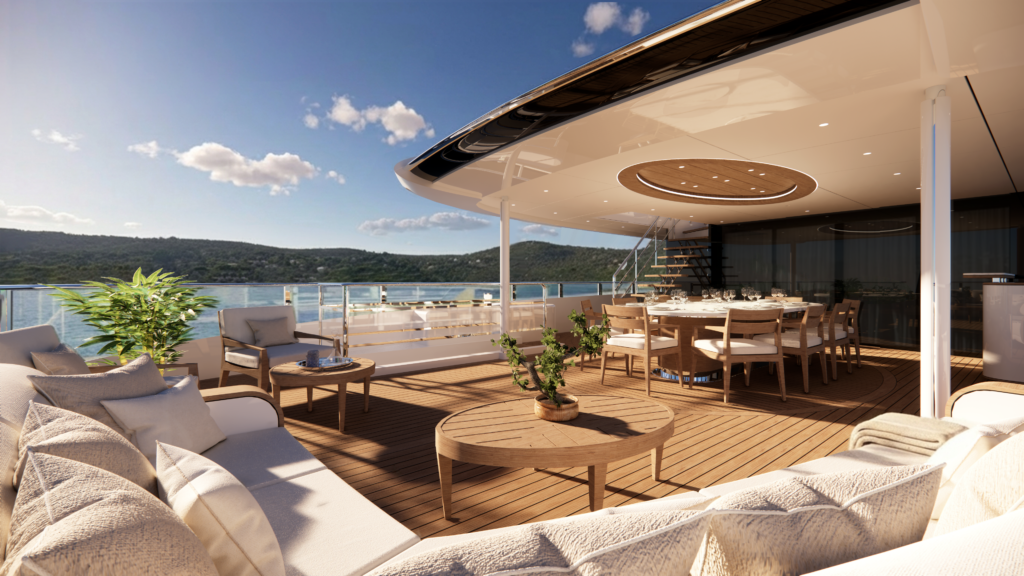
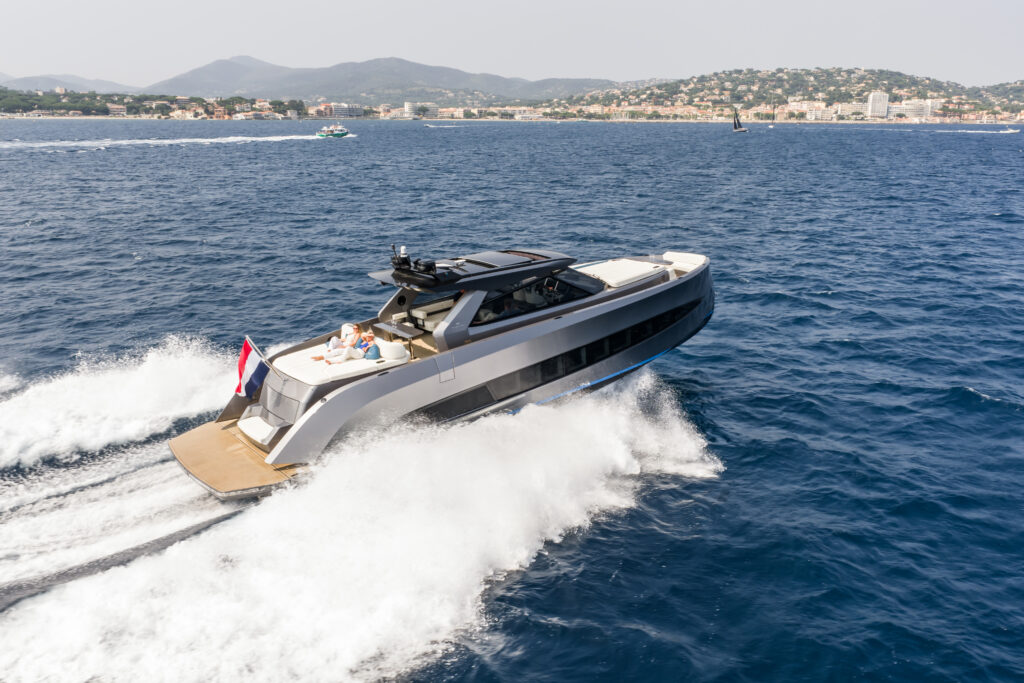
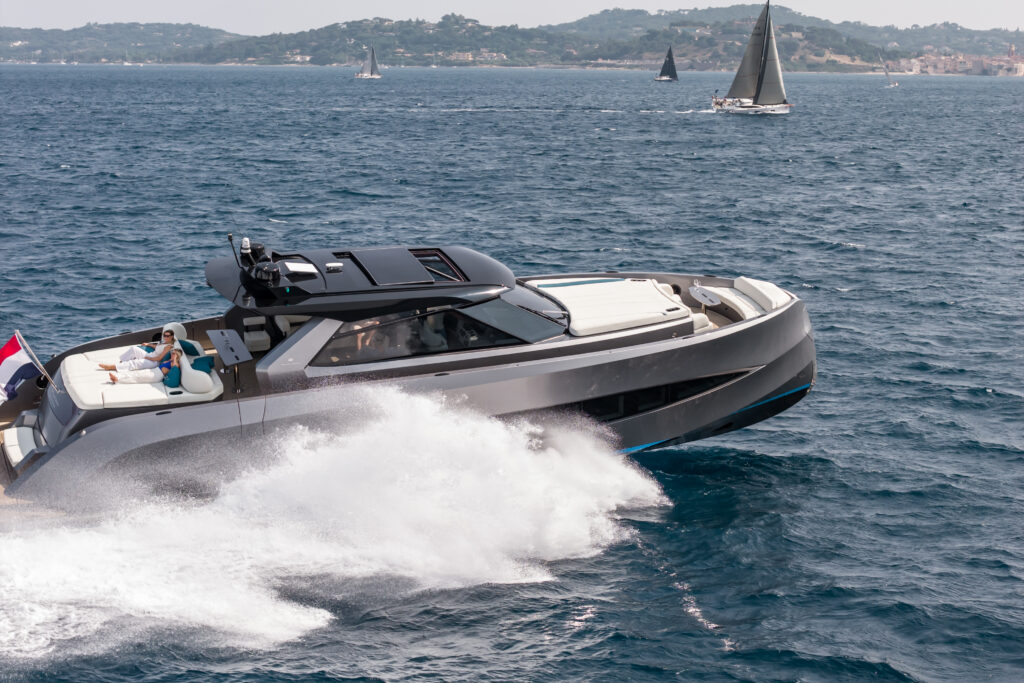
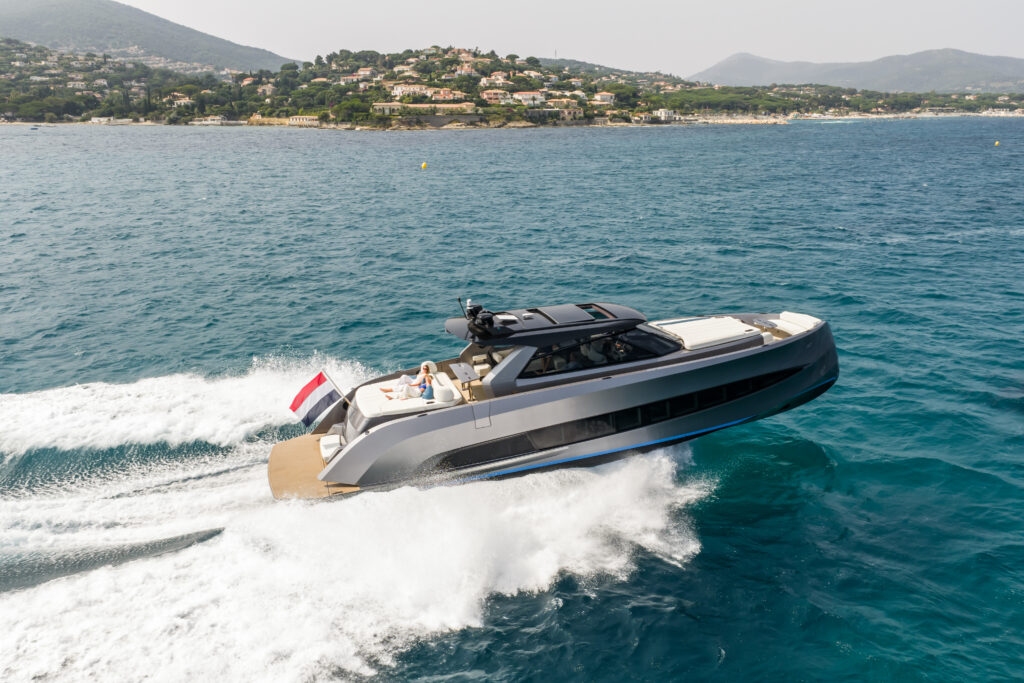
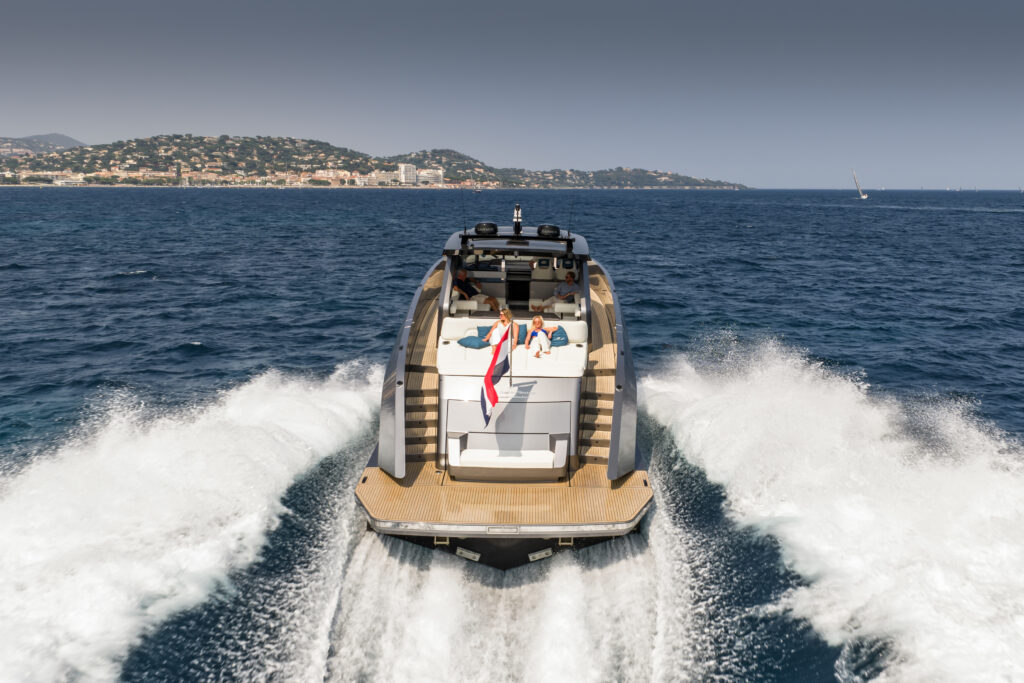
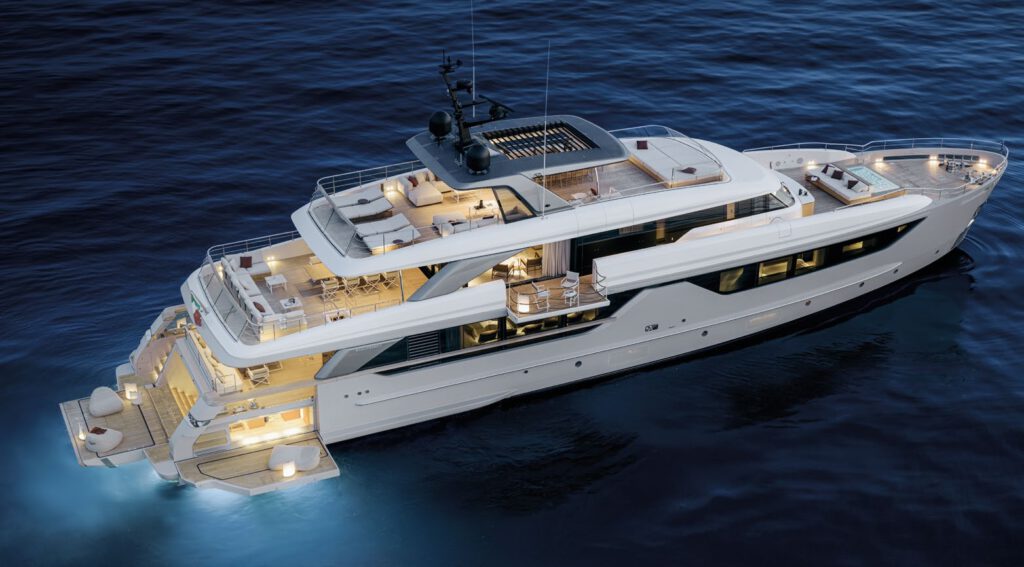
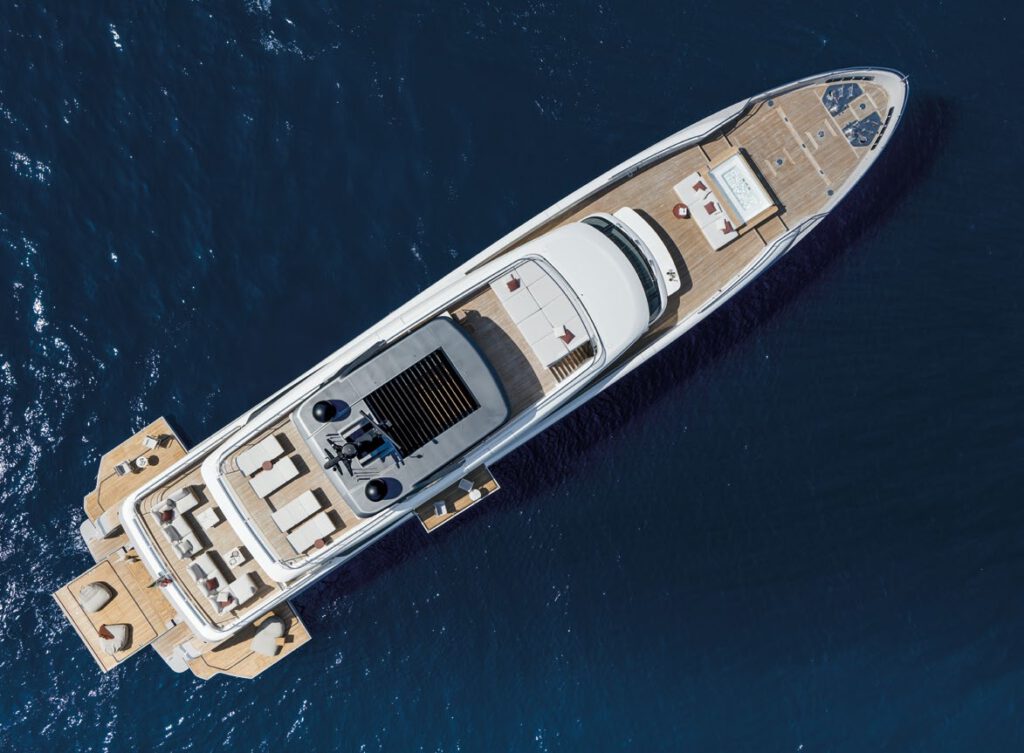
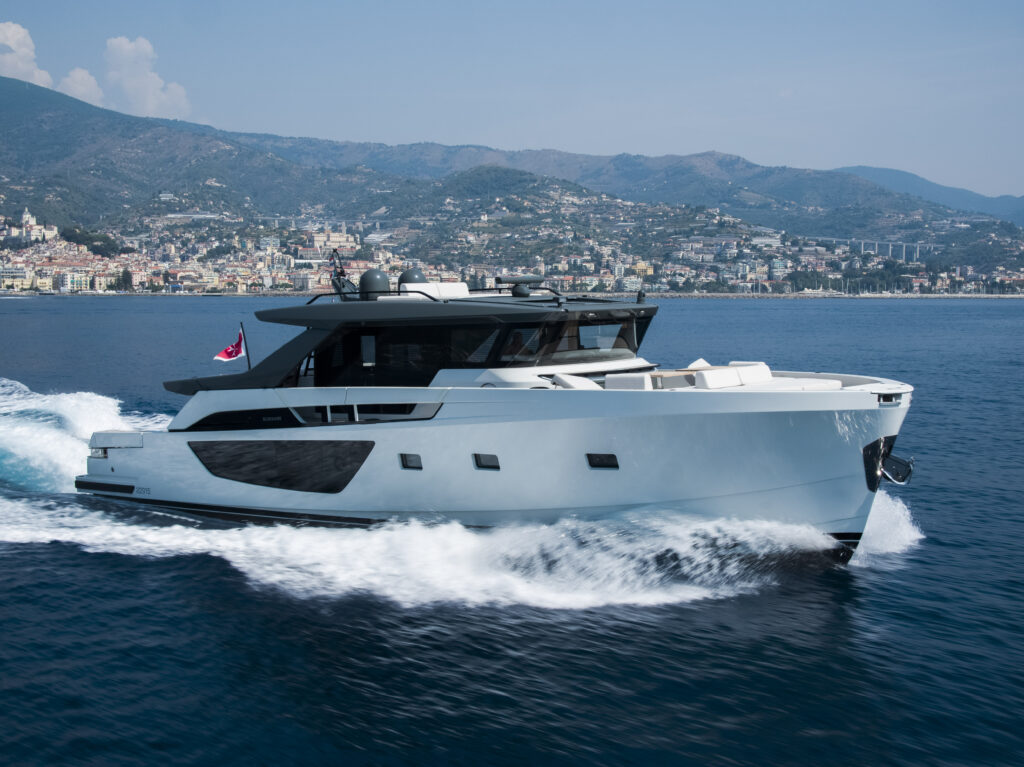
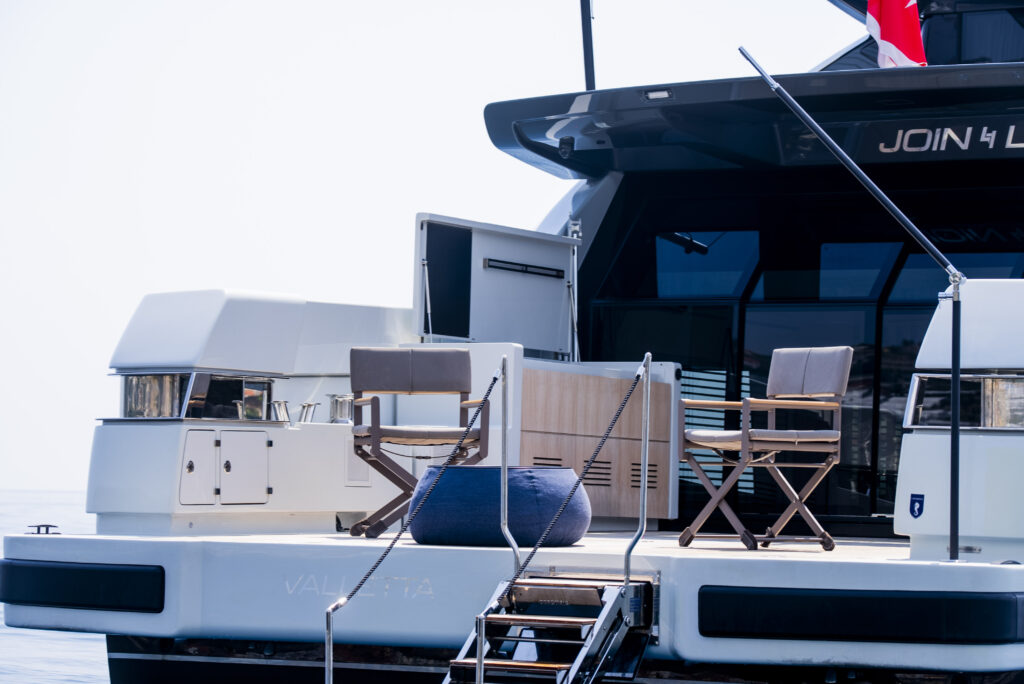
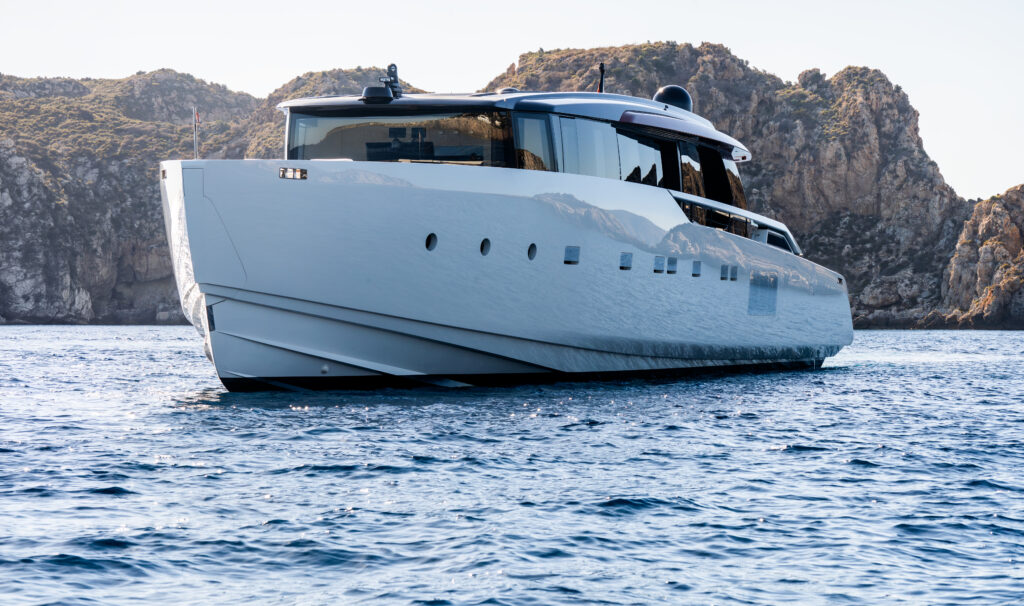
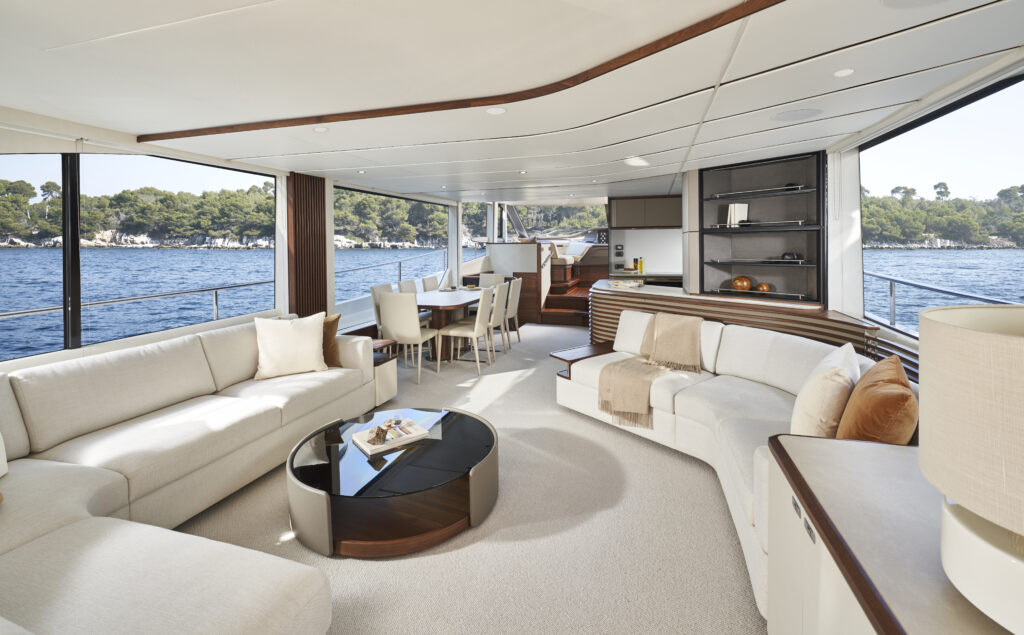
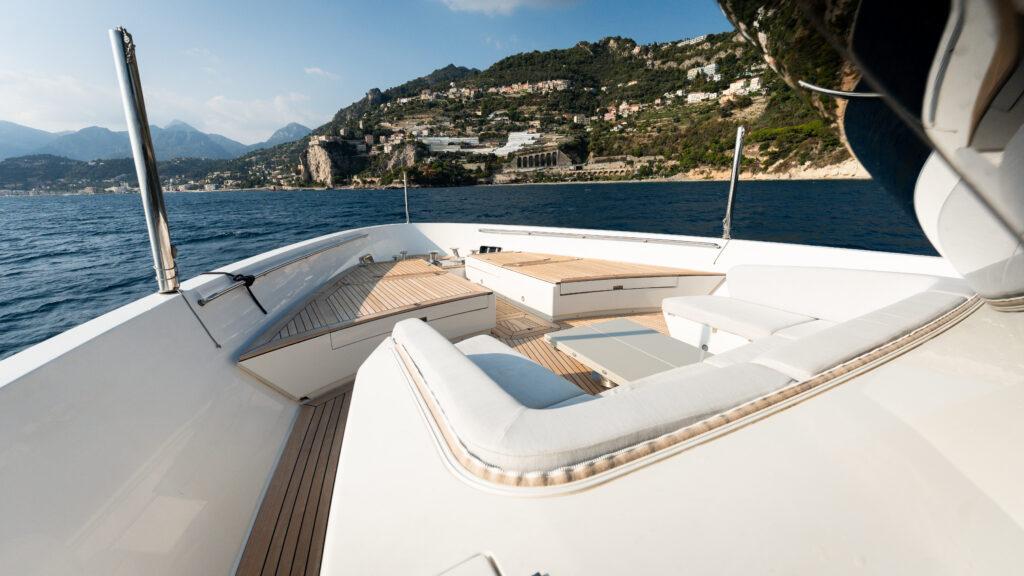
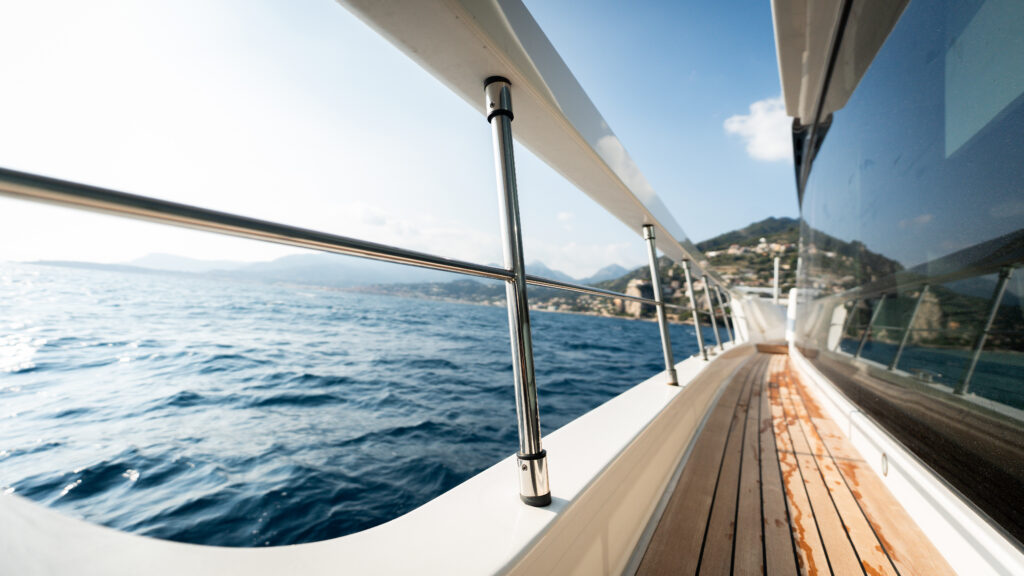
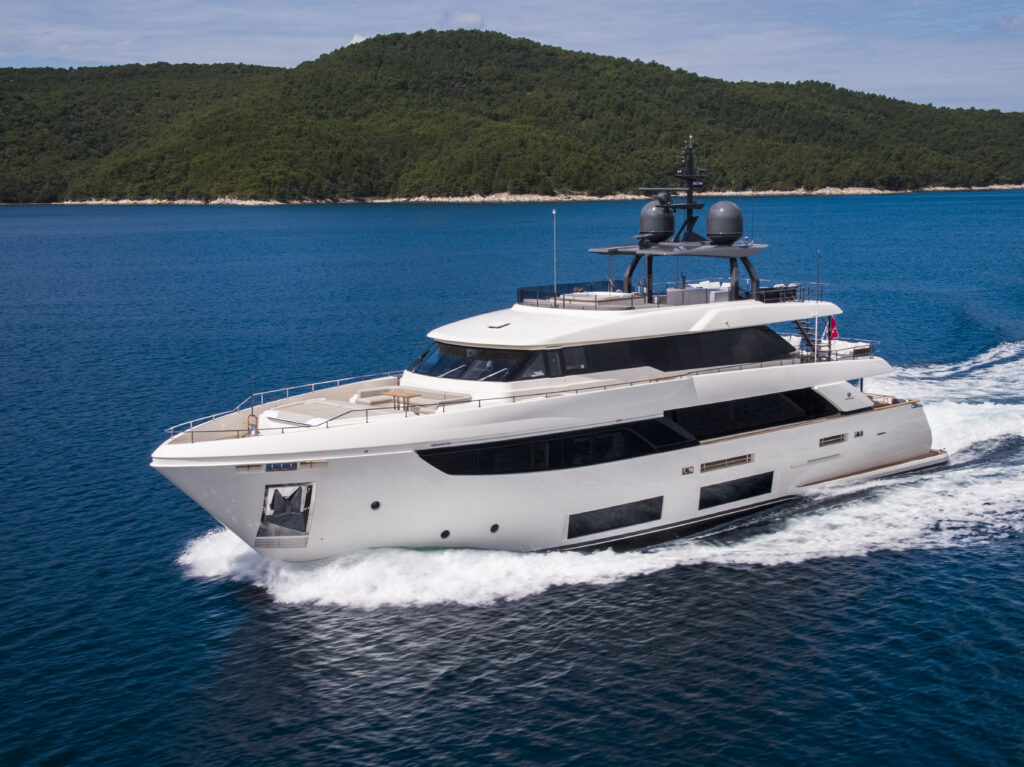
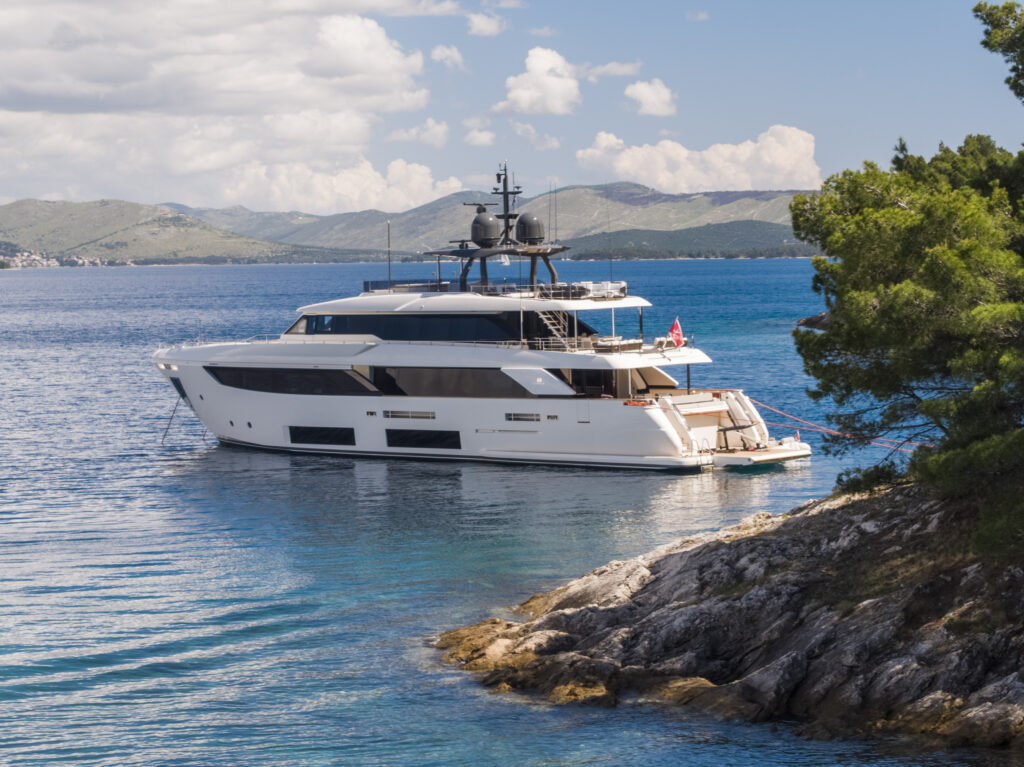
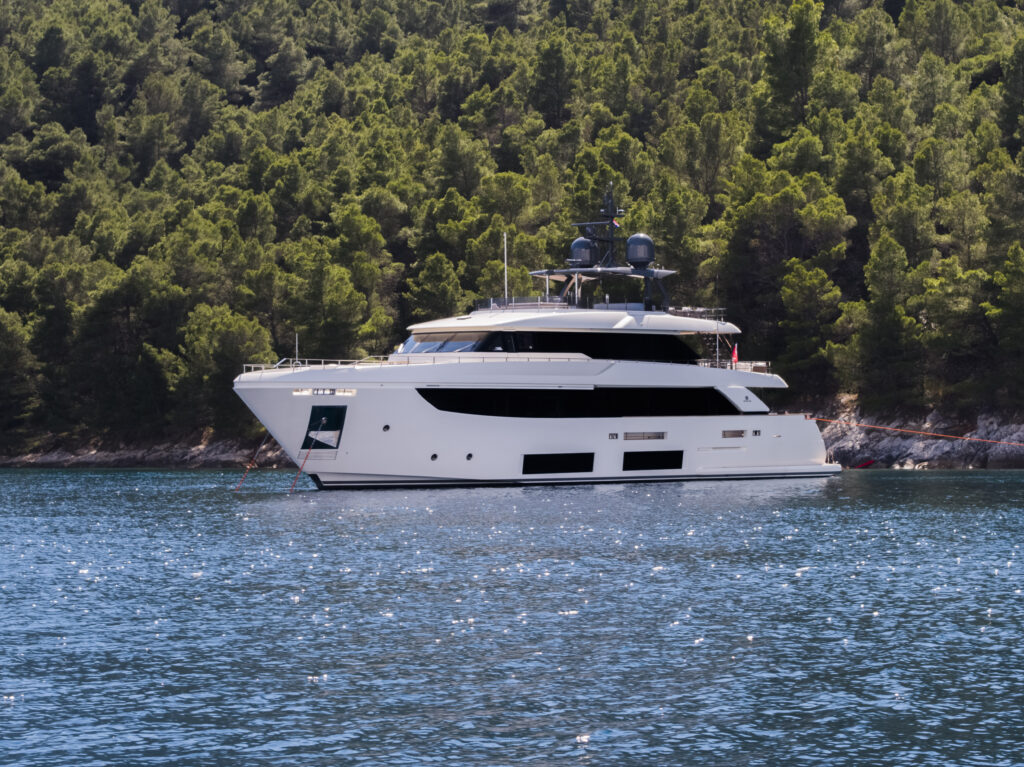
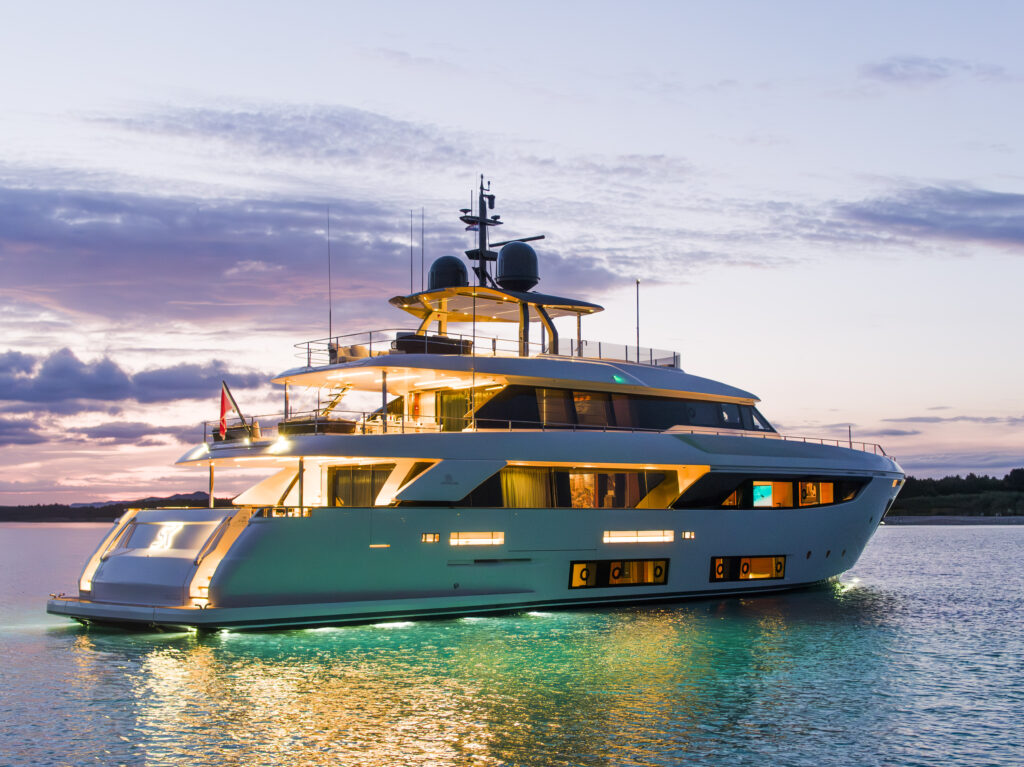
NUVOLARI LENARD 52 PLUS
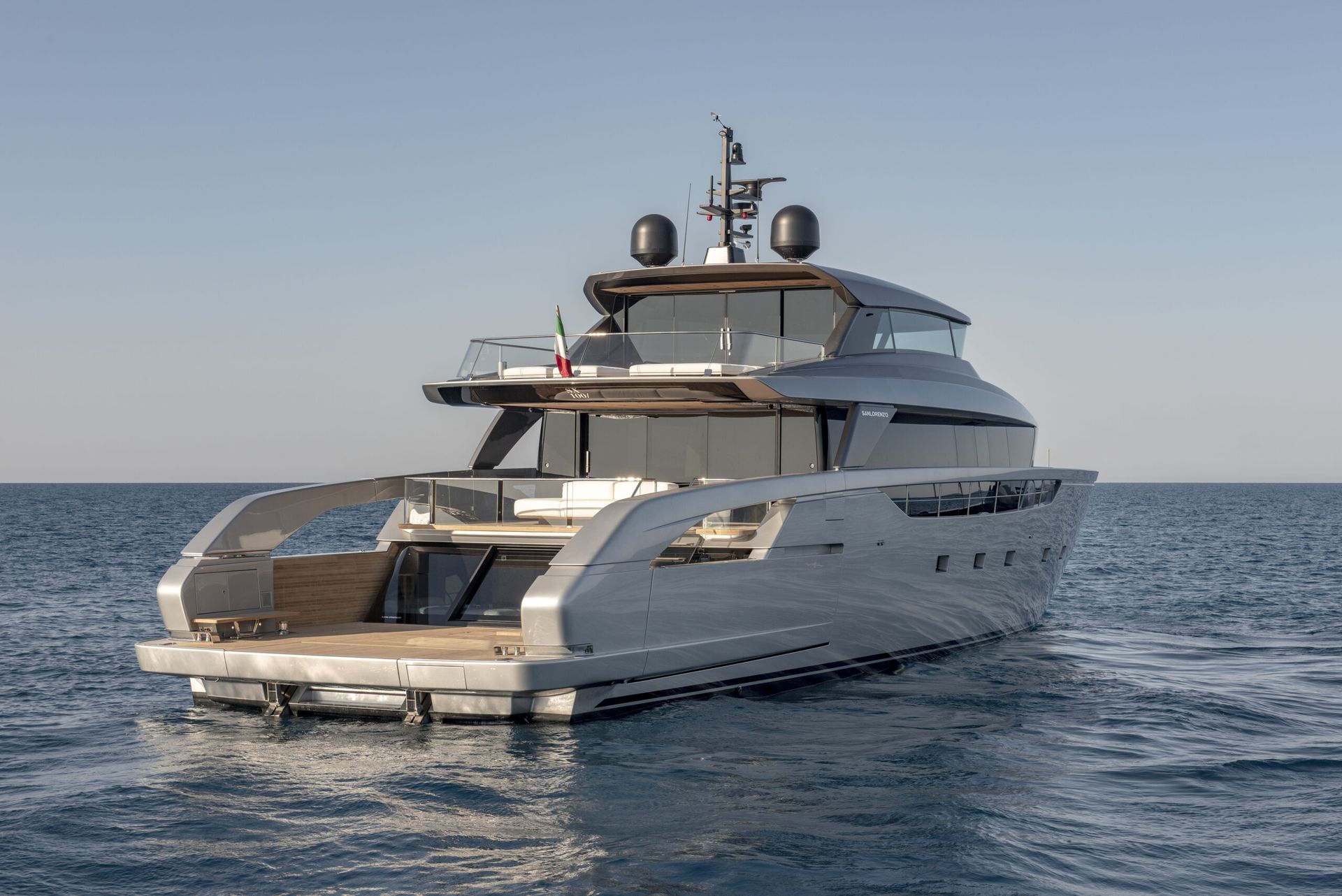
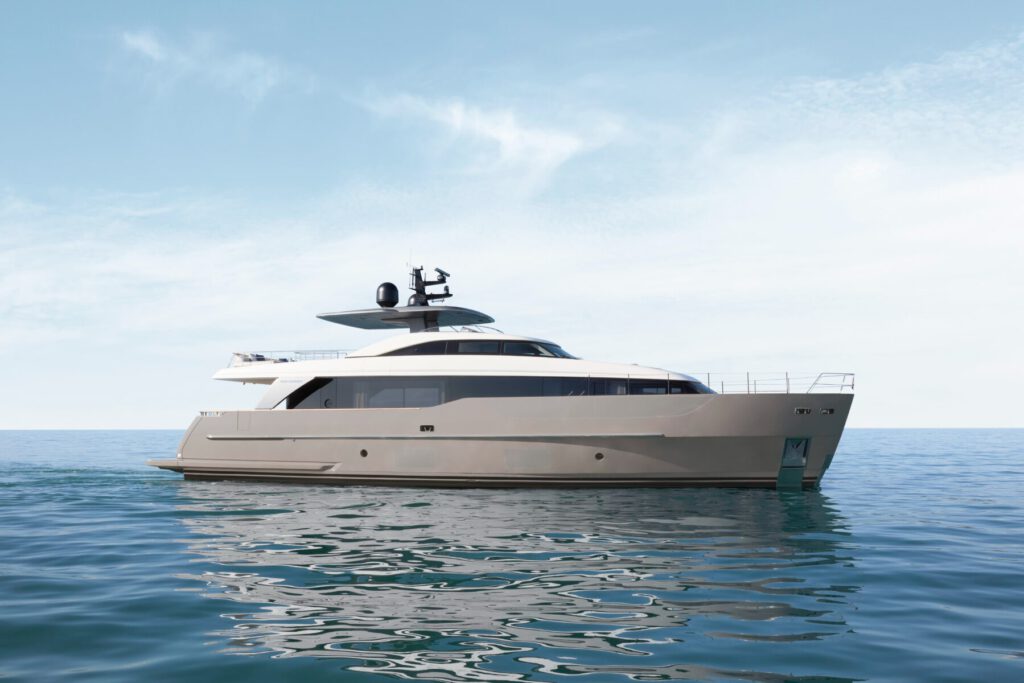
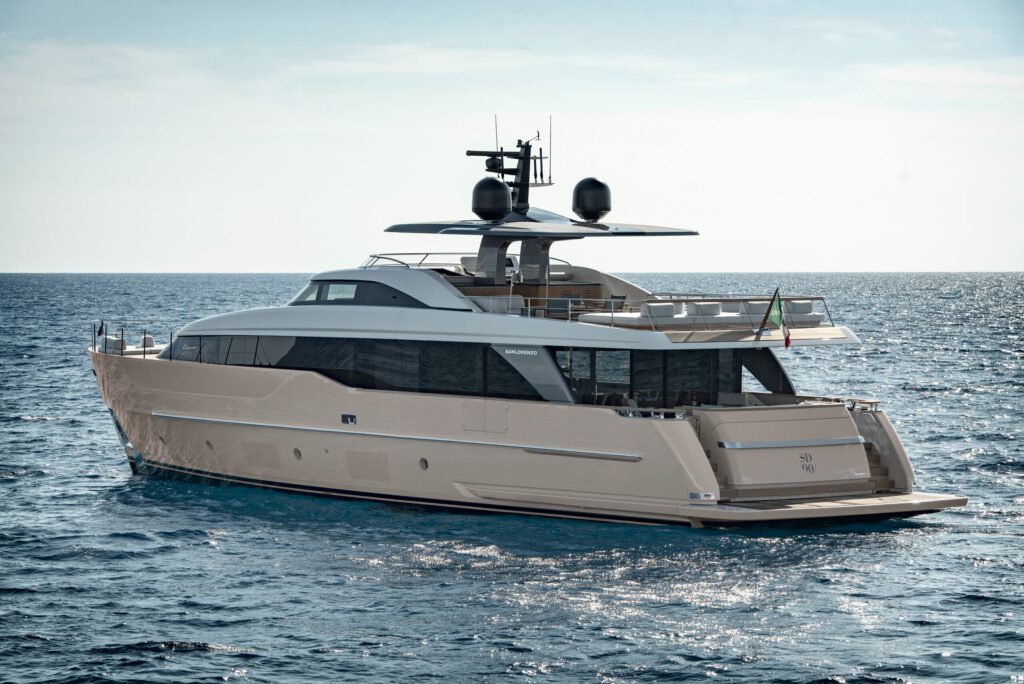
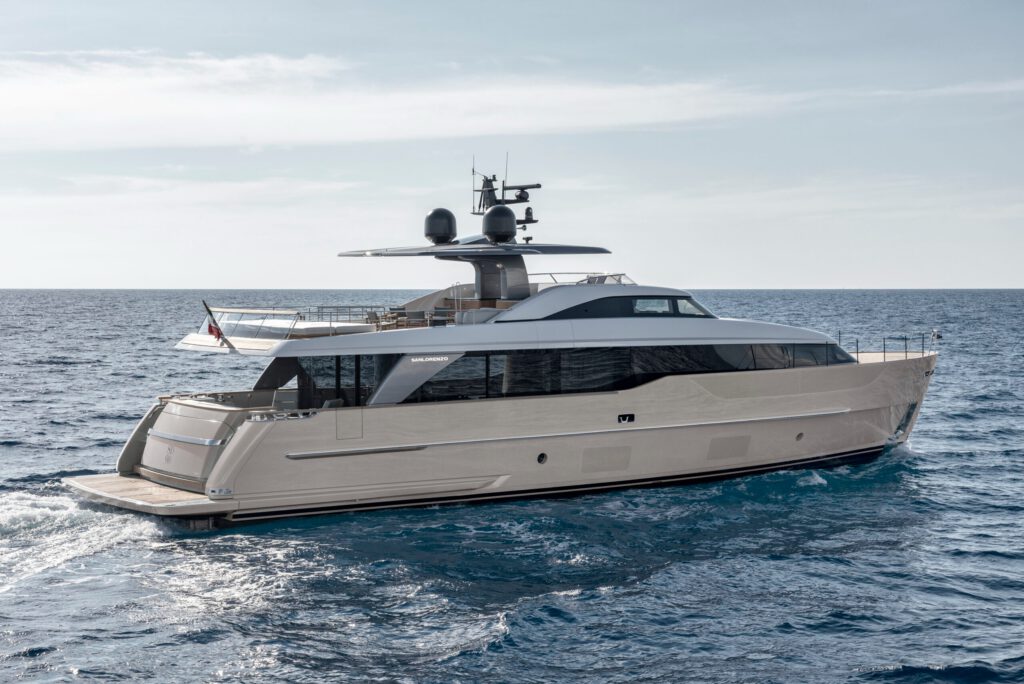
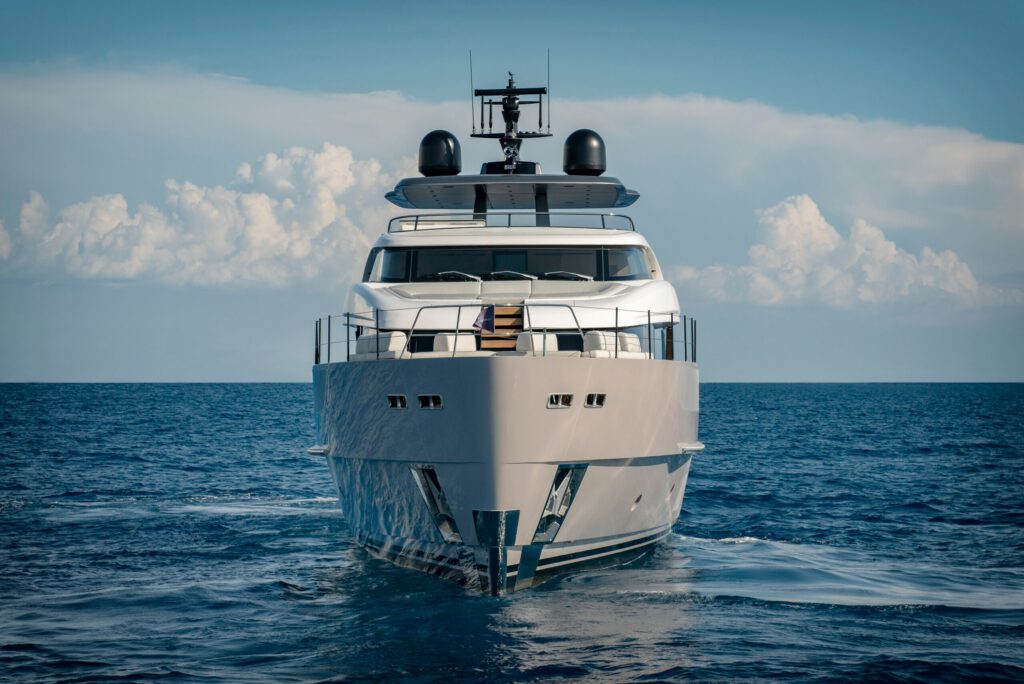
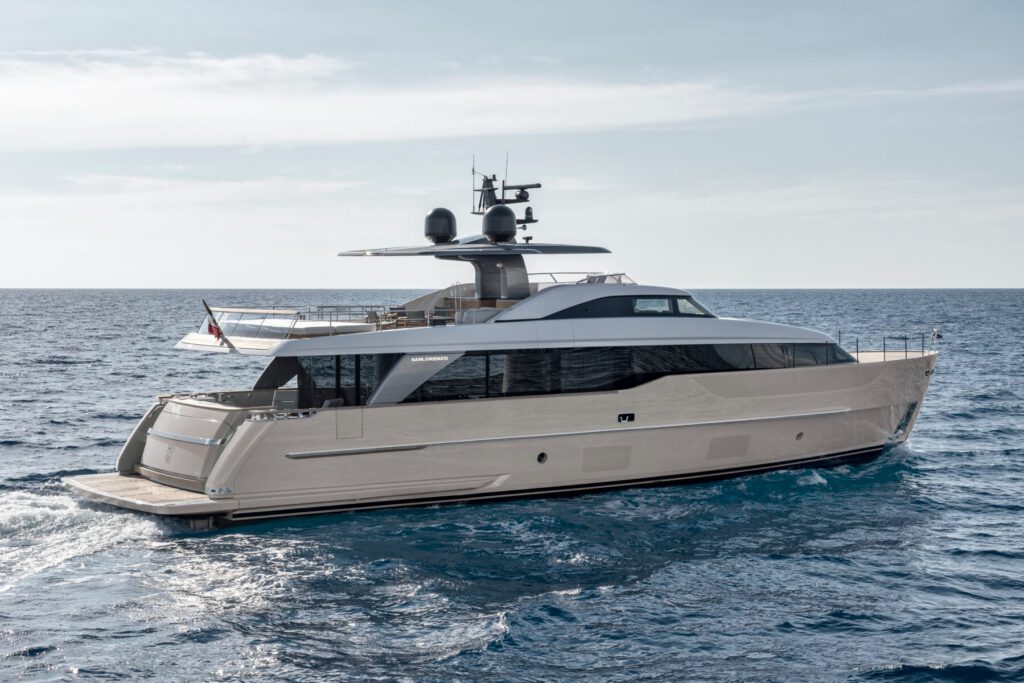
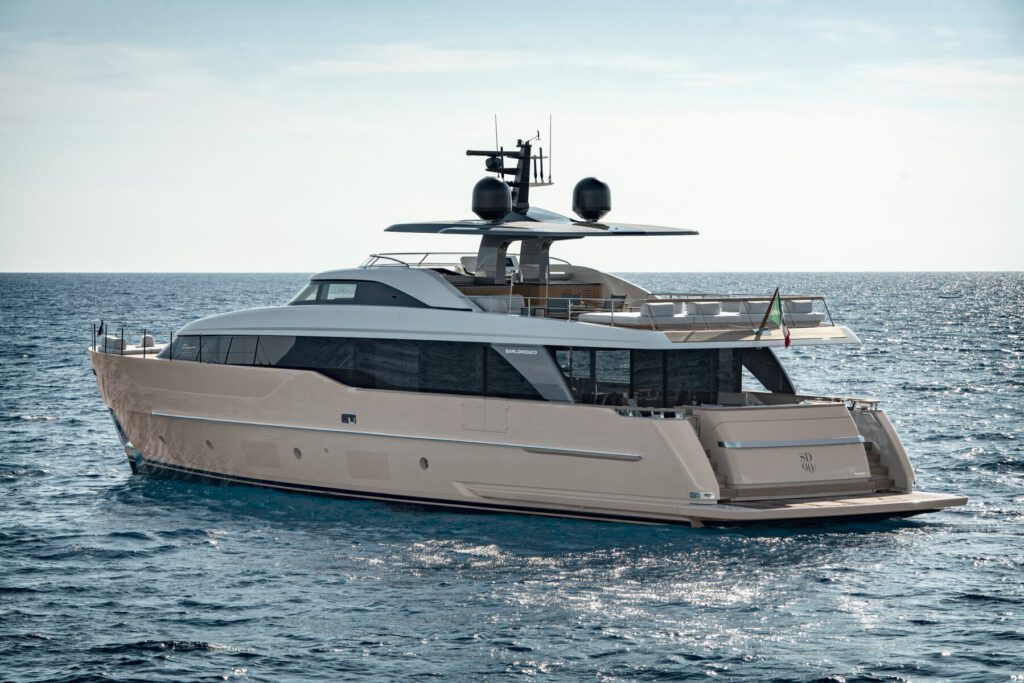
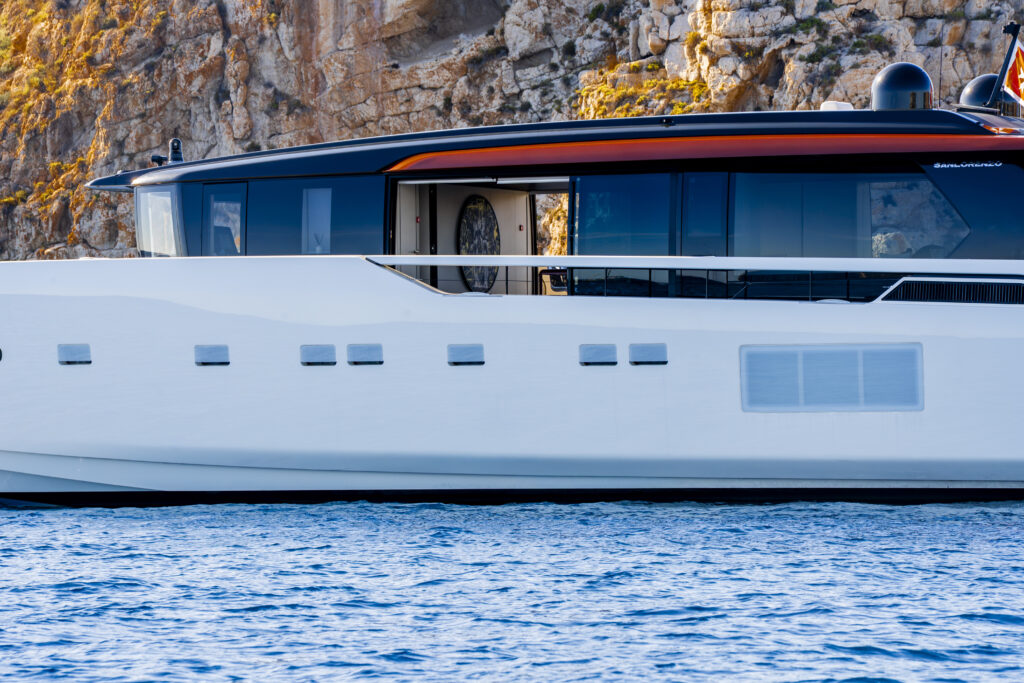
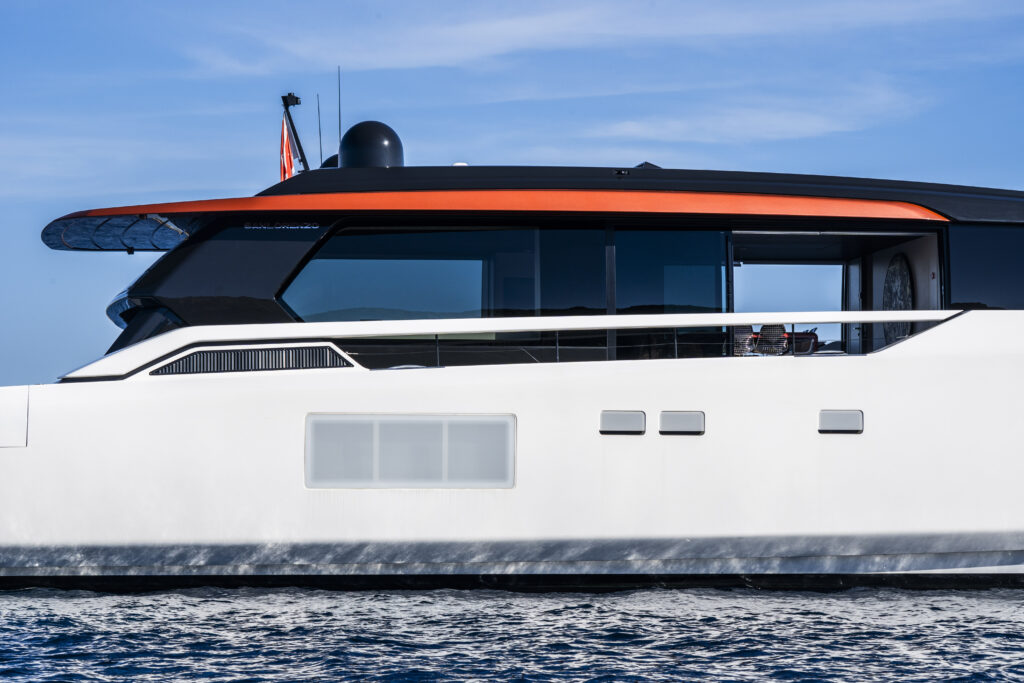
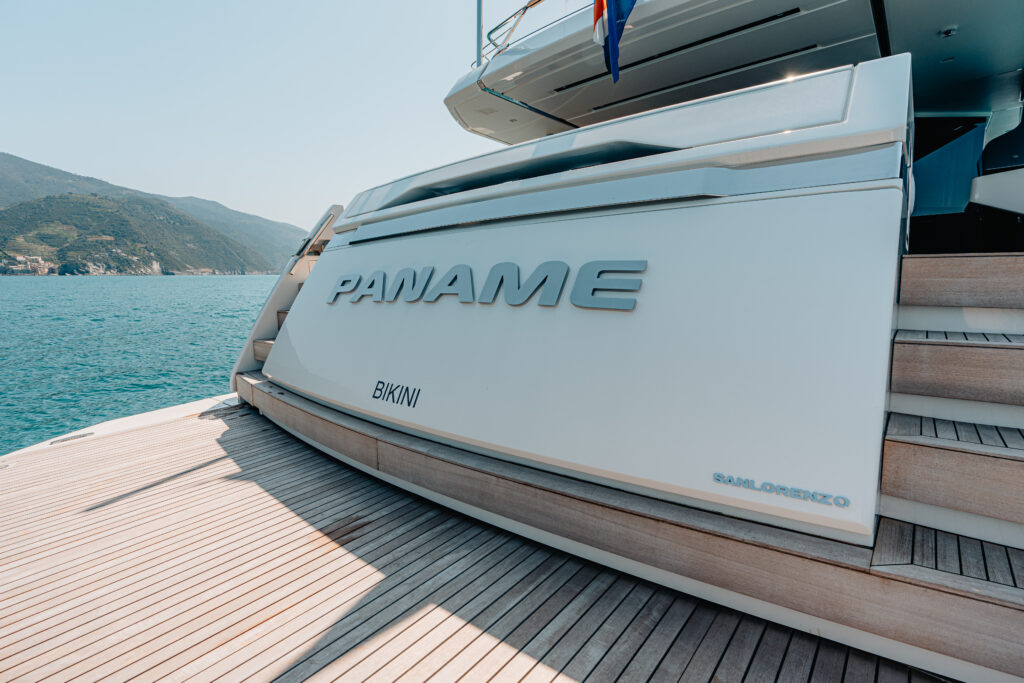
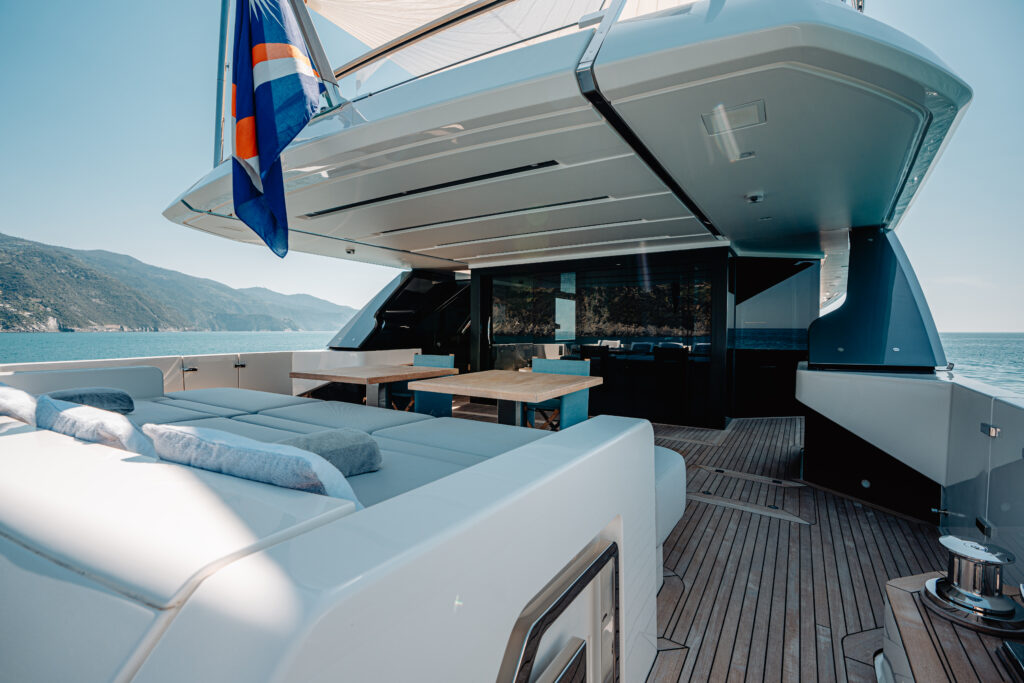
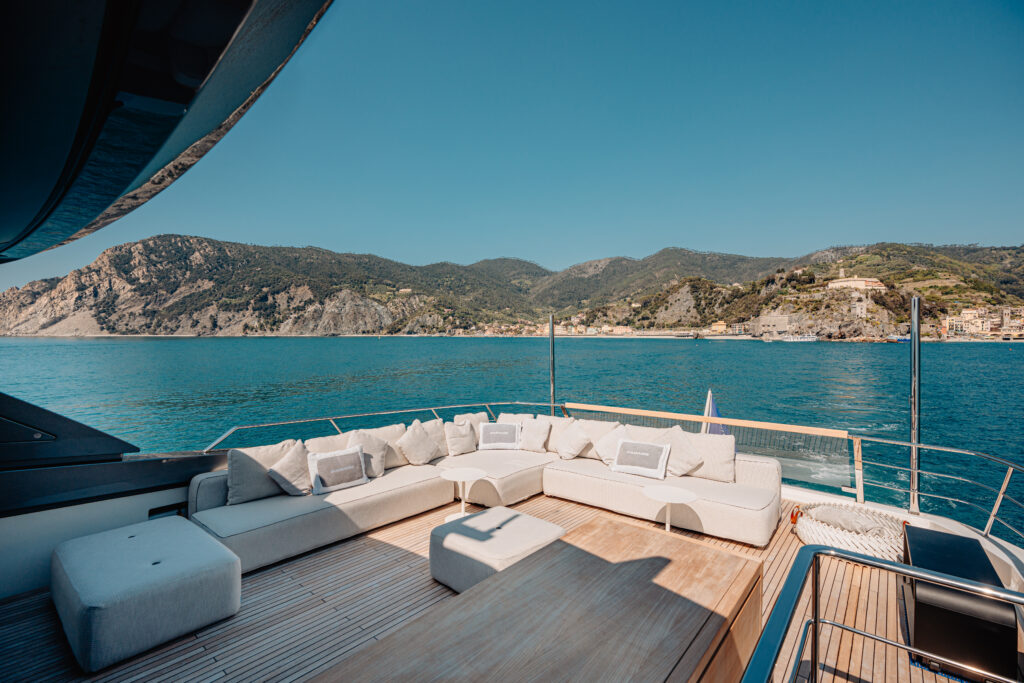
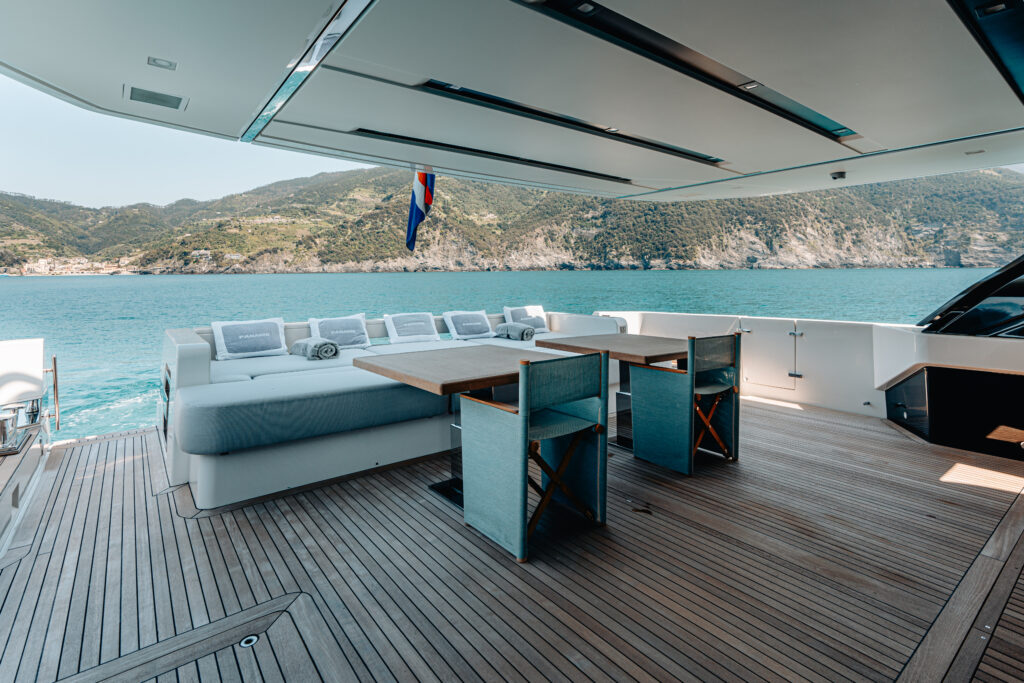
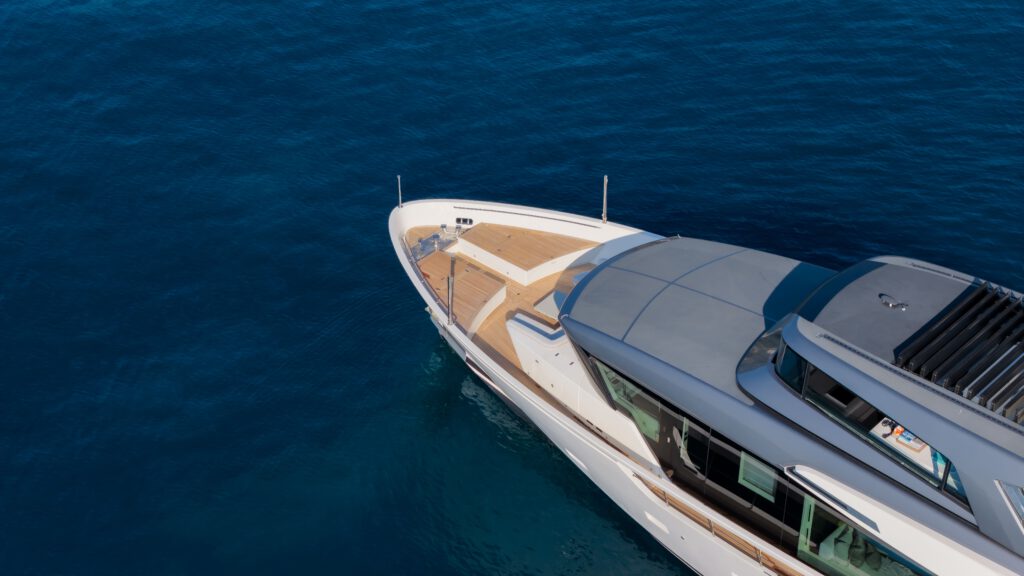
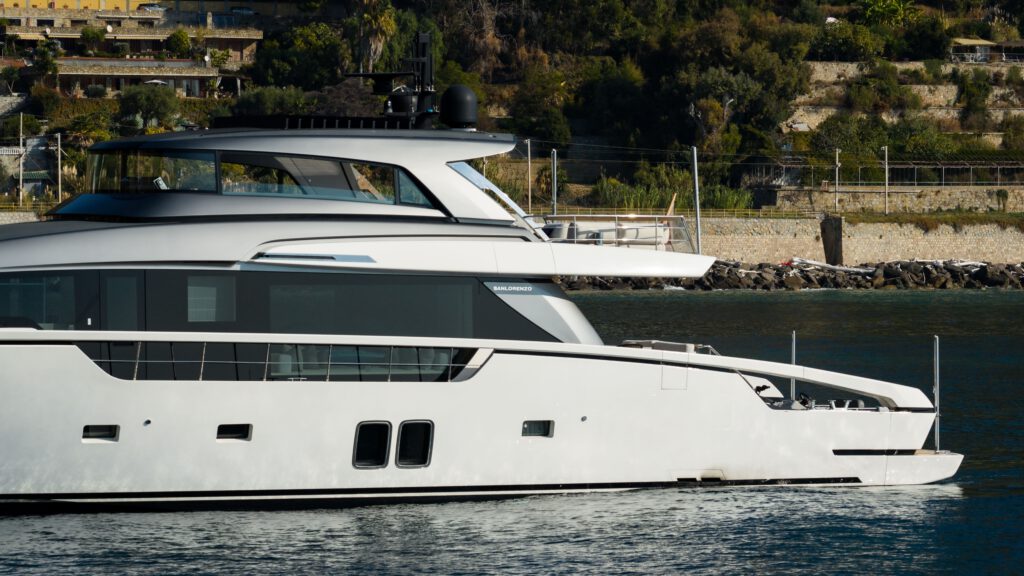
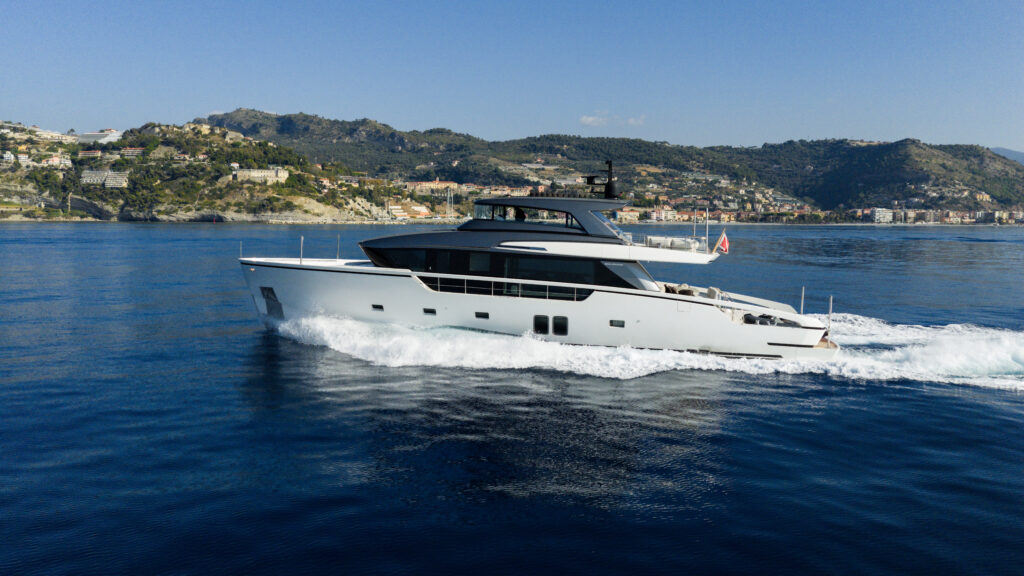
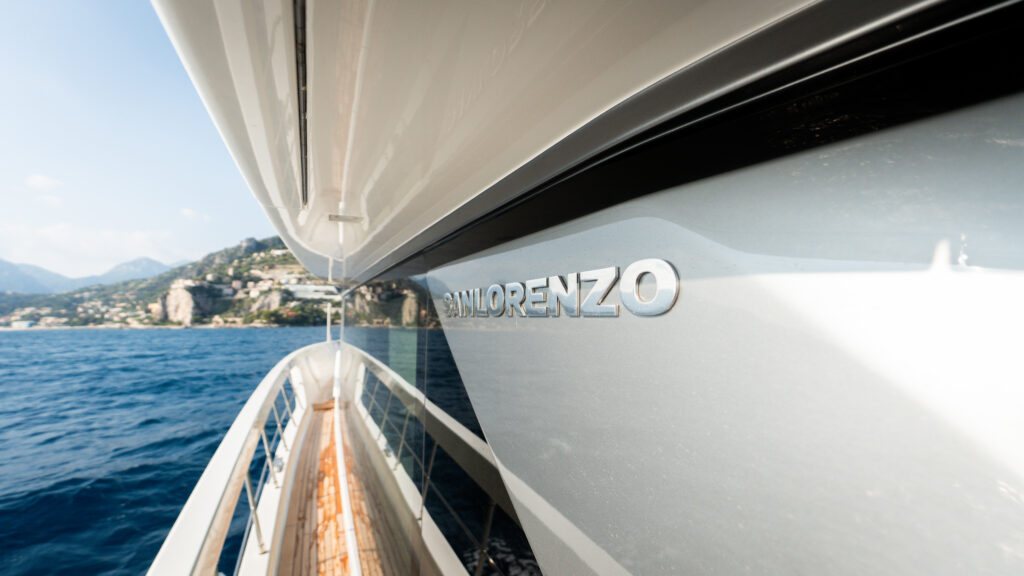
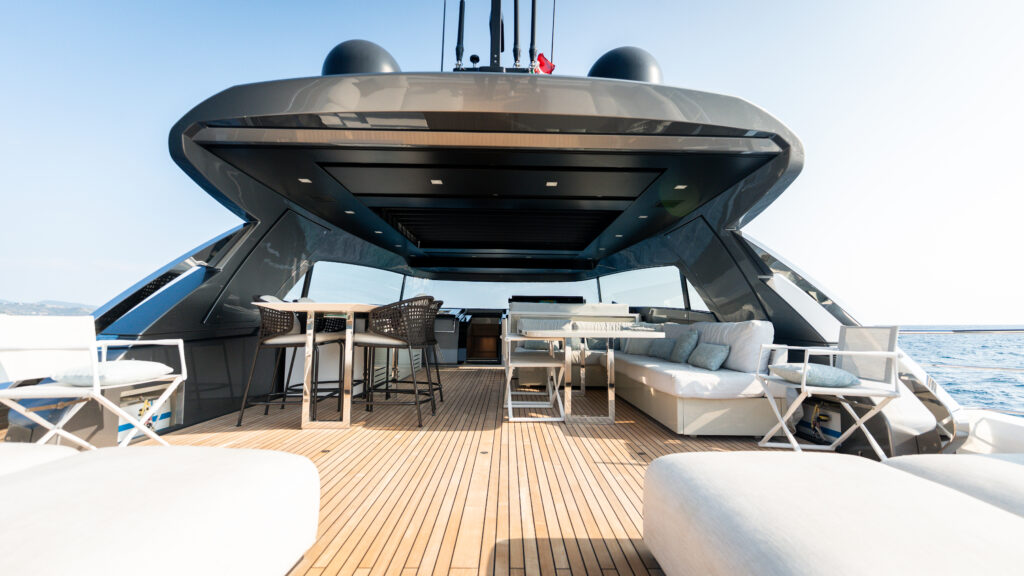
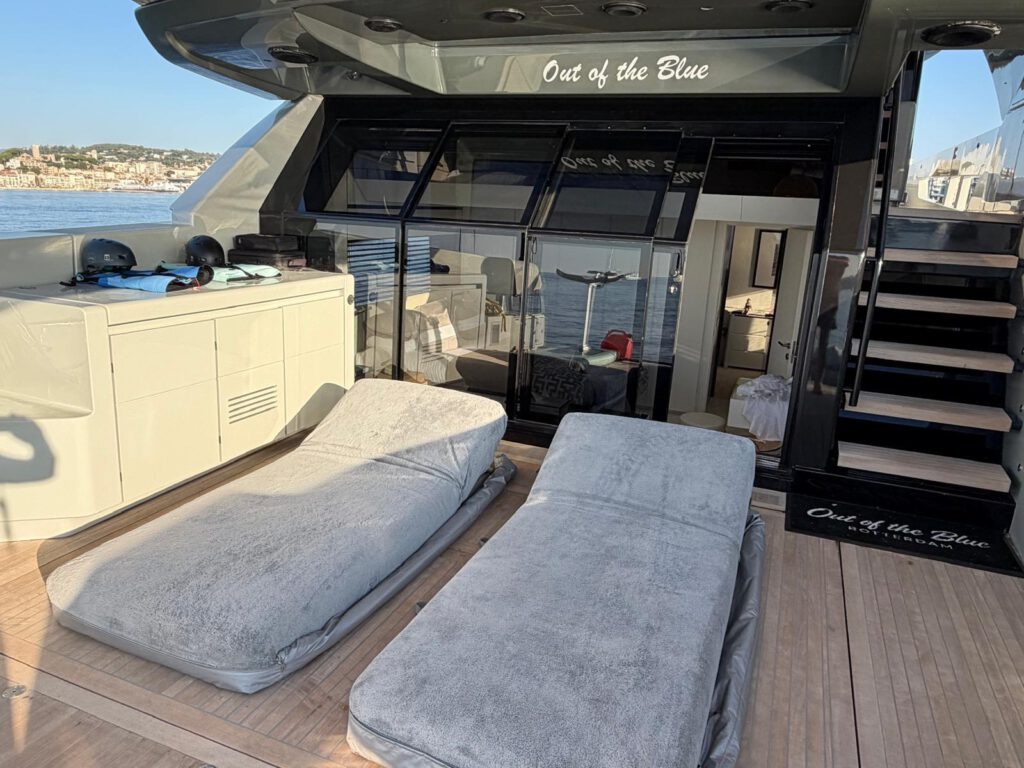
SANLORENZO
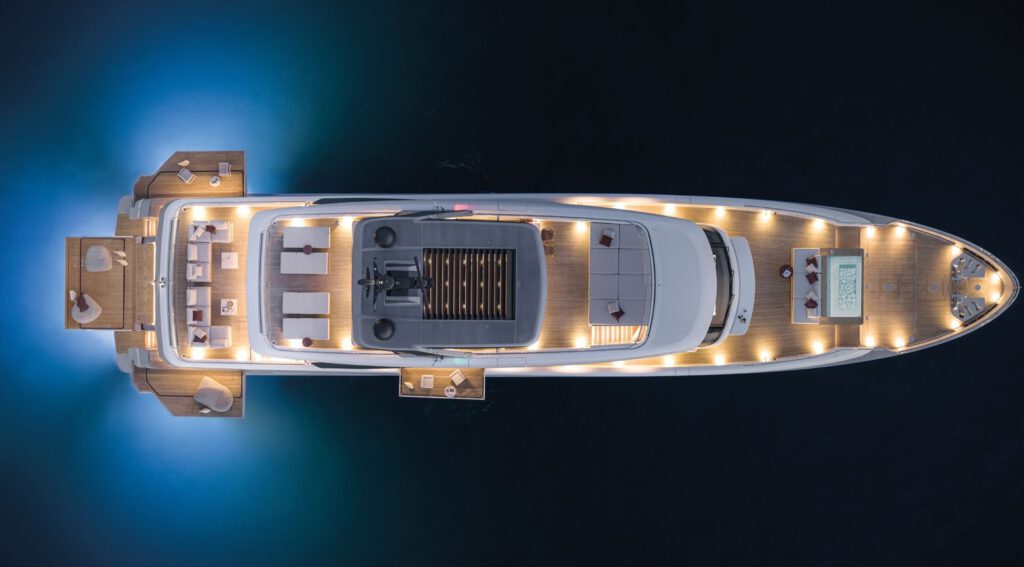
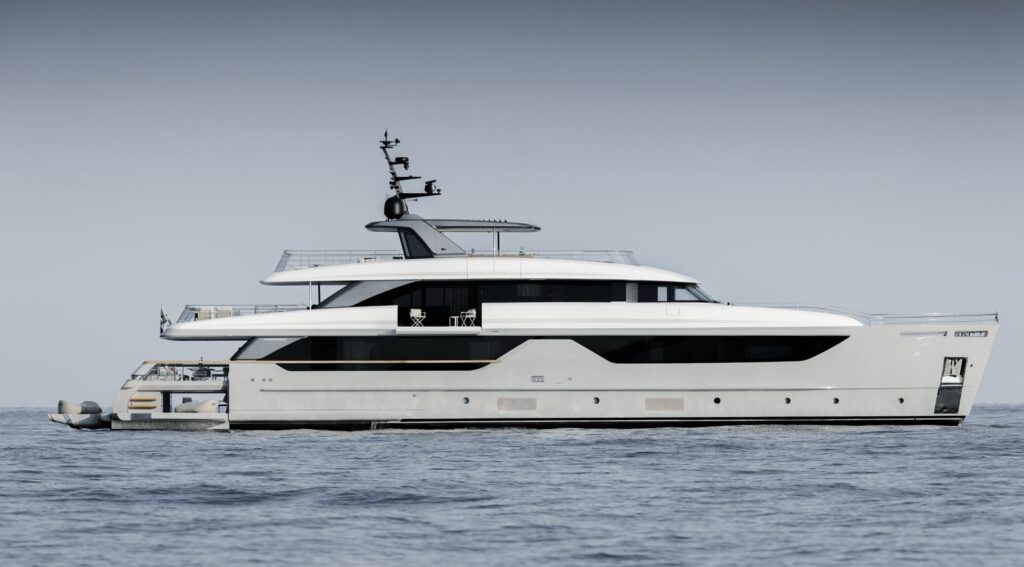
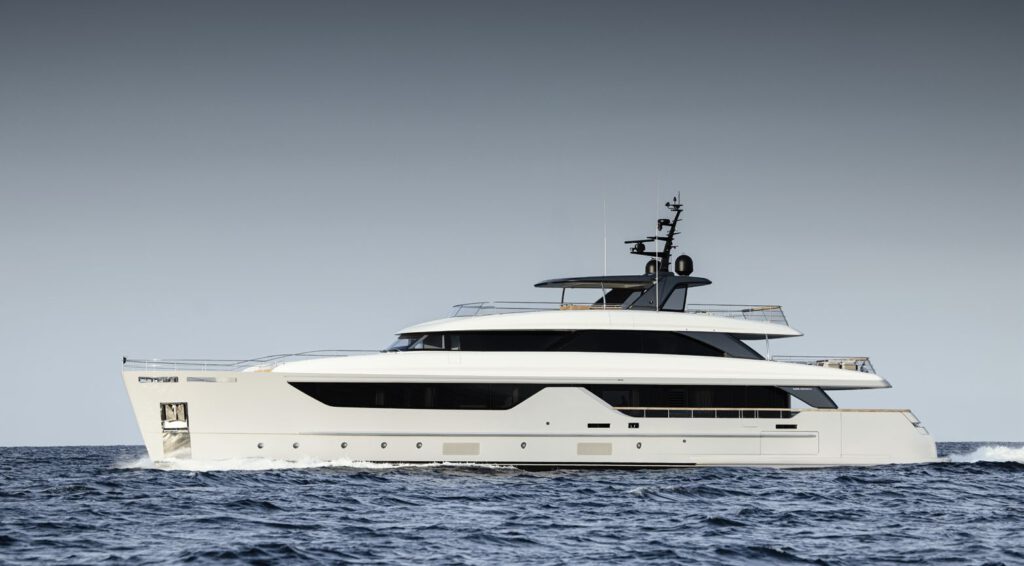
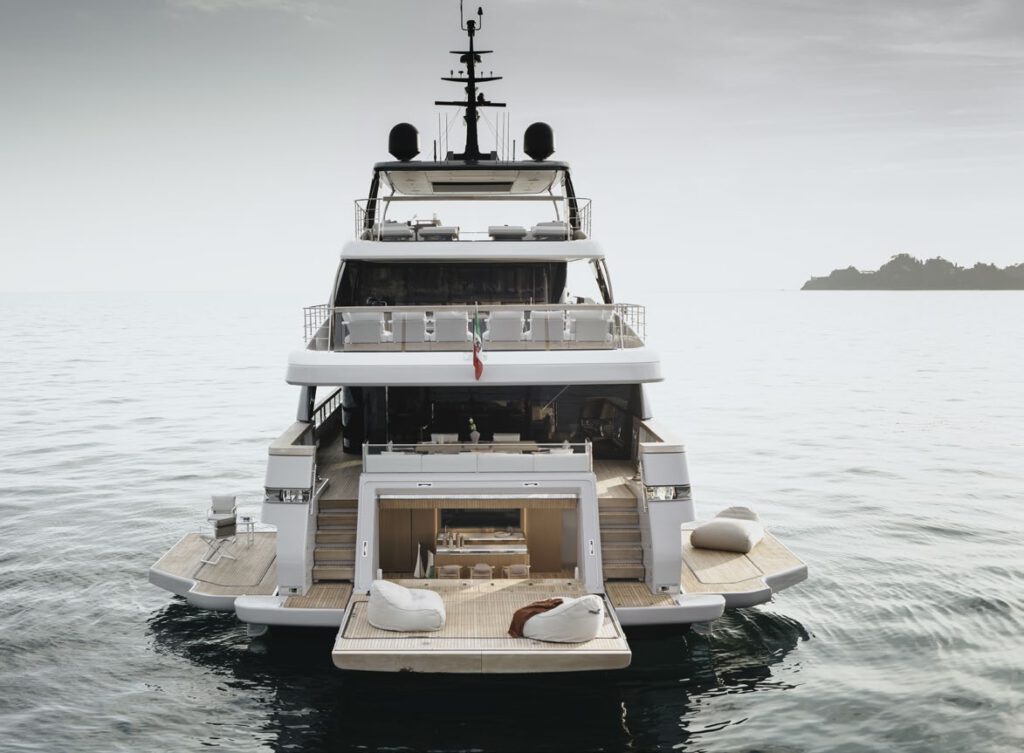
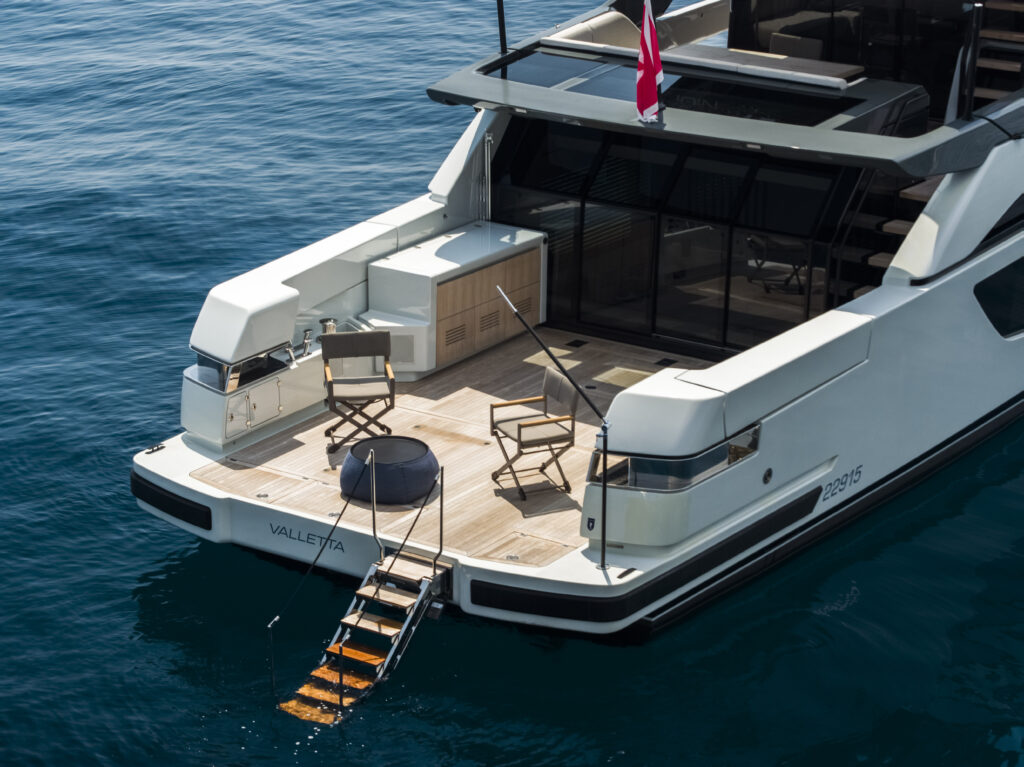
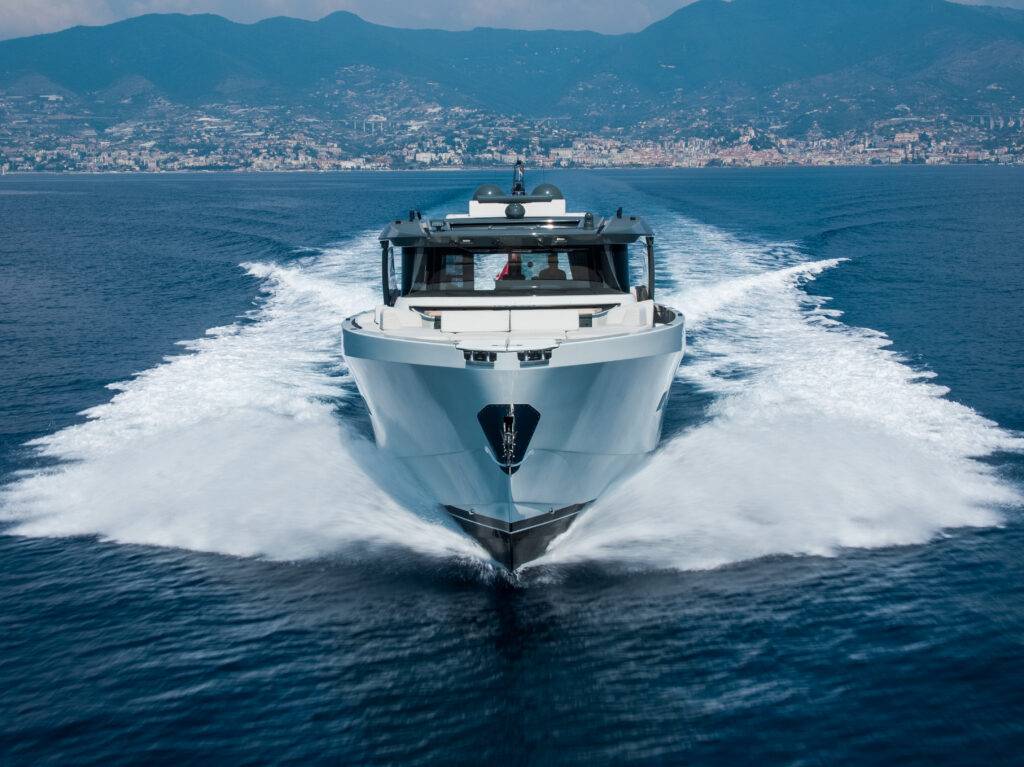
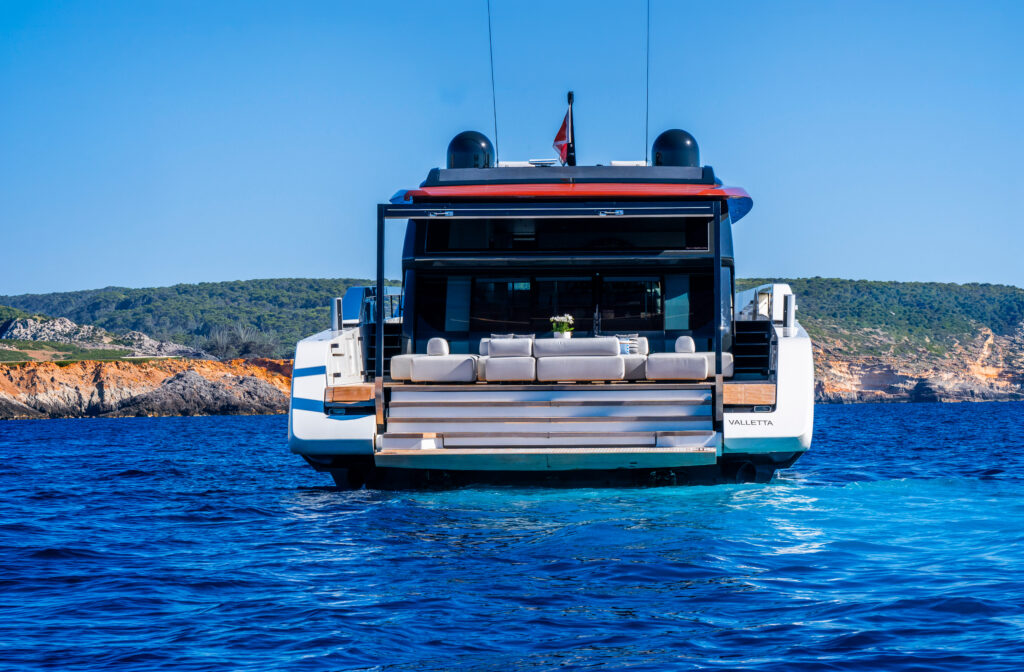
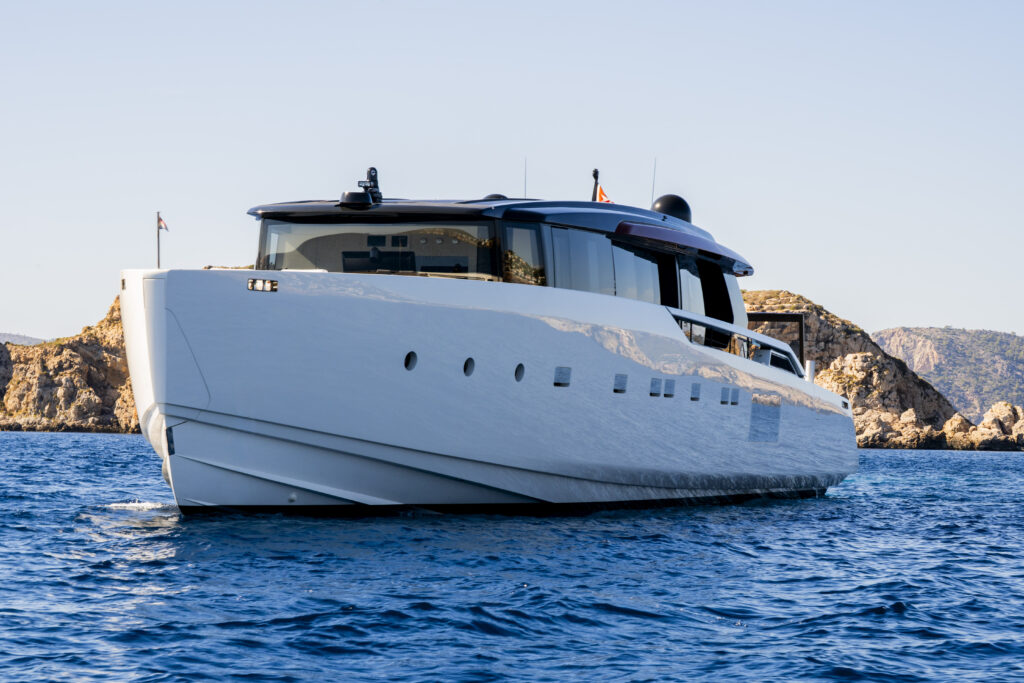
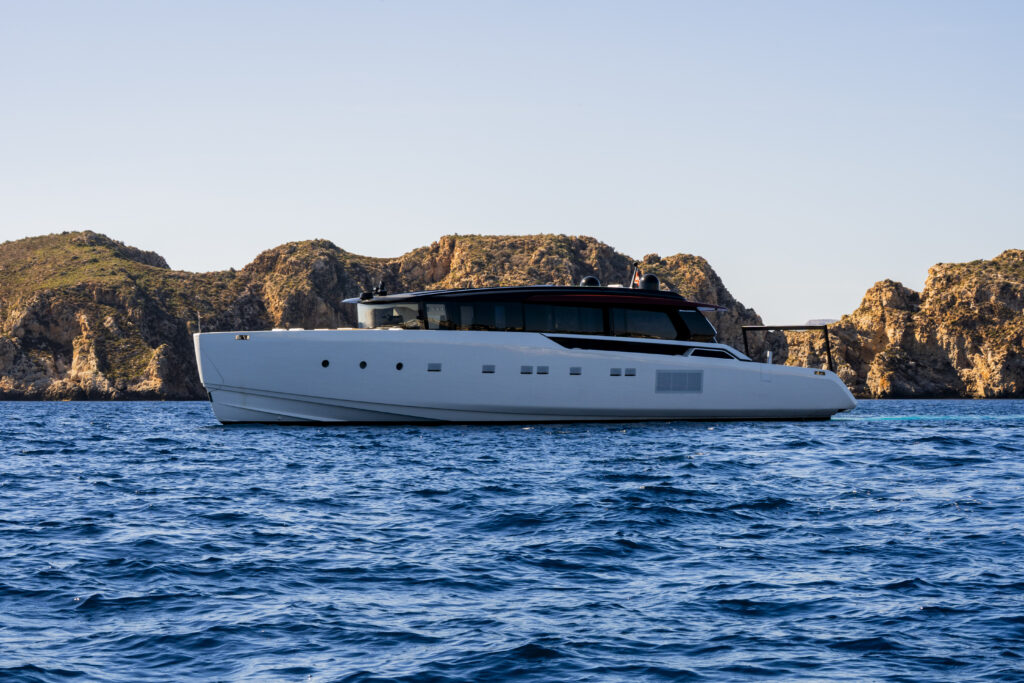
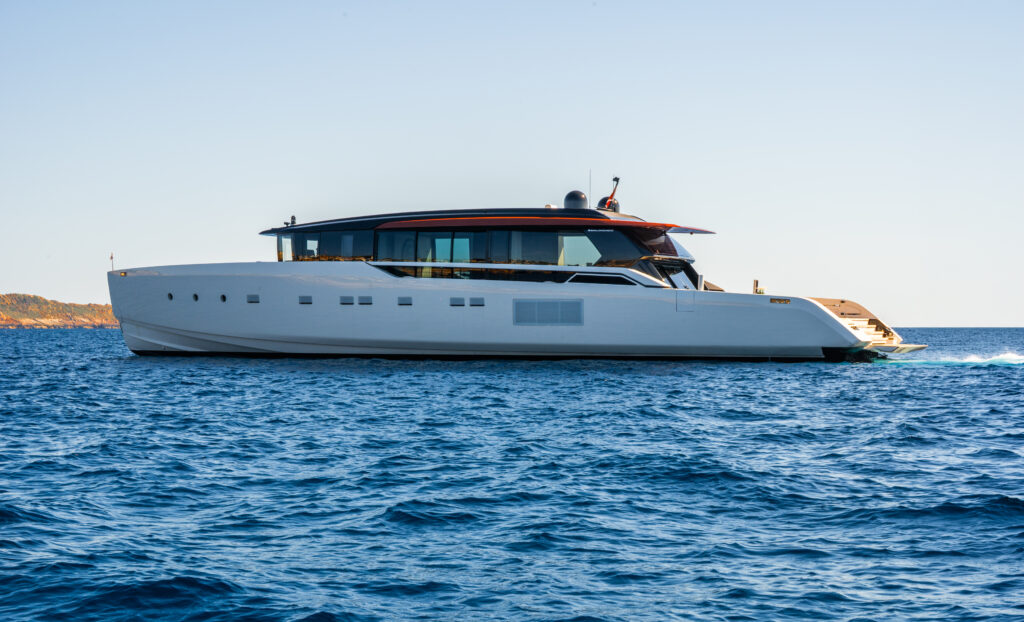
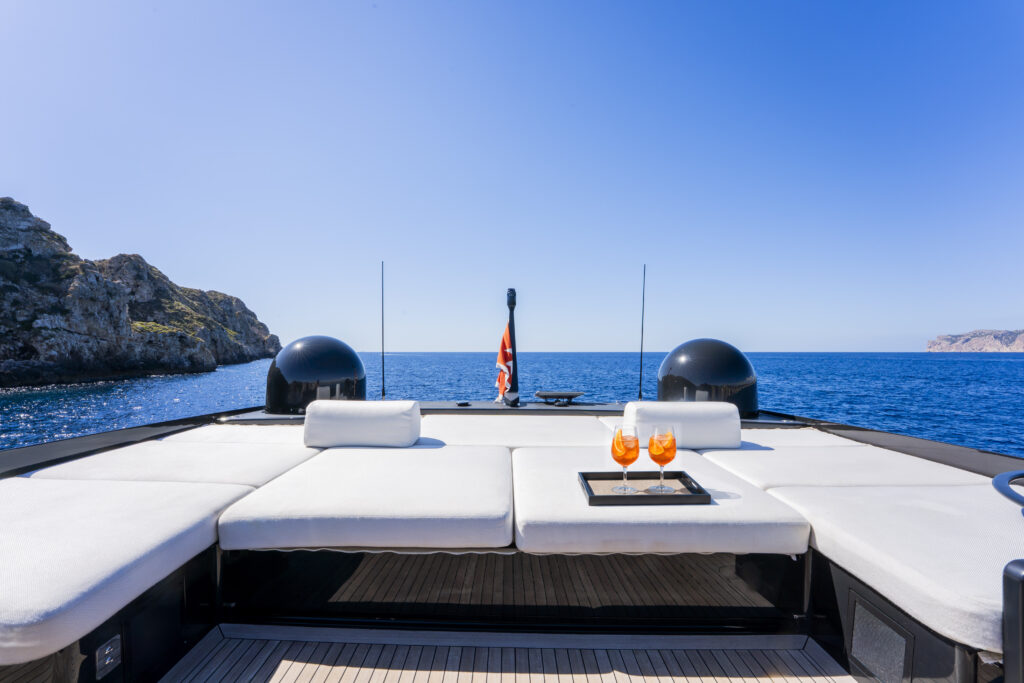
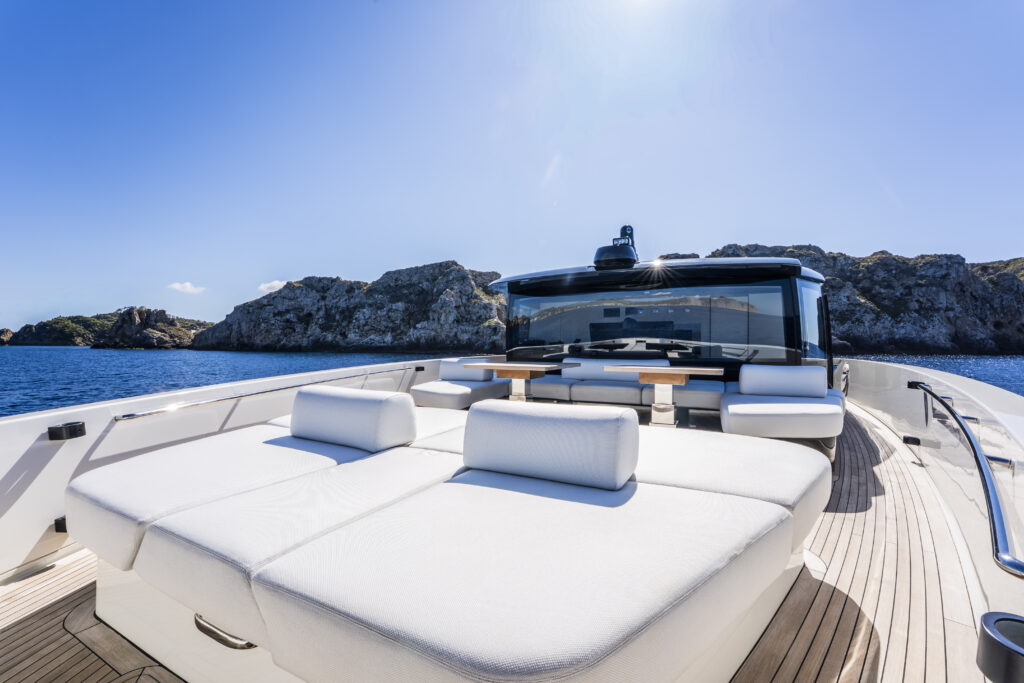
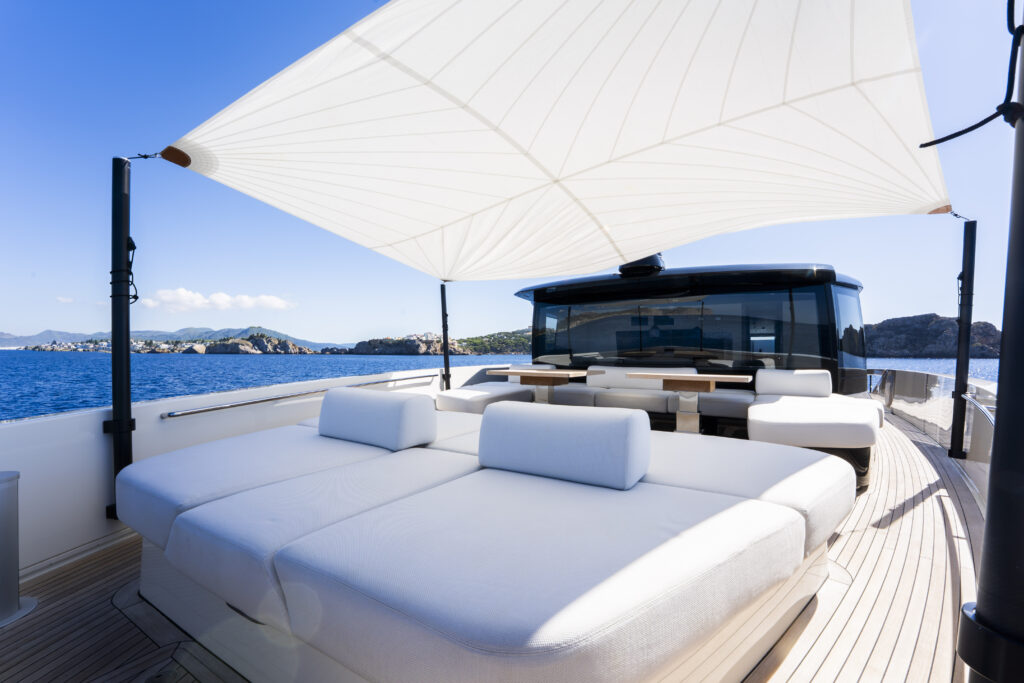
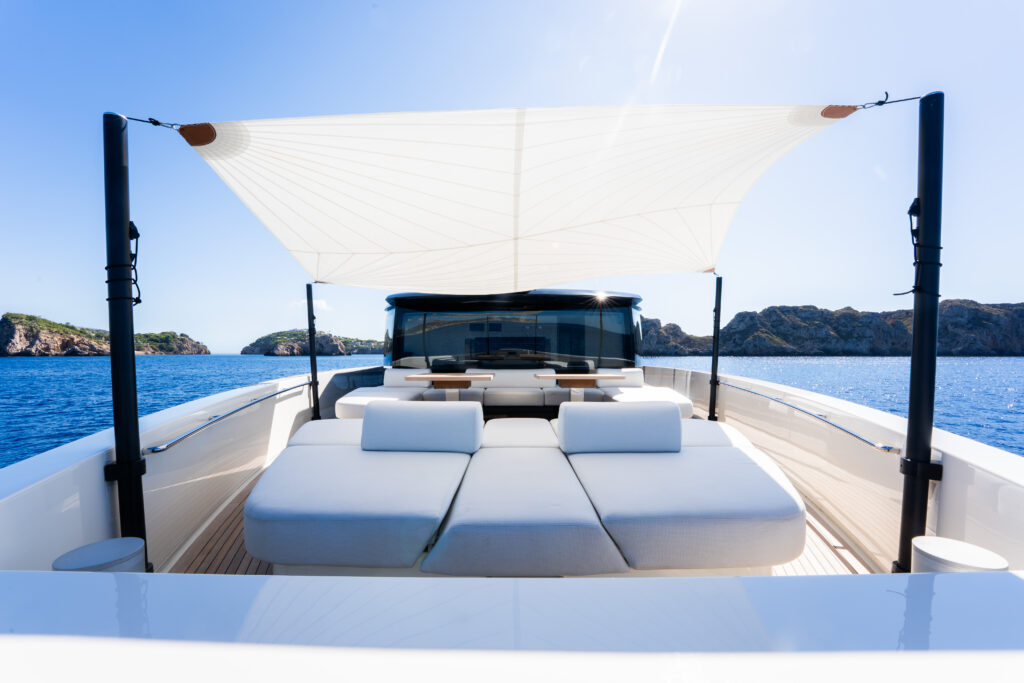
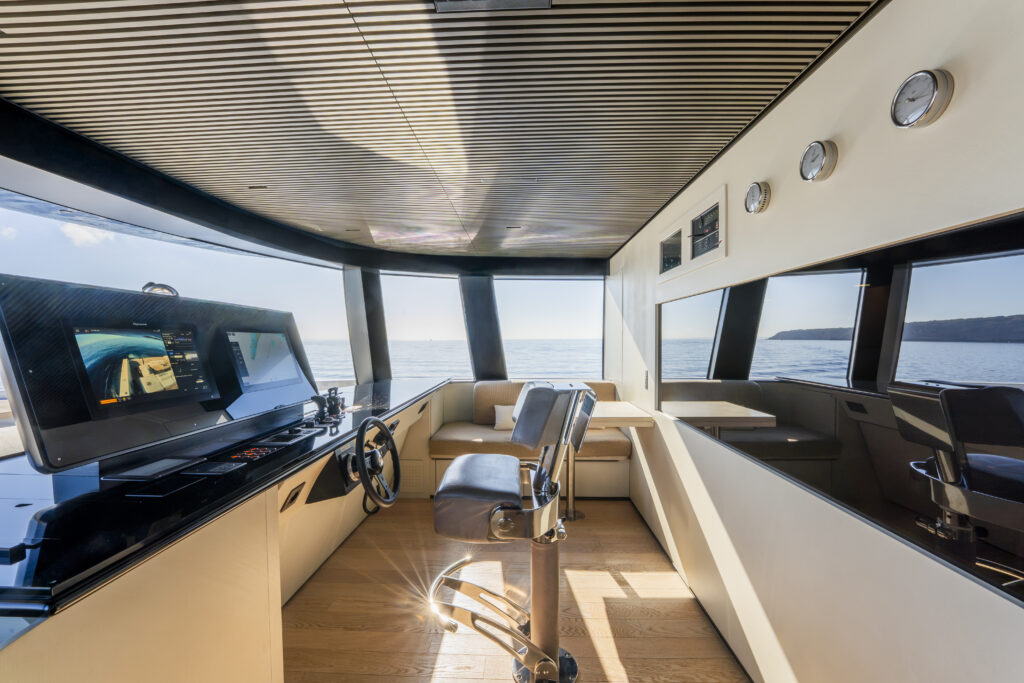
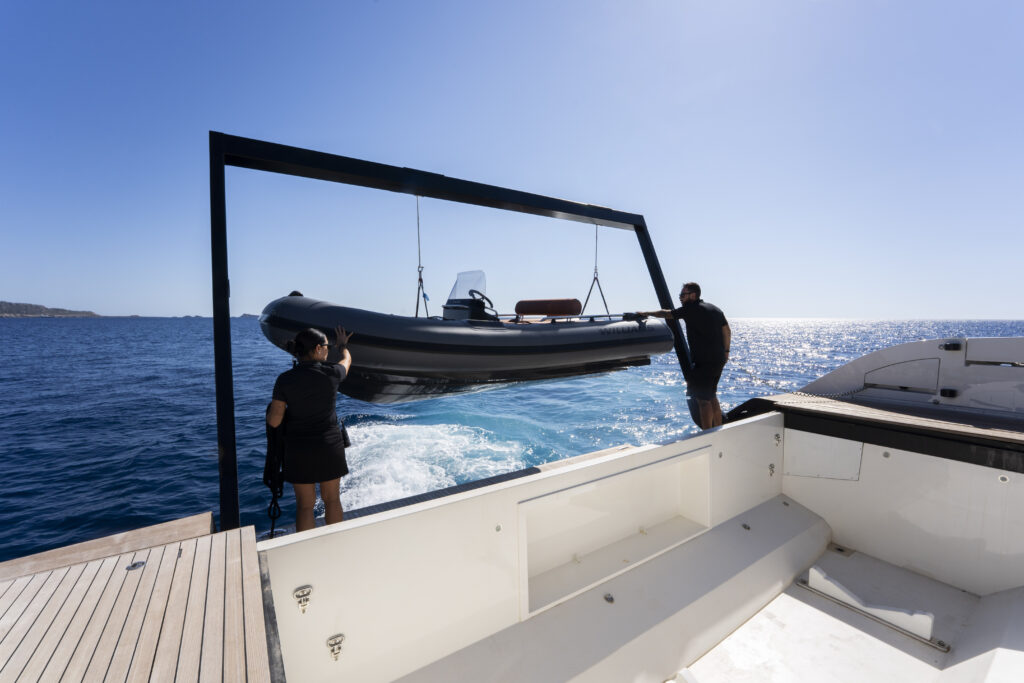
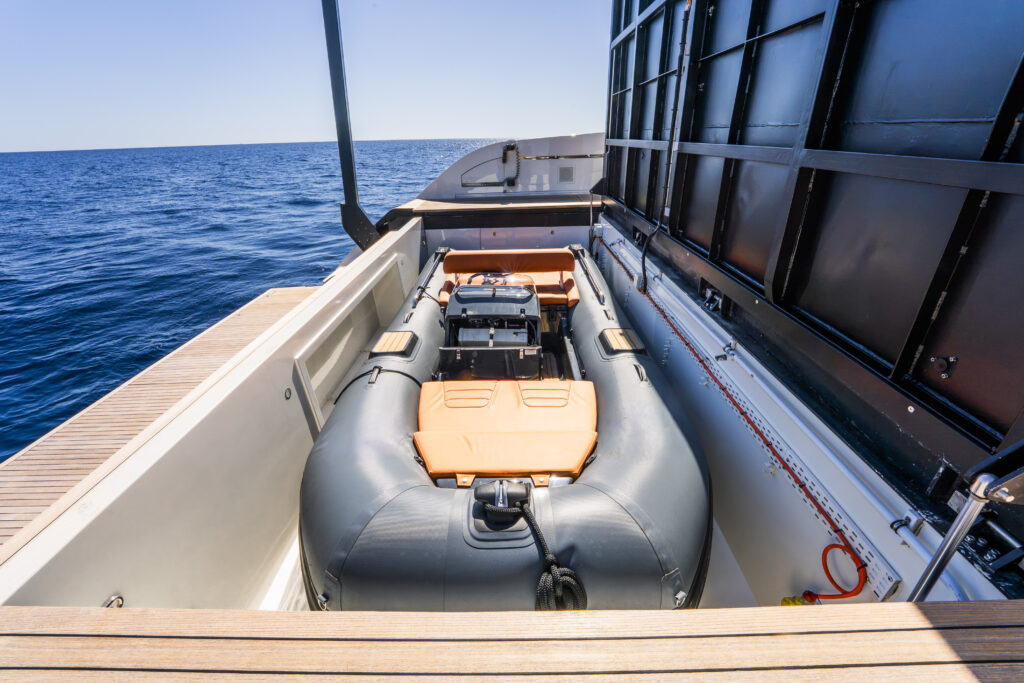
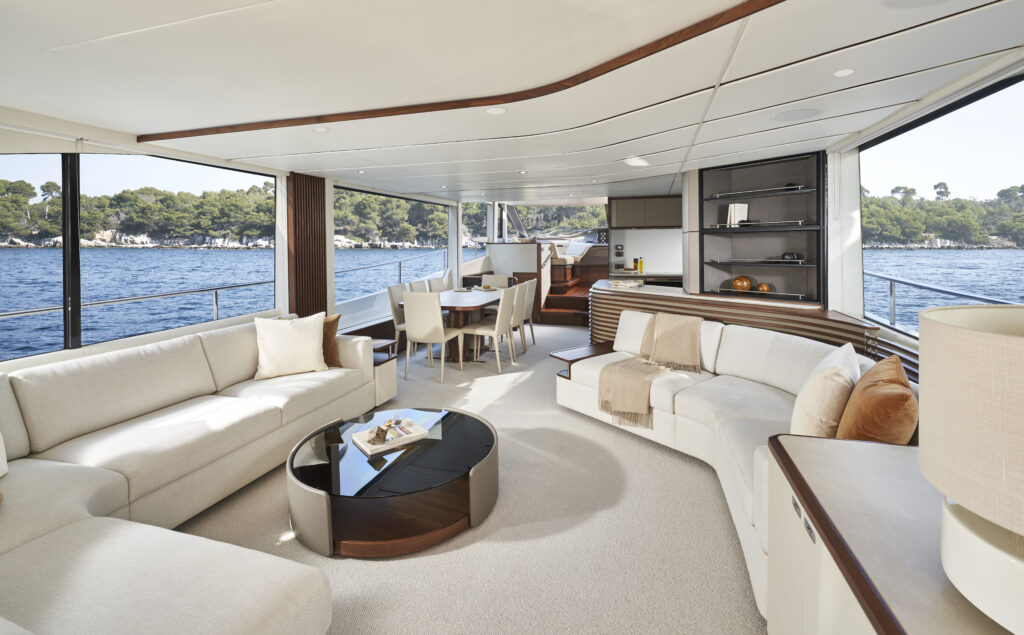
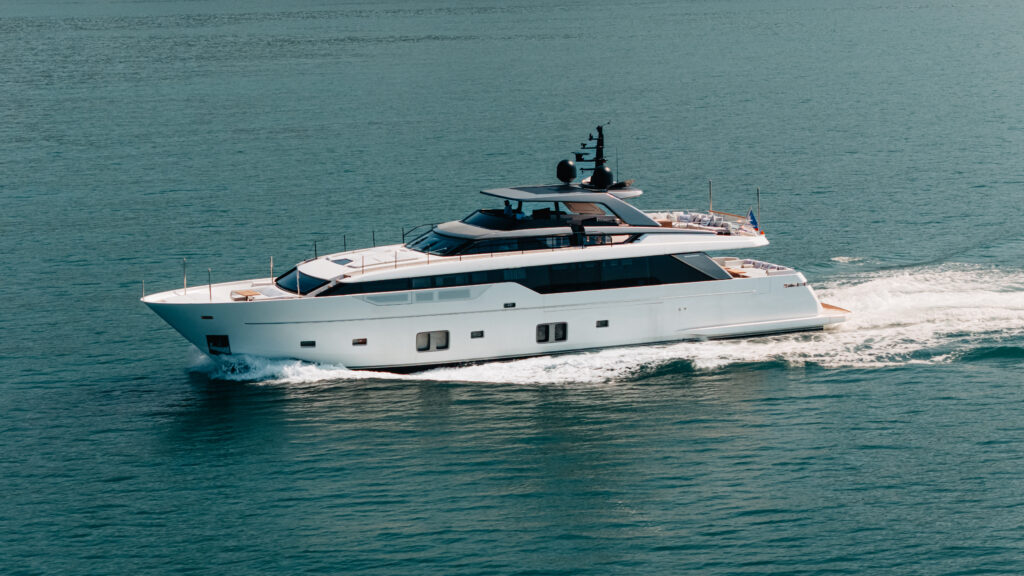
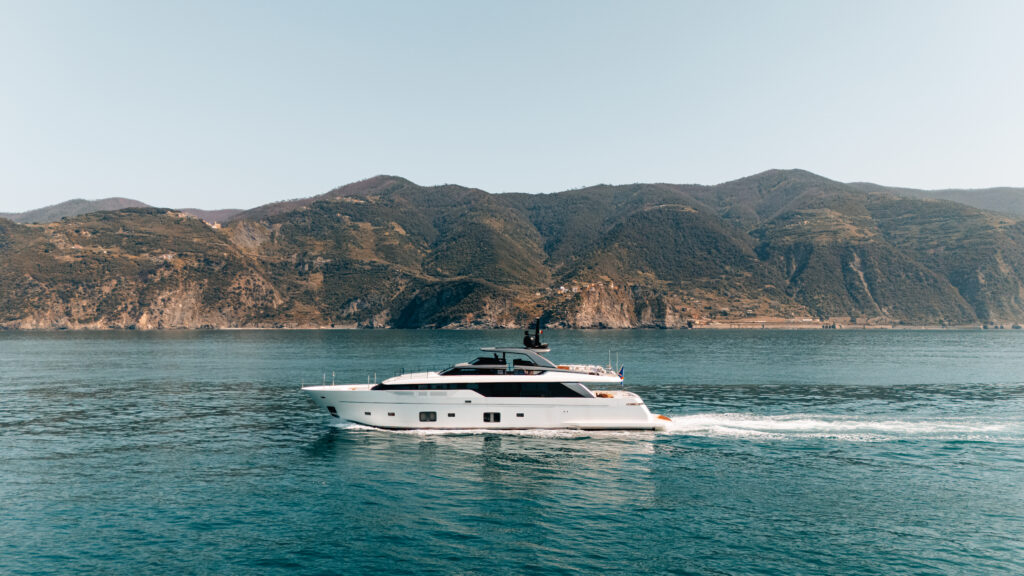
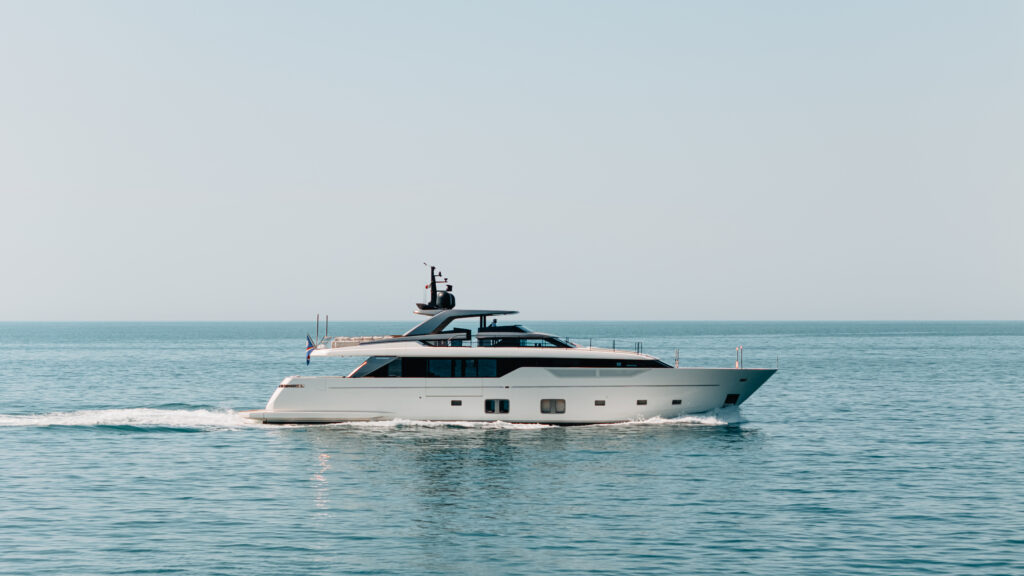
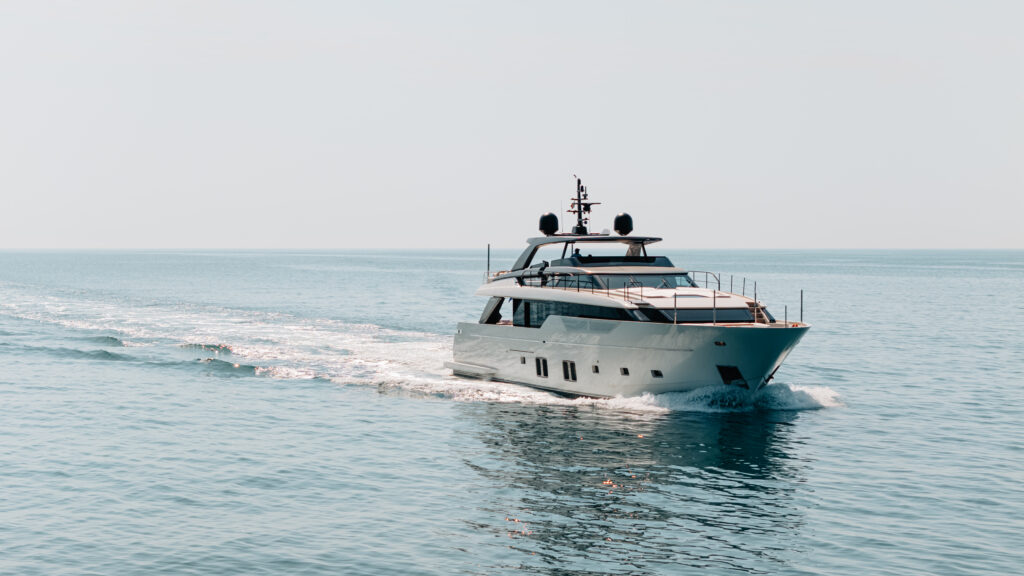
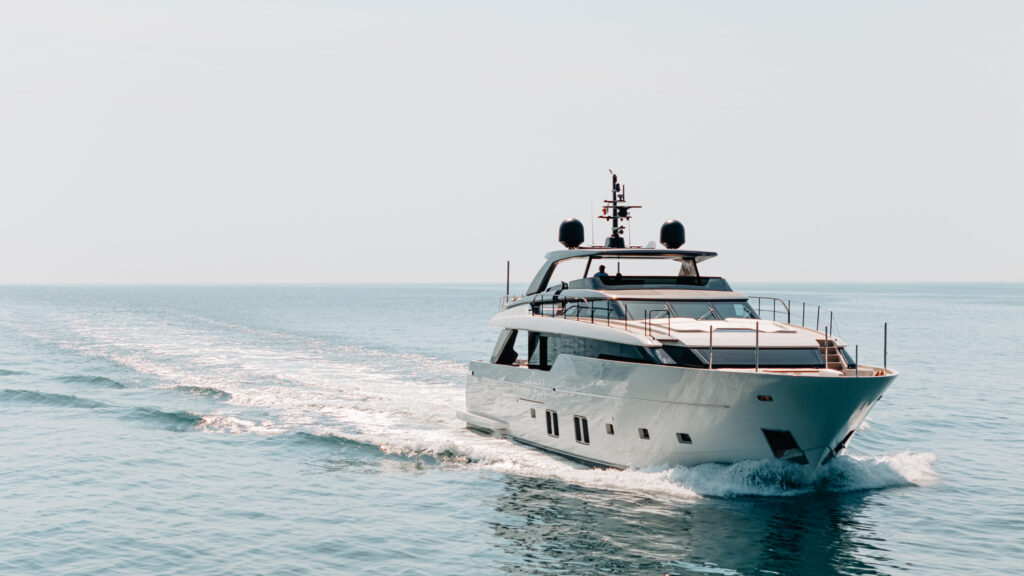
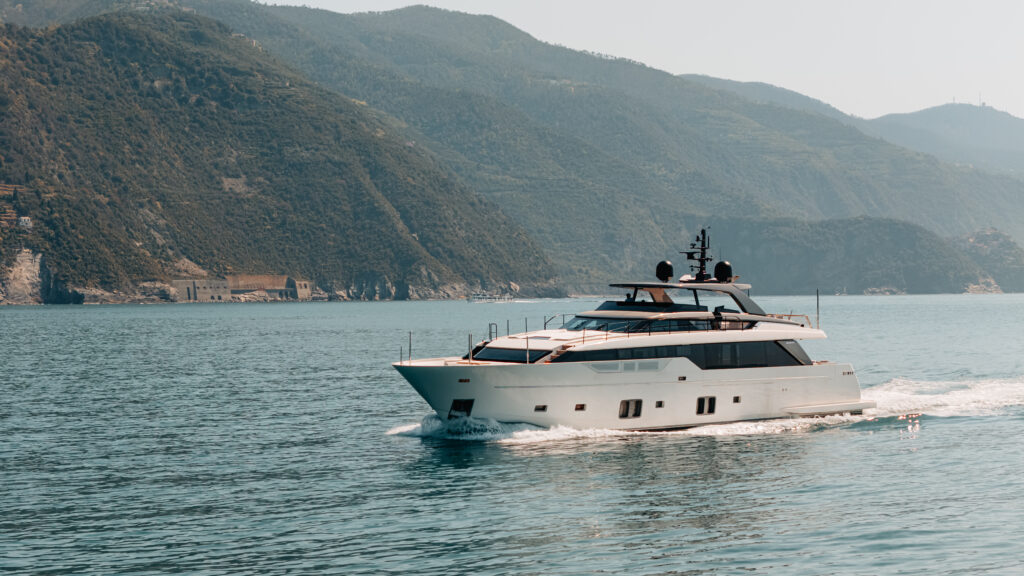
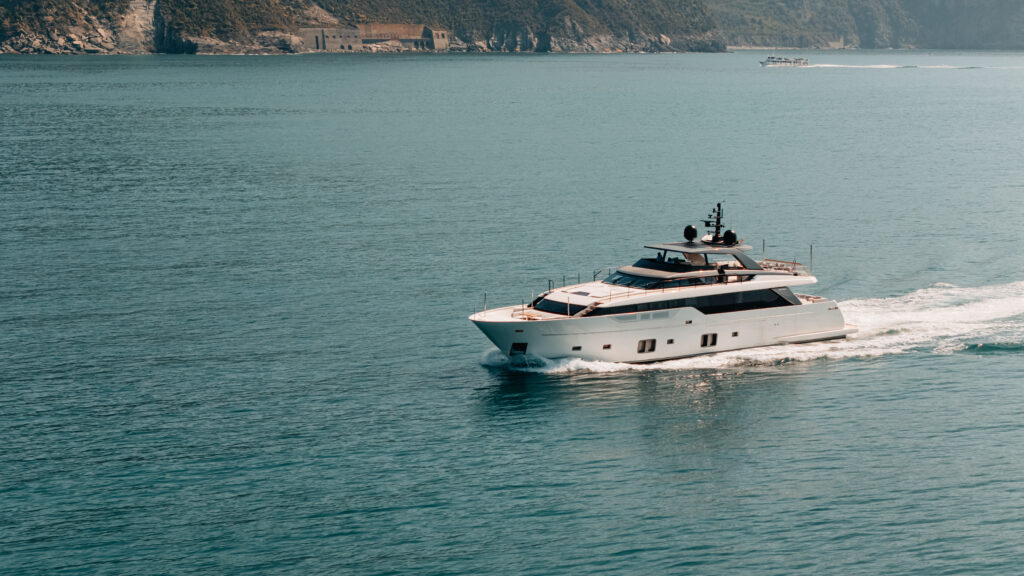
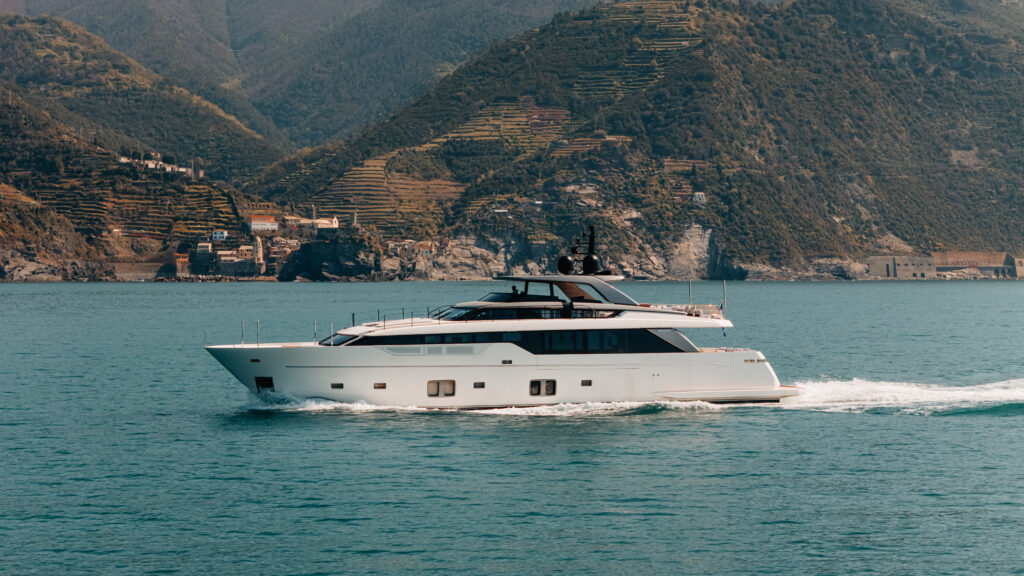
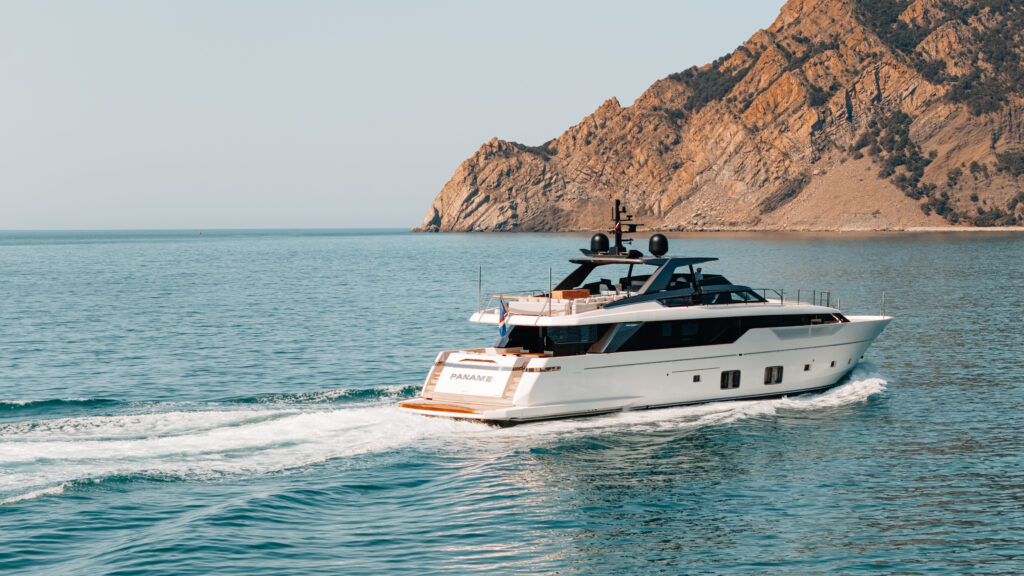
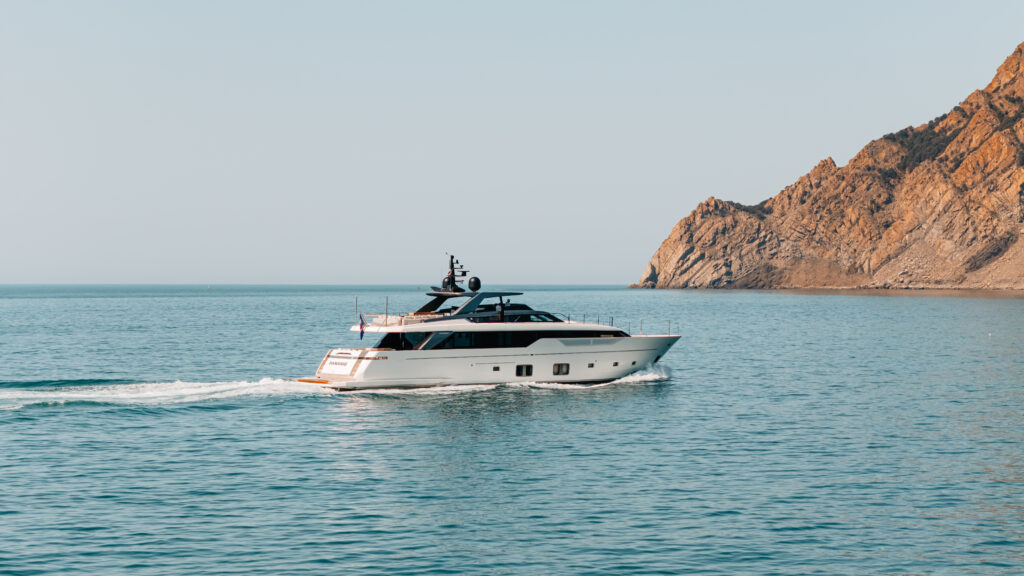
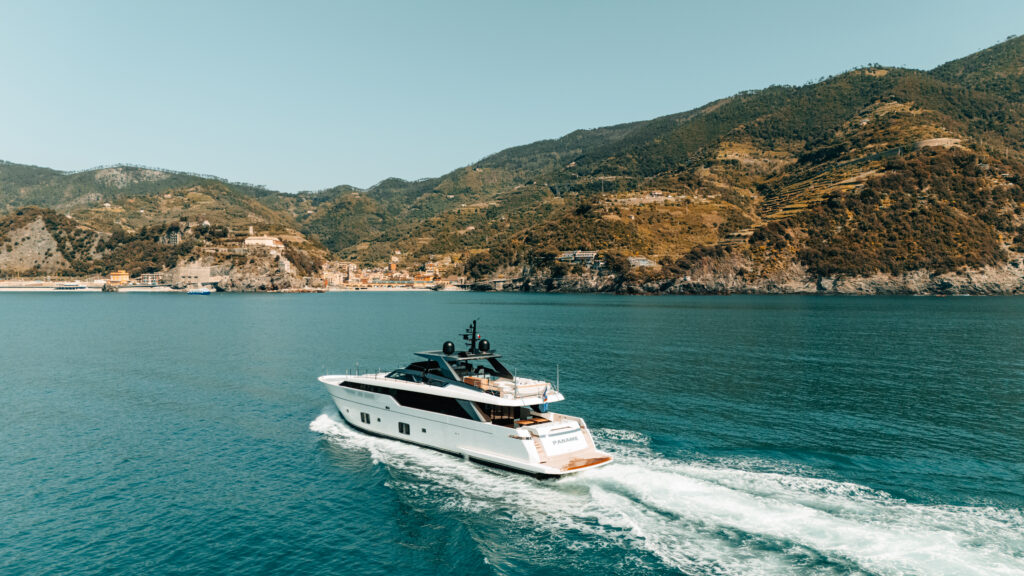
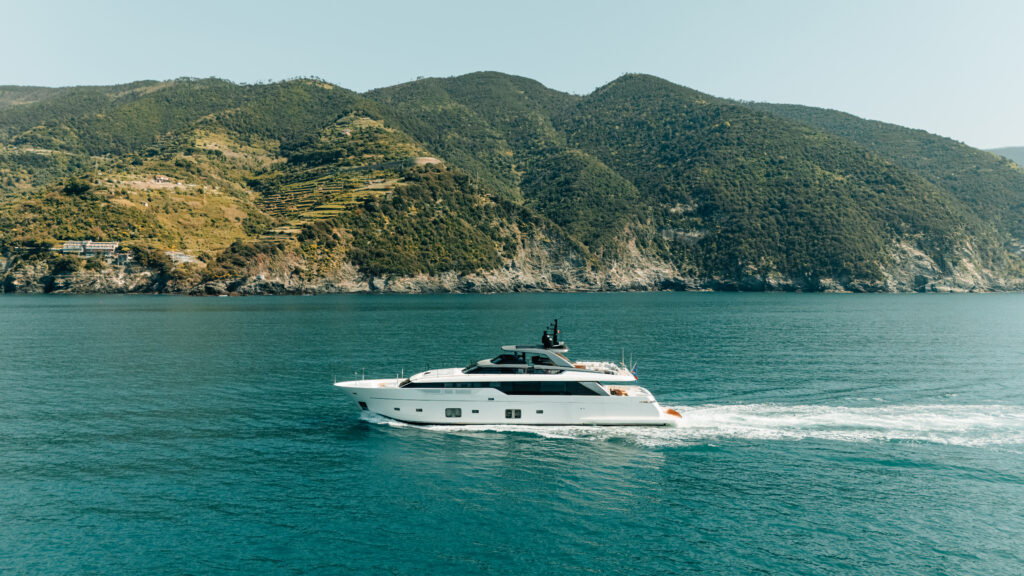
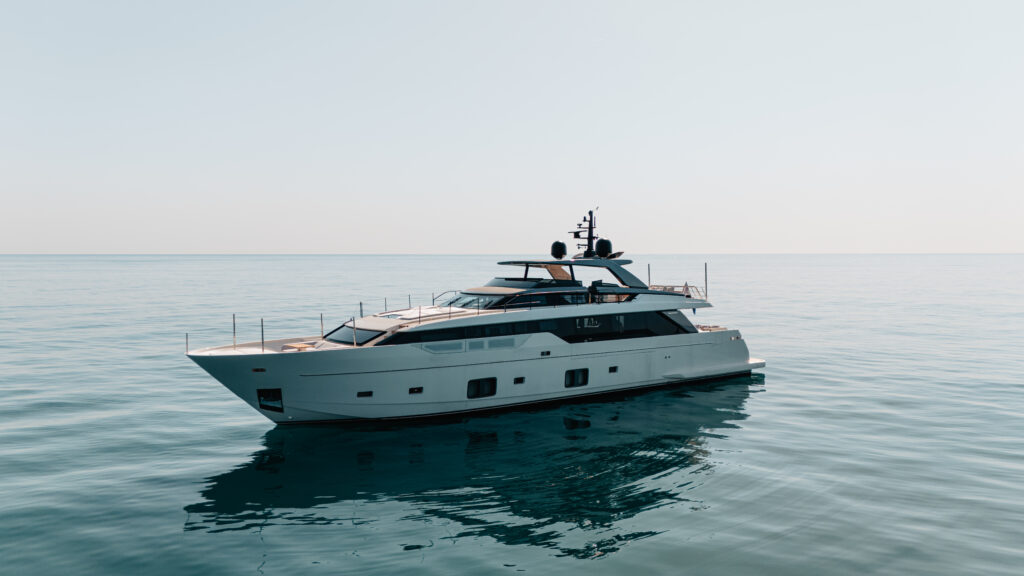
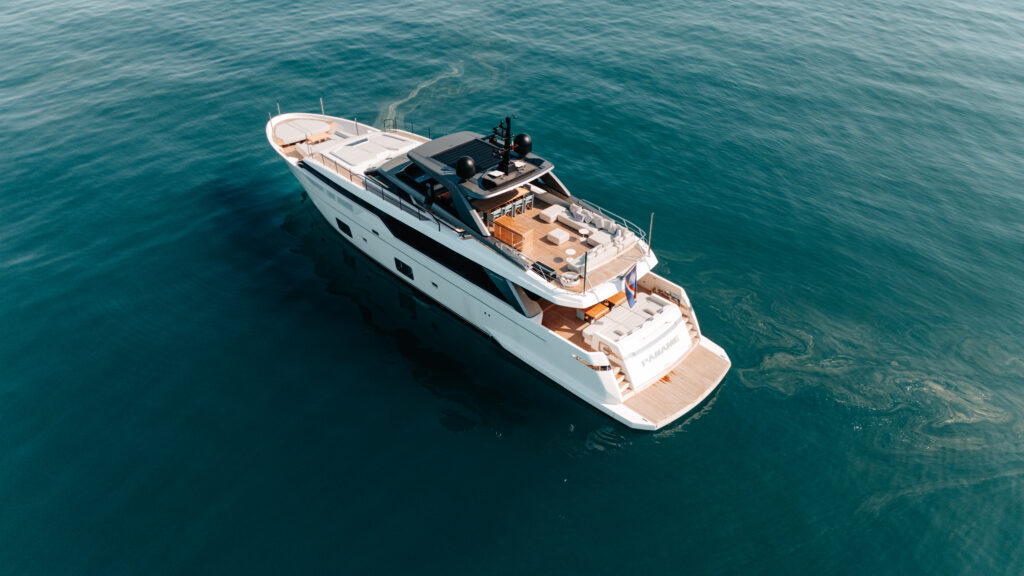
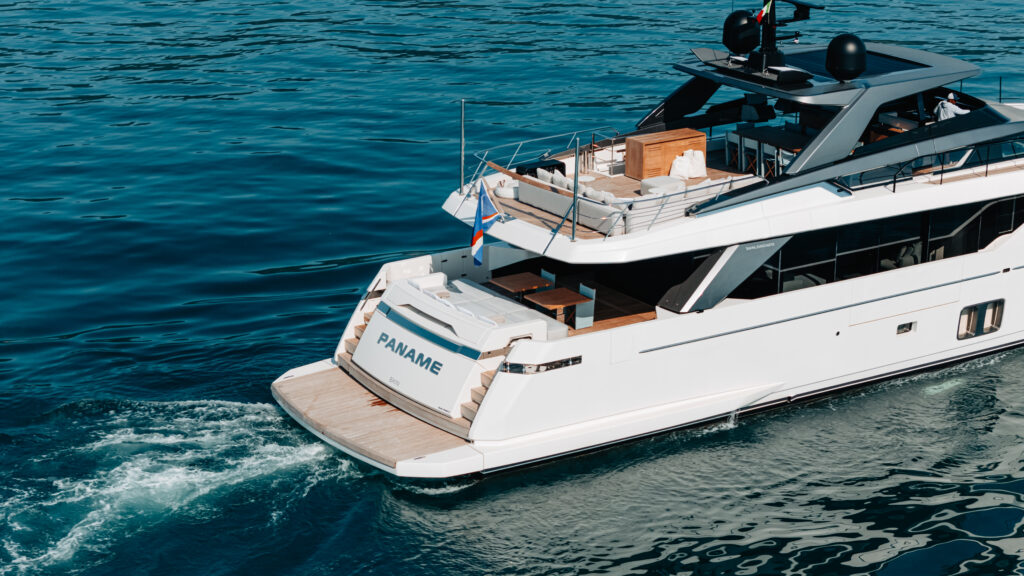
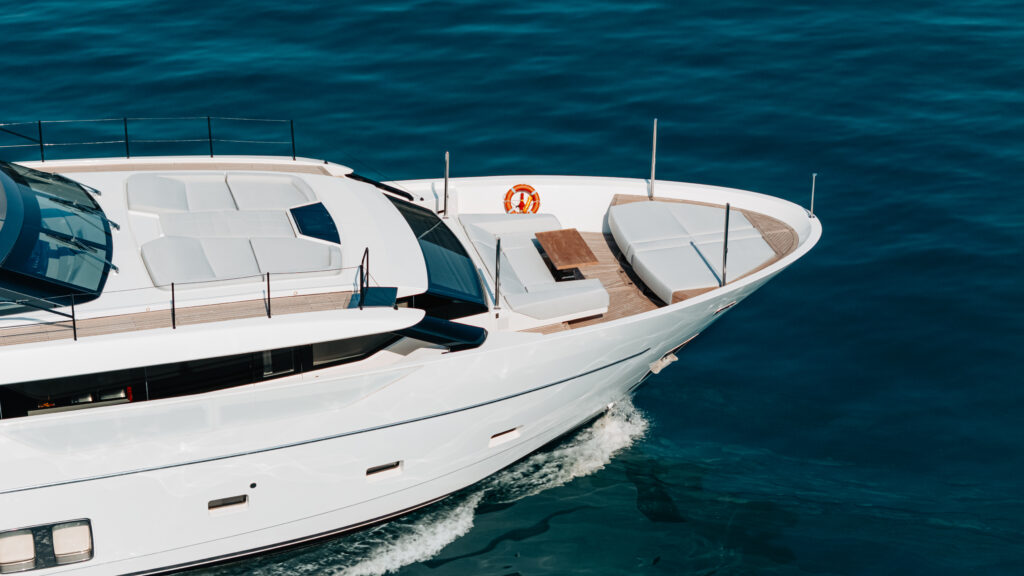
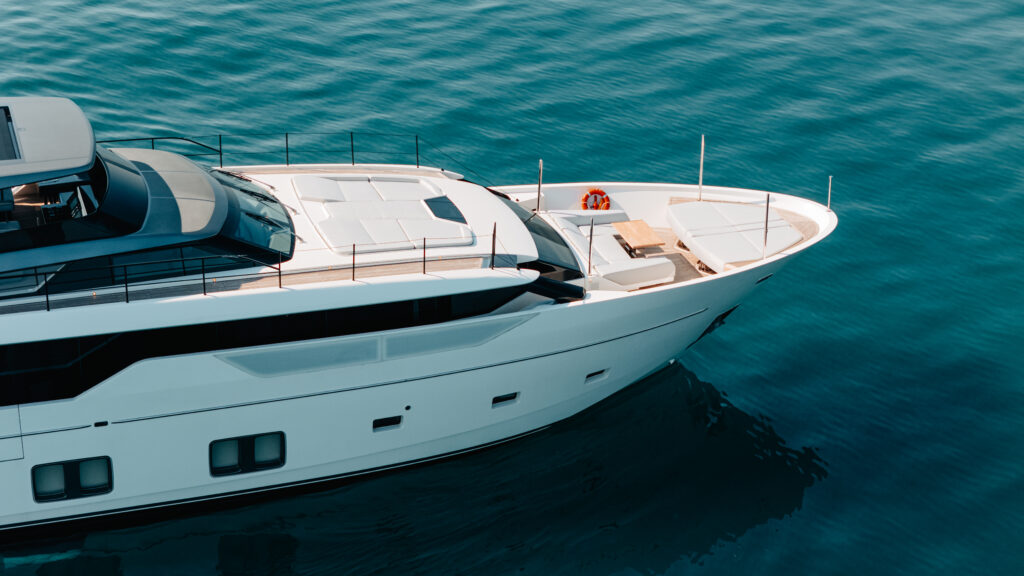
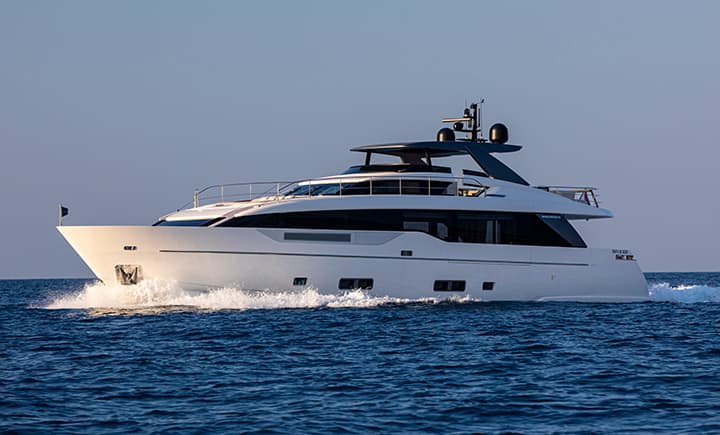
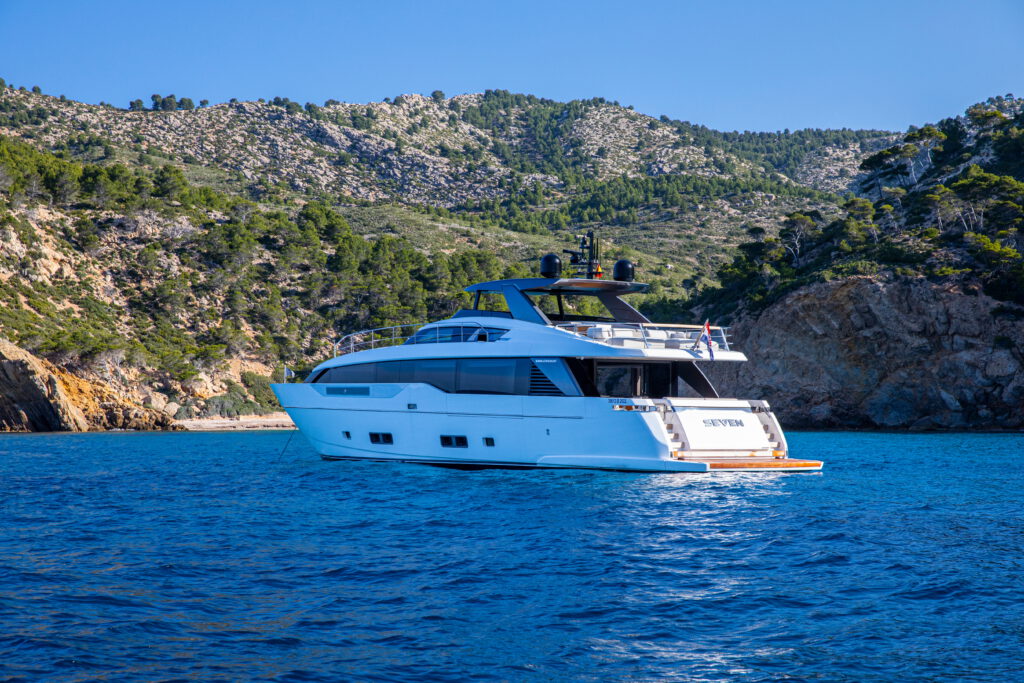
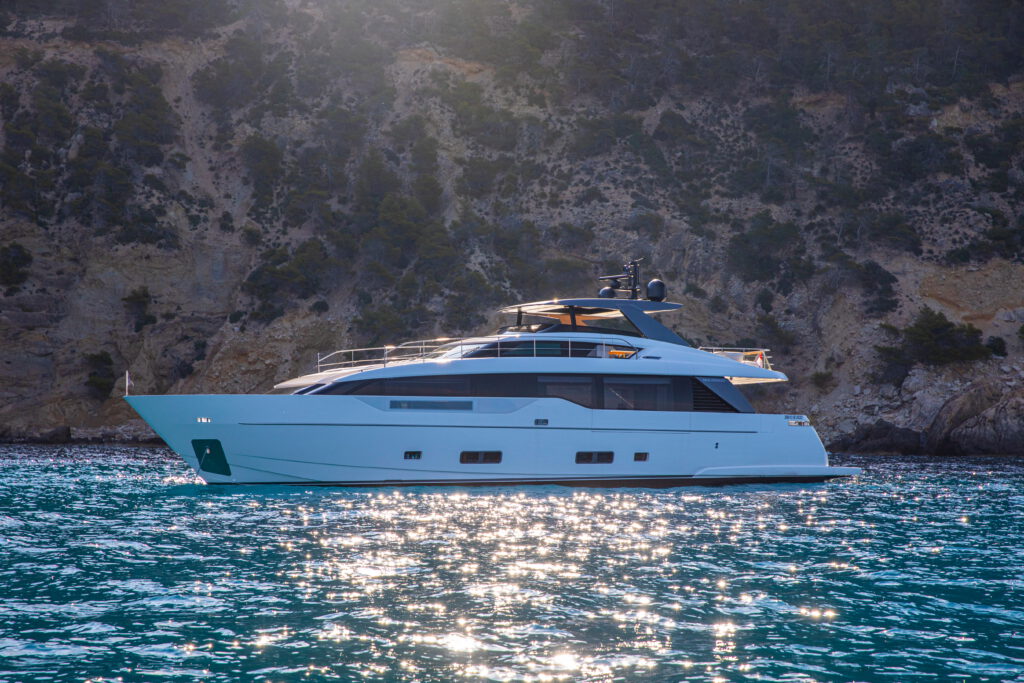
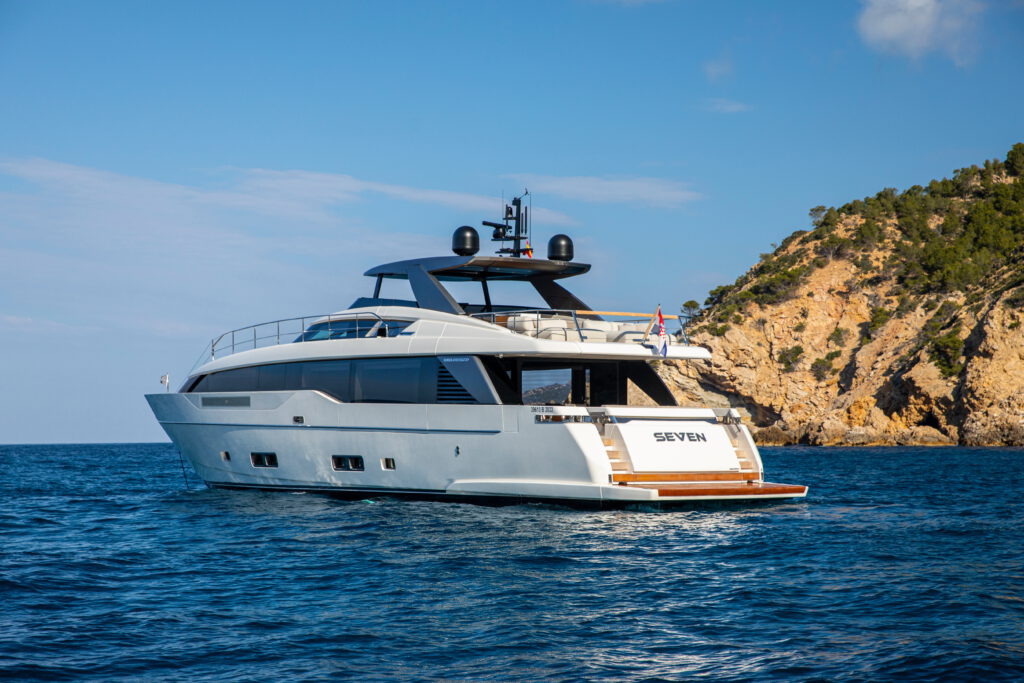
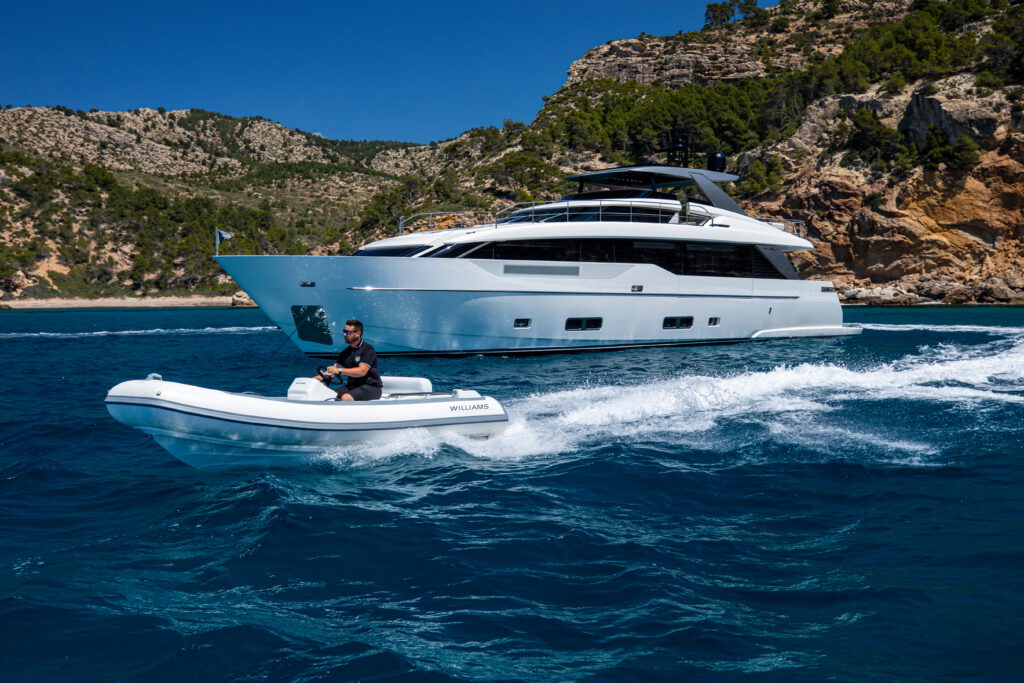
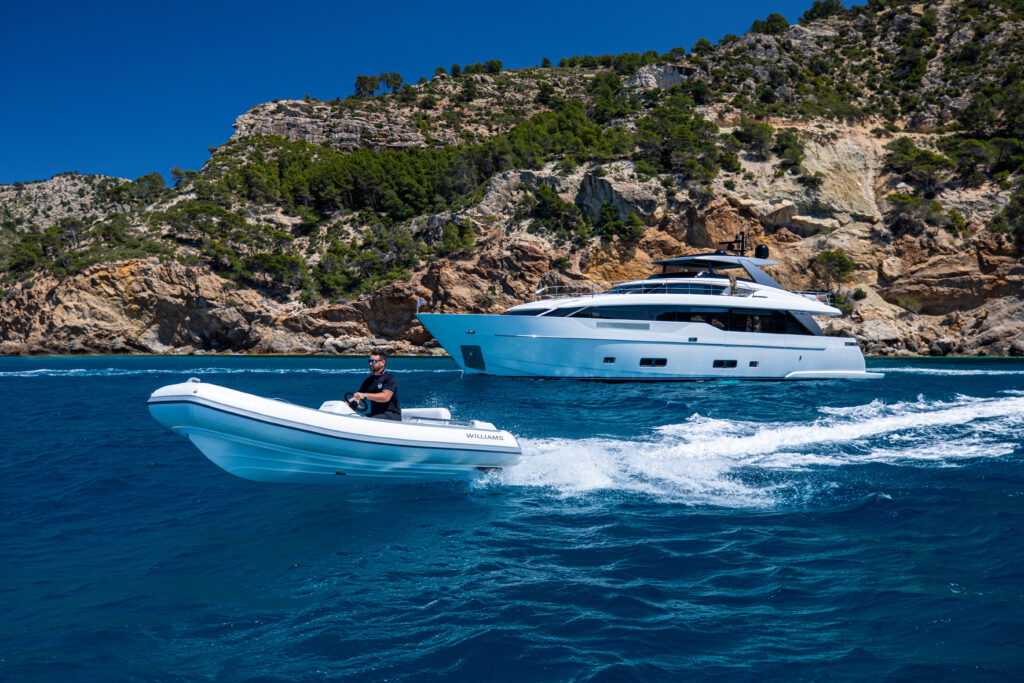
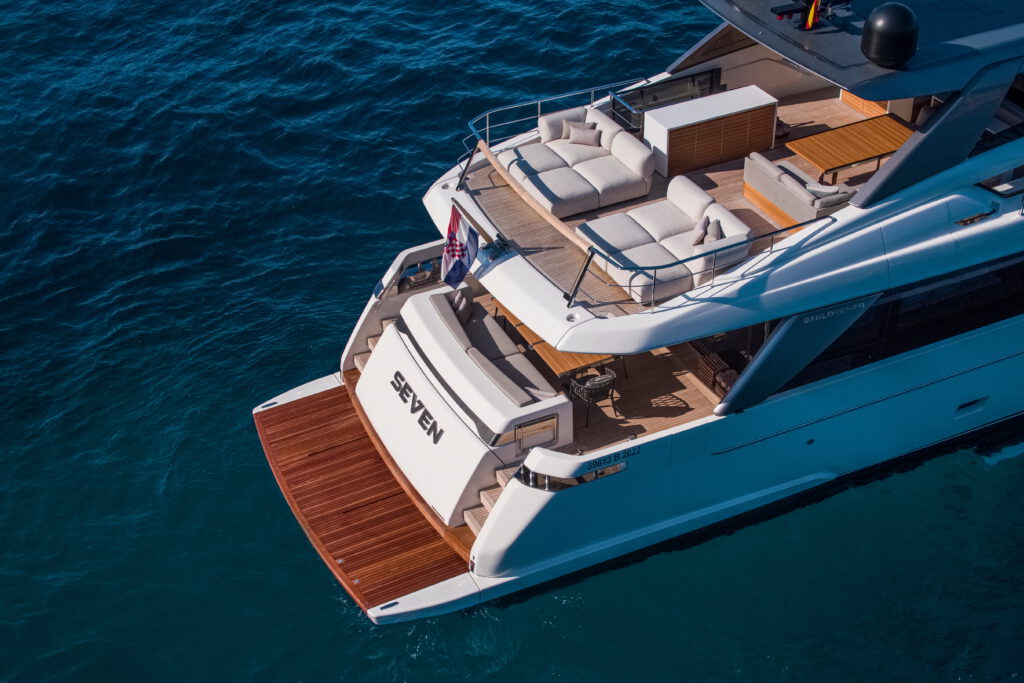
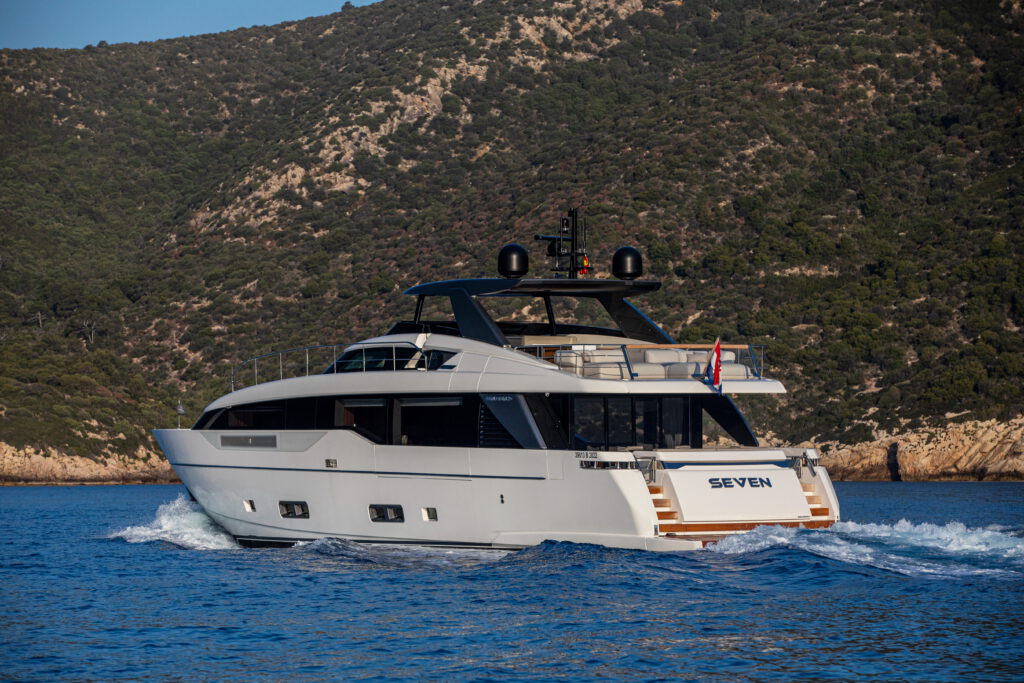
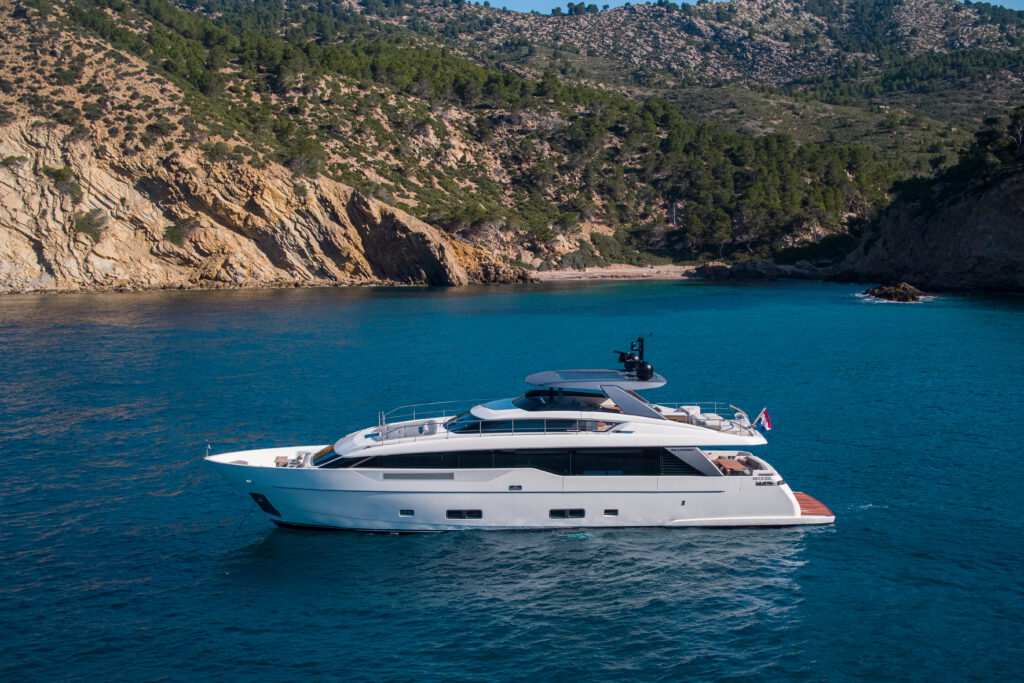
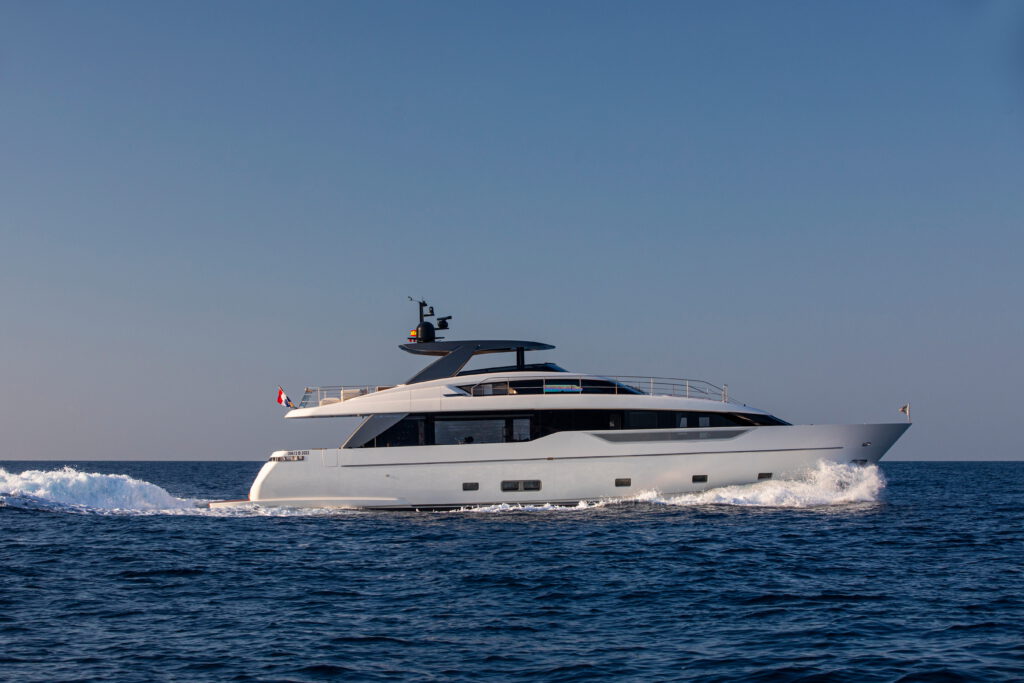
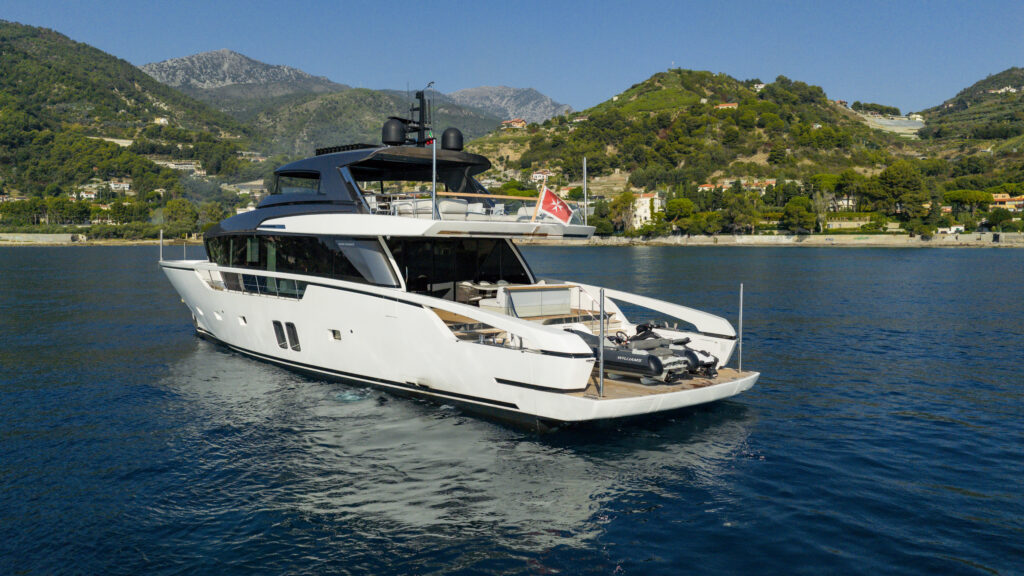
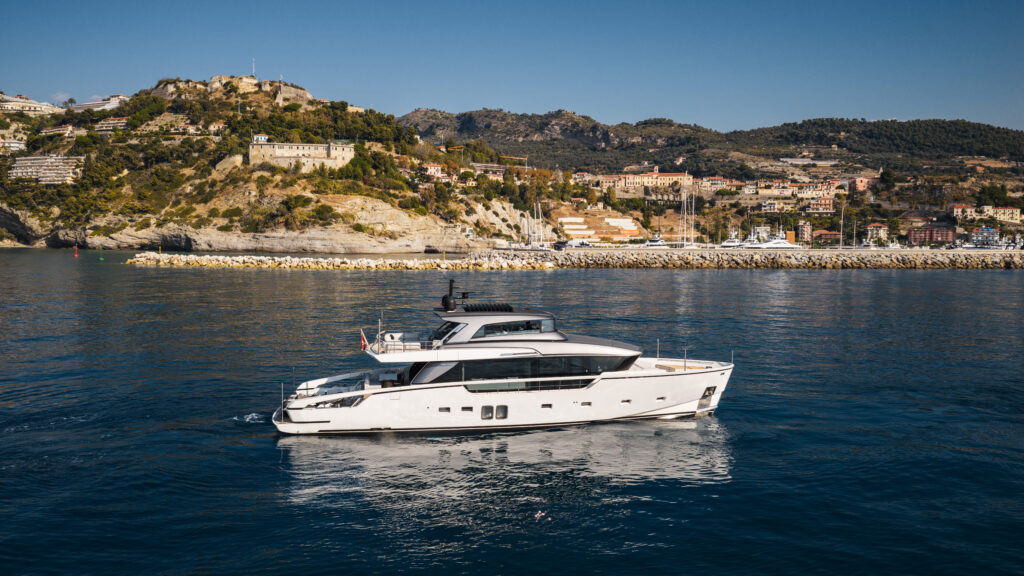
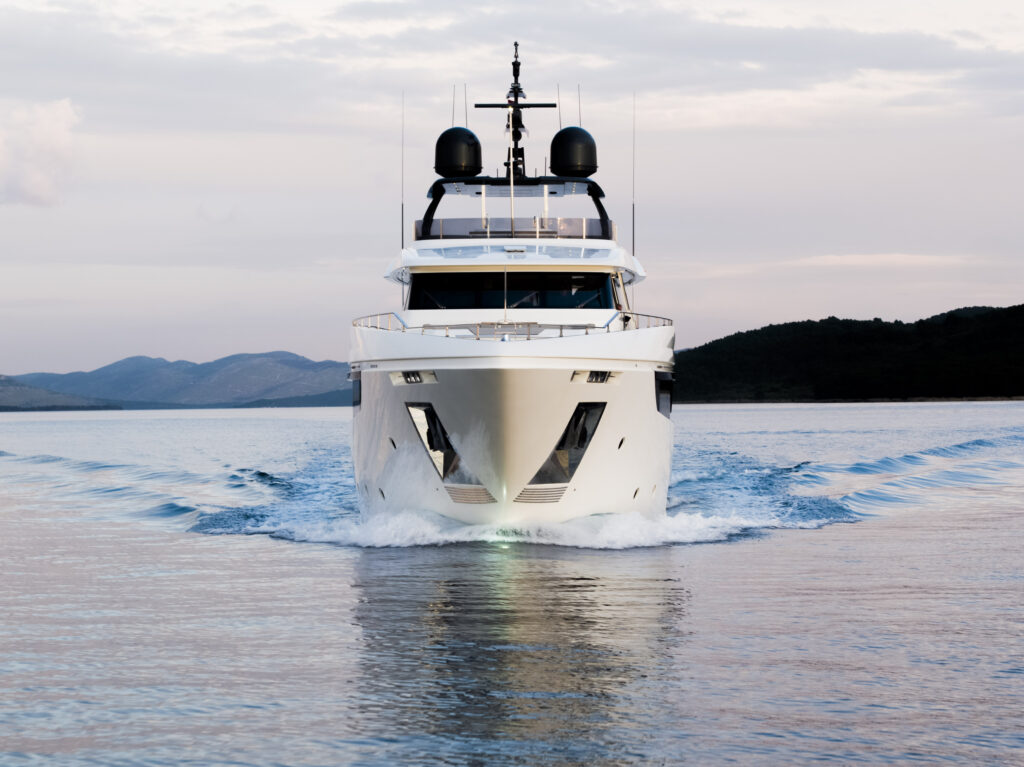
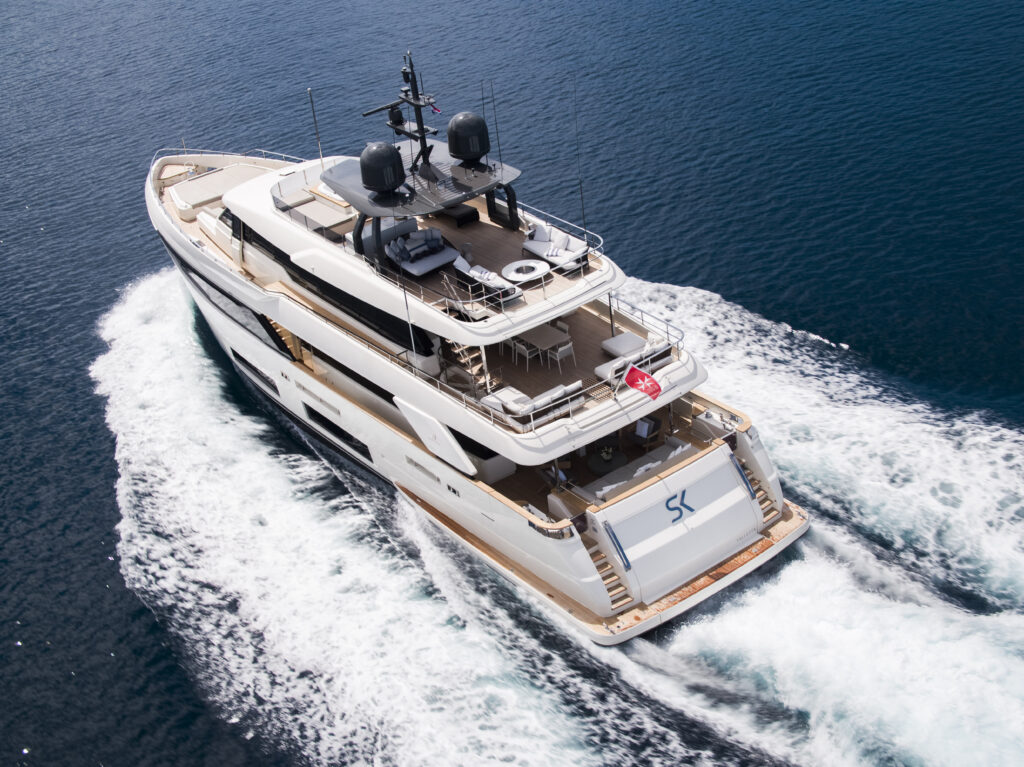
SANLORENZO SD90
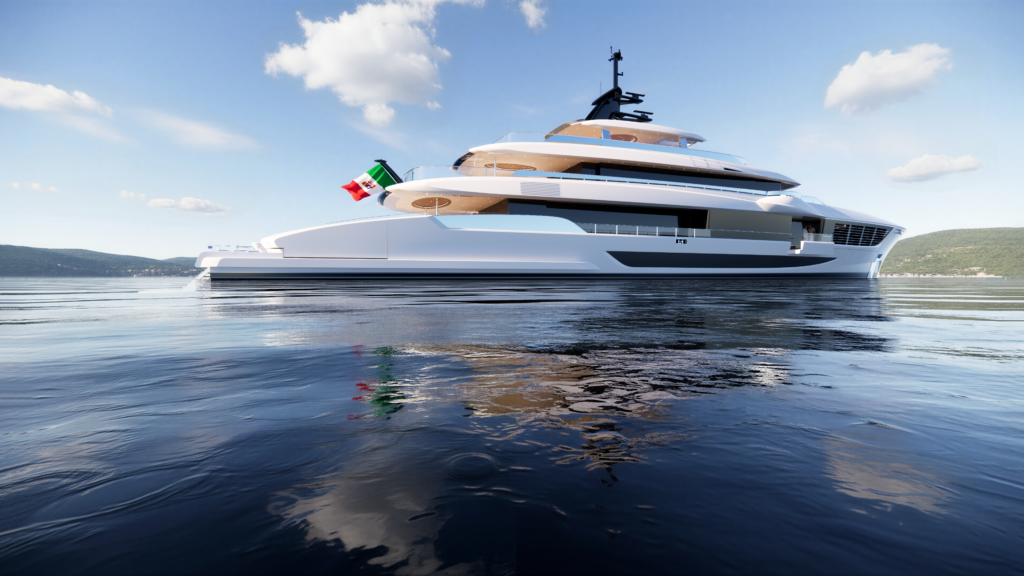
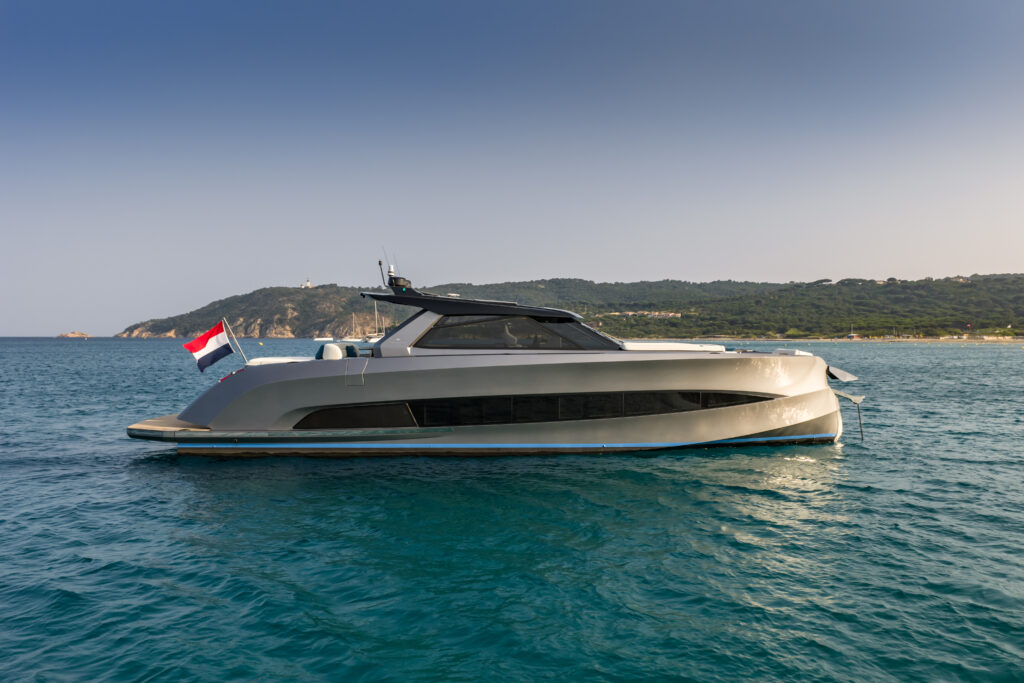
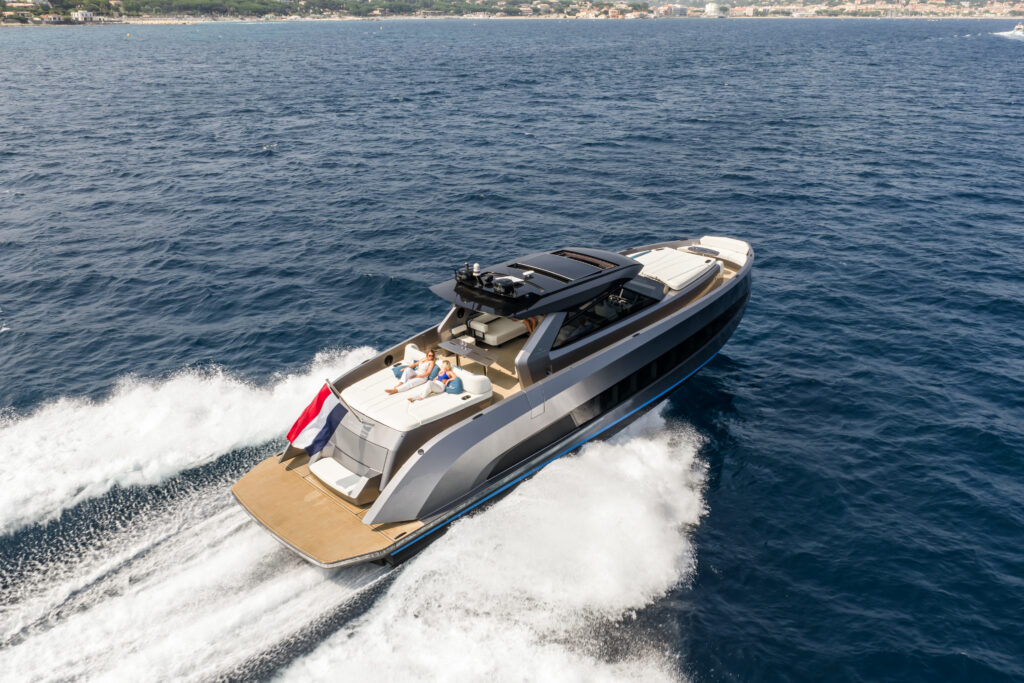
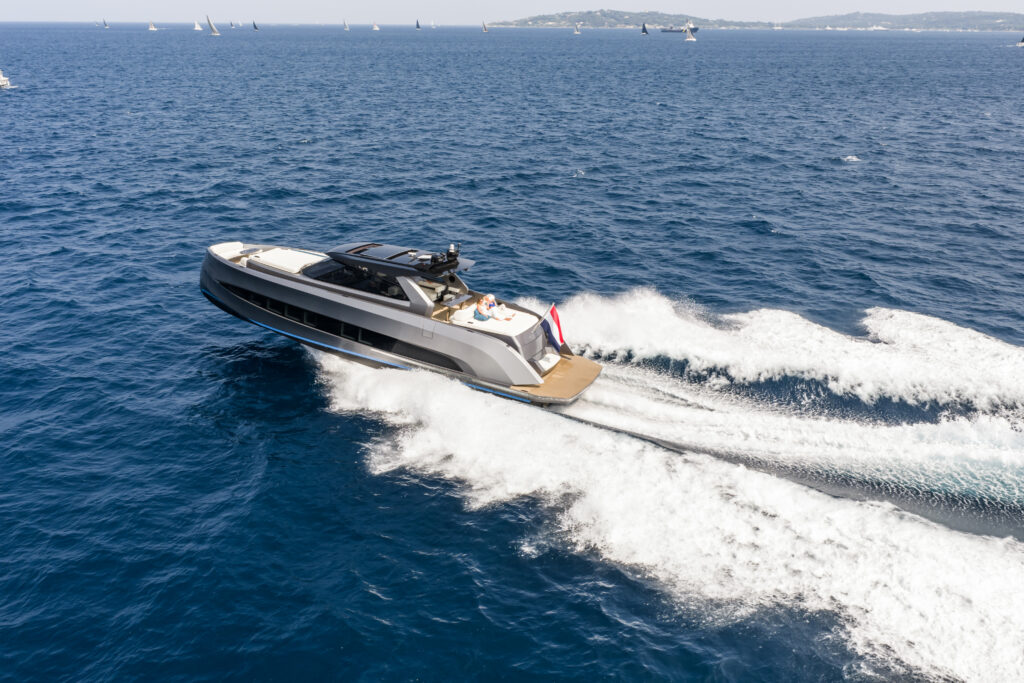
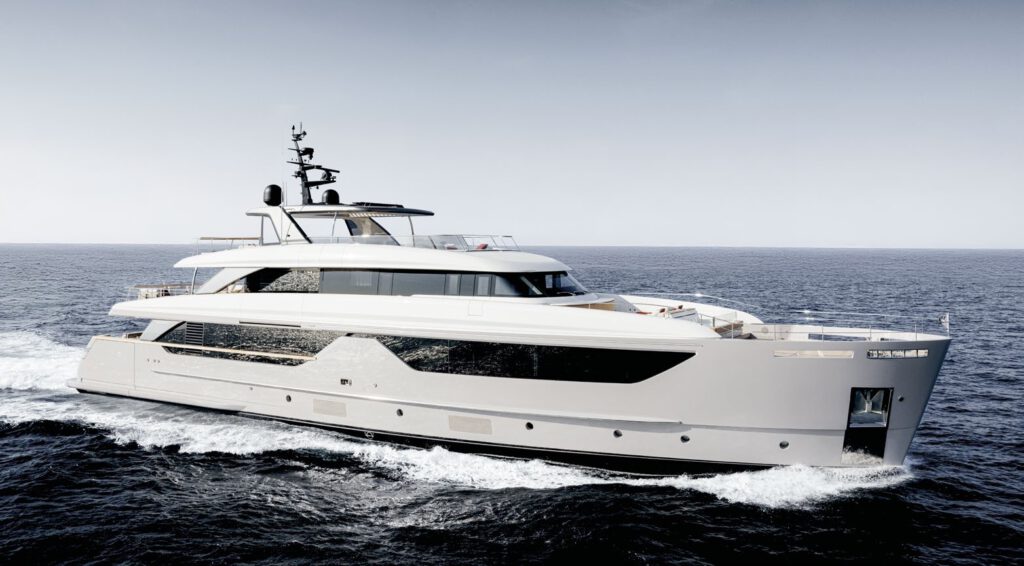
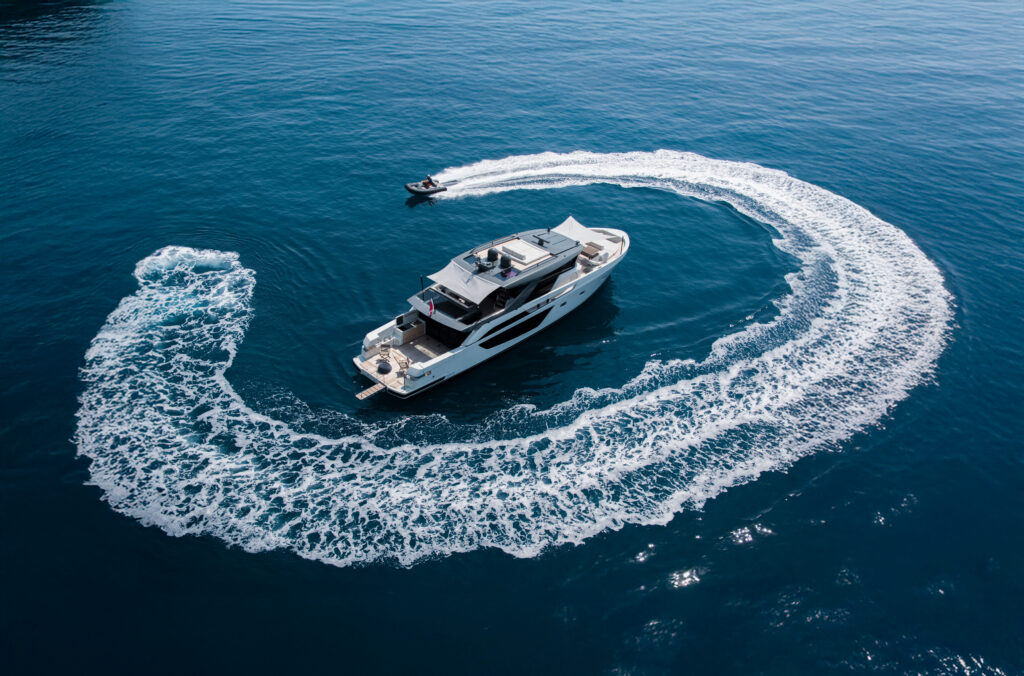
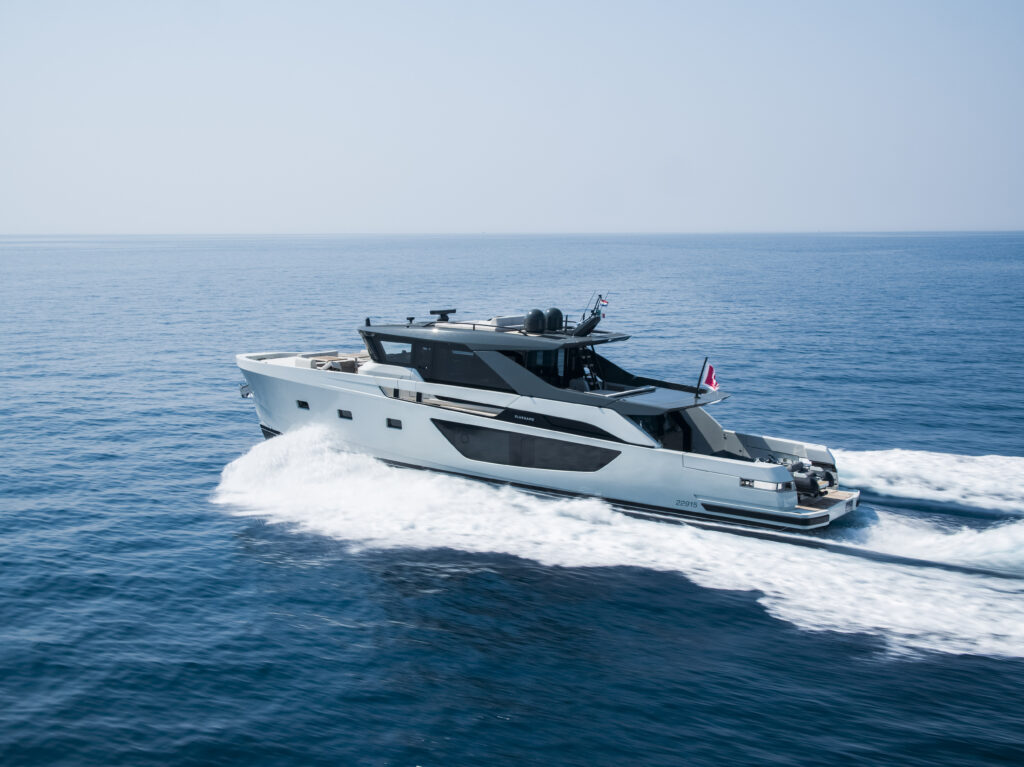
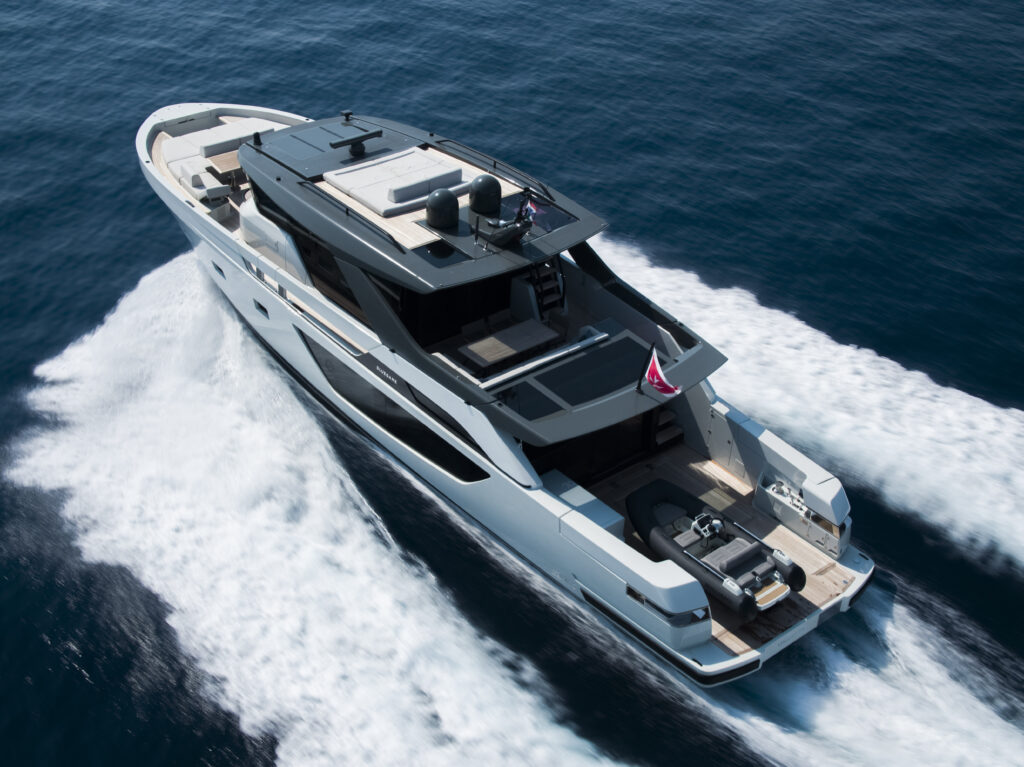
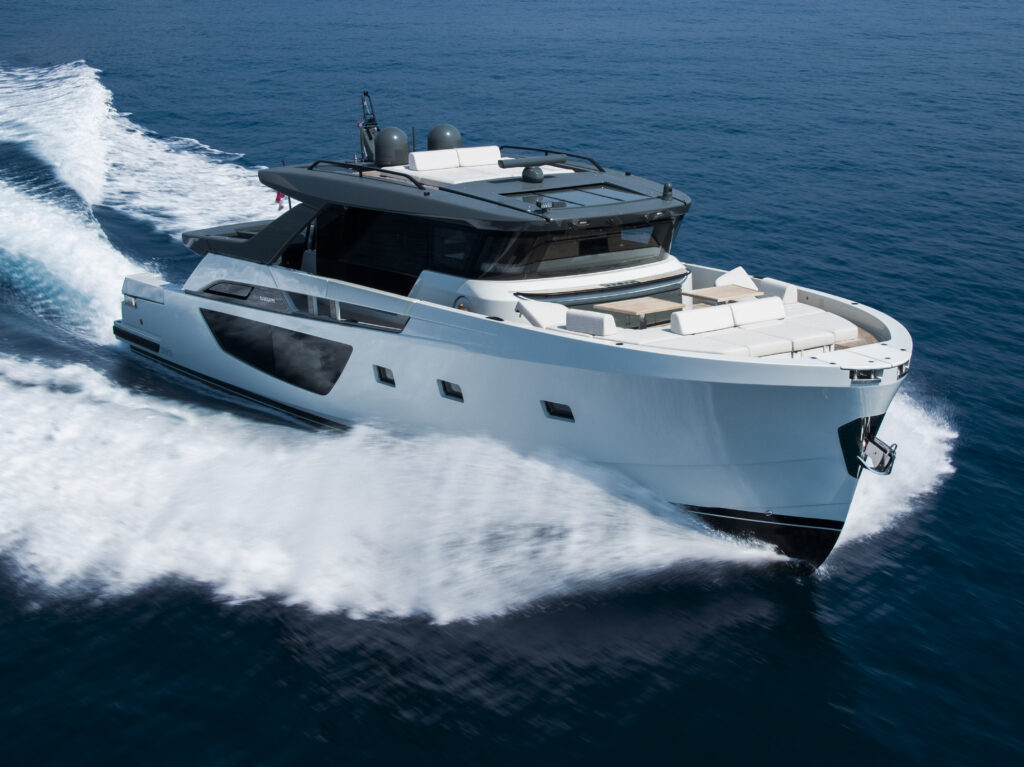
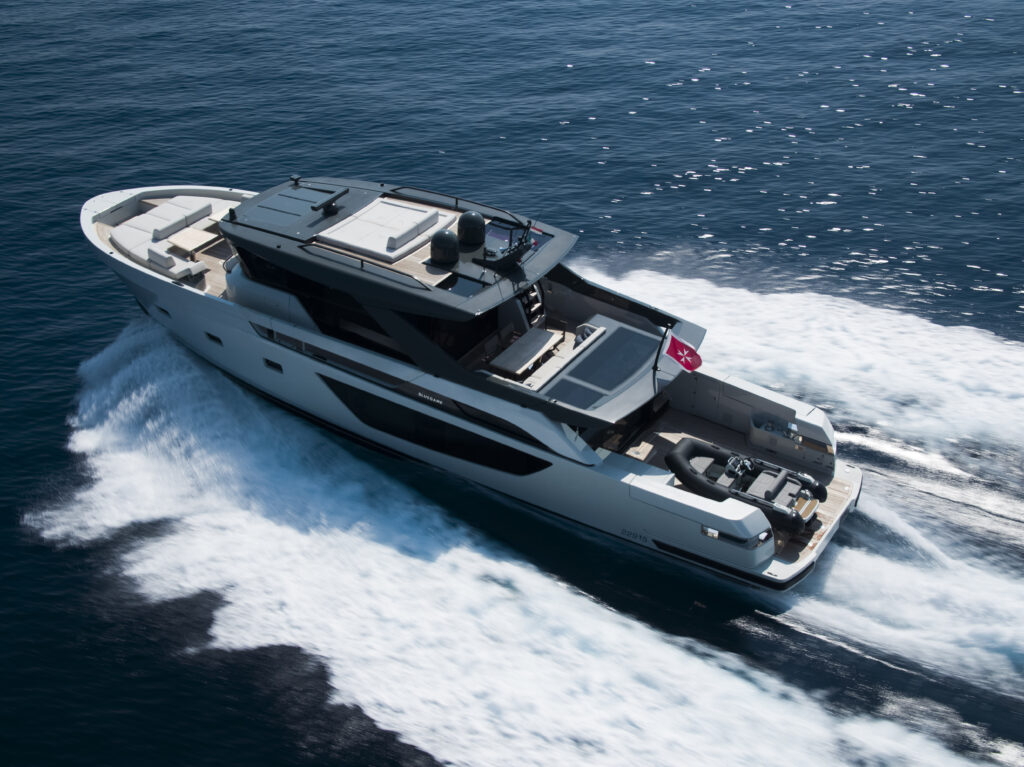
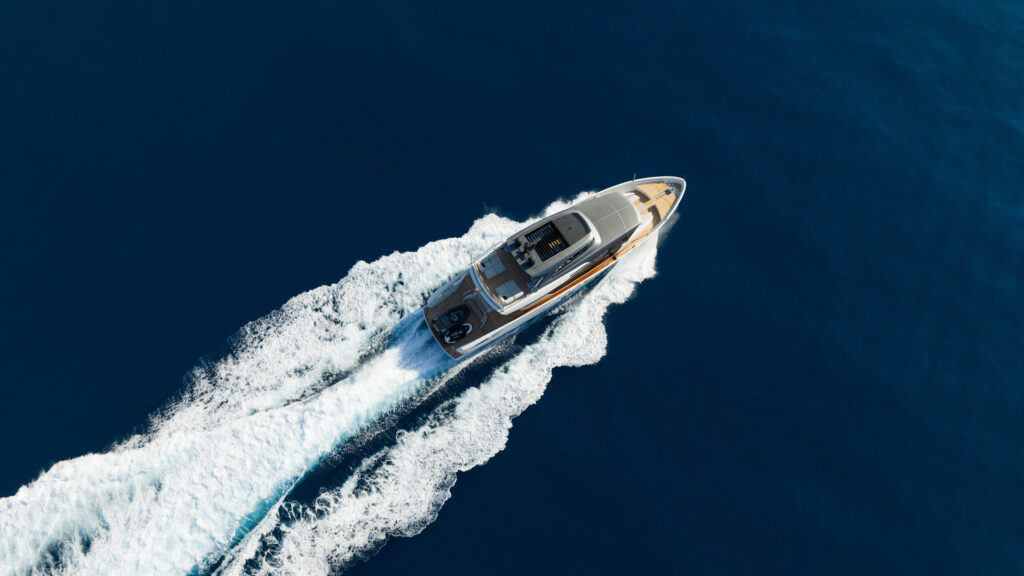
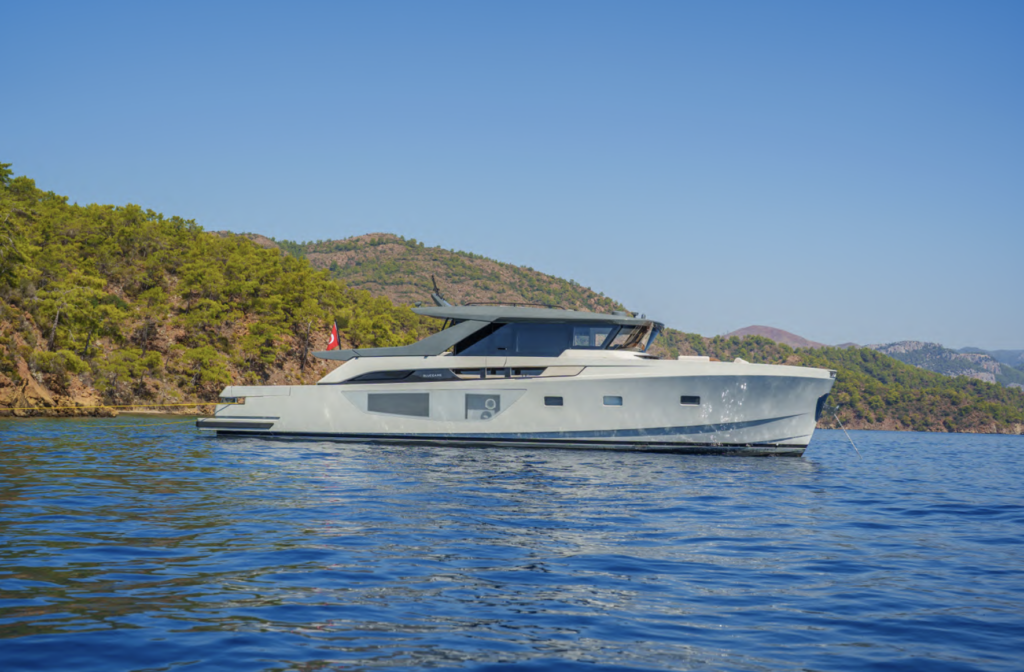
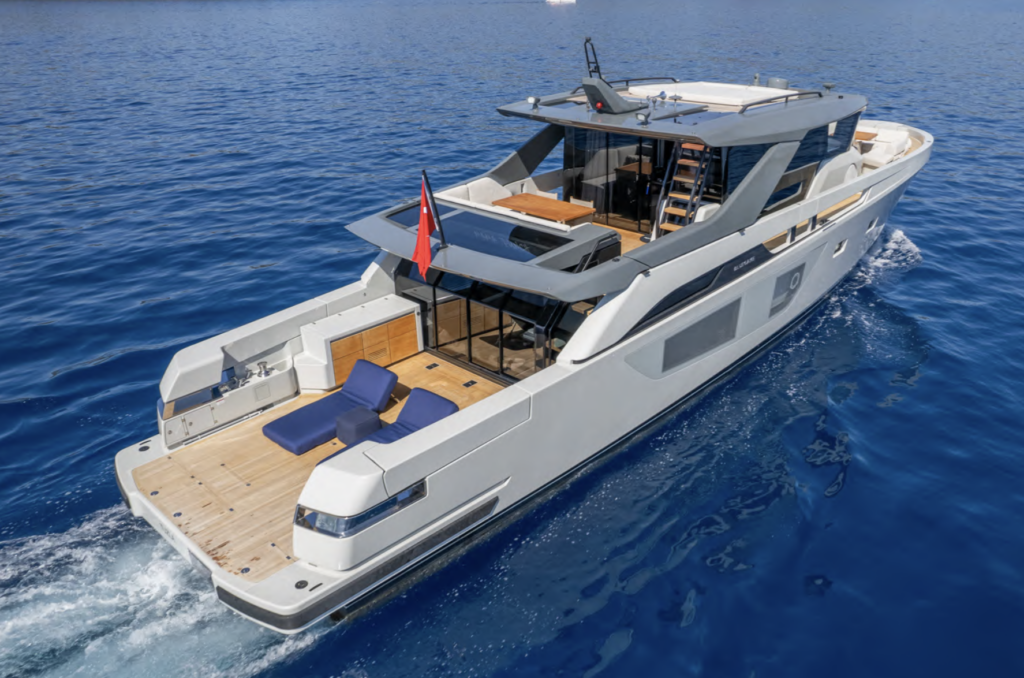
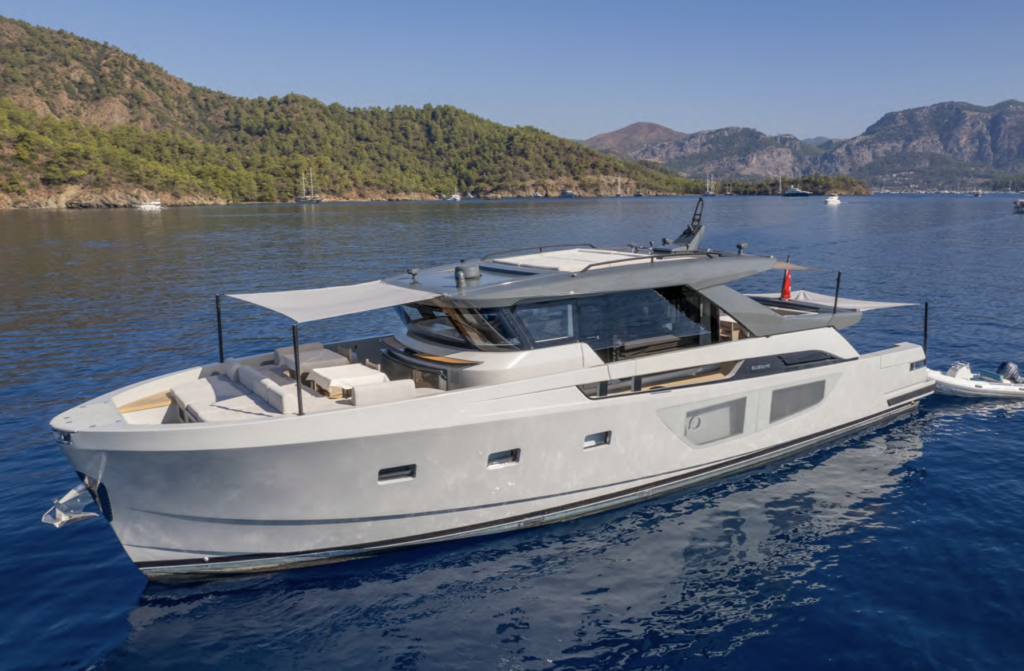
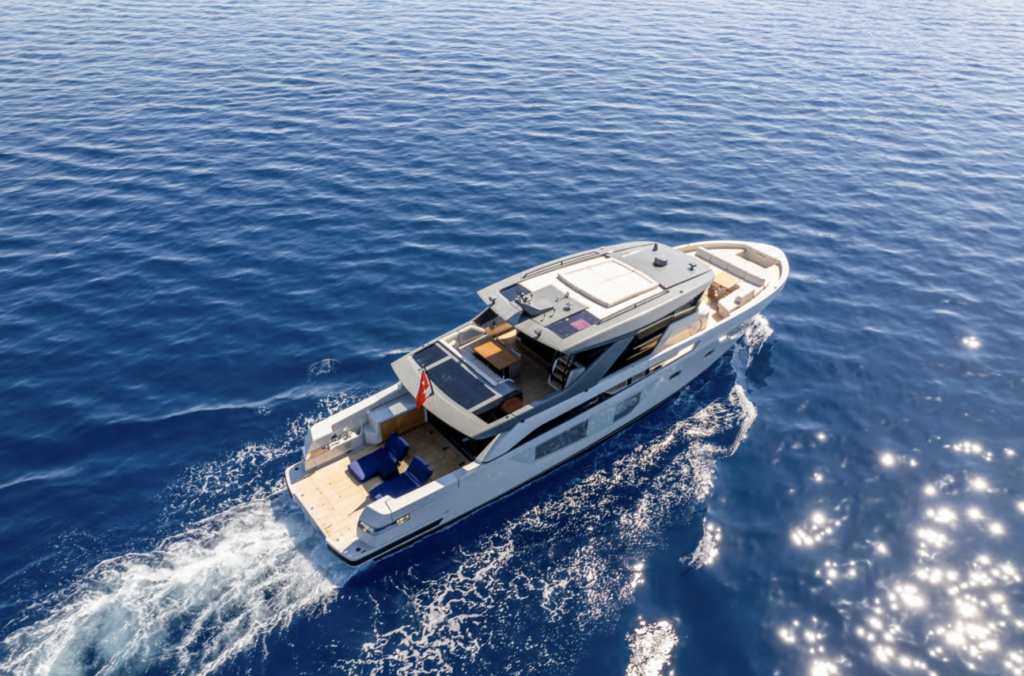
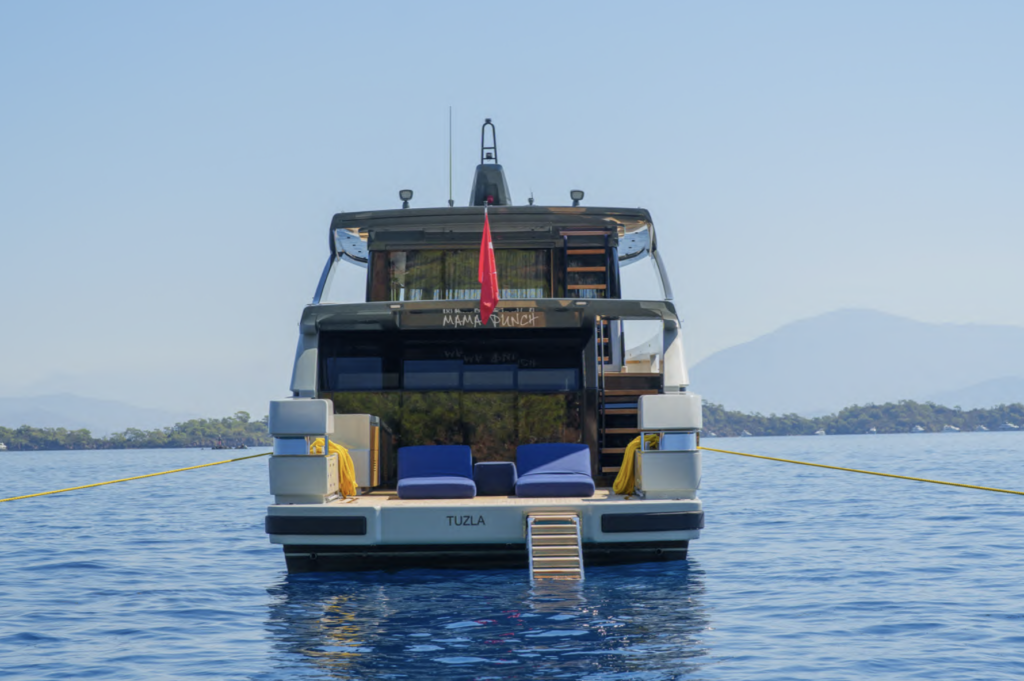
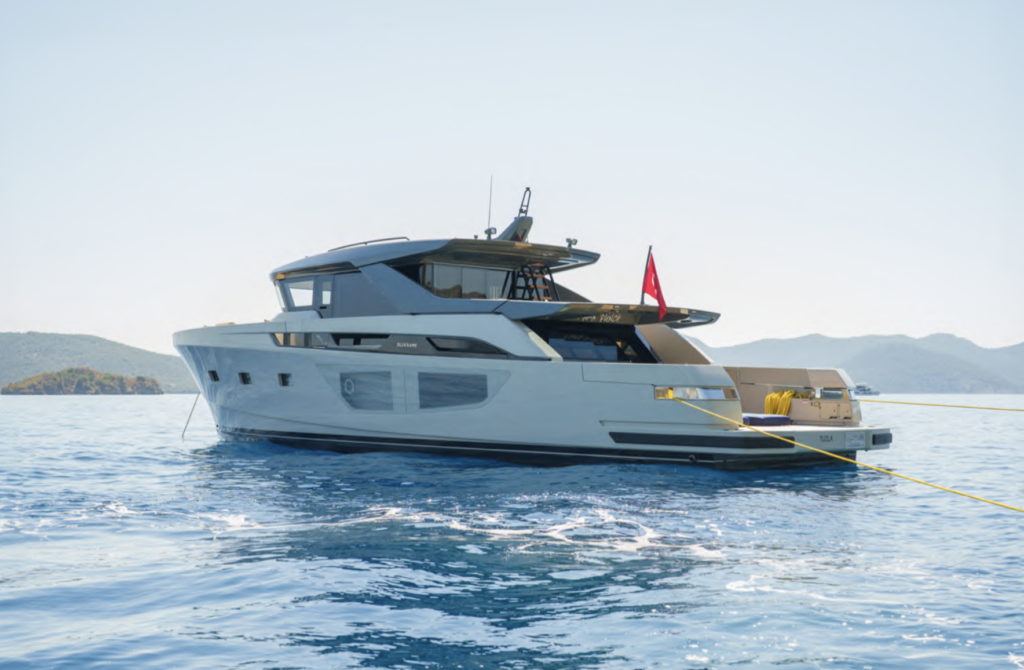
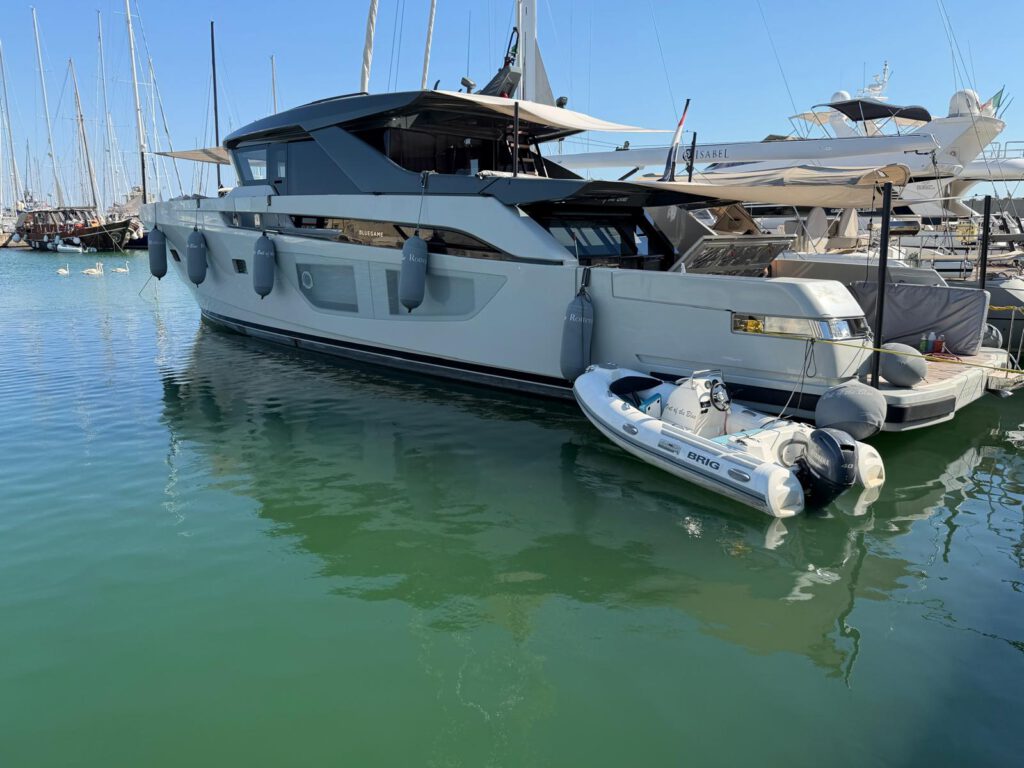
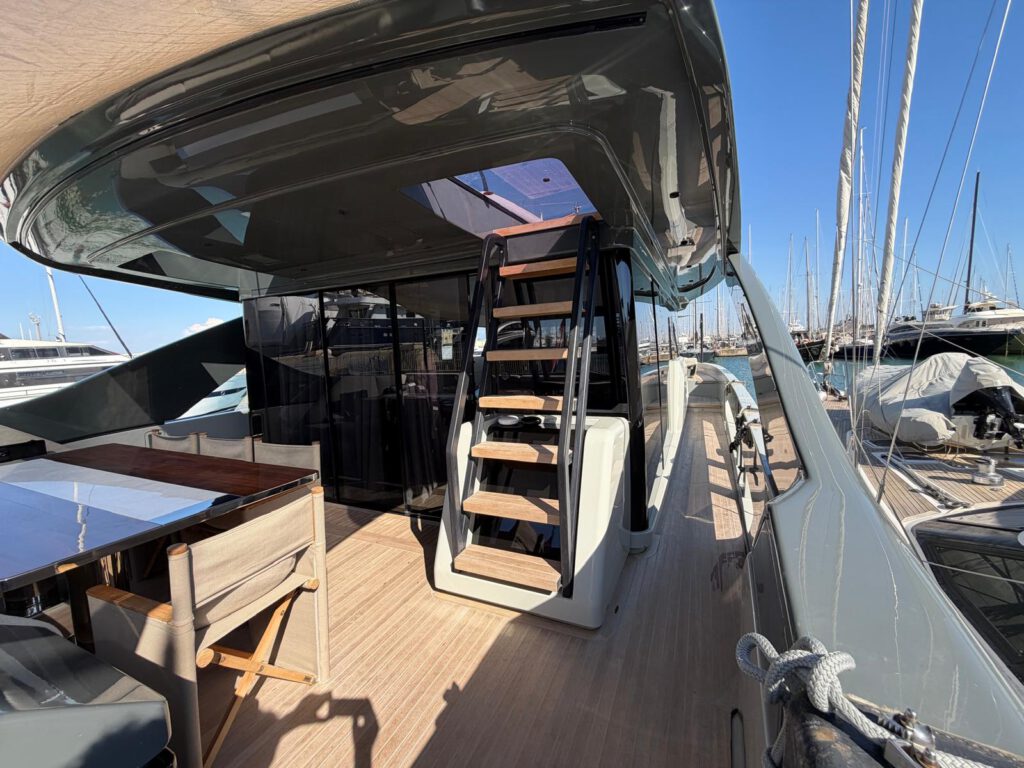
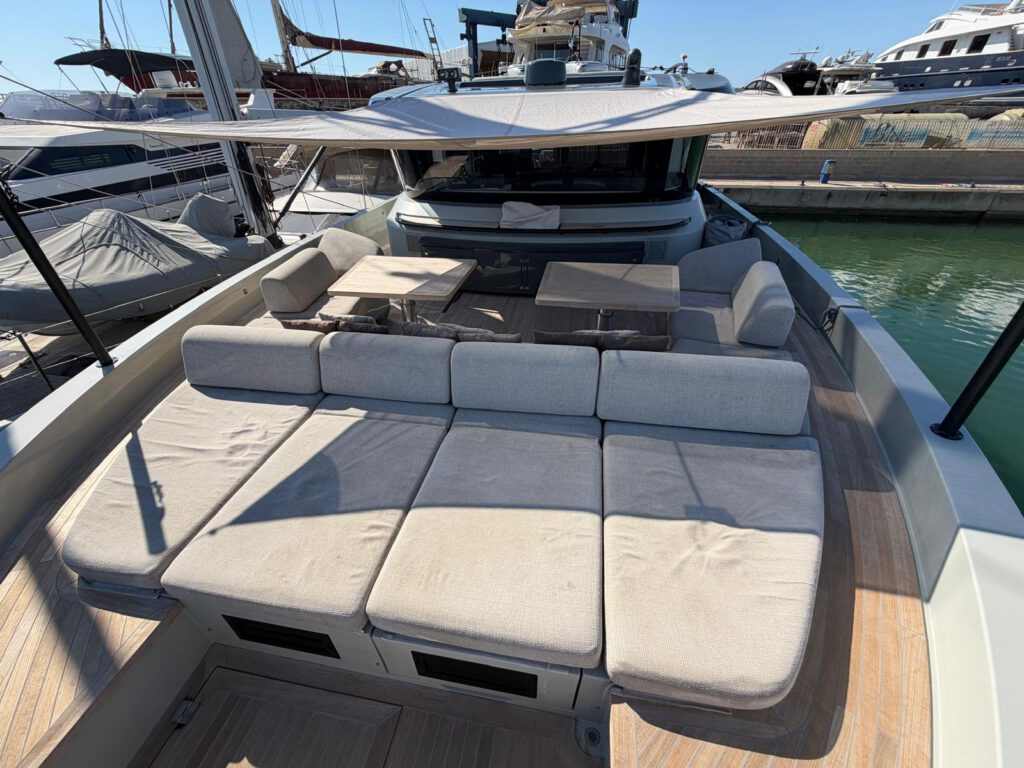
BLUEGAME
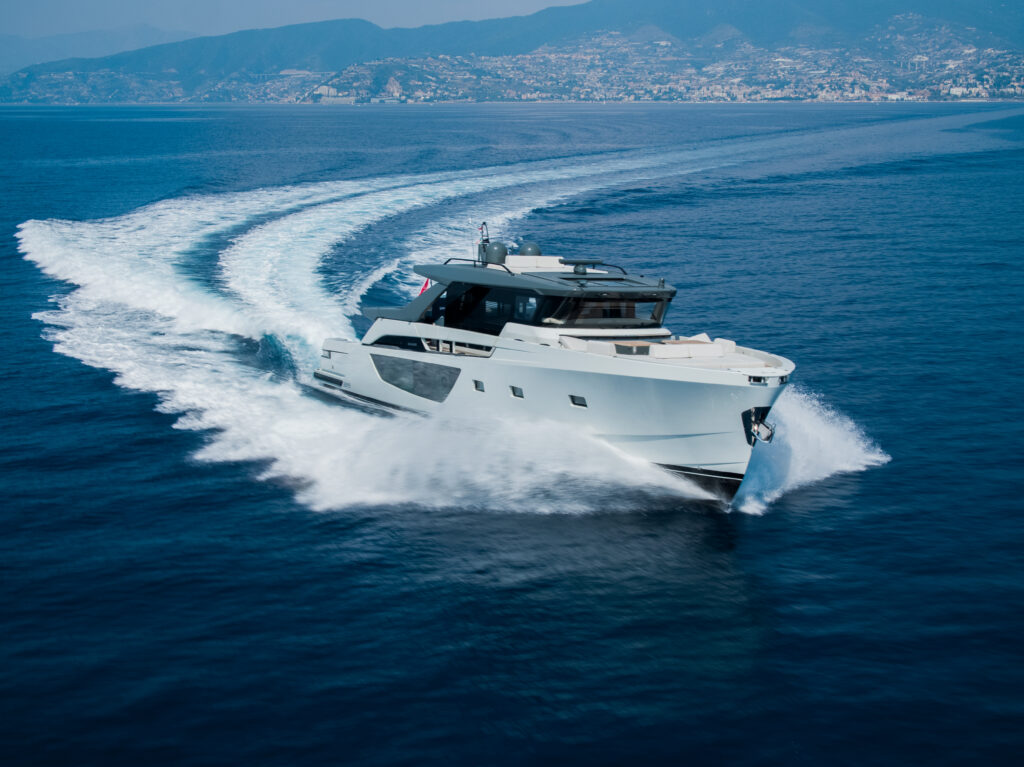
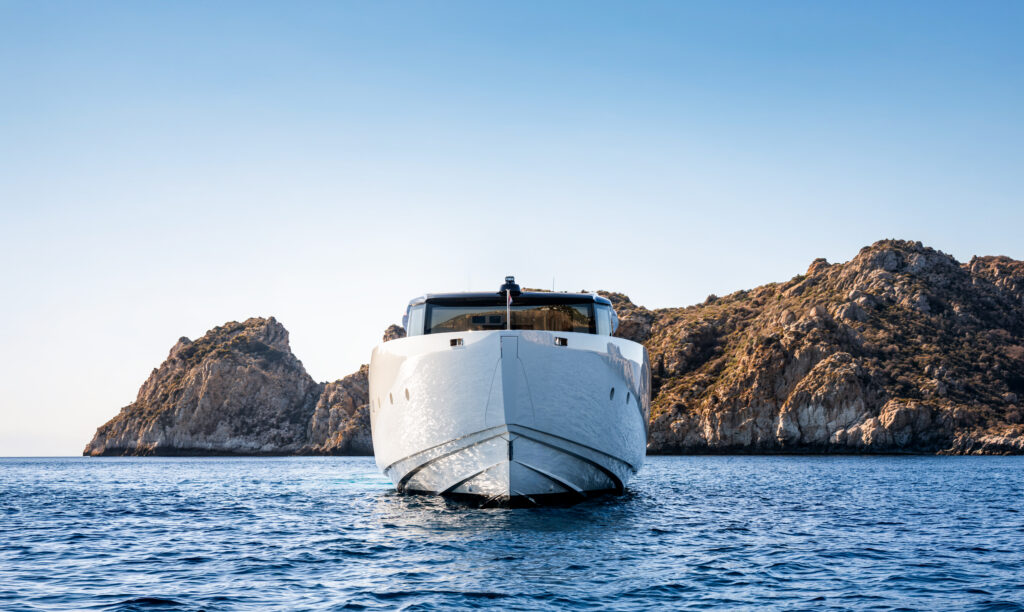
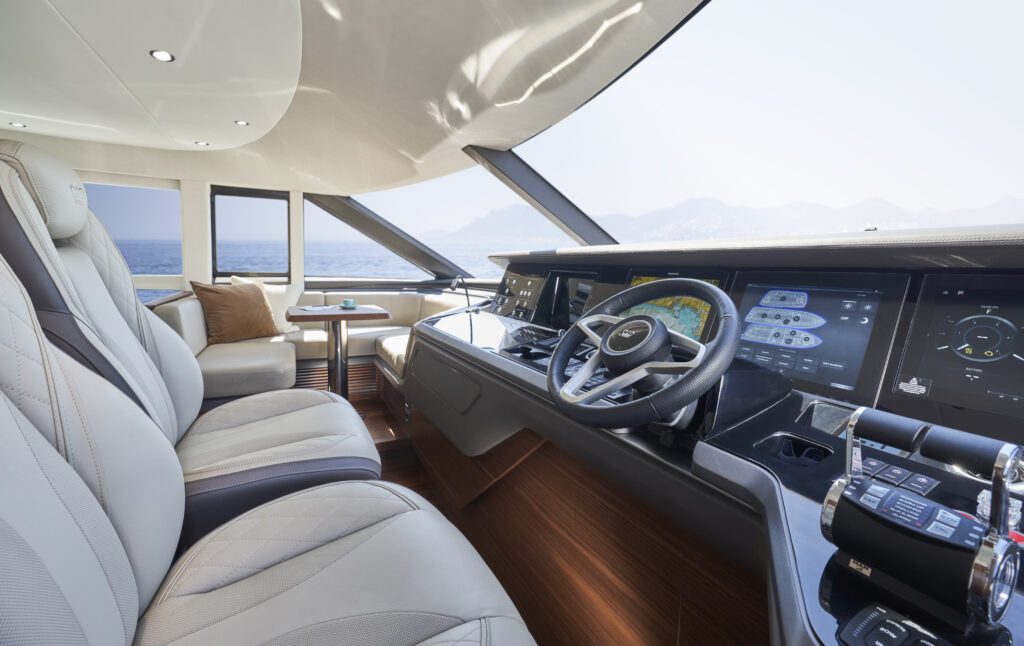
BGX70
Cannes, Provence-Alpes-Cote-d'Azur, France
Key Takeaways: Europe vs. US Yacht Acquisition
Purchasing a yacht in Europe offers a denser inventory of custom superyachts but requires navigating VAT (20%+) and CE compliance. US purchases benefit from state-tax caps and 60Hz electrical standards, simplifying domestic cruising but limiting access to certain bespoke shipyards.
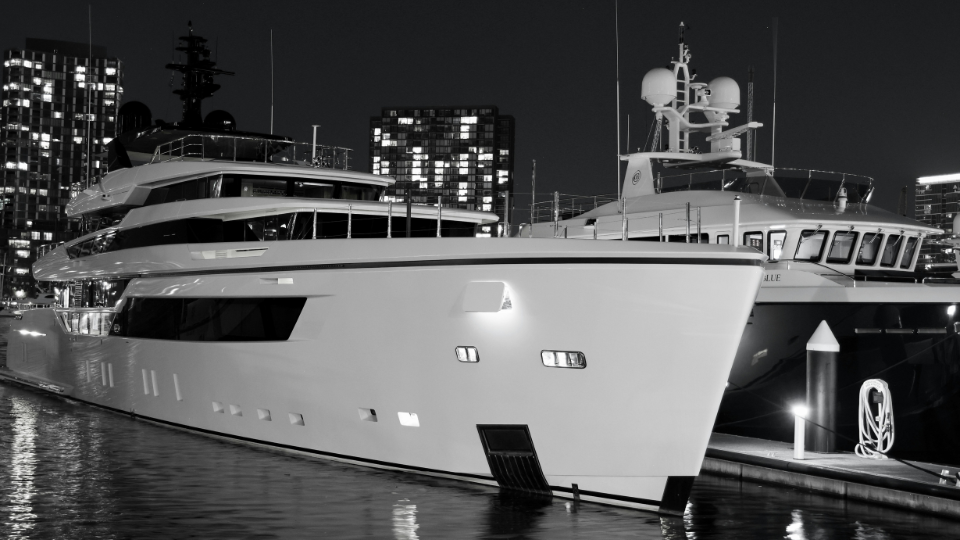
The Transatlantic Transaction: A Strategic Guide to Buying a Yacht in Europe vs. the USA
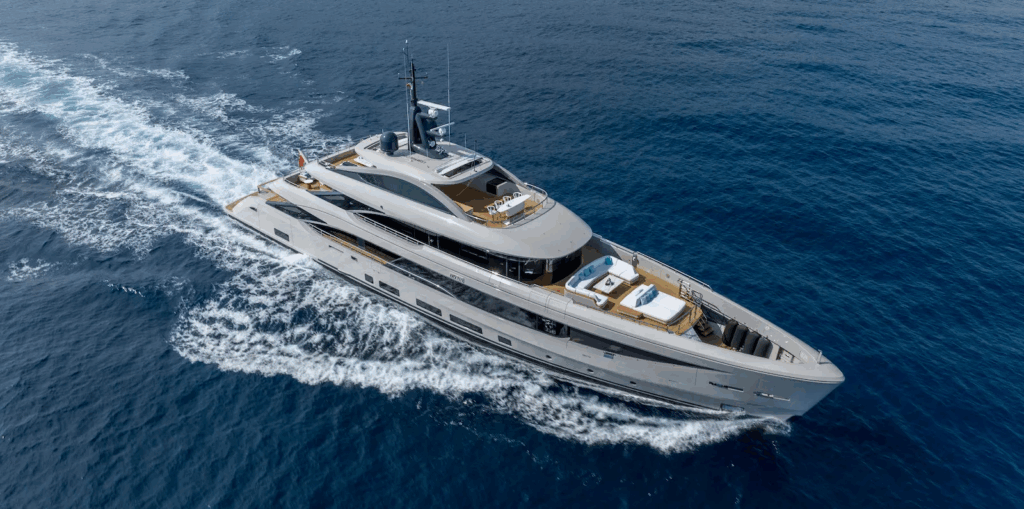
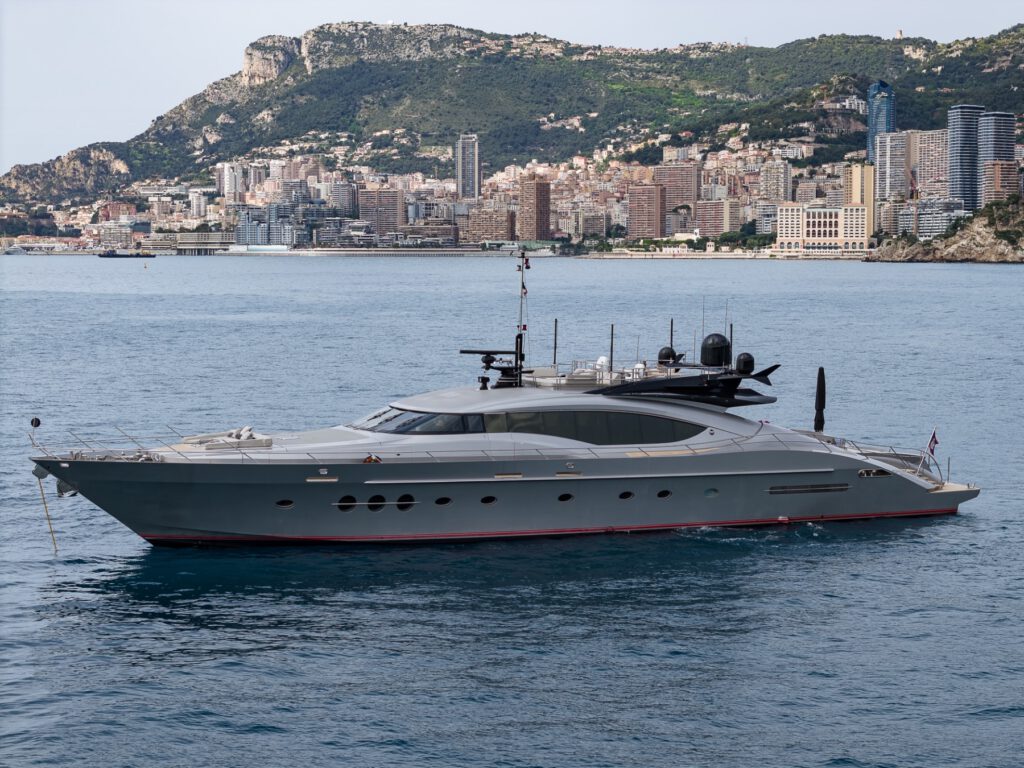
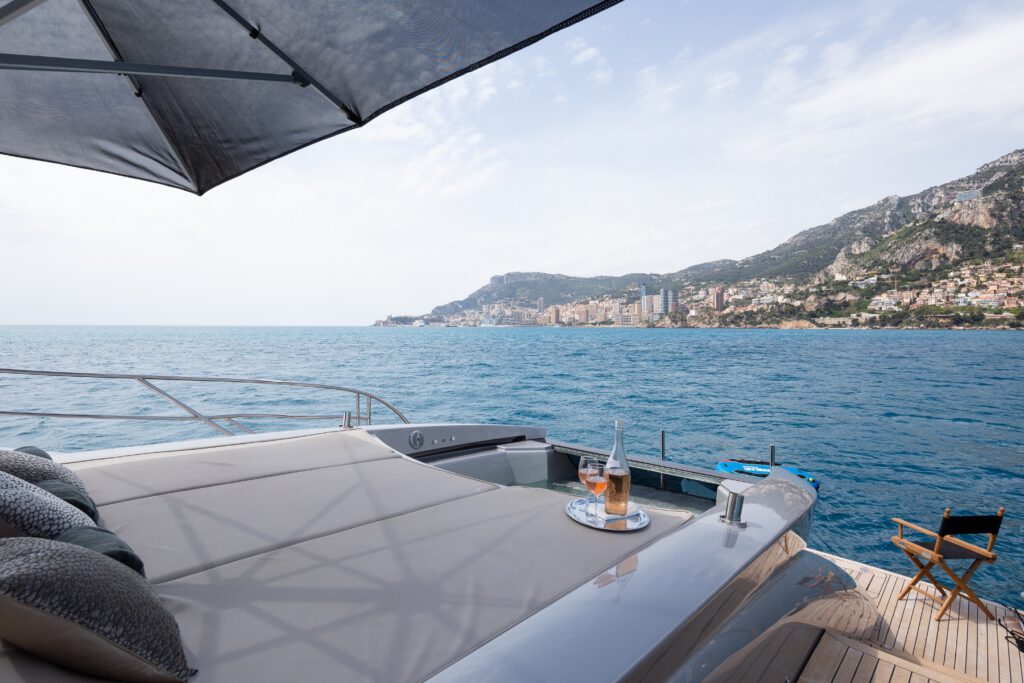
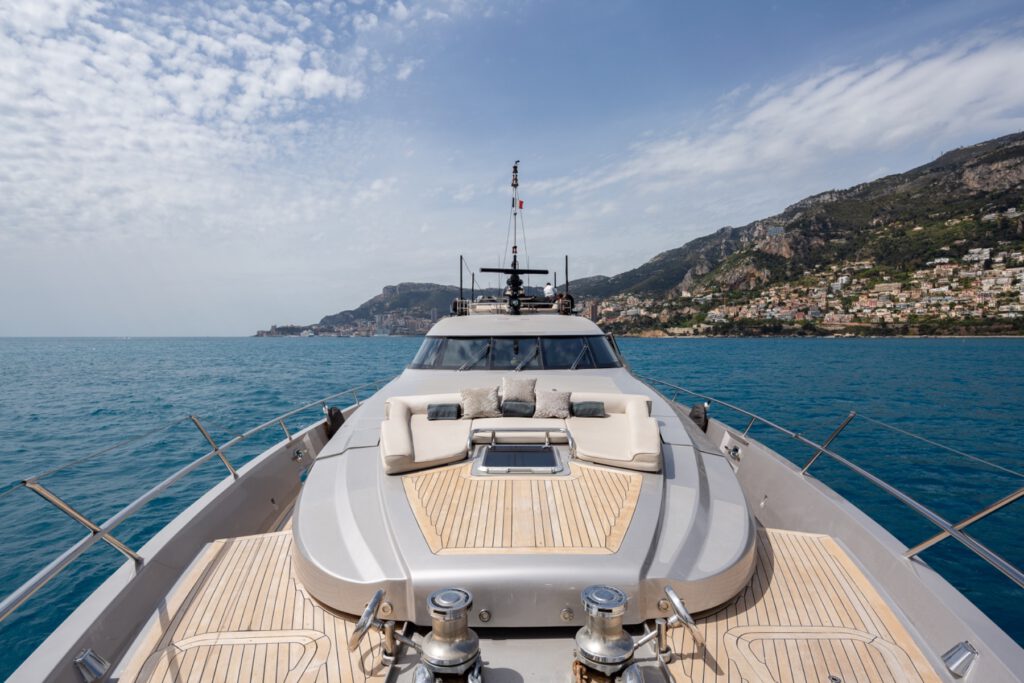
The silhouette of a 40-meter displacement hull against the limestone cliffs of Monaco represents more than just a lifestyle; it represents a complex jurisdictional choice. For the discerning buyer, the decision of where to execute a Purchase and Sale Agreement (PSA) is a chess move involving tax optimization, engineering standards, and global mobility.
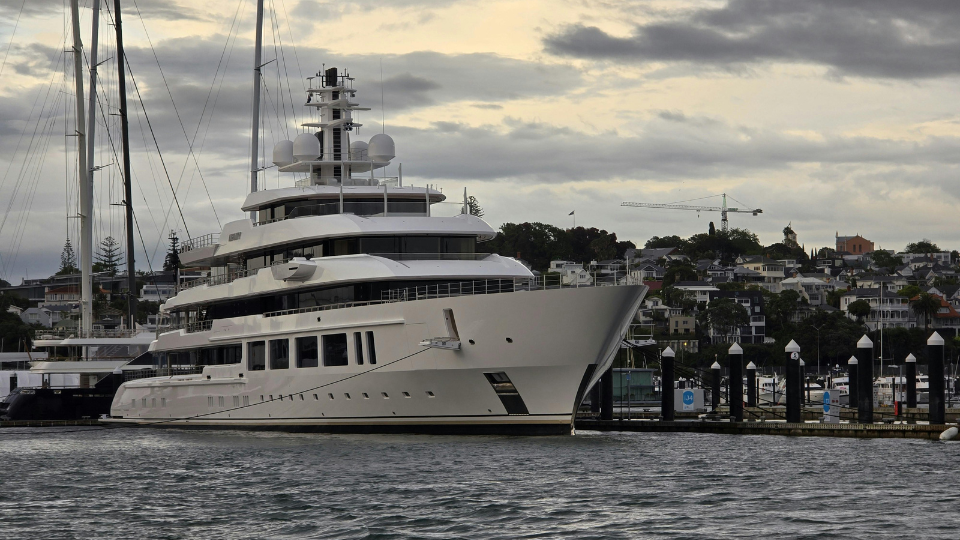
The Financial Architecture: VAT vs. Sales Tax
The most significant delta between the two markets is the fiscal treatment of the vessel. In the European Union, Value Added Tax (VAT) is a formidable consideration, often exceeding 20% of the purchase price.
-
The European Equation: A “VAT Paid” vessel is a premium asset in the Mediterranean, allowing for unrestricted private use within EU waters. However, non-EU residents can often utilize Temporary Admission or Export Schemes to avoid this levy, provided the yacht departs the territory within a specific window (usually 90 days for export).
-
The American Advantage: The US lacks a federal VAT. Instead, buyers navigate state-specific sales and use taxes. Jurisdictions like Florida have strategically capped sales tax (currently at $18,000), making it a global magnet for closing high-value transactions regardless of where the yacht will eventually reside.
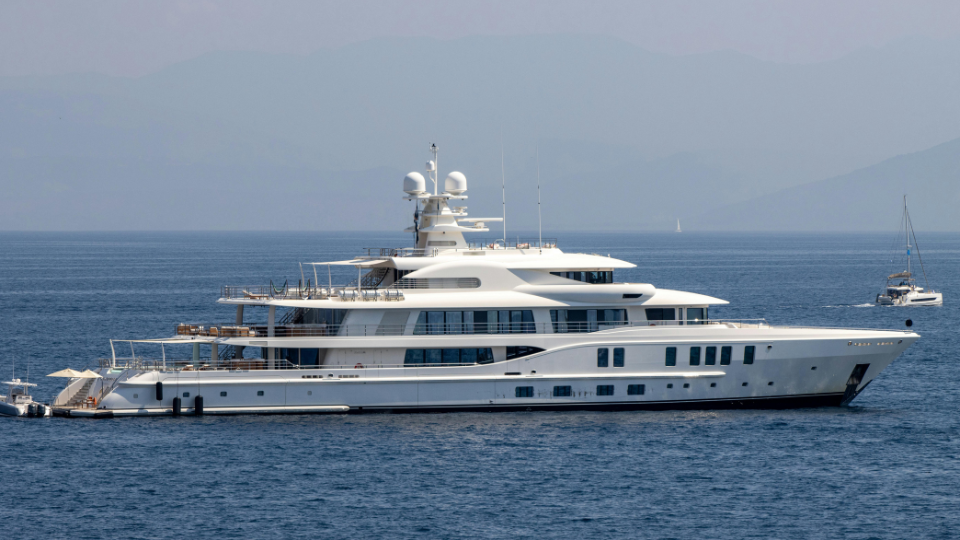
Engineering & Compliance: The CE/ABYC Divide
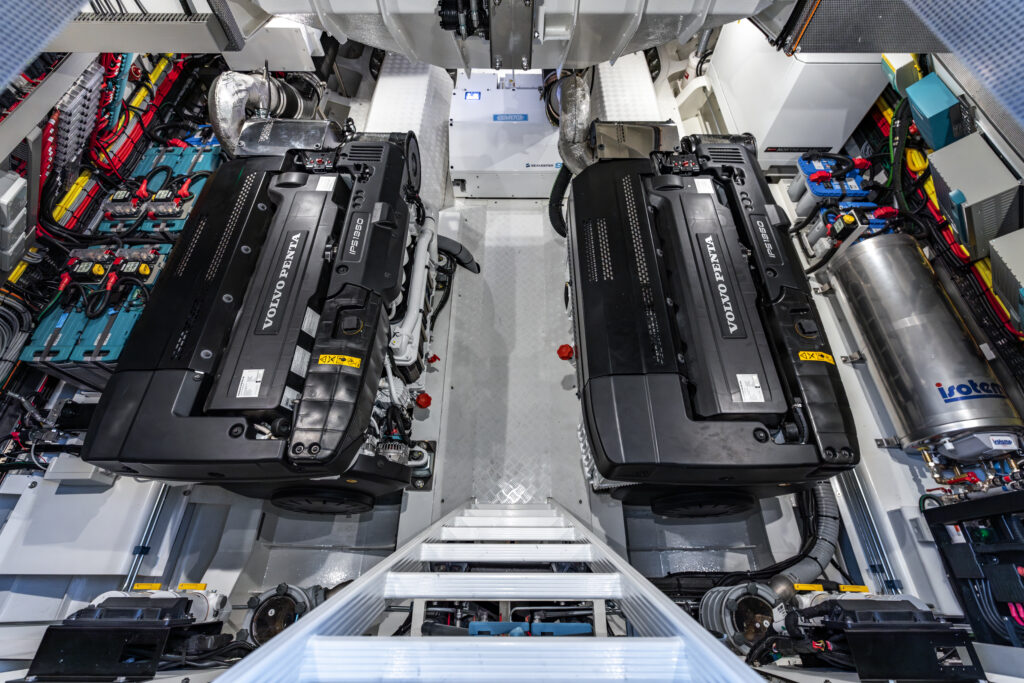
A yacht is a floating power plant, and the “frequency” of its heart determines its home.
-
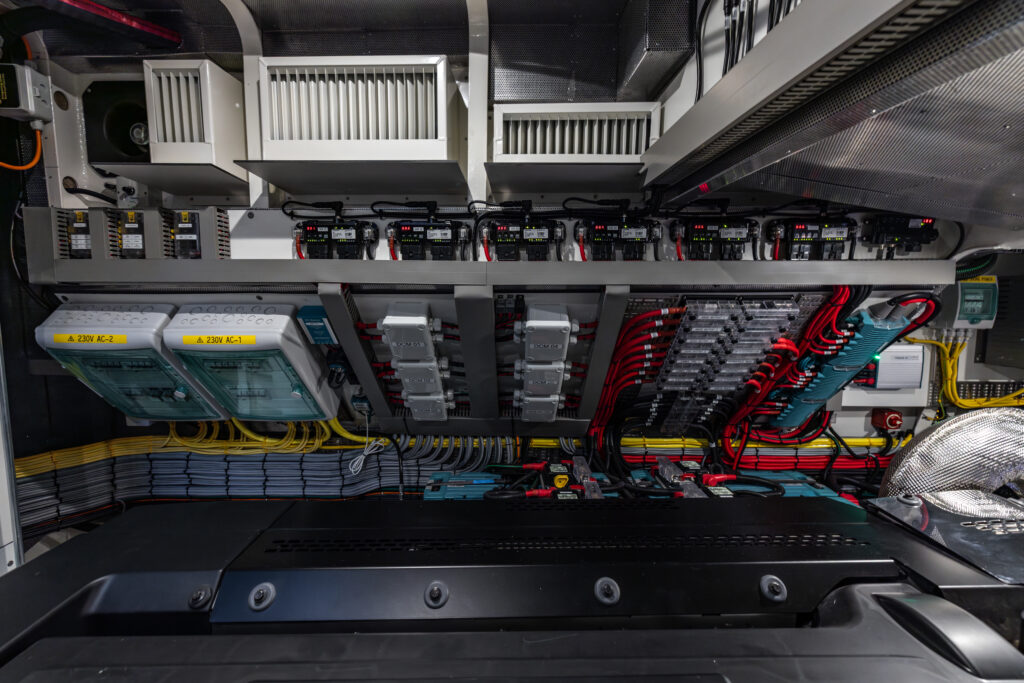
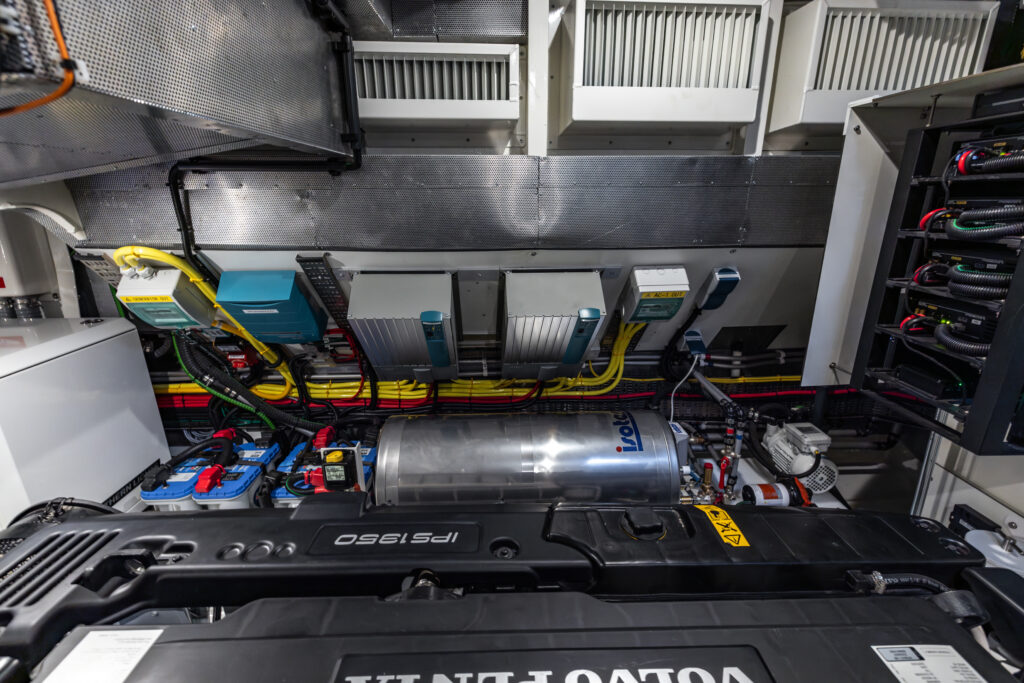
The Power Paradox: European yachts operate on 50Hz systems, while the US standard is 60Hz. Importing a European build to the US often necessitates the installation of a Universal Shore Power Converter—an investment that can range from $30,000 to over $100,000 depending on the Gross Tonnage (GT).
-
Certification Standards: European builds must adhere to CE (Conformité Européenne) marking, focusing on rigorous stability and emissions categories. Conversely, the US market relies on ABYC (American Boat and Yacht Council) standards. While high-end shipyards like Feadship or Lürssen build to “Class” (Lloyd’s or RINA) which transcends these standards, smaller production boats often require expensive modifications to be legally sold or insured across the Atlantic.

Engineering & Compliance: The CE/ABYC Divide
A yacht is a floating power plant, and the “frequency” of its heart determines its home.
-
The Power Paradox: European yachts operate on 50Hz systems, while the US standard is 60Hz. Importing a European build to the US often necessitates the installation of a Universal Shore Power Converter—an investment that can range from $30,000 to over $100,000 depending on the Gross Tonnage (GT).
-
Certification Standards: European builds must adhere to CE (Conformité Européenne) marking, focusing on rigorous stability and emissions categories. Conversely, the US market relies on ABYC (American Boat and Yacht Council) standards. While high-end shipyards like Feadship or Lürssen build to “Class” (Lloyd’s or RINA) which transcends these standards, smaller production boats often require expensive modifications to be legally sold or insured across the Atlantic.
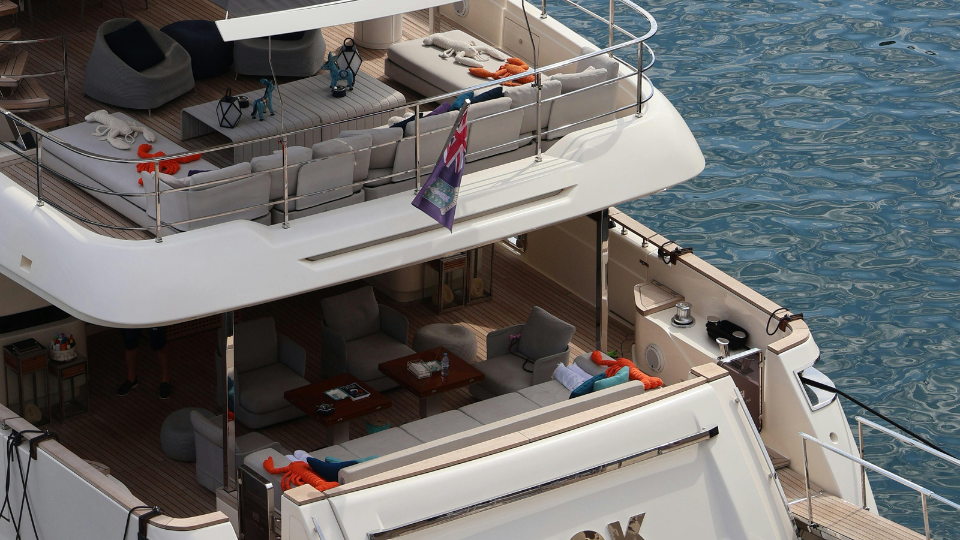
Inventory and Market Nuance
The Mediterranean is the world’s largest “showroom” for bespoke superyachts and displacement vessels. If your requirement is a steel-hulled explorer with an IMO Tier III compliant engine room, the European brokerage market offers unparalleled depth.
The US market, centered in Fort Lauderdale and Palm Beach, dominates in high-performance sportfishers and large production motor yachts. The American market is also characterized by higher liquidity; yachts here tend to sell faster due to a standardized brokerage culture and the absence of complex cross-border VAT histories.
FAQ
Do I have to pay VAT if I buy a yacht in Europe but flag it in the Cayman Islands? If you are a non-EU resident and the vessel is intended for export or operated under Temporary Admission, you may be exempt from VAT. However, strict residency and usage rules apply to ensure the vessel does not lose its exempt status while in EU waters.
What are the hidden costs of importing a European yacht to the USA? Beyond the shipping freight (which varies by LOA), importers must account for a 1.5% US Customs Duty (for non-US built boats), the cost of a Shore Power Converter, and potential EPA engine certifications for newer vessels.
Is it easier to finance a yacht purchased in the US or Europe? US lenders typically prefer US-documented vessels with ABYC compliance for ease of repossession and resale. Financing a European purchase through a US bank often requires the vessel to be moved to US waters shortly after the closing.