

Introduction
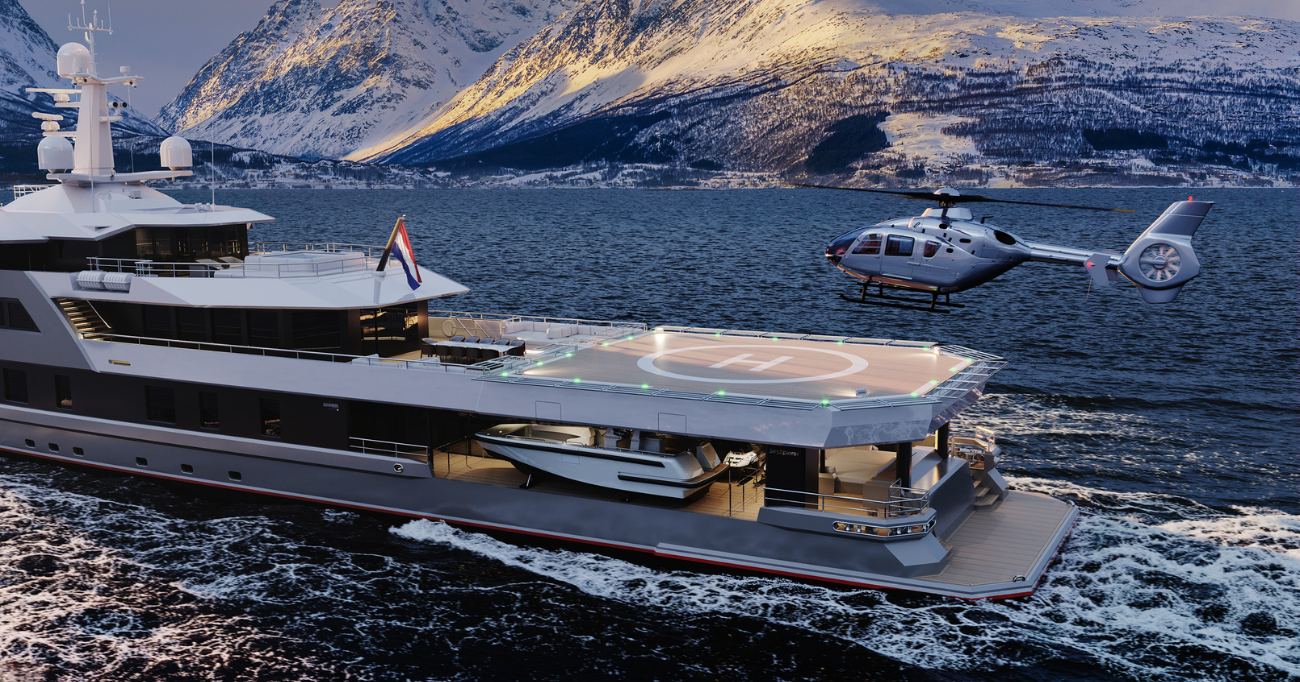
Explorer yachts aren’t just luxury vessels they’re floating fortresses built for adventure. Whether you’re planning to cruise the Arctic Circle, explore the Galápagos, or live off-grid for months, an explorer yacht offers the autonomy, durability, and range to take you farther than traditional yachts ever could.
But with so many specifications, features, and choices, how do you select the right explorer yacht? This comprehensive buyer’s guide breaks down everything from range and ice-class hulls to crew planning and onboard toys so you can confidently navigate your next big purchase.
What Is an Explorer Yacht?
An explorer yacht, also known as an expedition yacht, is a vessel built to handle long-distance cruising in remote and often challenging environments. These yachts are defined by:
-
Long cruising ranges (3,000+ nautical miles)
-
Reinforced hulls and high fuel capacity
-
Self-sufficiency for extended periods
-
Space for exploration equipment and tenders
Unlike traditional yachts that focus solely on leisure and aesthetics, explorer yachts are designed for endurance, functionality, and adventure.
Why Choose an Explorer Yacht?
Here’s why explorer yachts are growing in popularity among seasoned yacht buyers:
-
Access Remote Destinations: Sail beyond the Mediterranean—think Antarctica, Alaska, or the South Pacific.
-
Long-Range Capability: Explore without frequent refueling thanks to fuel-efficient systems and long-range tanks.
-
Liveaboard Comfort: These yachts support long stays onboard with enhanced water, waste, and power systems.
-
Safety & Strength: Tougher builds, better seakeeping, and ice-class hulls for challenging environments.

Key Considerations When Buying an Explorer Yacht
1. Range and Fuel Capacity
The range of an explorer yacht determines how far you can travel on a full tank. Most quality explorer yachts offer:
-
3,000 to 6,000+ nautical miles cruising range
-
Diesel-electric or hybrid propulsion options for efficiency
-
Larger fuel tanks with advanced fuel polishing systems
Ask yourself: Where do I want to go, and how far is it from civilization?
2. Ice-Class Hull Ratings
If you’re planning voyages in polar or icy regions, an ice-class hull is non-negotiable. Look for:
-
Classification: Polar Class (PC6–PC1) or IACS Ice Class (1C to 1A Super)
-
Hull Design: Reinforced bows, thicker steel plating, ice-breaking capabilities
-
Benefits: Safety, insurance compliance, and access to regulated zones
3. Crew Accommodations and Requirements
Even the best explorer yacht can’t function without a capable crew. Key considerations include:
-
Crew Size: Generally 1 crew per 2–3 guests
-
Skills Required: Ice navigation, diving supervision, maintenance expertise
-
Accommodation: Ensure crew quarters meet international standards for long voyages
For private use, you may opt for minimal crew. For charter or extended expeditions, you’ll need specialists.
4. Onboard Toys and Adventure Equipment
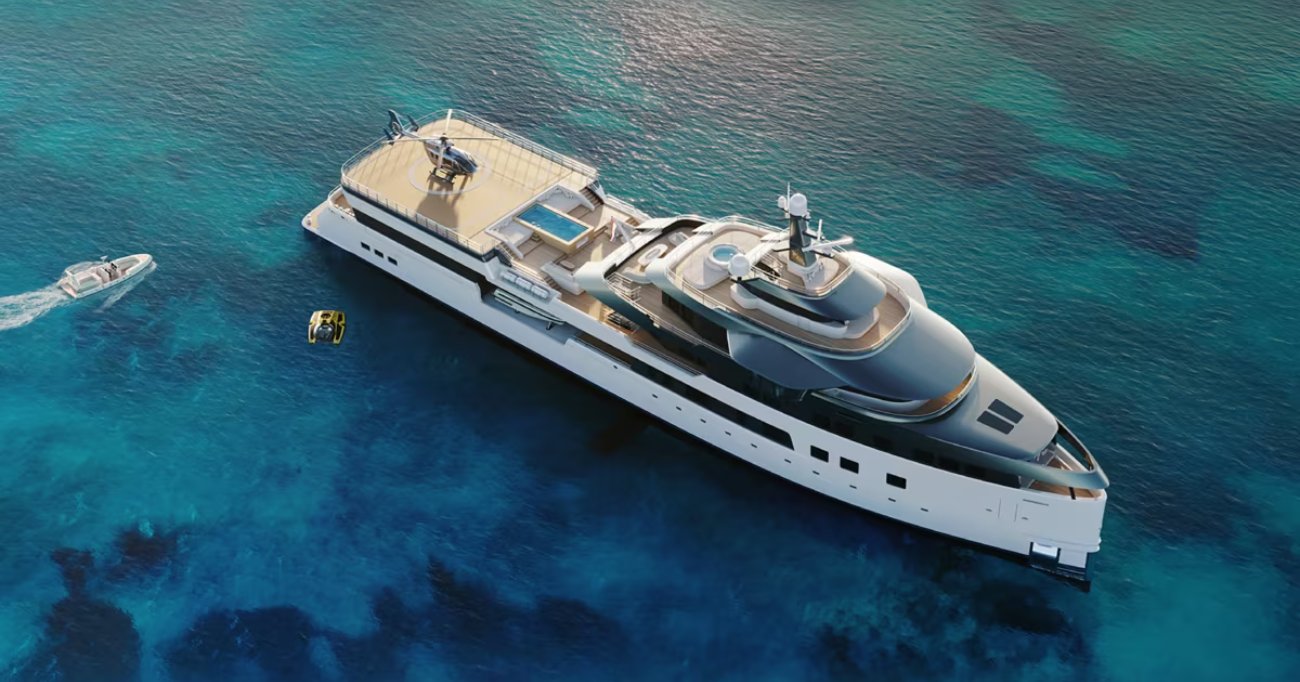
Explorer yachts are designed to bring adventure gear wherever you go. Popular options include:
-
Submersibles and Diving Gear
-
Jet Skis, RIBs, Kayaks, and Paddleboards
-
Snowmobiles or Drones for Polar Exploration
-
Crane Systems and Tender Garages
Always verify that the yacht has enough storage and launch infrastructure for these toys.
Size, Layout, and Comfort
While explorer yachts focus on function, comfort is still a top priority:
-
LOA (Length Overall): 90–200+ feet is typical
-
Deck Layout: Look for owner’s suites, observation lounges, and climate control systems
-
Comfort Features: Stabilizers, deep freezers, soundproofing, and media rooms enhance long voyages

Sustainability and Off-Grid Capability
Modern explorer yachts are pushing toward eco-conscious cruising:
-
Hybrid Propulsion & Solar Panels
-
Advanced Watermakers & Sewage Systems
-
Battery Banks for Silent Anchoring
-
Autonomous Energy Systems for Remote Areas
These features reduce your footprint and increase independence in uninhabited areas.
New Build vs. Conversion Explorer Yachts
New Build Pros:
-
Full customization
-
Latest technology
-
Warranties and support
Conversion Pros:
-
Faster delivery times
-
Cost-effective for larger tonnage
-
Great character and rugged designs
Vessels like ex-research or supply ships are commonly converted. However, customization is limited compared to new builds.
Best Brands and Builders to Consider
Top explorer yacht builders known for innovation and durability:
-
Damen Yachting – SeaXplorer series with Ice Class & helicopter decks
-
Cantiere delle Marche (CdM) – Rugged, stylish yachts with long-range capabilities
-
Arksen – Sustainability-focused expedition yachts
-
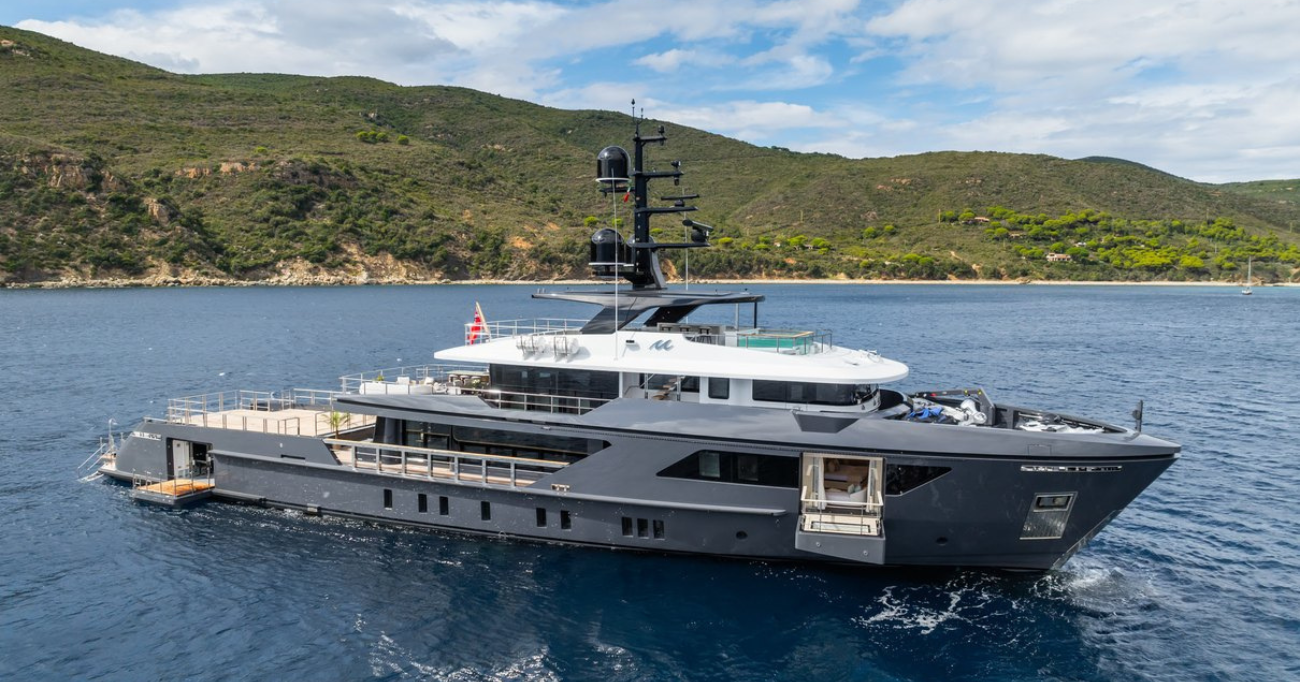
Sanlorenzo – Luxury meets capability
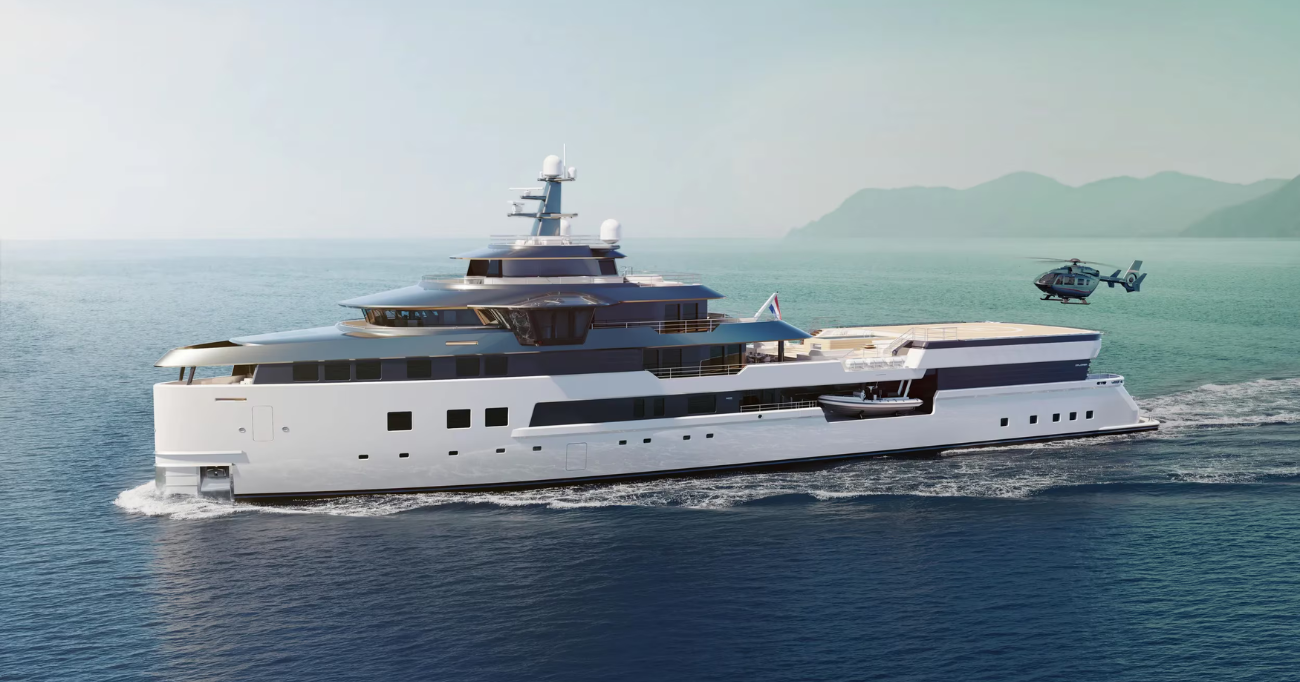
Conclusion: Matching the Yacht to Your Mission
Choosing the right explorer yacht is about aligning the specs with your mission. Whether it’s remote diving, polar photography, or global circumnavigation, your yacht should support your ambitions with:
-
Sufficient range
-
Reinforced structure
-
Skilled crew
-
Adventure equipment
-
Sustainable systems
Think long-term, plan wisely, and you’ll unlock a world most yacht owners never reach.
FAQs About Explorer Yachts
What makes a yacht an explorer yacht?
Explorer yachts are built for long-range cruising in remote areas, with durable hulls, extra fuel, and adventure gear.
How far can an explorer yacht travel?
Most explorer yachts can travel between 3,000 and 6,000 nautical miles without refueling.
What is an ice-class hull, and do I need one?
An ice-class hull is reinforced for icy waters. It’s essential for polar regions but not needed for tropical cruising.
How many crew members does an explorer yacht need?
Depending on size and mission, expect 4 to 12 crew members, including specialists for diving or ice navigation.
Can I add toys like submarines and snowmobiles to my explorer yacht?
Yes. Many explorer yachts are built with garages, cranes, and storage for such toys—just plan it early in the design process.