Best for emotional buyers who respond to the "dream."
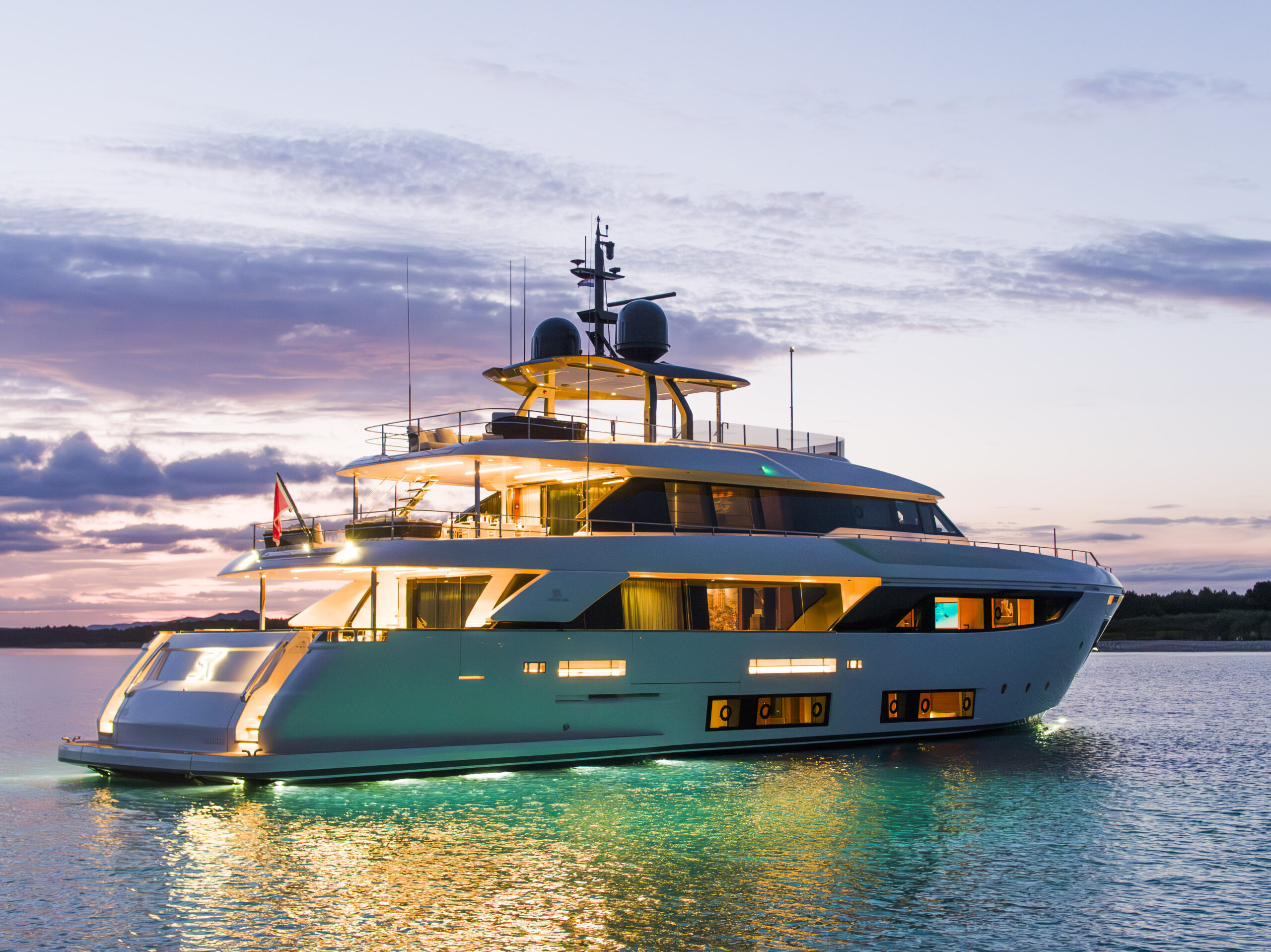
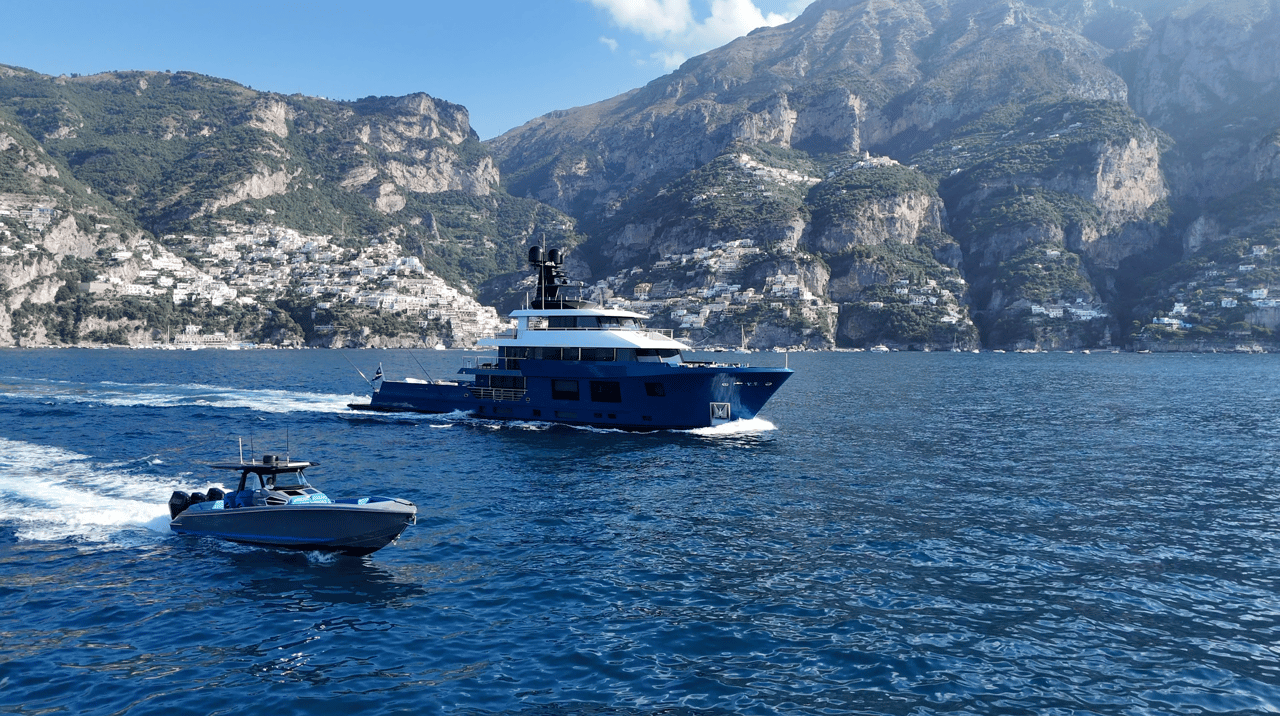


The Mediterranean sun dips below the horizon, casting a golden hue over the teak deck of a 40-meter displacement hull. For many, this is the dream, the ultimate expression of freedom and “Quiet Luxury.” However, for the unprepared first-time buyer, this dream can quickly drift into a sea of unforeseen logistical hurdles and financial depreciation.
Acquiring a yacht is not merely a transaction; it is the acquisition of a floating company. To ensure your first voyage is defined by serenity rather than stress, avoid these critical pitfalls.

The most frequent error is focusing solely on the “sticker price.” In the elite maritime world, the purchase price is merely the tip of the iceberg.
The 10% Rule: As a standard benchmark in 2026, expect to spend approximately 10% of the yacht’s purchase price annually on operating costs.
Hidden Variables: This includes crew salaries, specialized insurance premiums (which have seen volatility recently), premium berthage in hubs like Monaco or St. Tropez, and routine maintenance.
The Solution: Request a detailed three-year pro forma operating budget from your broker before signing the Letter of Intent (LOI).

First-time buyers often fall in love with a yacht’s interior design, the marble foyers and infinity pools without considering the vessel’s technical “Usage Profile.”
Hull Type vs. Lifestyle: A sleek, planing hull might look stunning in the marina, but if your goal is a stable, long-range crossing to the Caribbean, a full-displacement hull is a necessity.
The Volume Trap: Many buyers focus on LOA (Length Overall) but forget GT (Gross Tonnage). A shorter yacht with higher volume often provides more “living” space than a long, narrow sport yacht.
The Solution: Define your primary cruising grounds first. Will you be island-hopping in the Exumas or navigating the rugged coast of Norway? Let the geography dictate the naval architecture.
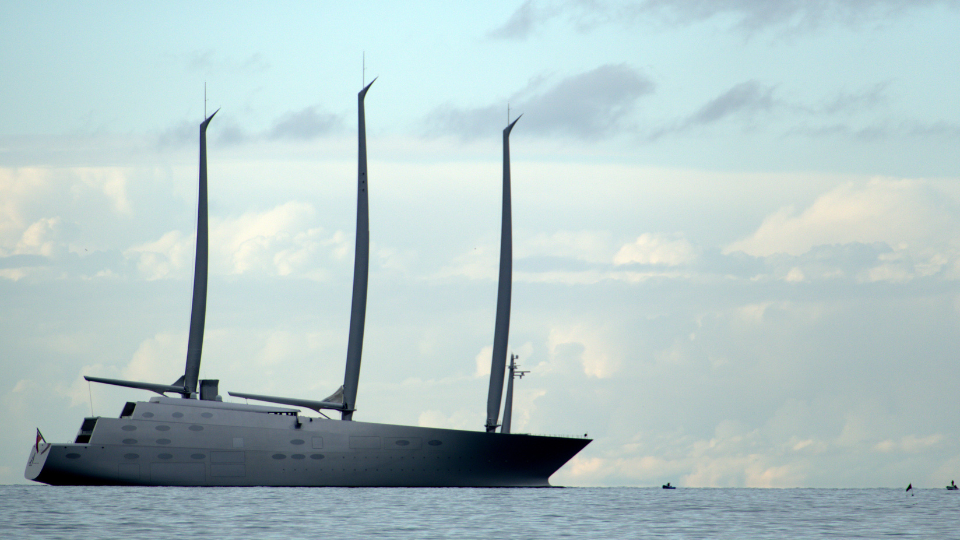
The maritime industry is undergoing a seismic shift toward sustainability. Buying a yacht today without considering its “future-proof” status is a recipe for rapid depreciation.
IMO Tier III Compliance: Since 2021, stricter NOx emission limits have applied to many vessels. An older yacht that isn’t compliant may face restricted access to certain heritage waters or suffer significantly lower resale value.
The VAT Pitfall: Tax status is the “silent killer” of yacht deals. Whether a vessel is “VAT Paid,” “Yacht in Transit,” or under a Temporary Admission (TA) regime can impact the final cost by millions.
The Solution: Engage a maritime tax specialist and a technical consultant early. Ensure the vessel’s technical specs align with the increasingly green mandates of global ports.
The Mistake: Skipping the Survey
The Financial Impact: Repairs and structural remediation can quickly exceed 20% of the vessel’s purchase value.
The Proactive Fix: Mandate a comprehensive inspection by an independent, SAMS-certified surveyor before any funds are released from escrow.
The Mistake: DIY Negotiations
The Financial Impact: Without a seasoned advocate, first-time buyers frequently overpay by 5–15% due to a lack of “Pedigree” data.
The Proactive Fix: Retain a reputable buyer’s broker to manage the valuation assessment and navigate the nuances of the global brokerage market.
The Mistake: Ignoring Crew Quarters
The Financial Impact: Substandard living conditions lead to high crew turnover and inconsistent, poor-quality service on board.
The Proactive Fix: Prioritize the “back of house” and ensure crew areas are ergonomic, well-ventilated, and designed for long-term comfort to protect your onboard experience.
Q: Should I charter a similar model before buying?
A: Absolutely. A “try before you buy” charter is the most effective way to understand if a specific layout or hull type suits your lifestyle.
Q: How long does the yacht buying process typically take?
A: From initial search to closing, the process usually takes 3 to 6 months, depending on the complexity of the marine survey and flagging requirements.
Q: Is a pre-owned yacht better for a first-time buyer?
A: Often, yes. A 2–4 year-old “pedigree” yacht (Feadship, Oceanco, etc.) has already seen its steepest depreciation and likely has its “teething issues” resolved by the previous owner.
From the hottest yacht charter destinations to unbeatable offers and the latest news from the world of yachting, keep in touch and you won’t miss a beat.