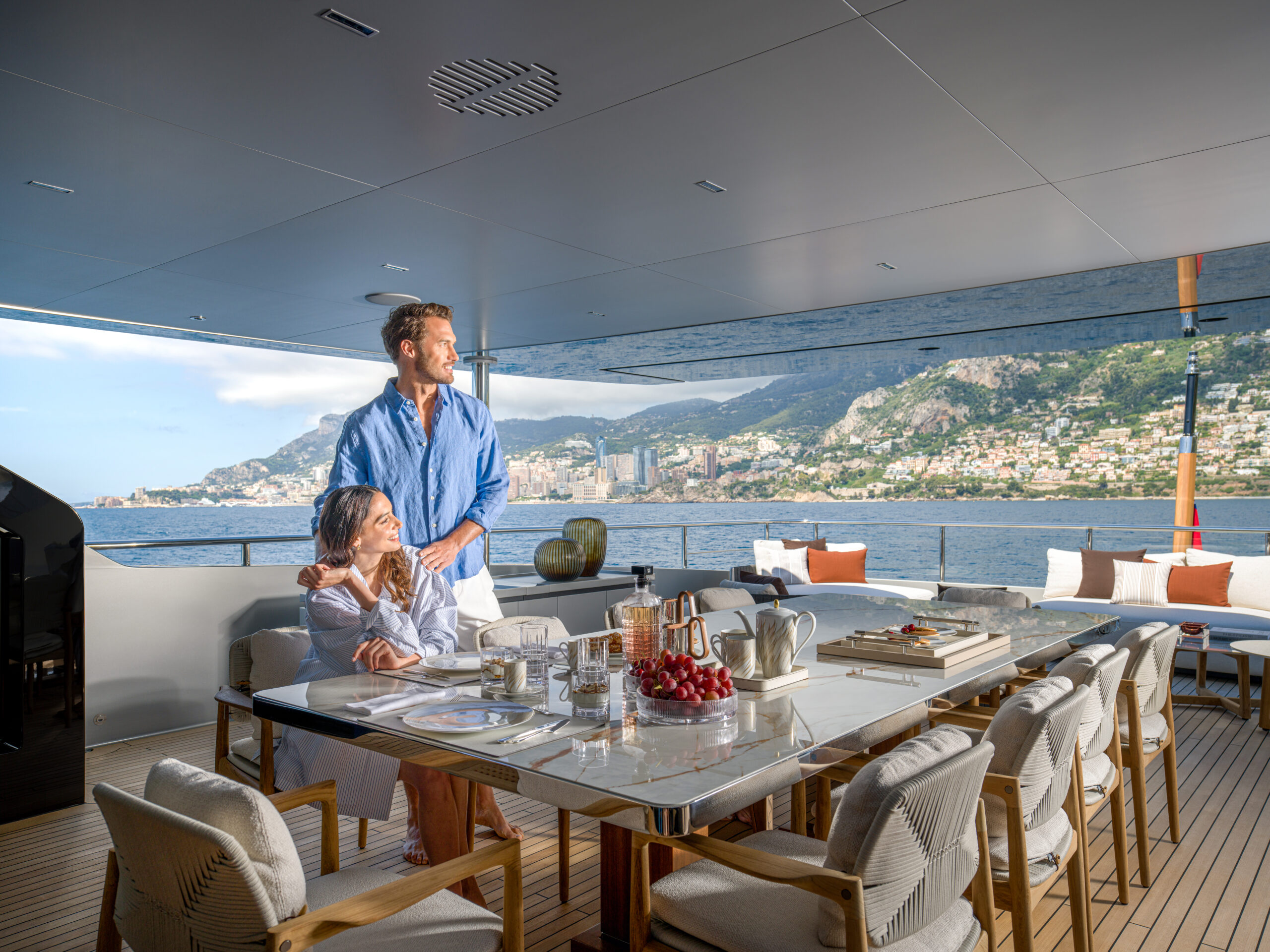
At 07:00 in Monaco or St. Barths, a superyacht sits motionless in the harbor, glass smooth against the tide. To the guest stepping aboard, the transition is effortless—a chilled flute of Krug, an immaculate deck, and a crew that anticipates every request before it is voiced.
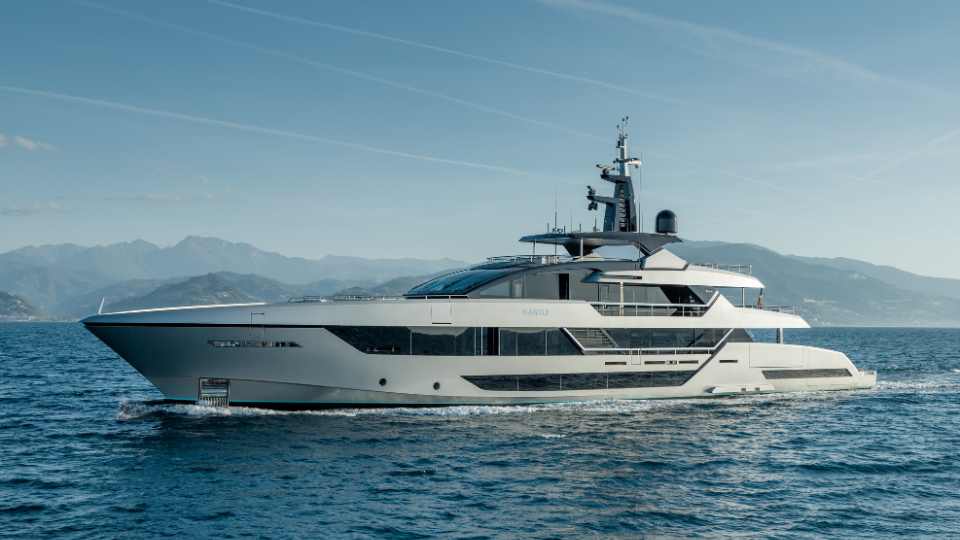
Behind this impression of casual elegance lies months of intense operational planning. Preparing a 60-meter vessel for peak charter season is an exercise in complex engineering, strict regulatory compliance, and high-level project management. When executing at the peak of the luxury market, perfection is not an accident; it is the baseline requirement.
1. Engineering & Maritime Compliance: The Invisible Standard
Before a superyacht welcomes its first charter guests, it undergoes rigorous technical and legal auditing. For vessels operating globally, operational readiness starts in the engine room and extends through every tier of maritime governance.
Navigating Class Surveys and Flag State Audits
A commercial charter yacht must maintain strict adherence to international safety standards. Owners and captains work closely with leading classification societies—such as DNV or Lloyd’s Register—to complete mandatory annual, intermediate, or five-year special surveys.
Key regulatory frameworks include:
-
International Safety Management (ISM) Code: Establishes mandatory safety management objectives and operational risk assessments.
-
Maritime Labour Convention (MLC 2006): Ensures strict standards for crew accommodations, working hours, and overall welfare.
-
Flag State Inspections: Conducted by major registries like the Cayman Islands, Marshall Islands, or Malta to verify full seaworthiness.
Engine Room Maintenance & Environmental Standards
Preventative maintenance during the off-season prevents costly breakdowns during peak charter weeks. Engineering teams conduct complete overhauls on main propulsion systems, auxiliary generators, watermakers, and air-conditioning chillers.
Furthermore, vessels operating in designated Emission Control Areas (ECAs) must adhere to IMO Tier III nitrogen oxide emission limits. Modern refits often incorporate Selective Catalytic Reduction (SCR) exhaust systems to maintain full regulatory compliance and protect access to pristine coastal waters.
2. Curating Quiet Luxury: Interior Refinement & Preference Logistics
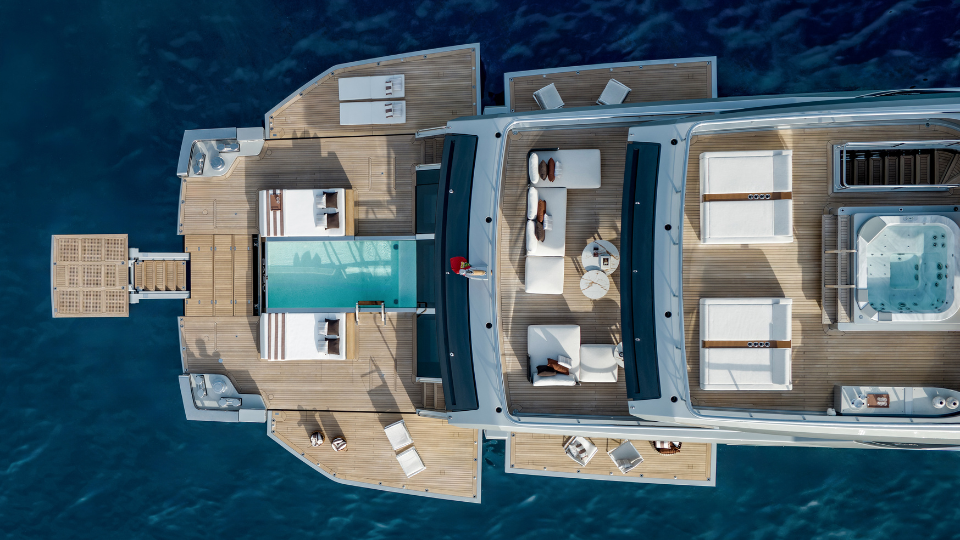
While technical compliance keeps the vessel operational, interior preparation determines the guest experience. Delivering quiet luxury requires attention to detail, high-end soft furnishings, and individualized logistics.
Upgrading Finishes and Onboard Amenities
Pre-season interior upgrades ensure the vessel remains competitive in the charter market. Typical preparations include:
-
Soft Goods Replacement: Sourcing custom Egyptian cotton linens, organic bath products, and bespoke uniform lines.
-
Art & Tableware Logistics: Securing high-value art pieces and specialized dinnerware for fine dining at sea.
-
Tech Upgrades: Installing high-speed satellite connectivity, such as Starlink Maritime, to ensure uninterrupted streaming and secure remote access for business executives.
Precision Provisioning via the Advance Provisioning Allowance (APA)
The Advance Provisioning Allowance (APA) covers variable operational costs during a charter, including fuel, port fees, food, and beverages.
Chief Stewards and Head Chefs review detailed guest preference sheets weeks before arrival. From sourcing local Michelin-grade ingredients to procuring rare vintages from European auctions, provisioning is handled with surgical accuracy to match every dietary preference and lifestyle request.
3. Strategic Commercial Readiness: Protecting Asset Value
Chartering a superyacht helps offset operational expenses while keeping the vessel and crew in peak operational condition. Achieving strong booking rates requires clear commercial strategy and market positioning.
Partnering with MYBA Brokers
Commercial charter vessels operate under standardized legal frameworks, primarily managed through MYBA (Worldwide Yachting Association) contracts. Central charter agents manage fleet marketing, vet prospective charterers, and maintain pricing integrity across global broker networks.
Media Production and Strategic Logistics
Prior to launching the season, owners invest in high-end media assets to highlight the yacht’s current condition:
-
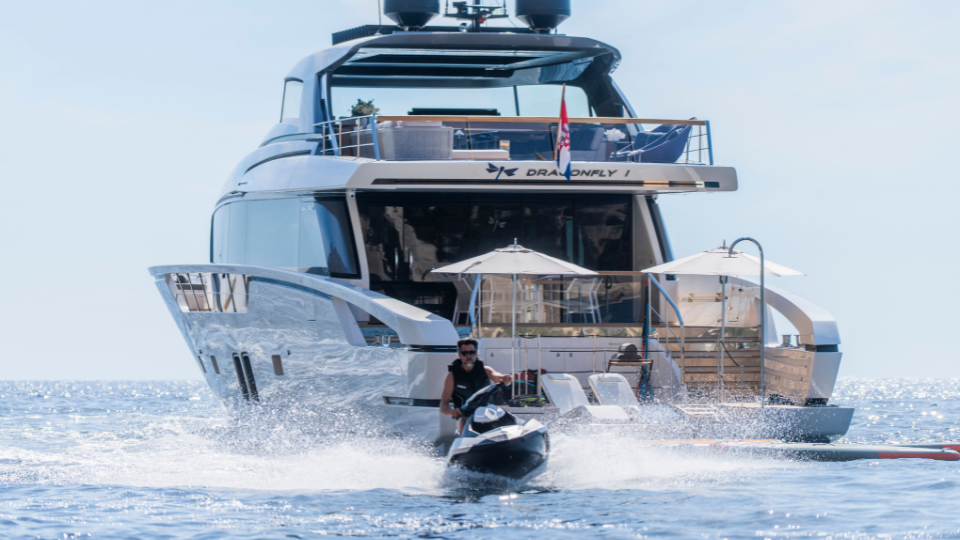
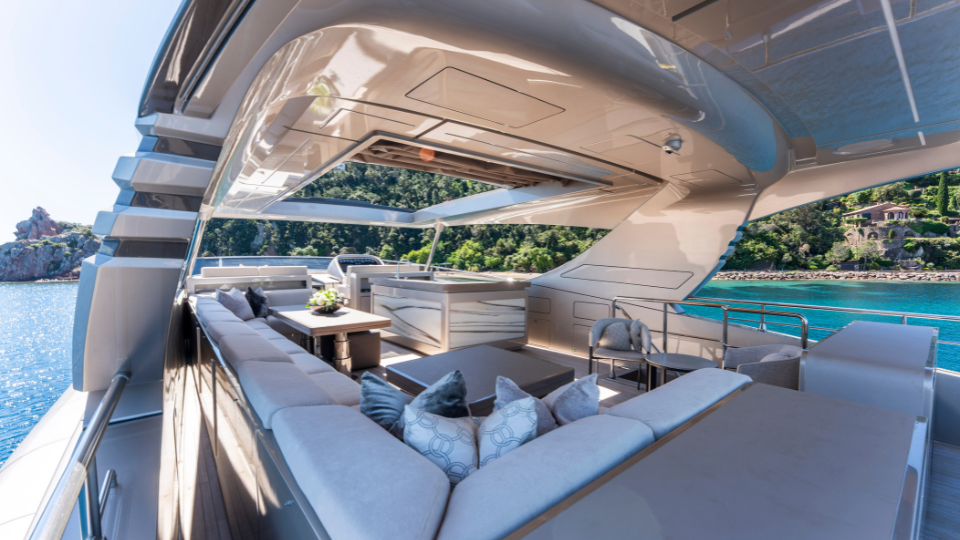
Cinematic Video & Aerial Footage: Highlighting expansive sun decks, beach clubs, and updated water toy inventories.
-
Berth Reservations: Securing prime berth positions in high-demand ports such as Port Hercule, Saint-Tropez, or Marina Port Vell.
-
Crew Hospitality Alignment: Conducting cross-departmental hospitality training to ensure seamless service delivery across every charter.
Frequently Asked Questions
What certifications are required before a yacht can charter legally?
A superyacht must hold valid safety, operational, and environmental certificates issued by its Flag State and Class Society. Essential certifications include the Safety Management Certificate (SMC), International Sewage Pollution Prevention (ISPP) Certificate, Maritime Labour Convention (MLC) Compliance, and a valid Commercial Yacht Code Certificate.
How does the Advance Provisioning Allowance (APA) work during charter season?
The APA is an advance payment made by the charterer to cover variable operational costs during the trip. These expenses include fuel, food, fine wines, berthing fees, and communications. The captain manages this account, provides itemized receipts, and refunds any remaining funds or requests additional funds if expenses exceed the deposit.
Why do superyacht owners list their vessels for charter?
Listing a yacht for charter helps offset fixed operational costs, such as crew salaries, routine maintenance, dockage, and insurance. Additionally, active charter yachts tend to maintain higher standards of crew performance and operational readiness, which helps preserve the vessel’s market value.