Buying or selling a superyacht is not a casual transaction; it is a complex, high-value process that combines lifestyle goals, technical due diligence, global availability, negotiation, and discretion. Superyacht brokers help clients make sense of the superyacht market by narrowing options, coordinating expert input, and guiding each stage of a purchase or sale. For buyers and sellers, the right broker can turn an overwhelming search into a focused, strategic decision.
What do superyacht brokers actually do?
Superyacht brokers represent clients in the purchase, sale, or charter-related positioning of large luxury vessels, with a focus on protecting the client’s interests throughout the transaction. Unlike general yacht brokers who may handle a wide range of boat sizes and price points, superyacht specialists typically work in a more demanding global market where privacy, technical evaluation, crew considerations, ownership structures, and negotiation strategy all matter.
For buyers, a broker acts as a filter and advocate. Instead of asking a client to sort through countless listings, the broker studies the buyer’s preferred cruising style, guest capacity, design taste, operational expectations, budget range, and timeline. From there, they identify realistic options, arrange viewings, coordinate inspections, and help compare vessels beyond surface-level appeal.
For sellers, the broker’s role is equally strategic. Superyacht sales require accurate positioning, targeted marketing, qualified buyer access, and careful negotiation. A strong broker does not simply list a yacht and wait; they help present the vessel to the right audience, manage inquiries, and keep momentum through a process that can involve international buyers, surveyors, lawyers, captains, managers, and financial advisers.

The value of professional yacht brokerage services
Professional yacht brokerage services are valuable because they reduce uncertainty in a market where mistakes can be expensive and time-consuming. A superyacht is not just an asset; it is a floating residence, entertainment platform, travel base, and technical operation. The broker’s job is to connect the dream with the practical realities behind it.
A good broker brings market awareness, negotiation experience, and access to opportunities that may not be obvious from public listings. Some vessels are marketed discreetly. Others may appear attractive at first glance but carry operational, maintenance, layout, classification, or resale considerations that need careful review. Experienced luxury yacht brokers help clients ask better questions before emotions take over.
They also help simplify a process involving many parties. Buyers may need marine surveyors, legal counsel, flag-state guidance, financing input, insurance advice, and operational planning. Sellers may need photography, specifications, maintenance documentation, pricing guidance, and buyer qualification. While brokers do not replace those specialists, they often help coordinate the transaction so the client is not managing every detail alone.
Key advantages include:
- Focused search support: Brokers narrow the market to yachts that genuinely match the client’s goals, rather than presenting every possible option.
- Market context: They help interpret asking prices, recent demand patterns, vessel condition, and likely negotiation room.
- Global access: Superyachts move internationally, and brokers use worldwide contacts to arrange inspections and uncover relevant opportunities.
- Negotiation guidance: They support offers, counteroffers, contingencies, and deal structure with the client’s priorities in mind.
- Process coordination: They help keep documentation, surveys, inspections, sea trials, and closing steps moving in the right order.
- Discretion: In high-value transactions, privacy and careful communication are often as important as visibility.
How does the buying process work with a broker?
The buying process usually begins with a conversation about fit, priorities, and expectations before any yacht is recommended. This first stage helps both the client and broker decide whether they can work together effectively, because buying a superyacht requires trust, responsiveness, and clarity. Once the brief is defined, the broker creates a shortlist, arranges viewings, supports inspections, helps negotiate terms, and assists through closing.
A practical yacht buying guide should begin with how the owner plans to use the yacht. A family planning long Mediterranean summers may need a very different layout from an owner focused on expedition cruising, charter potential, or quiet private escapes. The best yacht is not simply the largest, newest, or most dramatic; it is the one that fits how the owner actually wants to live on board.
Typical steps in a broker-led purchase
- Initial consultation The broker learns the buyer’s lifestyle goals, size range, design preferences, cruising regions, guest needs, and budget expectations. This is also when the buyer can assess the broker’s communication style and market knowledge.
- Market review and shortlist The broker identifies suitable yachts, explains trade-offs, and removes options that are unlikely to match the brief. This saves time and helps the buyer compare genuine contenders.
- Viewings and yacht show planning The broker arranges private tours, marina visits, or yacht show appointments. Major events such as the Monaco Yacht Show can be useful because they bring many large yachts, builders, designers, brokers, and advisers into one concentrated setting.
- Offer and negotiation Once the buyer chooses a yacht, the broker helps shape an offer that reflects price, condition, timing, inclusions, and due diligence requirements. Negotiation may involve more than price; delivery location, inventory, works to be completed, and closing schedule can all matter.
- Survey, sea trial, and technical review The yacht is inspected by qualified professionals. The broker helps coordinate the process and supports the buyer in understanding how findings may affect the negotiation.
- Closing and handover Legal, financial, registration, and operational details are finalized. The broker helps keep communication clear so the buyer can move from transaction to ownership with fewer surprises.
This process is especially helpful for first-time buyers. The superyacht market can be exciting, but it can also feel opaque. A broker helps translate unfamiliar terminology, explain normal transaction steps, and flag issues that may not be visible during a polished viewing.
Choosing the right broker is a strategic decision
Not all yacht brokers offer the same depth of service, network, or specialization. The best fit depends on the client’s goals, the size and type of yacht, the regions involved, and the level of discretion required. A buyer seeking a custom-built explorer yacht may need different expertise from a seller marketing a contemporary Mediterranean charter vessel.
Start by looking for experience in the specific part of the market that matters to you. Superyacht sales require familiarity with large-vessel operations, shipyard histories, refit considerations, international buyer behavior, and the realities of ownership costs. A broker should be able to explain why a yacht is suitable, not simply describe its features.
Communication matters as much as contacts. A good broker listens carefully, responds clearly, and gives direct guidance when an option is poor fit. If every yacht is presented as perfect, the client is not receiving meaningful advice. The strongest broker relationships include honest feedback, practical expectations, and a shared understanding of priorities.
Use this checklist when assessing luxury yacht brokers:
- Relevant specialization: Do they regularly handle yachts in the size, style, and market segment you are considering?
- Reputation and references: Can they point to a track record, client feedback, or industry relationships without relying on vague claims?
- Transparent process: Do they explain fees, representation, conflicts, and next steps clearly?
- Strong communication: Do they listen, challenge assumptions constructively, and respond in a professional way?
- Market knowledge: Can they discuss pricing, availability, comparable yachts, and timing with useful context?
- Technical awareness: Do they understand survey, refit, classification, operational, and crew-related considerations enough to guide the right expert input?
- Discretion and professionalism: Do they handle sensitive information carefully and represent the client appropriately?
A broker-client relationship should feel professional, focused, and collaborative. You do not need someone who simply agrees with every preference; you need someone who can protect your interests while still respecting your vision.

Market timing, yacht shows, and global opportunity
The superyacht market is shaped by more than listings. Currency movements, regional demand, shipyard capacity, owner motivation, refit schedules, charter performance, and broader economic sentiment can all influence opportunities. Skilled brokers help clients understand when to move quickly, when to wait, and when a yacht’s asking price does not reflect its full ownership picture.
Yacht shows are especially important because they bring buyers, sellers, shipyards, designers, captains, managers, and brokers into the same environment. Events such as the Monaco Yacht Show are known for showcasing many large custom yachts and attracting serious international attention. For buyers, these events make it possible to compare design styles, layouts, builders, and brokerage opportunities in a concentrated period. For sellers, they can create visibility with a qualified audience.
However, a yacht show should not replace preparation. Walking the docks without a clear brief can be inspiring but inefficient. A broker can schedule appointments, prioritize vessels, prepare questions, and help the buyer look beyond the staging. The goal is not to see the most yachts; it is to understand which ones deserve deeper consideration.
Market shifts can also create buying advantages. A seller may be motivated by a new build delivery, upcoming refit costs, seasonal timing, or changing ownership plans. Exchange rates and regional demand can affect how attractive a transaction feels to international buyers. Brokers who track these dynamics can help clients act with more confidence.
Common pitfalls first-time buyers should avoid
A first superyacht purchase can be emotional, especially when a vessel looks spectacular during a private tour. The risk is that buyers focus on visible luxury while underestimating technical condition, operational complexity, and long-term suitability. A broker helps balance enthusiasm with discipline.
One common mistake is shopping without a clear ownership plan. Before choosing a yacht, buyers should think about where they want to cruise, how often they will use the vessel, whether they want charter potential, and how many guests and crew they expect on board. These practical details shape layout, range, storage, crew accommodation, and operating profile.
Another mistake is comparing yachts only by length or asking price. Two yachts of similar size can differ dramatically in build quality, maintenance history, interior volume, outdoor living space, machinery condition, and future resale appeal. A lower purchase price may not be a better deal if the yacht requires substantial work or does not fit the owner’s intended use.
A sensible approach includes:
- Define your lifestyle goals before reviewing listings.
- Ask your broker to explain why each yacht is included or excluded.
- Treat survey and sea trial findings as essential, not optional.
- Consider operating requirements, not just acquisition cost.
- Avoid rushing because of pressure unless the opportunity has been properly vetted.
- Keep legal, tax, registration, and insurance advice separate and professional.
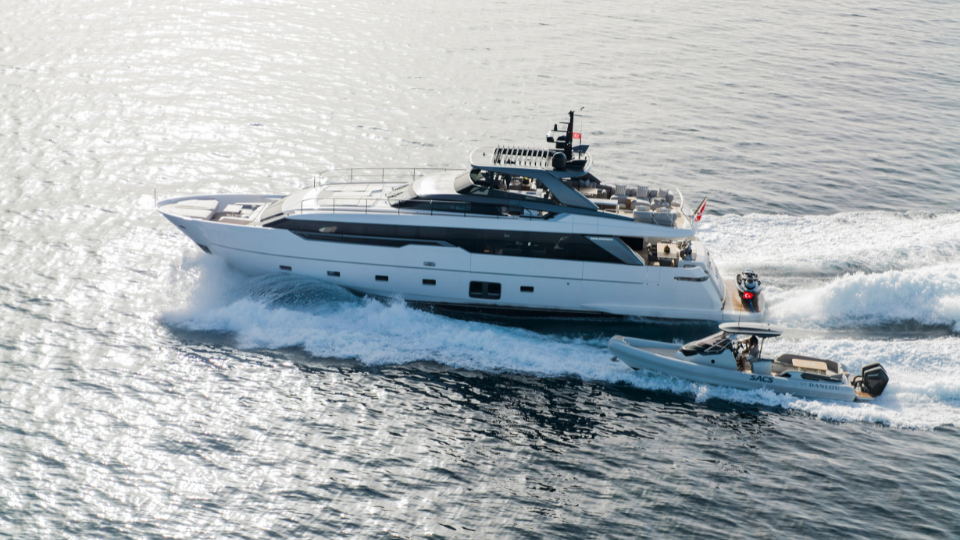
Selling a superyacht with confidence
For sellers, brokerage is about positioning, qualification, and controlled exposure. A yacht needs accurate specifications, high-quality presentation, and a pricing strategy that reflects the current market. Overpricing can weaken momentum, while poor presentation can cause serious buyers to overlook a strong vessel.
A broker helps identify the likely buyer profile and chooses marketing channels accordingly. Some yachts benefit from broad promotion; others require a more discreet approach through trusted networks. The right strategy depends on the yacht’s condition, age, builder, design, location, and seller timeline.
Preparation also matters. Maintenance records, recent works, inventory lists, photography, video, and crew input can all support buyer confidence. When inquiries arrive, the broker helps qualify prospects so the seller is not distracted by casual interest. During negotiation, the broker works to preserve value while keeping the transaction realistic and moving.

Final takeaway
Superyacht brokers bring structure, market intelligence, and advocacy to one of the most complex luxury purchases a client can make. Whether you are buying your first large yacht, upgrading to a custom vessel, or preparing for a sale, professional guidance can help you avoid confusion and make better decisions.
The strongest results come from choosing a broker who understands your goals, communicates clearly, and knows the superyacht market in depth. With the right support, yacht brokerage services do more than complete a transaction; they help turn ownership ambitions into a well-planned, confident experience.
Frequently Asked Questions (FAQs)
What do superyacht brokers do?
Superyacht brokers assist clients in buying, selling, or chartering large luxury vessels. They protect clients’ interests by providing market knowledge, negotiating deals, and coordinating various aspects of the transaction.
Why is it essential to choose the right broker?
Choosing the right broker is crucial as it ensures a focused, strategic approach to buying or selling a superyacht. A knowledgeable broker brings industry expertise, market insights, and access to exclusive opportunities.
How does the buying process work with a broker?
The buying process involves initial consultations to understand the client’s needs, creating a shortlist of suitable yachts, arranging viewings, assisting with negotiations, and finally, guiding clients through the closing process.
What are common mistakes first-time buyers make?
First-time buyers often shop without a clear ownership plan, compare yachts only by length or price, and overlook essential aspects like technical condition and future resale value.
How do superyacht brokers support sellers?
Superyacht brokers help sellers position their yachts effectively in the market, qualify potential buyers, and manage the negotiation process to ensure a smooth and profitable transaction.
Feel free to adjust or expand any of the FAQs to better fit your content!