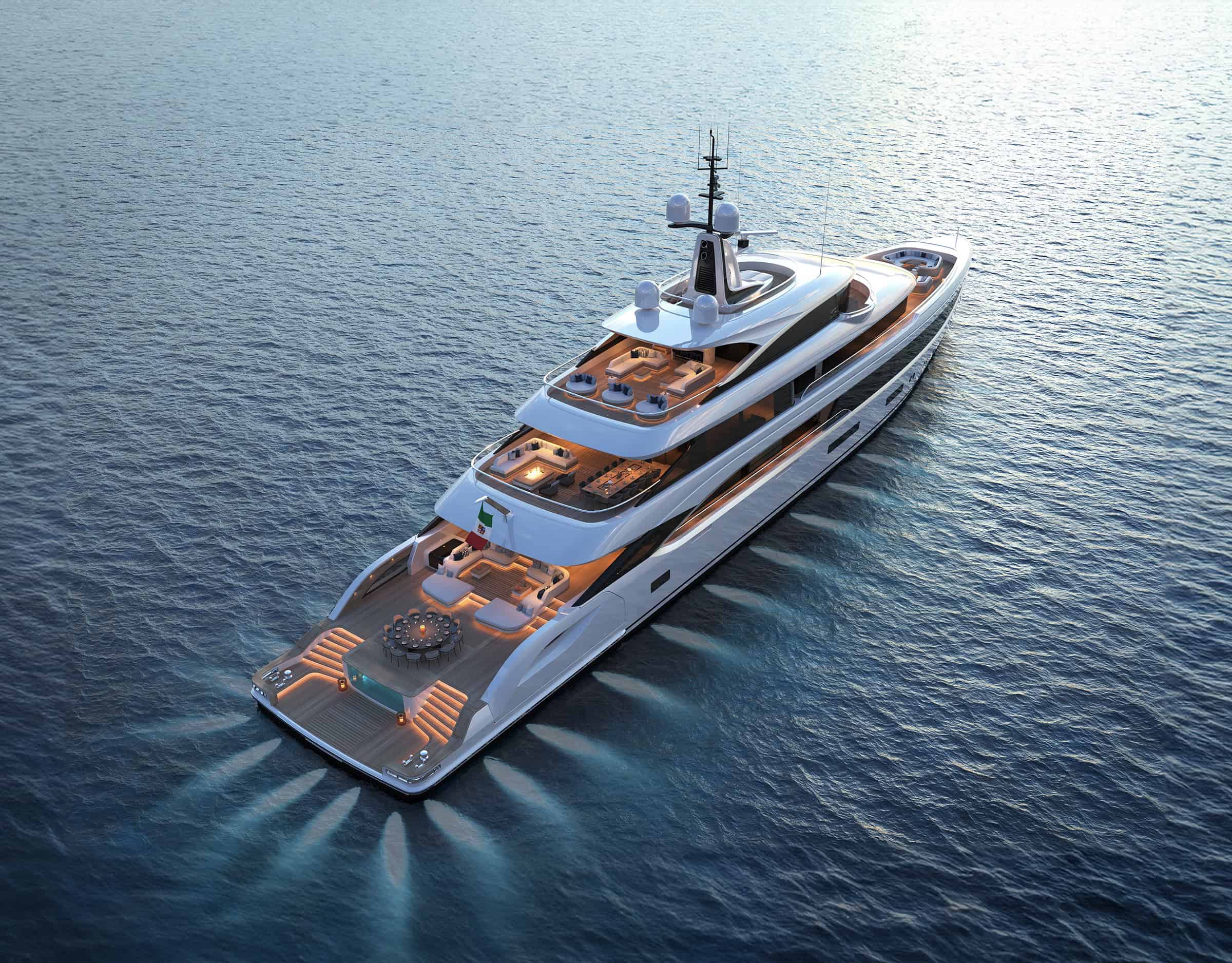


Smart Yacht Ownership in 2026
For many people, owning a yacht represents freedom, privacy, and access to the world’s most beautiful destinations. In 2026, however, yacht ownership is evolving. The smartest owners are no longer asking “How much does a yacht cost?” but instead “How do I own a yacht without carrying the full financial burden?”
The answer lies in strategic charter ownership. While a yacht should not be viewed as a traditional financial investment, placing it into a professional charter program is the most effective way to offset operating costs and enjoy the yachting lifestyle responsibly.
This is what smart yacht ownership looks like in 2026.
Understanding the True Cost of Yacht Ownership
Before discussing charter income, it’s essential to understand the financial reality of owning a yacht.
A commonly accepted industry benchmark is the 10% Rule:
-
Annual operating costs including crew salaries, maintenance, insurance, dockage, and management typically equal around 10% of the yacht’s purchase price.
For example:
-
A €5 million yacht often requires approximately €500,000 per year to operate properly.
This is where chartering becomes a strategic tool not to generate profit, but to neutralize a large portion of these ongoing expenses.
 How Chartering Makes Yacht Ownership Smarter
One of the most searched questions in 2026 is “Can yacht charter income cover ownership costs?”
The answer: partially and sometimes almost entirely when done correctly.
Charter Usage Expectations
A professionally managed yacht in a high-demand cruising area can realistically achieve:
-
12 to 20 charter weeks per year
Cost Coverage Potential
-
Charter revenue can typically cover 60% to 100% of annual operating costs
-
Peak-season charters (August, New Year’s, major events) generate the highest impact
The goal for most owners is not profit, but dramatically reduced out-of-pocket expenses while retaining personal use of the yacht.

Yacht Ownership and Tax Efficiency in 2026
One of the smartest aspects of yacht ownership often happens on land, not at sea.
When structured correctly as a legitimate charter business, yacht ownership can unlock important tax efficiencies, depending on jurisdiction.
Key Tax Advantages
-
Operational deductions: Crew salaries, fuel, maintenance, dockage, insurance, and refits may qualify as deductible business expenses
-
Depreciation strategies: Accelerated depreciation can help offset taxable income during the first years of ownership
-
Active participation benefits: In certain jurisdictions, owners who materially participate in the business may offset losses against other active income
⚠️ Tax treatment varies widely professional legal and tax advice is essential.
Choosing the Right Yacht: Buy for the Market, Not Just Yourself
Smart yacht ownership in 2026 means buying with charter demand in mind.
Best Yacht Types for Cost Coverage
-
Lower fuel consumption
-
Reduced crew requirements
-
High guest satisfaction due to space and stability
-
Among the strongest charter performers per euro invested
-
Still dominate charter demand due to speed, comfort, and layout
-
Particularly popular in the Mediterranean and Caribbean
The 5-Year Sweet Spot
Charter guests in 2026 consistently prioritize:
-
Newer yachts
-
Sustainable technologies
-
Updated interiors and systems
Yachts under five years old command higher weekly rates and maintain stronger resale value. Many smart owners plan an exit before the first major 5-year survey to optimize lifecycle costs.
FAQ: What Investors Are Asking in 2026
What is the best location for a charter investment? The “Mediterranean Summer/Caribbean Winter” circuit remains the gold standard, but 2026 has seen a surge in demand for “Explorer” routes in the Sea of Cortez and the Norwegian Fjords.
Does chartering hurt the resale value? It’s a trade-off. While the engine hours will be higher, the maintenance records are usually much more thorough, which savvy buyers appreciate.
Is it better to buy a motor yacht or a sailing yacht for charter? In 2026, motor yachts hold a larger market share (roughly 88%) due to their speed and volume, but catamarans offer the best profit margins due to lower fuel and crew requirements.
Final Thoughts: Smart Ownership, Not Financial Investment
In 2026, the smartest way to own a yacht is not by treating it as a profit-generating investment, but as a strategically managed luxury asset.
If your goal is:
-
To enjoy yachting without absorbing 100% of the costs
-
To maintain your yacht in top condition
-
To operate with financial and tax efficiency
Then placing your yacht into a professional charter program is one of the most intelligent ownership decisions you can make.
You’re not buying returns.
You’re buying freedom and letting the market help pay for it.