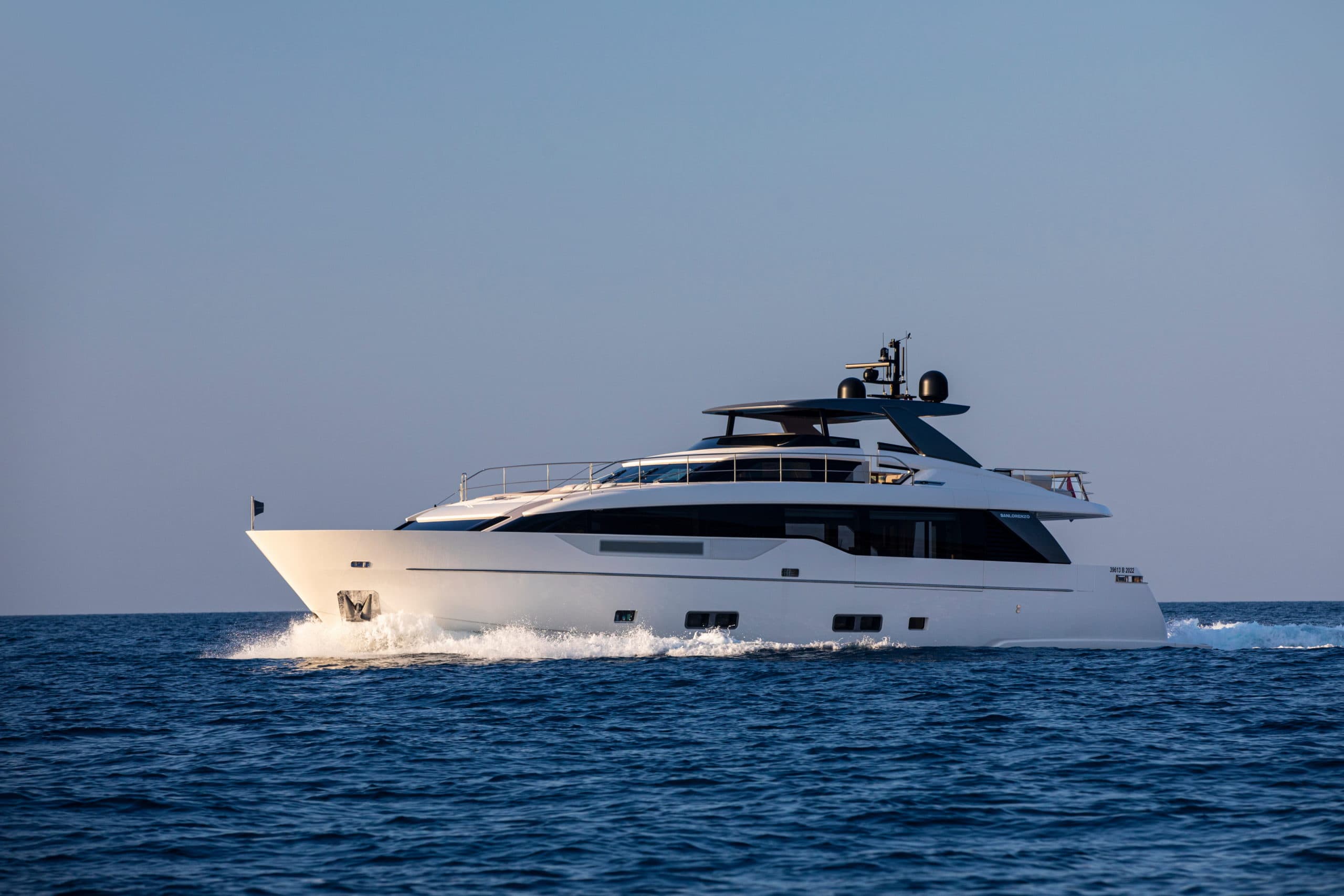
A yacht’s resale value is determined by shipyard pedigree, hull maintenance history, engine hours, and classification status (e.g., Lloyd’s Register). Preserving asset equity requires proactive maintenance logs, regular refits, and strategic timing within five-year survey cycles.
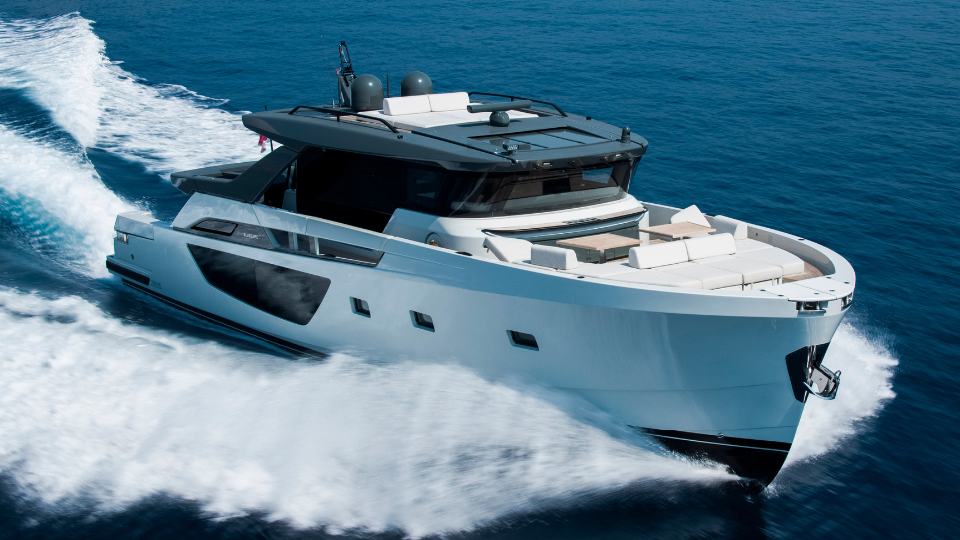
The Foundations of Maritime Asset Valuation
In the upper echelons of luxury asset management, a superyacht is rarely viewed merely as a luxury purchase; it is treated as a highly complex exercise in capital preservation. While all vessels experience depreciation, the slope of that decline is not uniform. The difference between an asset that plummets in value and one that holds its equity lies in a matrix of engineering, heritage, and meticulous management.
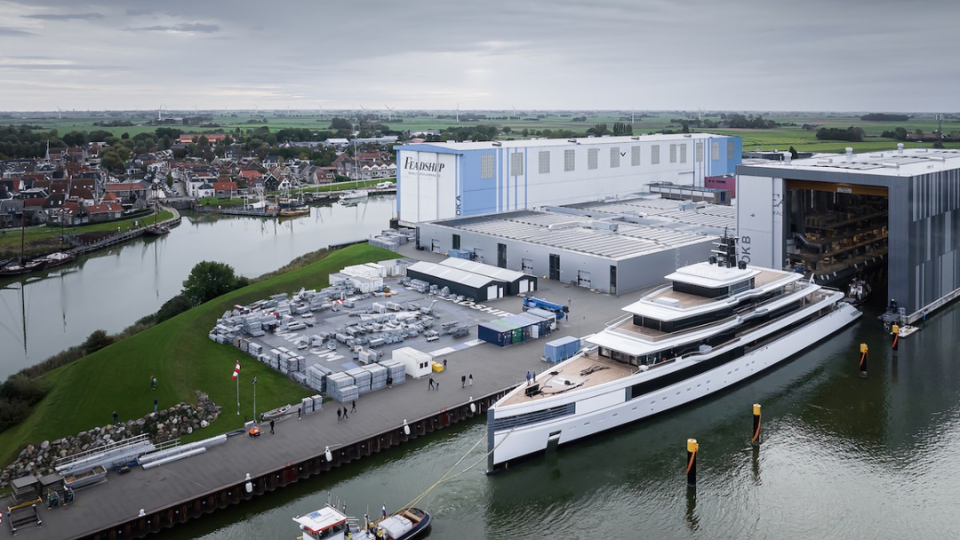
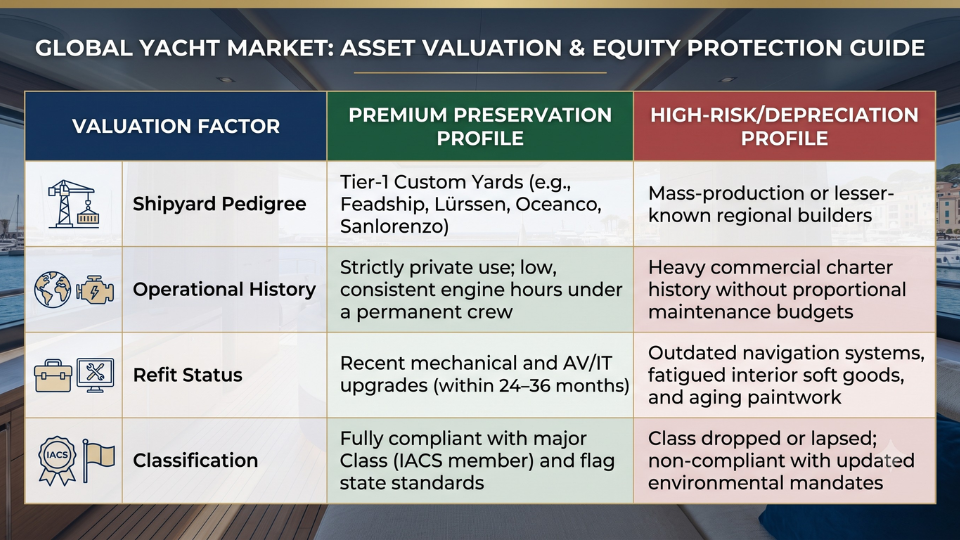
The foundational pillar of yacht resale value is pedigree. Much like fine art or real estate, the shipyard that laid the hull dictates its baseline market desirability. Vessels constructed by elite Northern European yards—such as Feadship, Lürssen, or Abeking & Rasmussen—command a significant premium on the brokerage market. These shipyards possess a reputation for uncompromising build quality, exceptional naval architecture, and timeless design, ensuring their hulls retain a high percentage of their initial value decades after launch.
Technical Metrics: The Data That Dictates the Price
Beyond the name on the hull, savvy buyers and marine surveyors dissect a yacht’s operational data to determine its true market value. The glittering interior finishes are easily changed; the mechanical backbone of the vessel is not.
The Five-Year Hurdle: Class Recertification
For yachts built to commercial class standards (such as Lloyd’s Register, RINA, or ABS), the five-year survey cycle is the most critical financial checkpoint. As a yacht approaches its five-year, ten-year, or fifteen-year survey, its resale value will face downward pressure if these extensive, multi-million-dollar inspections have not been completed. Buyers frequently demand steep discounts if they must inherit the financial and operational burden of an imminent class recertification.
Engineering Logs and Engine Hours
The main propulsion systems and generators are the heart of the vessel’s value. High engine hours naturally reduce resale pricing, but the regularity of service is far more critical.
-
W6 Overhauls: Buyers look for documented compliance with major manufacturer overhaul schedules (such as an MTU W6 service).
-
Detailed Logs: A complete, unbroken paper trail of oil analyses, parts replacements, and preventative maintenance adds immense transparency, lowering the buyer’s risk premium.

Asset Metrics: Operational and Heritage Factors
To maximize equity preservation, owners must understand how different operational profiles alter a vessel’s depreciation slope.
Market Dynamics & Strategic Equity Protection
Navigating the brokerage market requires an understanding of evolving macro trends and technical compliance. In the current 2026 maritime landscape, sustainability and technological relevance have become primary value drivers.
The “Refit Premium” and Tech Upgrades
An older hull can achieve a significant valuation lift if it has undergone a strategic refit. However, modern buyers are less swayed by new marble countertops and more focused on technological infrastructure. Upgrades that actively protect resale value include:
-
IMO Tier III Compliance: Retrofitted selective catalytic reduction (SCR) systems that allow access to strict Emission Control Areas (ECAs).
-
Green Integration: Advanced battery banks for silent hotel loads and hybrid propulsion configurations.
-
Connectivity: State-of-the-art AV/IT infrastructure, specifically robust Starlink maritime integration.
Charter vs. Private Usage
A common dilemma for owners is whether to place their yacht on the charter market to offset operational costs. While chartering generates revenue, the increased wear and tear, accelerated engine hours, and interior fatigue can negatively impact resale value. A yacht that has been “strictly private” and maintained by a permanent, protective crew consistently commands a premium at brokerage.
Authority & Architecture: Internal and External Connections
To expand your understanding of luxury yacht acquisition and asset protection, reference these essential industry pillars:
Recommended Internal Reading
-
Financial Strategy: Calculating the Total Cost of Superyacht Ownership: Maintenance, Crew, and Berthage
-
The Refit Guide: How to Structure a Shipyard Refit to Maximize Future Brokerage Returns
-
Contractual Nuances: The Role of Central Agency Agreements in High-Value Yacht Sales
High-Authority External References
FAQs
How much does a yacht typically depreciate in its first year?
A new luxury yacht typically experiences a 10% to 15% depreciation in its first year of ownership. This initial drop stabilizes over the subsequent three to five years, provided the vessel is backed by a reputable shipyard pedigree and a meticulous maintenance program.
Do engine hours matter more than the age of a yacht?
In many cases, yes. A well-maintained, ten-year-old yacht with low engine hours and documented manufacturing service intervals can hold higher resale value than a five-year-old yacht with high engine hours and a history of heavy commercial charter use.
What is the impact of hull material on yacht resale value?
Steel and aluminum hulls found on custom superyachts hold their value exceptionally well due to their structural longevity and ease of repair during refits. GRP (Glass Reinforced Plastic/Fiberglass) hulls are highly durable for production and semi-custom vessels but can face steeper depreciation if osmosis or structural fatigue is detected during a marine survey.