Following the Monaco Yacht Show, prospective superyacht buyers pivot from aesthetic evaluation to technical due diligence. Key priorities include IMO Tier III emissions compliance, Gross Tonnage (GT) efficiency, off-market inventory access, sea trial performance, and crew operational dynamics.
As the last champagne flutes are cleared from Port Hercule and the world’s premier fleet departs the Principality, the atmosphere surrounding superyacht acquisition undergoes a quiet shift. The glamour of the Monaco Yacht Show (MYS) gives way to the deliberate, analytical reality of bespoke vessel acquisition.
For high-net-worth individuals, family offices, and seasoned charterers, MYS functions as a sensory showcase. However, the true buying process begins once the dockside buzz quietens. Moving from inspiration to executed contract requires stepping past ambient lighting and bespoke interiors to evaluate a vessel’s technical, legal, and operational foundation.

The Post-Show Pivot: From Emotional Aesthetic to Marine Engineering
During the show, buyers experience yachts under ideal, static conditions. Once the Mediterranean waters settle, attention turns to how a vessel performs at sea and how effectively its volume supports extended living.
-
Volume Efficiency (Gross Tonnage vs. LOA): Modern buyers look beyond simple Length Overall (LOA) to evaluate Gross Tonnage (GT). A vessel optimized for internal volume offers expansive living space without pushing length into higher regulatory brackets or restrictive marina berth fee tiers.
-
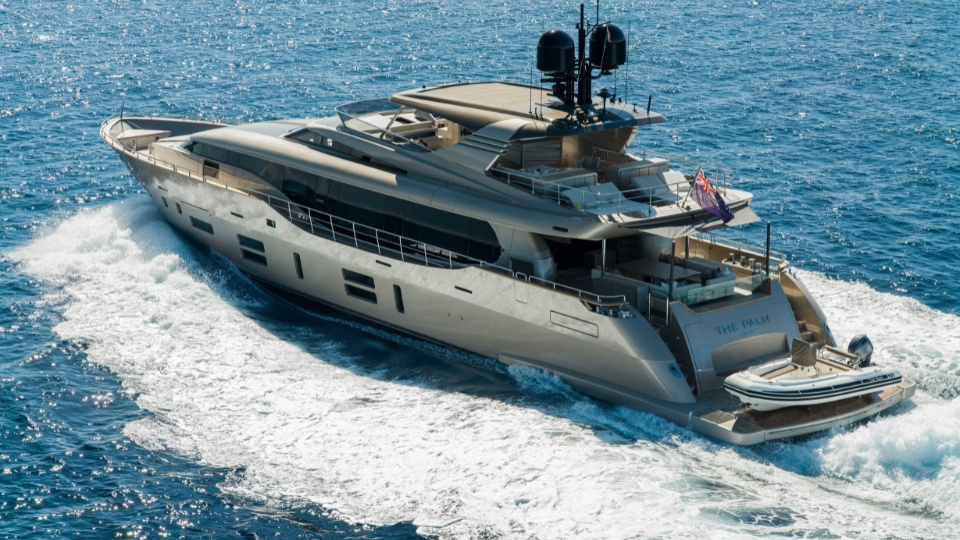
Hull Architecture & Sea Keeping: High-net-worth buyers engage independent naval architects to review hull profiles—whether full displacement, semi-displacement, or fast displacement—alongside zero-speed stabilization systems (fin or gyroscopic) to ensure stability at anchor and fuel-efficient long-range cruising.
-
Noise and Vibration Mitigation: World-class pedigree yards like Lürssen, Feadship, Heesen, and Benetti excel in acoustic isolation. Post-show due diligence involves reviewing decibel-level logs across owner suites and VIP staterooms during active engine and generator runs.
The Technical Audit: Operational & Regulatory Due Diligence
A superyacht is an architectural achievement and a complex maritime power plant. Buyers entering the post-show phase prioritize long-term compliance and engineering integrity to safeguard capital investment.
-
IMO Tier III Compliance: International Maritime Organization (IMO) Tier III regulations mandate significant reductions in Nitrogen Oxide (NOx) emissions within designated Emission Control Areas (ECAs). Buyers examine whether main engines and generators incorporate Selective Catalytic Reduction (SCR) systems or if expensive retrofits will be required.
-
Propulsion and Energy Efficiency: Interest in hybrid-electric battery banks, exhaust heat recovery, and alternative fuel readiness continues to rise. Buyers look for propulsion configurations that lower fuel consumption, enable silent overnight operation, and extend main engine service intervals.
-
Classification and Flag State Audits: A central step is auditing class survey records with entities such as Lloyd’s Register, DNV, or RINA. Buyers review upcoming 5-year or 10-year special surveys to factor anticipated yard time and capital expenditure into purchase negotiations.
-
Crew Ergonomics & Operations: High crew retention correlates directly with exceptional guest experiences and meticulous maintenance. Post-show reviews inspect crew quarters, mess areas, and service corridors to confirm operational ergonomics and compliance with Maritime Labour Convention (MLC) standards.
Transaction Execution: Off-Market Access & Final Agreements
Not every purchase originates from the yachts moored along Quai Antoine 1er. Many of the most compelling transactions take shape quietly in the weeks following the show.
-
Unlocking Off-Market Inventory: MYS serves as a benchmark for owners evaluating market sentiment. Working through trusted brokerage houses gives buyers access to discreet, unlisted inventory made available post-event.
-
The MYBA Memorandum of Agreement (MOA): Once a target vessel is selected, legal teams structure the deal using standard maritime frameworks like the MYBA MOA. This document establishes deposit protocols, comprehensive inventory lists, and survey contingencies.
-
Sea Trials and Engineering Surveys: Finalizing the purchase relies on a full Hull & Machinery survey and exhaustive sea trials. Independent marine surveyors test all onboard systems under maximum load, verifying speed, fuel burn rates, emergency maneuvers, and system redundancies.
Frequently Asked Questions
Q: What is the most critical technical factor buyers evaluate after the Monaco Yacht Show?
A: Buyers prioritize Gross Tonnage (GT) efficiency and propulsion compliance—specifically IMO Tier III emissions standards—to ensure the vessel can access environmental protection zones without requiring costly engineering retrofits.
Q: How long does the superyacht acquisition process take after initial contact at MYS?
A: The process typically takes 60 to 90 days. This timeline accounts for negotiating the Memorandum of Agreement (MOA), conducting haul-out surveys and sea trials, auditing flag state records, and completing legal transfer procedures.
Q: Why do buyers seek off-market yachts immediately following the show?
A: Owners often gauge buyer demand during MYS before deciding to sell. Qualified buyers target off-market opportunities right after the show to secure high-quality vessels without entering public bidding environments.
Q: How do buyers verify a superyacht’s true operational condition during post-show due diligence?
A: Buyers appoint independent marine surveyors and naval architects to inspect classification records, review engine maintenance logs, analyze sound/vibration reports, and conduct full-power sea trials to test performance under operational load.
Q: What hidden costs should buyers analyze during post-MYS negotiations?
A: Critical financial factors include upcoming 5-year class special surveys, required IMO retrofits, teak deck and paint remediation, flag re-registration fees, and regional tax considerations such as EU VAT.
Q: Why is crew space evaluation a priority for post-show buyers?
A: Adequate crew accommodation, well-designed service routes, and compliant mess facilities directly impact crew retention and onboard service quality, making them key considerations for long-term operational success.
Q: What role does a Classification Society play during a post-show yacht acquisition?
A: Classification societies (such as Lloyd’s Register or DNV) audit the vessel to confirm its hull, machinery, and safety systems conform to strict international seaworthiness standards, protecting the buyer from uncertified structural risks.