Yacht making companies sit at the intersection of boat construction, luxury design, and serious marine engineering. Some build accessible production boats in repeatable series, while others create one-off custom yachts that take years of planning, engineering, and craftsmanship. For buyers, enthusiasts, and industry watchers, understanding the major yacht builders means looking at more than brand prestige: region, materials, customization model, after-sales support, and build philosophy all matter.
Who are the top yacht makers today?
The top yacht makers include a mix of specialist luxury yacht makers, diversified boat manufacturers, and large luxury yacht builders. Names such as Azimut-Benetti, Sanlorenzo, Princess Yachts, Ferretti Group, Sunseeker, Feadship, and Heesen appear often because they represent different segments of the market: full custom superyachts, semi-custom luxury yachts, and high-end production motor yachts. Azimut-Benetti and Sanlorenzo, for example, lead the global order book for luxury superyachts, showing how prestige, design, and craftsmanship define leadership in the luxury yachting industry.
The most exclusive yacht builders are not always the biggest by revenue. A shipyard building a handful of 80-meter custom yachts is operating very differently from a company producing many smaller boats across multiple brands. That is why any useful overview should separate builders by the type of yacht they make, the level of customization they offer, and the cruising lifestyle they support.
The main yacht categories shape the builder shortlist
Most yacht making companies can be grouped around two basic yacht types: motor yachts and sailing yachts. Motor yachts usually prioritize speed, range, interior volume, entertainment space, and owner convenience. Sailing yachts place more emphasis on sail handling, hull efficiency, balance, and the experience of moving under wind power, although modern sailing superyachts can be highly complex and luxurious.
A second distinction is just as important: production, semi-custom, smart custom, and full custom. Production yachts follow repeatable designs, which can reduce delivery time and simplify maintenance because systems and layouts are familiar. Semi-custom yachts give owners a proven platform with meaningful choices in finishes, layouts, equipment, and styling. Full custom yachts begin with a blank sheet, allowing the owner, designer, naval architect, and shipyard to create a vessel around a highly specific brief.
A practical way to think about the market is:
- Production yachts: Best for buyers who want a known model, faster availability, and established service networks.
- Semi-custom yachts: Best for owners who want personalization without starting every engineering decision from zero.
- Smart custom yachts: Best for buyers who want a proven technical platform with deeper design flexibility.
- Full custom yachts: Best for owners seeking a unique vessel where layout, exterior profile, propulsion, materials, and onboard lifestyle are created around them.
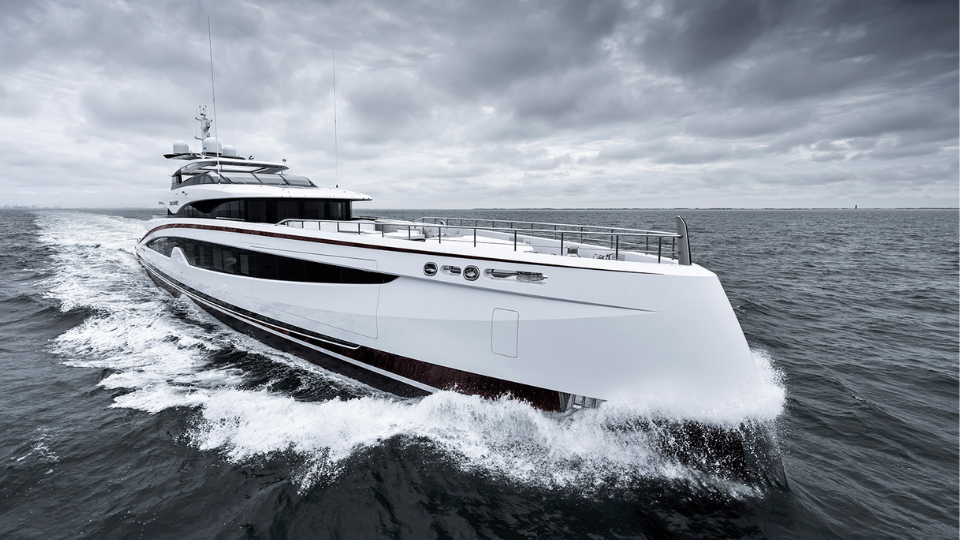
Heesen is a clear example of this layered approach. Its Series yachts use proven designs, its Smart Custom concept offers customization on an engineered platform, and its Full Custom route is for owners who want a unique yacht developed from scratch; the shipyard is also known for aluminum and steel construction. (heesenyachts.com)
Northern Europe is the center of custom superyacht craftsmanship
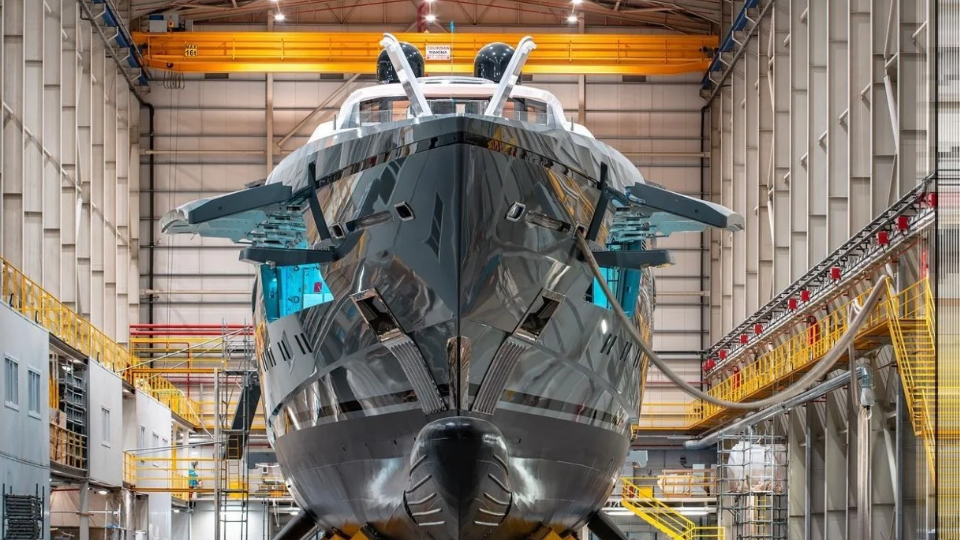
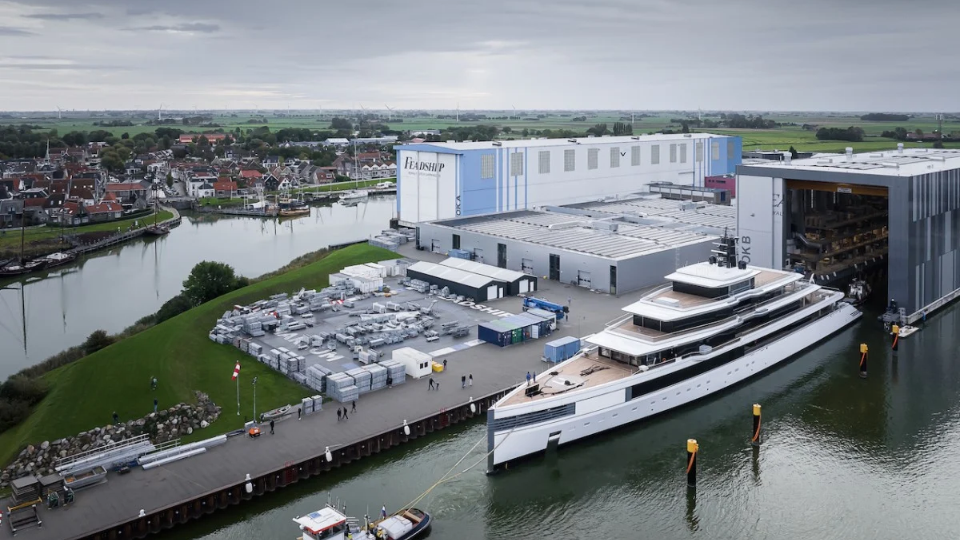
Northern Europe, especially the Netherlands and Germany, has a strong reputation for full custom and semi-custom superyacht construction. Feadship, Lürssen, Oceanco, and Heesen are often associated with complex engineering, high-end finishing, and yachts built for demanding long-range use. Feadship describes its work as “pure custom,” with locations in the Netherlands, while Lürssen presents itself as a builder of bespoke motor yachts from large yachts to gigayachts.
The Northern European appeal is partly about confidence. Buyers at the top end often care about build pedigree, survey standards, technical documentation, and long-term resale perception. The yacht may be a private retreat, a charter asset, or a long-distance cruising platform, so engineering discipline matters as much as beautiful interiors.
Materials play a major role here. Steel is often chosen for larger displacement yachts because it offers strength and durability. Aluminum is valued where weight savings, performance, or complex superstructures are priorities. Modern boat construction also depends on vibration control, noise reduction, stabilizers, HVAC design, electrical integration, and increasingly sophisticated bridge and monitoring systems.
Italy blends performance, style, and broad luxury appeal
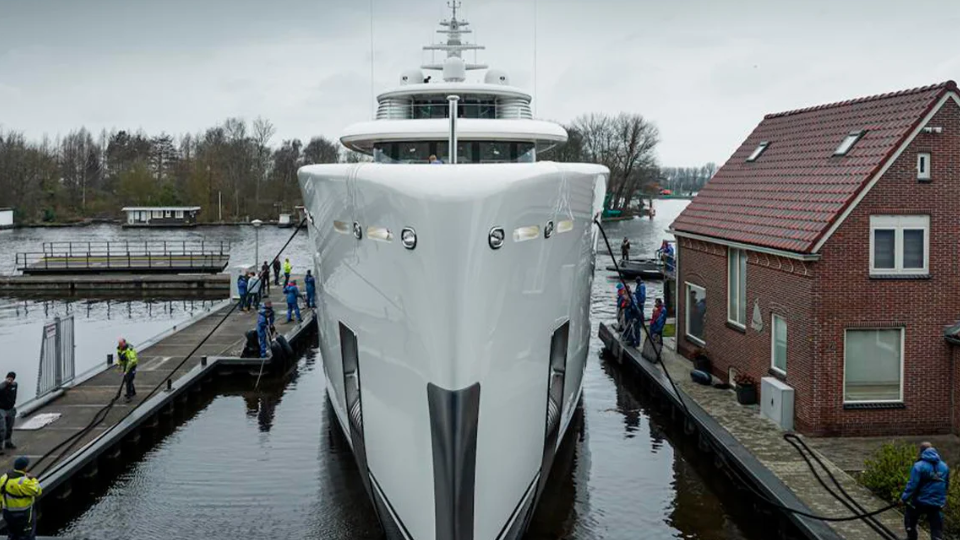
Italian yacht builders are closely associated with exterior elegance, refined interiors, and a strong sense of lifestyle. Azimut and Benetti serve different but connected parts of the market: Azimut offers motor yachts across multiple lines, while Benetti builds megayachts from 37 meters to more than 100 meters, according to the Azimut|Benetti Group’s brand information.
Ferretti Group is another major Italian force, with brands including Riva, Wally, Ferretti Yachts, Pershing, Itama, CRN, and Custom Line. Its 2024 annual report describes these brands as connected to luxury, Italian design, craftsmanship, innovation, and performance, and reports net revenue of €1.2403 billion for that year.
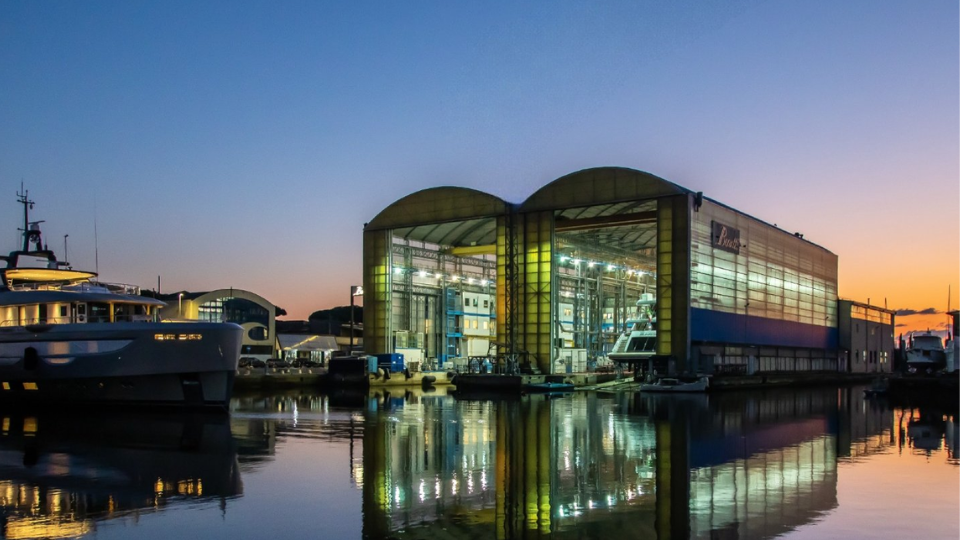
Sanlorenzo occupies a distinctive position with its made-to-measure philosophy. The company describes itself as a global luxury yachting brand focused on design, production, sale, and customization of yachts and superyachts, with composite yachts, aluminum and steel superyachts, and related brands in its portfolio.
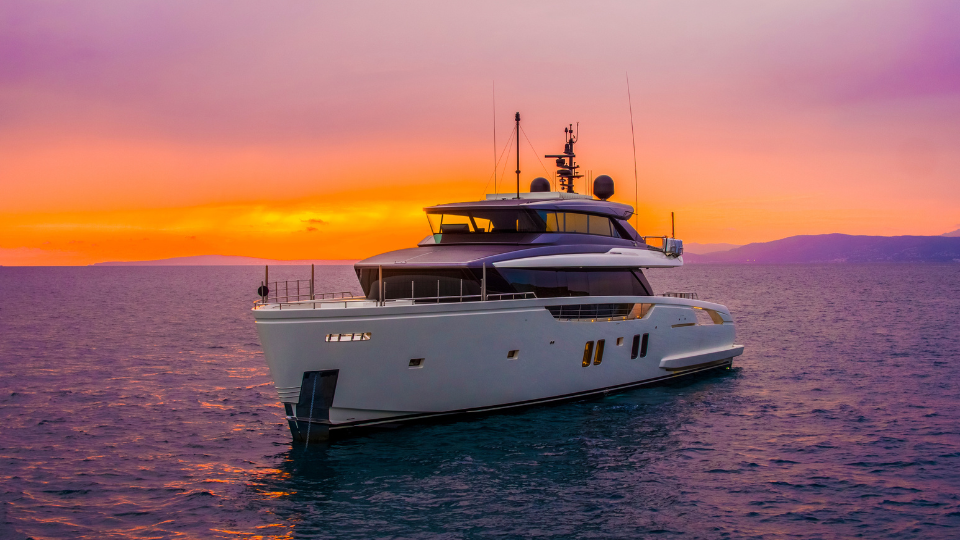
For buyers, the Italian advantage is often emotional as well as technical. These are yachts designed for Mediterranean living: open decks, beach clubs, fast passages between ports, social interiors, and strong visual identity. Many are semi-custom rather than fully custom, which can make them attractive to owners who want luxury and personalization without the open-ended complexity of a one-off superyacht.
Production boat manufacturers bring scale and accessibility
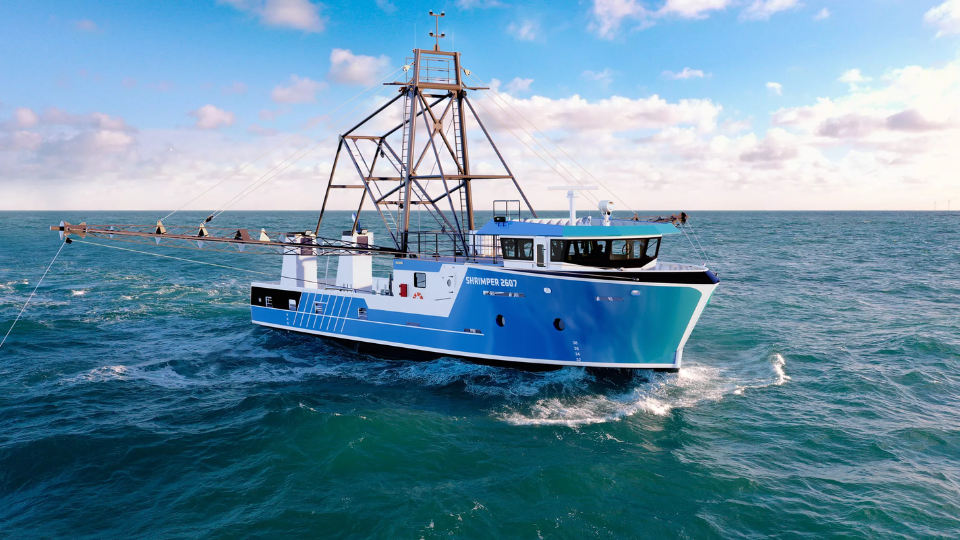
Not every yacht buyer is looking for a 70-meter superyacht. Many boat manufacturers focus on smaller motor yachts, sailing yachts, fishing boats, day boats, and family cruisers. These companies often dominate by unit volume, dealer networks, and brand portfolios rather than by one-off luxury projects.
Groupe Beneteau is a useful example. Its Boat division offers more than 135 models through nine brands, covering sailing and motorboating, monohulls and catamarans. This kind of range matters for buyers who want choice, serviceability, and a clearer ownership path. A production cruiser may not deliver the exclusivity of a full custom build, but it can provide a more predictable route into yacht ownership.
In North America, large recreational boating groups often emphasize sport boats, fishing boats, pontoons, day cruisers, and family-friendly motor yachts. Brunswick’s portfolio includes recognizable recreational brands such as Bayliner, Boston Whaler, Harris, Lund, and Sea Ray, showing how scale can come from serving many boating segments rather than only the luxury superyacht niche.
What separates great yacht builders from average ones?
Great yacht builders combine design taste, engineering control, transparent project management, and dependable support after delivery. A beautiful yacht can disappoint if systems are difficult to maintain, access panels are poorly planned, weight estimates are weak, or the builder cannot support the vessel once it leaves the yard. In high-end boat construction, quality is not one feature; it is the coordination of thousands of choices.
Important evaluation criteria include:
- Engineering depth: Look for strong naval architecture, proven hull forms, reliable systems integration, and a realistic approach to performance claims.
- Material expertise: Steel, aluminum, and GRP each require different construction skills, maintenance expectations, and design compromises.
- Customization process: A good builder explains where owner input is flexible and where technical constraints protect safety, classification, or performance.
- Project communication: Complex builds need clear milestones, change-order discipline, and honest conversations about timing.
- After-sales support: Service, warranty response, refit capability, spare parts access, and documentation affect the ownership experience.
- Resale perception: Reputation, condition, specification, and build pedigree all influence how the yacht is viewed later.
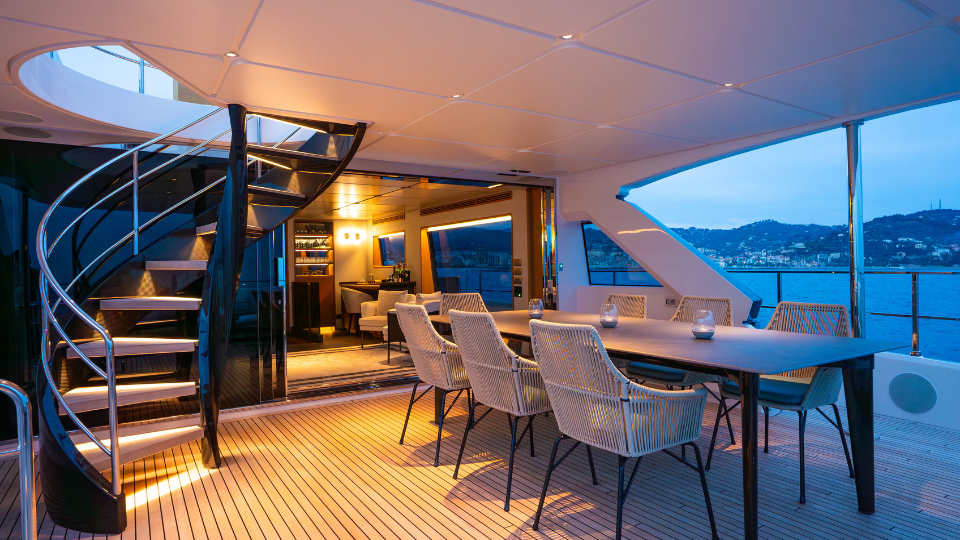
This is where marine engineering becomes visible to the owner. It is not only about engines and generators. It includes fuel systems, exhaust routing, stabilizers, watermakers, shore power, battery systems, fire safety, tenders, davits, crew circulation, and the ability to maintain everything without dismantling half the yacht.
Sustainability is becoming part of yacht design
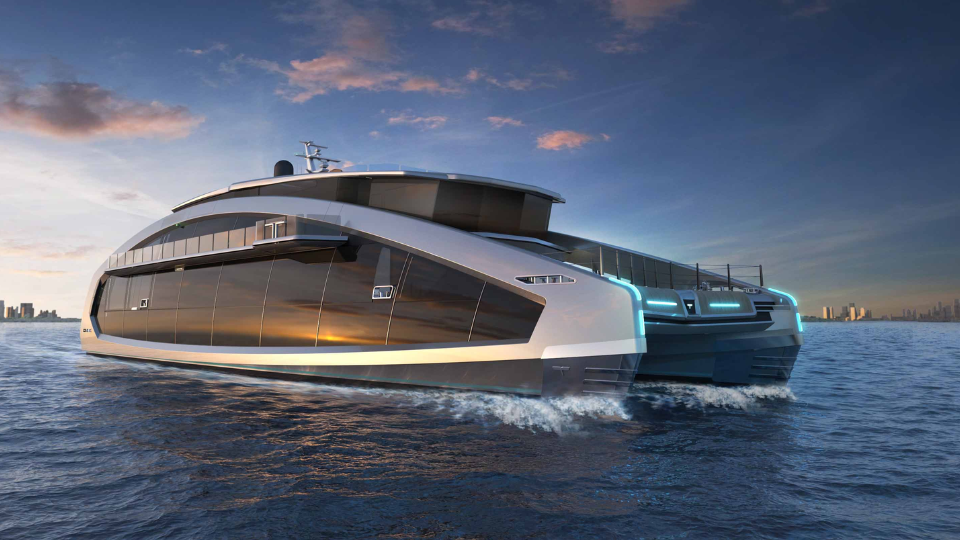
Yacht building is still resource-intensive, but sustainability is becoming harder for luxury yacht makers to ignore. Owners increasingly ask about fuel efficiency, hybrid propulsion, lightweight materials, waste handling, quieter operation, and lower-impact construction practices. Some shipyards frame this as innovation, while others treat it as a response to changing owner expectations and marina regulations.
The most practical sustainability gains often come from engineering basics: efficient hull design, right-sized propulsion, reduced weight, better hotel-load management, and systems that discourage unnecessary generator use. Hybrid propulsion can help in certain operating profiles, especially where silent running, efficient maneuvering, or reduced local emissions are priorities. However, the right solution depends on how the yacht will actually be used.
For buyers, the smart question is not simply “Is it green?” It is “Which design choices reduce waste, fuel burn, noise, or maintenance burden without compromising safety and usability?” A responsible builder should be able to explain those trade-offs clearly.
How should a buyer choose between yacht making companies?
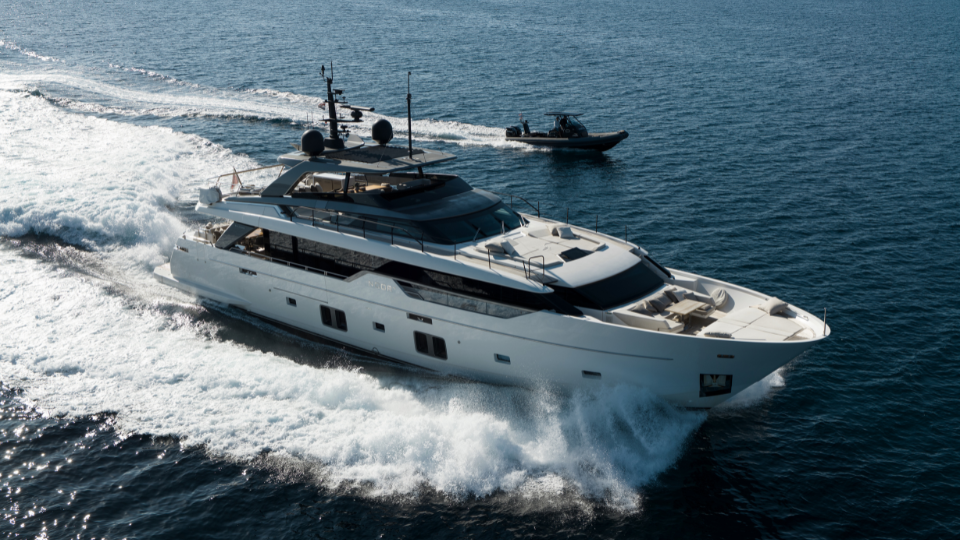
A buyer should start with cruising plans, preferred ownership style, and tolerance for complexity, then shortlist yacht builders that specialize in that type of vessel. Someone who wants a family cruiser for seasonal use should not evaluate shipbuilding companies the same way as an owner planning a full custom explorer yacht. The best builder is the one whose experience matches the mission.
Use this simple decision filter before comparing brands:
- Where will the yacht cruise? Mediterranean day trips, Caribbean charter, global exploration, and high-latitude passages require different designs.
- How much personalization matters? If layout, exterior profile, and technical systems must be unique, a full custom yard may be appropriate.
- How soon is delivery needed? Production and semi-custom yachts usually offer a more predictable path than a blank-sheet project.
- Who will operate it? Owner-operated yachts, professionally crewed yachts, and charter yachts have different layout and system needs.
- What support is available? Dealer networks, refit yards, warranty handling, and parts access can matter as much as the original build.
The emotional side still matters. Yacht ownership is about freedom, privacy, hospitality, and identity. But the most satisfying projects usually balance that dream with disciplined technical choices.
The takeaway for comparing yacht builders
The world of yacht making companies is broad: Dutch and German yards often lead the conversation in full custom superyachts, Italian builders bring style and performance to luxury motor yachts, and global boat manufacturers make yacht ownership more accessible through production scale. Revenue leaders and prestige leaders are not always the same, so comparisons should be based on yacht type, build model, engineering quality, and intended use.
If you are studying the market, start with the mission of the yacht rather than the logo on the transom. The right builder will understand how you plan to cruise, how much customization you need, and what level of technical support the yacht will require over time. In a market where beauty gets attention, the best yacht builders earn loyalty through craftsmanship, clarity, and engineering that still feels right years after delivery.
Frequently Asked Questions (FAQ)
- What distinguishes luxury yacht manufacturers from standard boat builders?
Luxury yacht manufacturers focus on high-end, customizable designs that often involve complex engineering and craftsmanship, whereas standard boat builders typically offer more accessible production models.
- What are the different categories of yachts?
Yachts can be primarily categorized into motor yachts and sailing yachts, with further distinctions between production, semi-custom, smart custom, and full custom builds.
- Why are Northern European shipyards so renowned for yacht building?
Northern European shipyards, such as those in the Netherlands and Germany, are known for their high-quality craftsmanship, engineering standards, and pedigree in building complex superyachts.
- How should buyers choose between yacht manufacturers?
Buyers should consider their cruising plans, desired level of customization, delivery timeline, and the availability of after-sales support when selecting a yacht manufacturer.
- What role does sustainability play in yacht construction?
Sustainability is becoming increasingly important in yacht design, with a focus on fuel efficiency, hybrid propulsion, and environmentally friendly materials, responding to owner expectations and regulatory standards.
- What makes a great yacht builder?
Great yacht builders combine exceptional design aesthetics with engineering precision, clear project management, and reliable after-sales support, ensuring a satisfactory ownership experience.