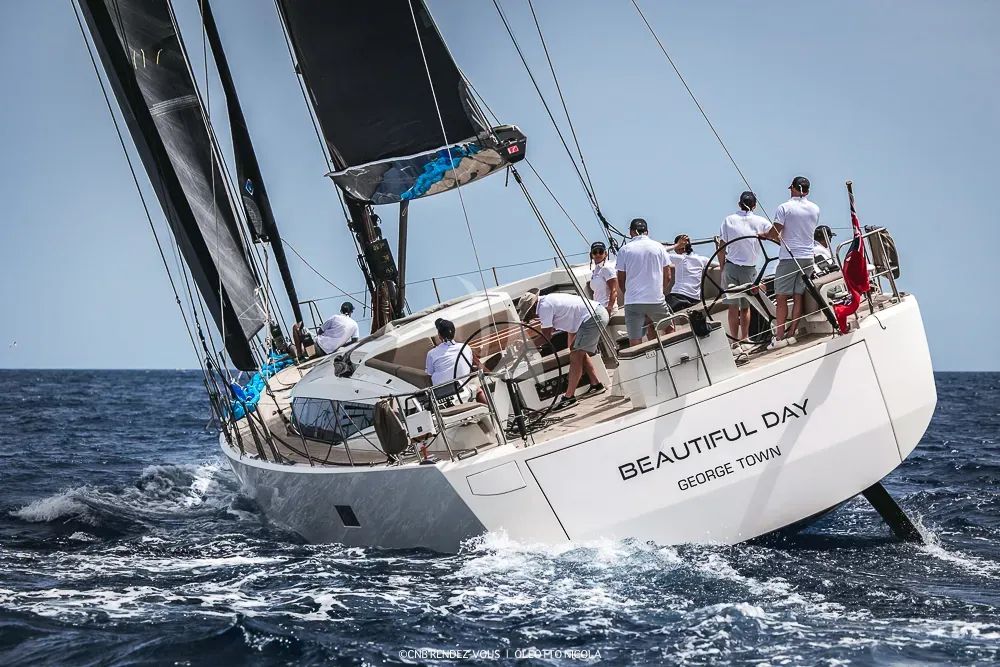
Why Charter a Yacht on the French Riviera?
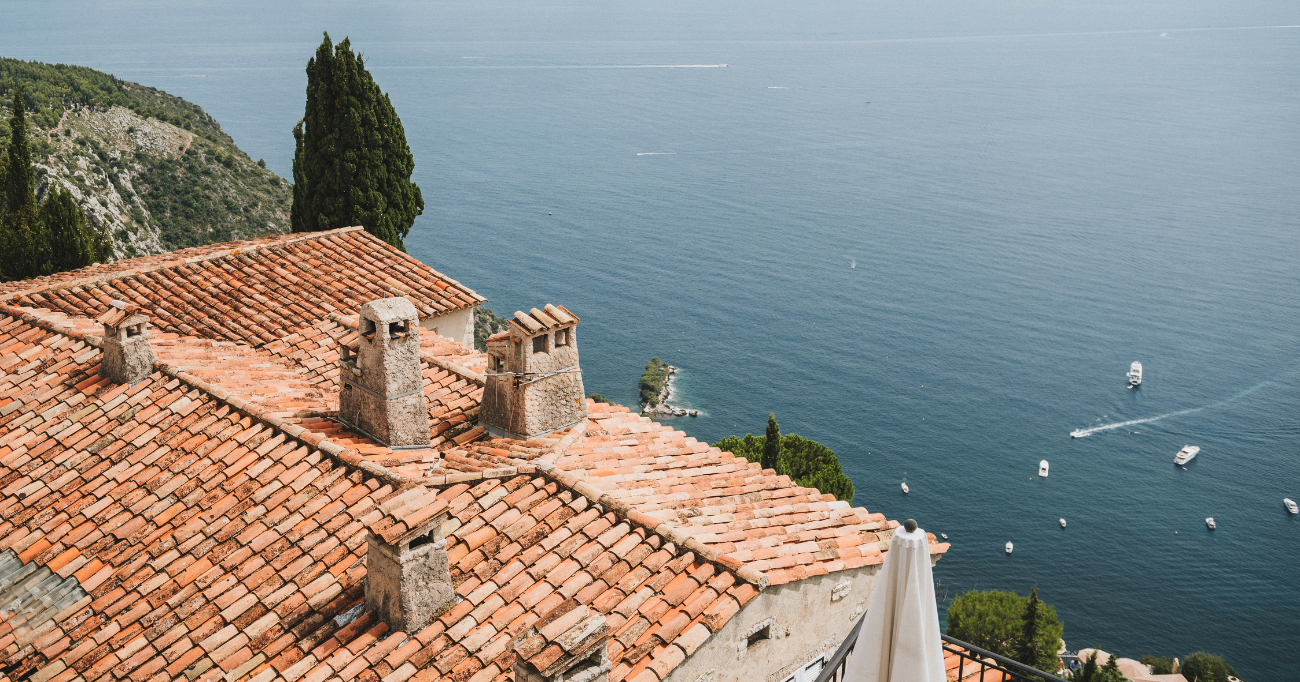
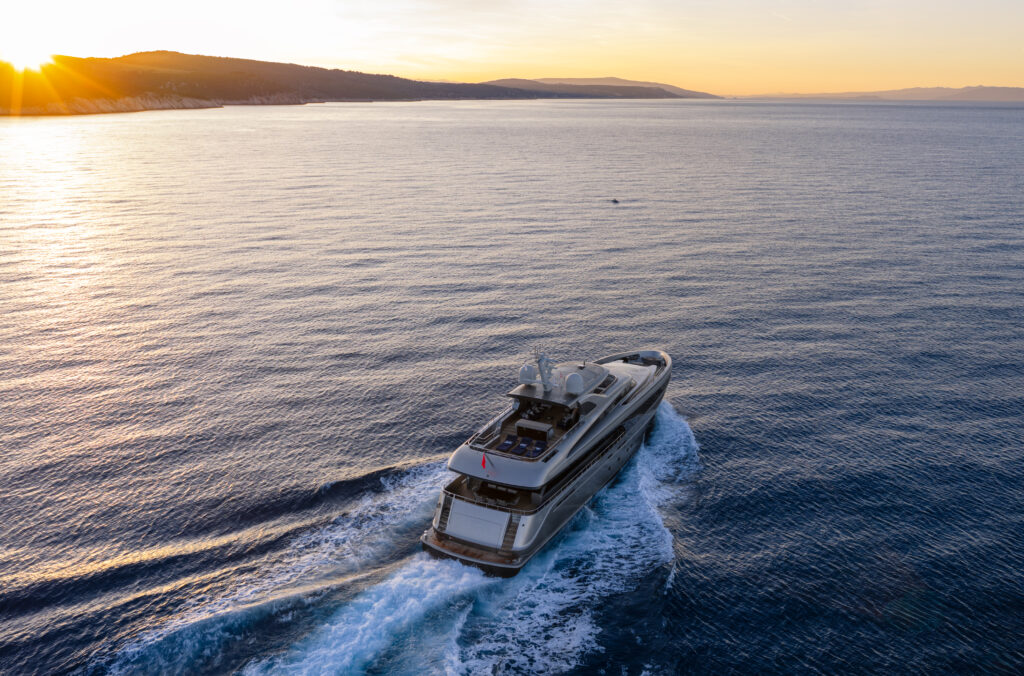
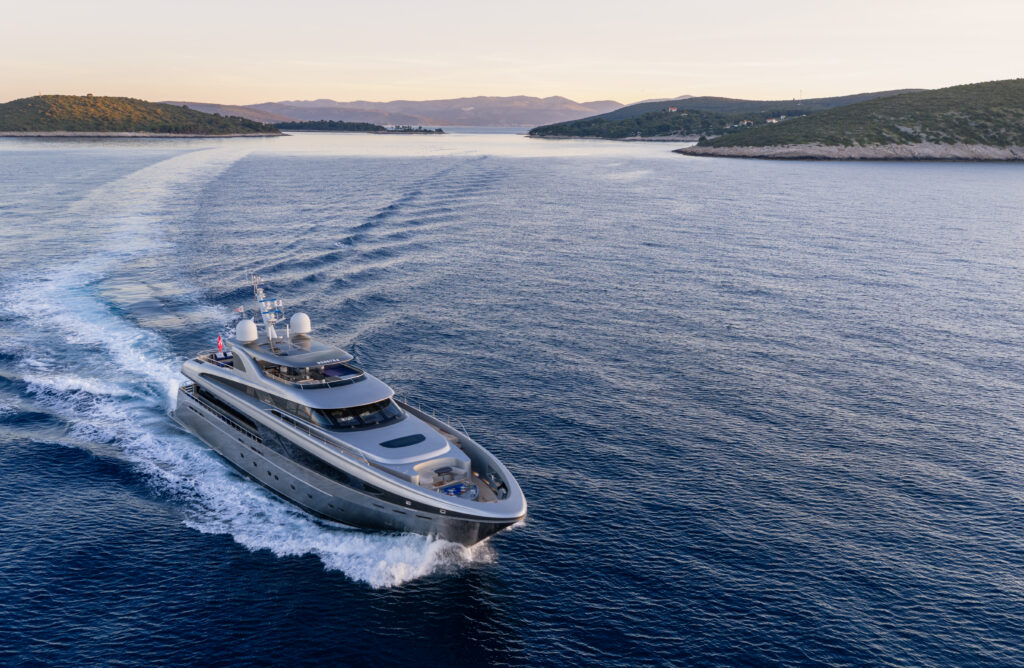
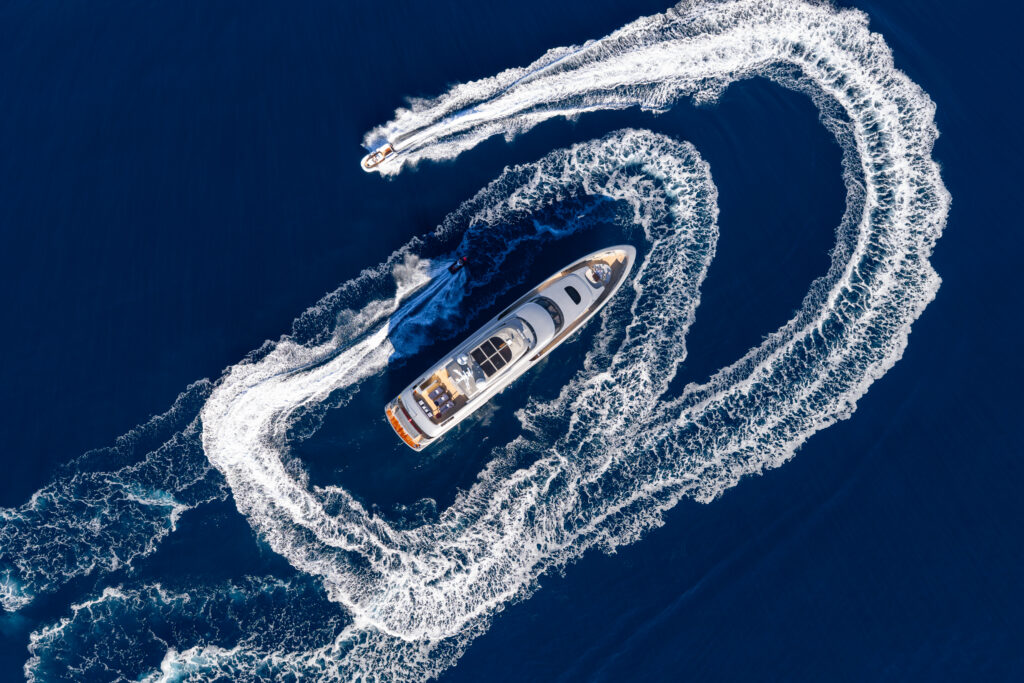
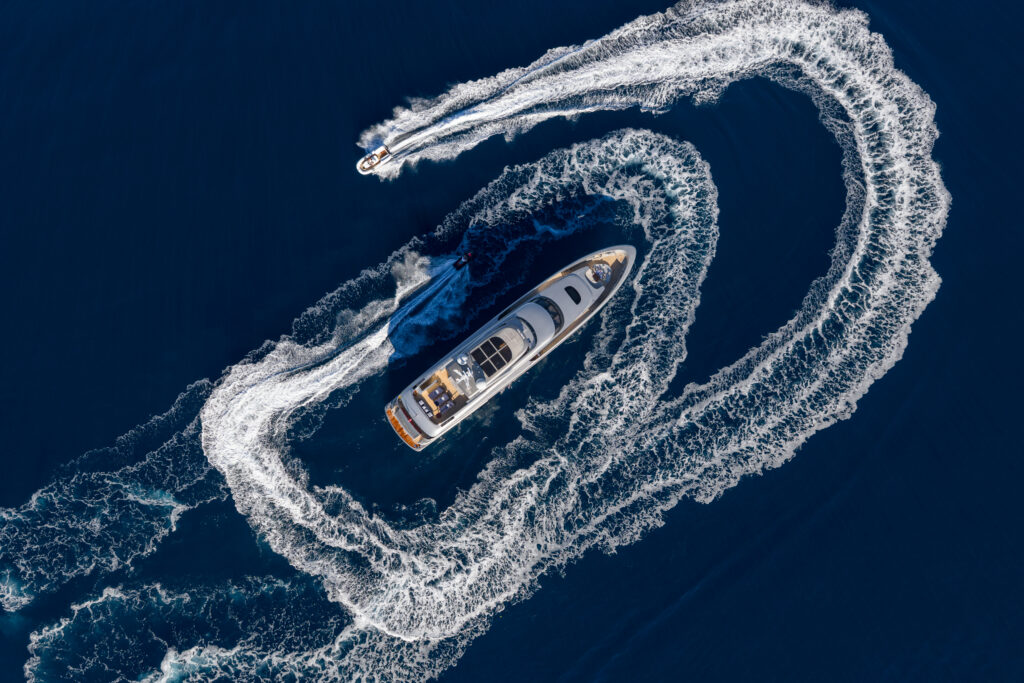
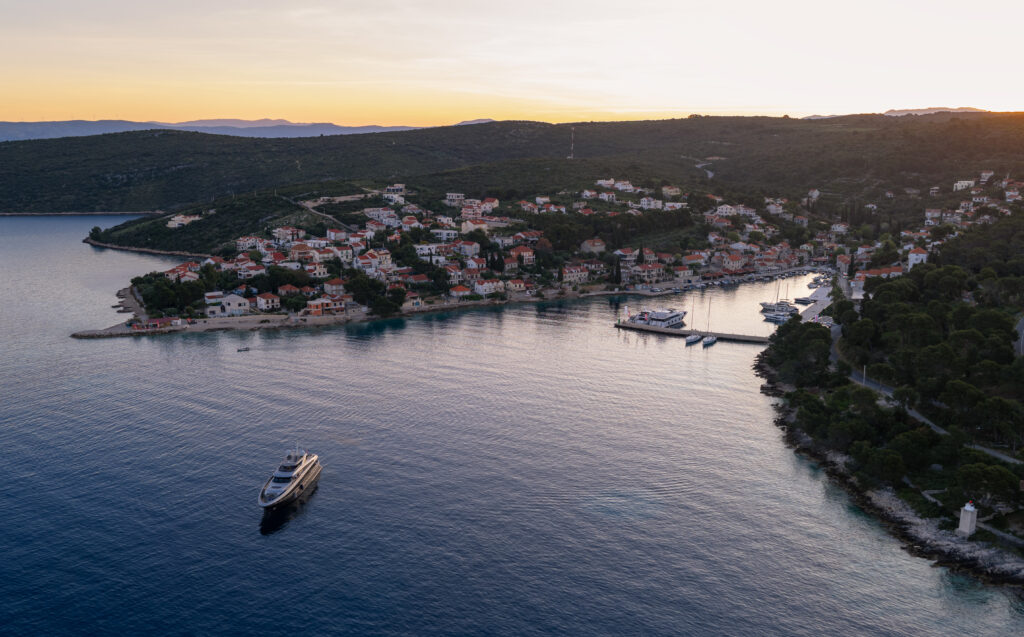
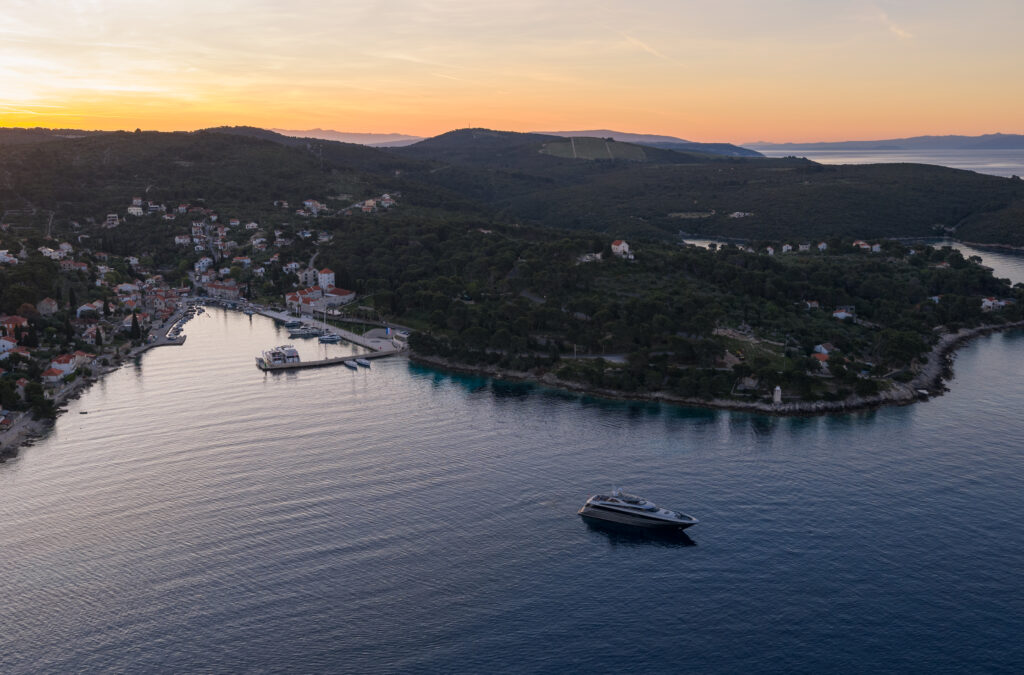
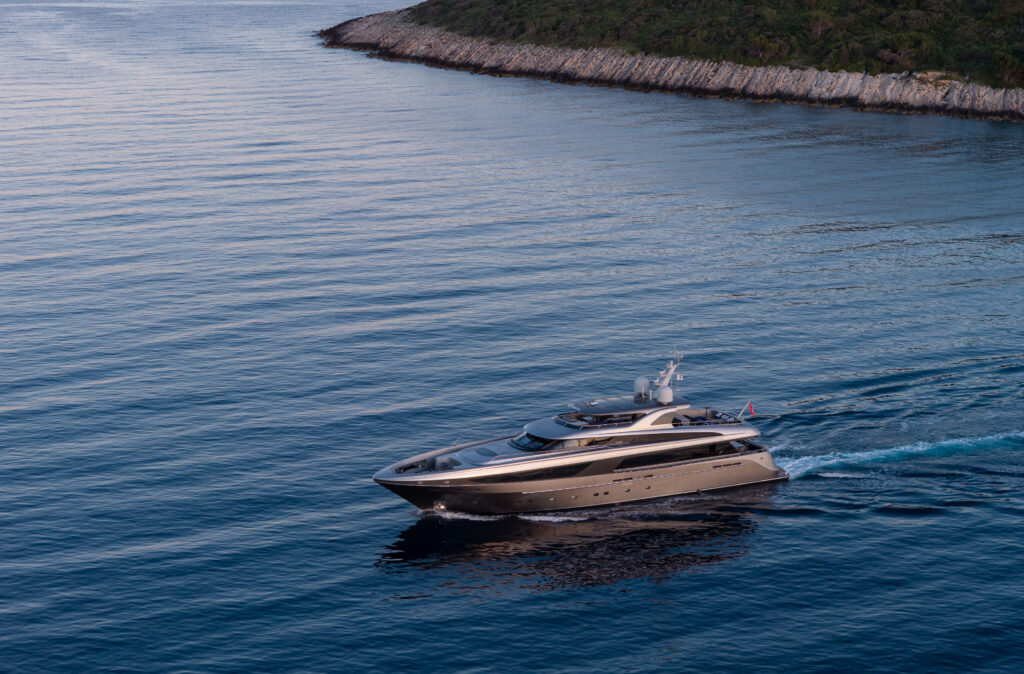
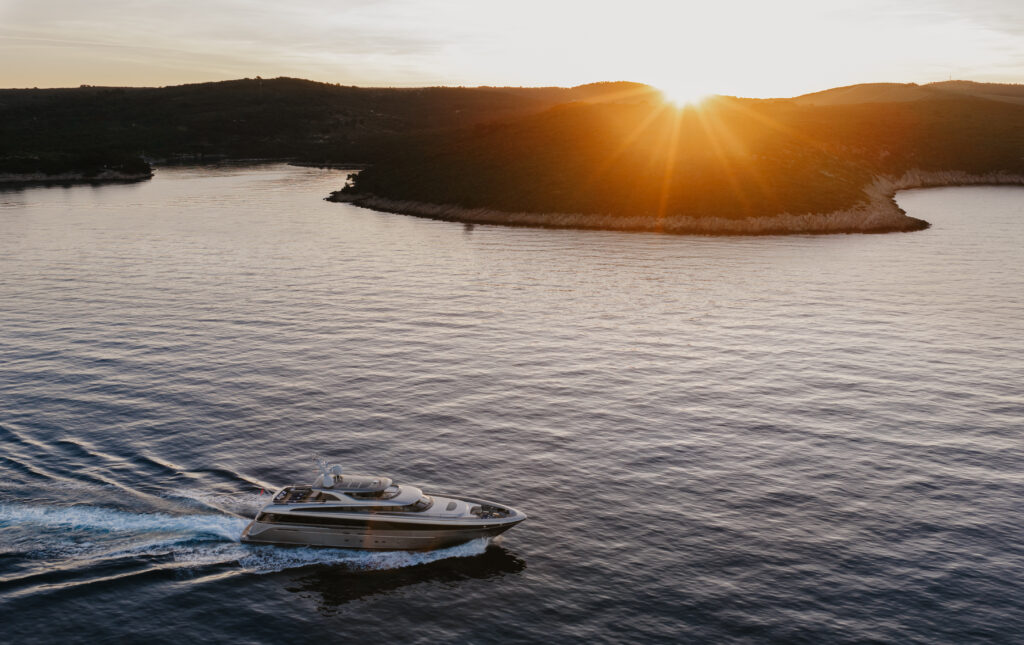
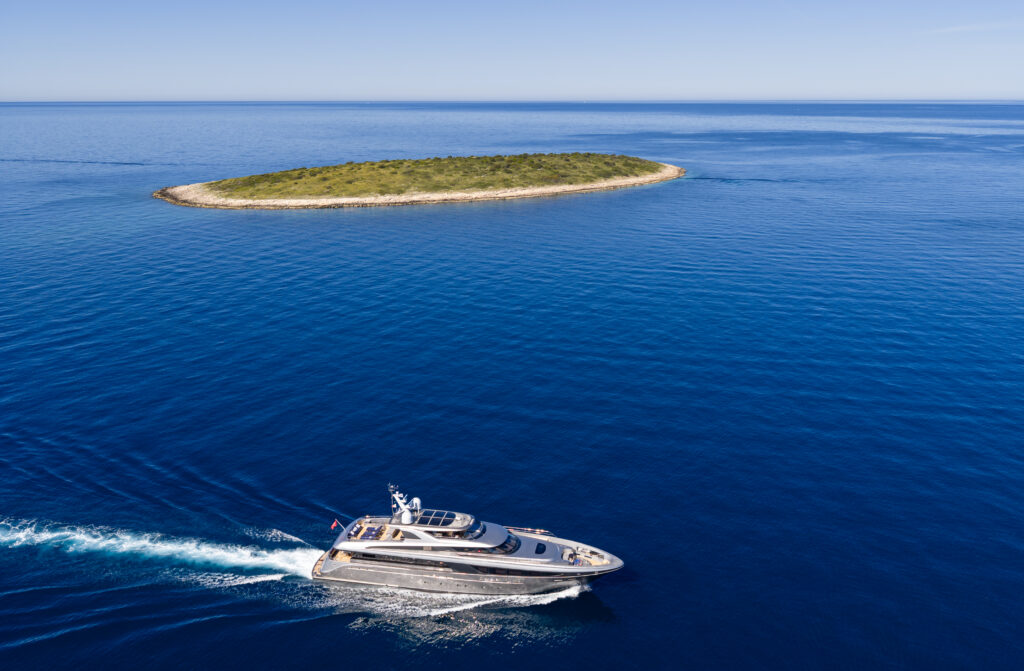
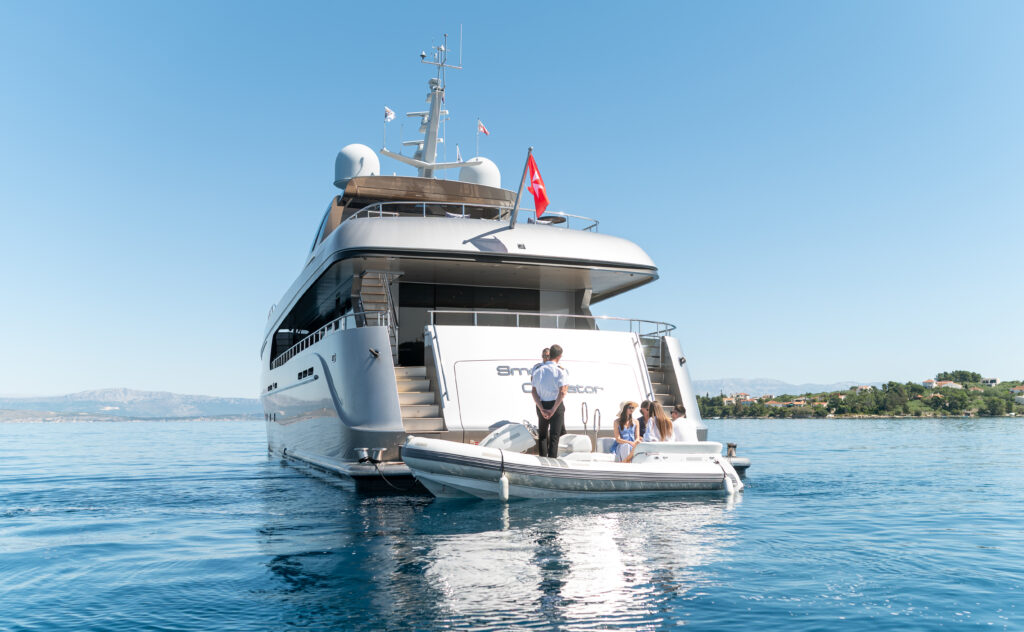
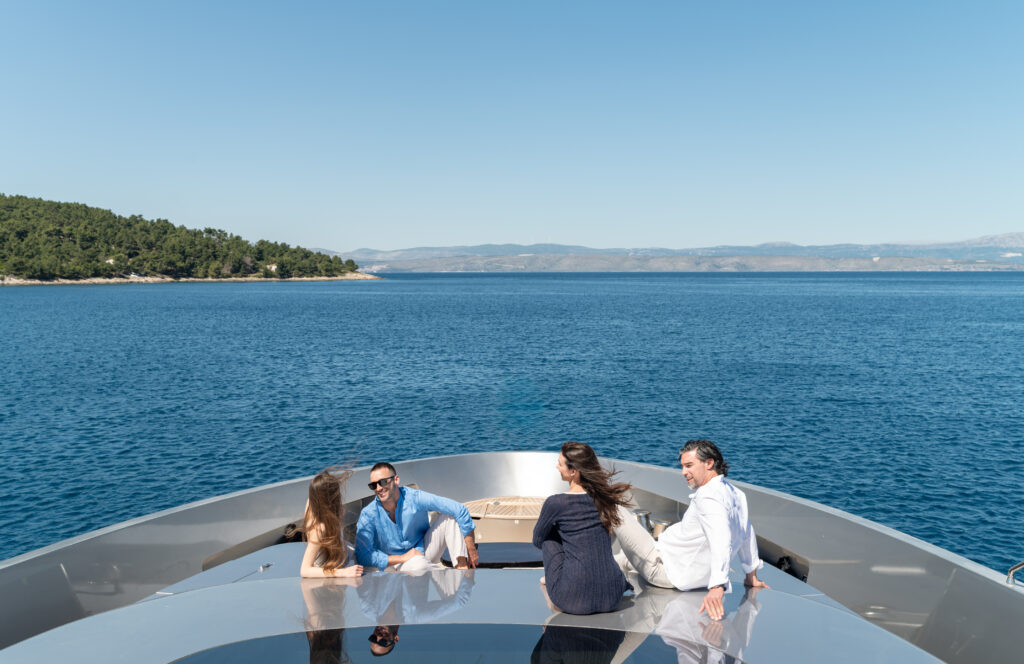
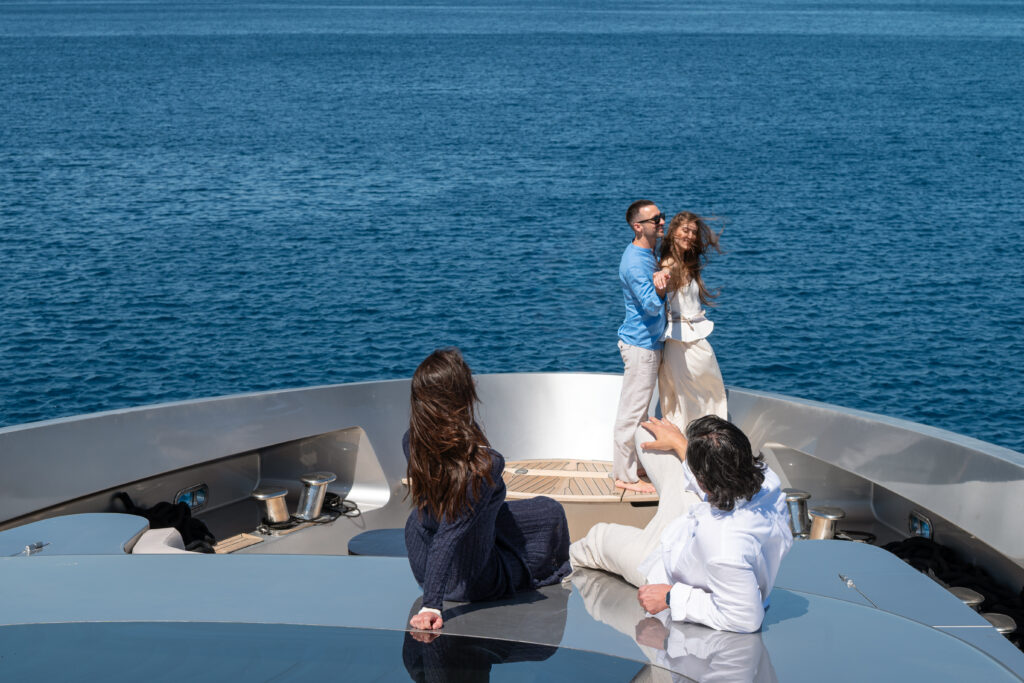
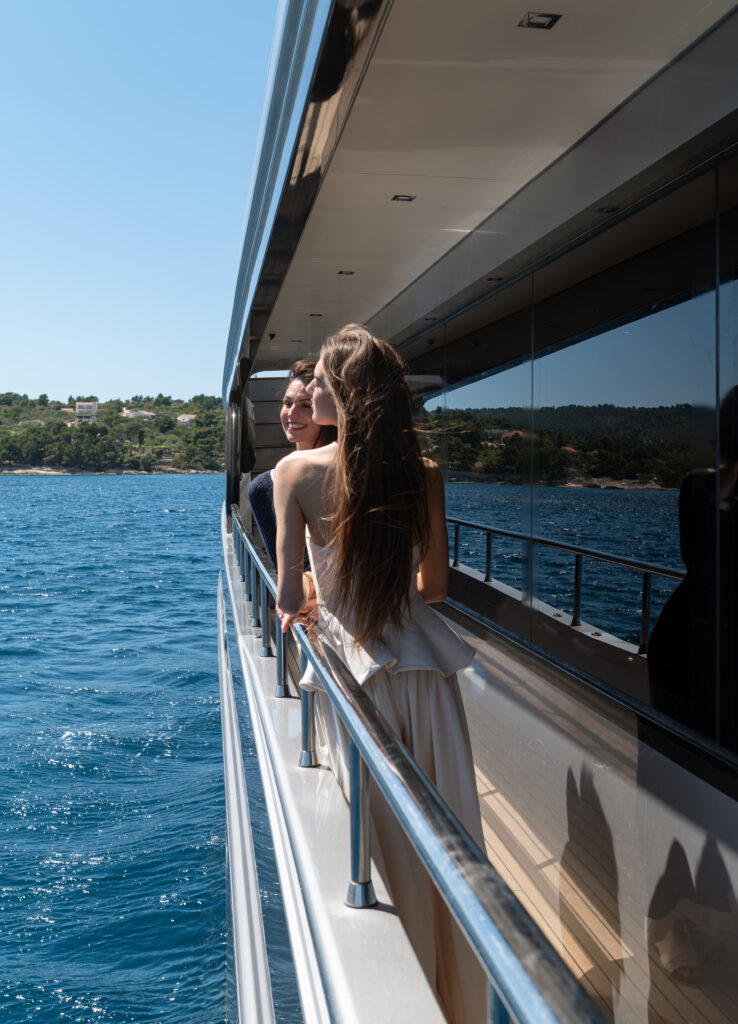
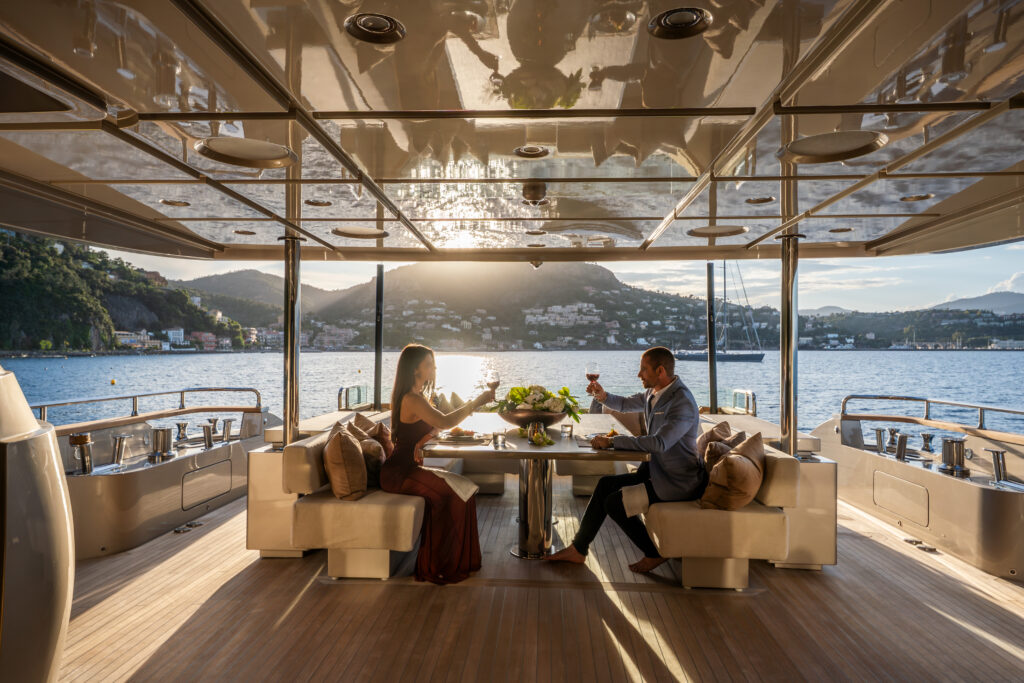
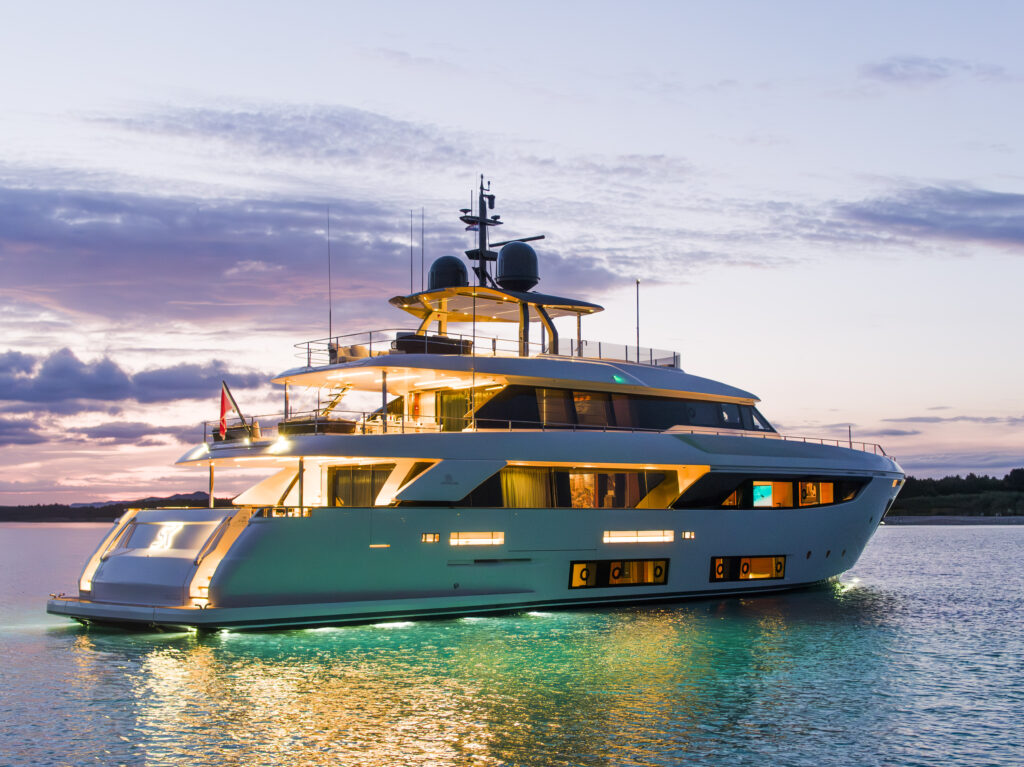
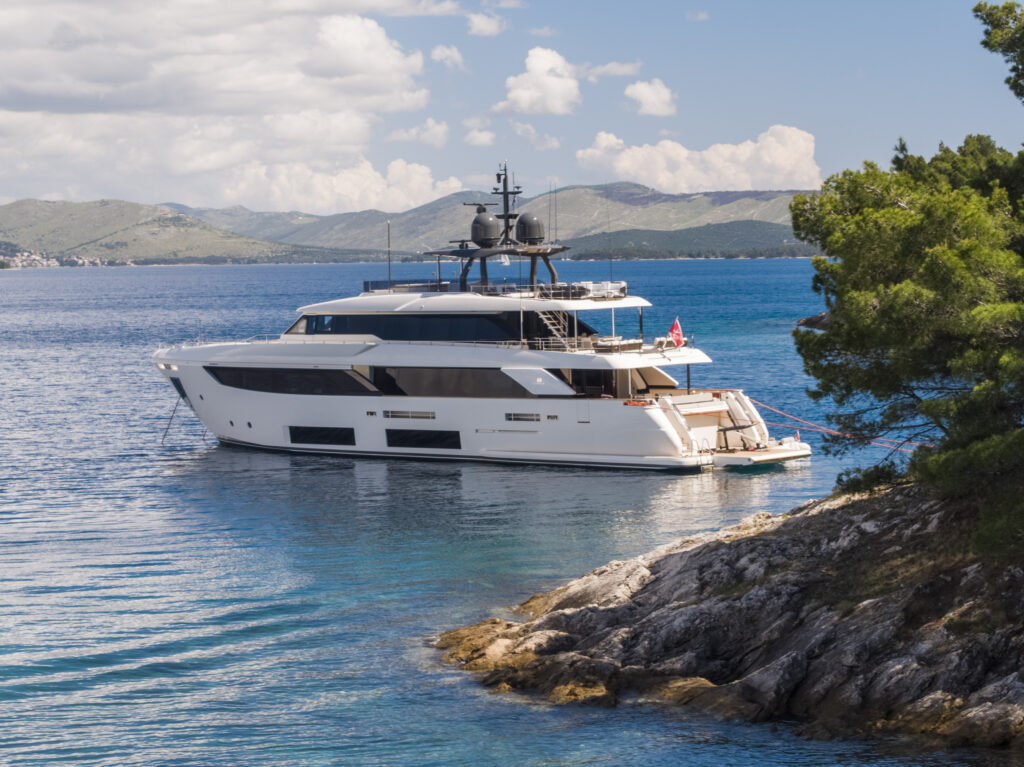
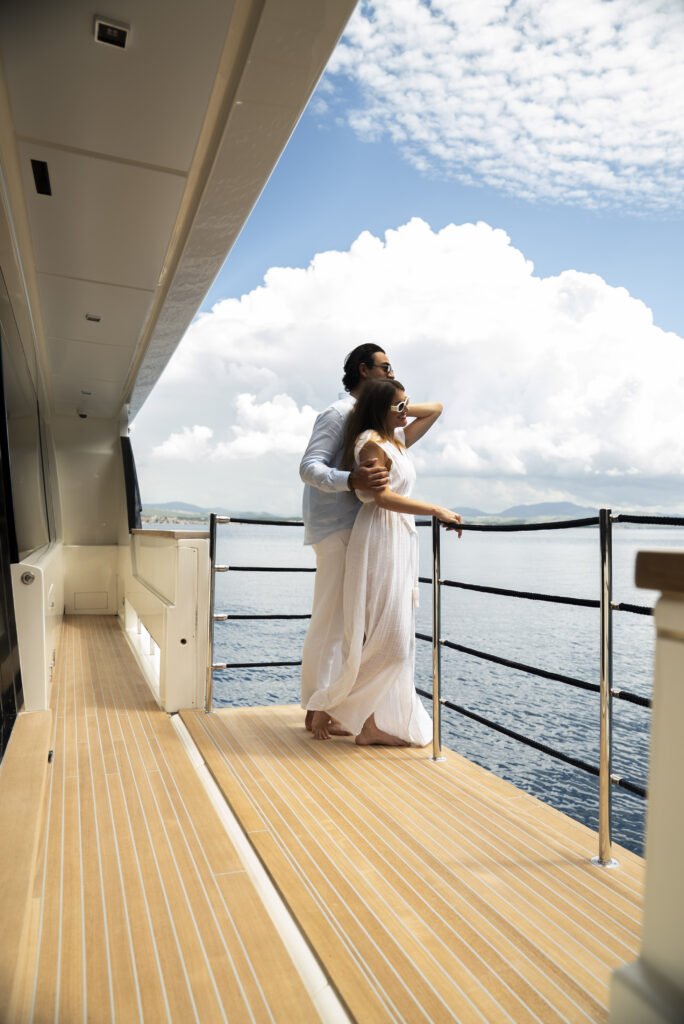
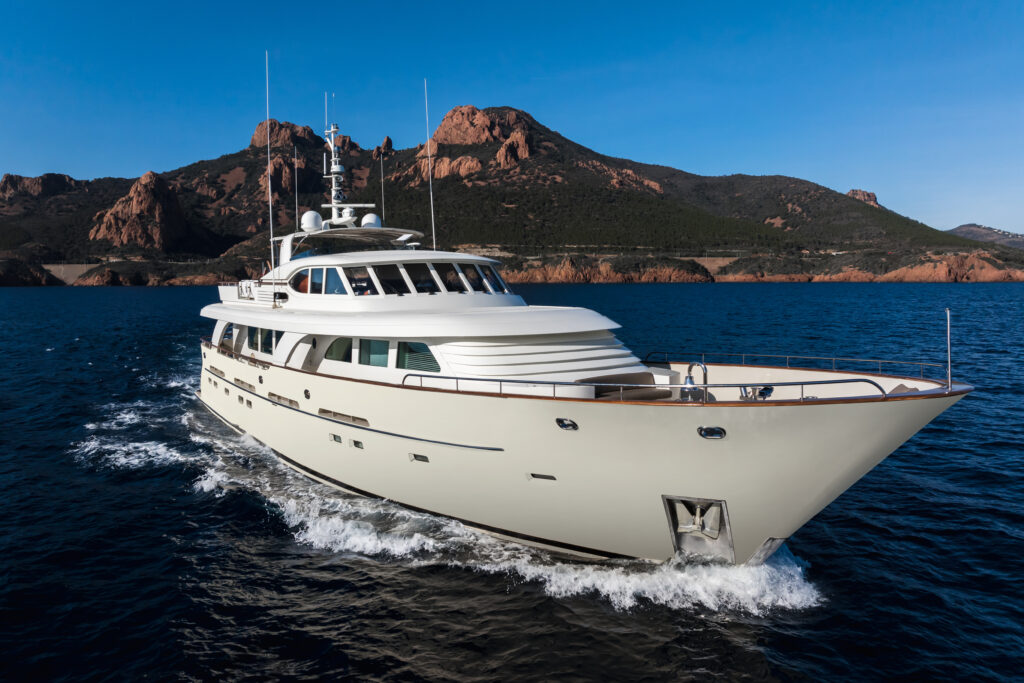
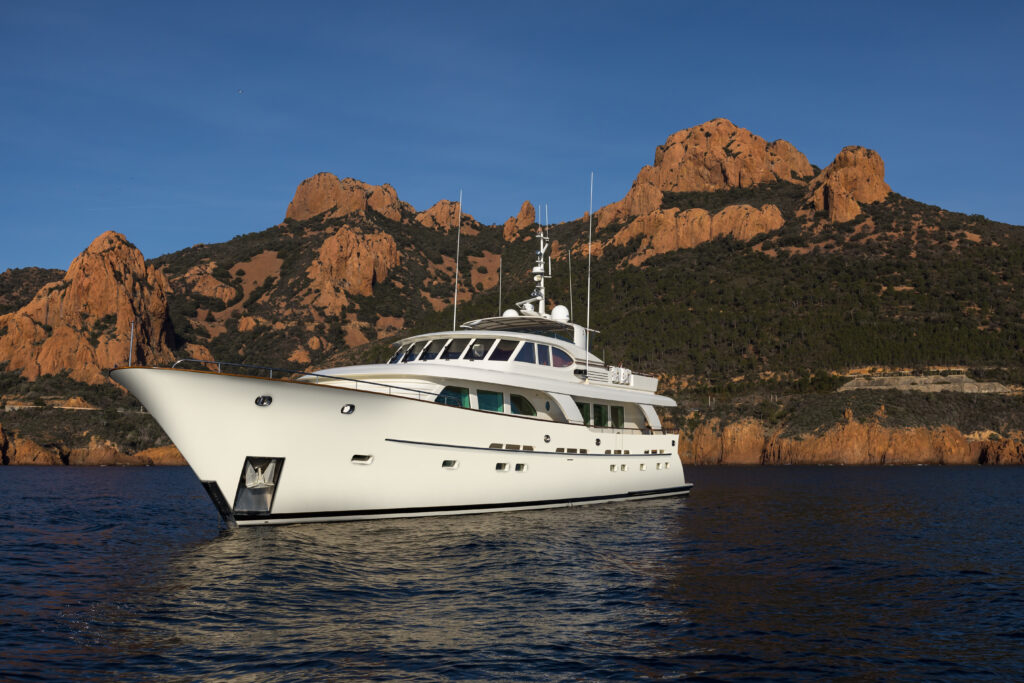
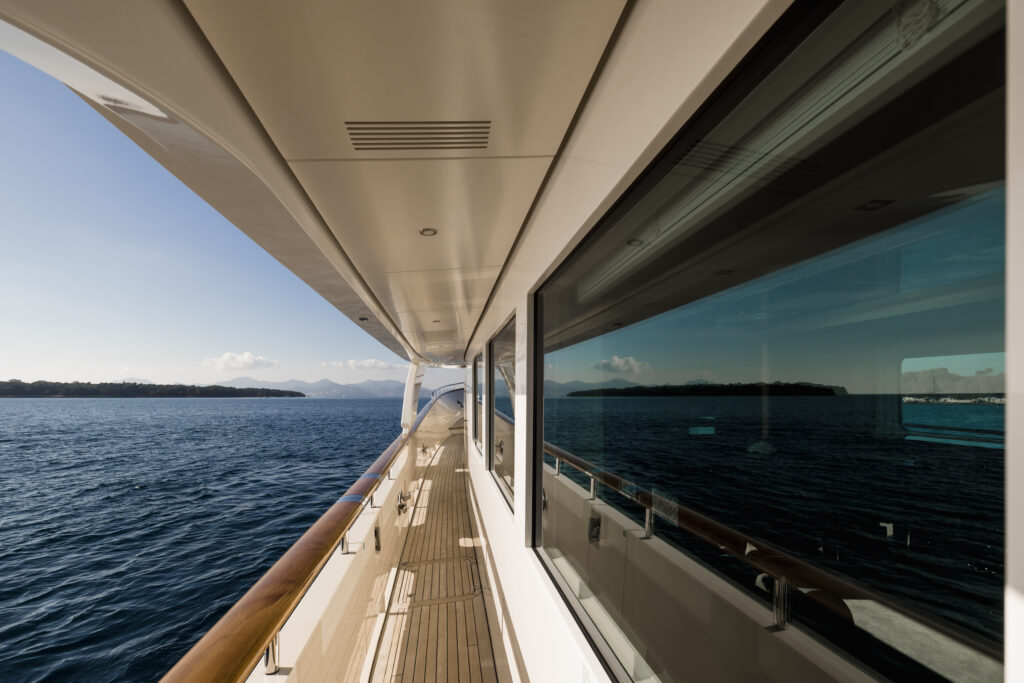
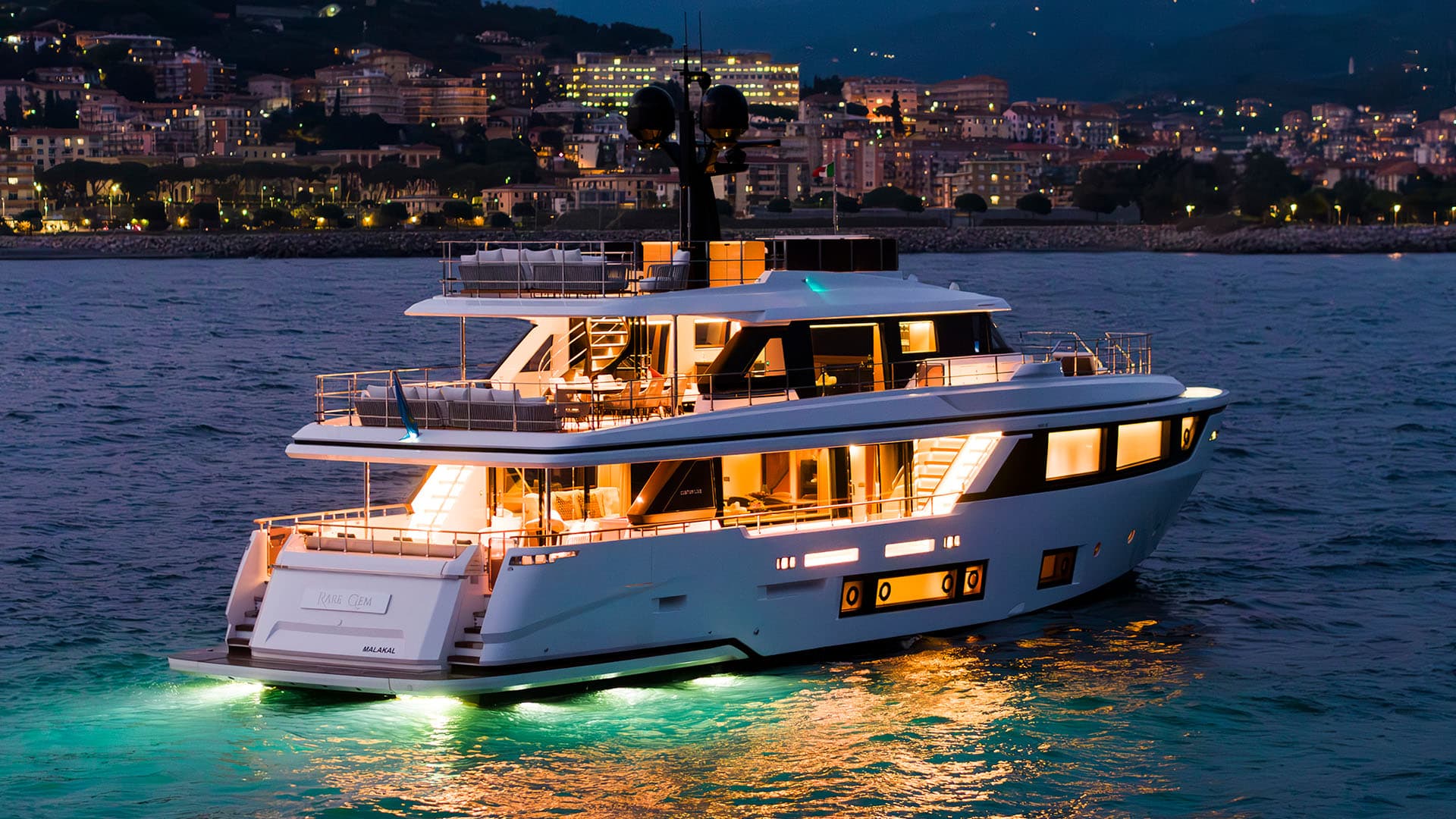
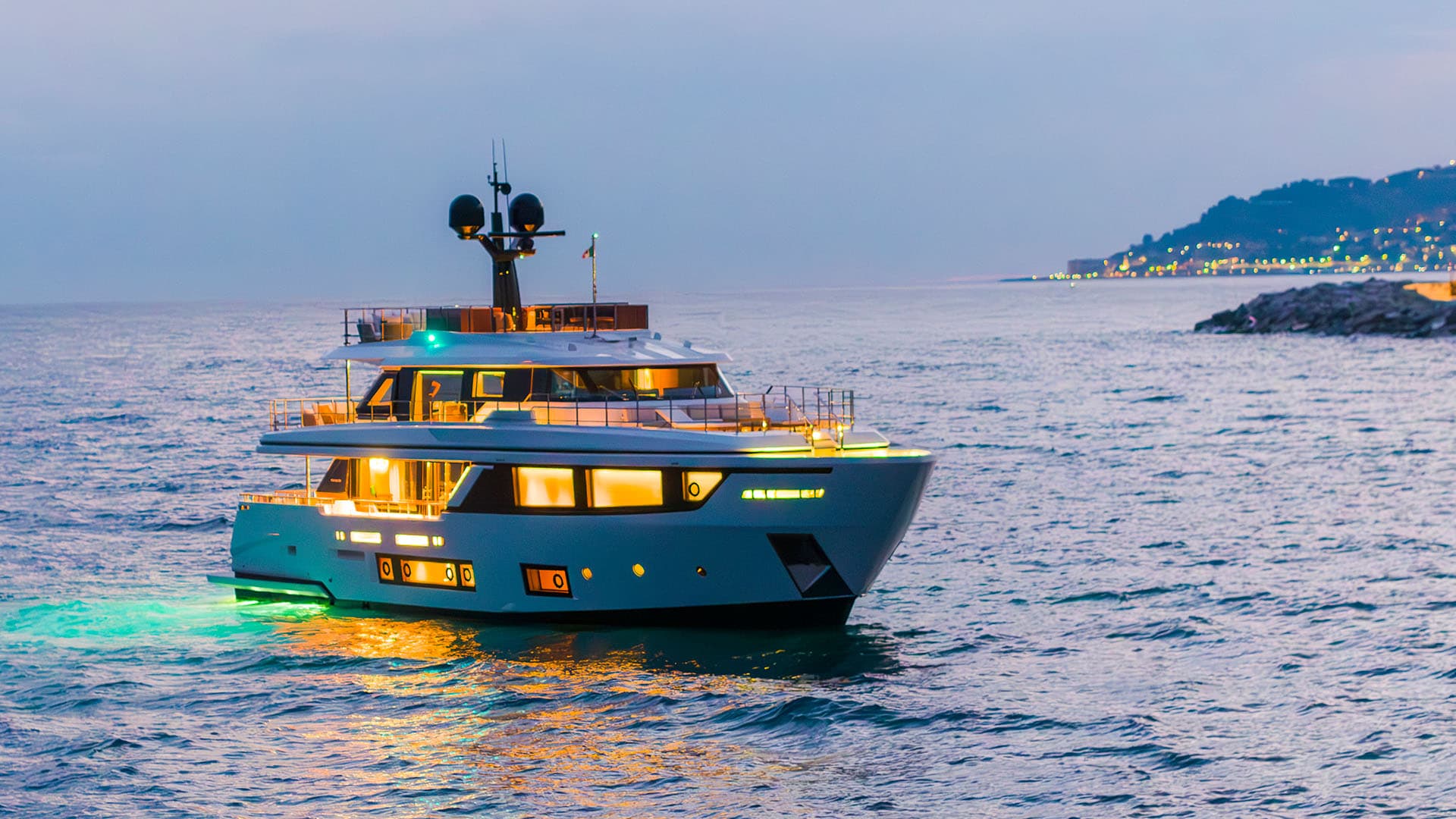
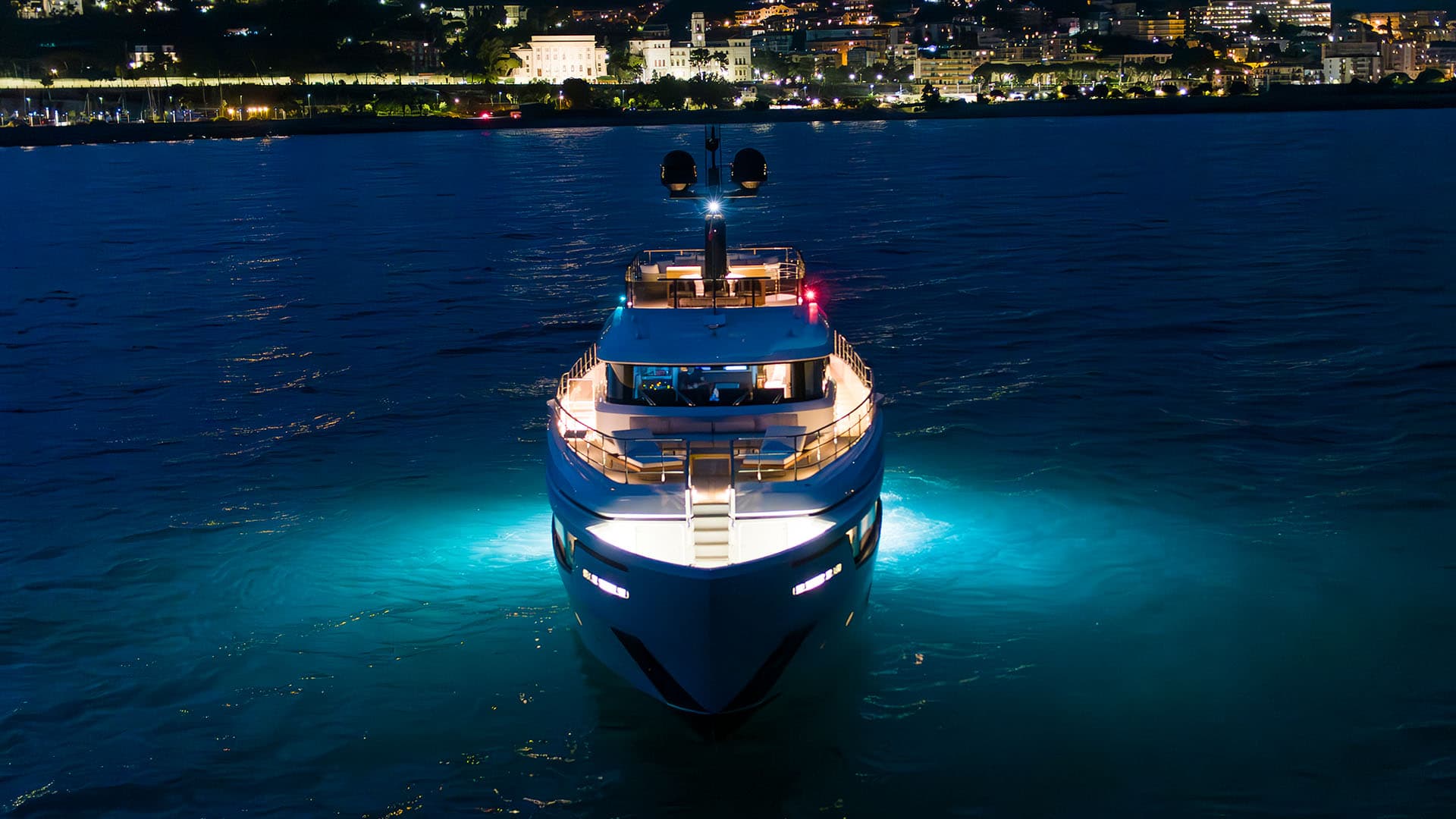
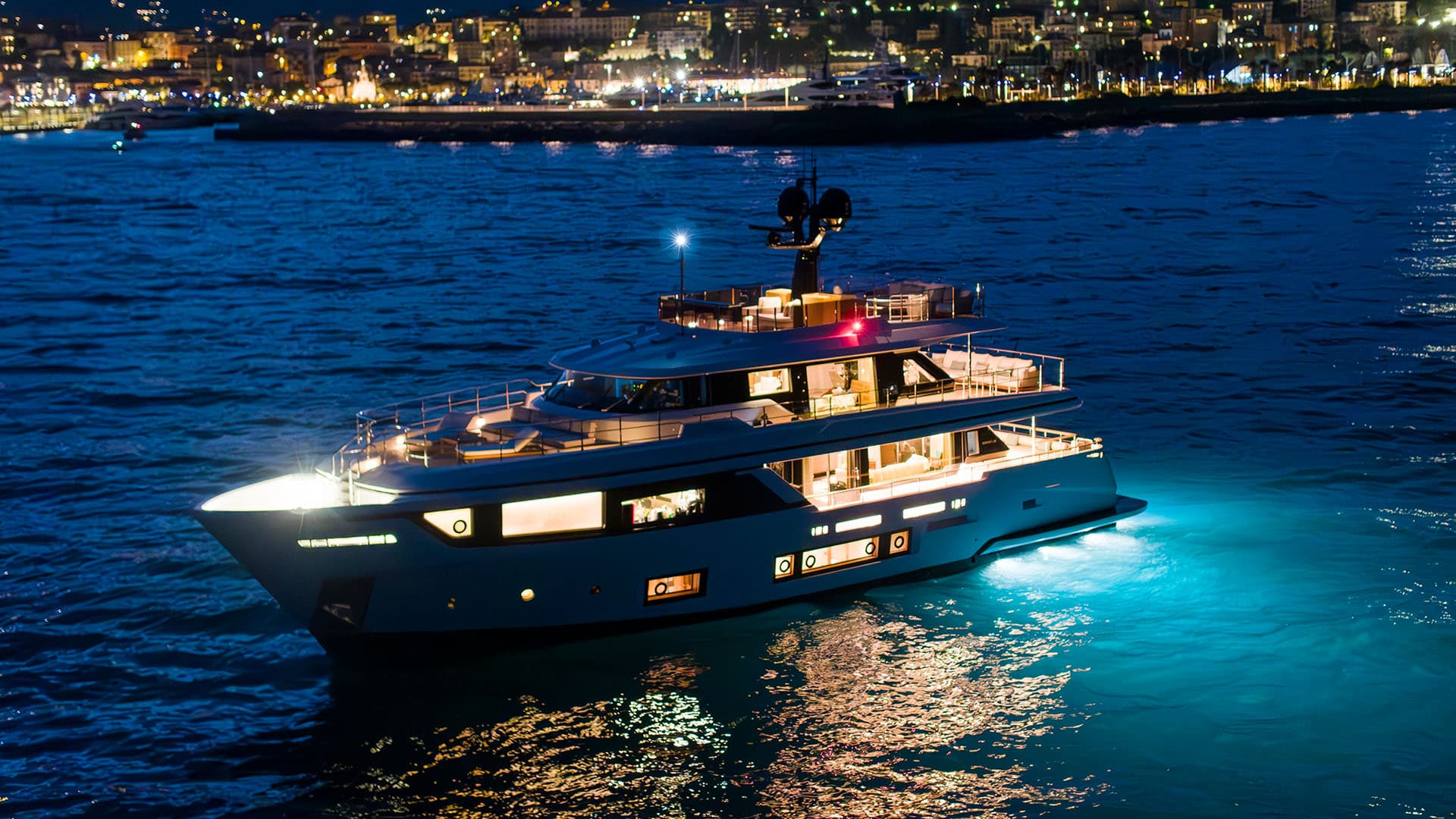
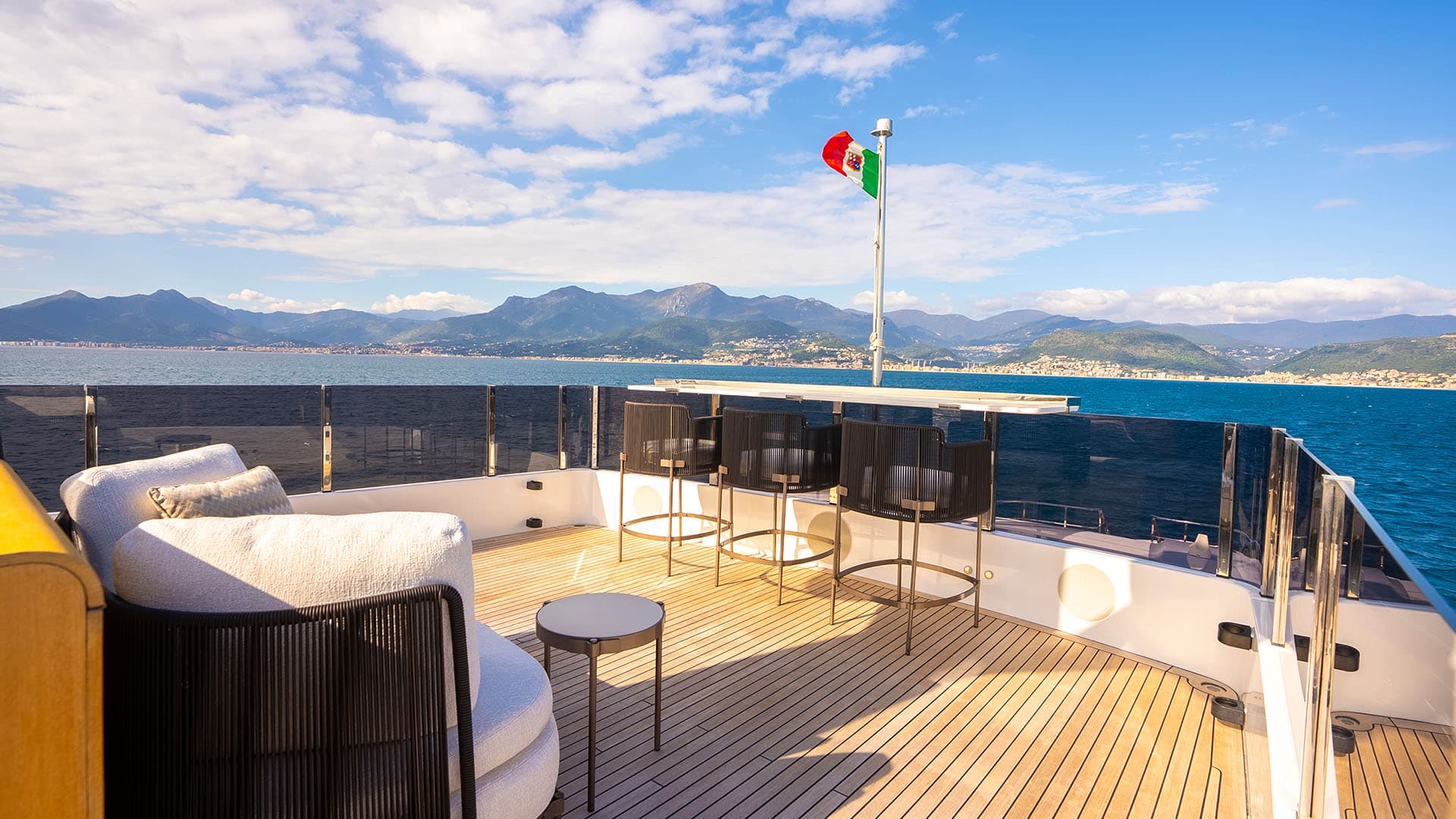
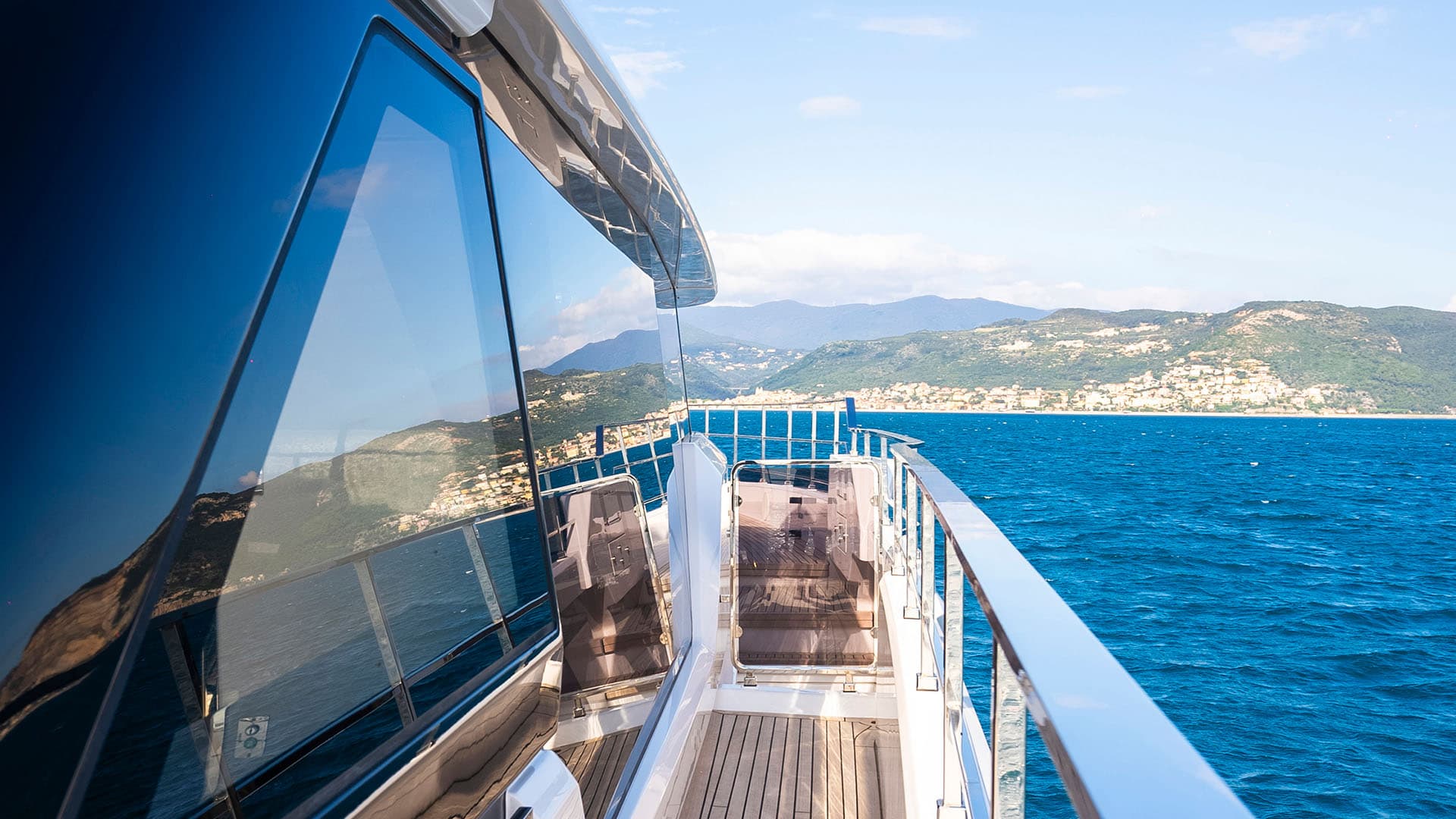
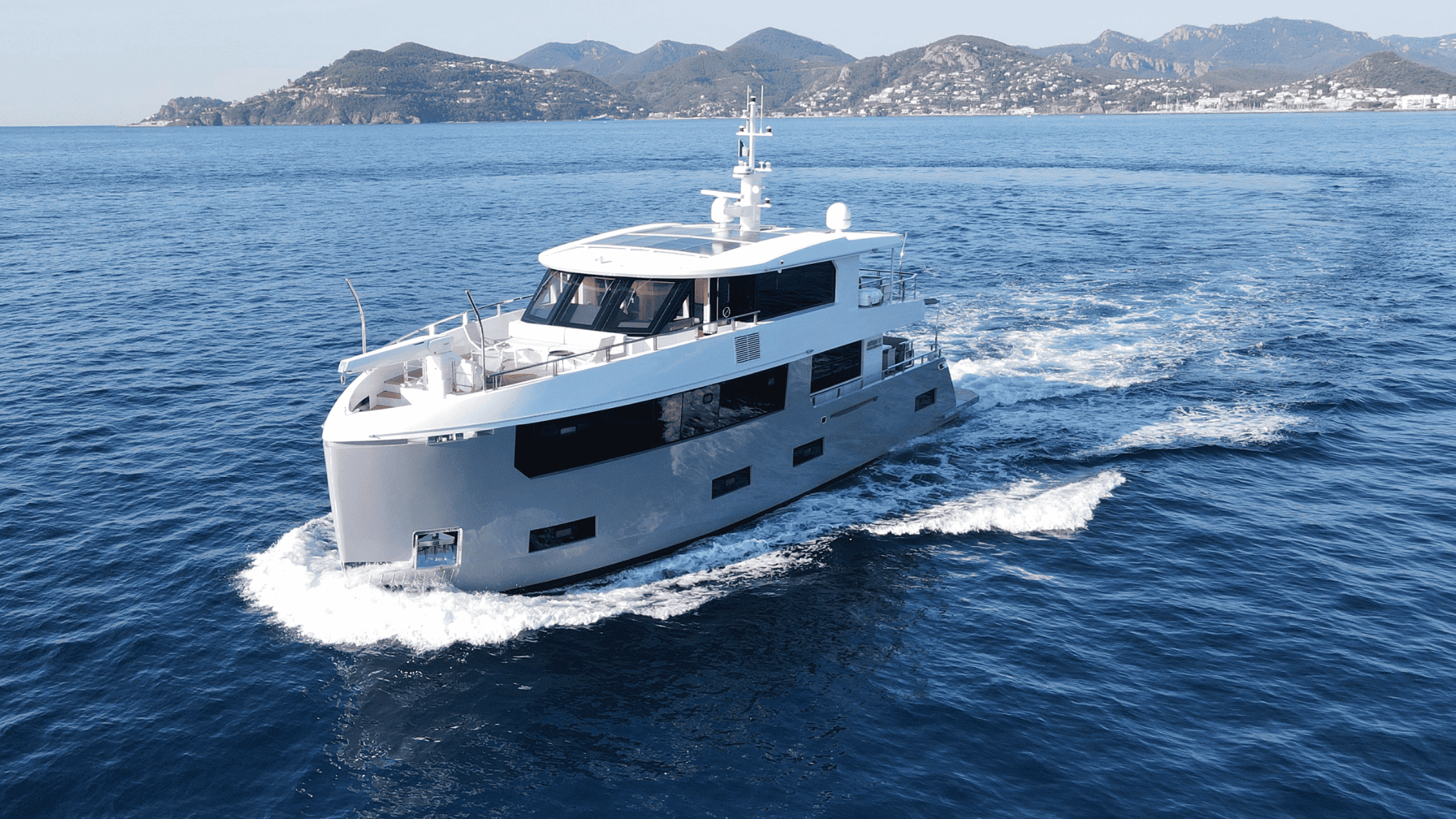
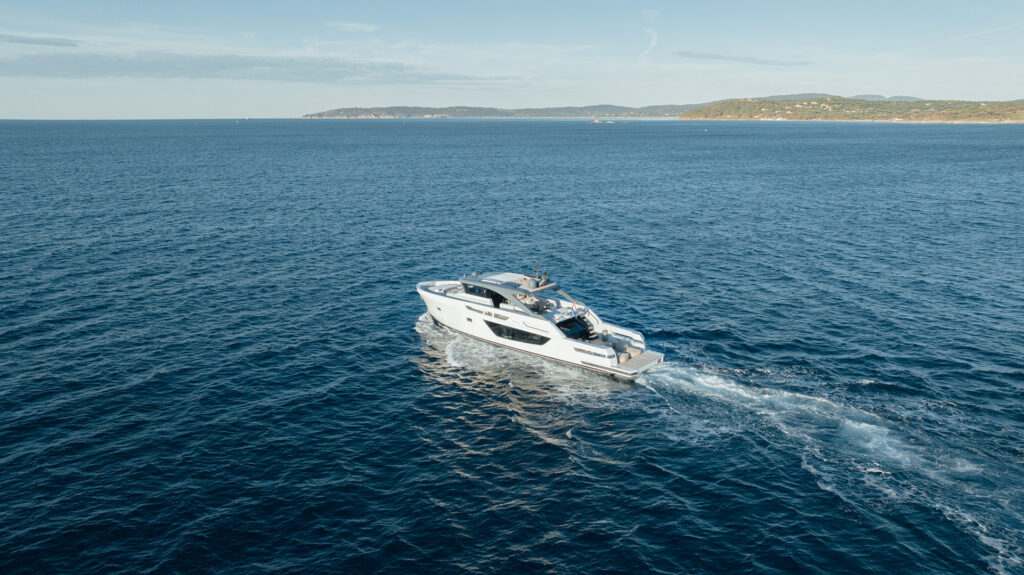
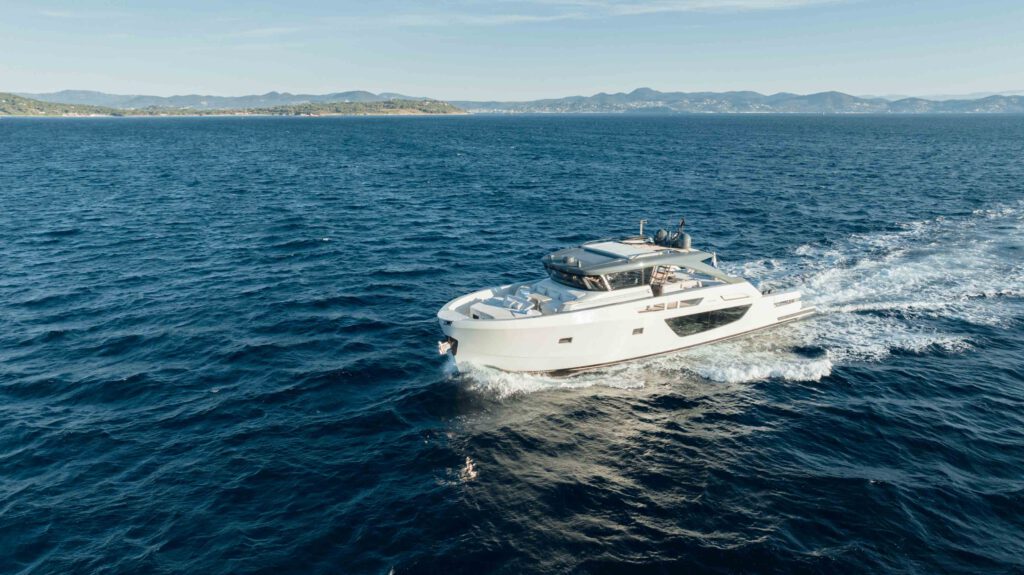
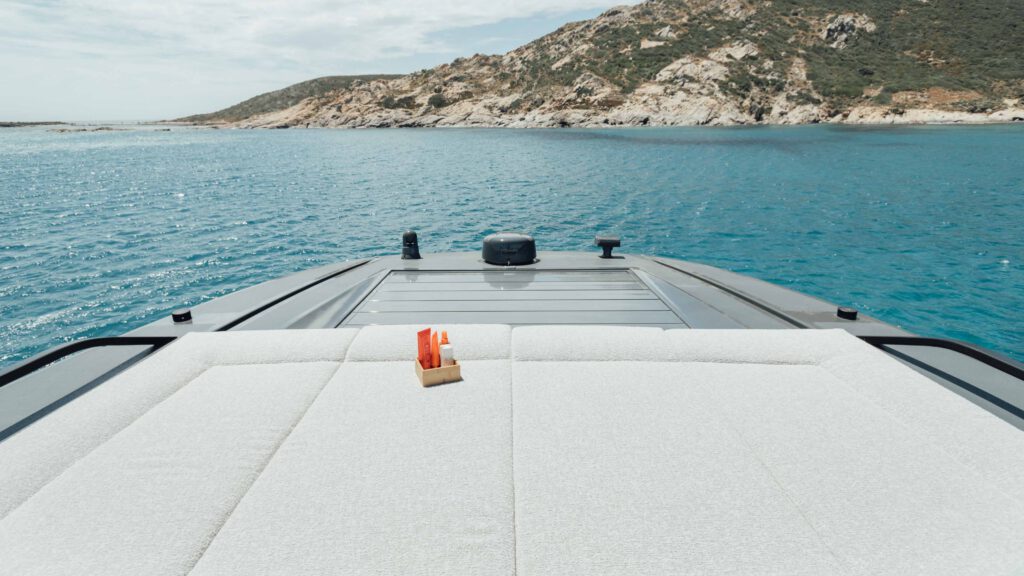
The French Riviera or Côte d’Azur stretches roughly 300 kilometres along the southeastern coast of France, from Cassis in the west to the Italian border in the east. Chartering here grants access that no hotel or villa can match: private bays inaccessible by road, spontaneous anchoring off a Provençal fishing village at dusk, and the freedom to wake up in Monaco harbour one morning and Saint-Tropez the next.
The Mediterranean climate ensures reliable sunshine from May through October, with light northerly winds the mistral and the tramontane providing ideal sailing conditions during the peak summer months.
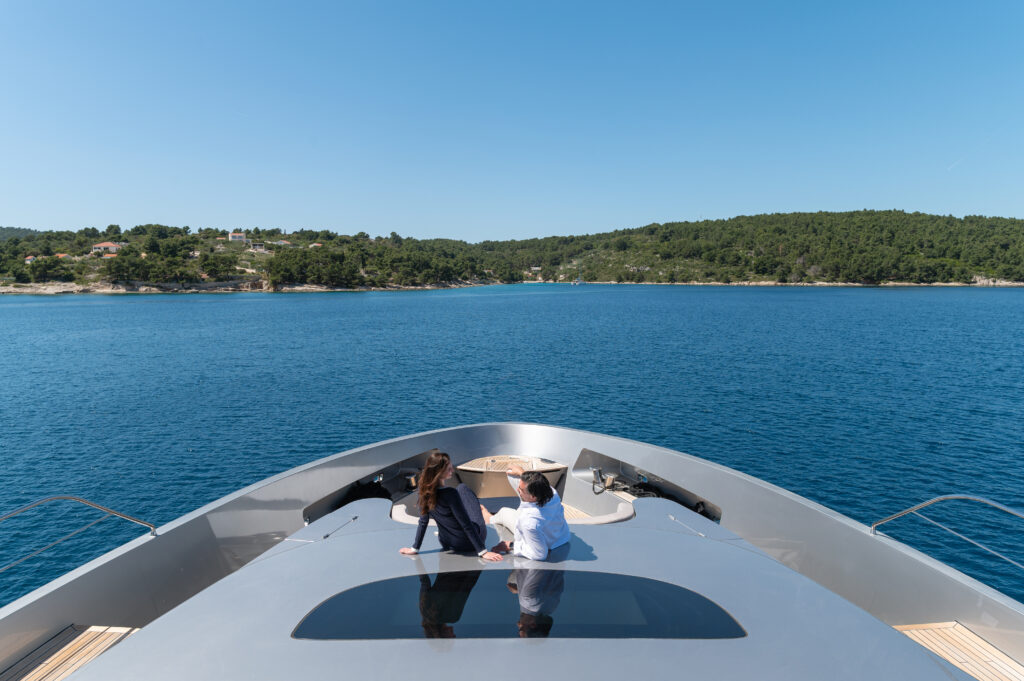
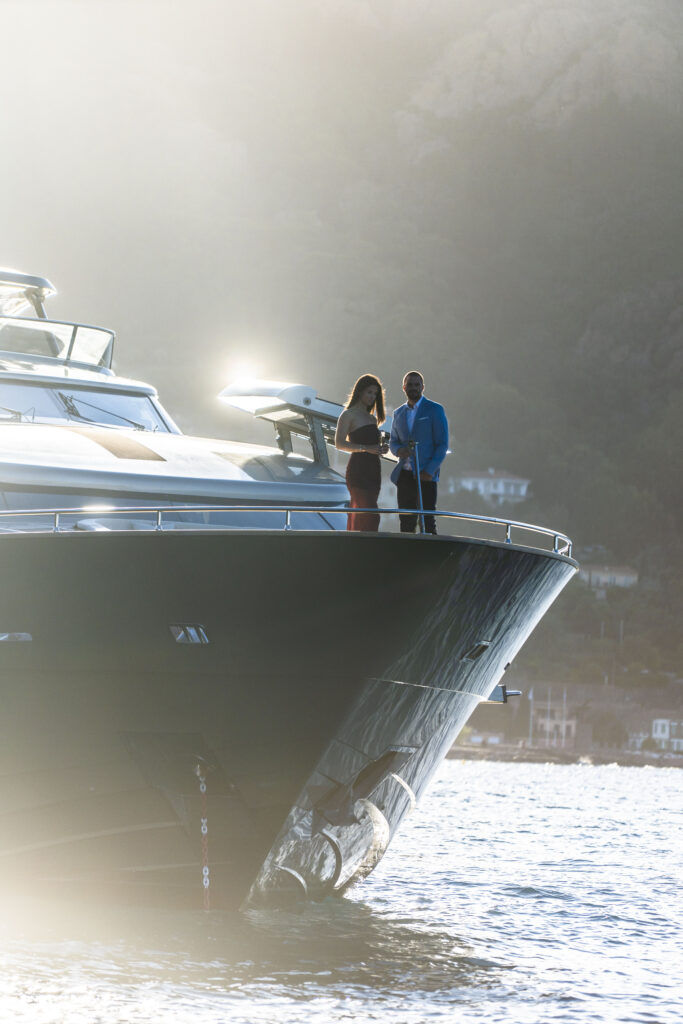
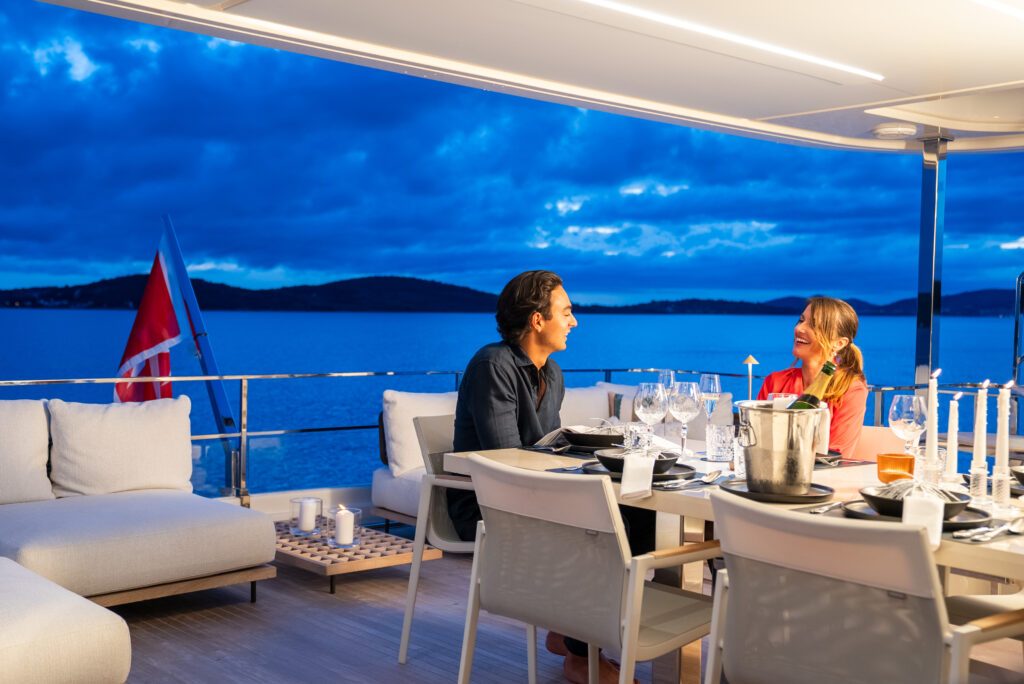
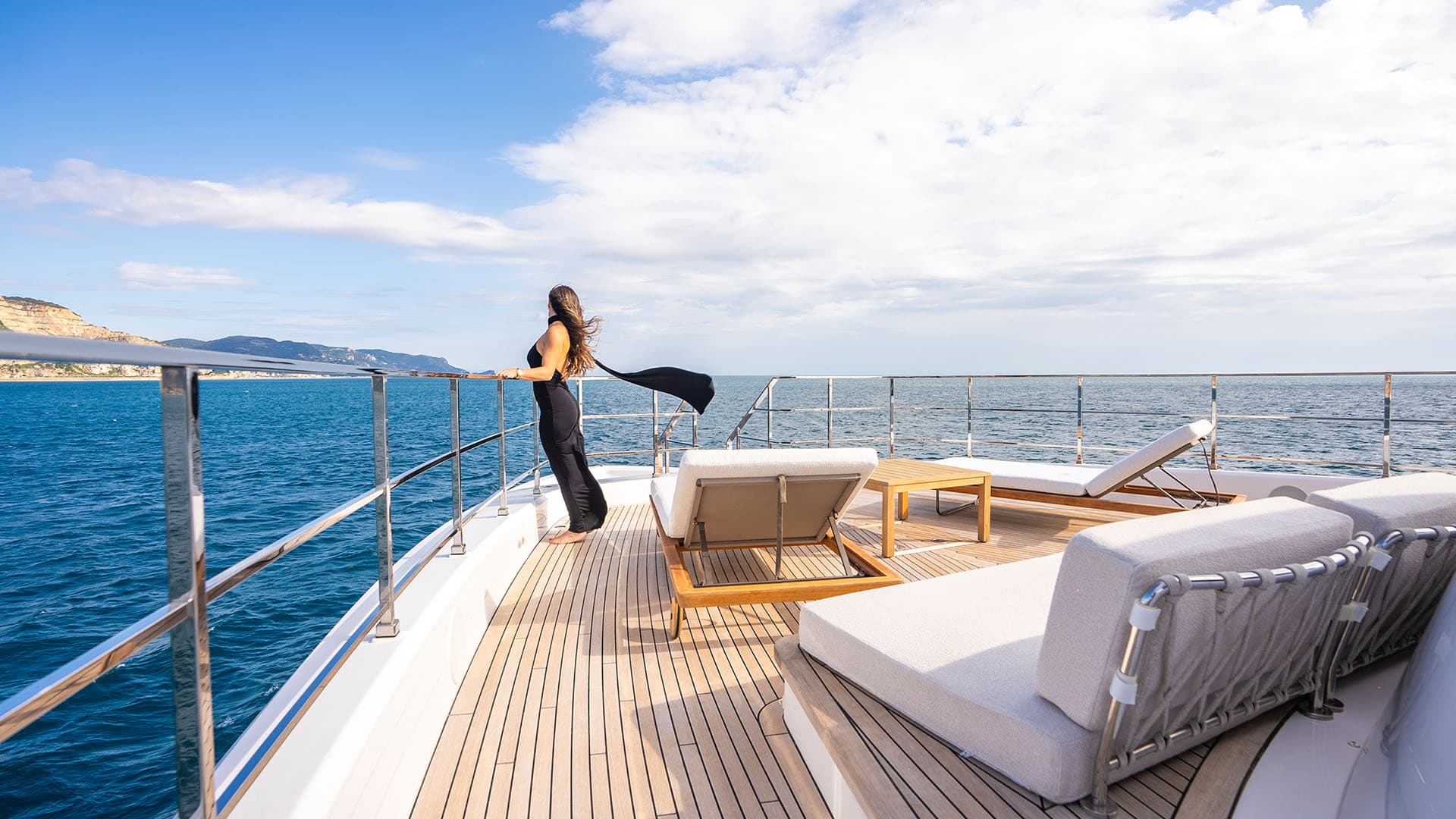
“To arrive by yacht is to arrive as the coast was intended to be seen from the water, at your own pace, on your own terms.”
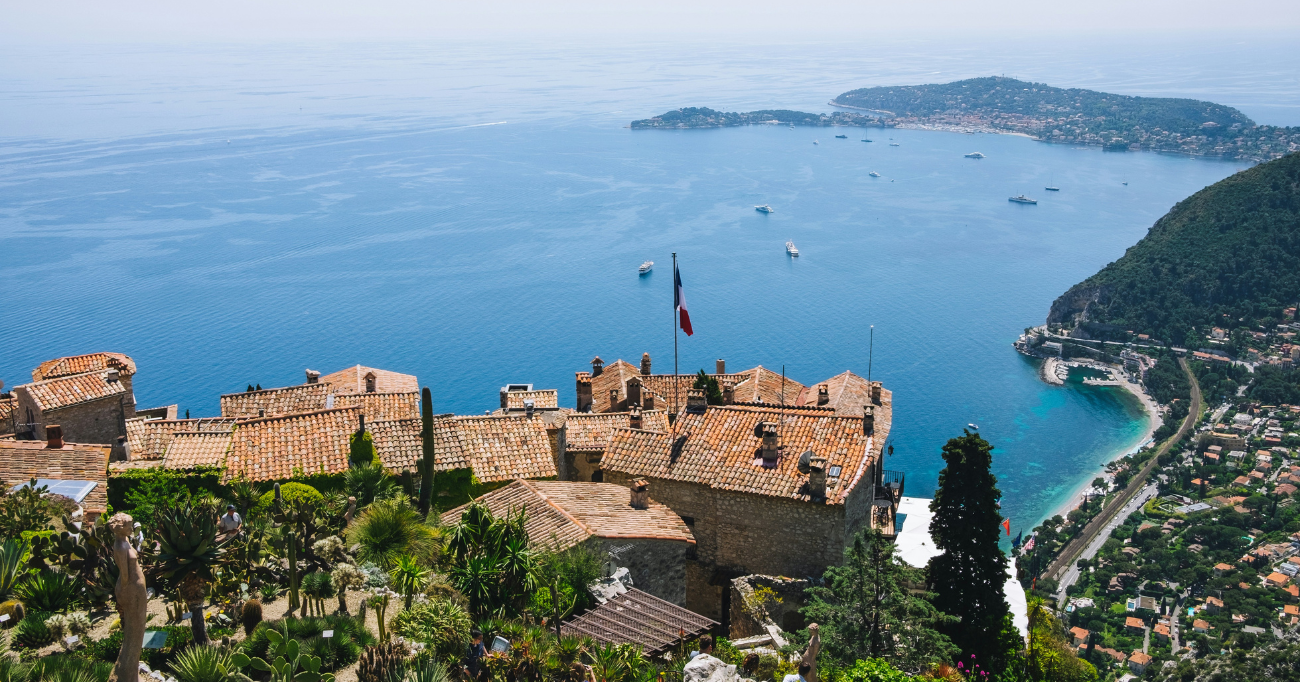
The Essential Destinations
Any serious French Riviera itinerary will weave through a constellation of ports, each with its own distinct character.
Monaco. The most glamorous harbour in the world. Arrive during the Grand Prix in May for an experience of unmatched intensity, or visit in October for the Monaco Yacht Show — the superyacht industry’s defining annual event.
Cannes. Hollywood has never fully left. The Croisette promenade, the Palais des Festivals, and the Îles de Lérins just offshore make Cannes one of the most compelling stops on any Riviera itinerary. The Cannes Yachting Festival, each September, draws the finest fleet of new launches.
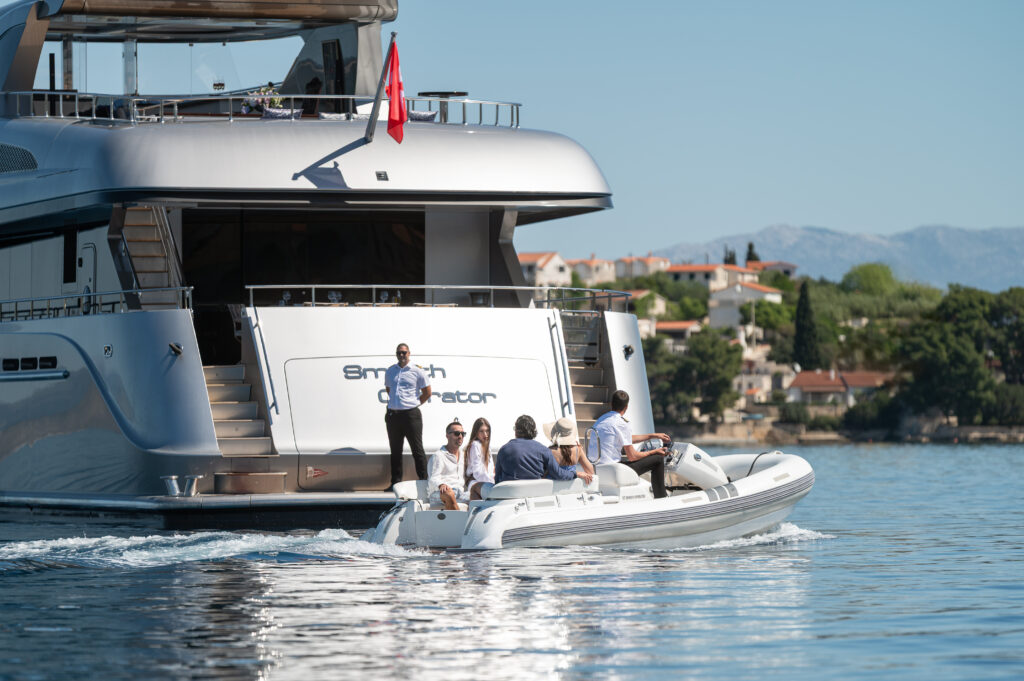
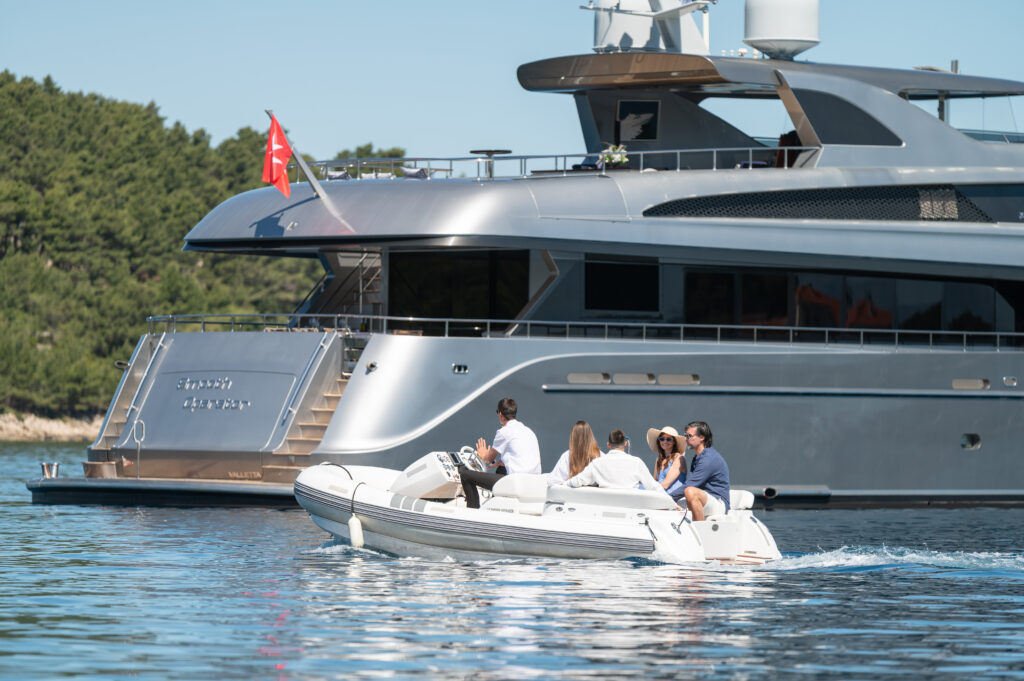
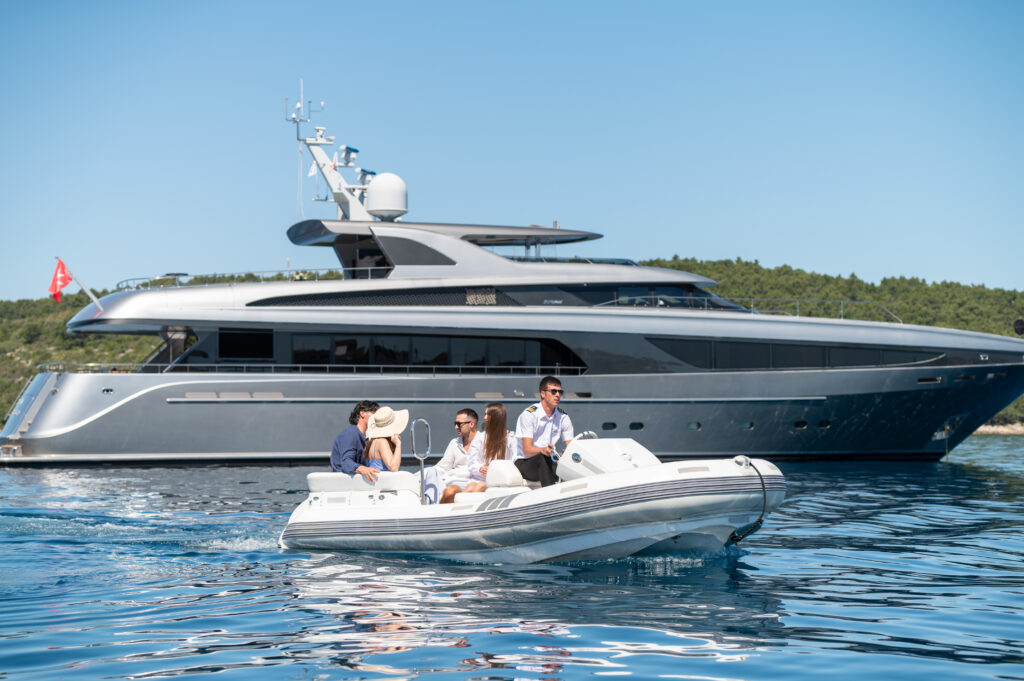
Saint-Tropez. Brigitte Bardot made it famous; half a century later, the village has never lost its spell. The old port fills with extraordinary yachts from June through September. Anchor in the bay and take the tender ashore for a pastis at Sénéquier.
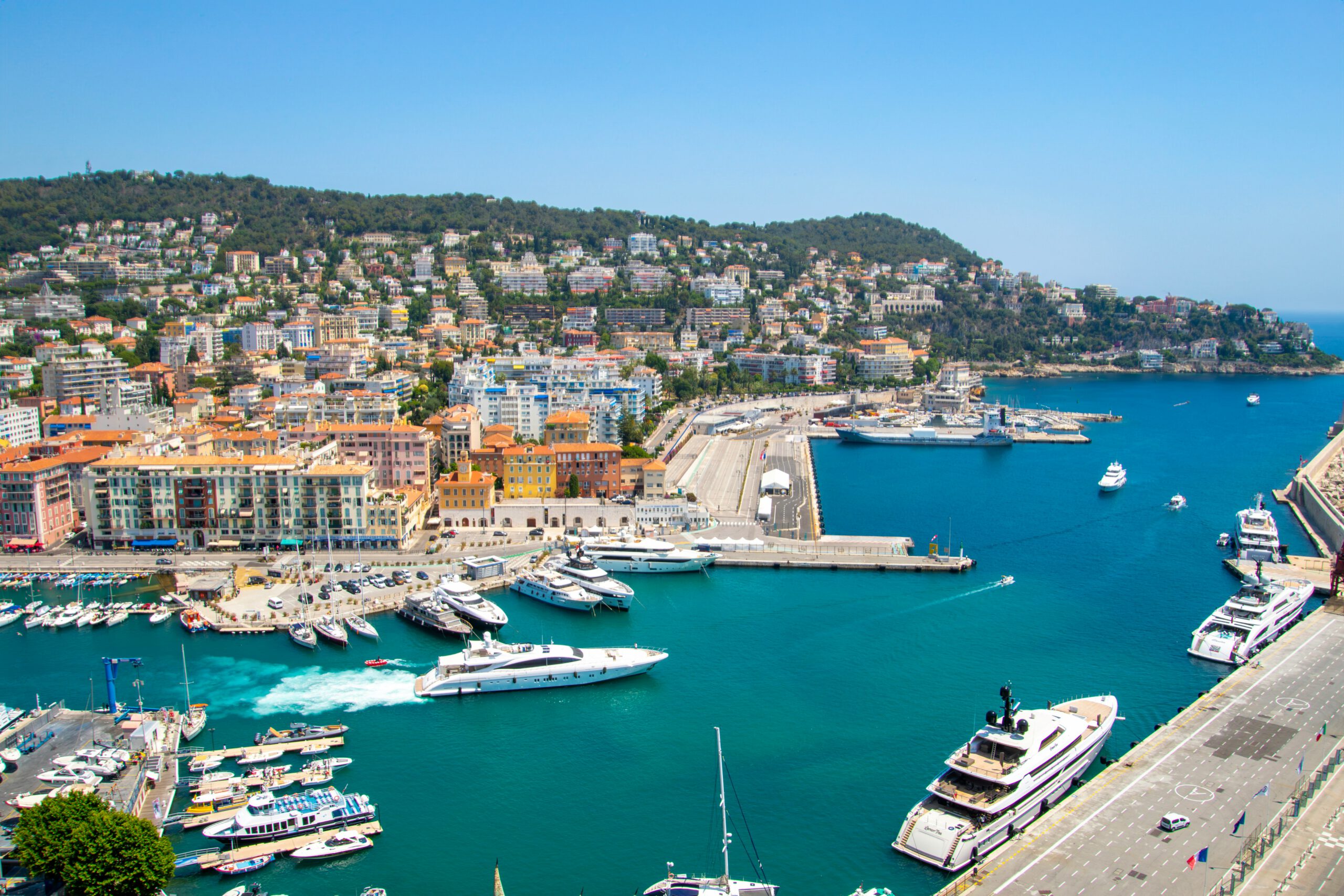
Antibes & Juan-les-Pins. Home to Port Vauban, Europe’s largest yacht harbour, Antibes is the operational heart of the French Riviera’s yachting world. The old town, Picasso Museum, and Cap d’Antibes headland add cultural weight to the nautical prestige.
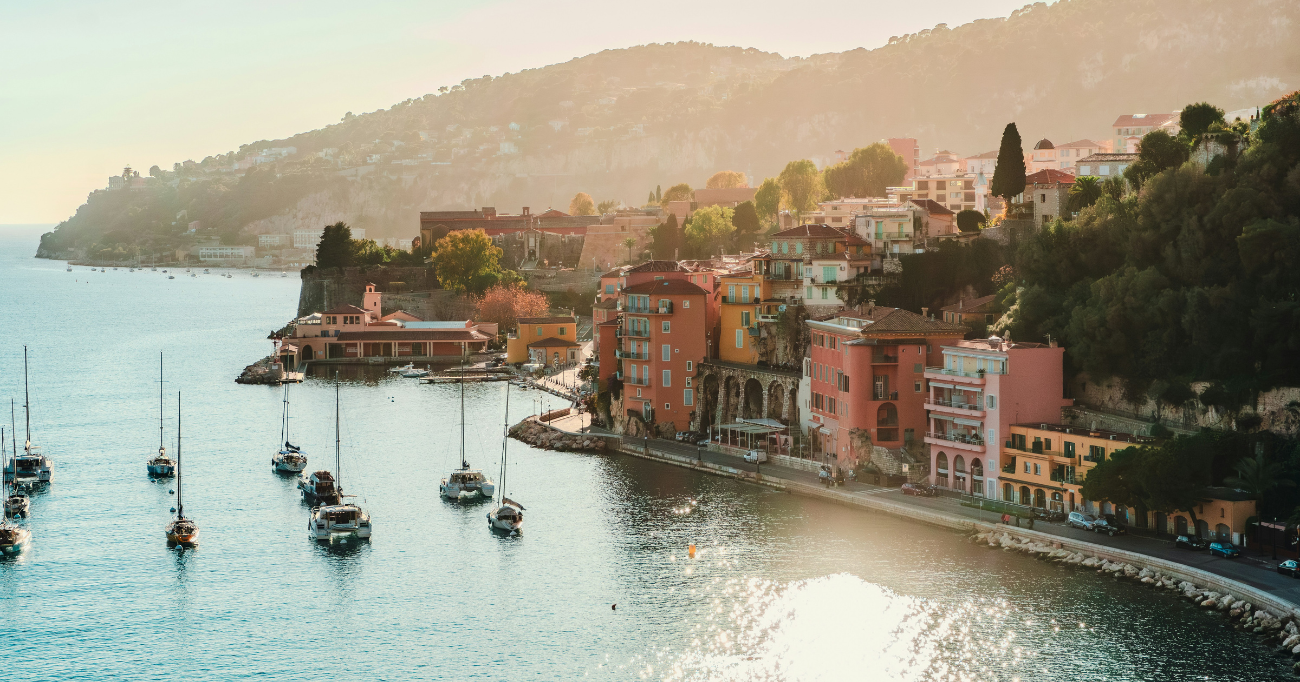
Villefranche-sur-Mer & Nice. One of the deepest natural bays on the Riviera, Villefranche offers a quieter alternative to the busier ports. Nice — with its Belle Époque architecture and the Promenade des Anglais — makes an ideal embarkation or disembarkation point.
What to Expect Aboard
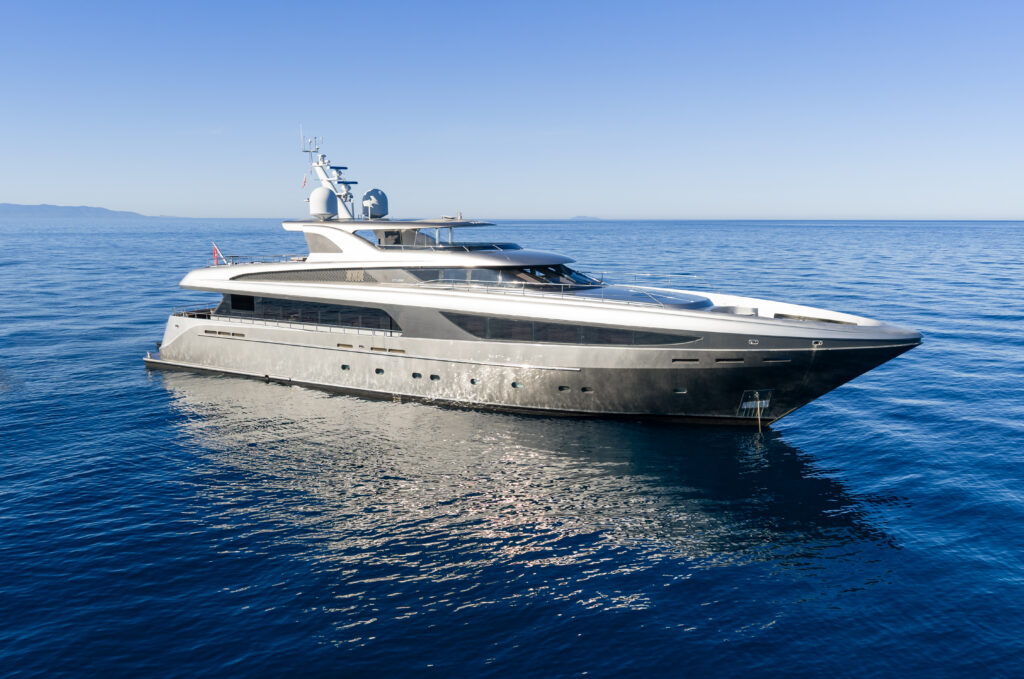
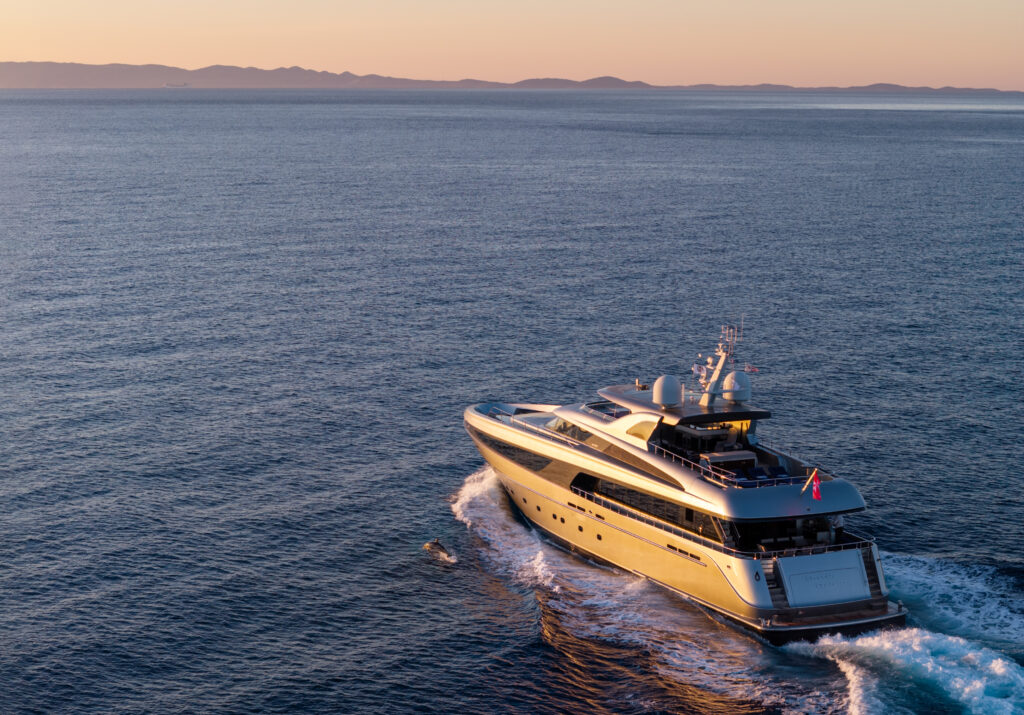
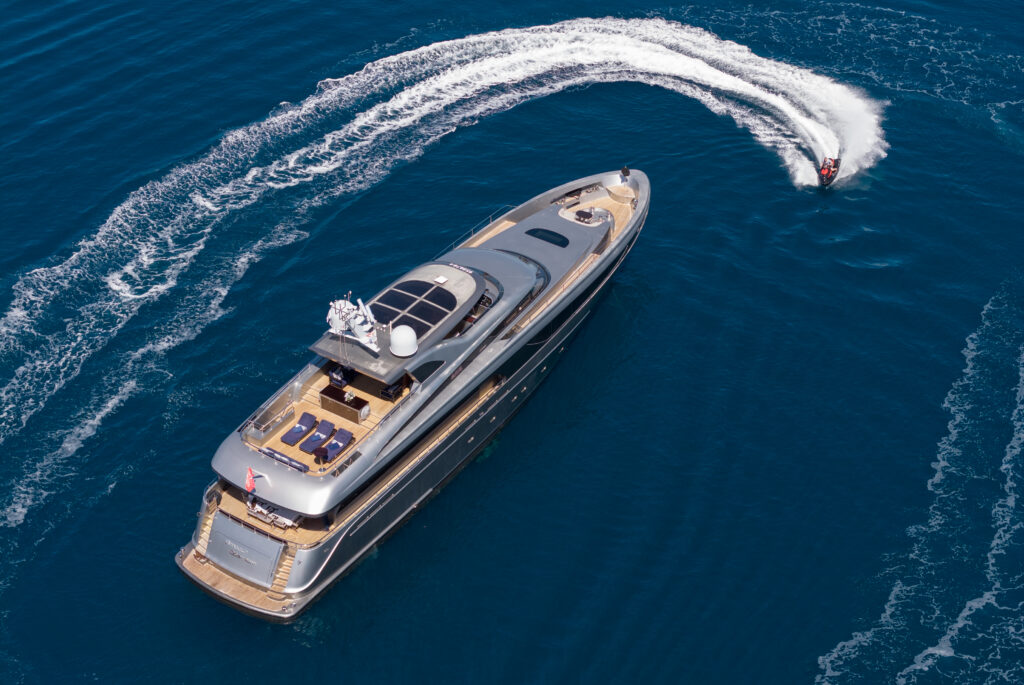
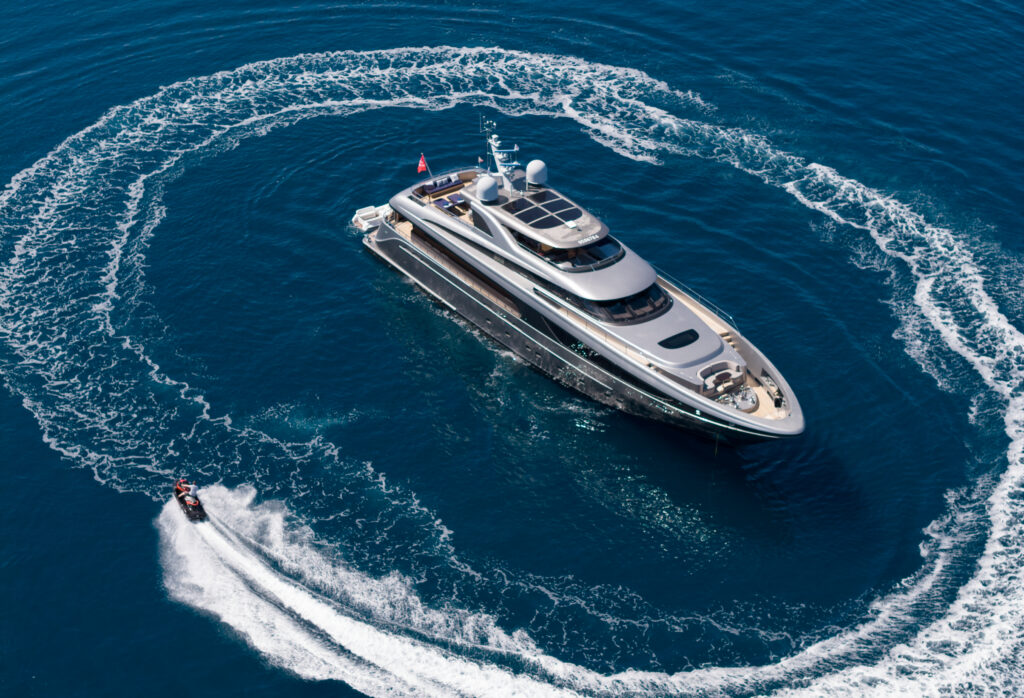
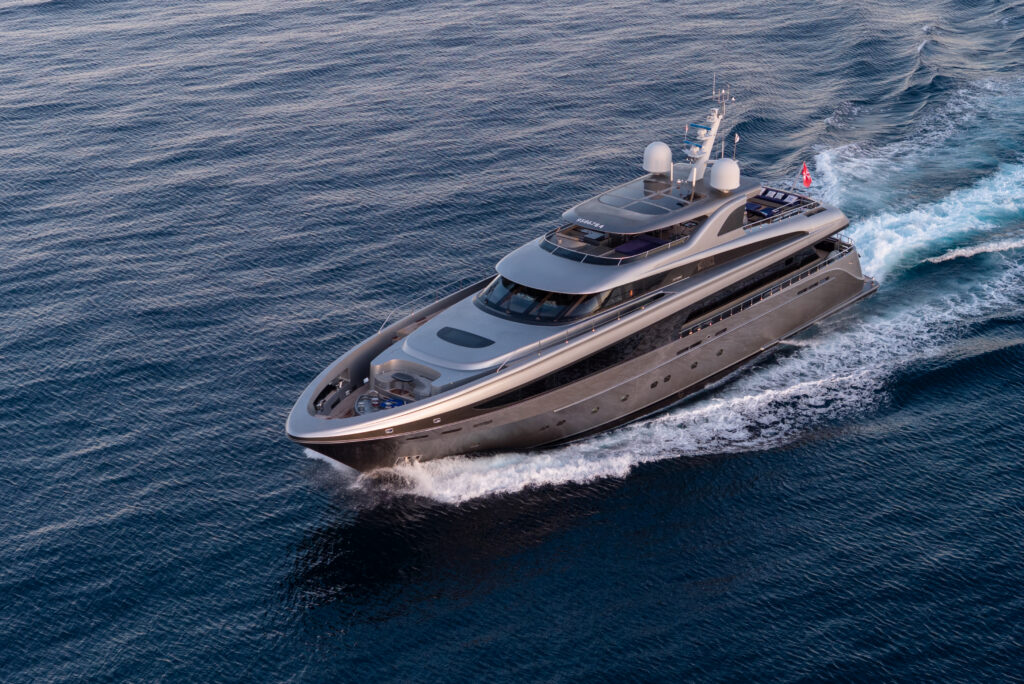
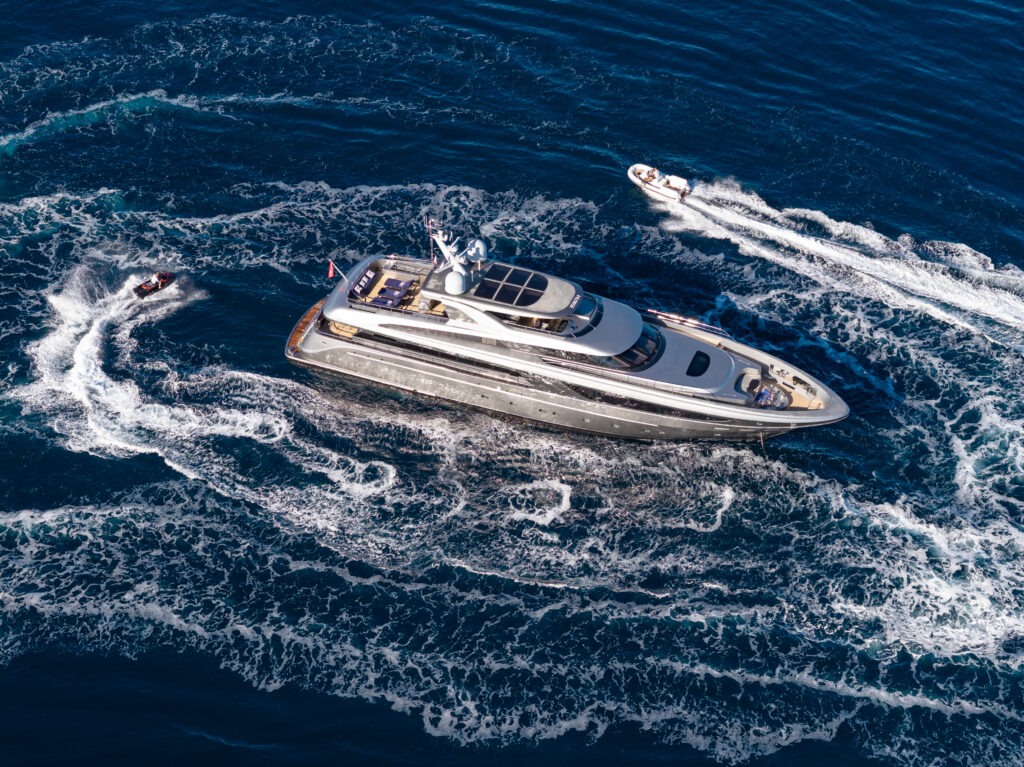
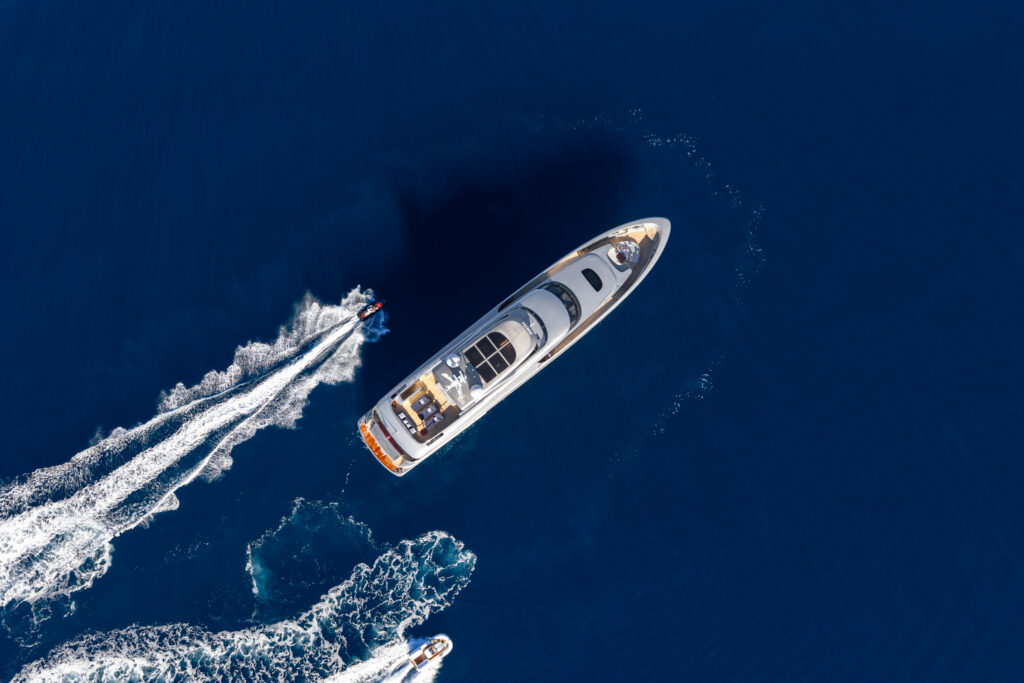
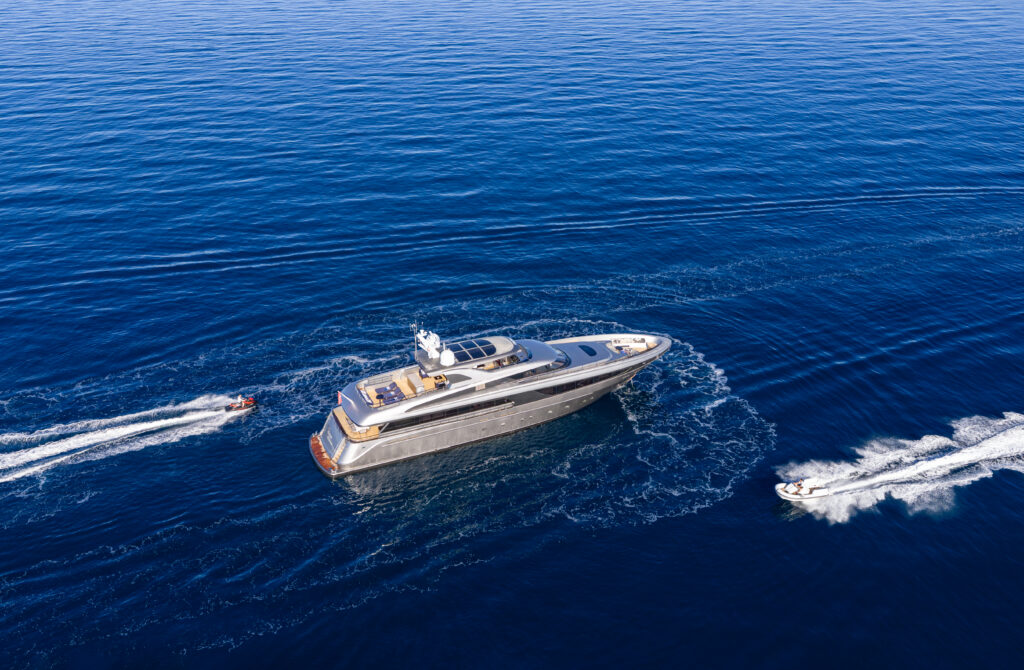
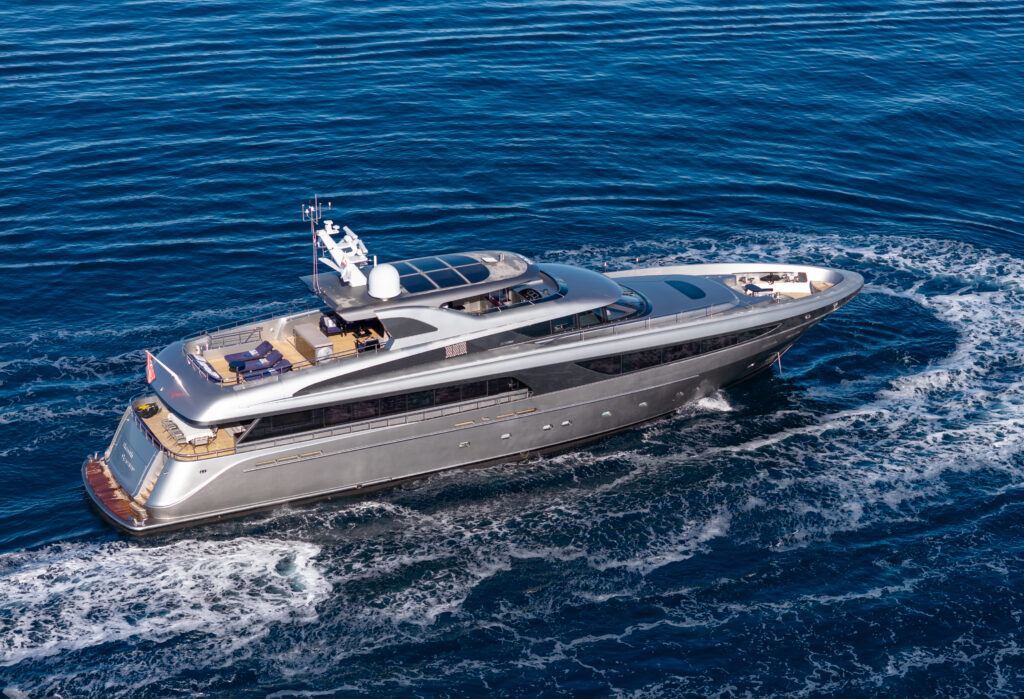
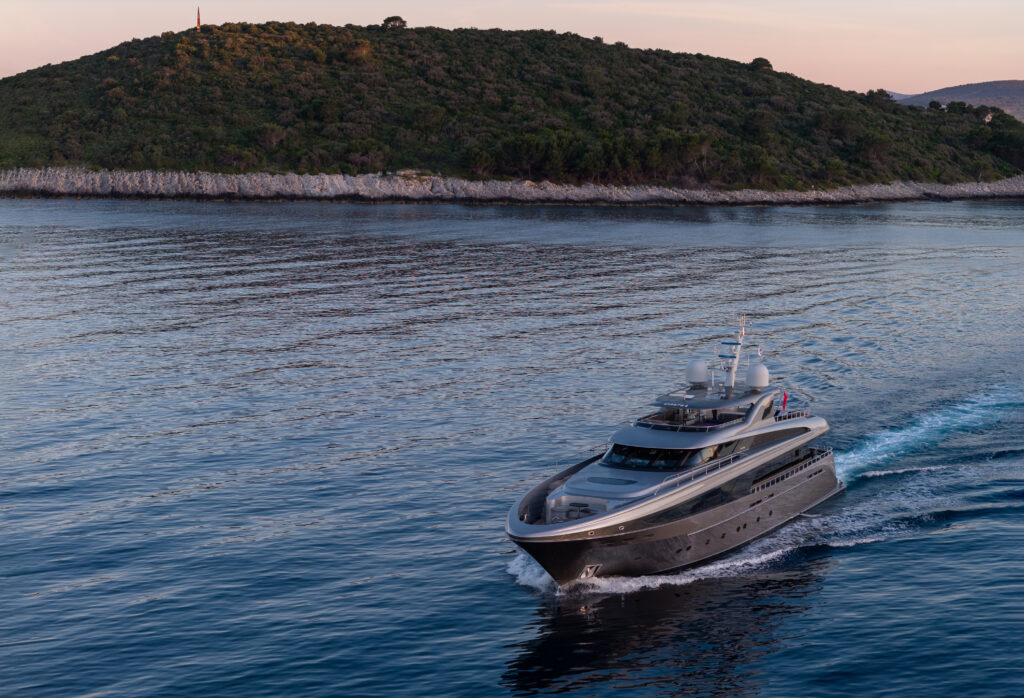
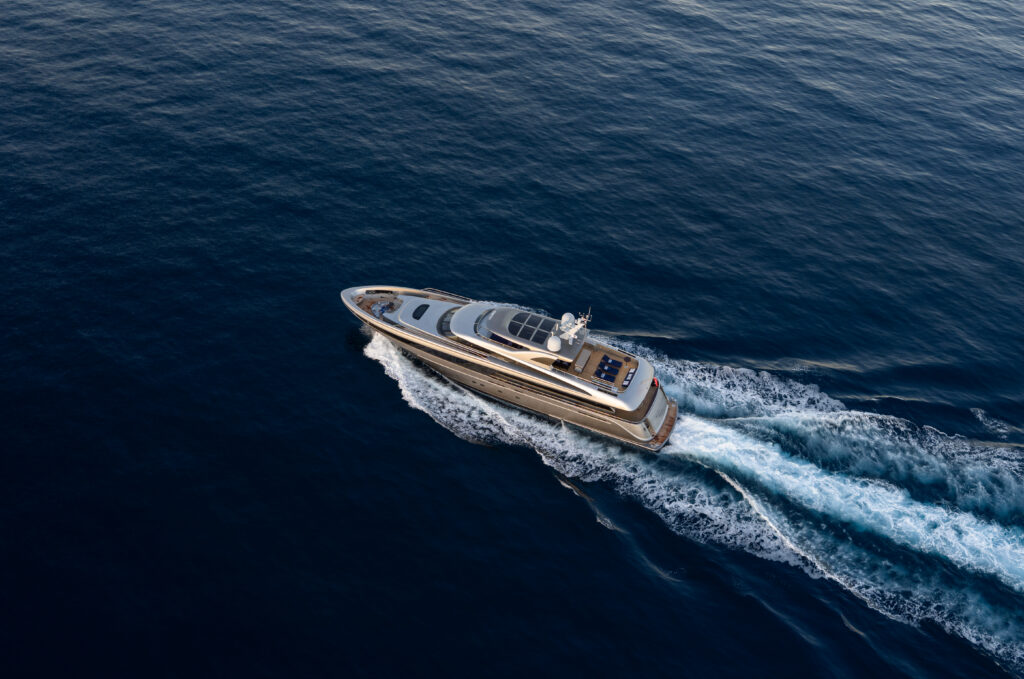
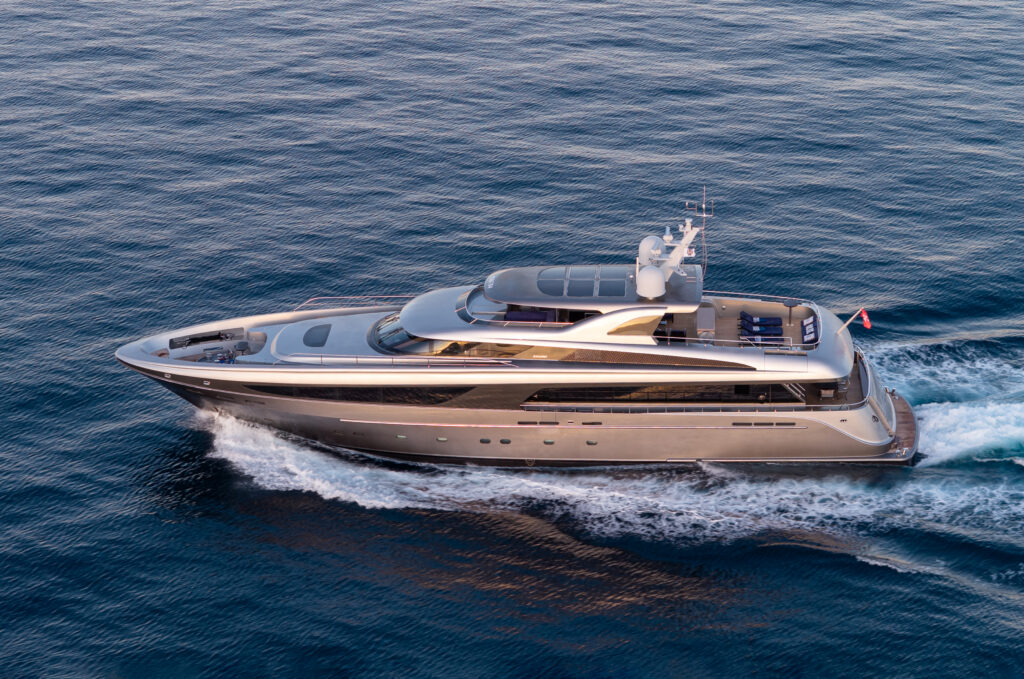
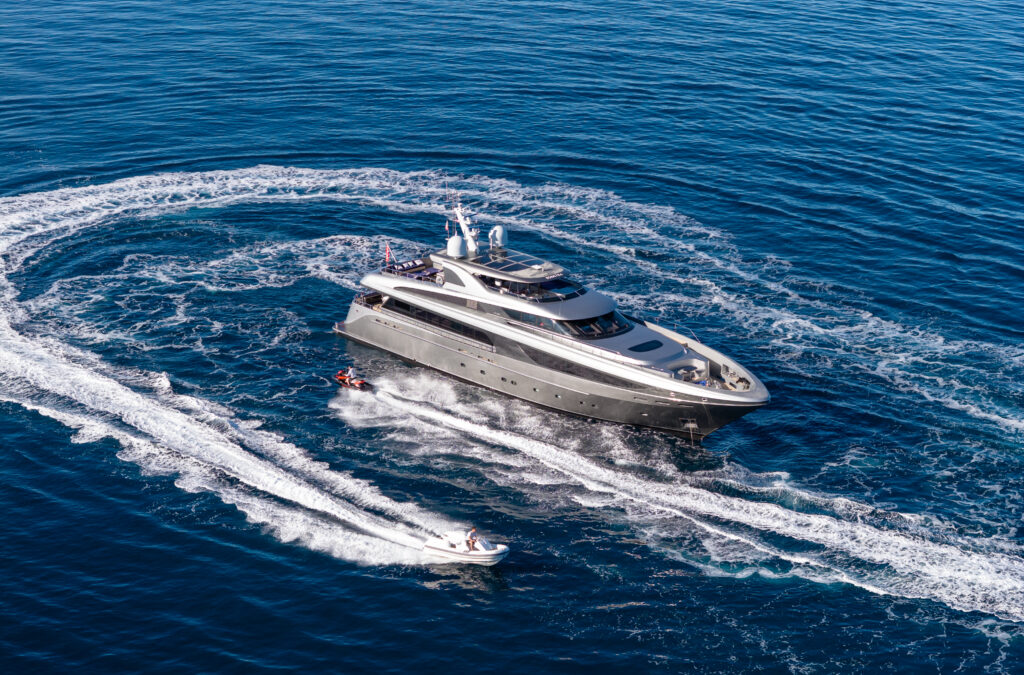
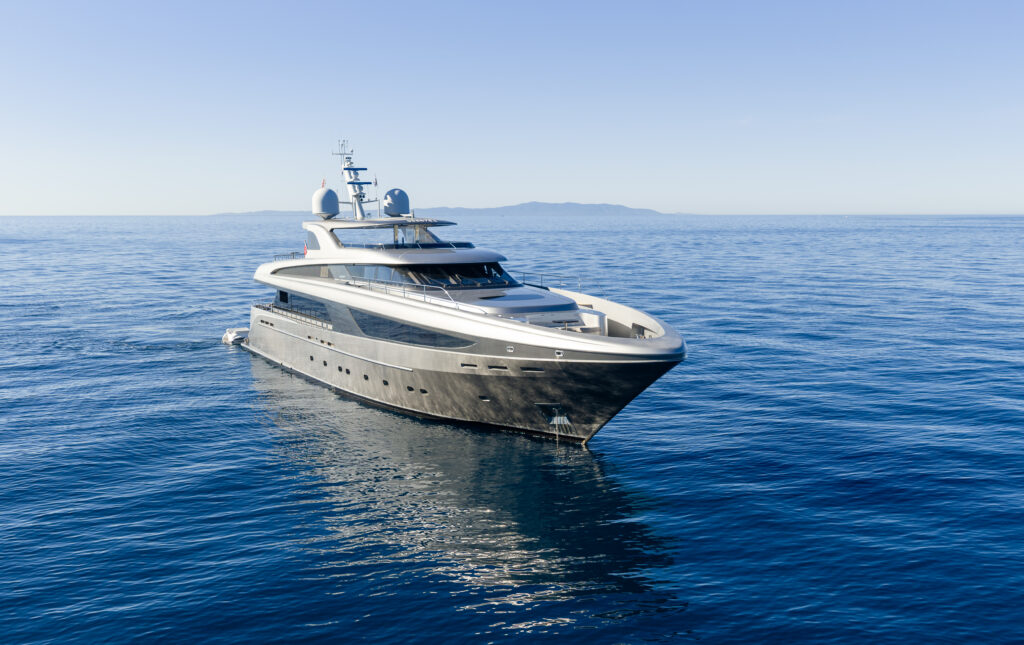
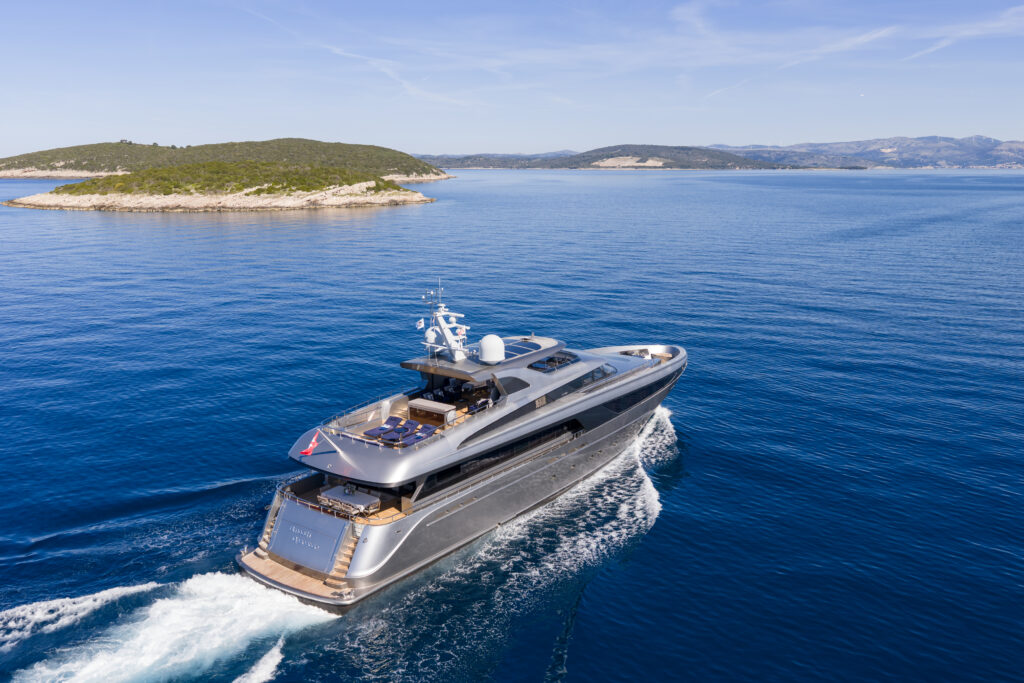
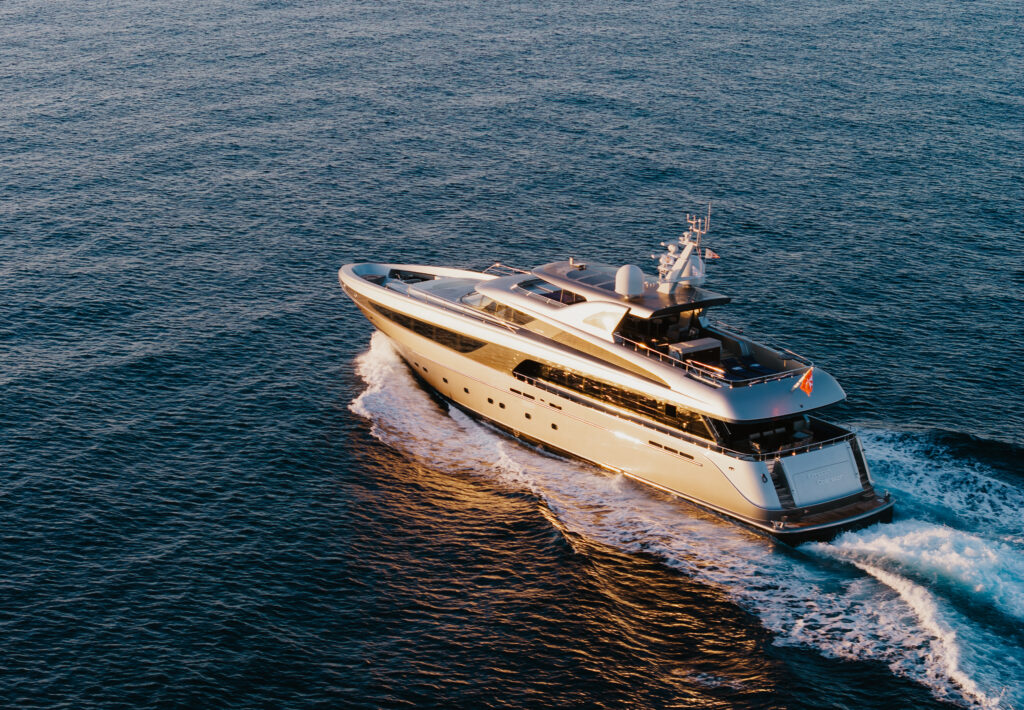
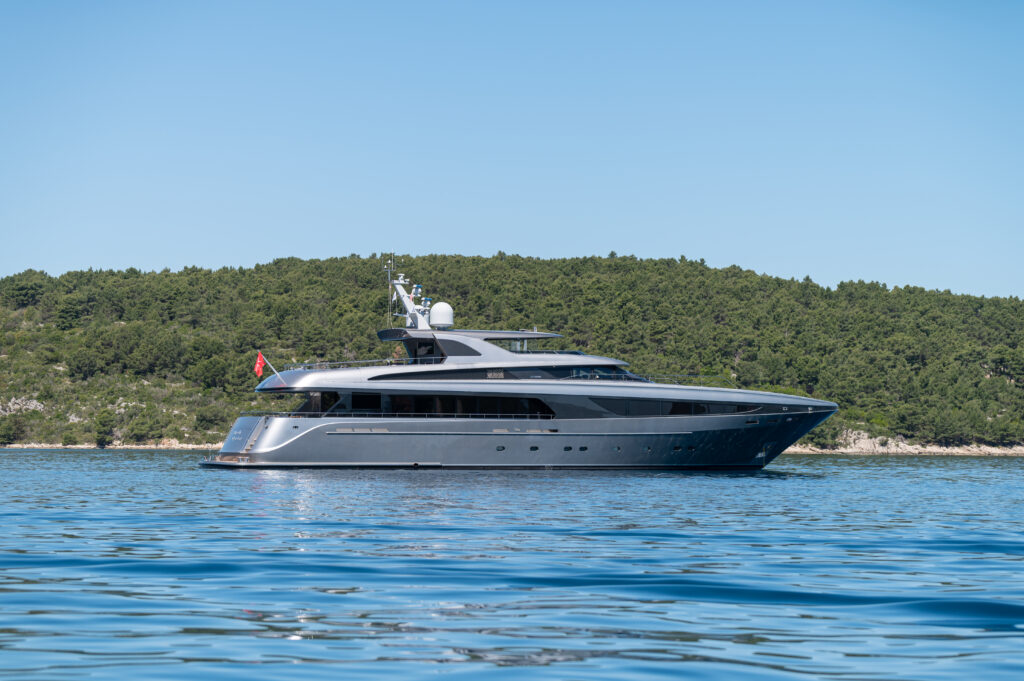
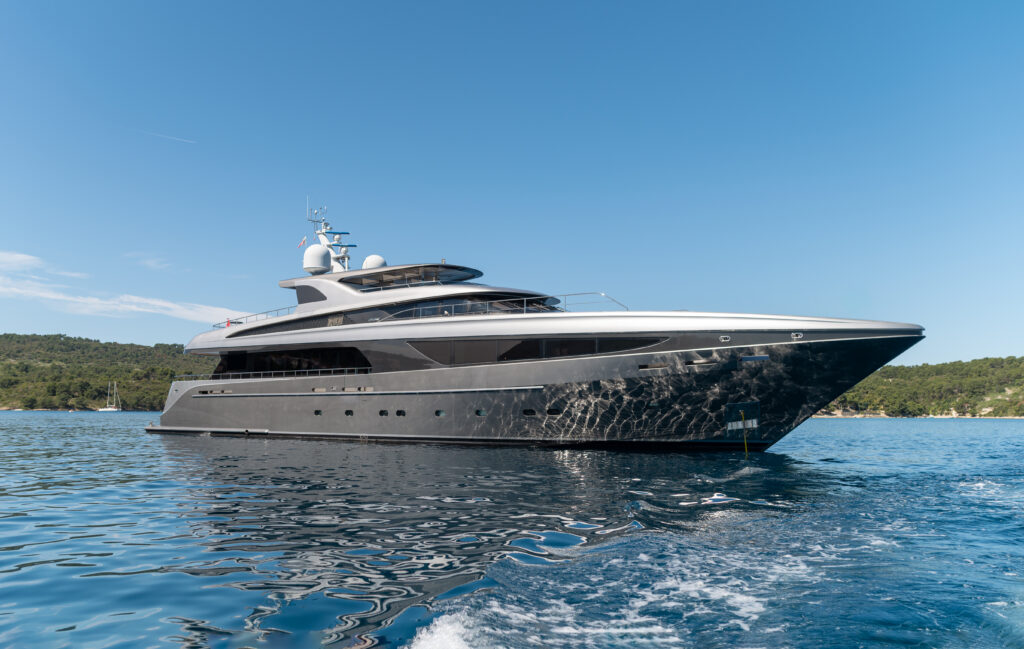
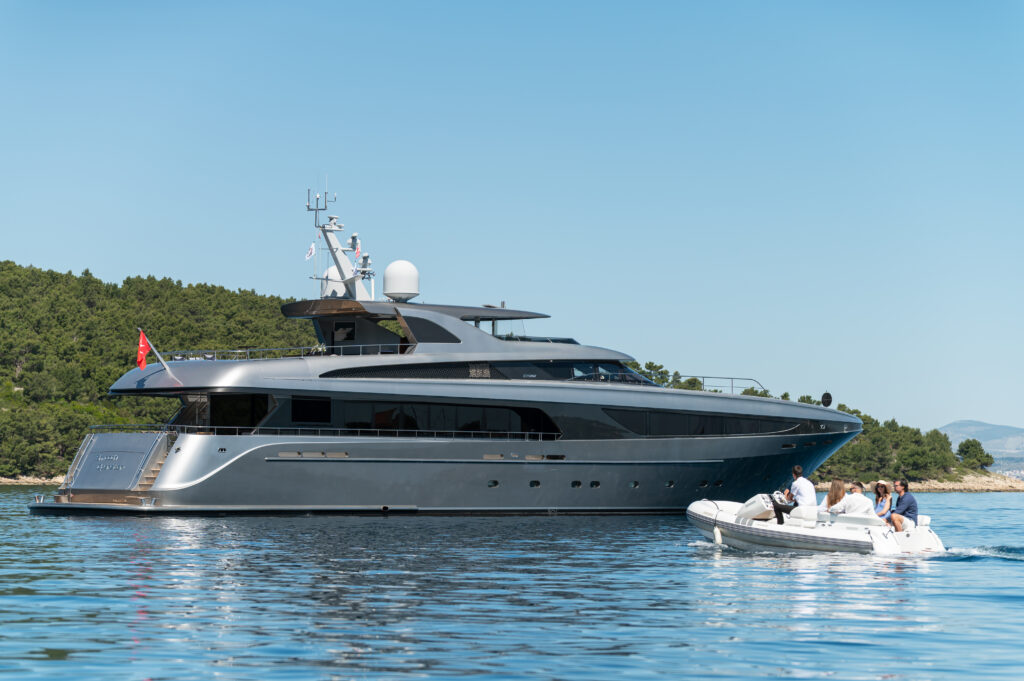
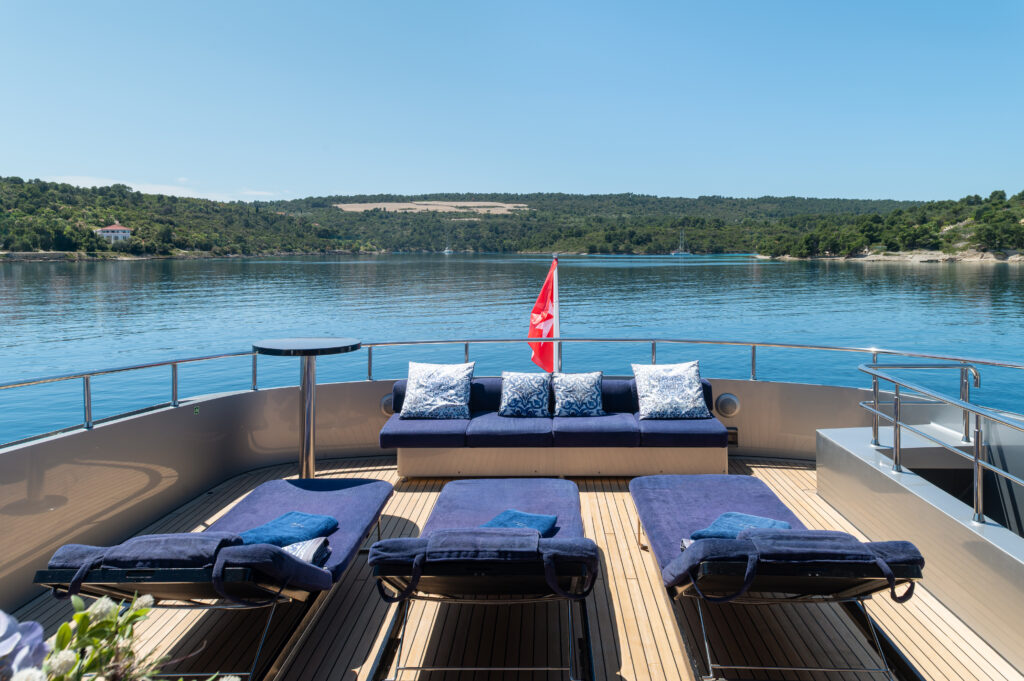
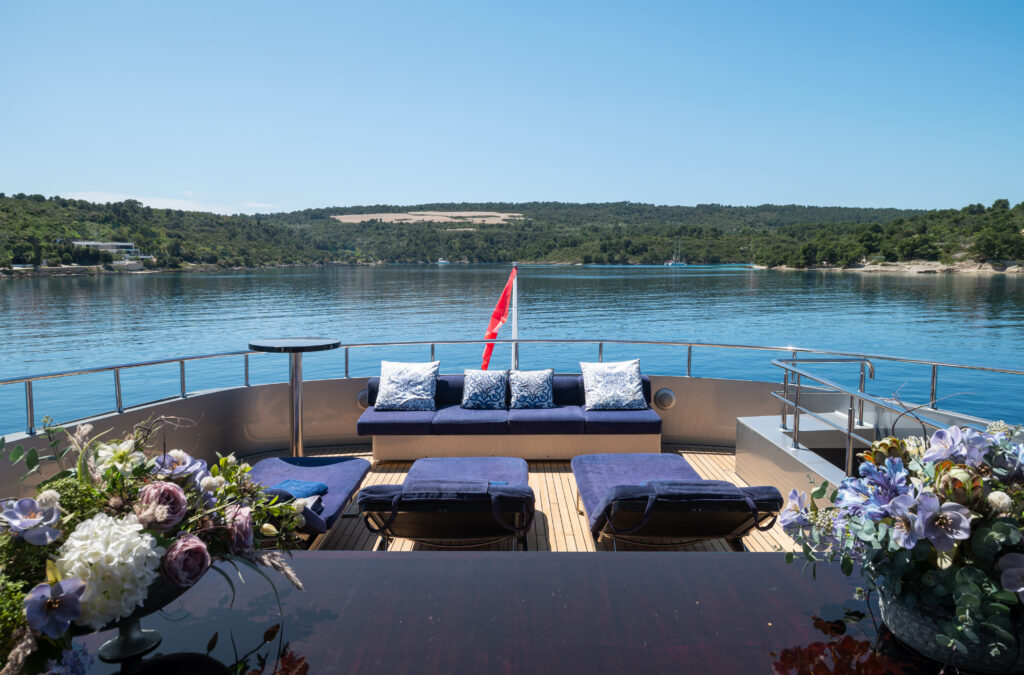
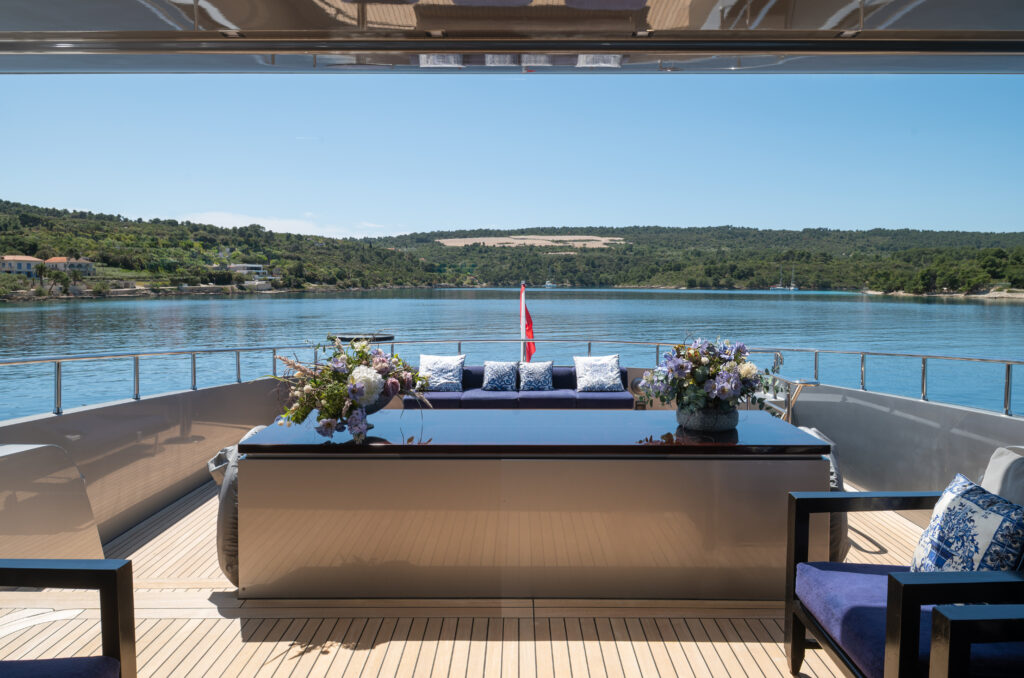
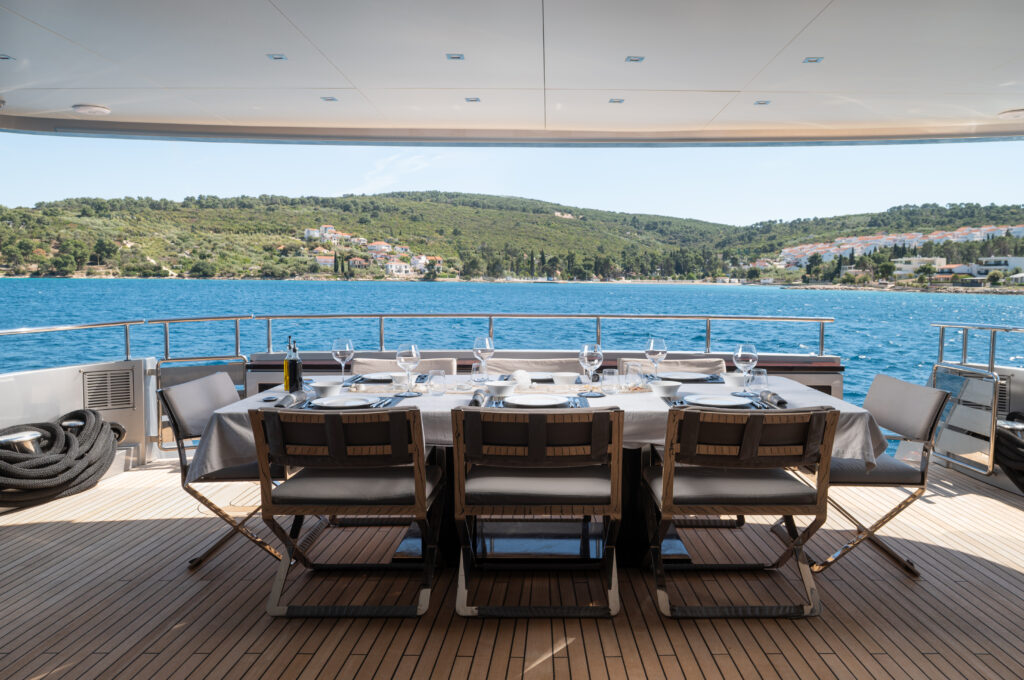
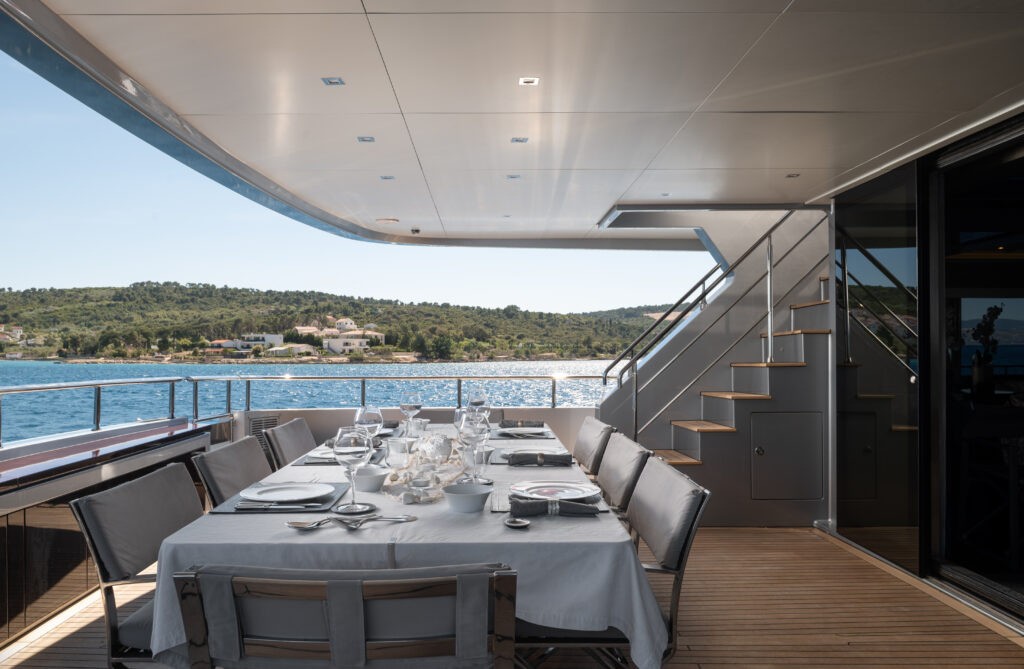
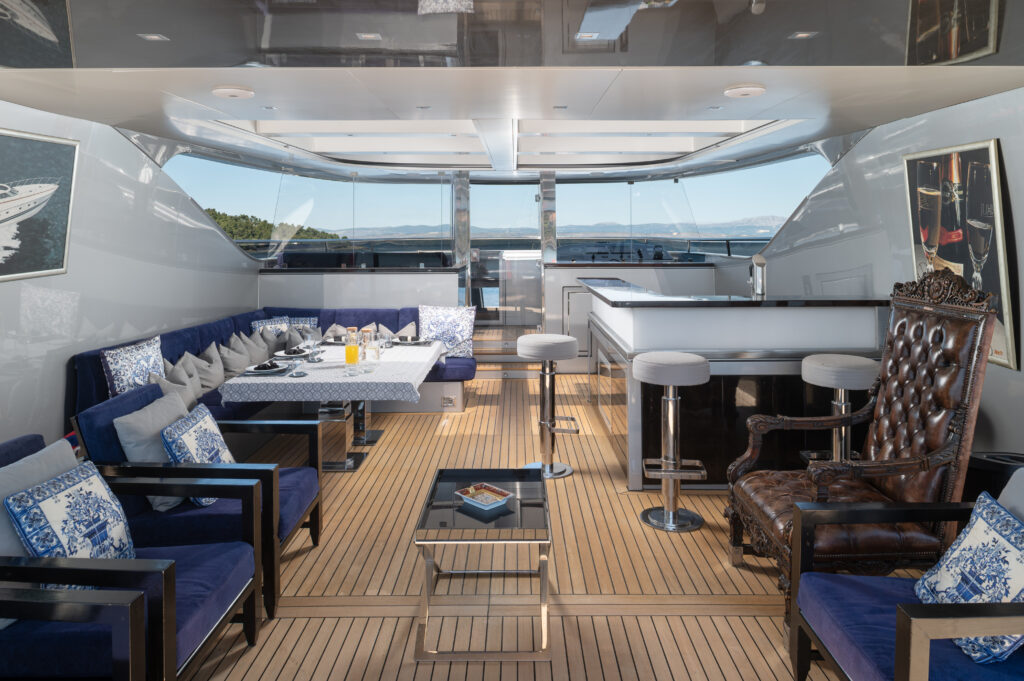
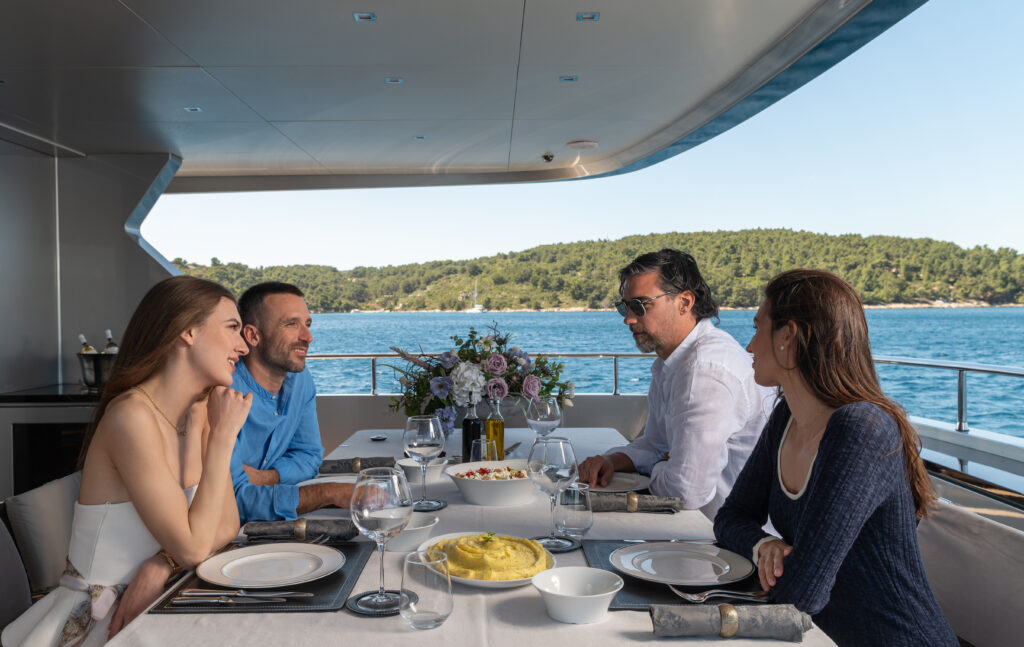
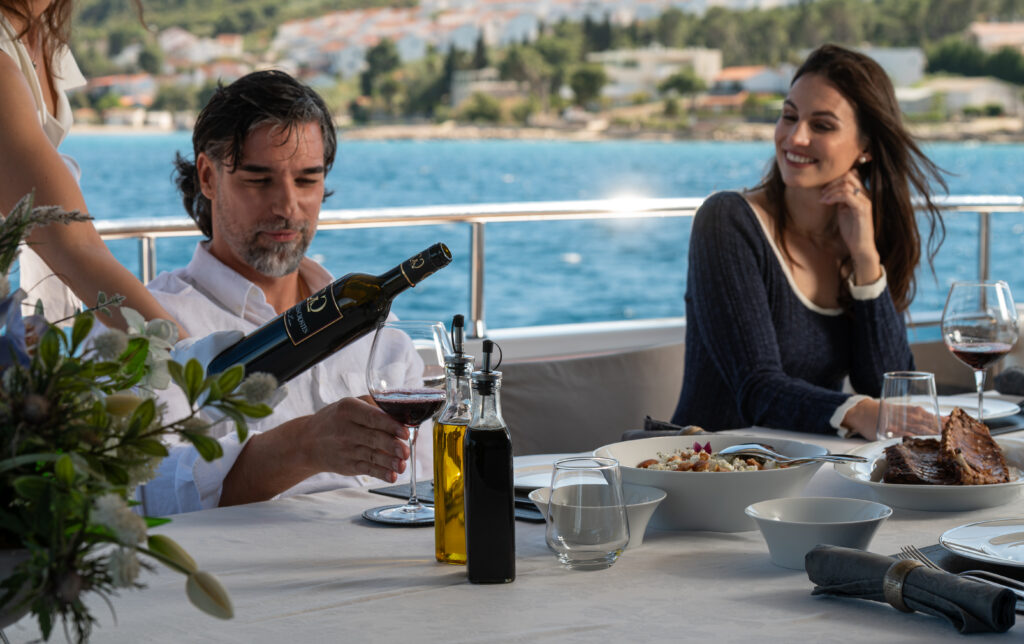
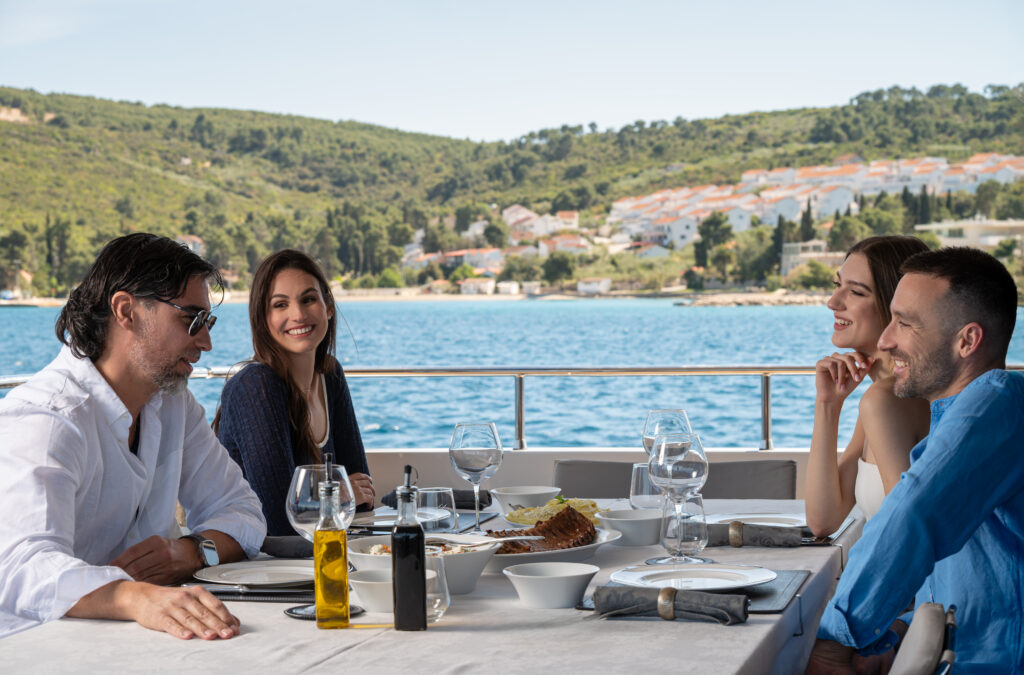
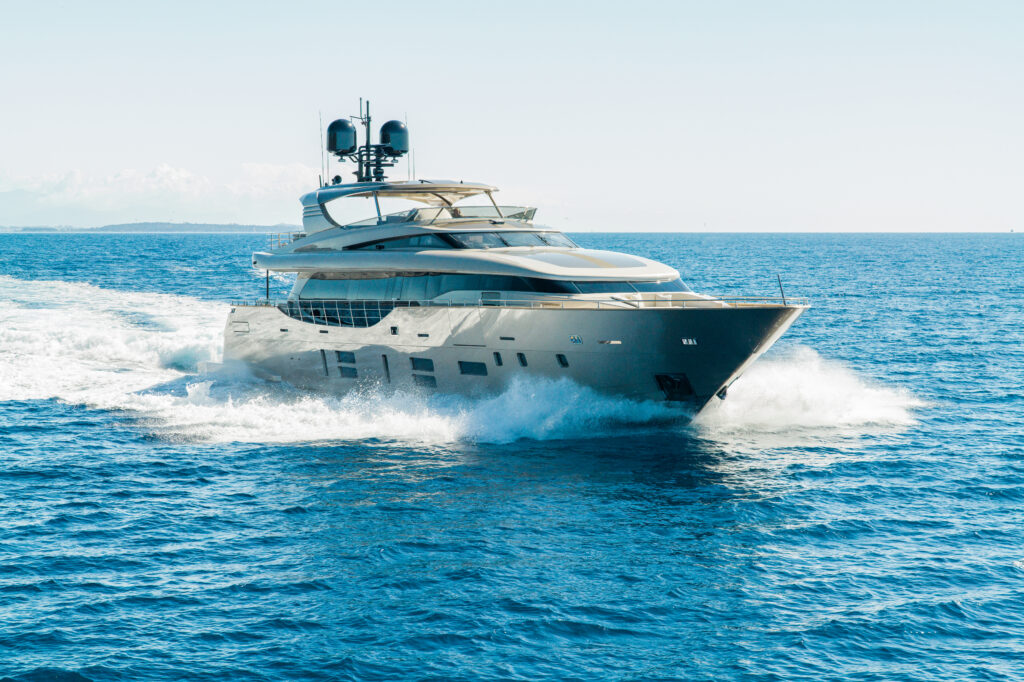
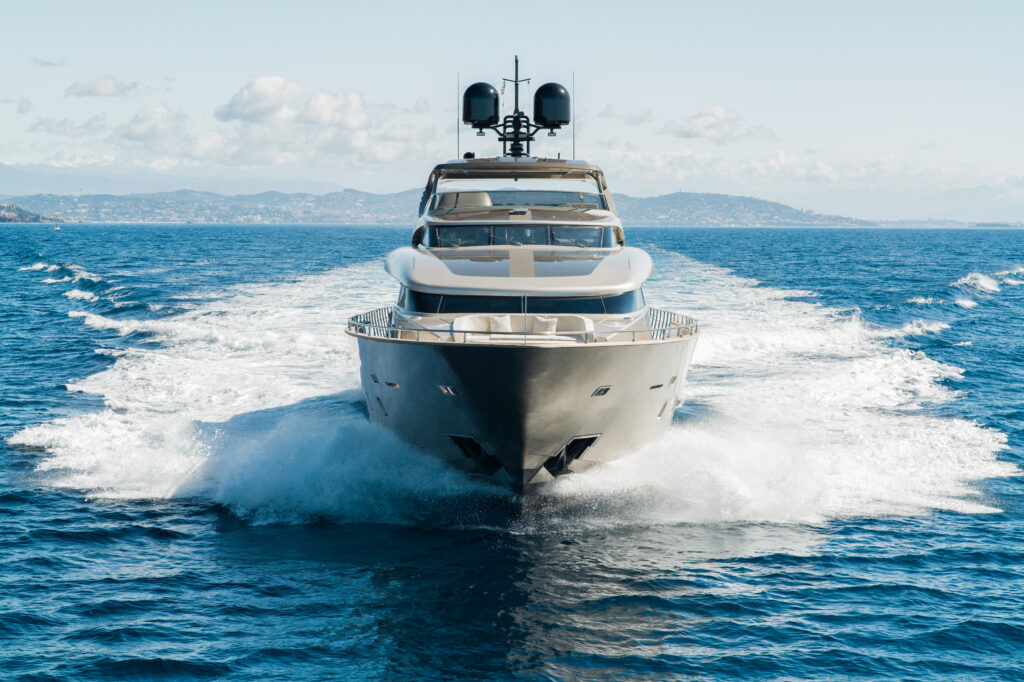
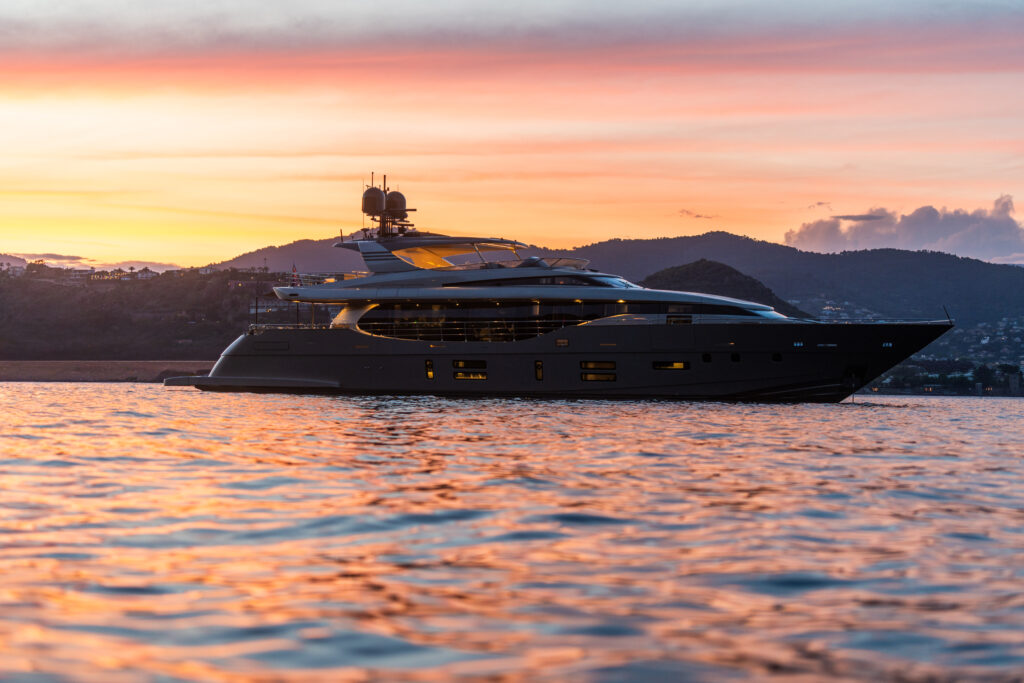
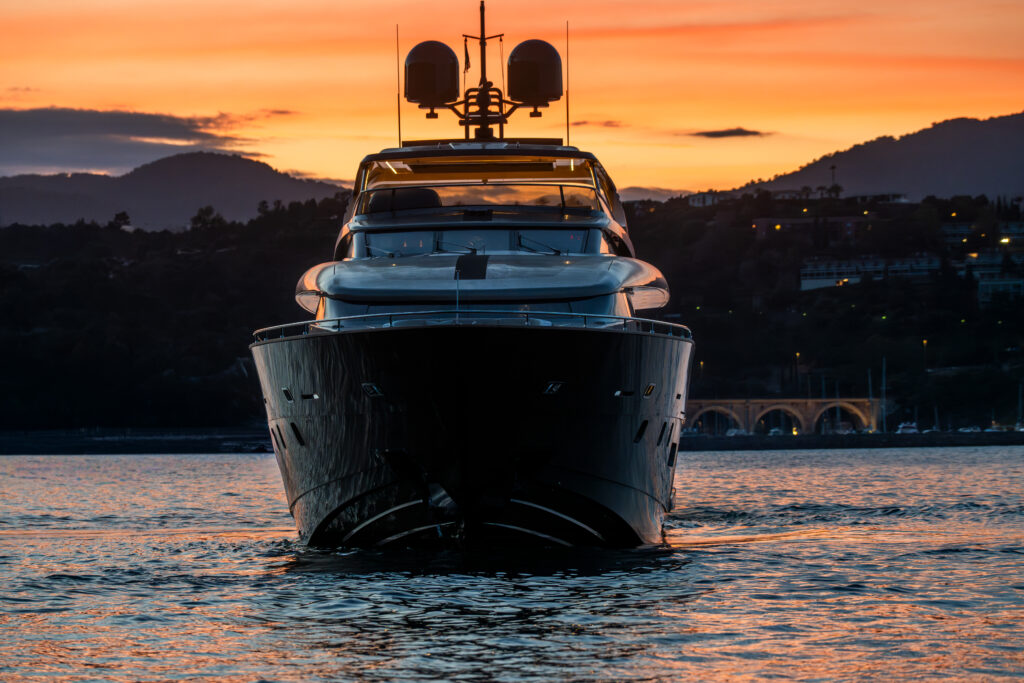
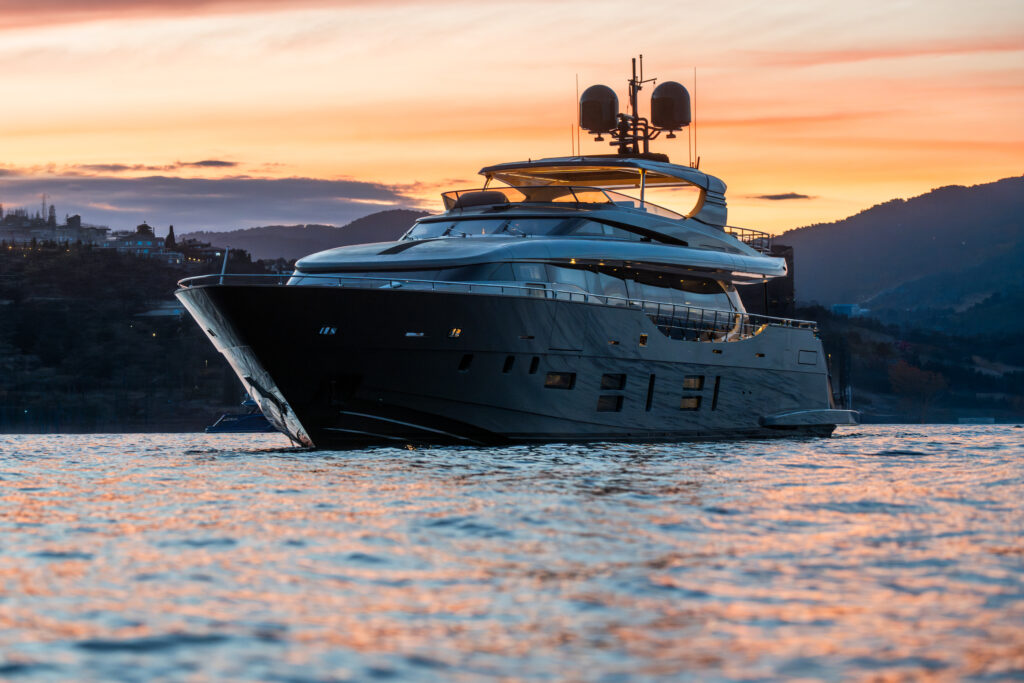
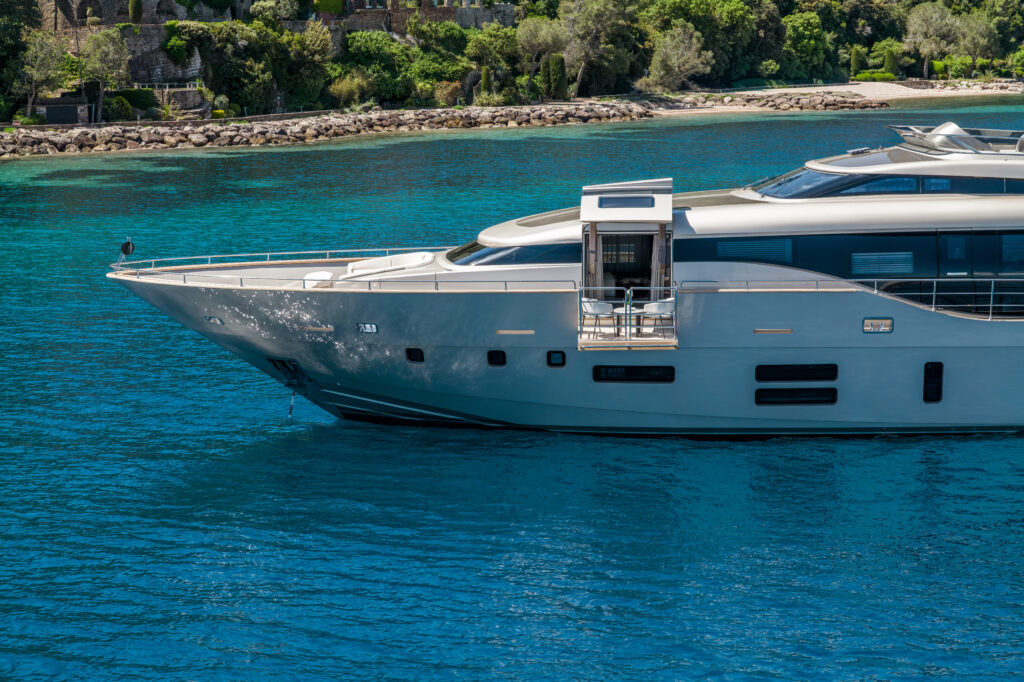
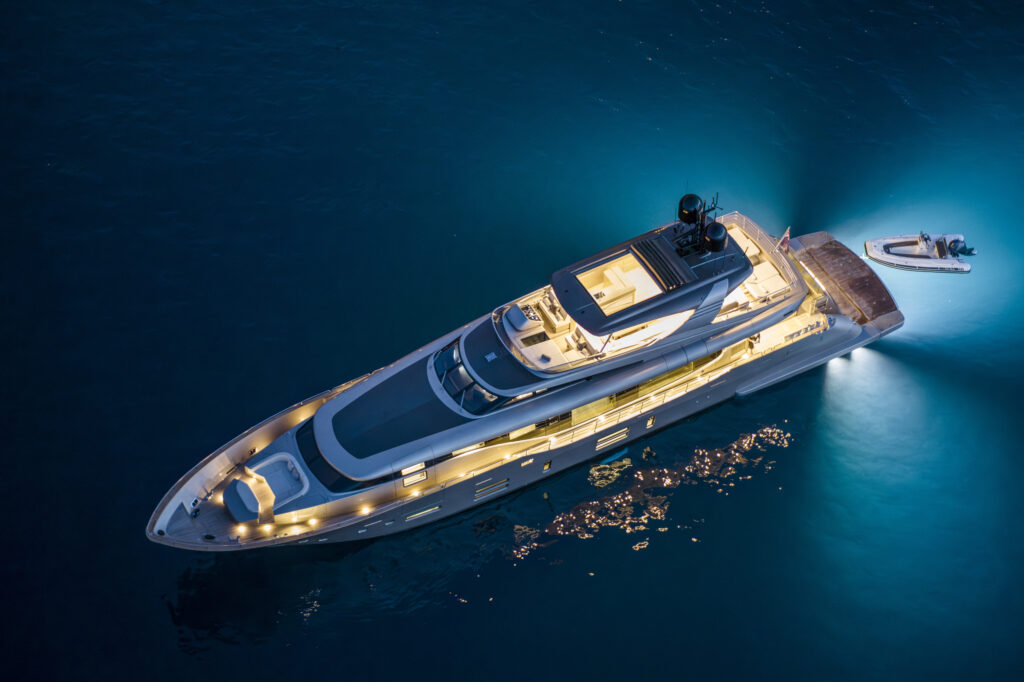
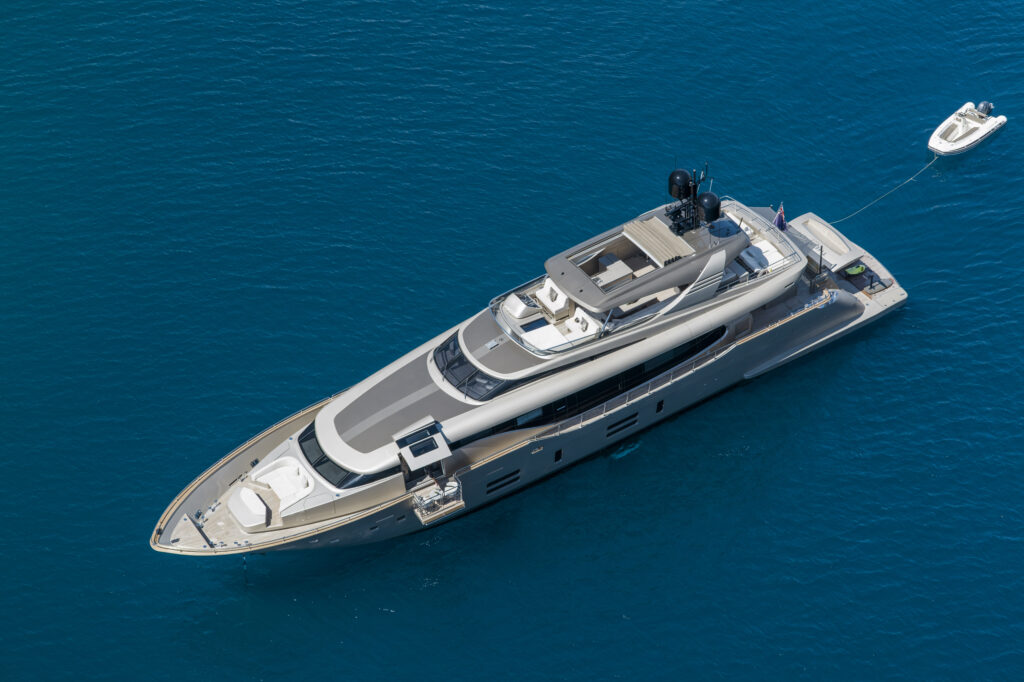
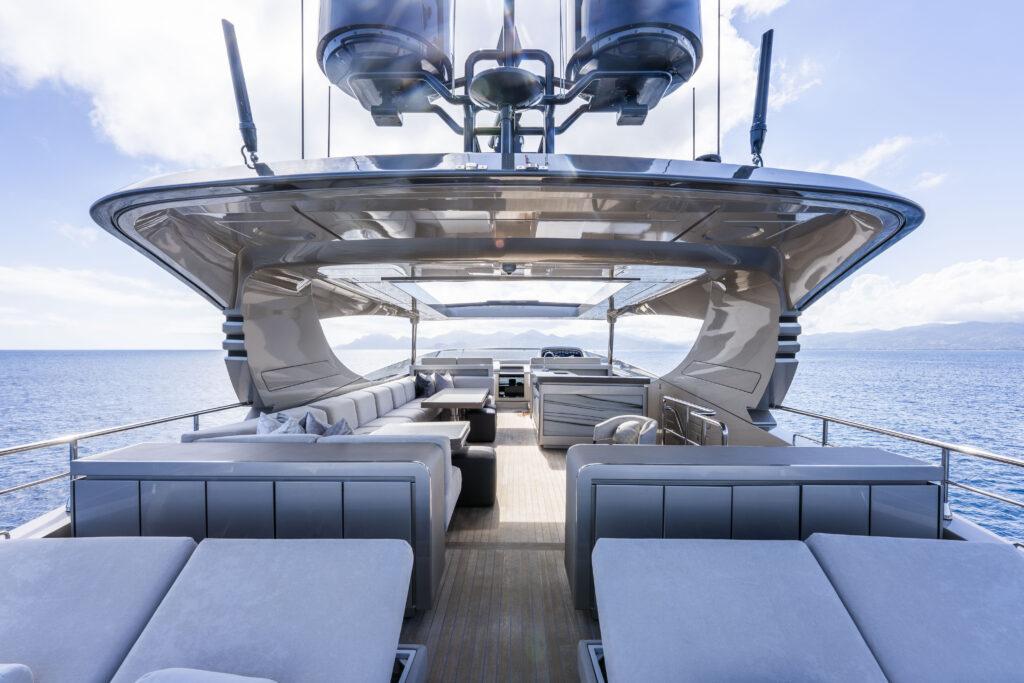
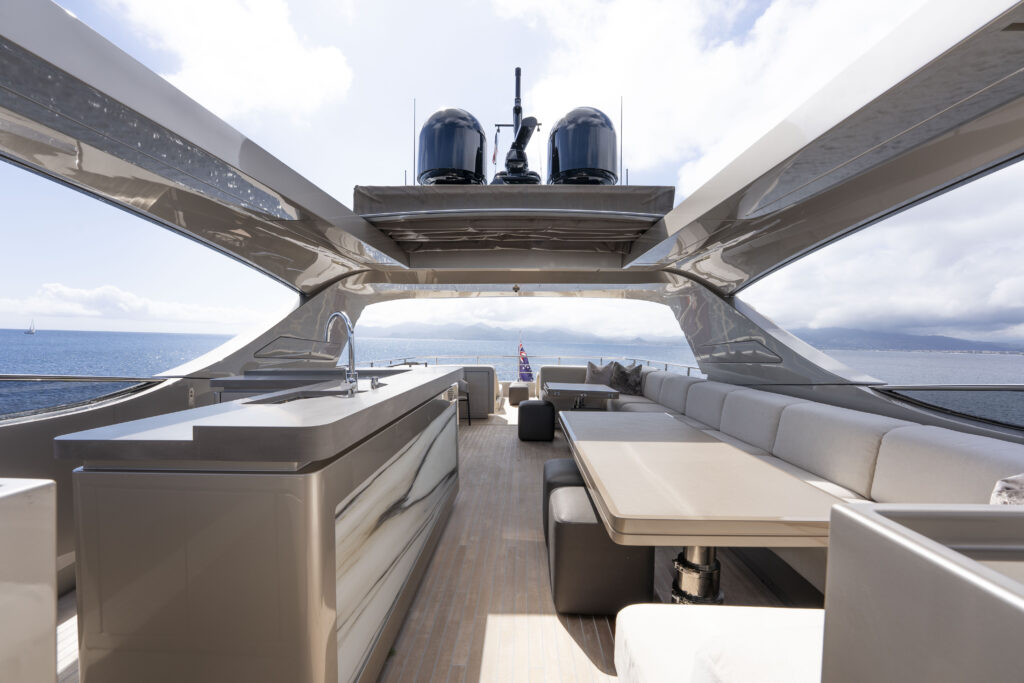
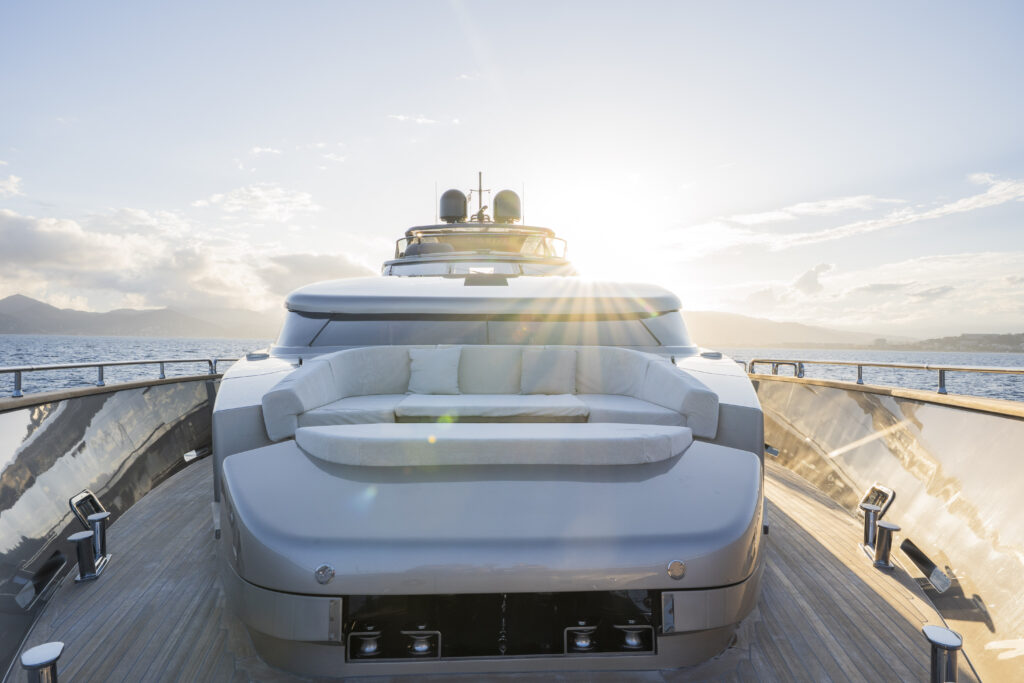
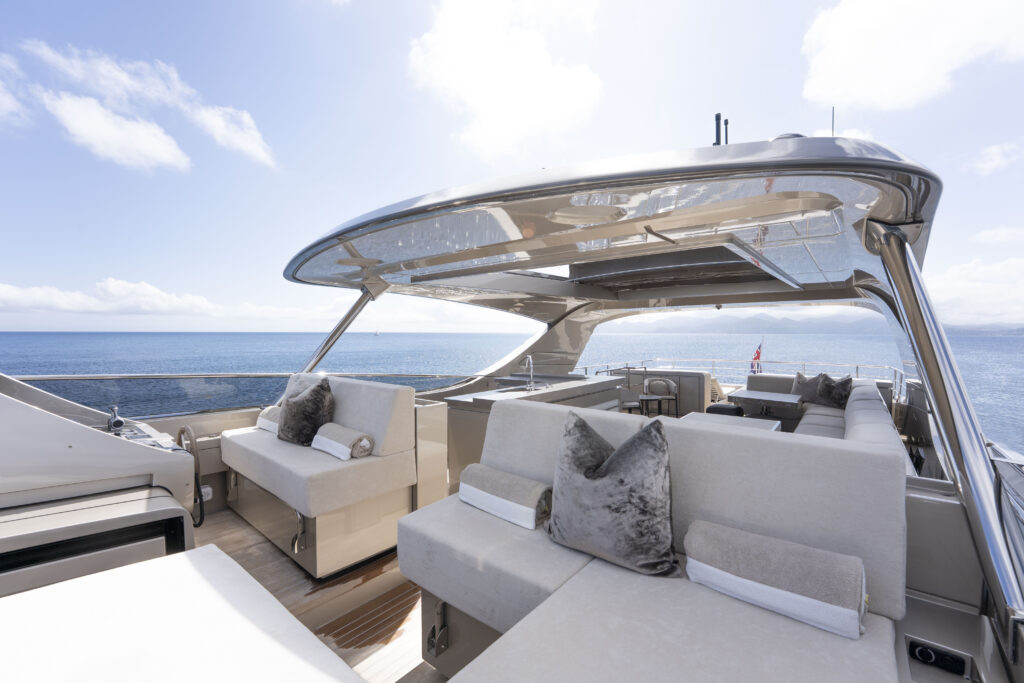
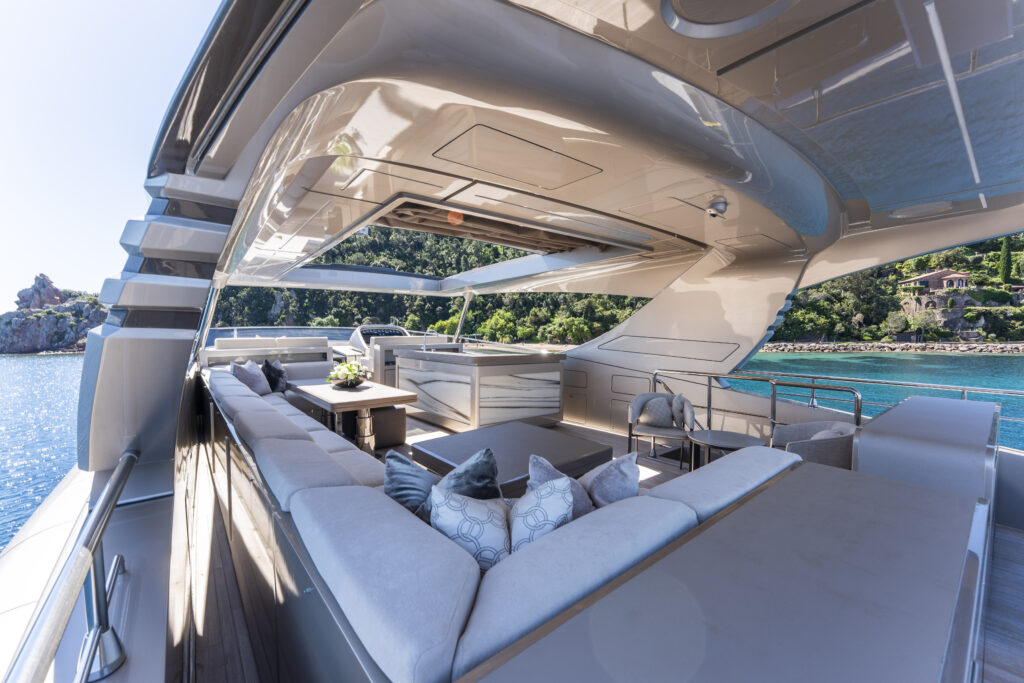
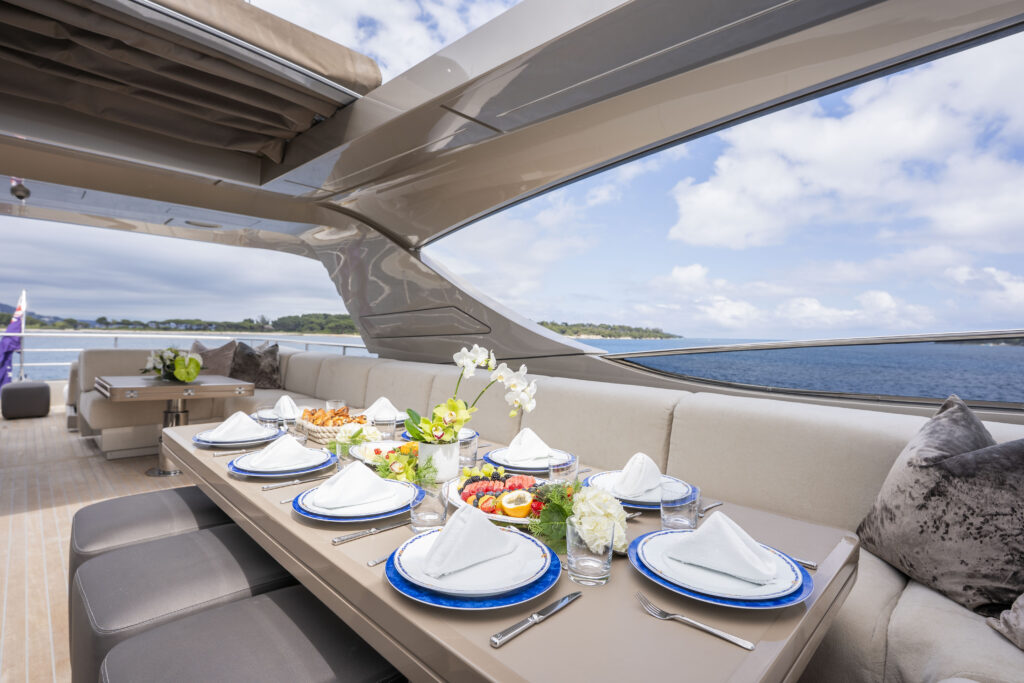
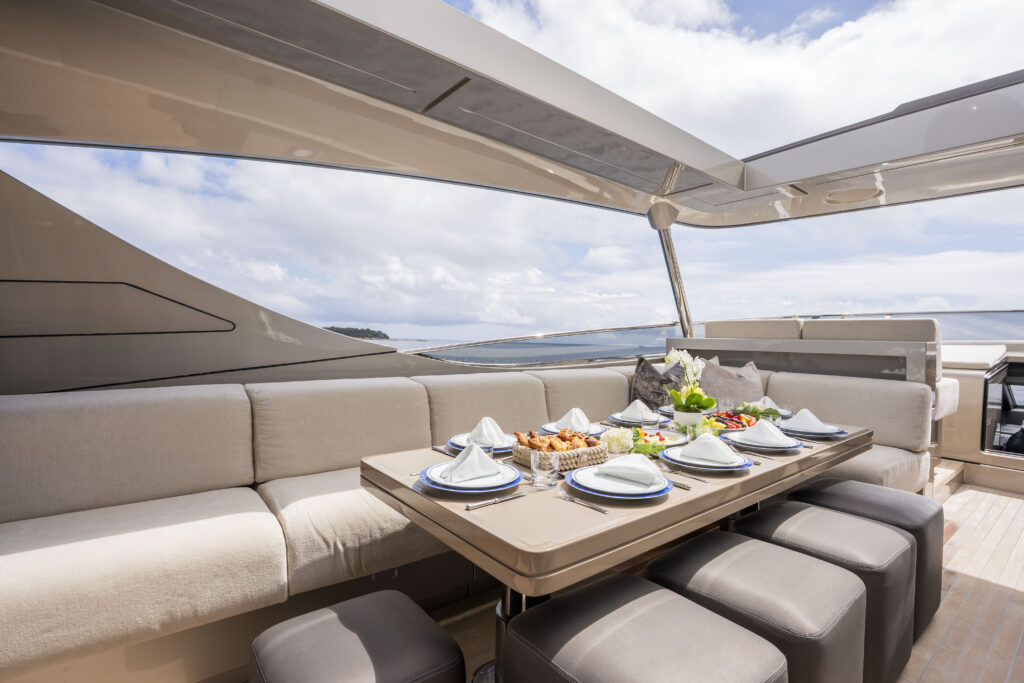
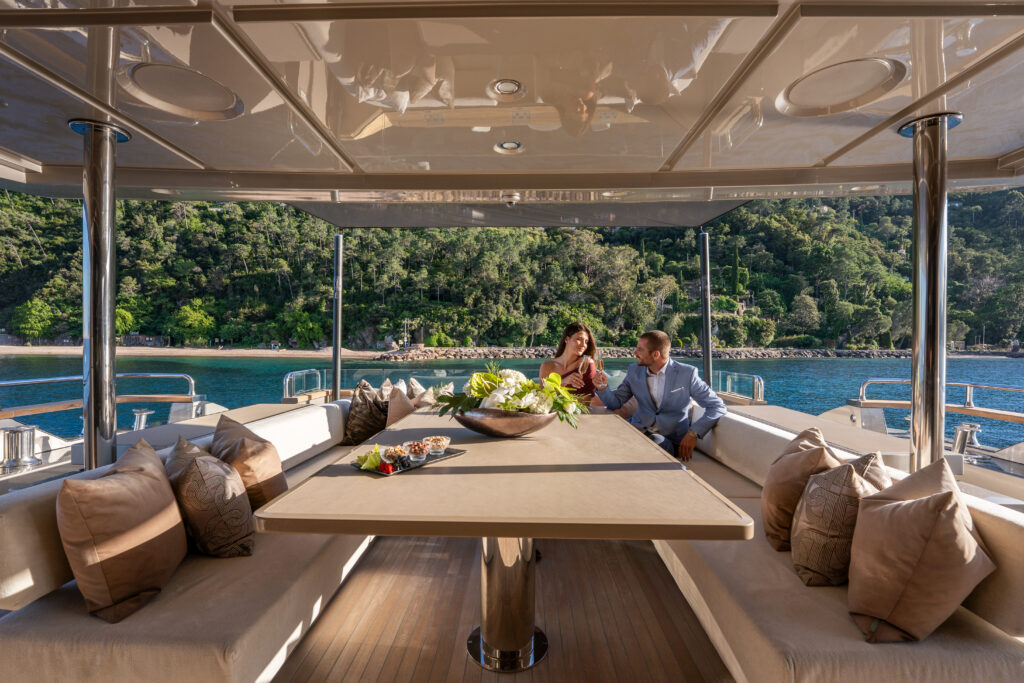
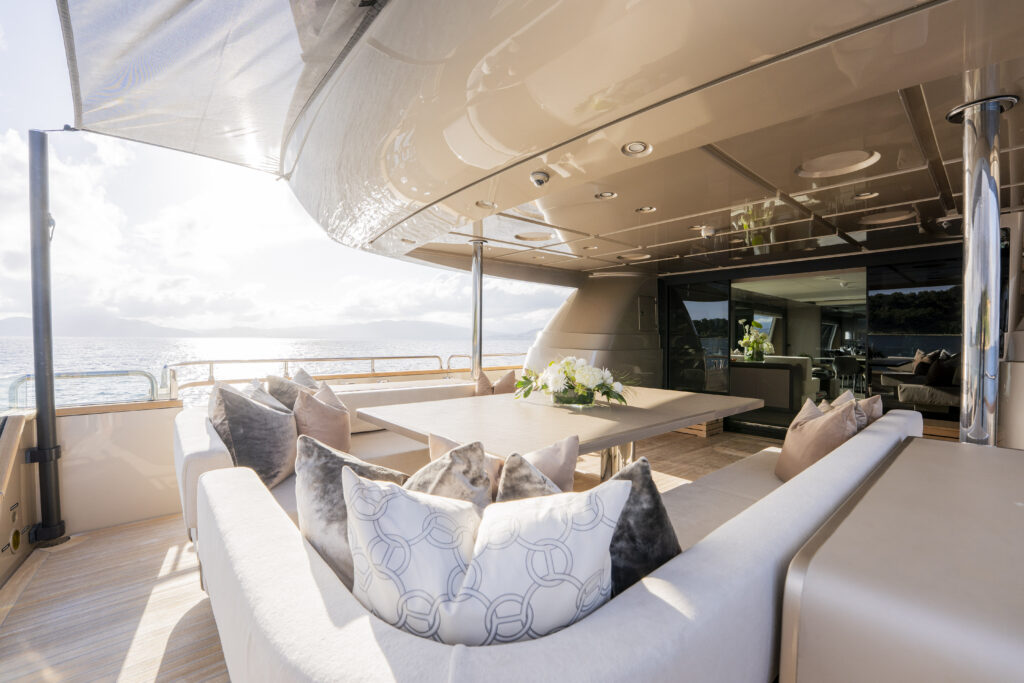
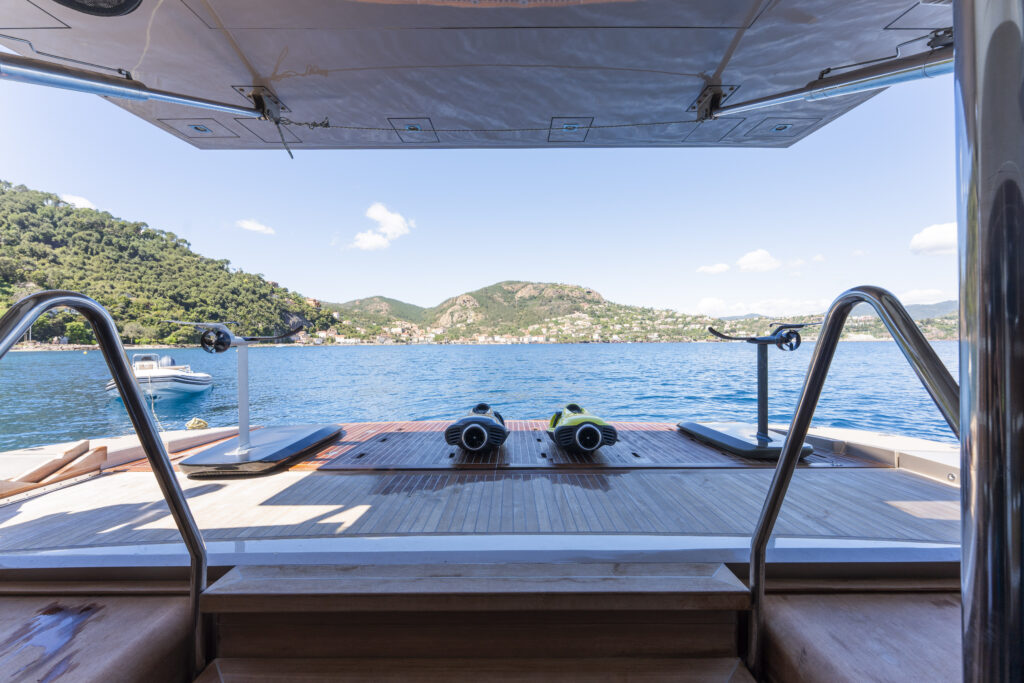
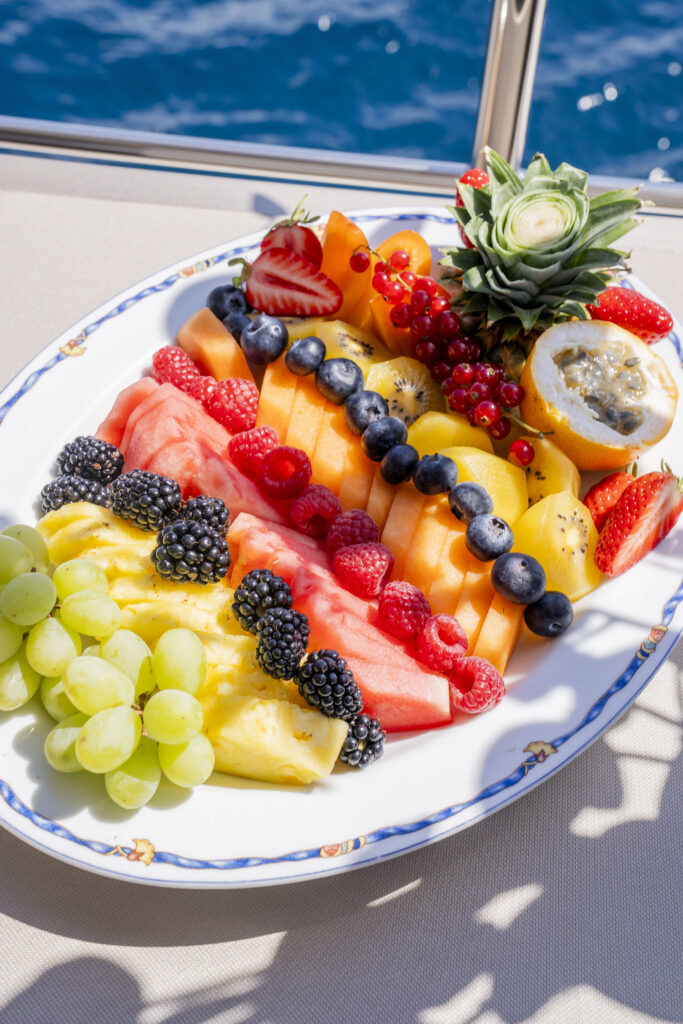
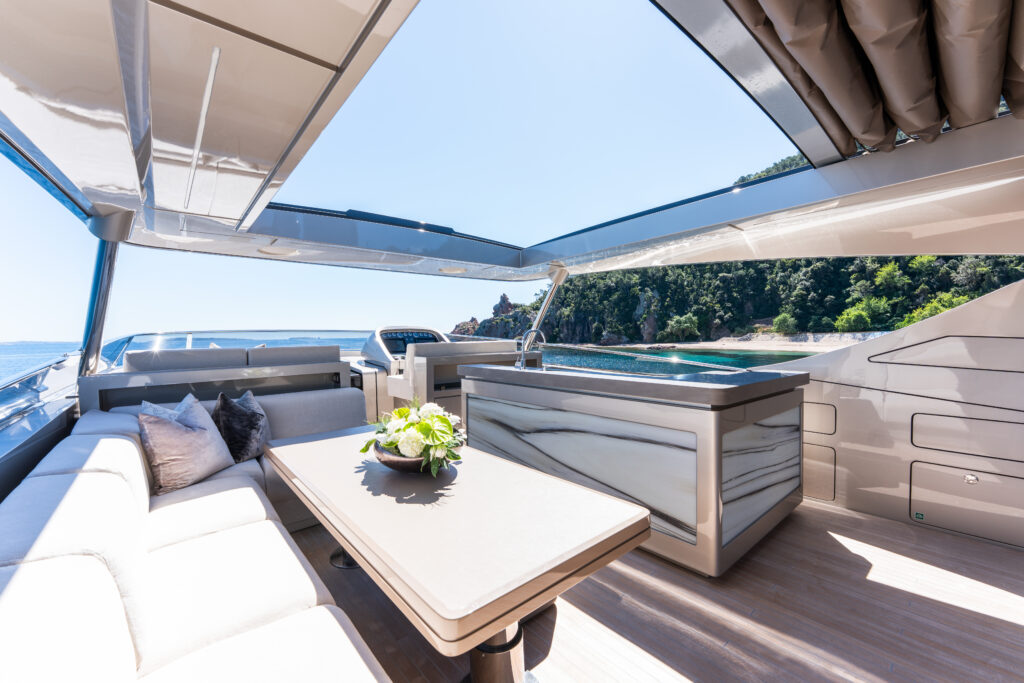
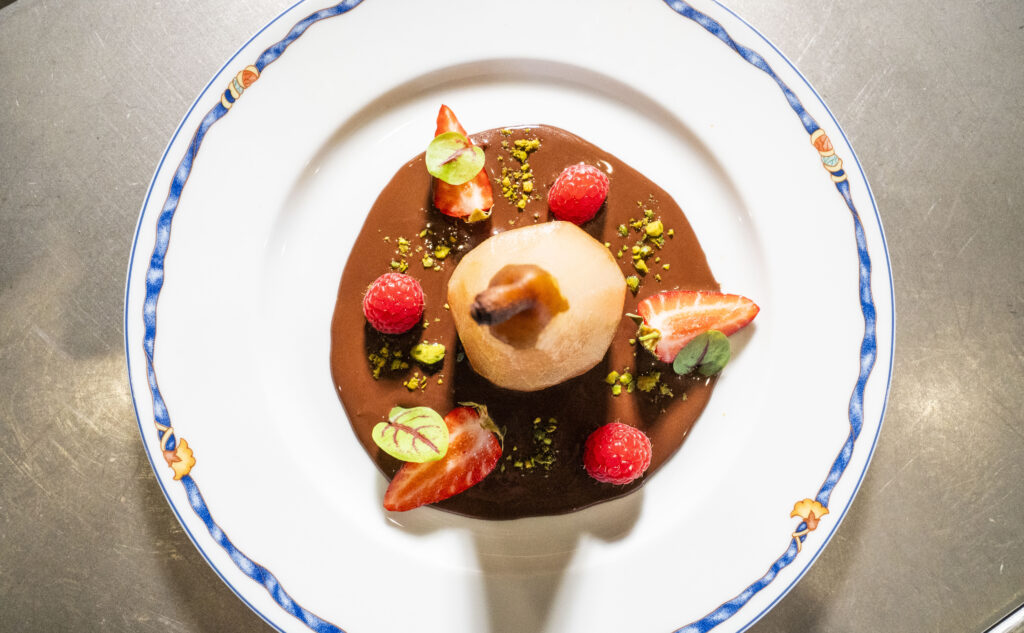
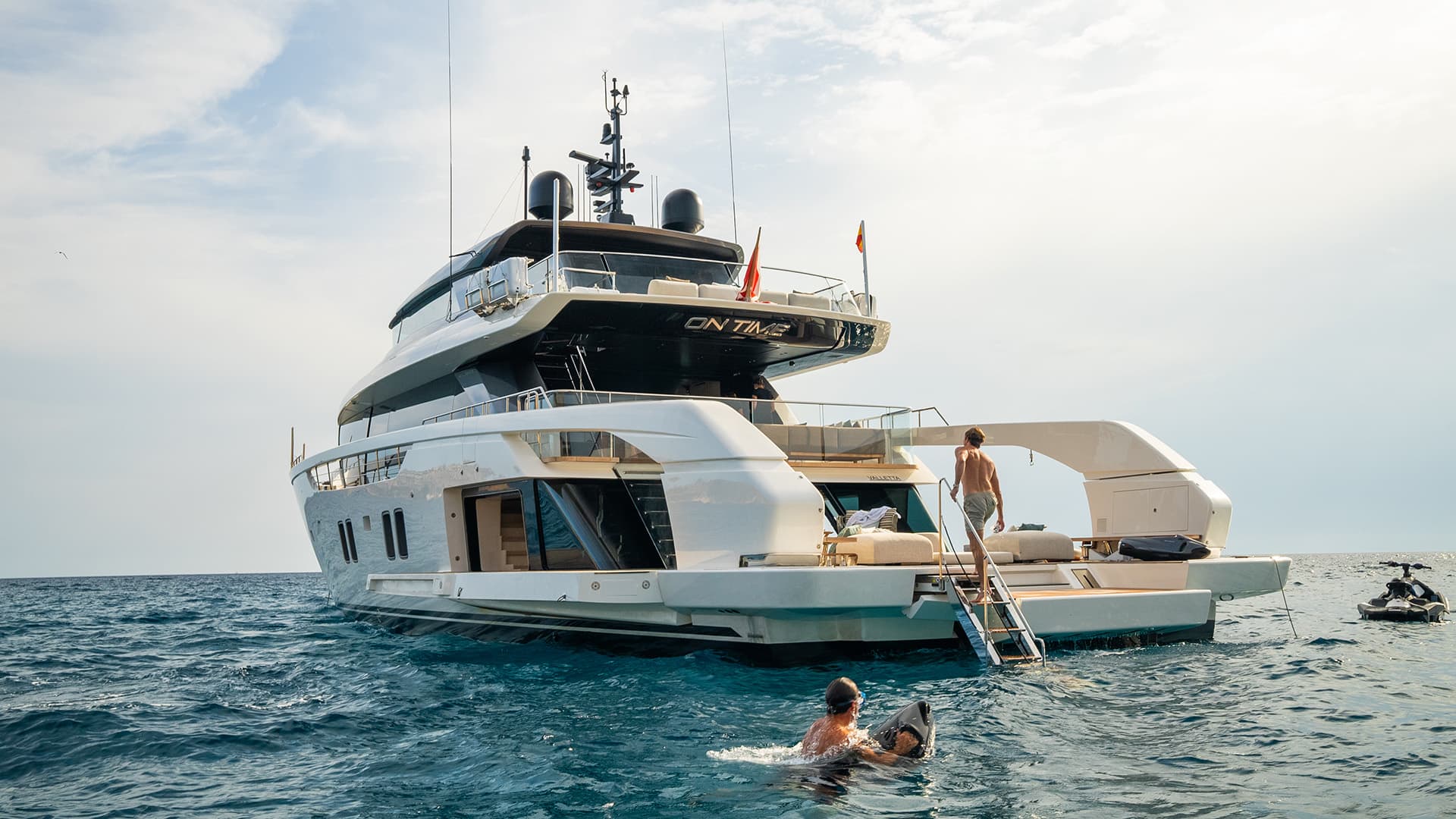
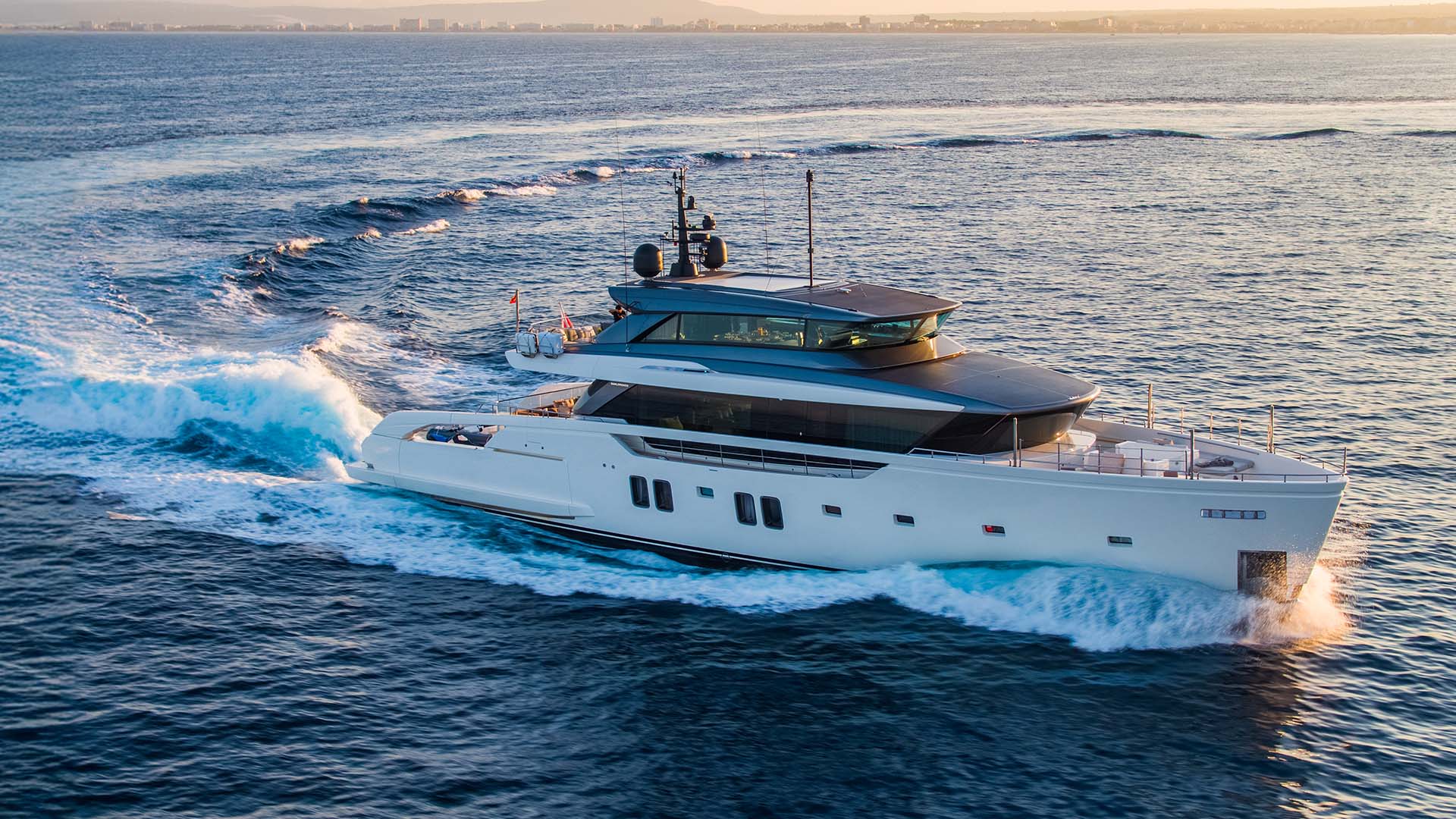
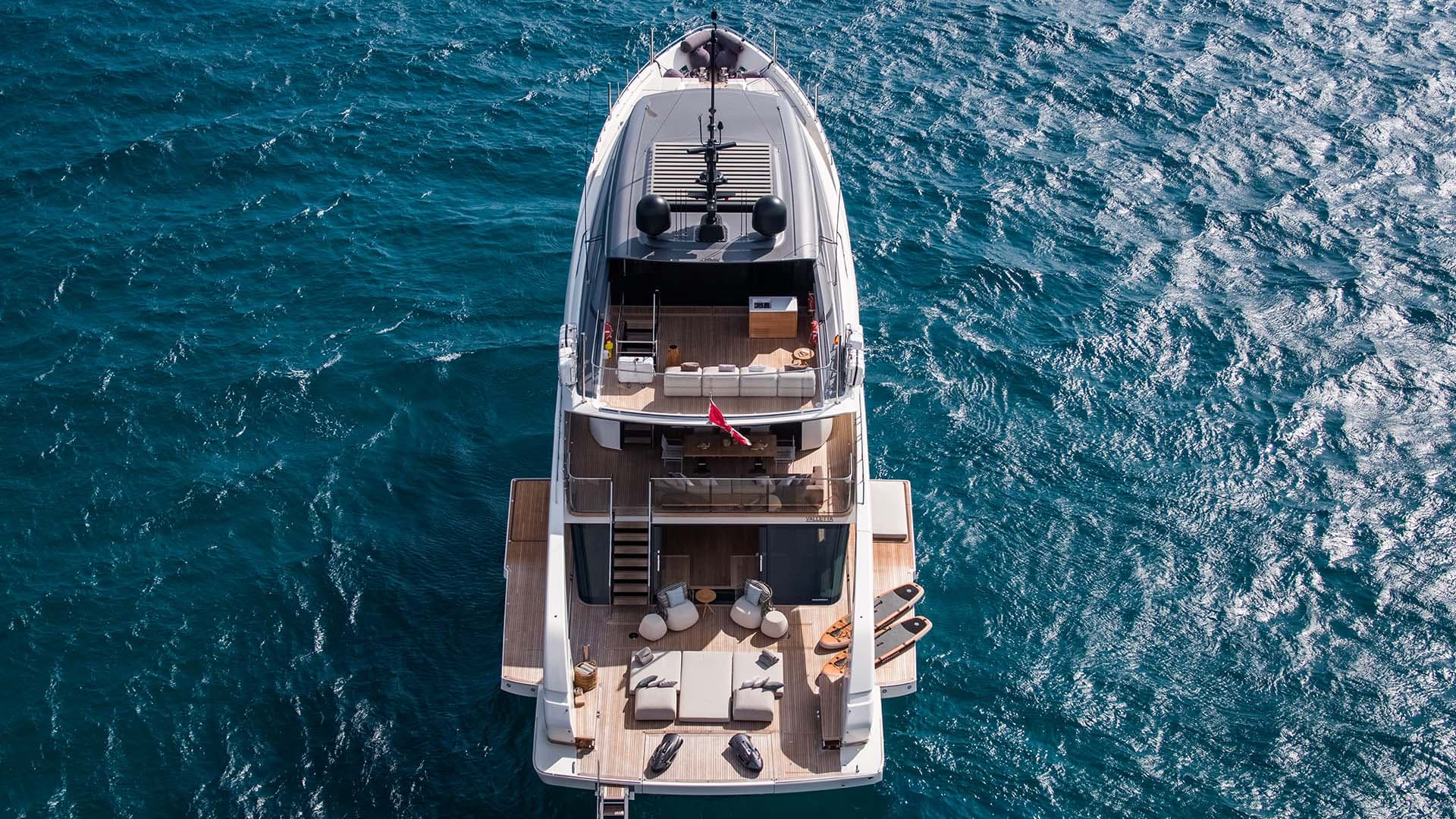
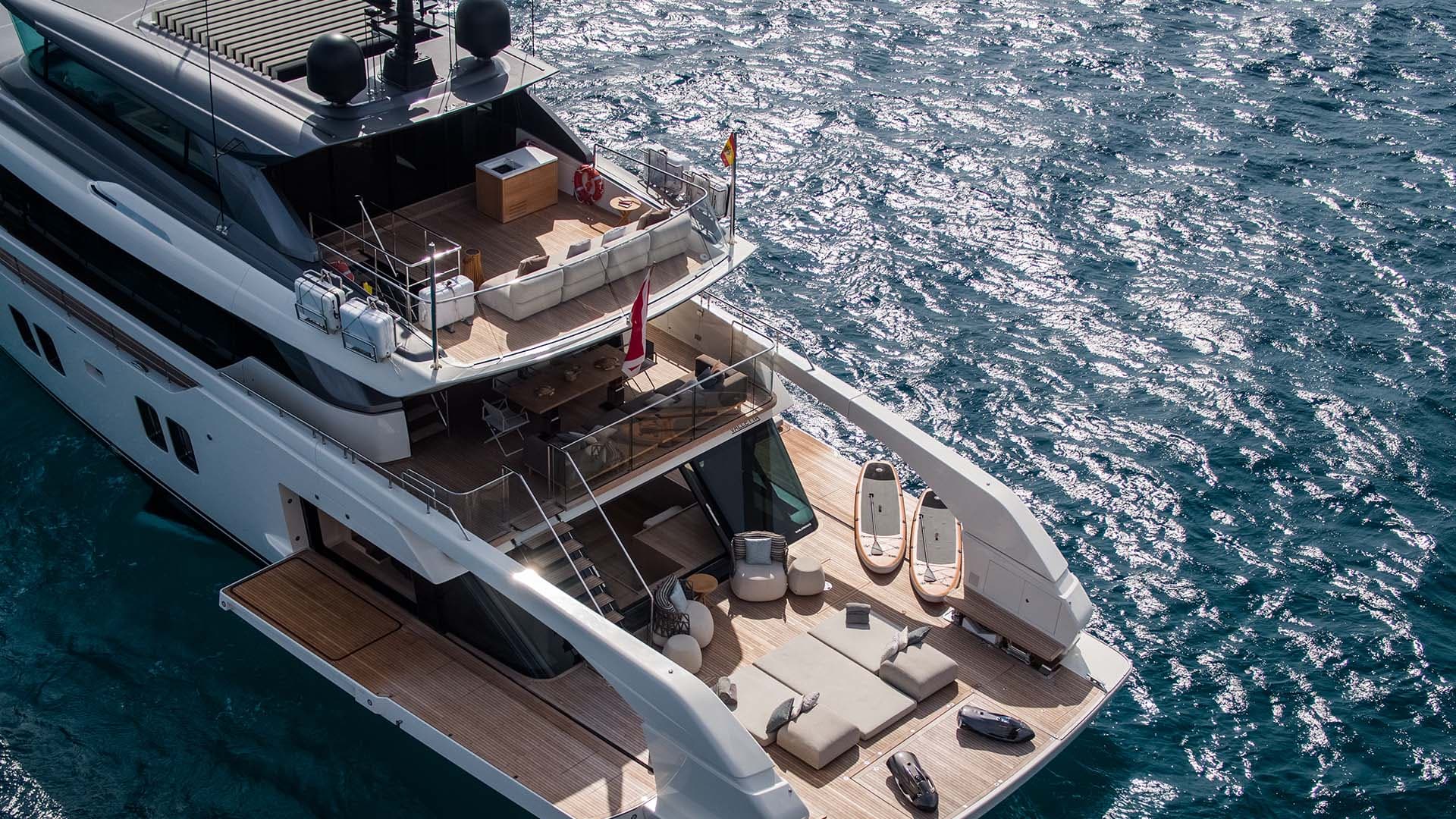
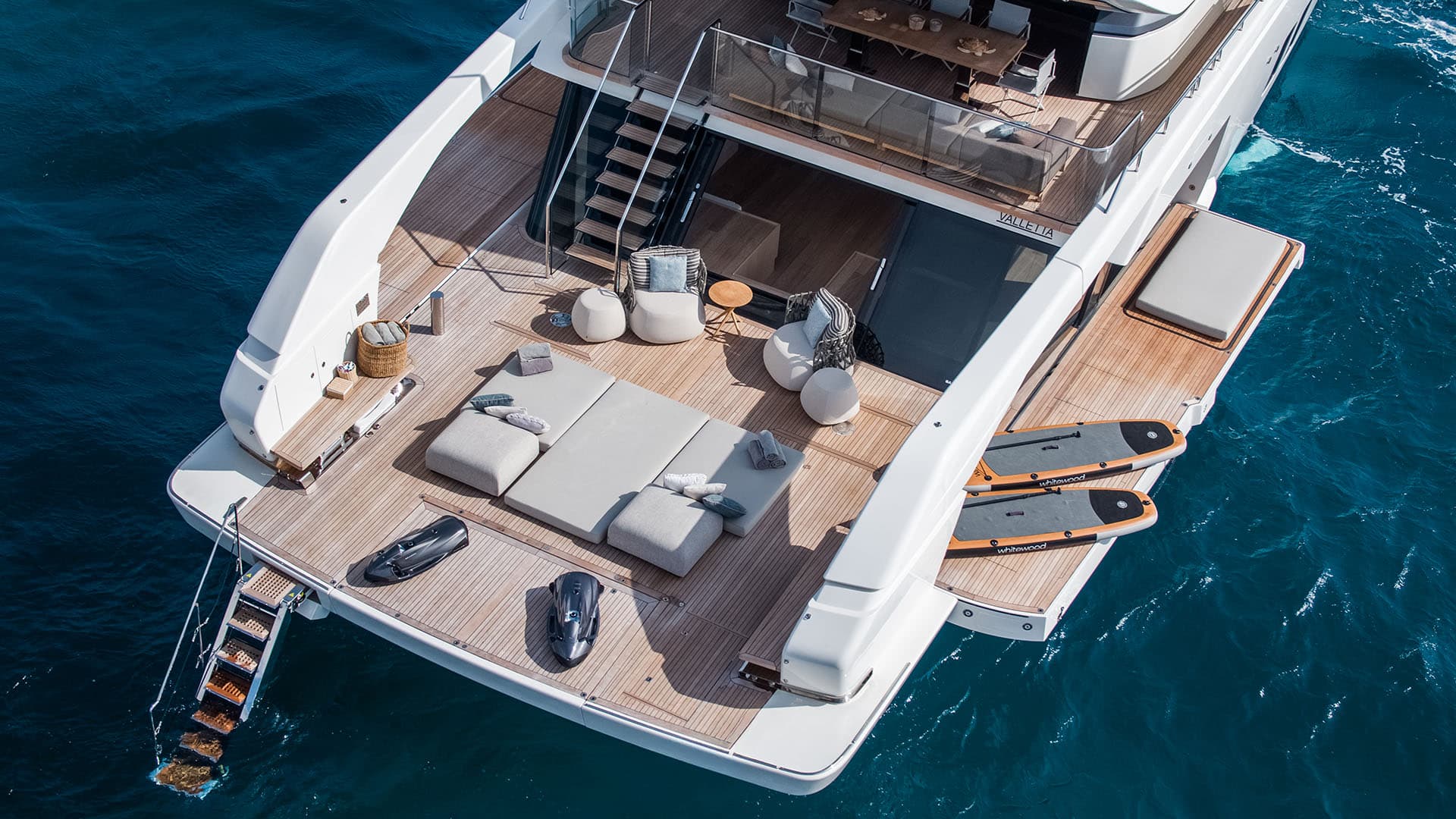
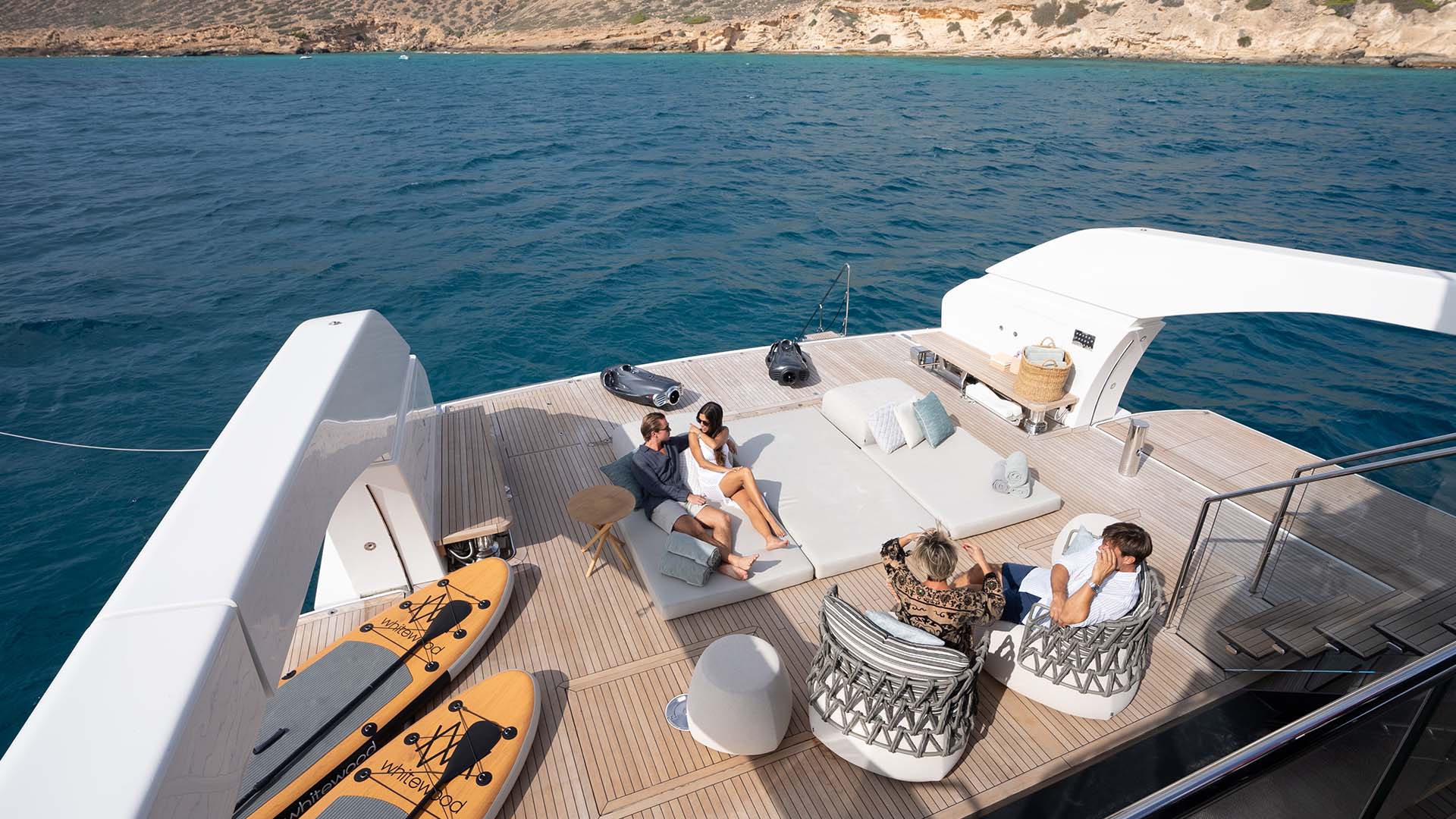
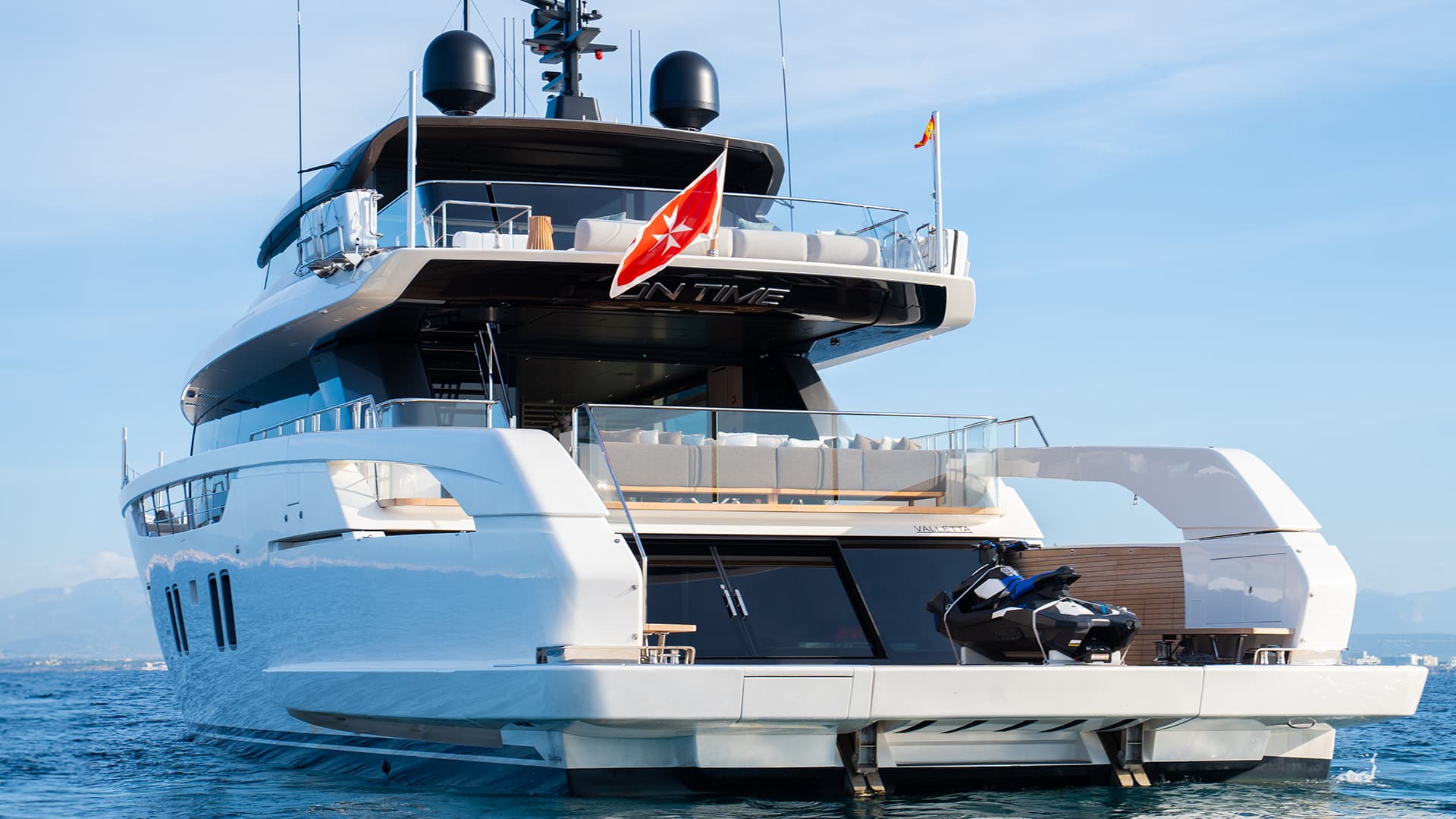
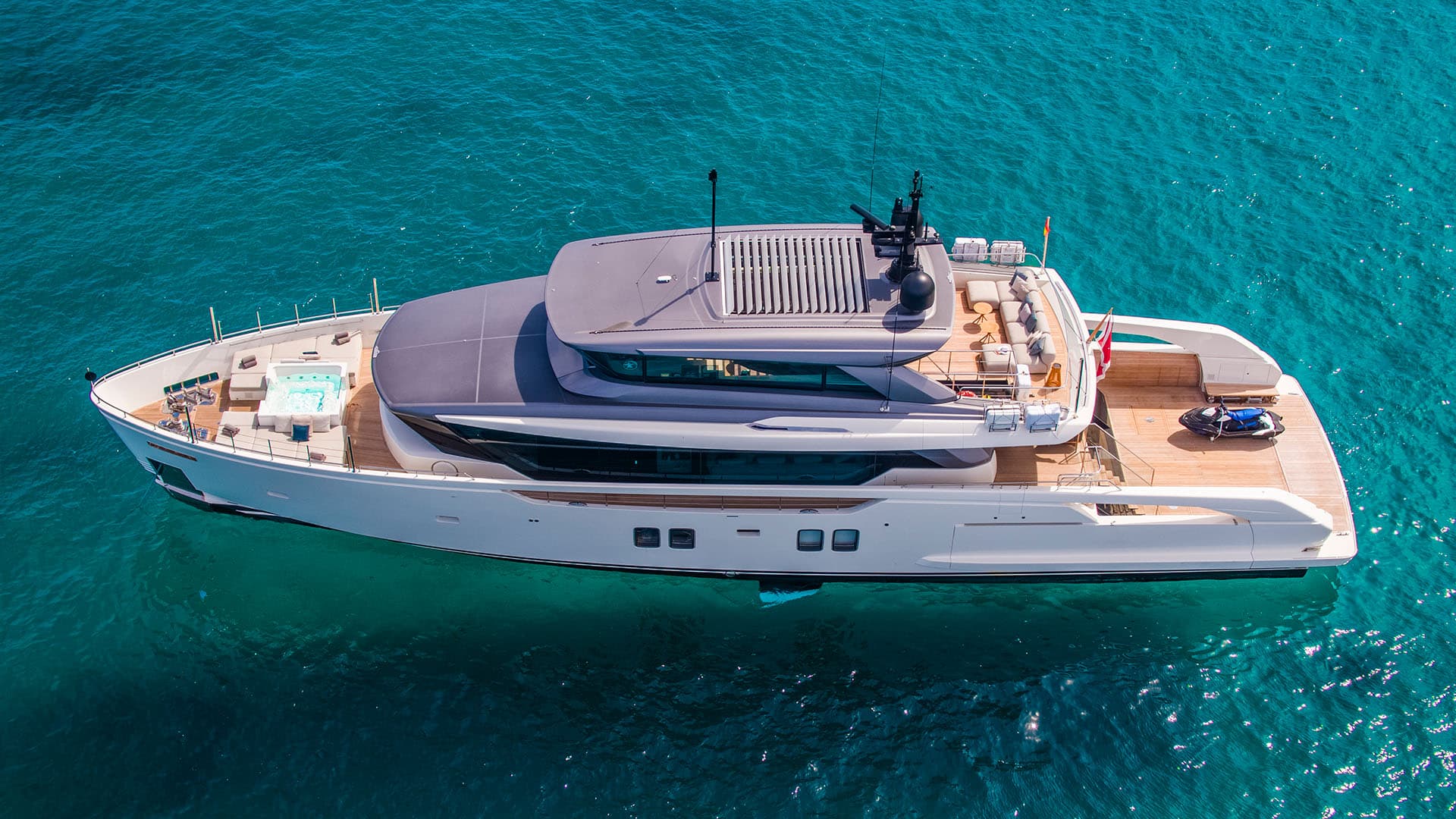
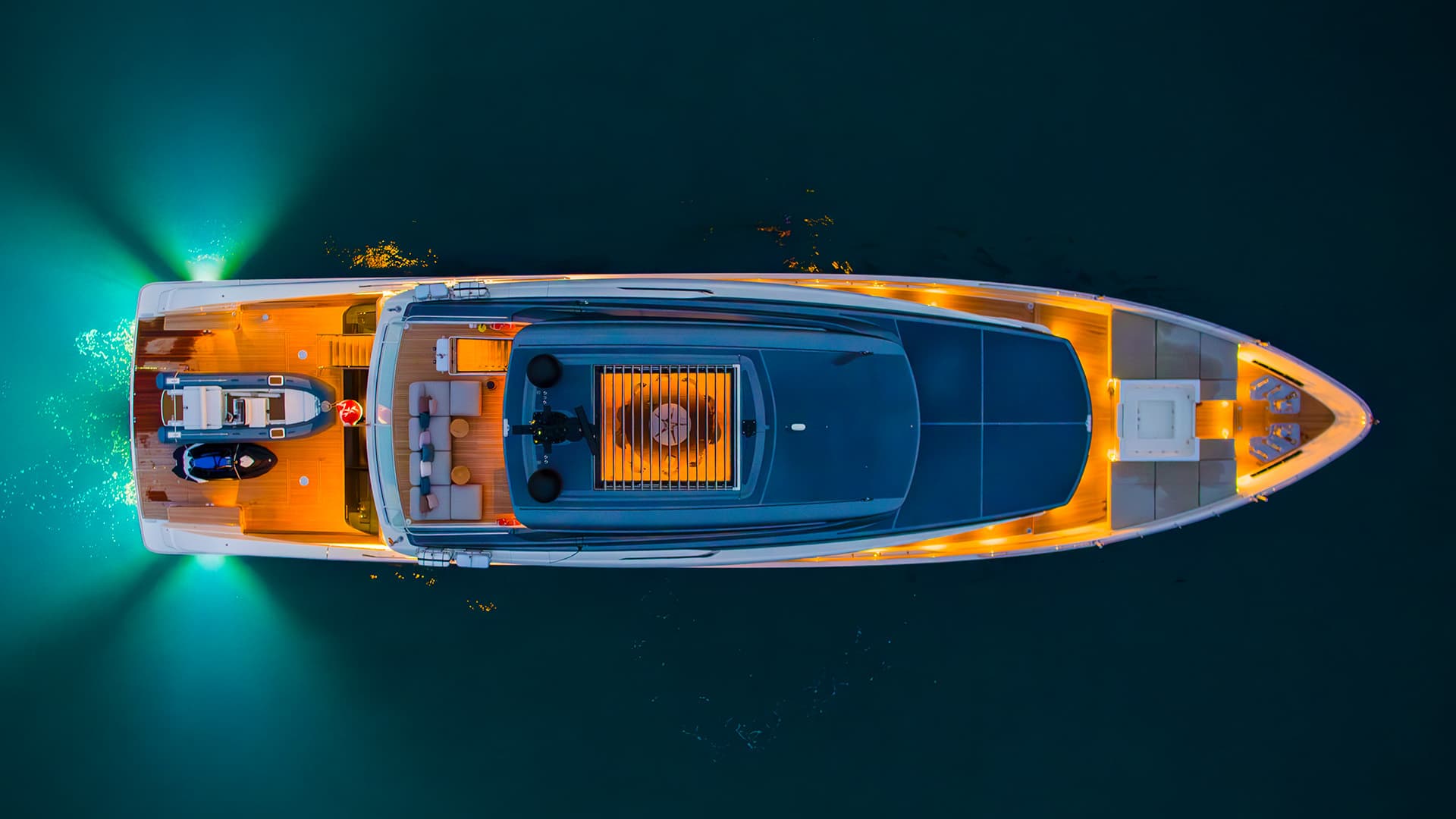
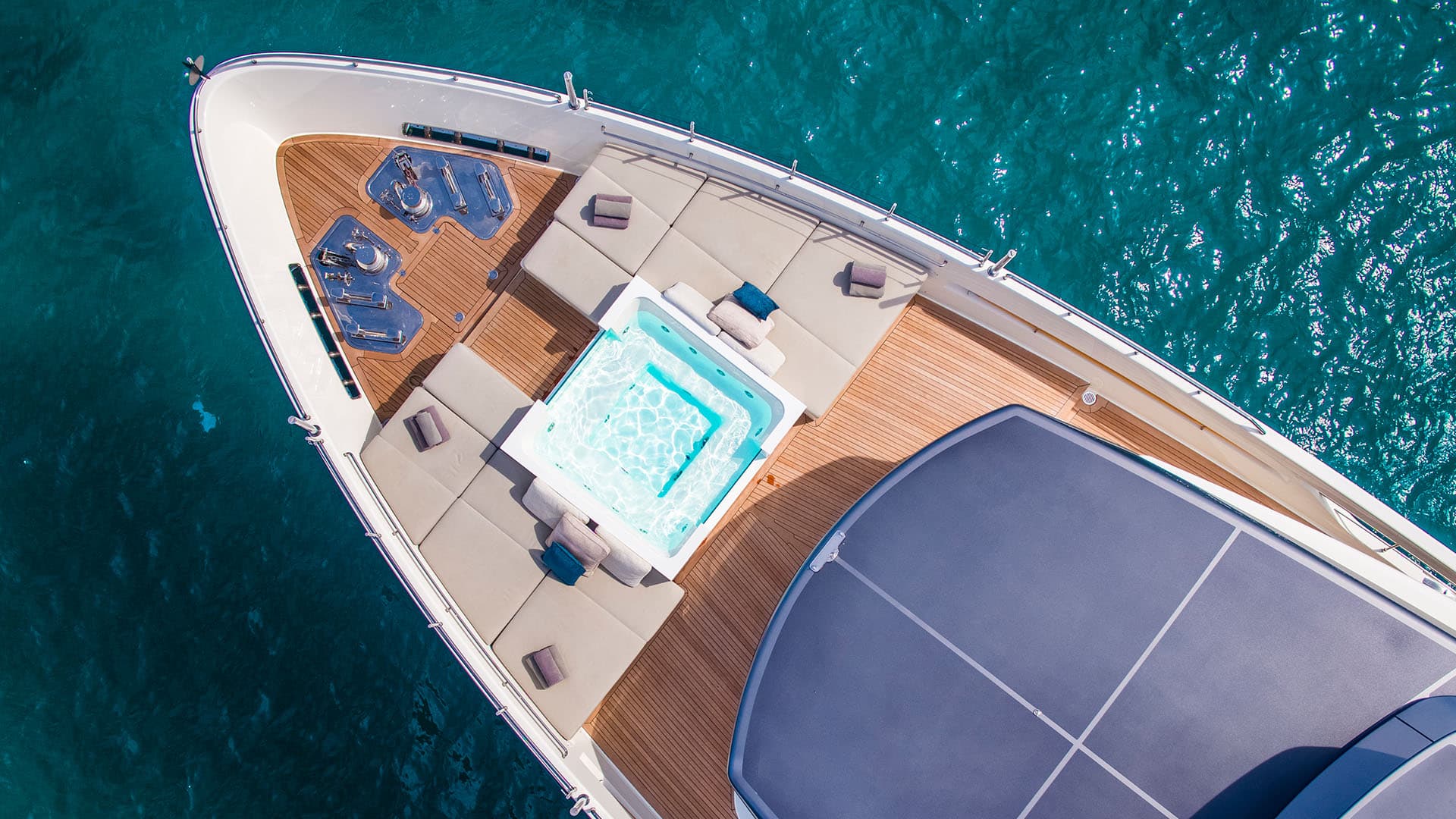
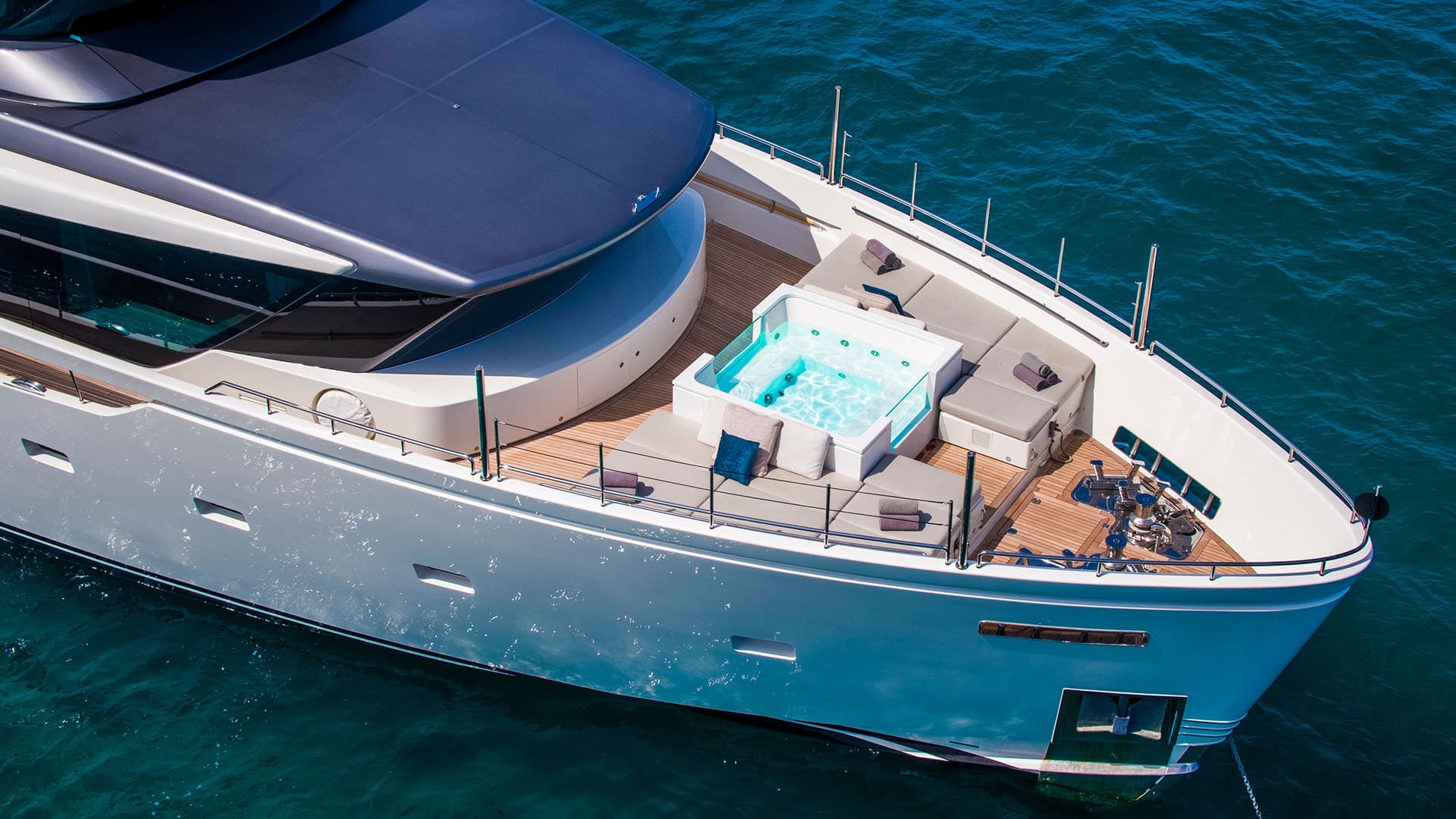
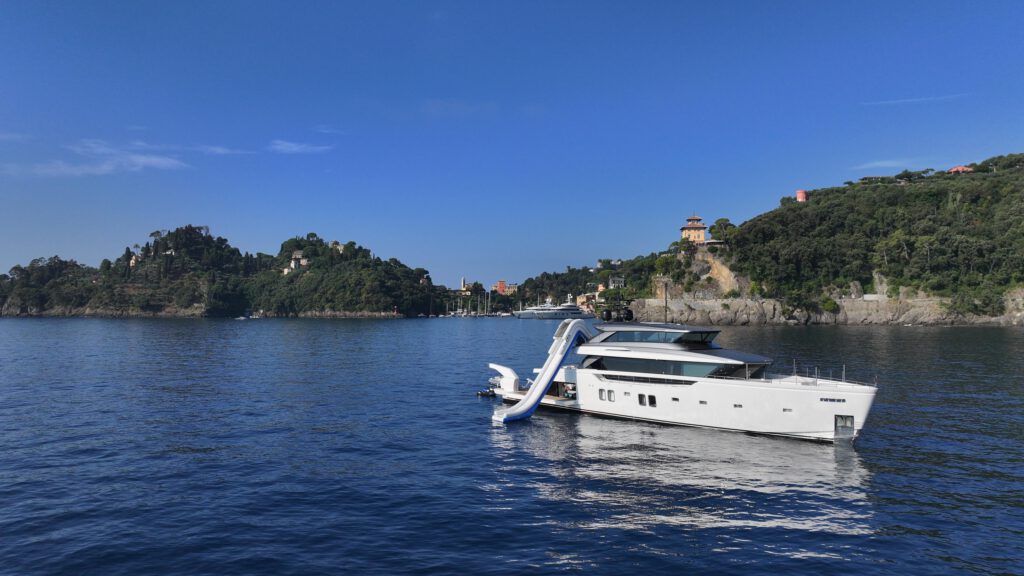
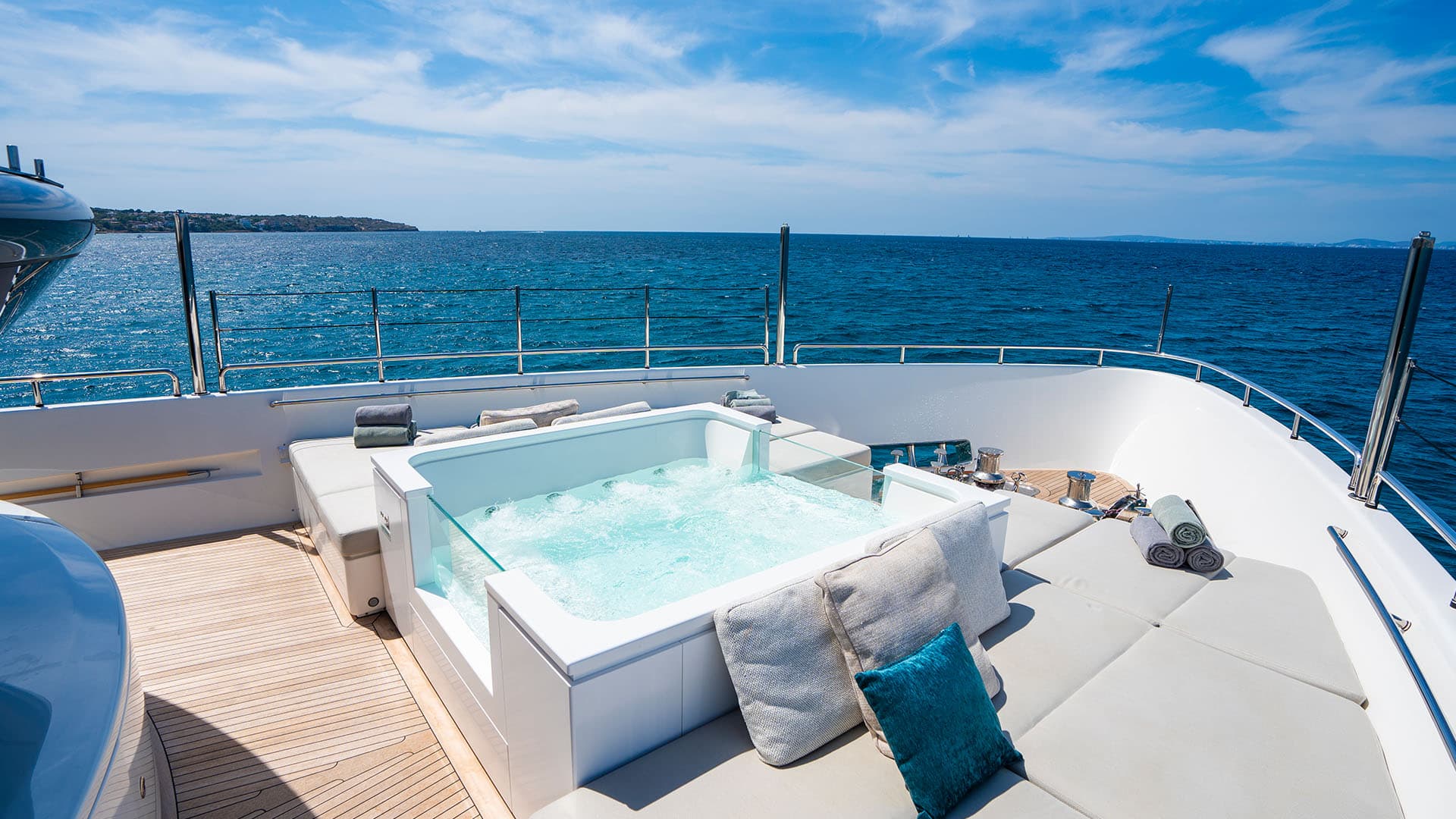
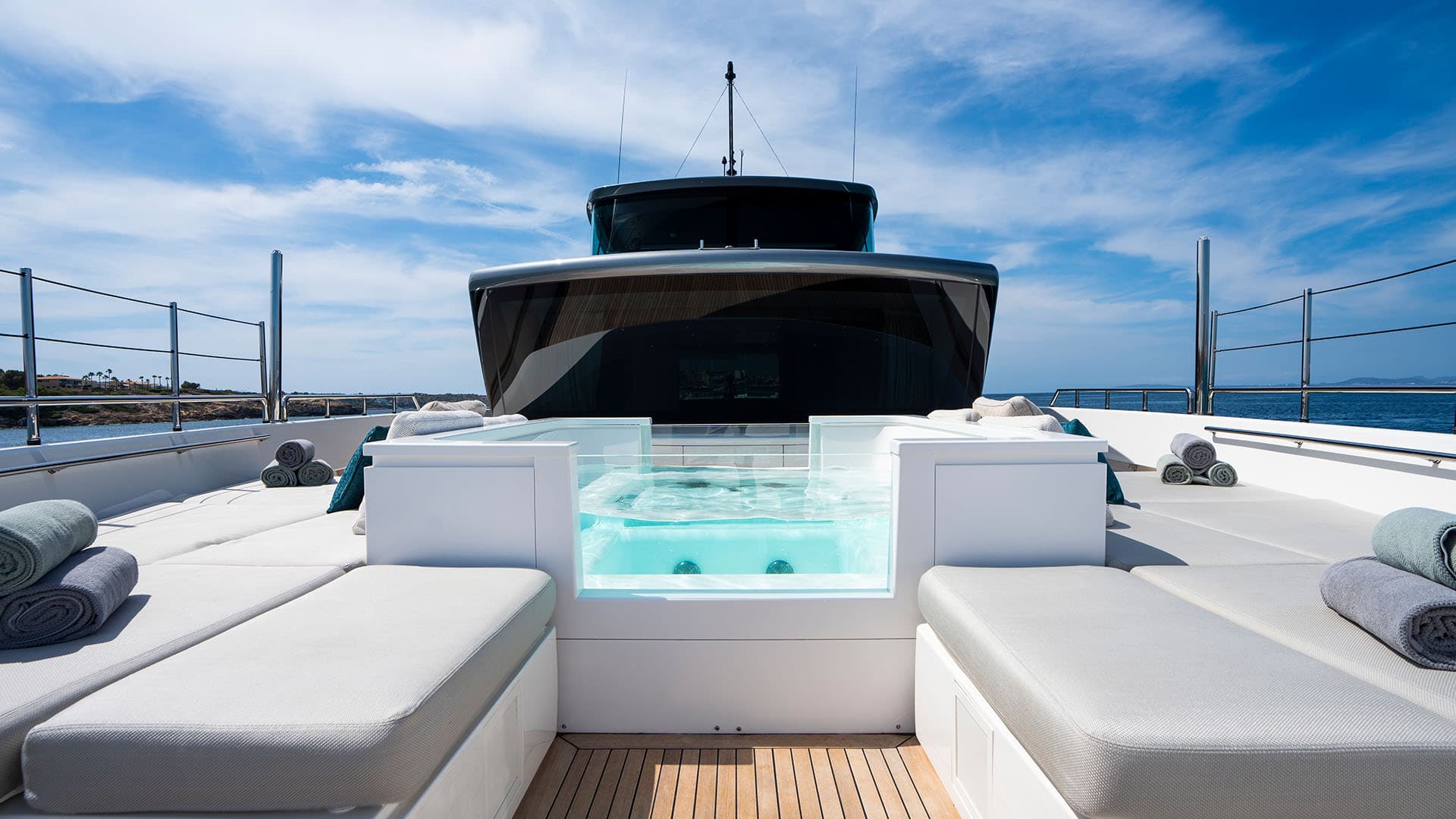
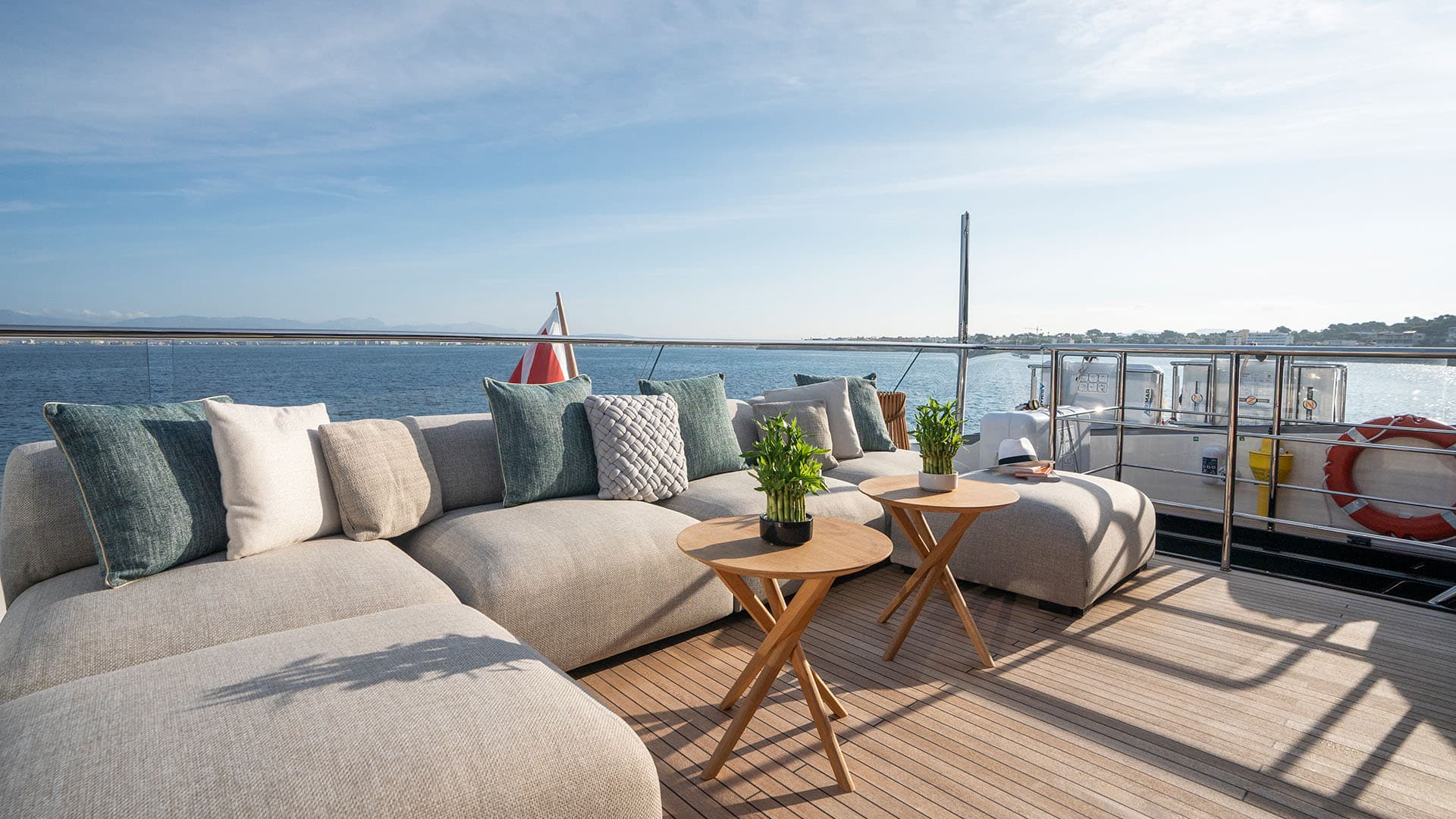
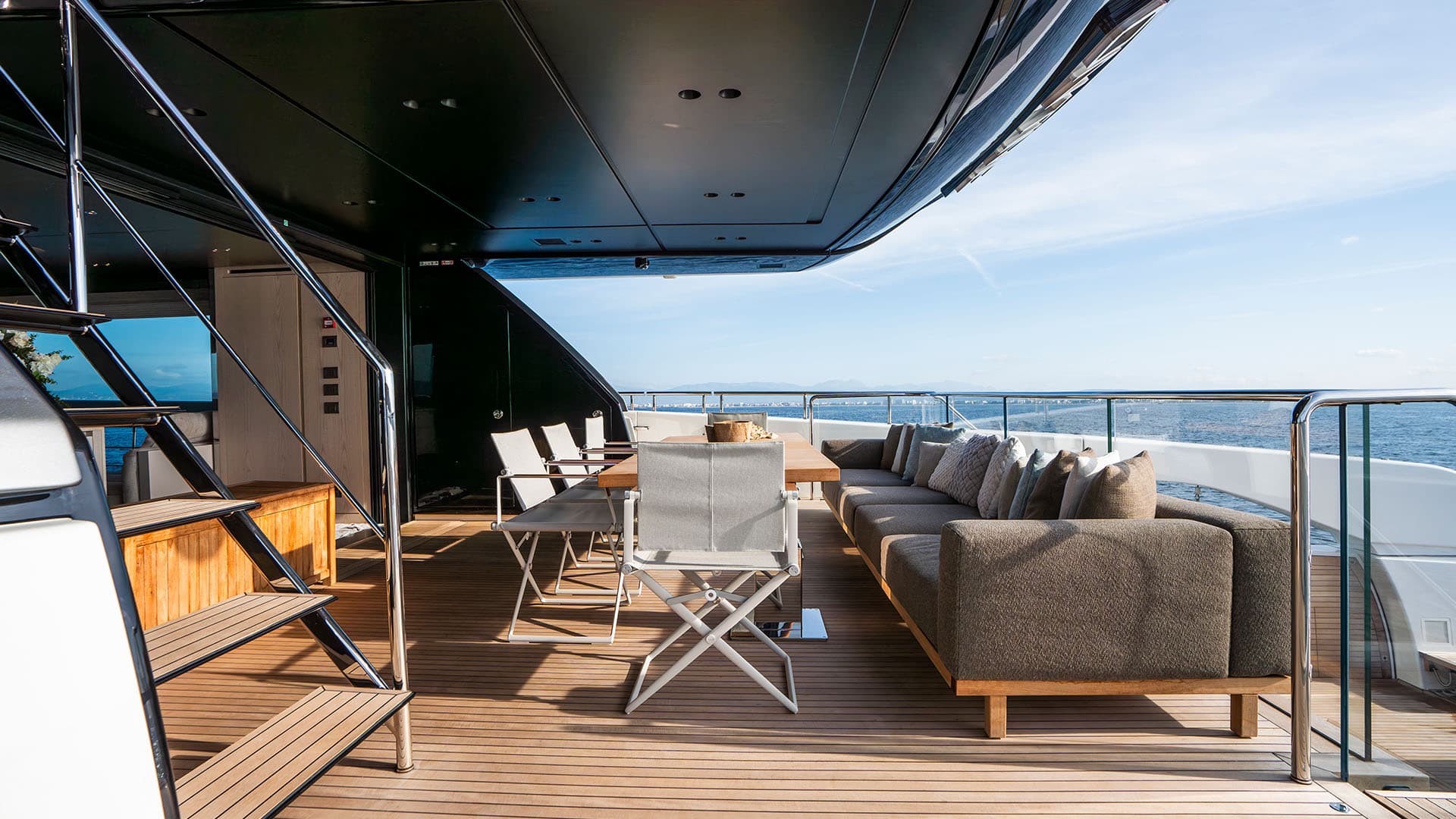
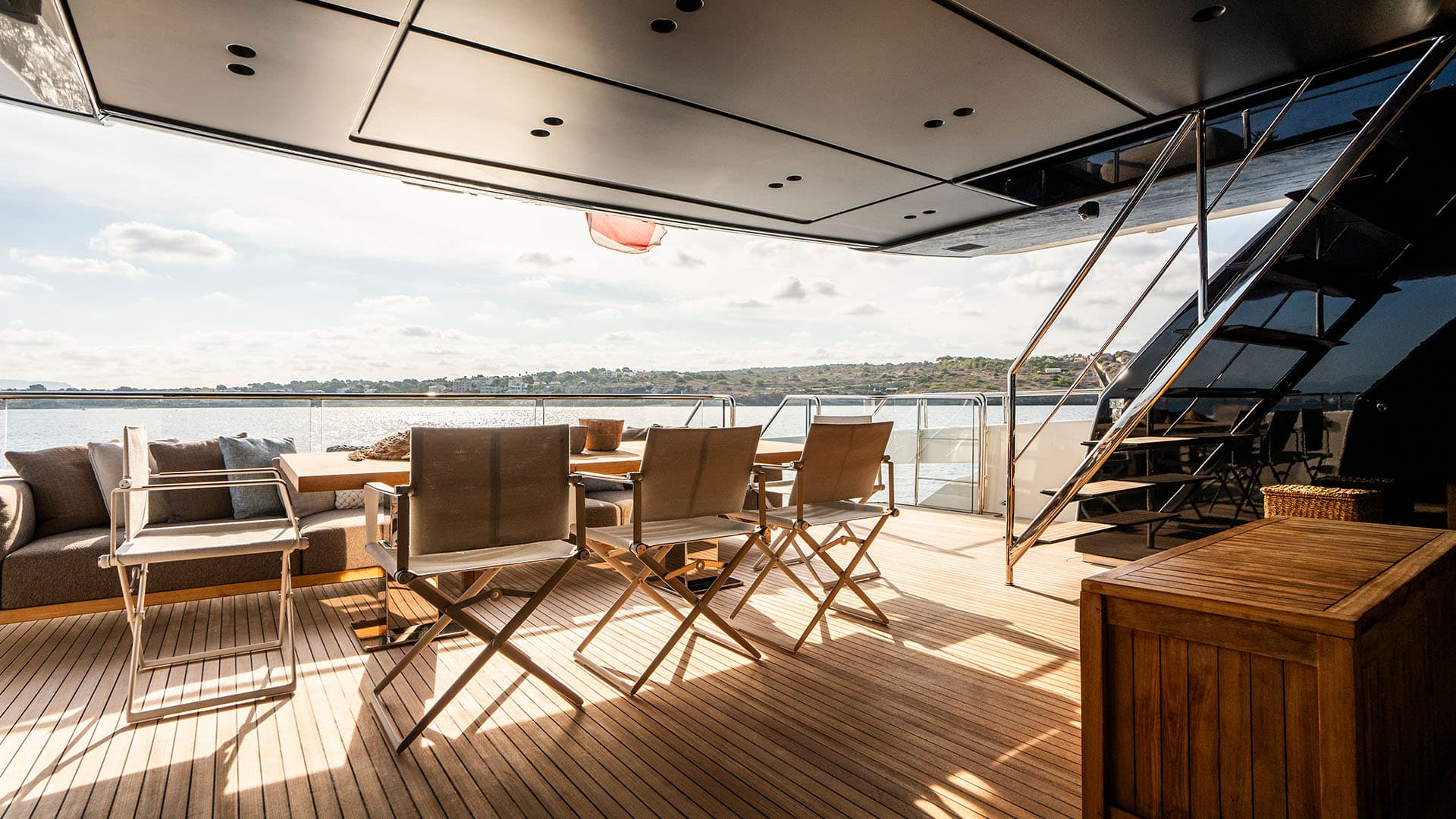
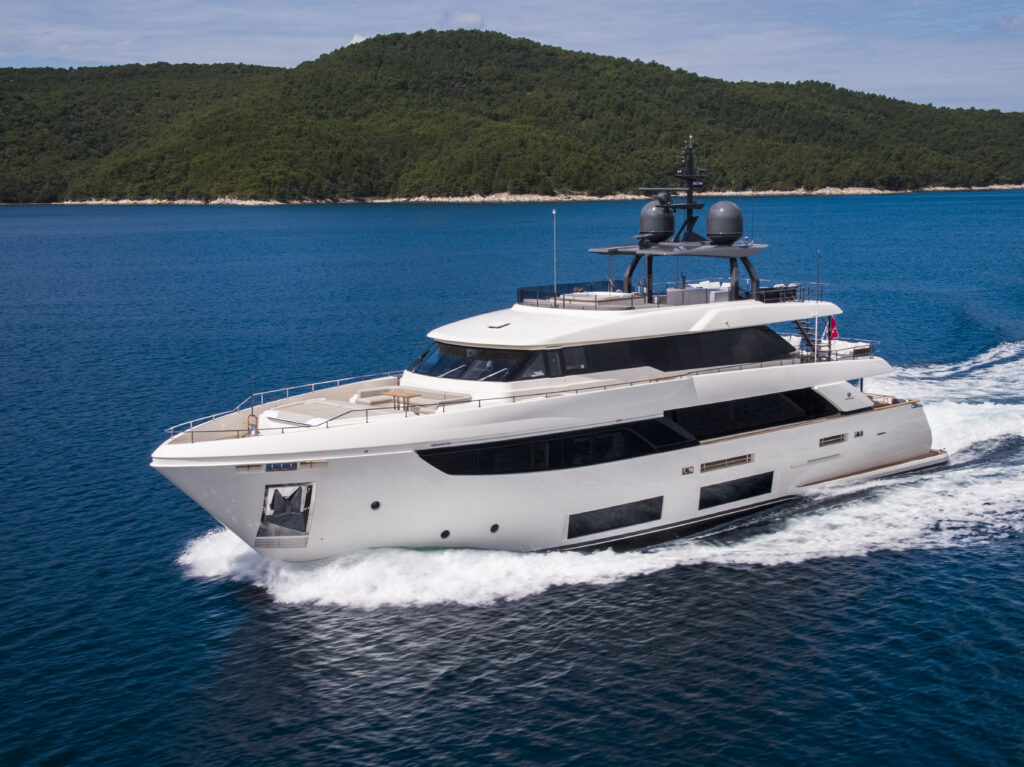
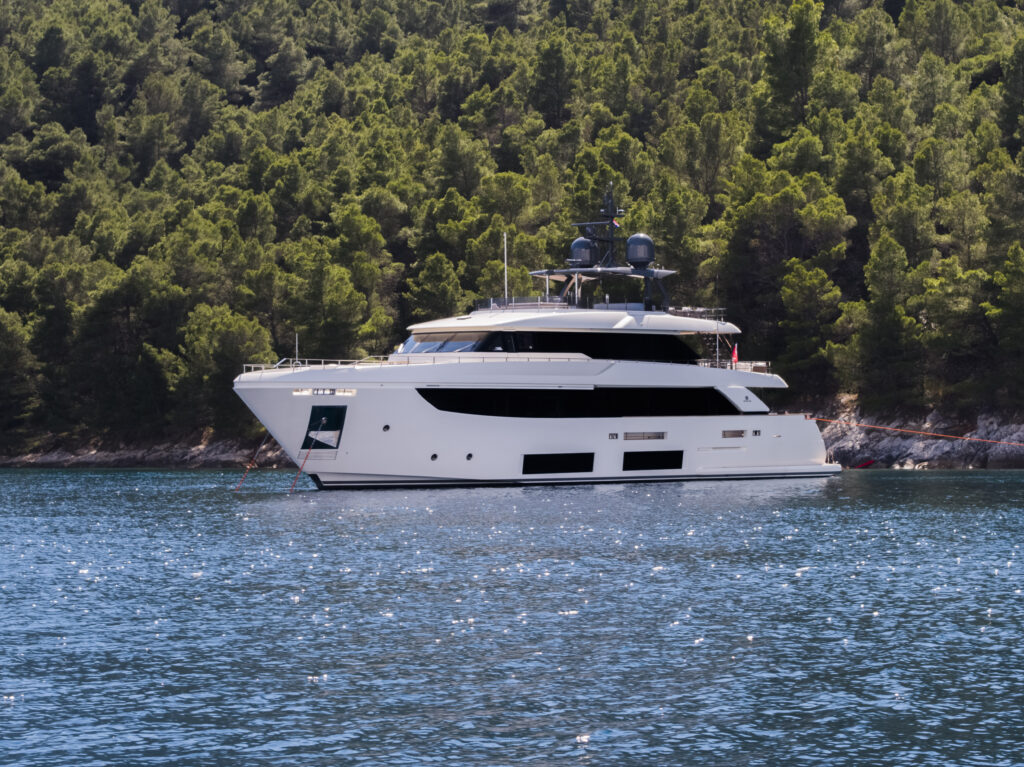
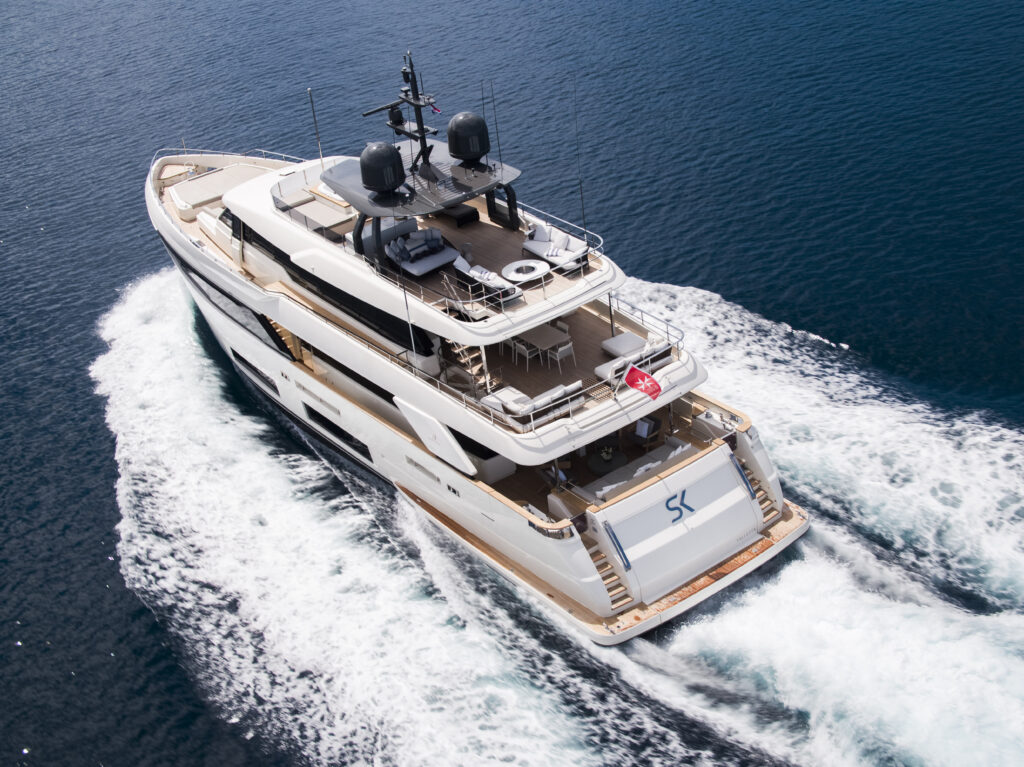
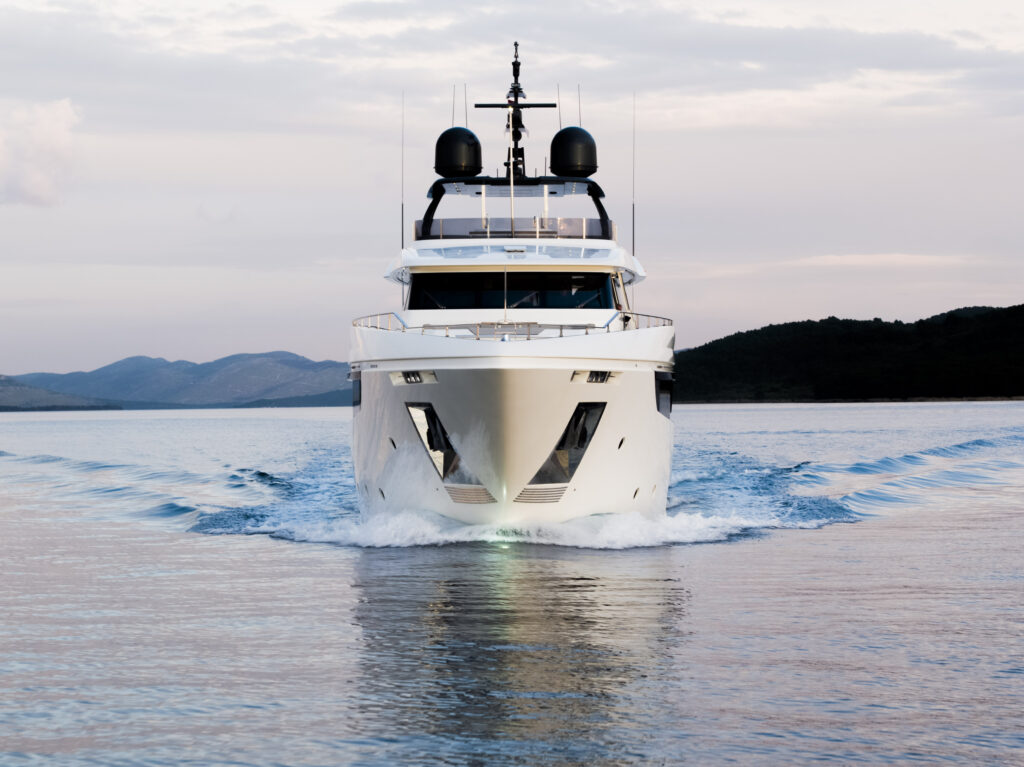
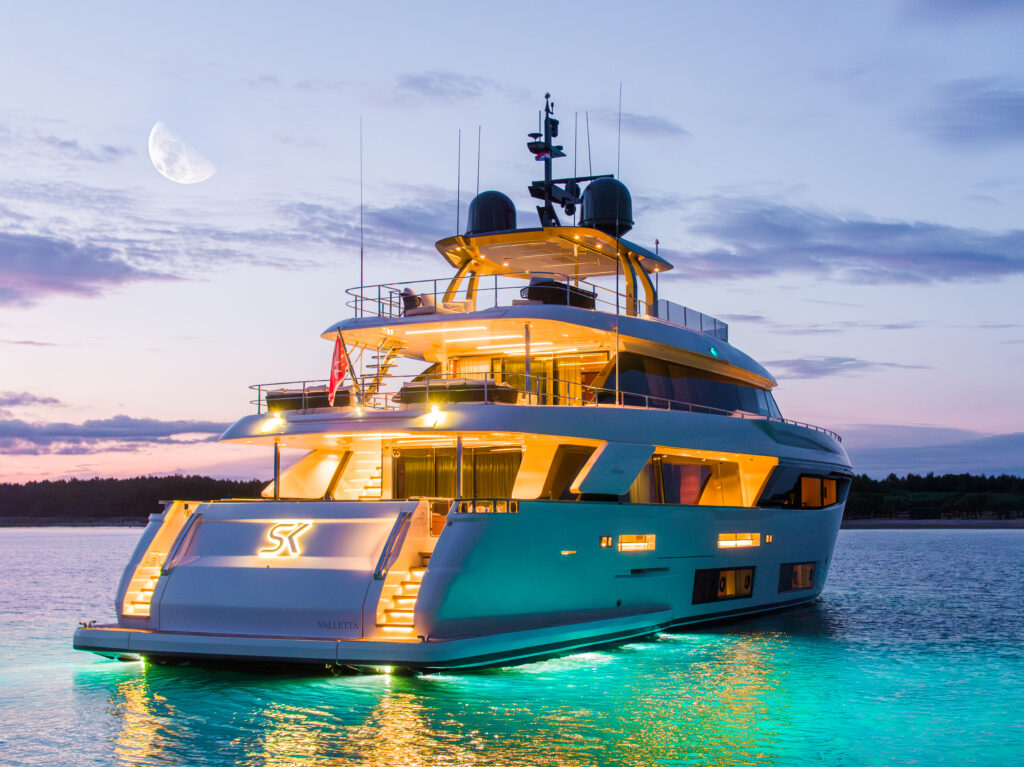
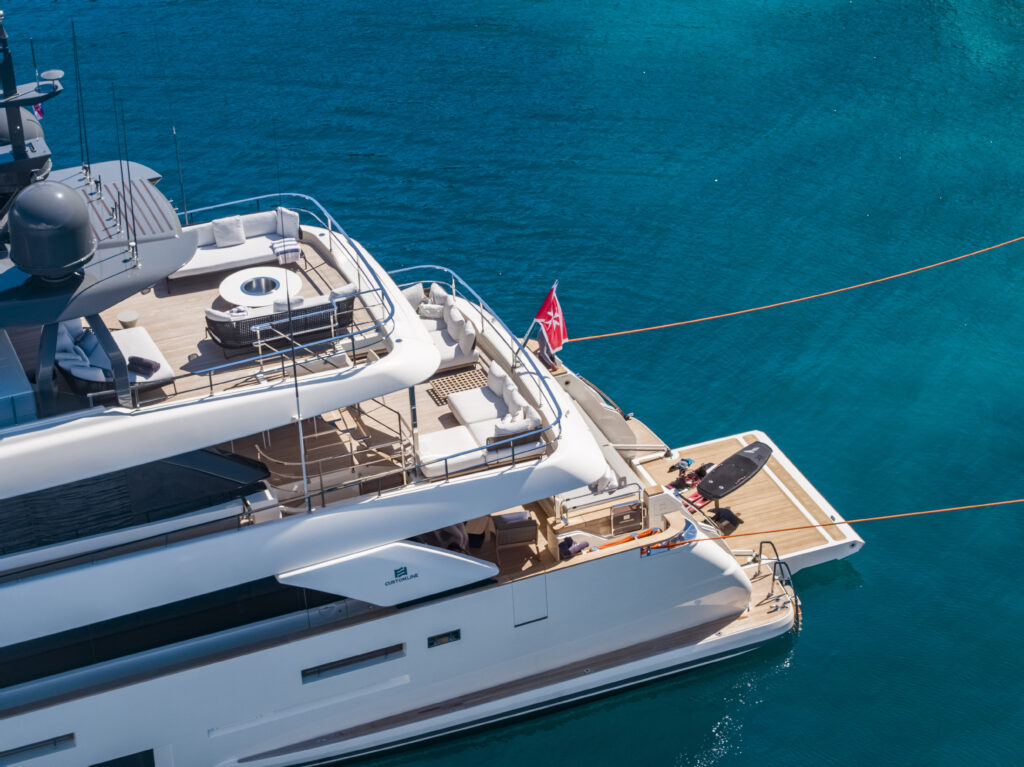
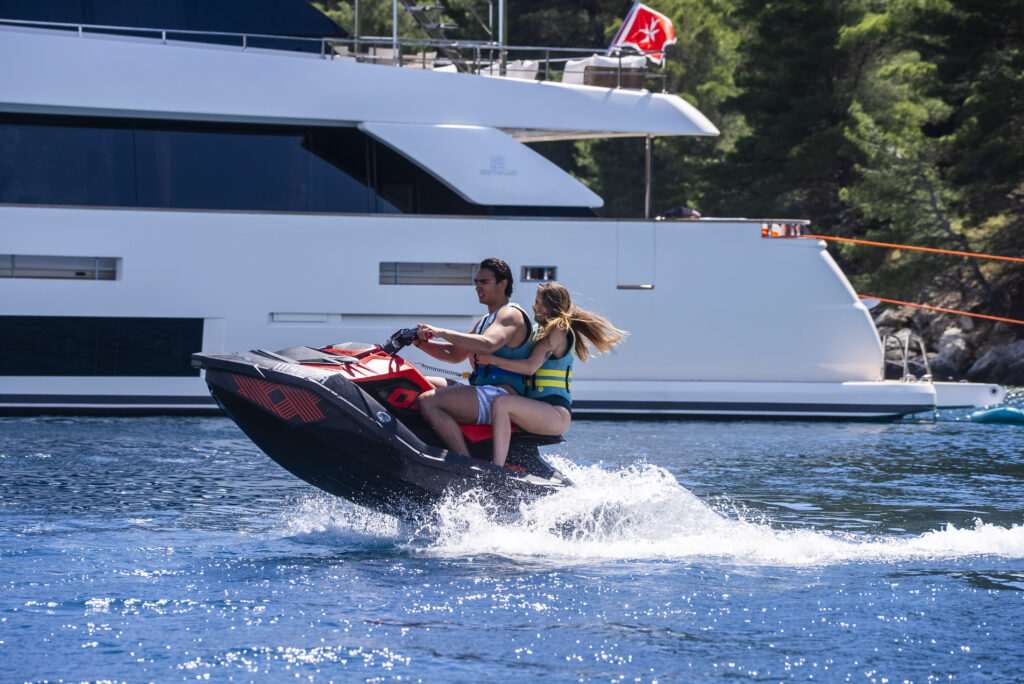
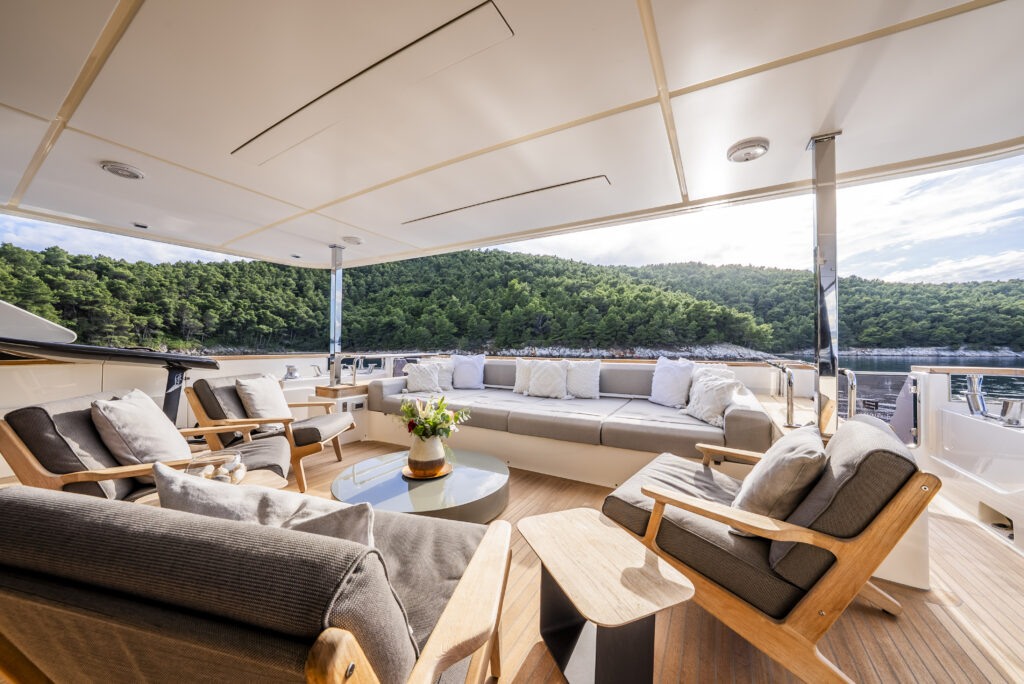
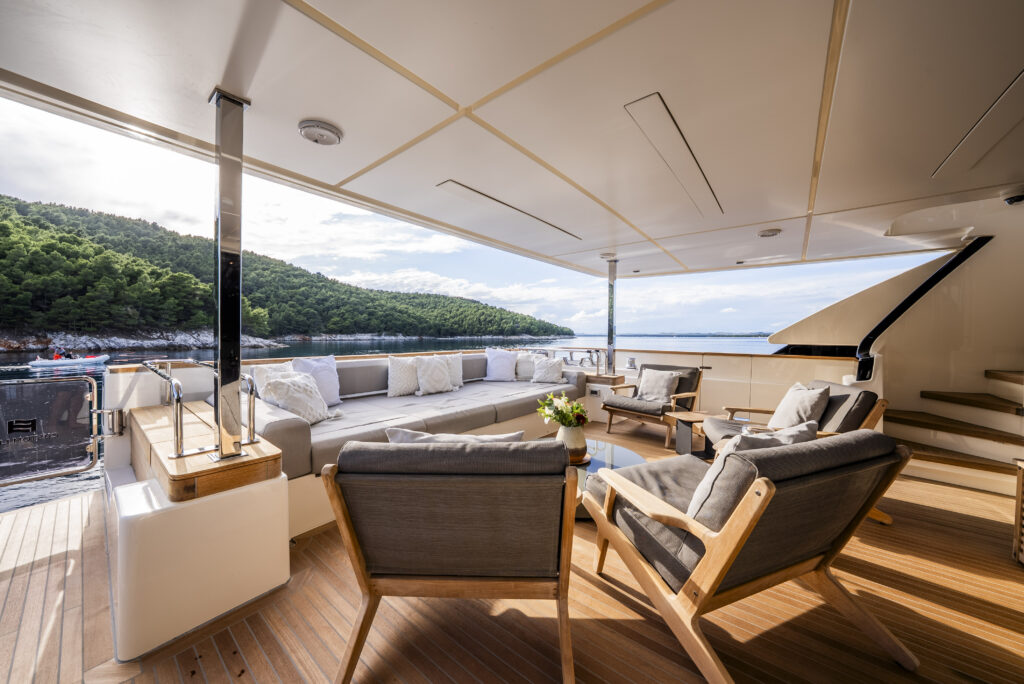
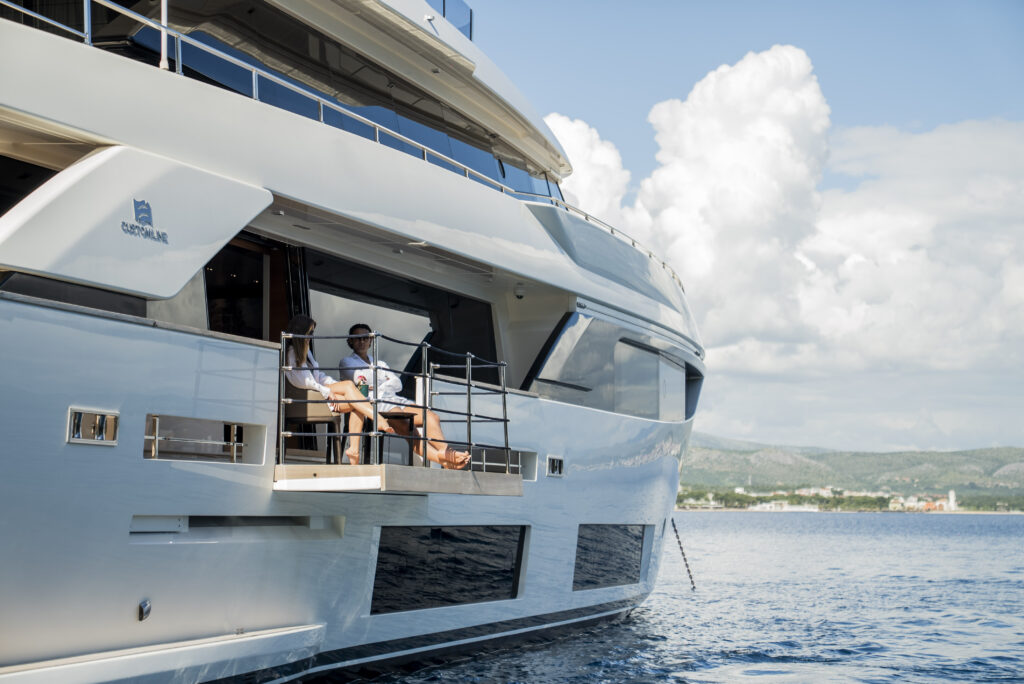
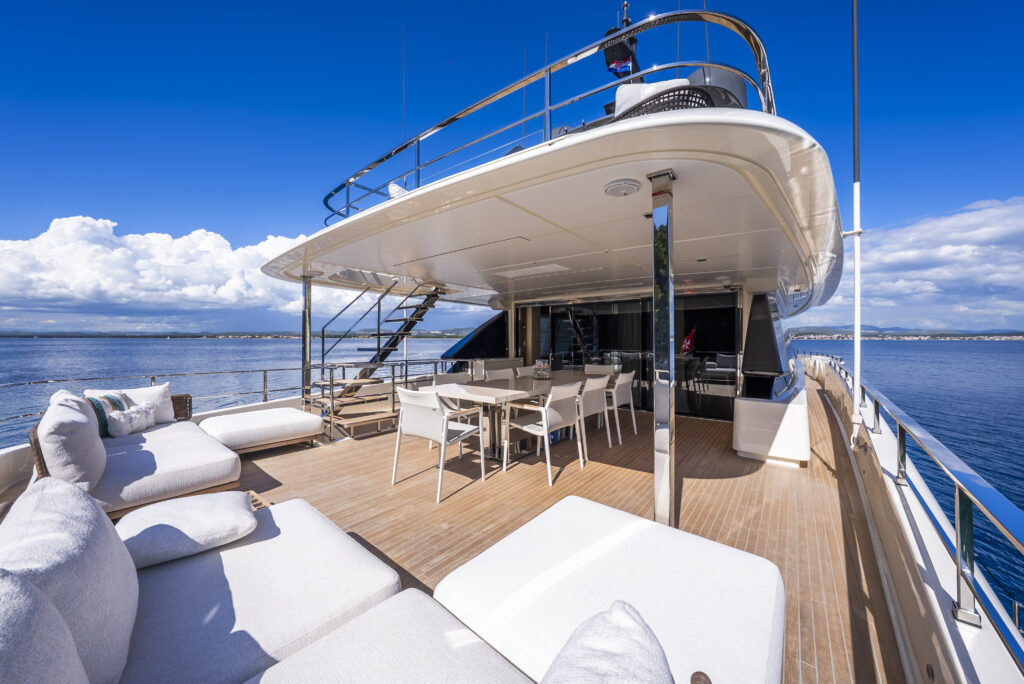
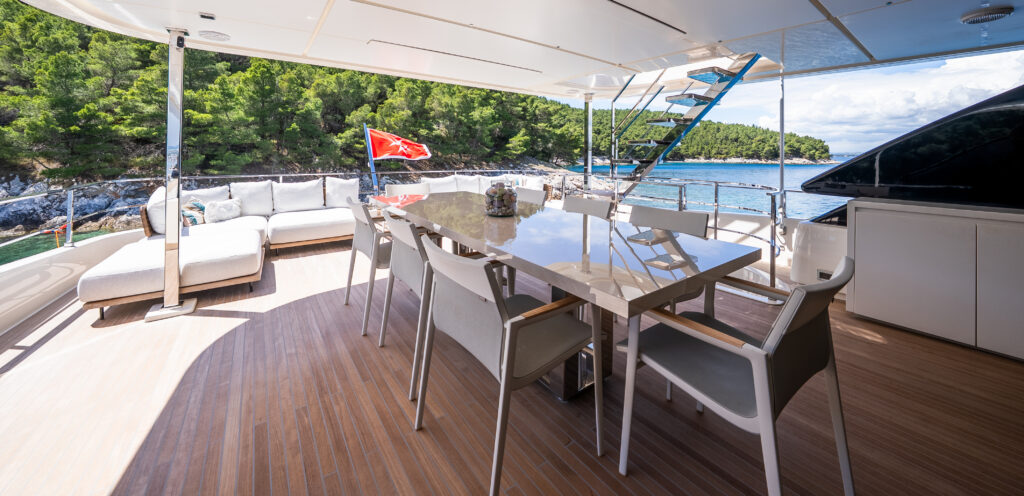
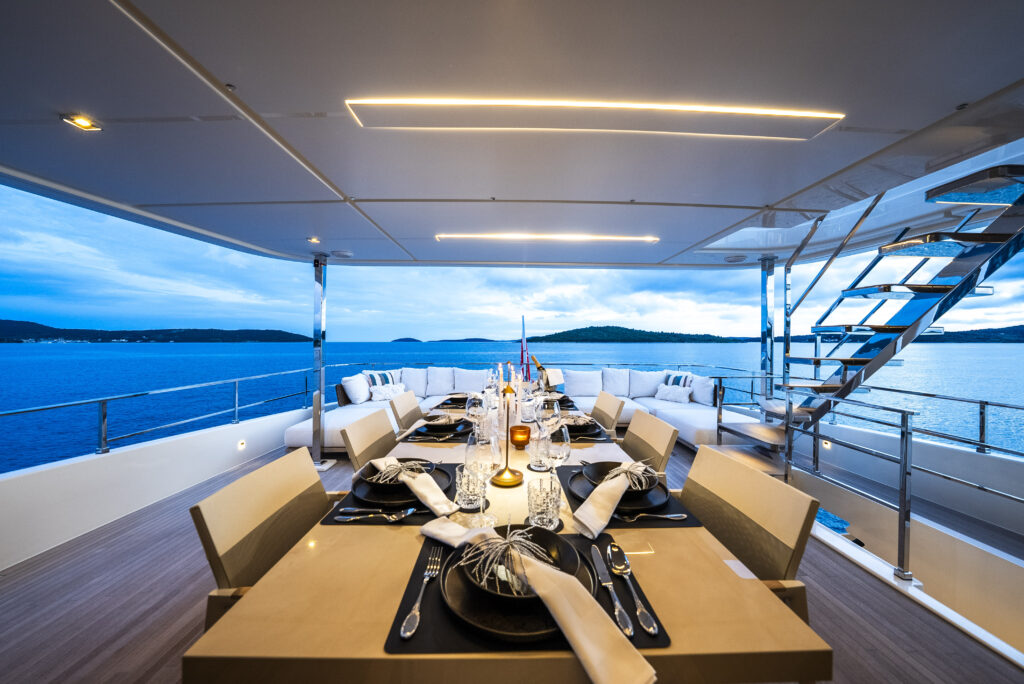
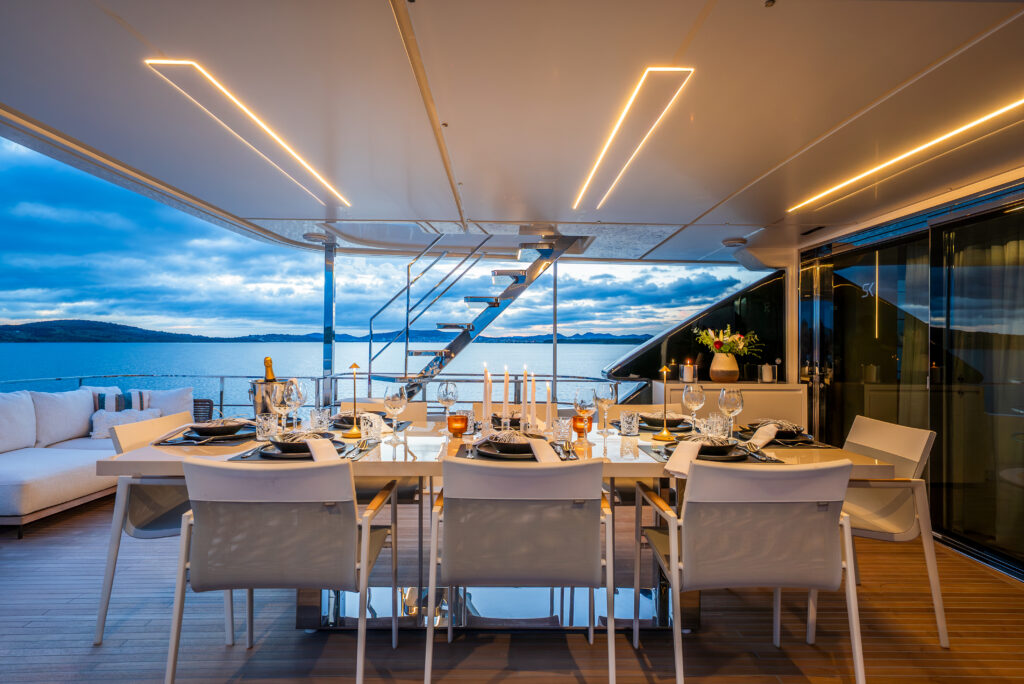
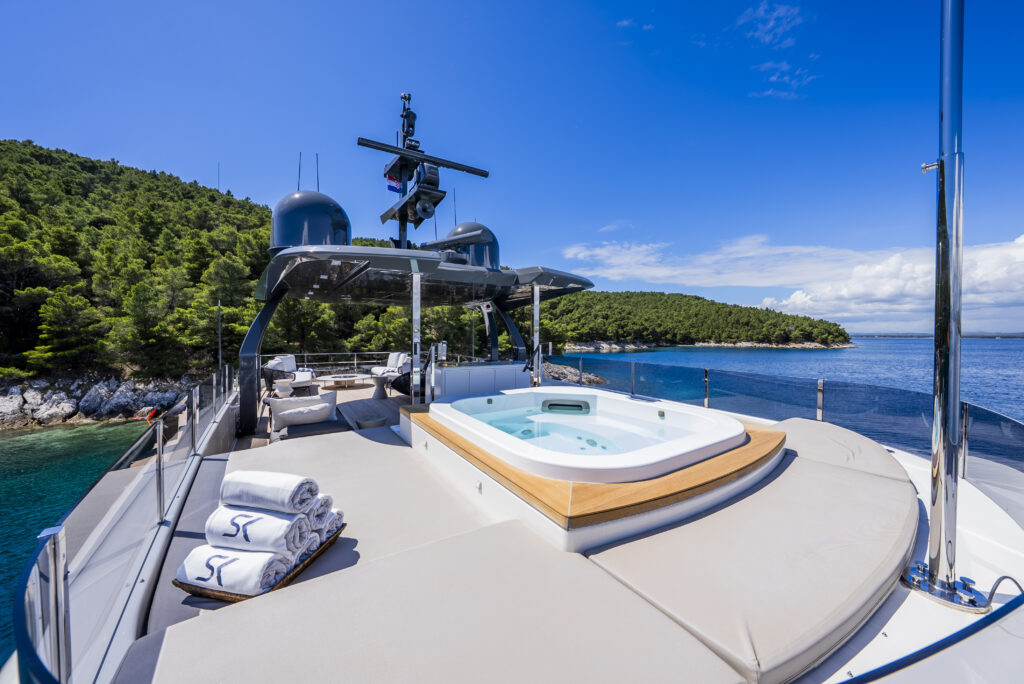
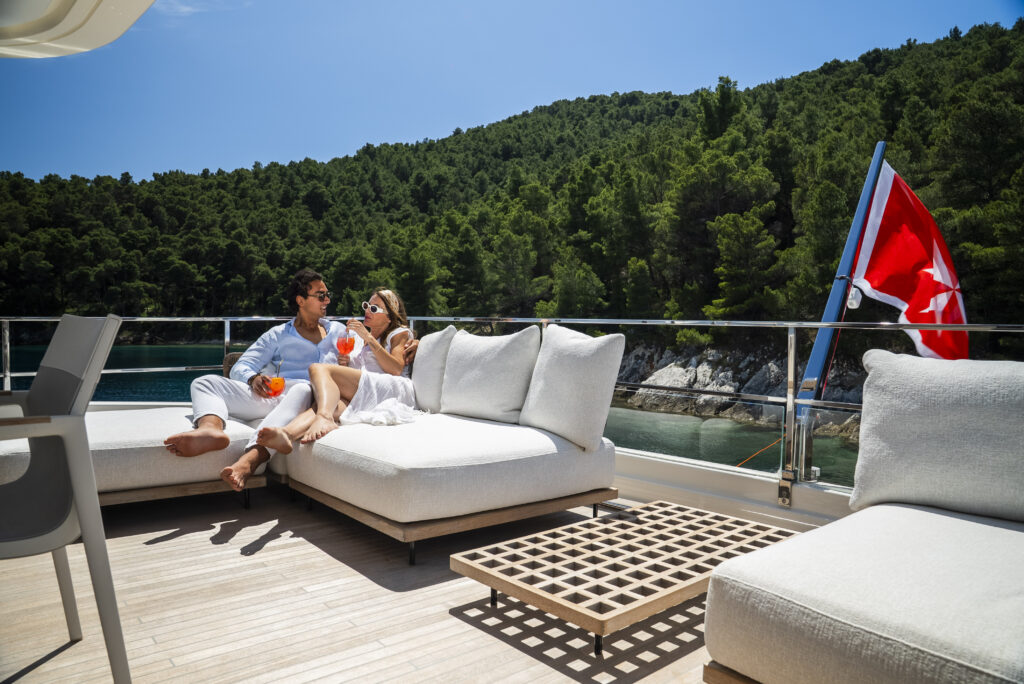
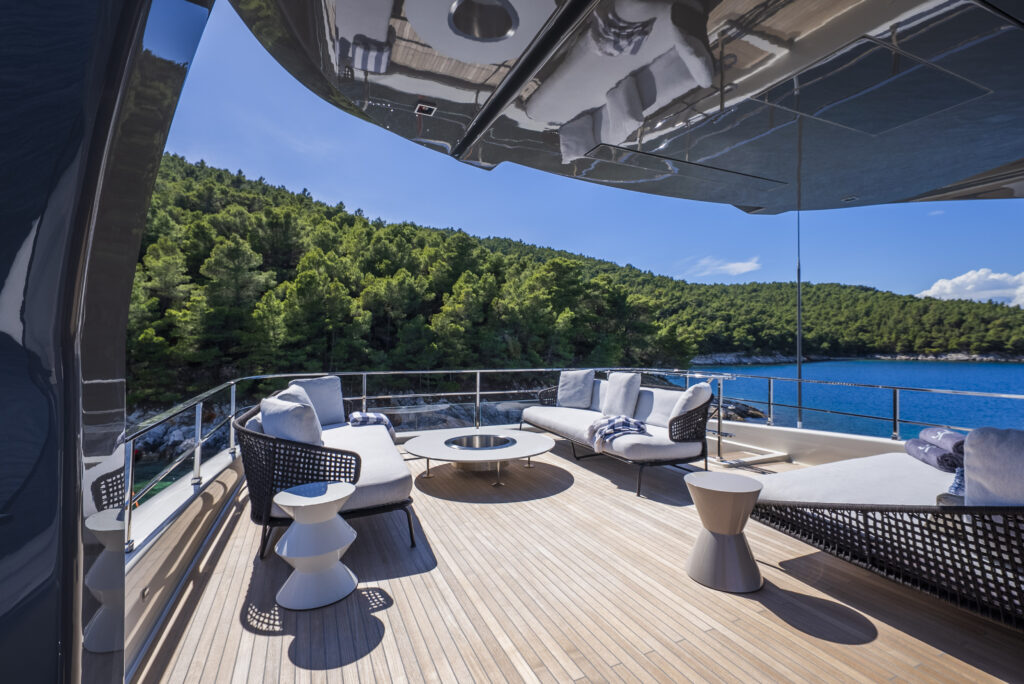
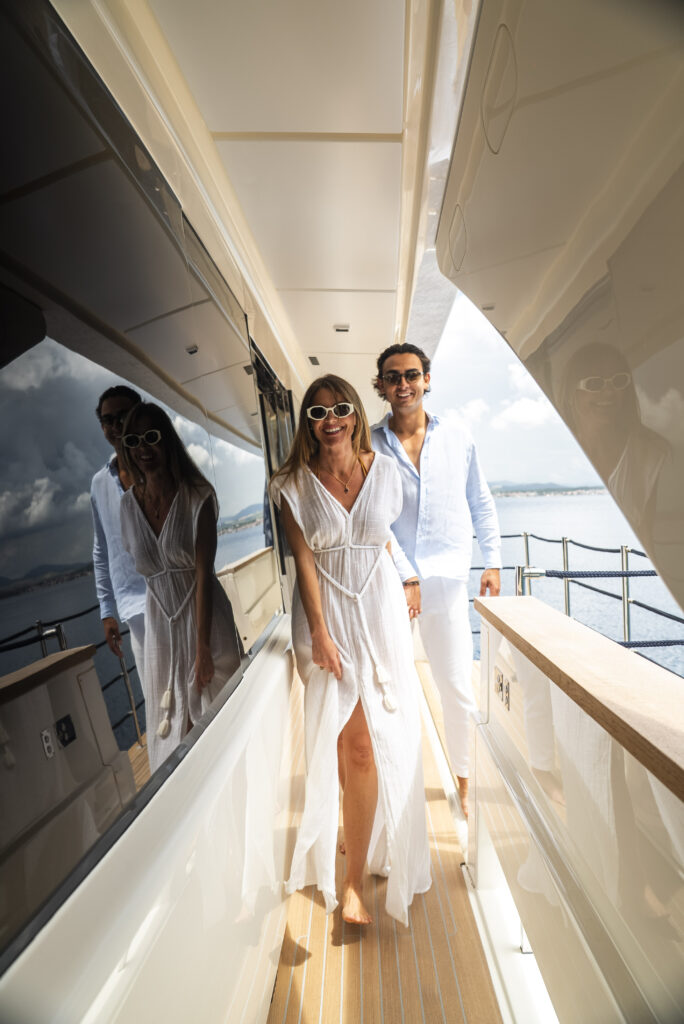
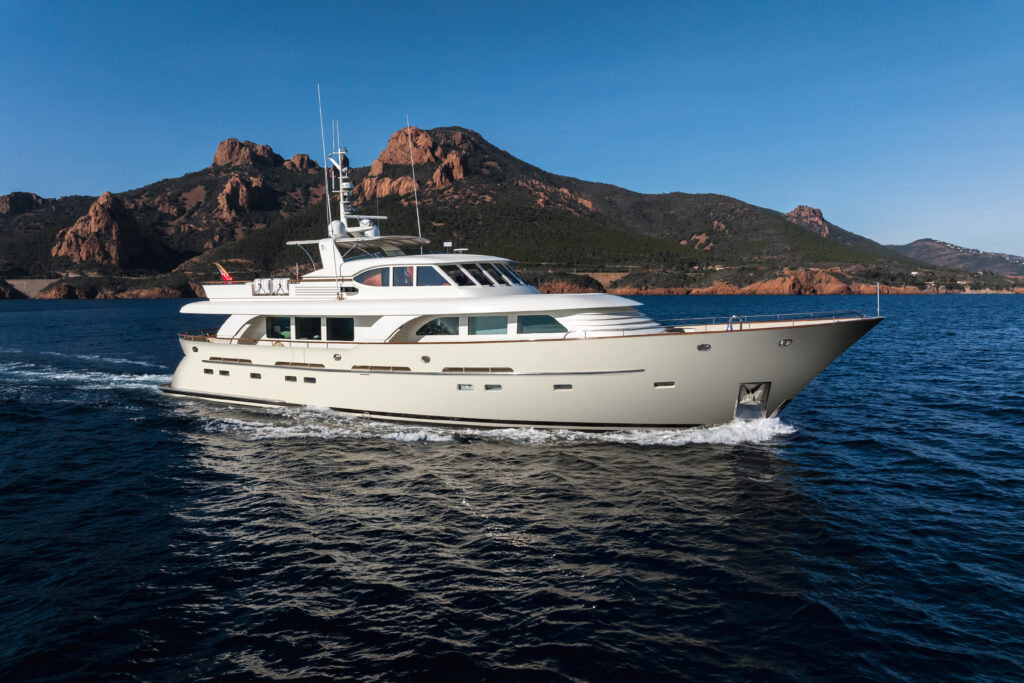
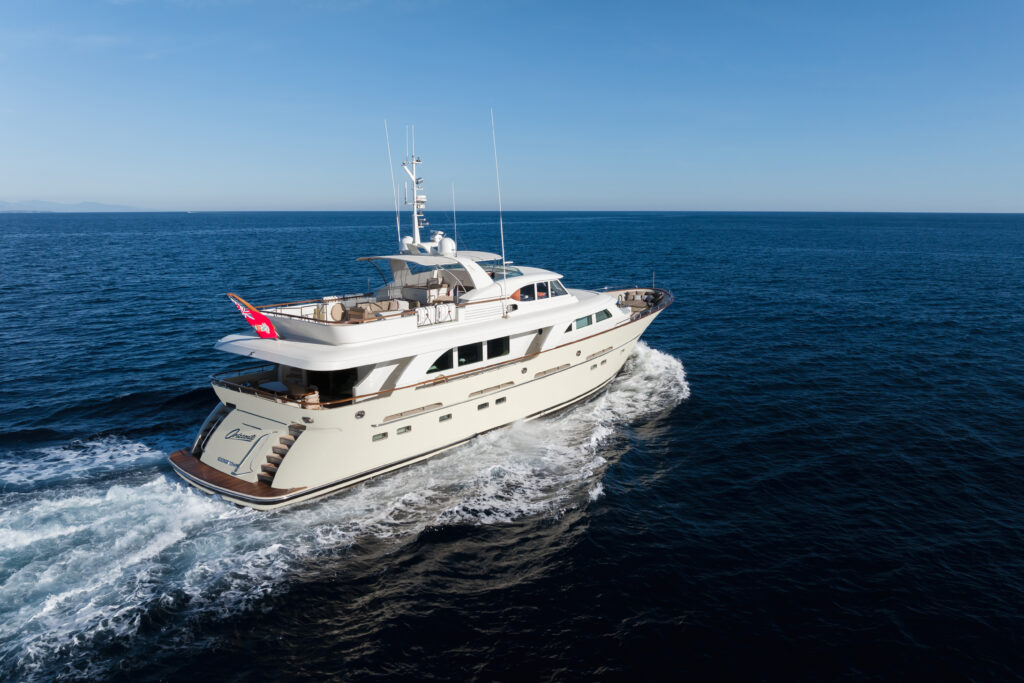
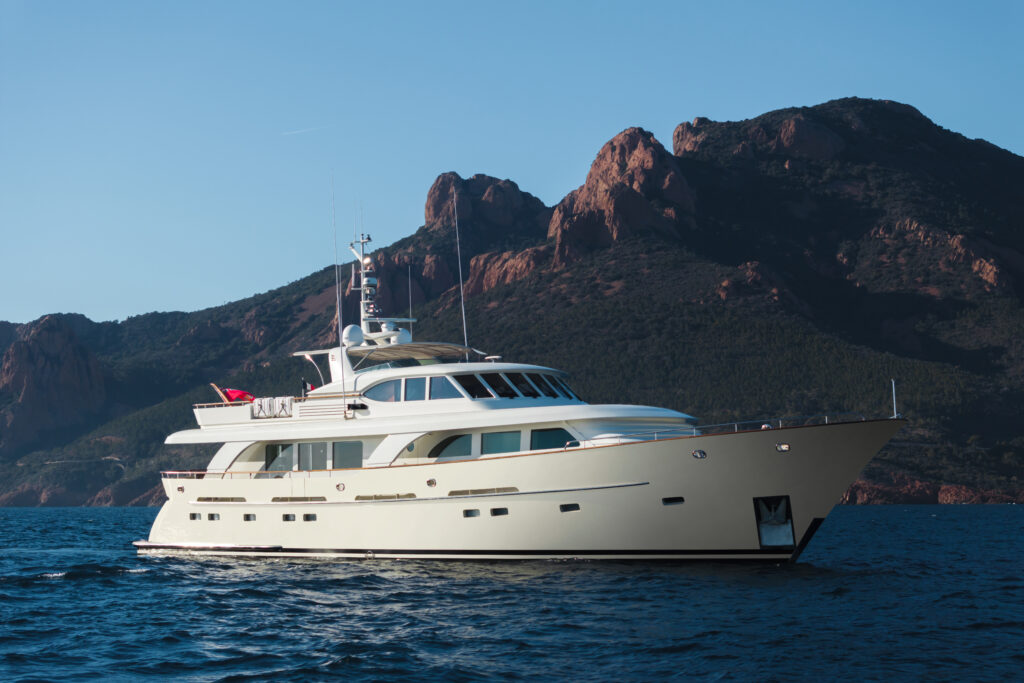
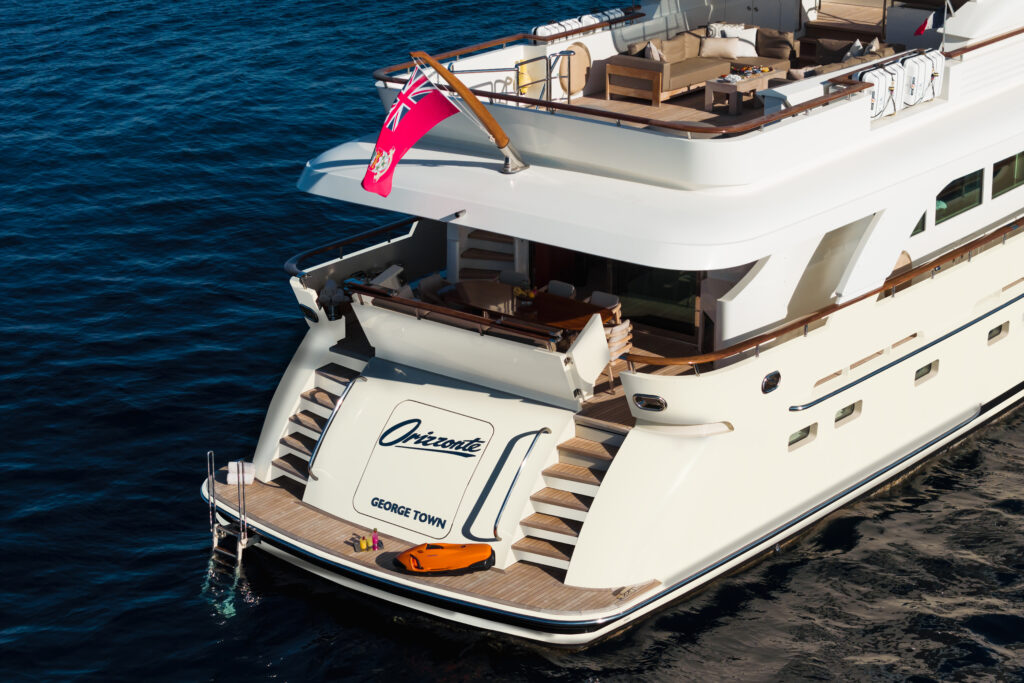
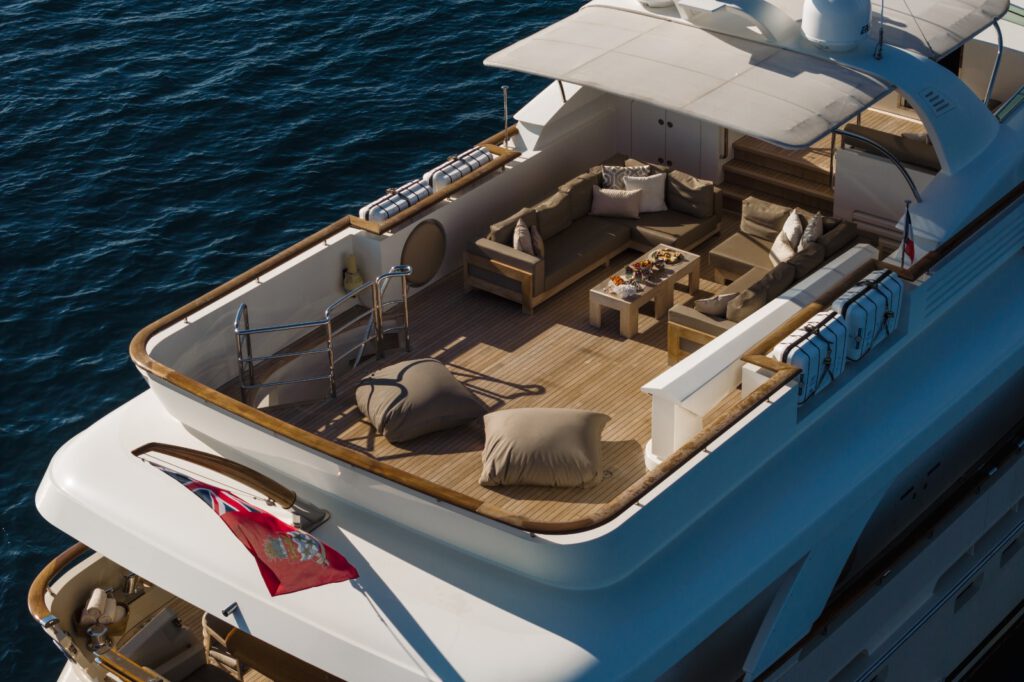
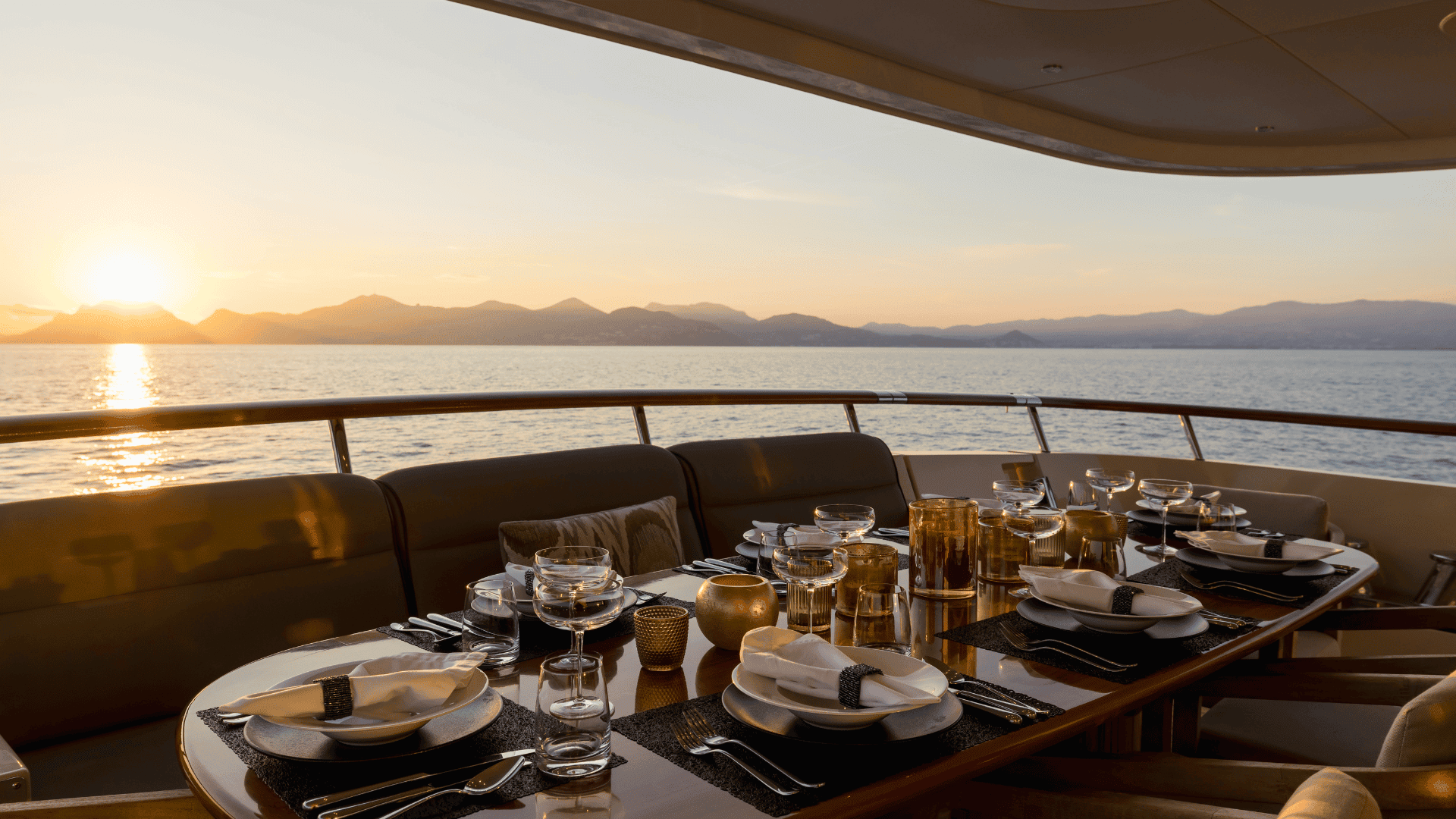
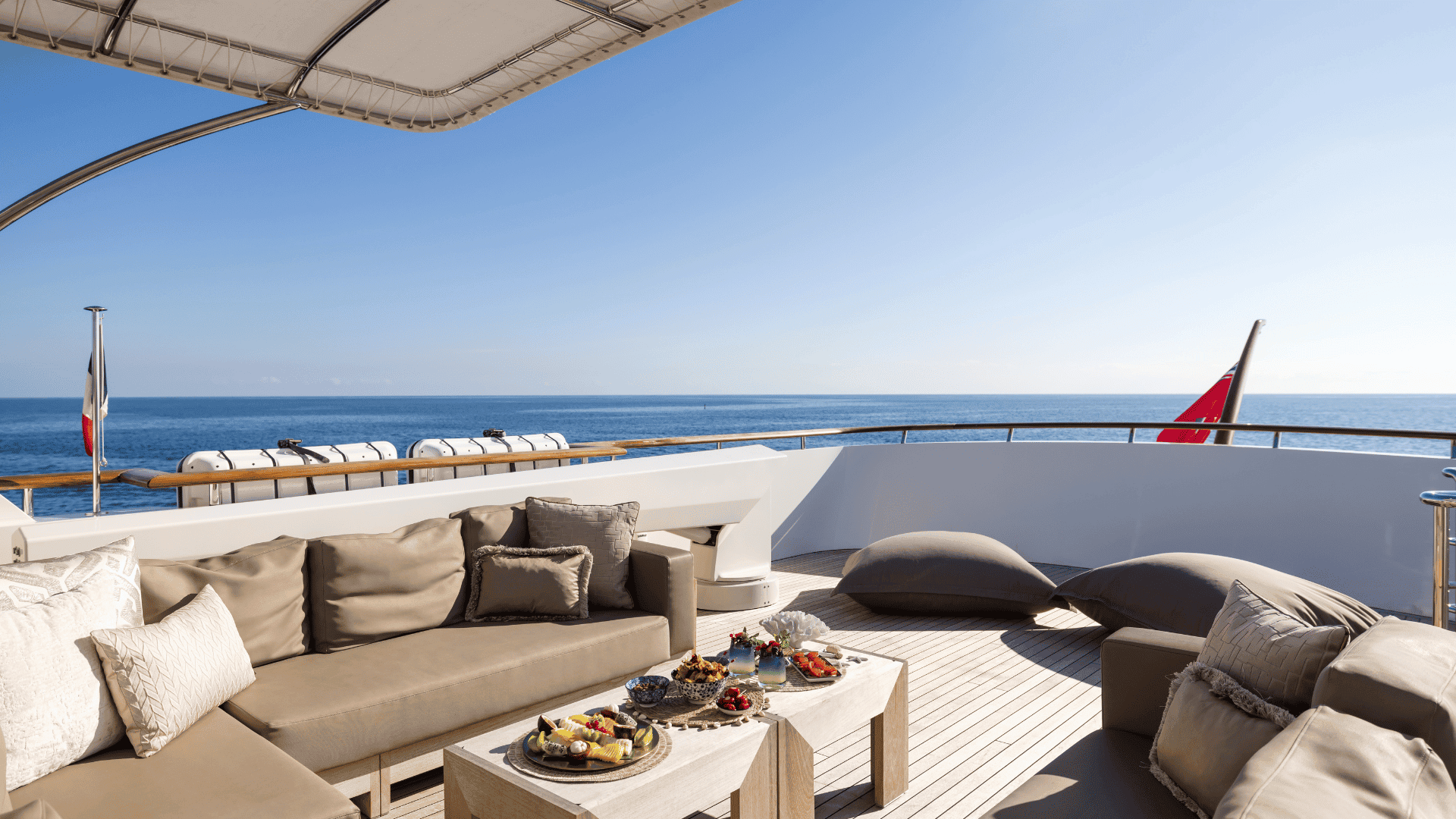
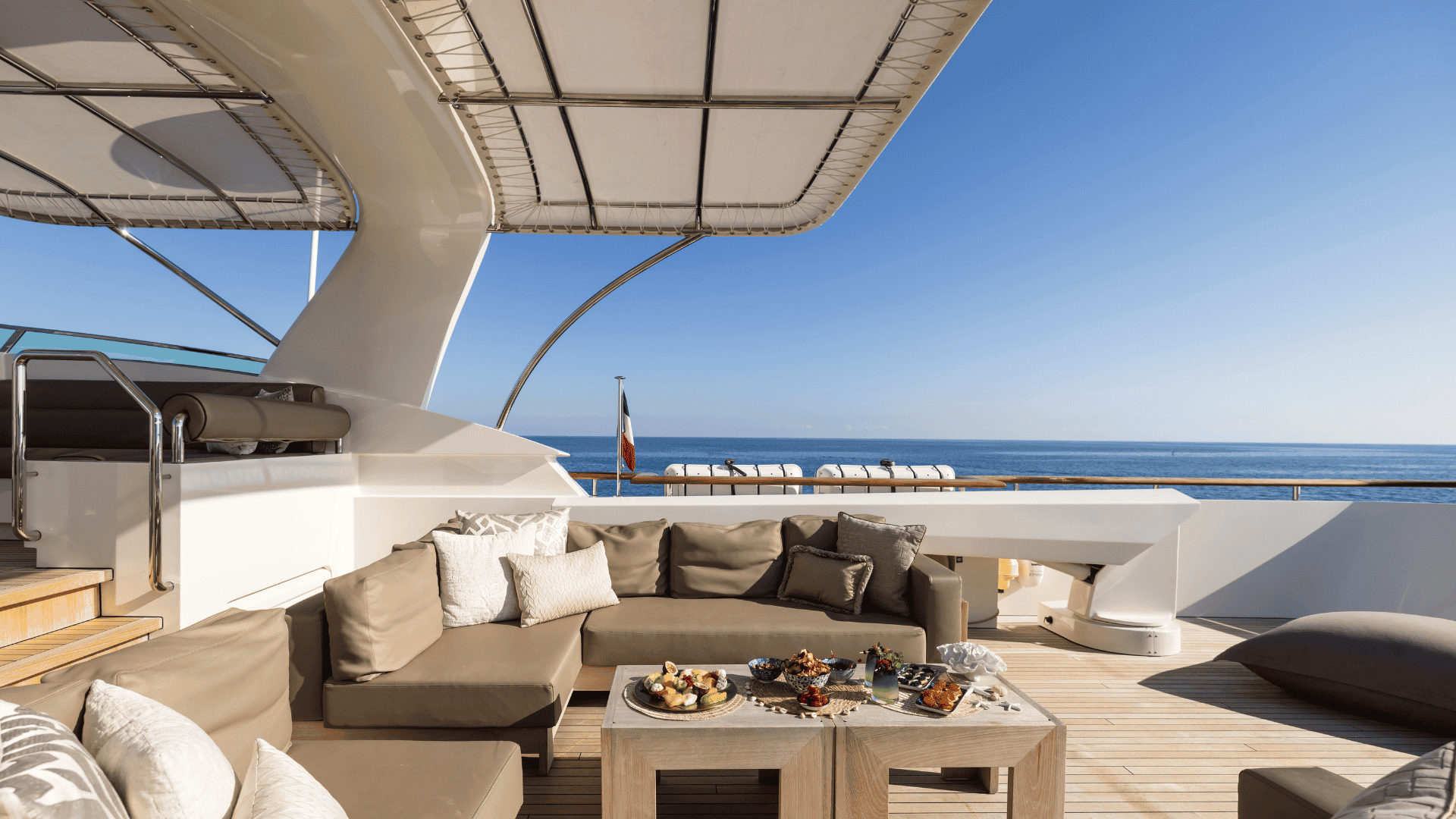
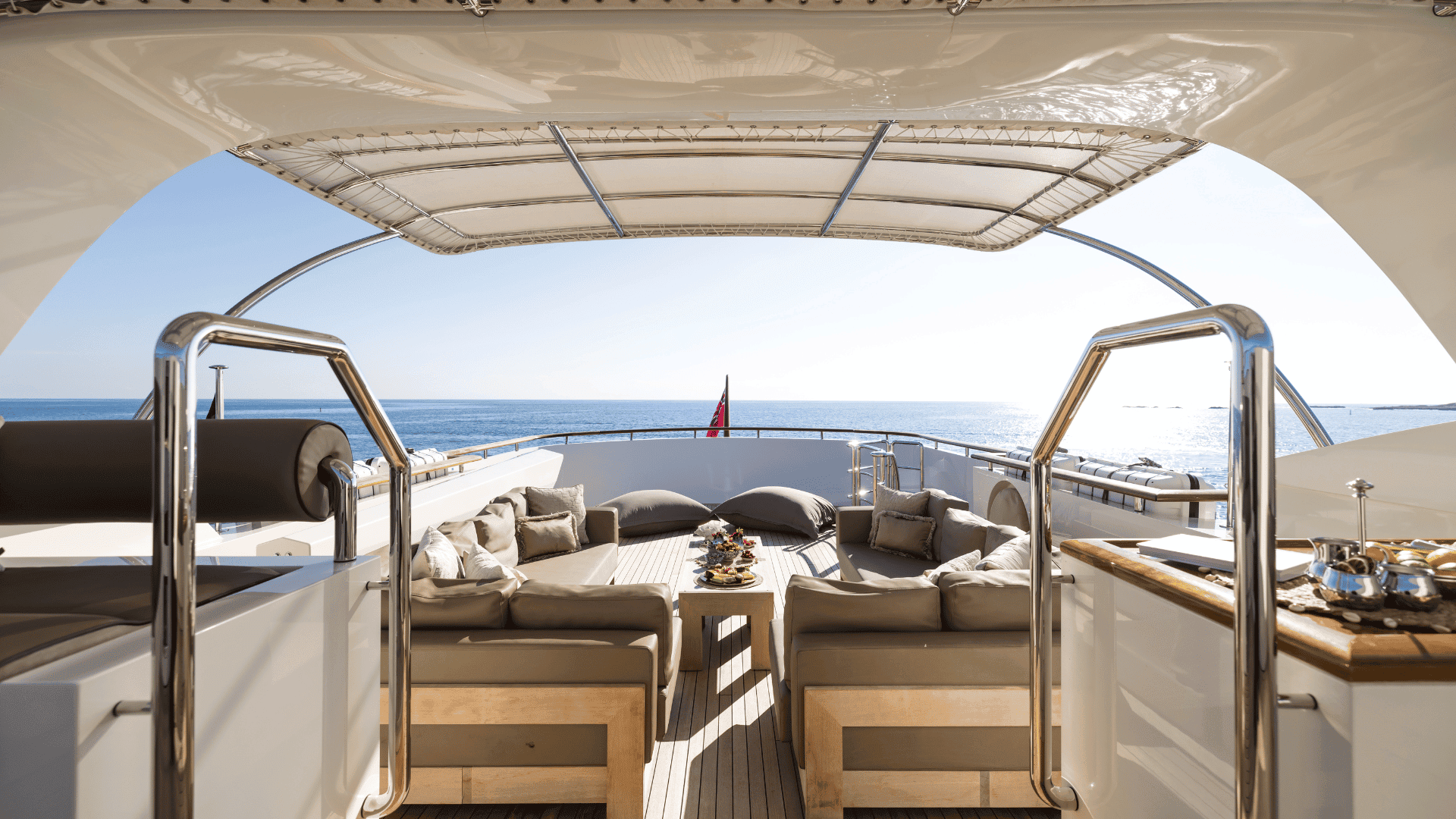
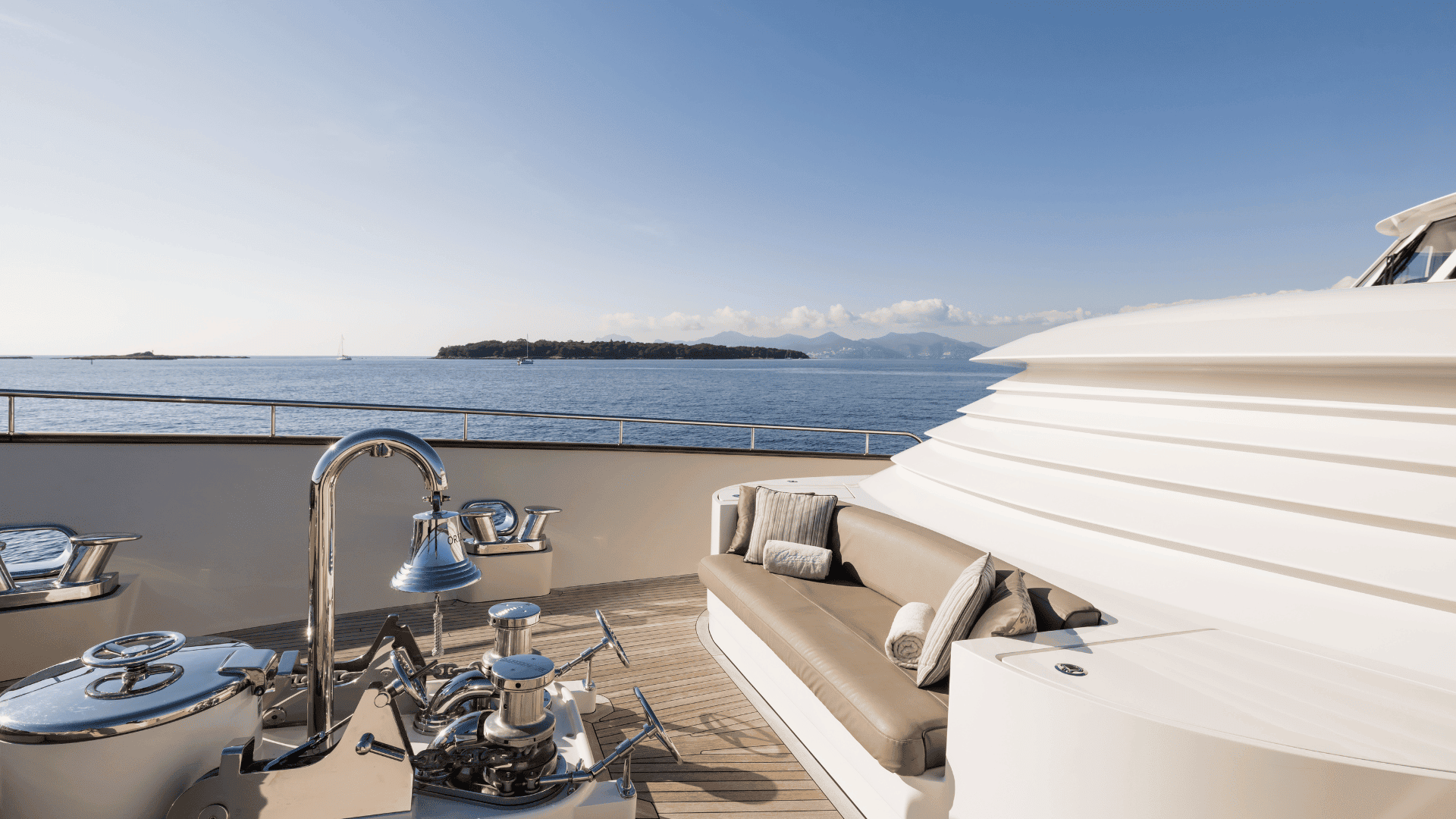
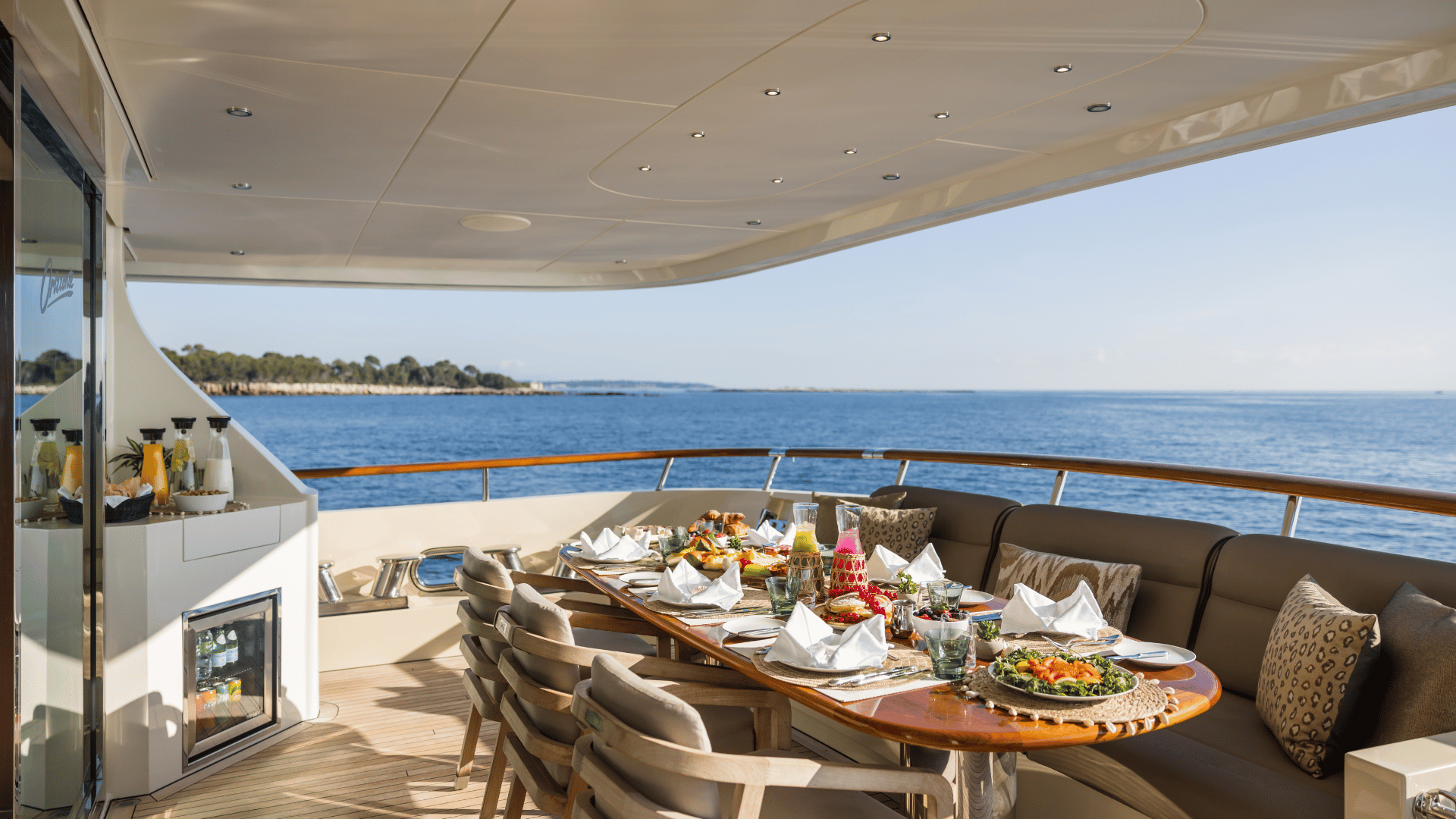
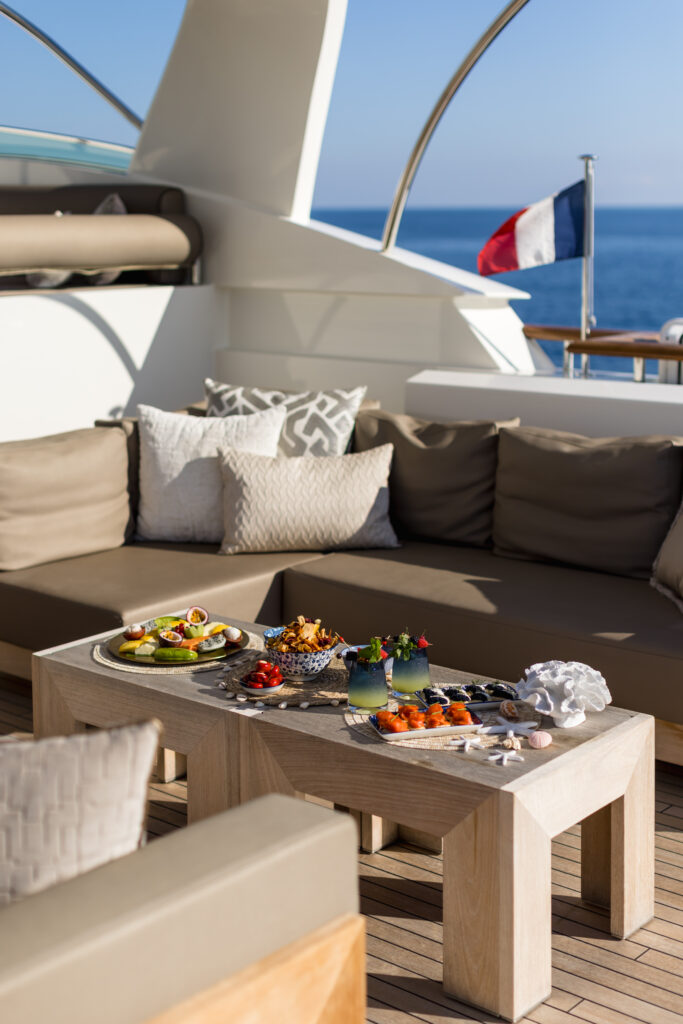
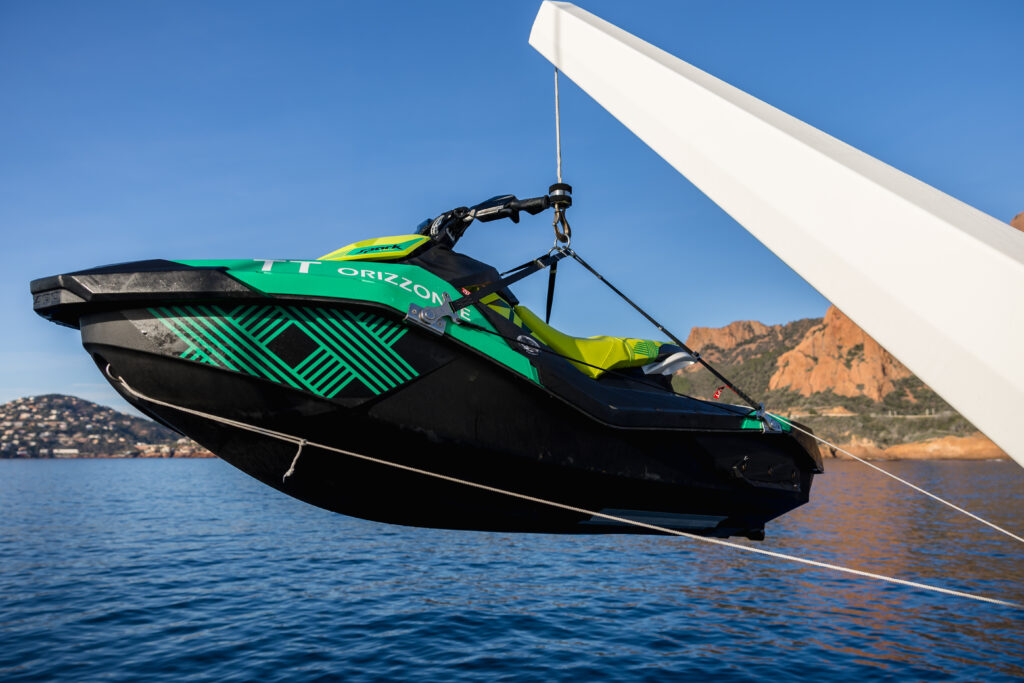
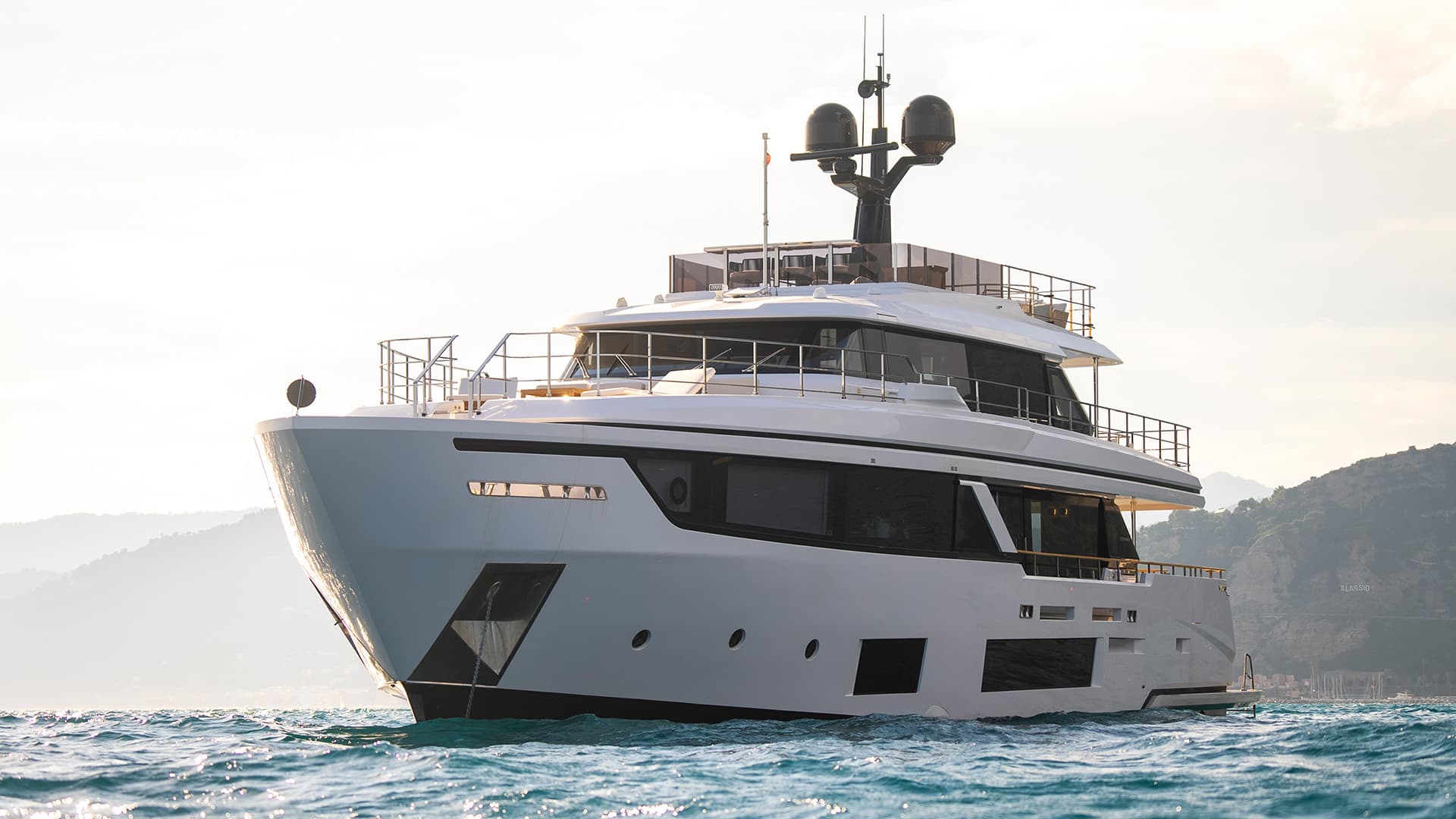
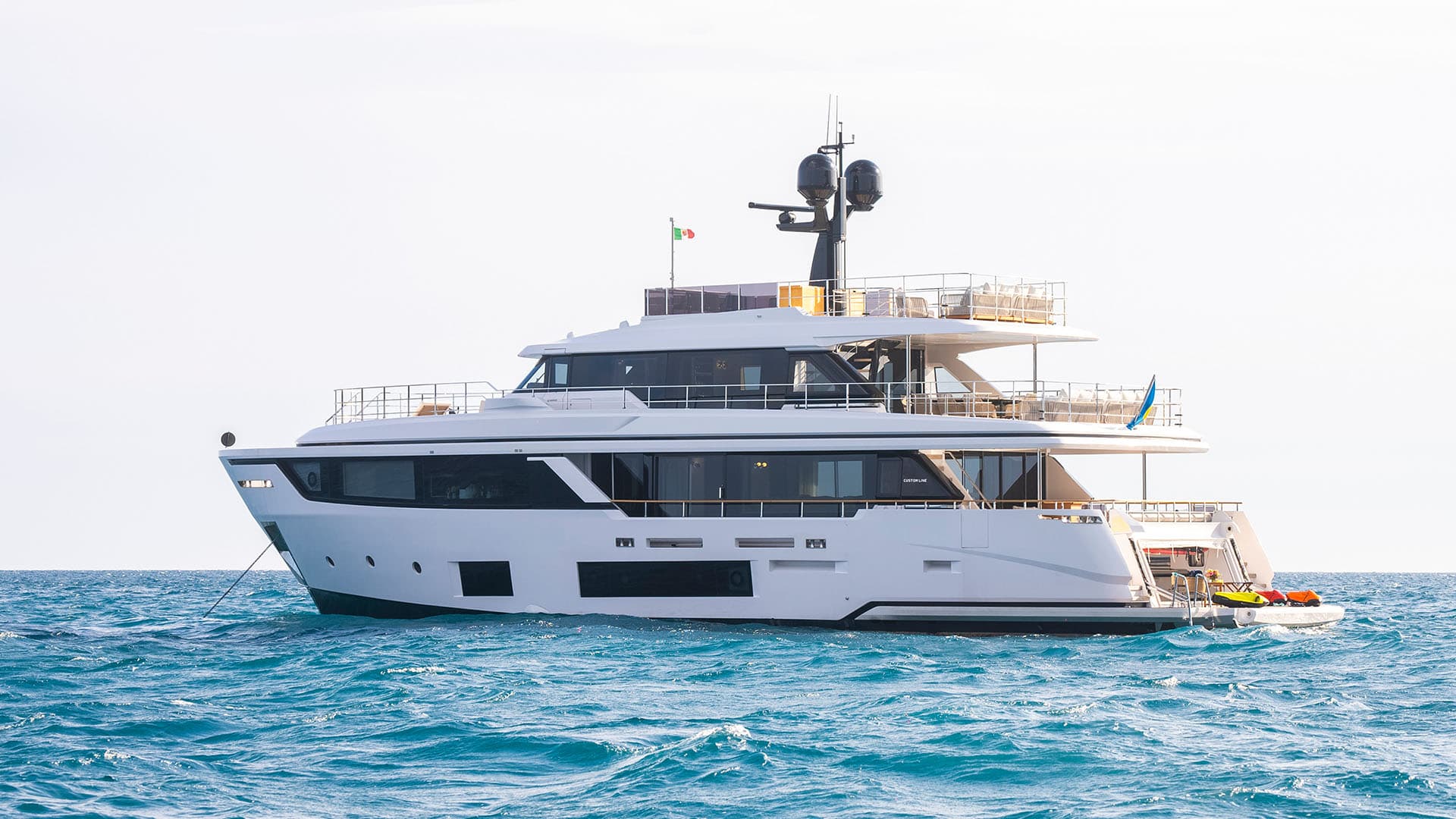
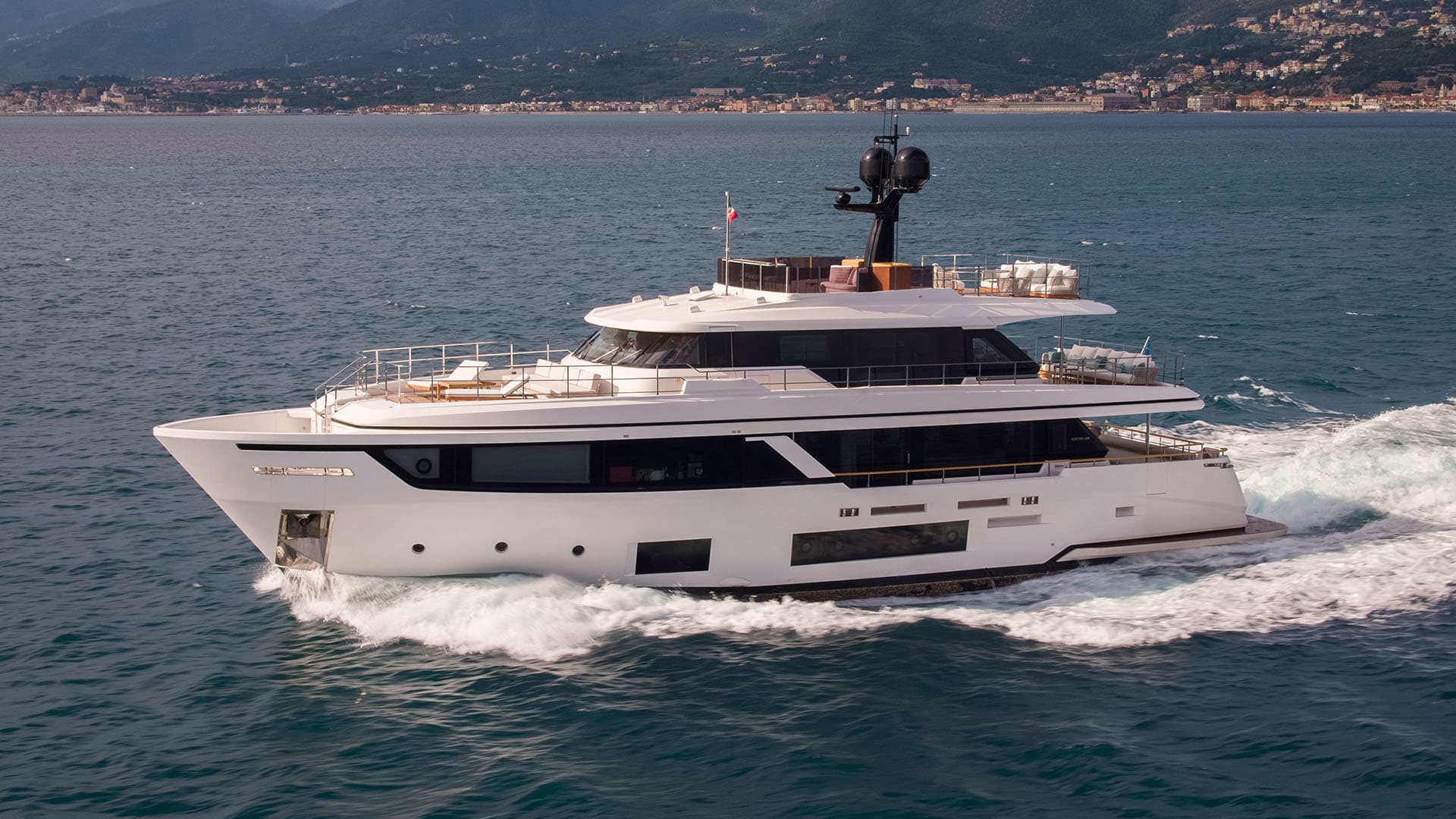
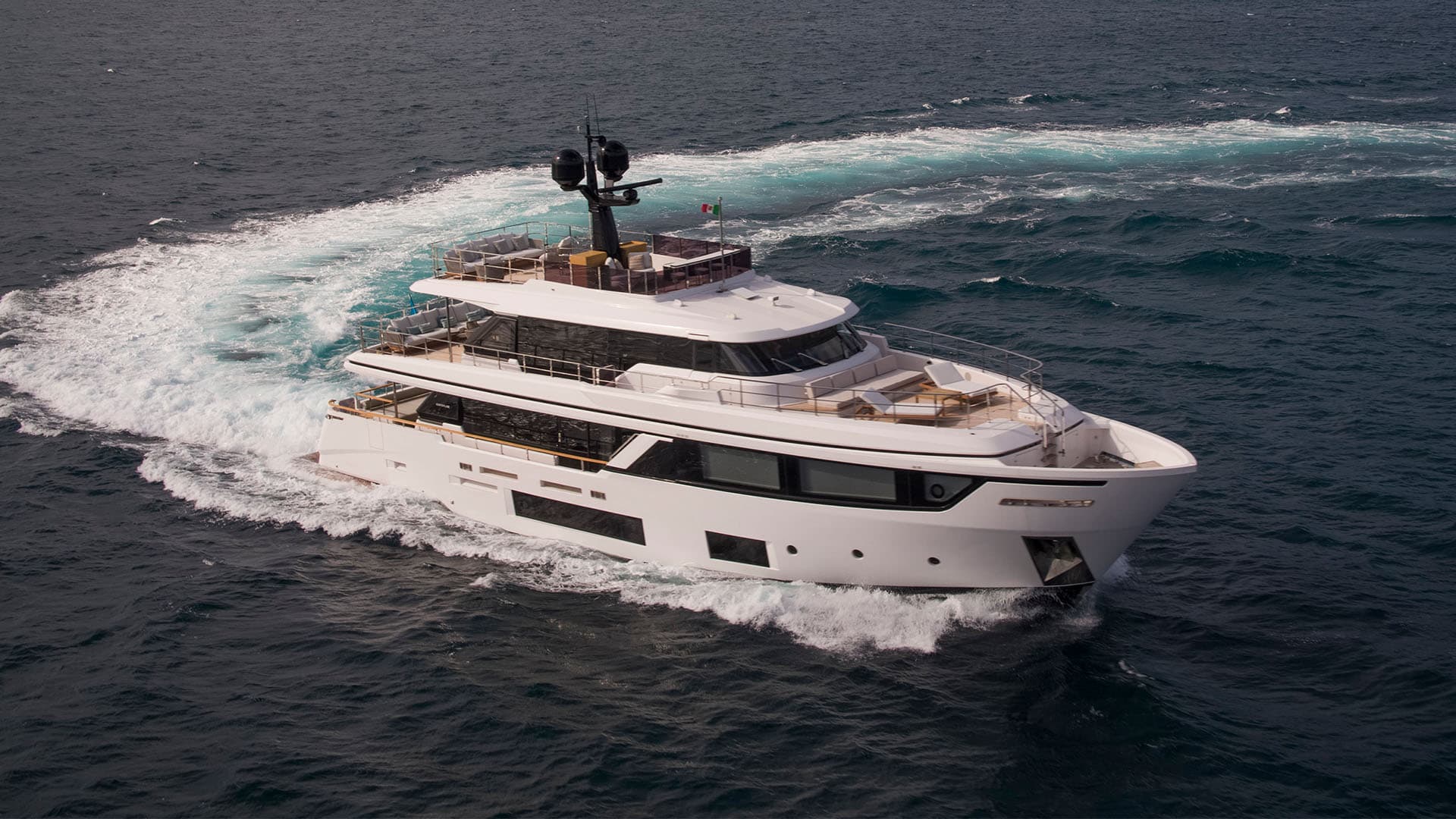
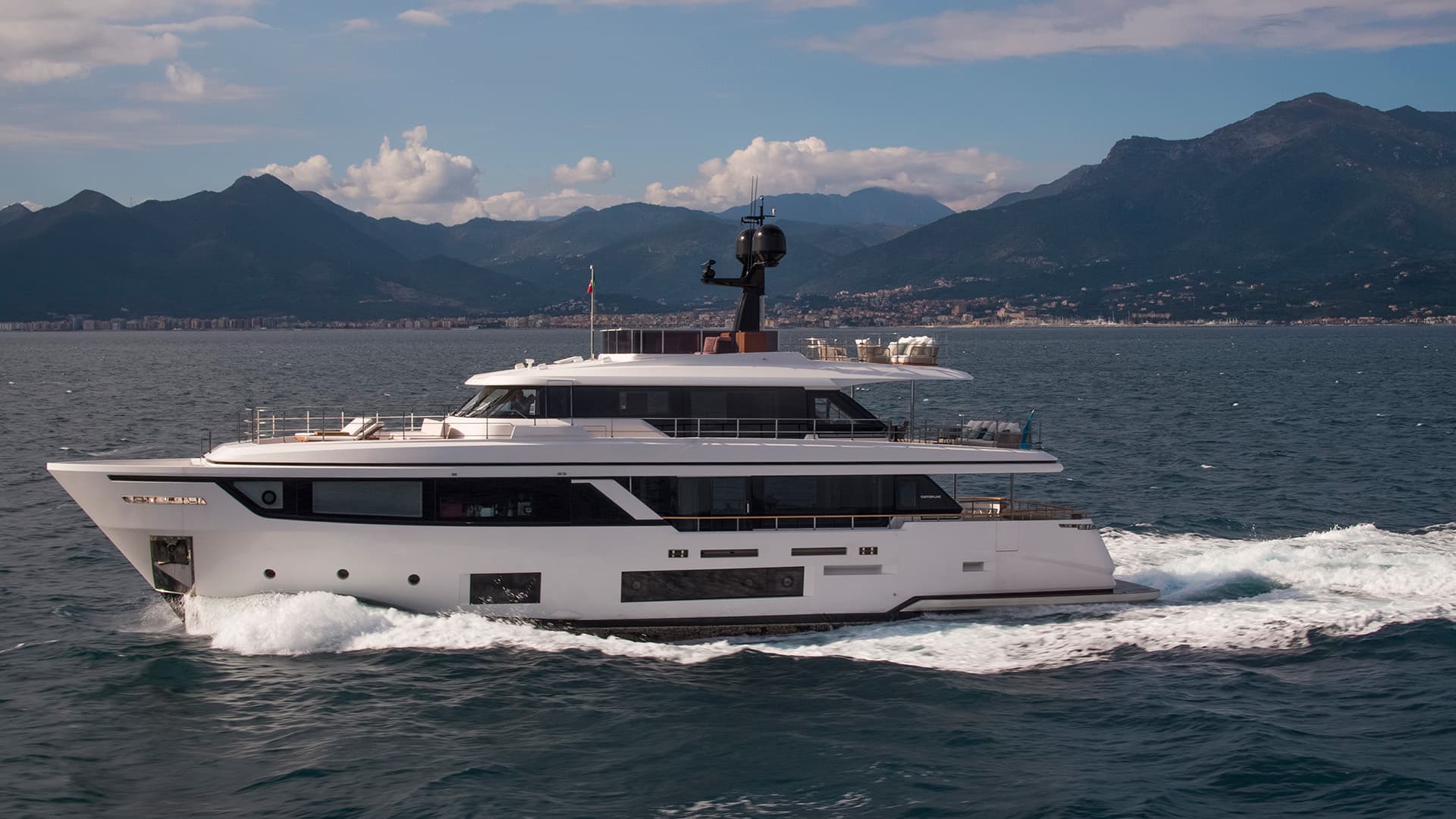
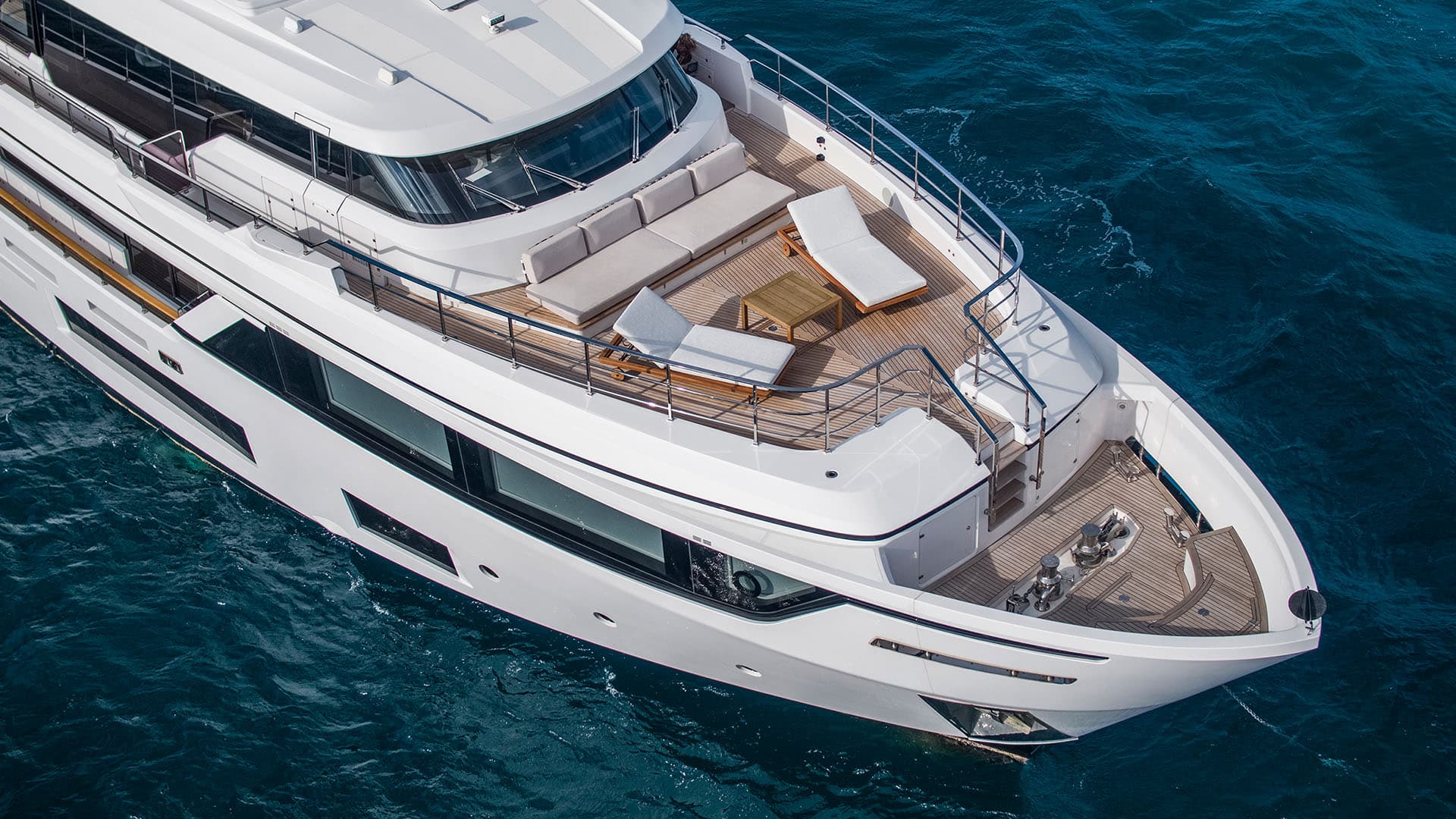
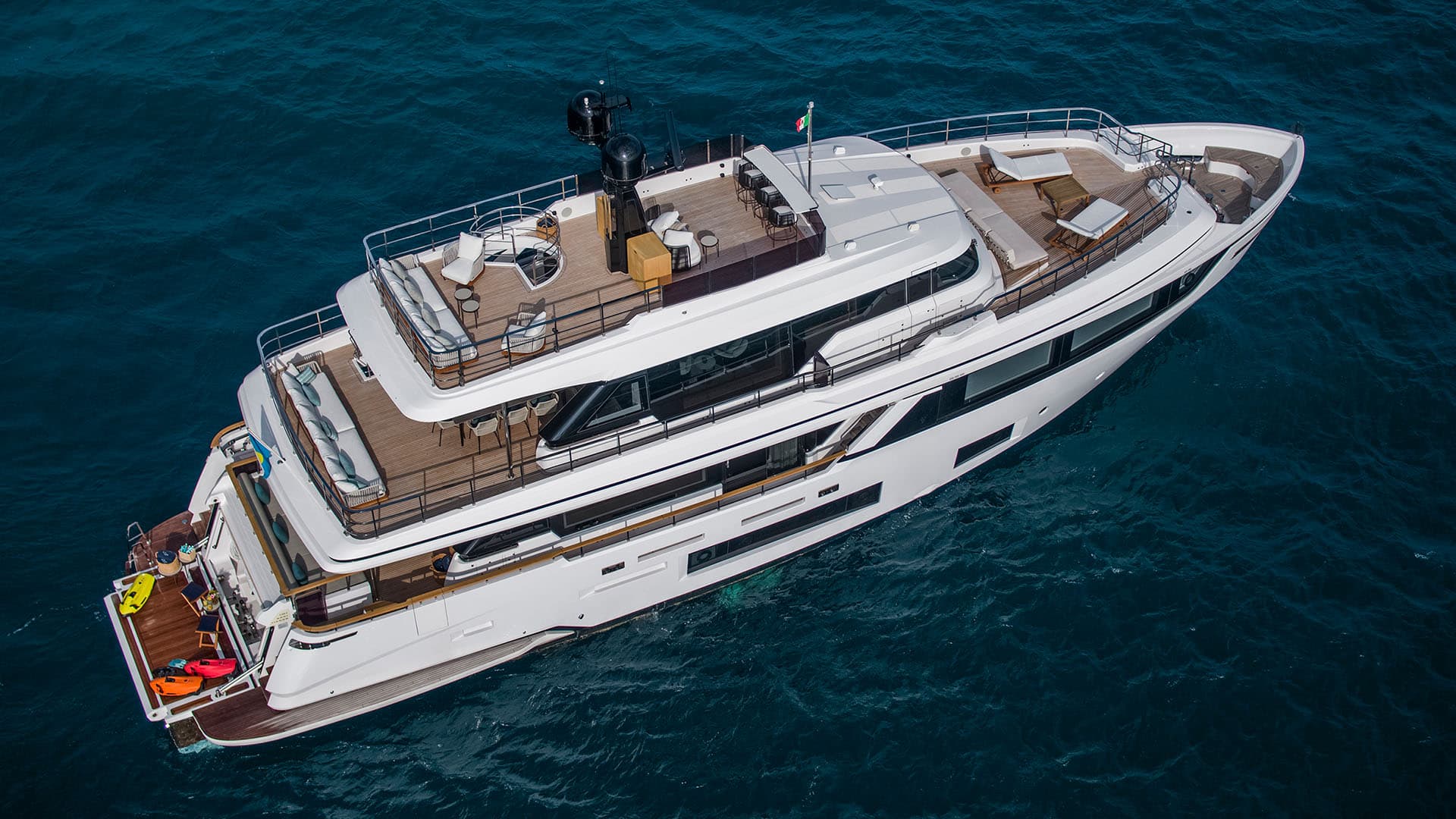
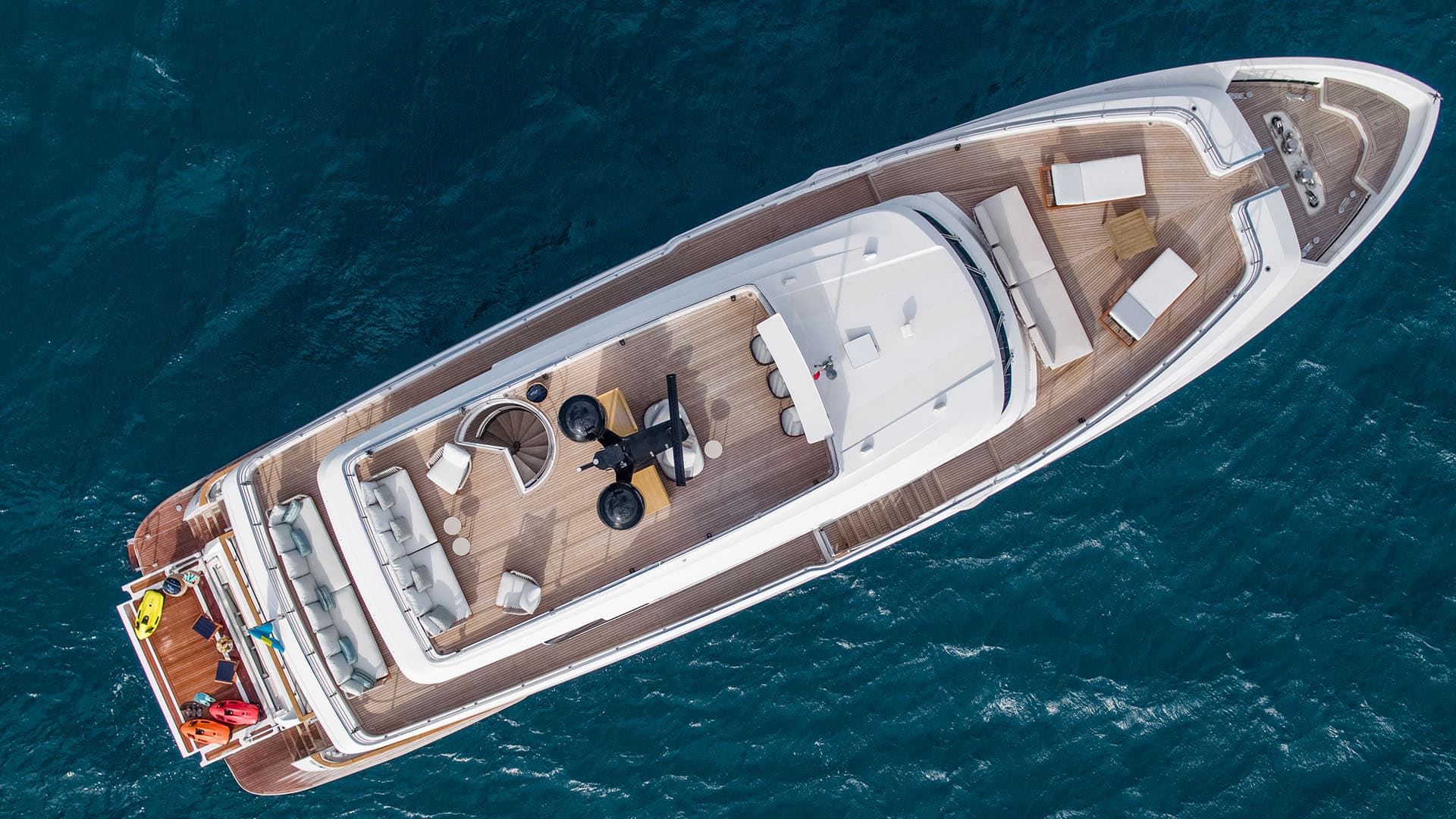
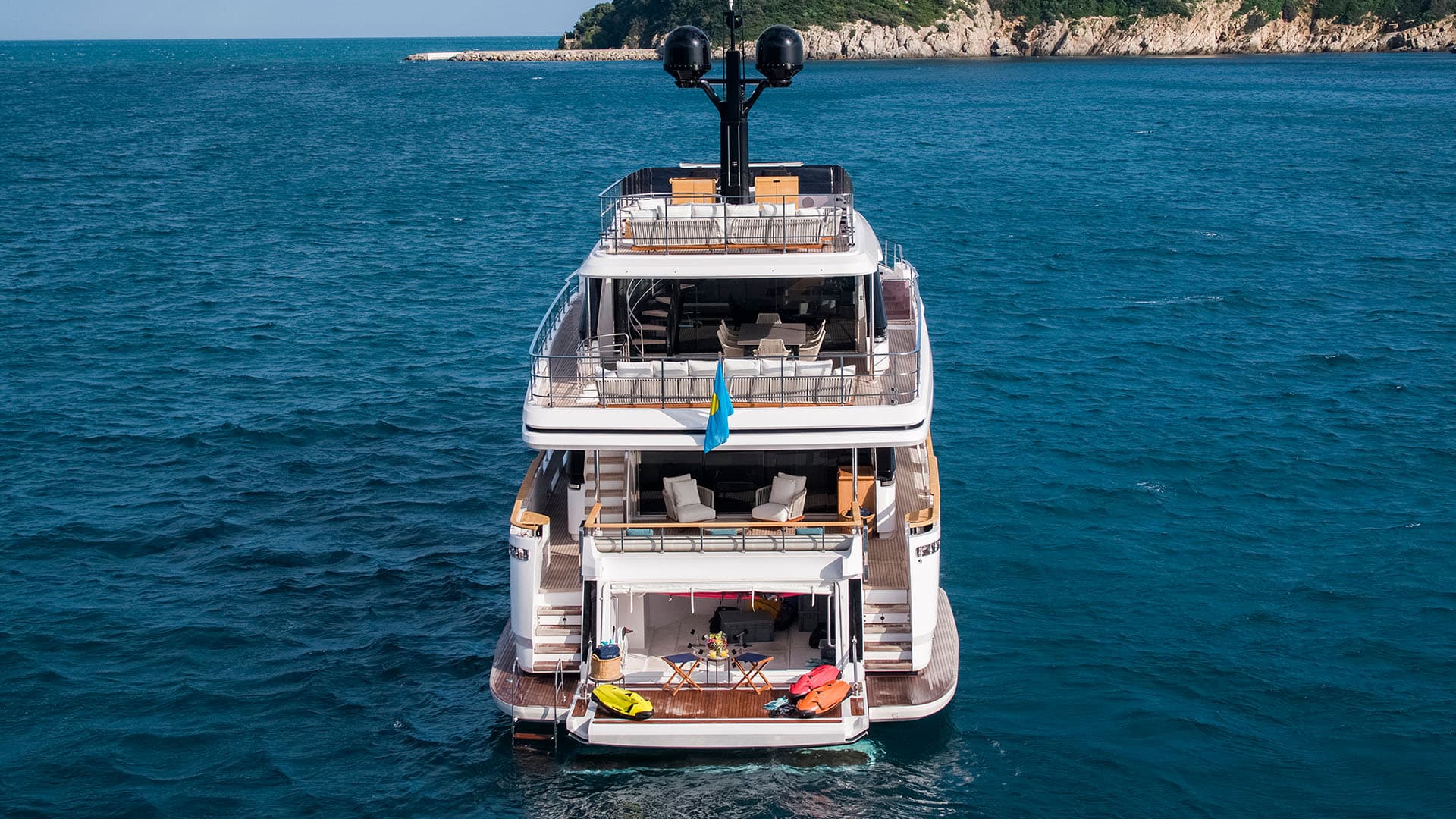
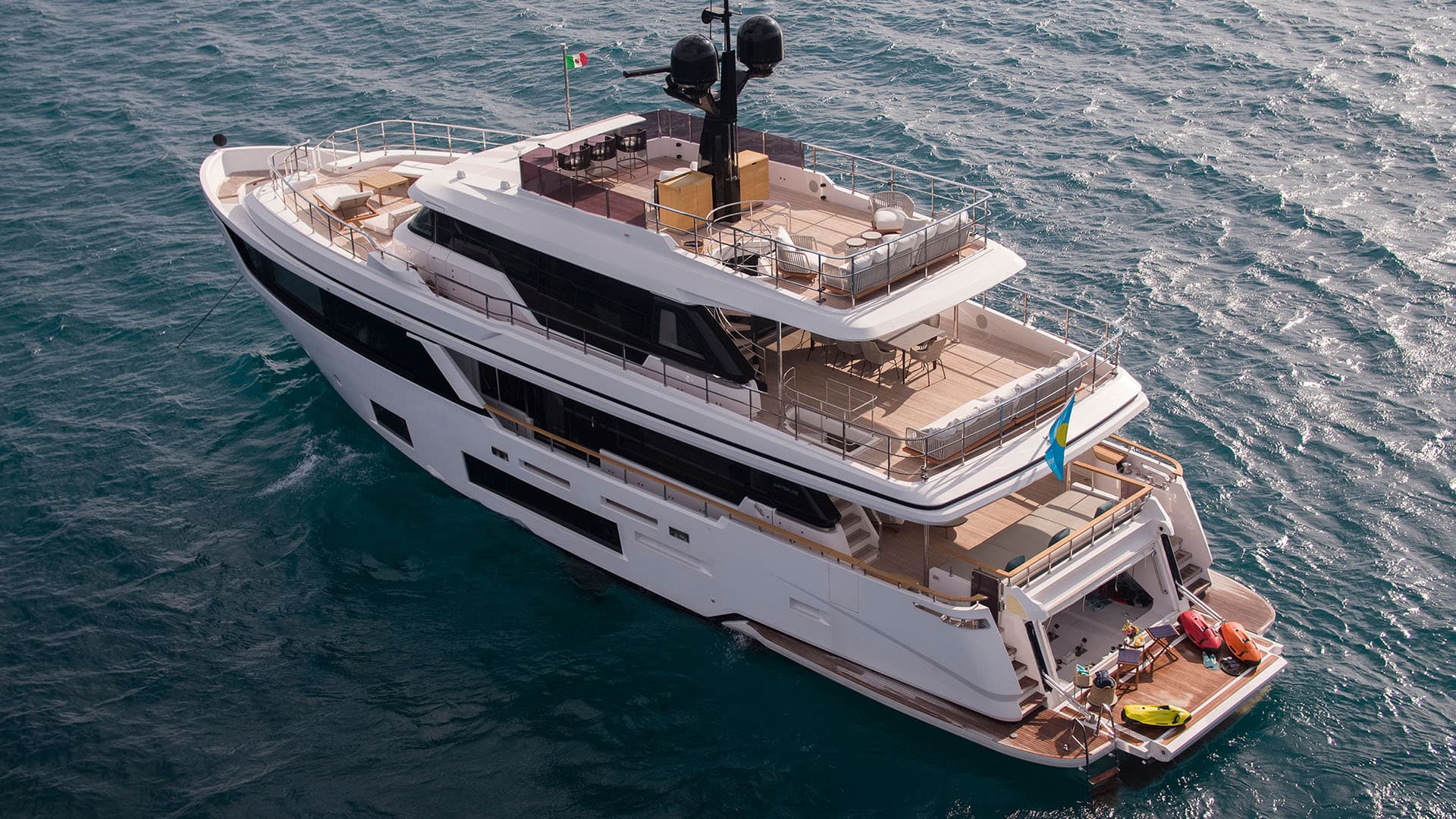
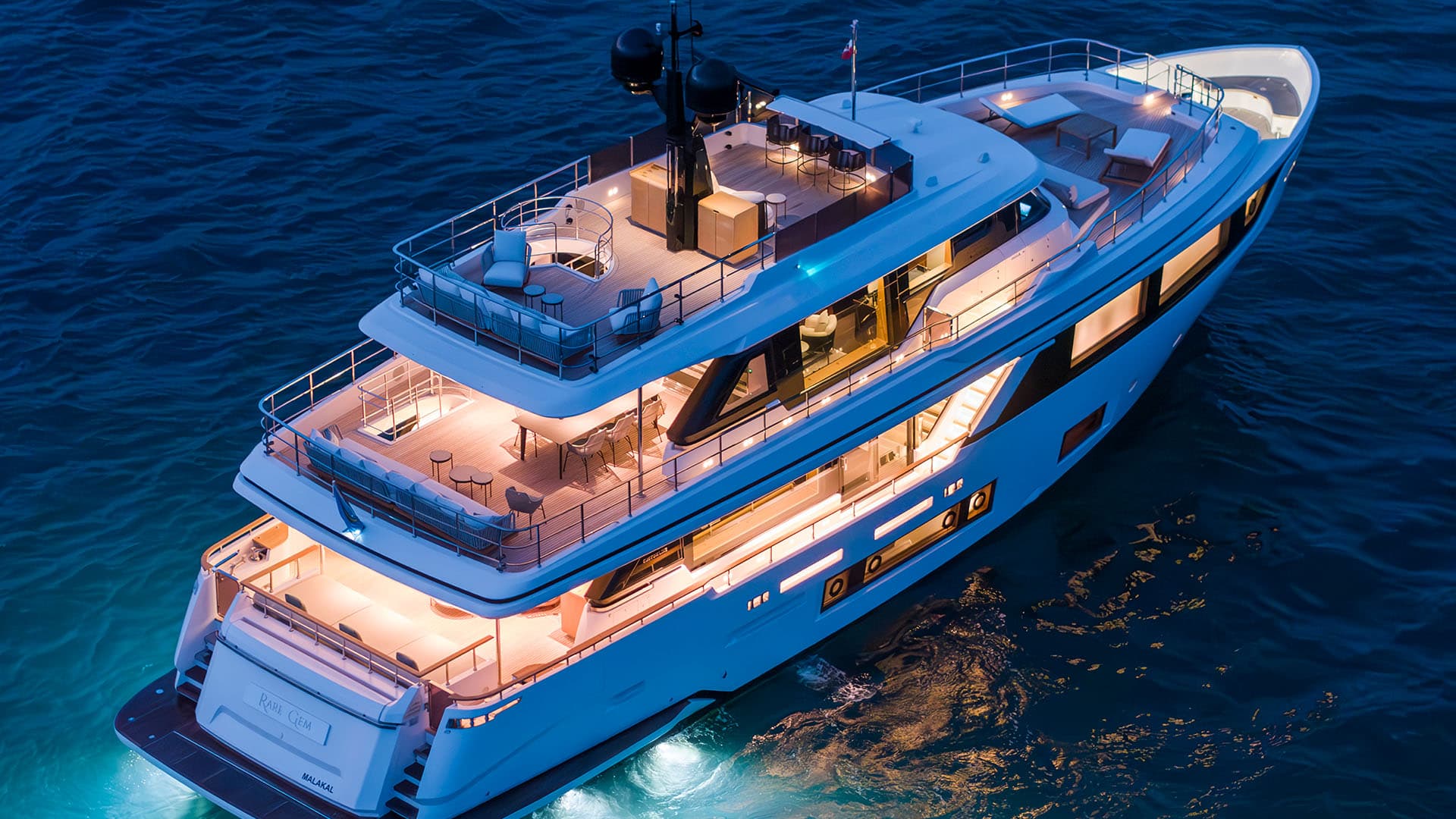
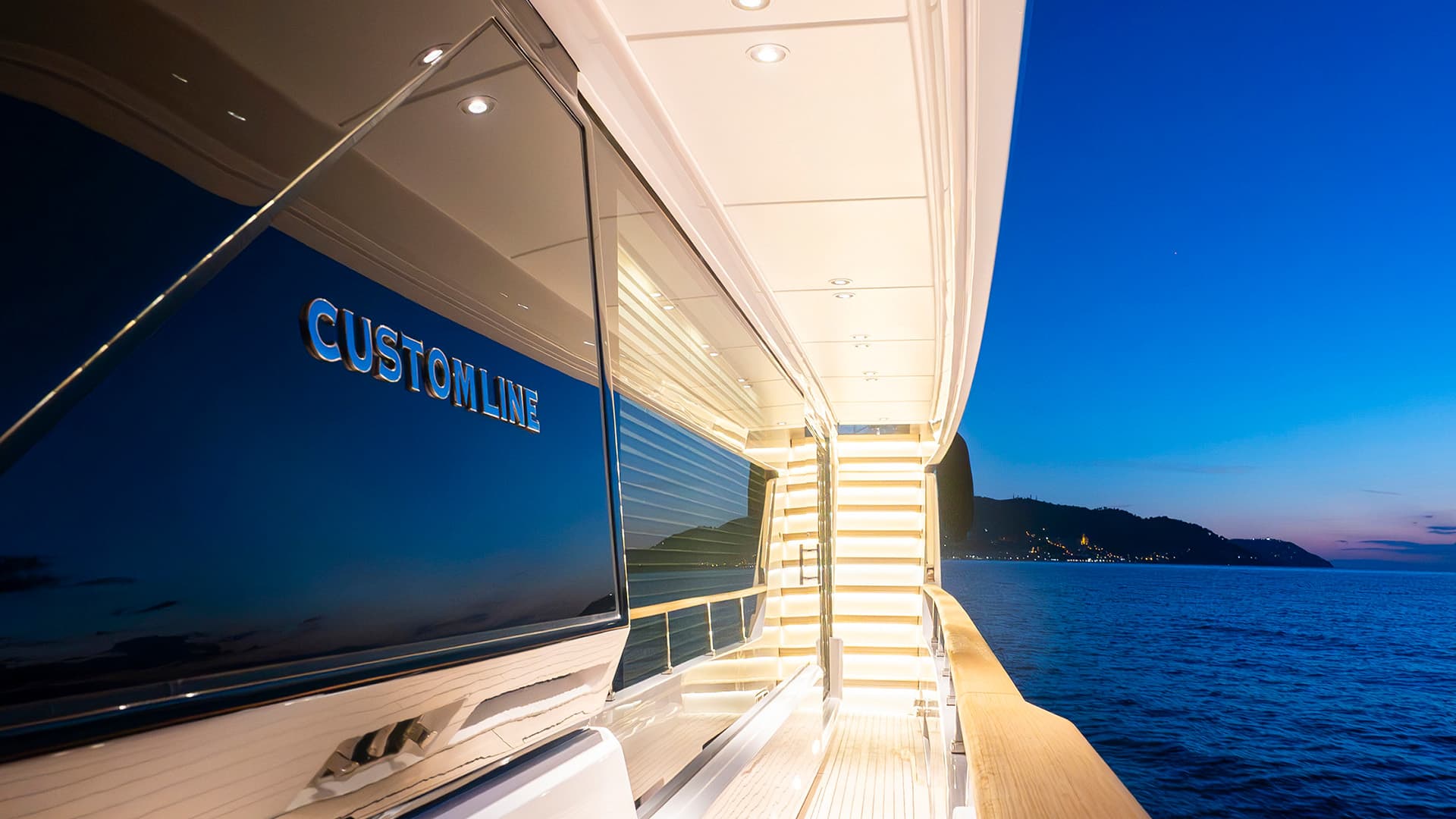
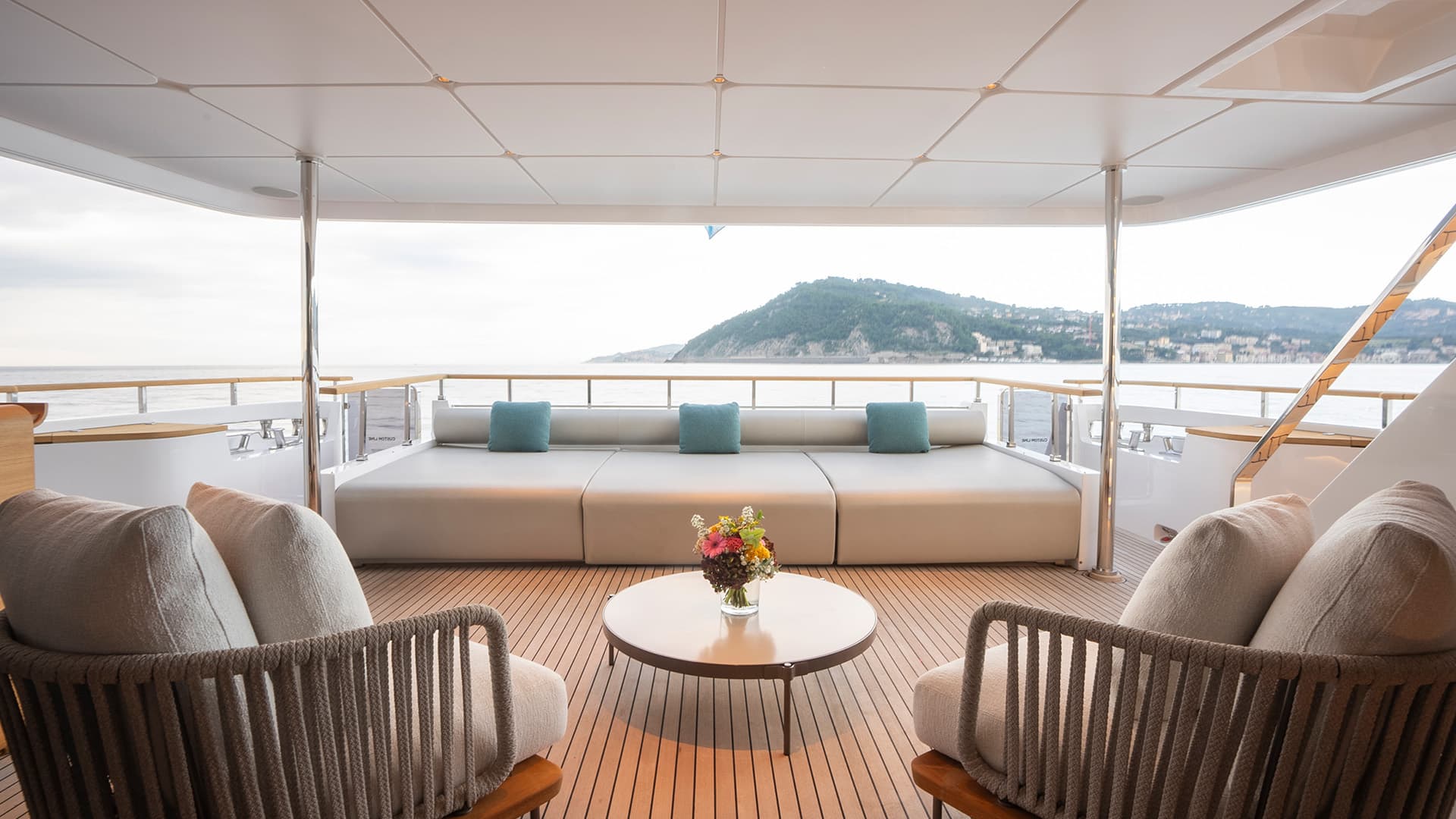
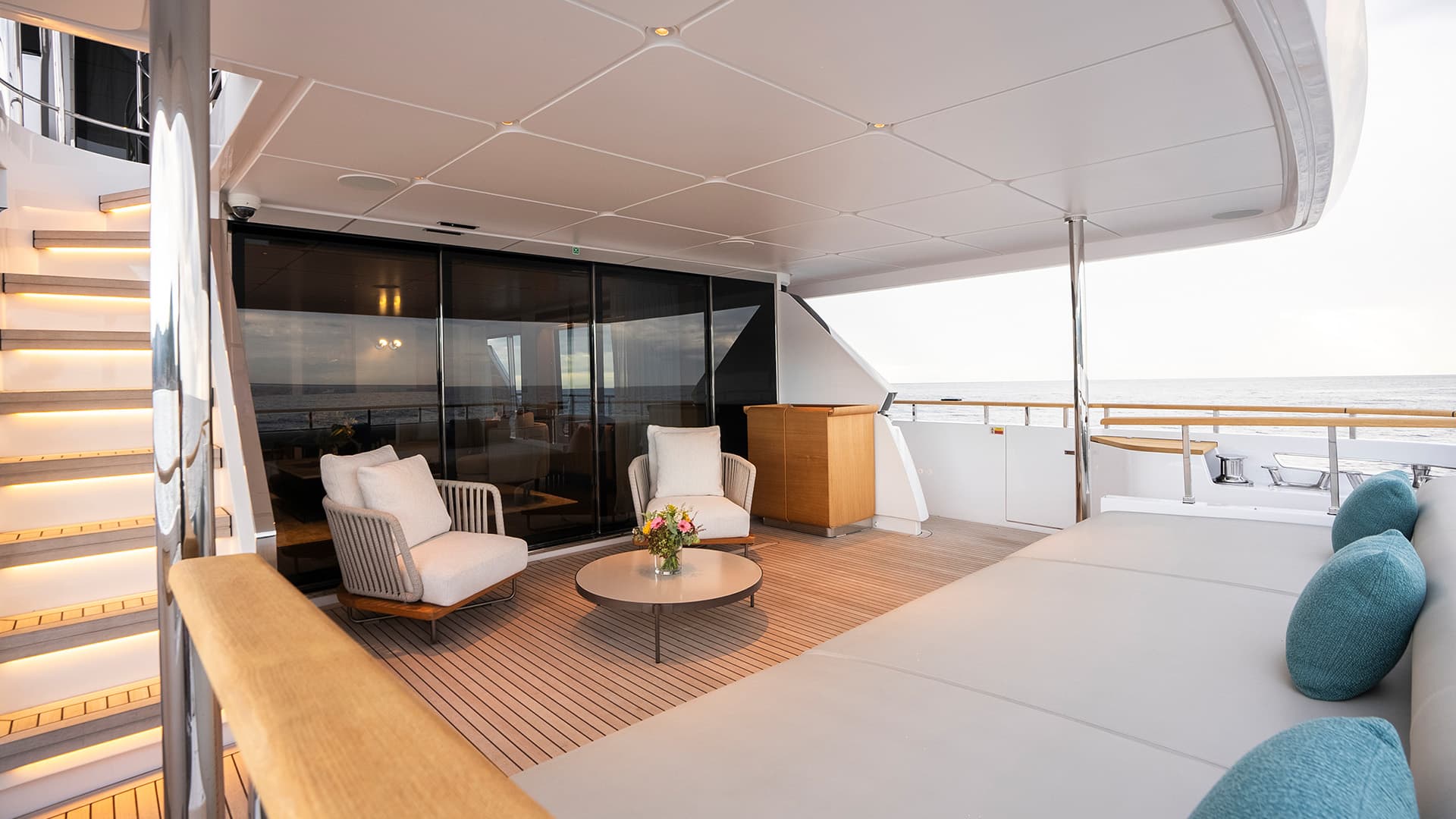
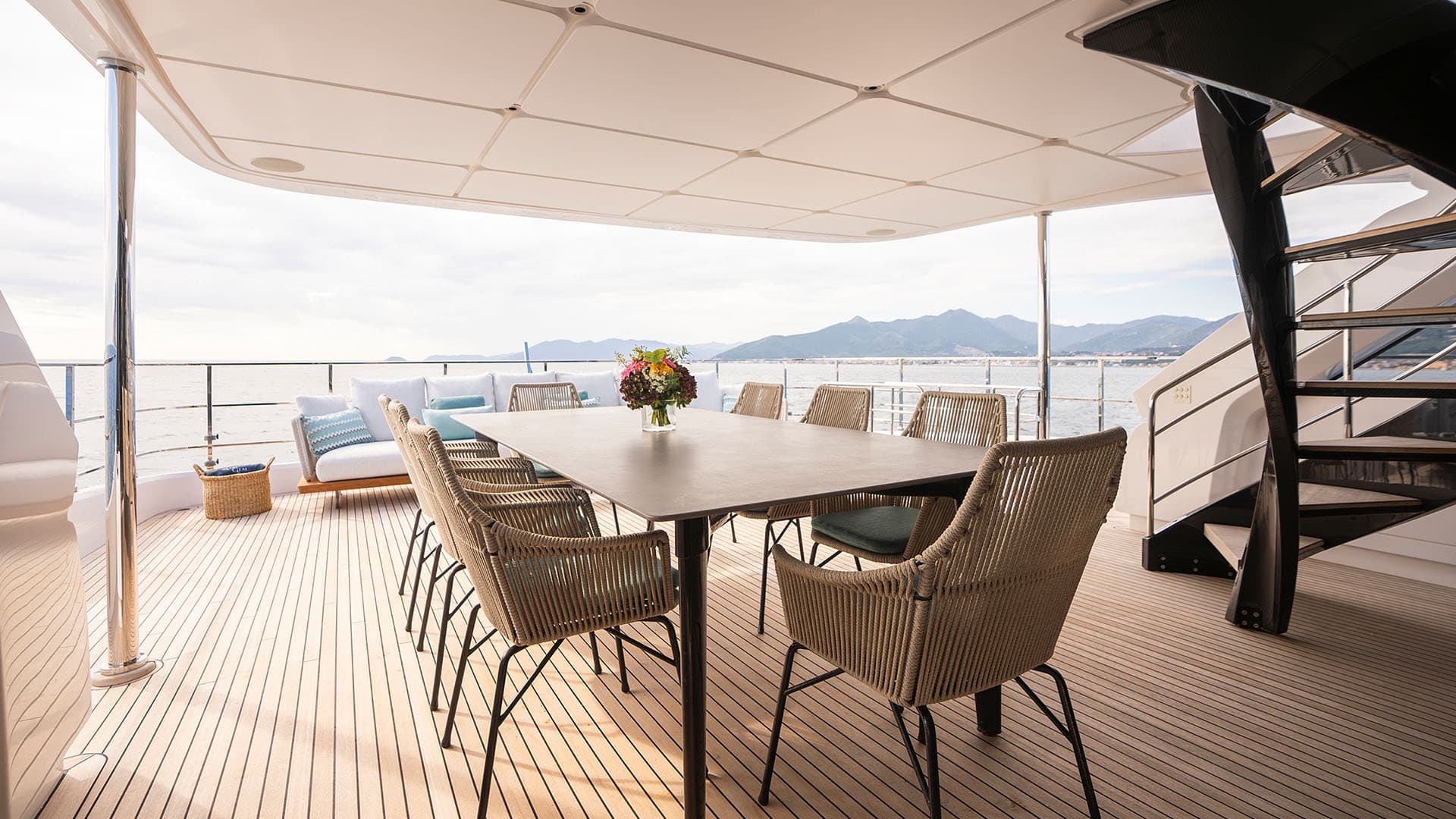
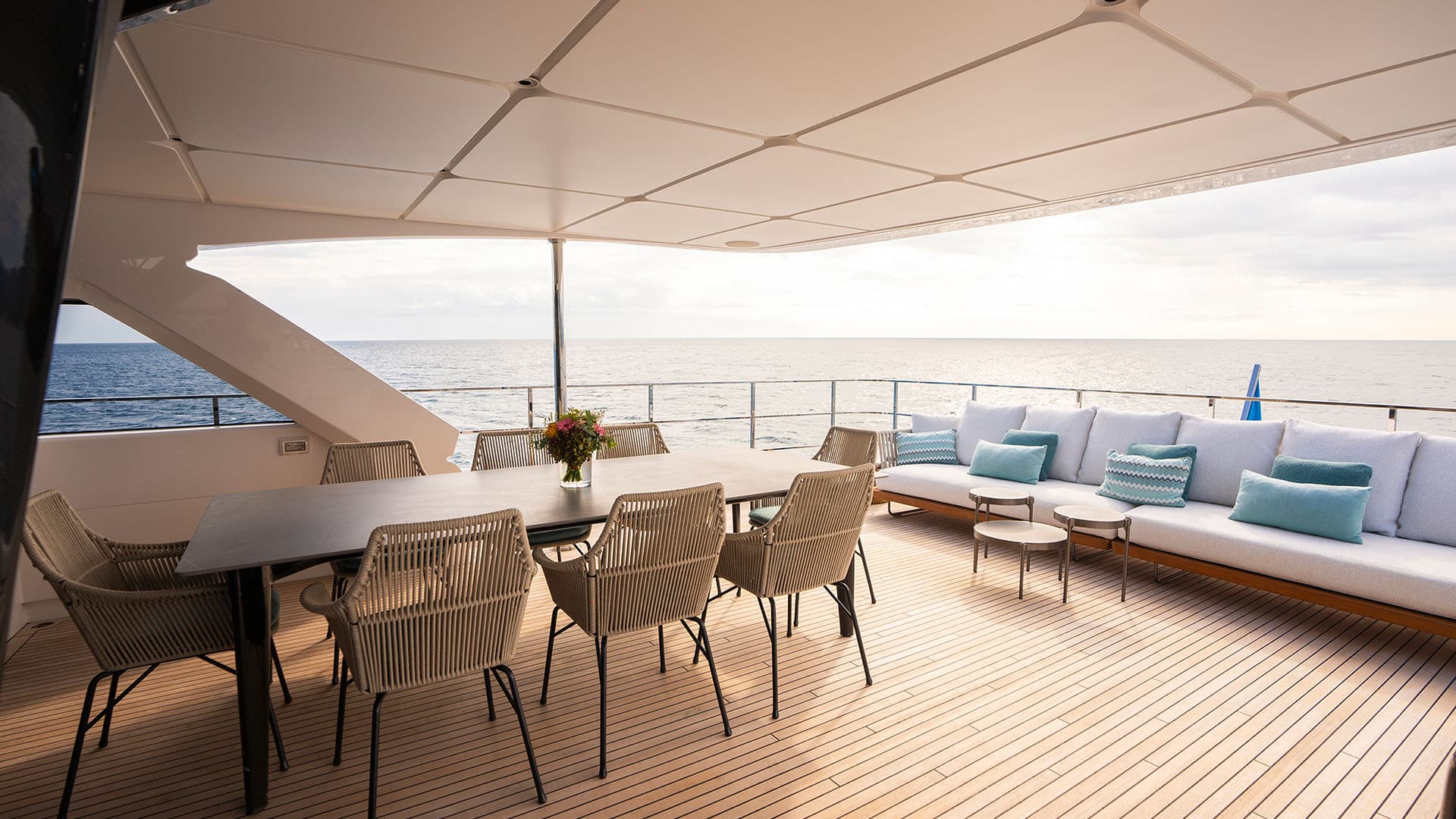
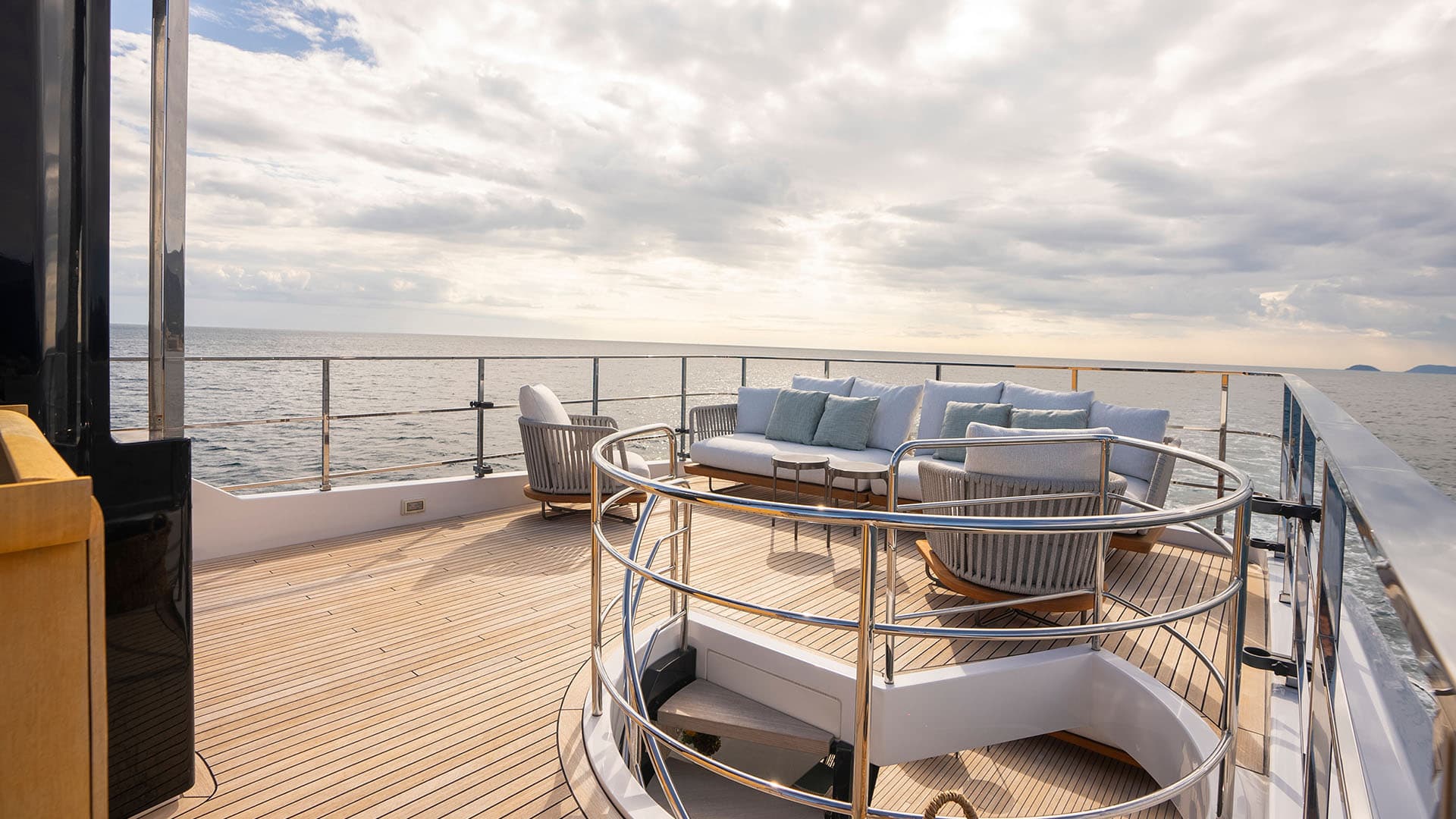
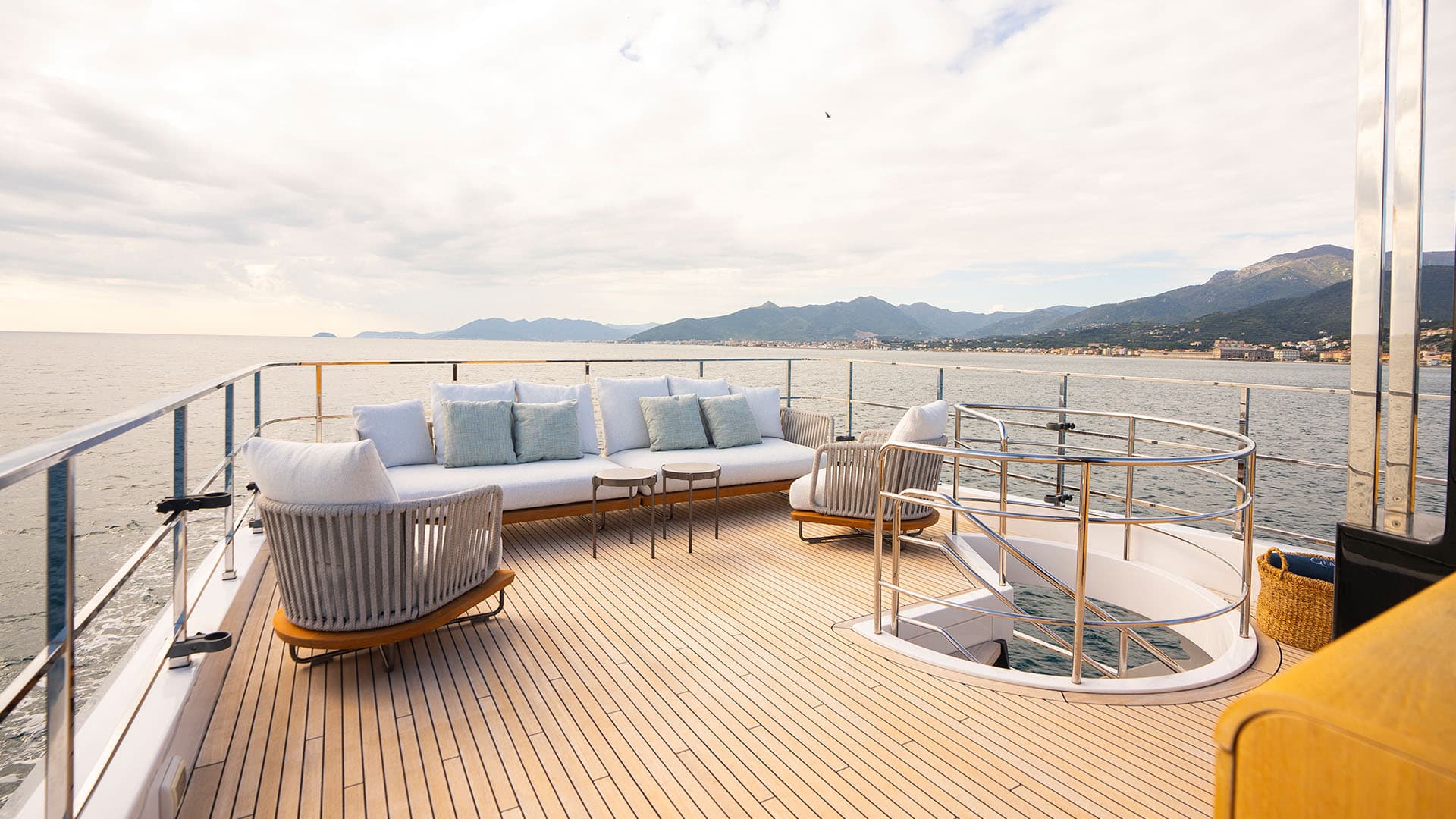
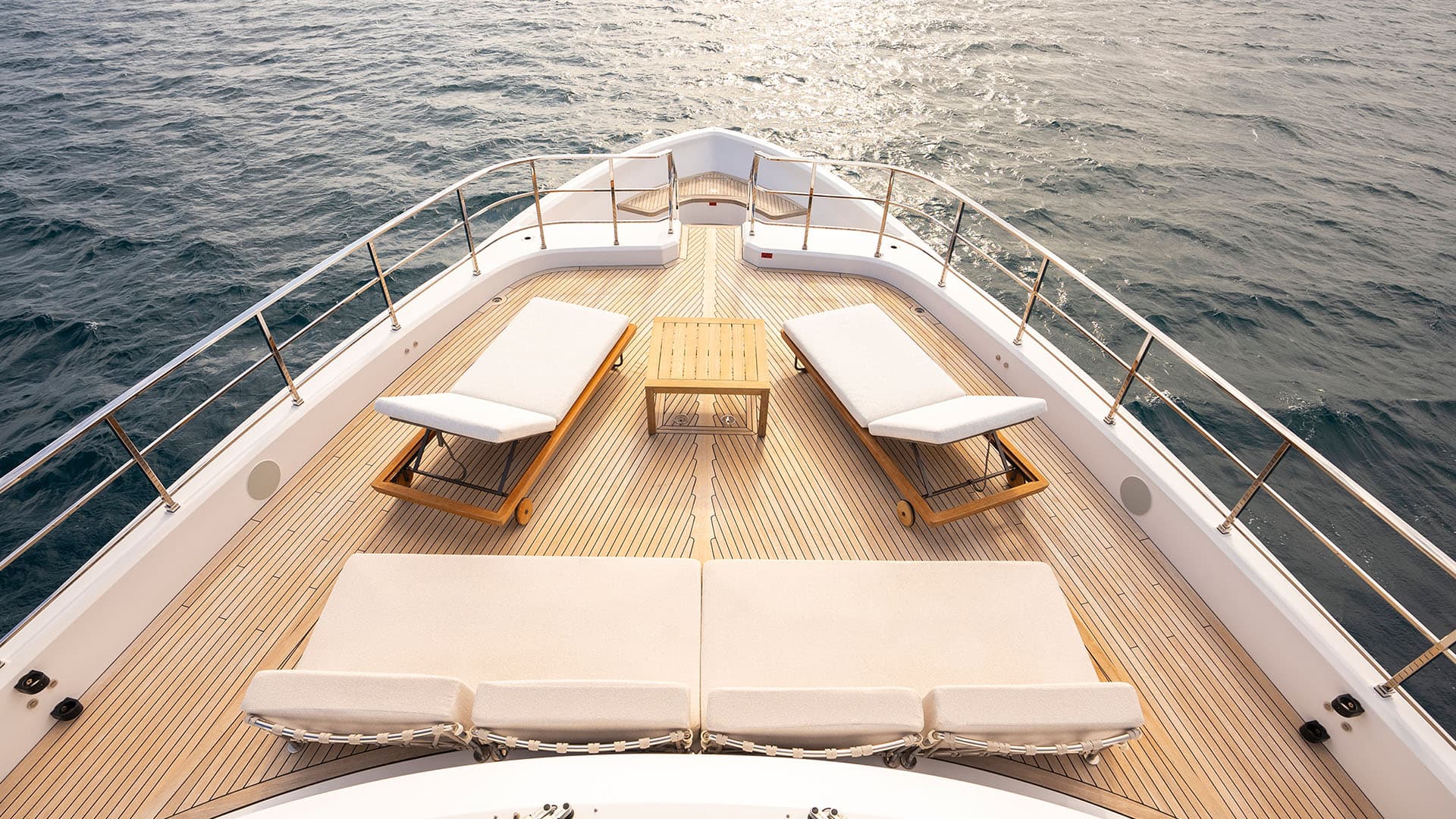
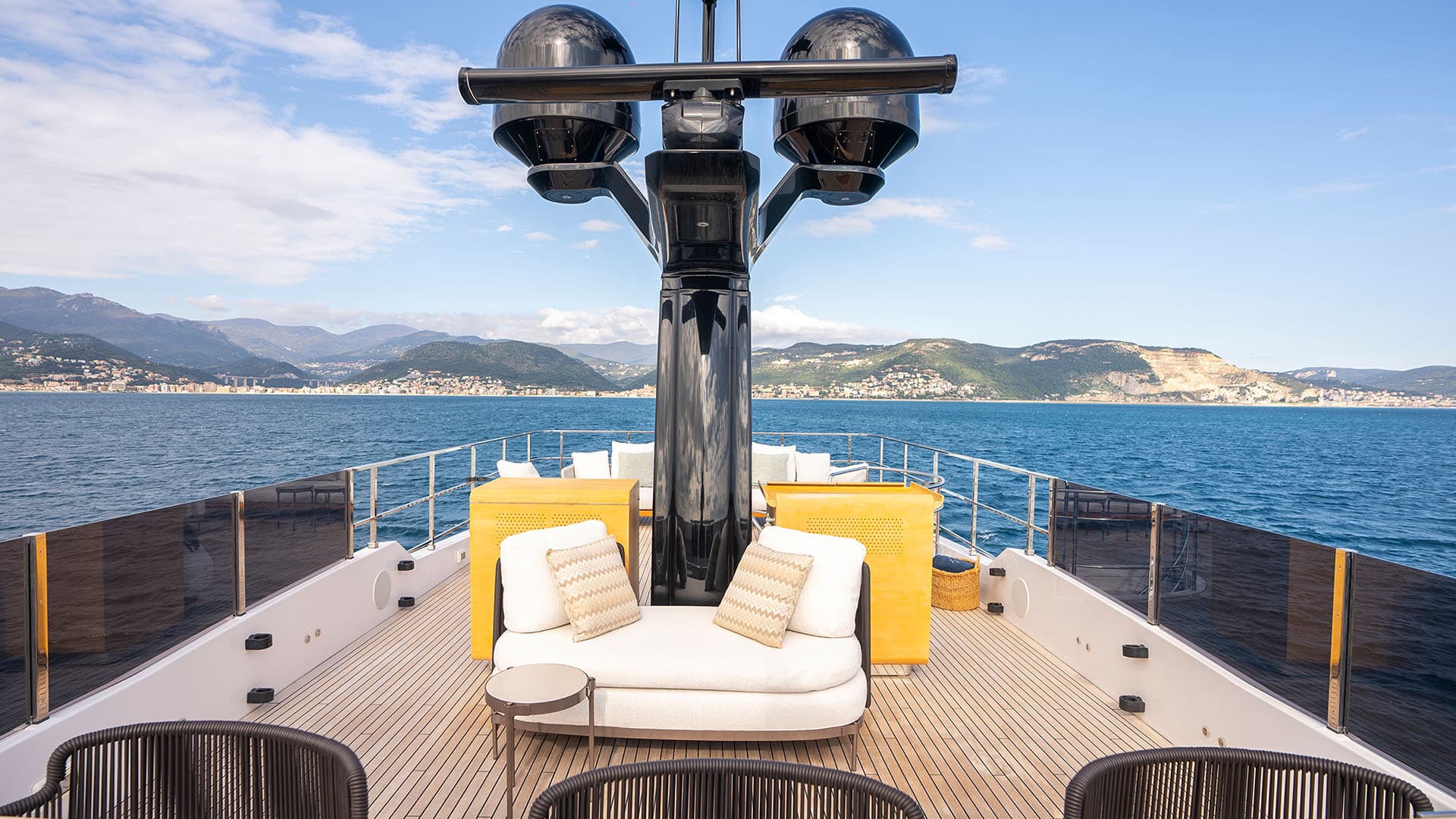
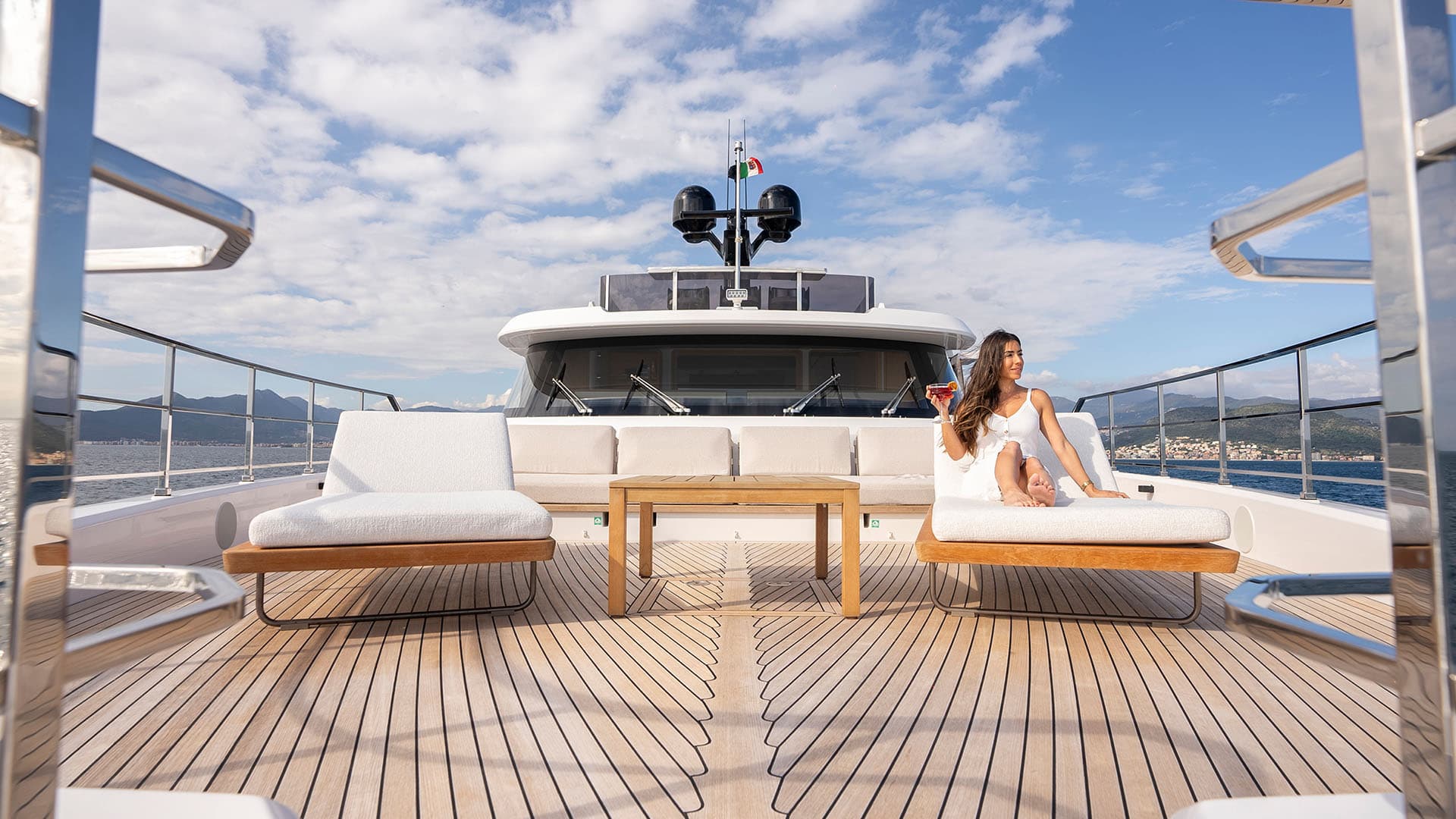
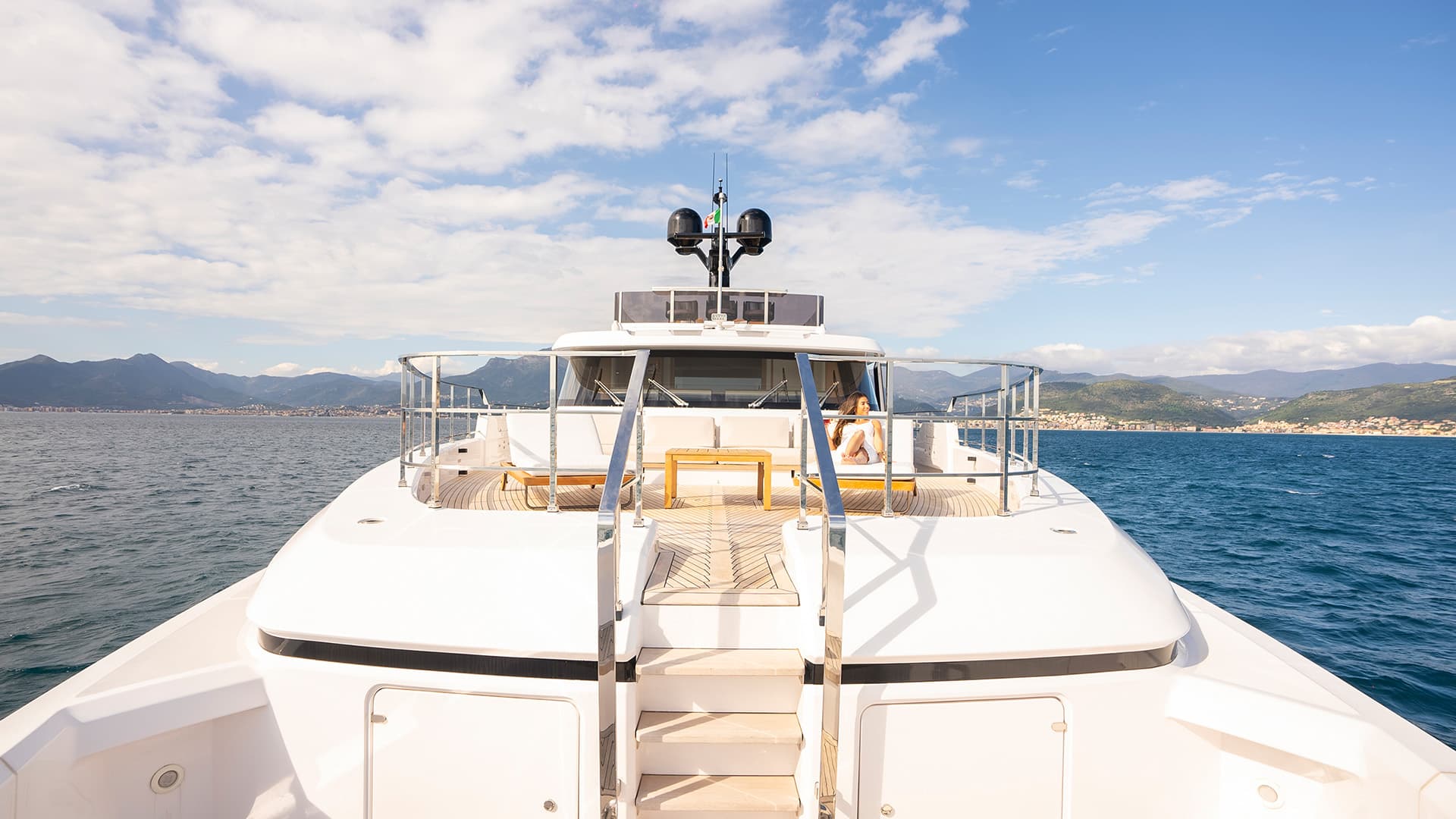
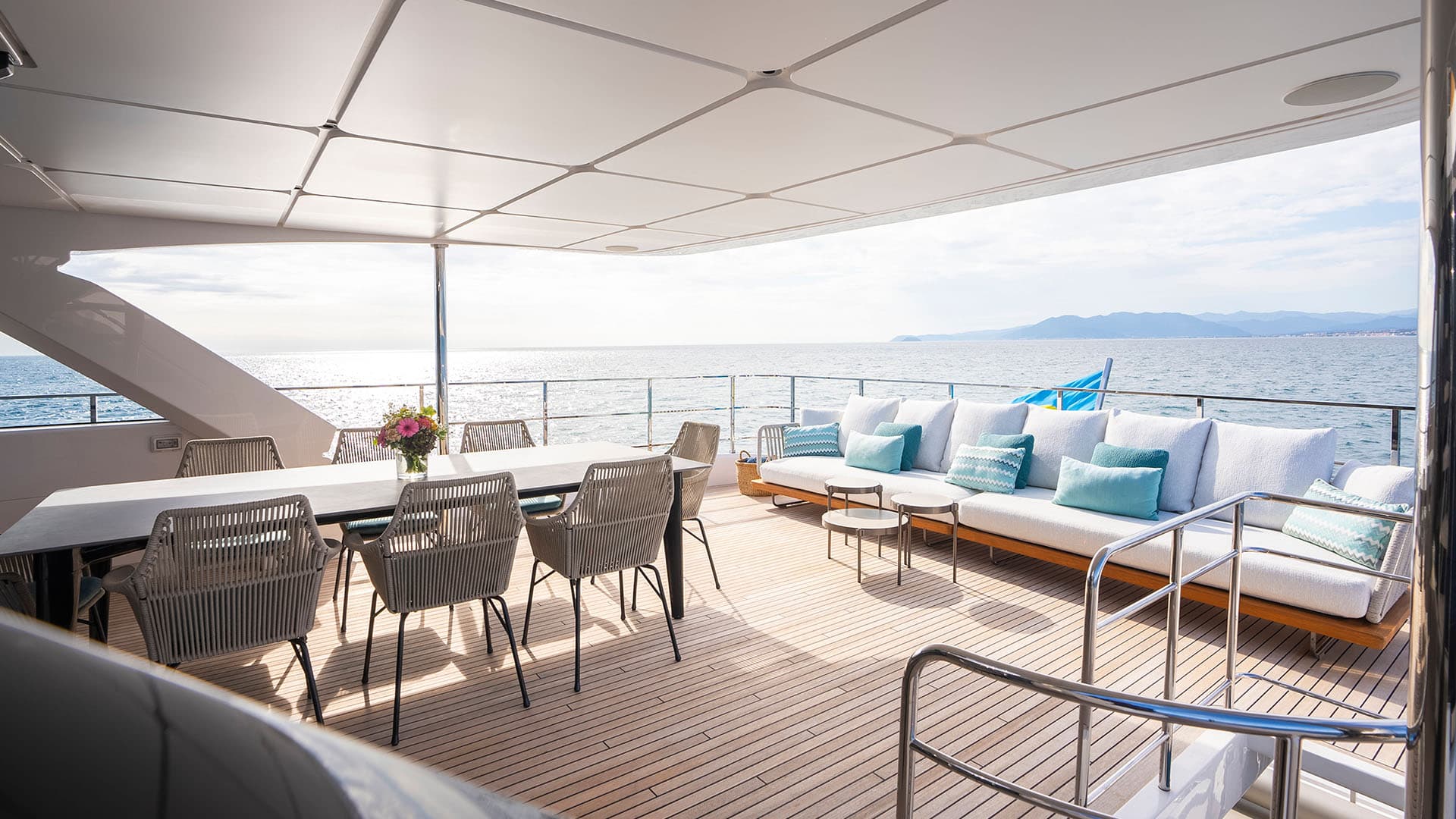
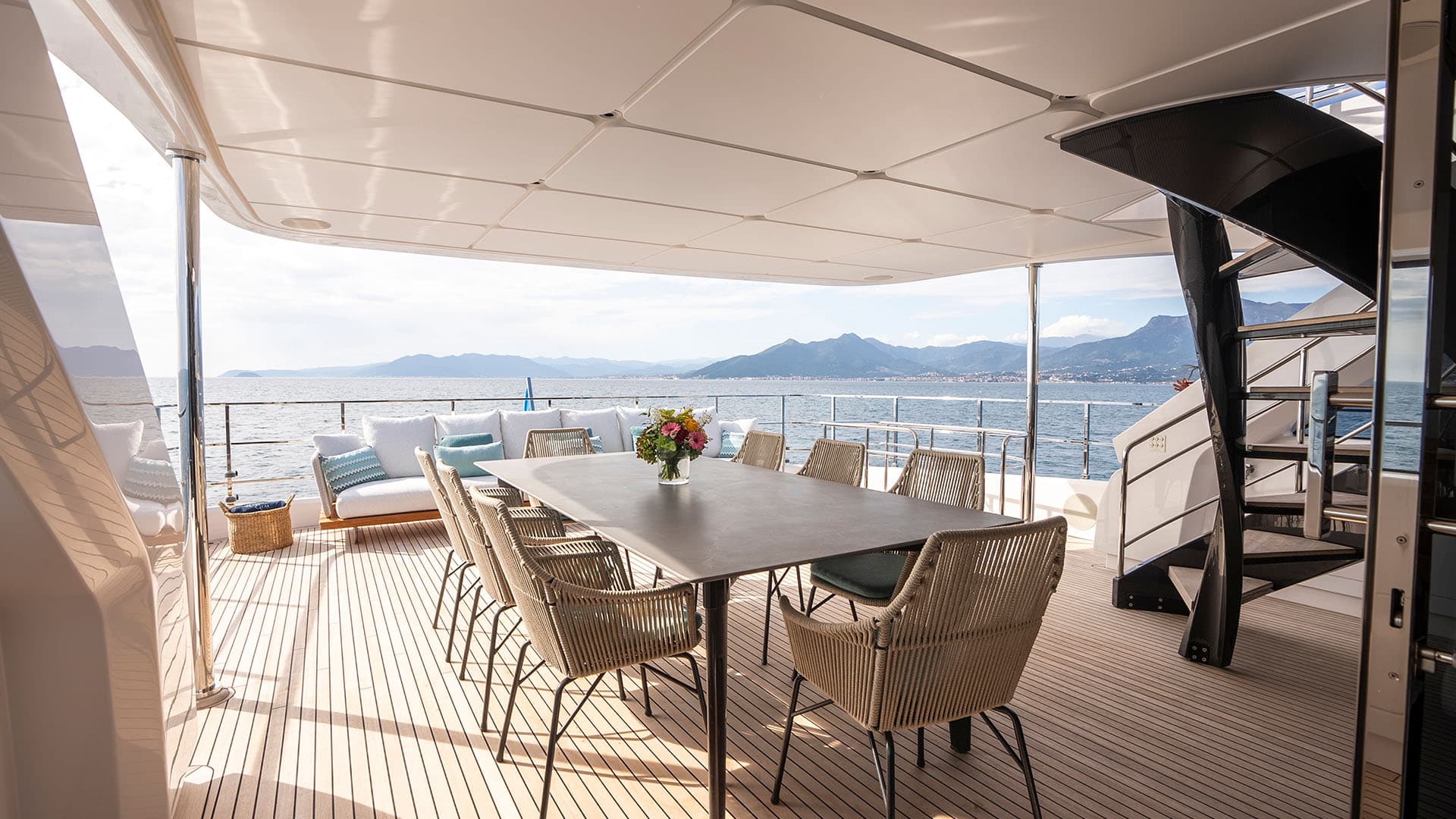
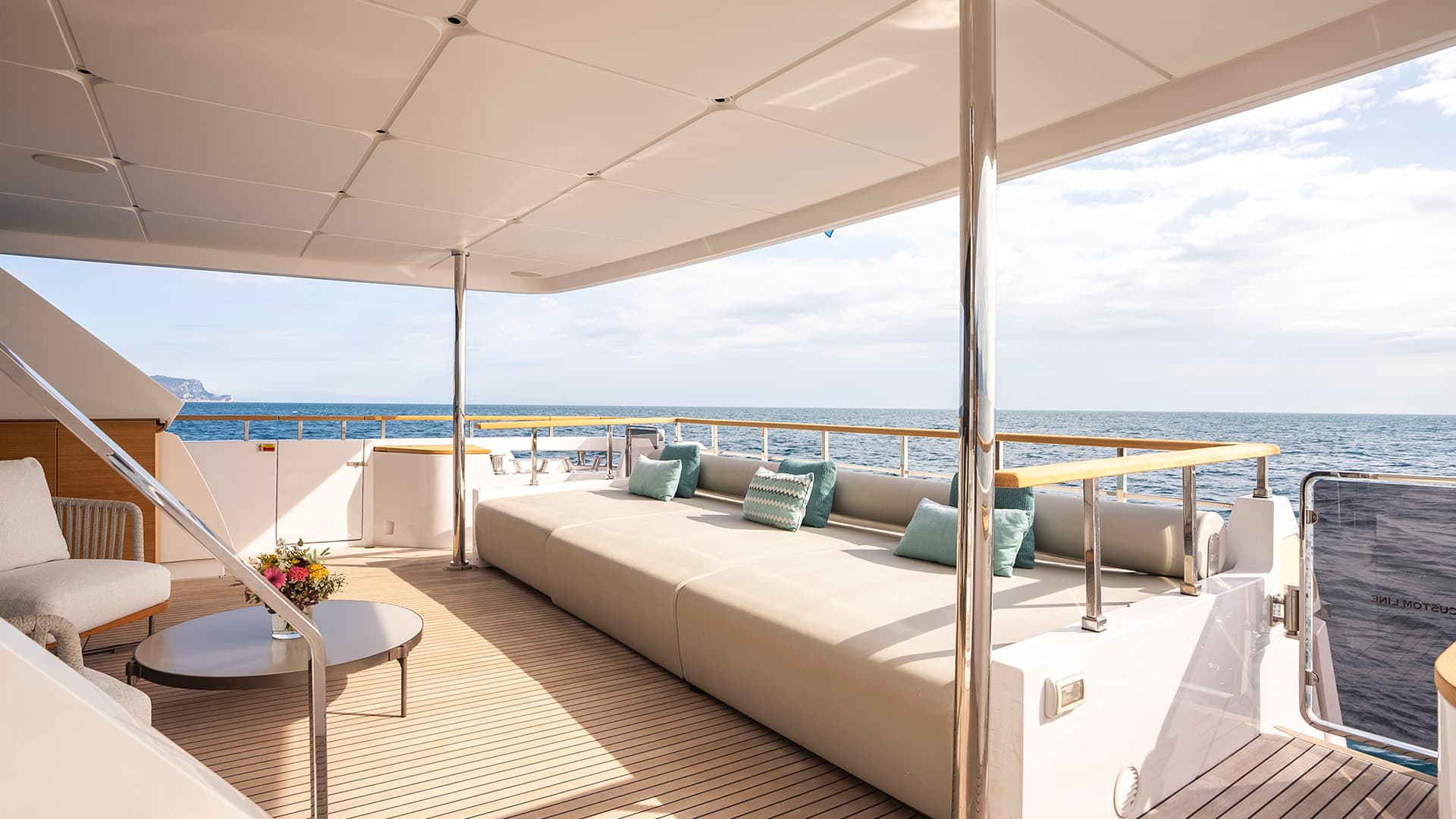
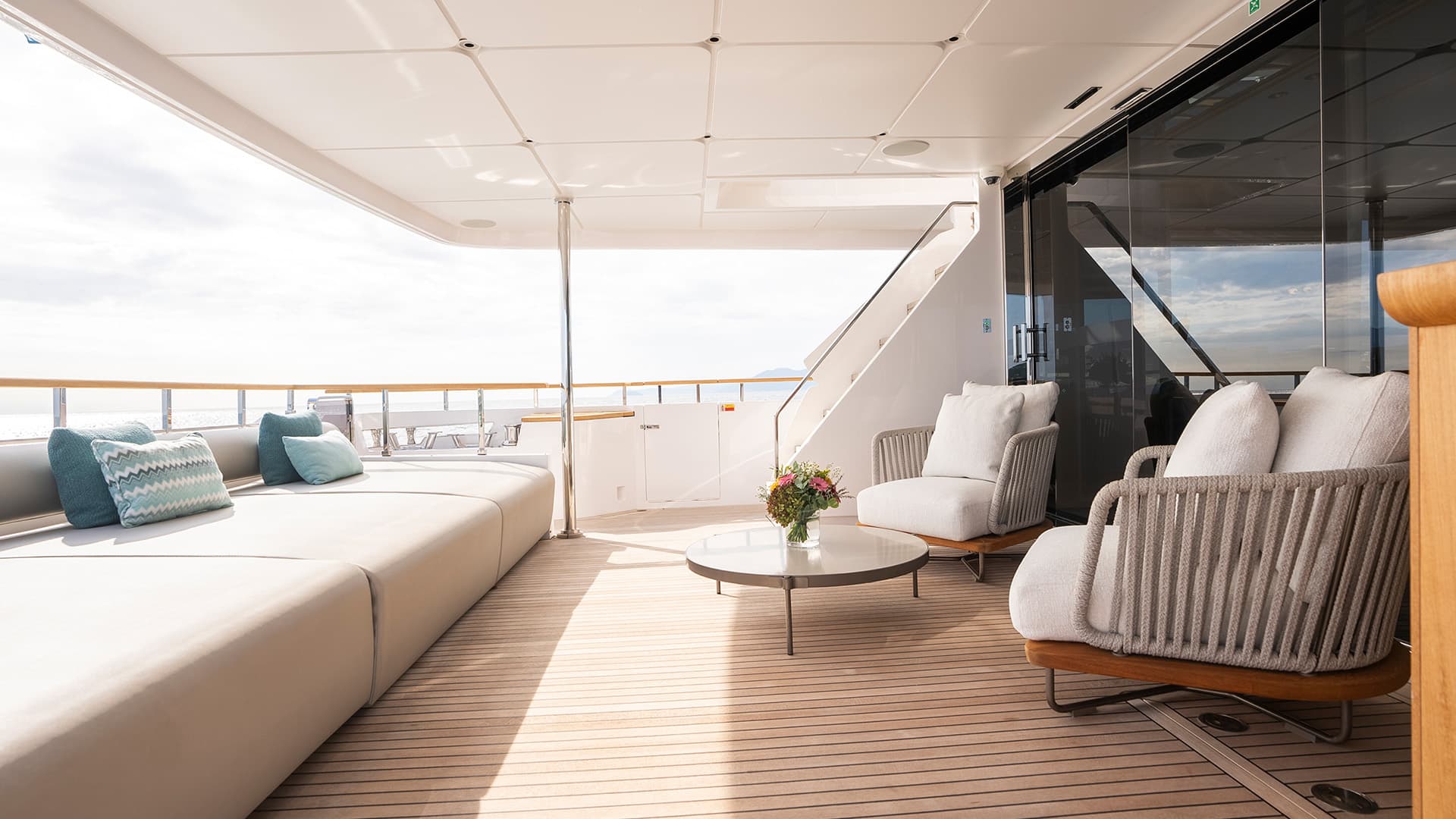
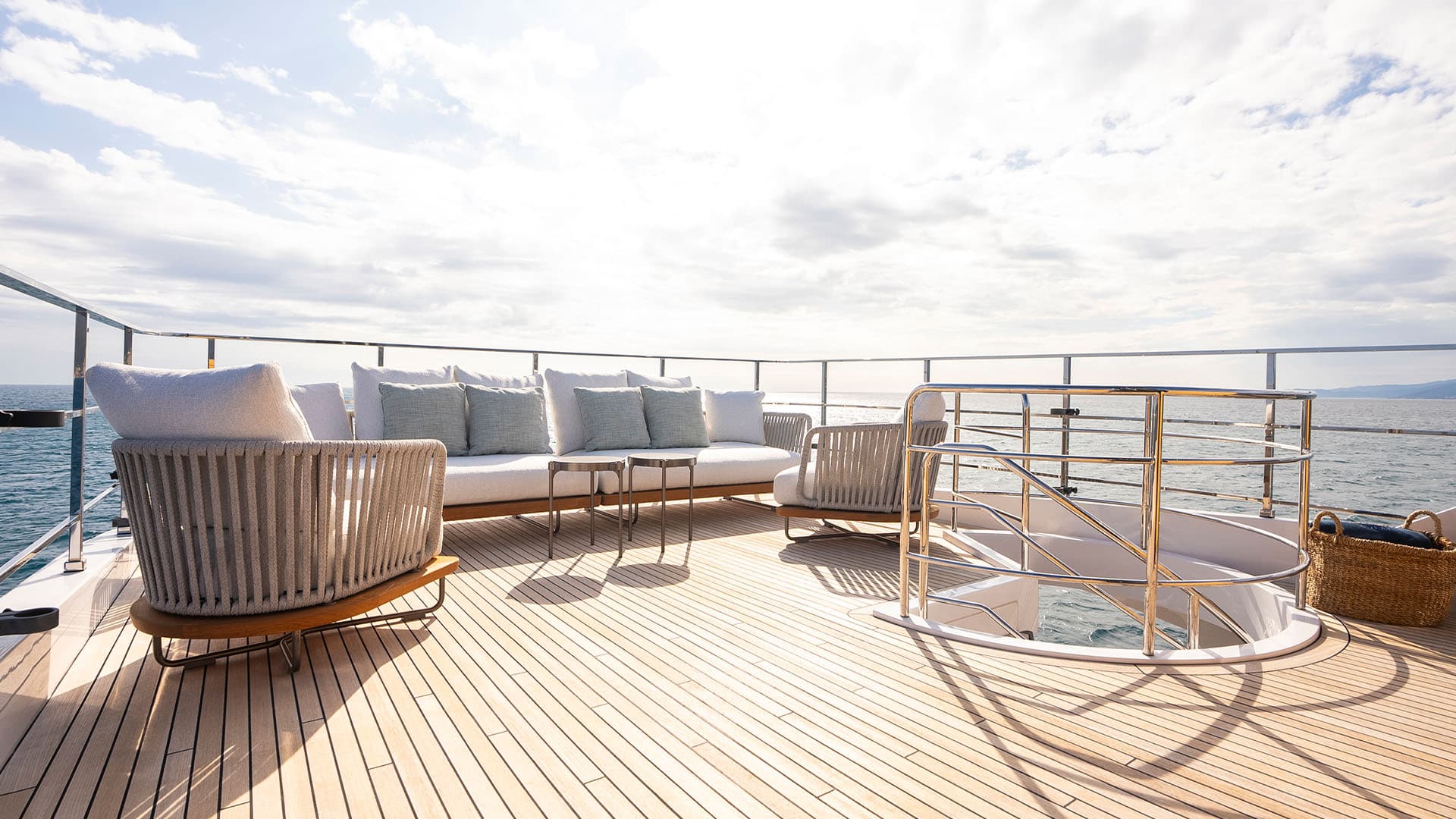
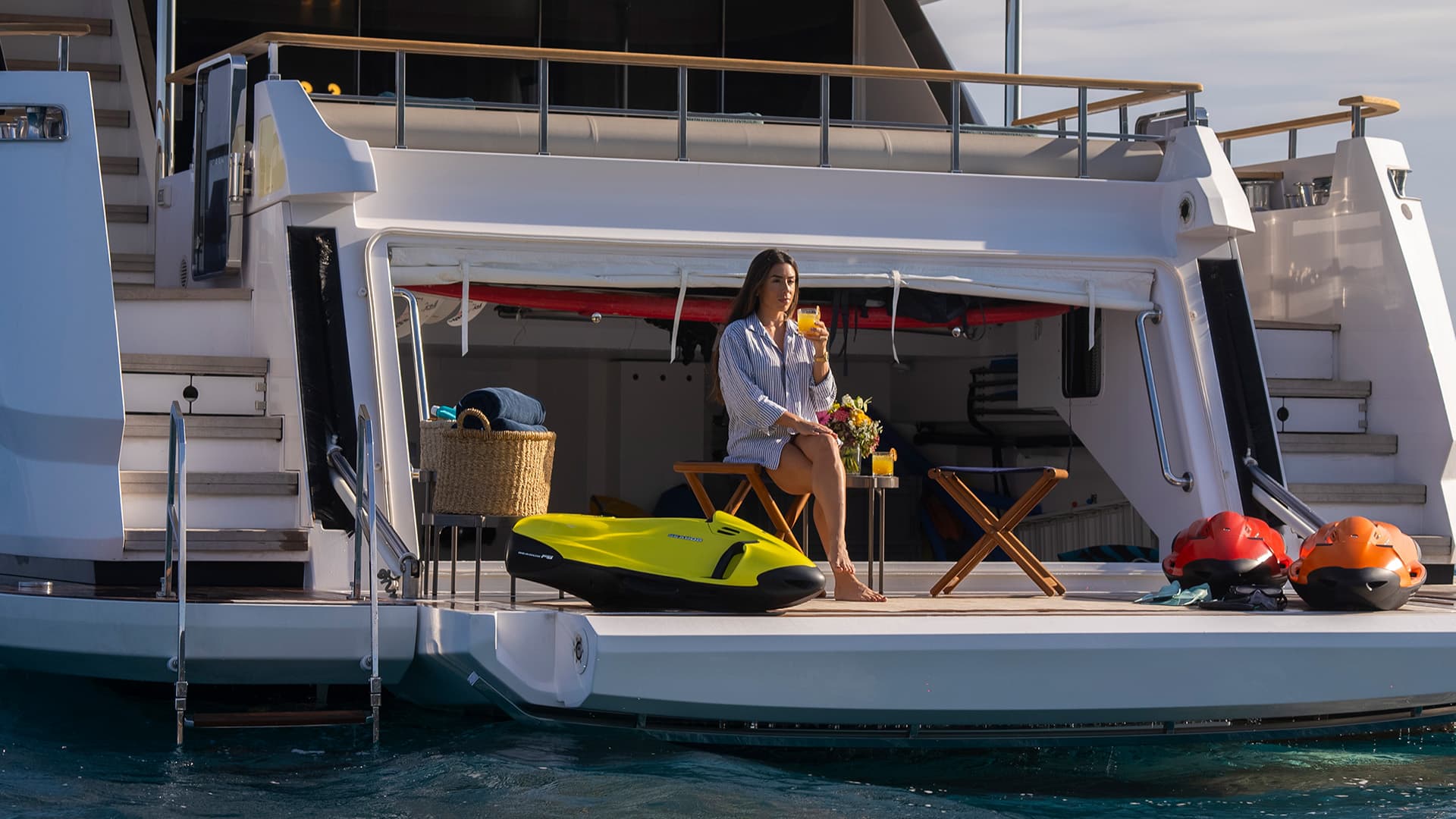
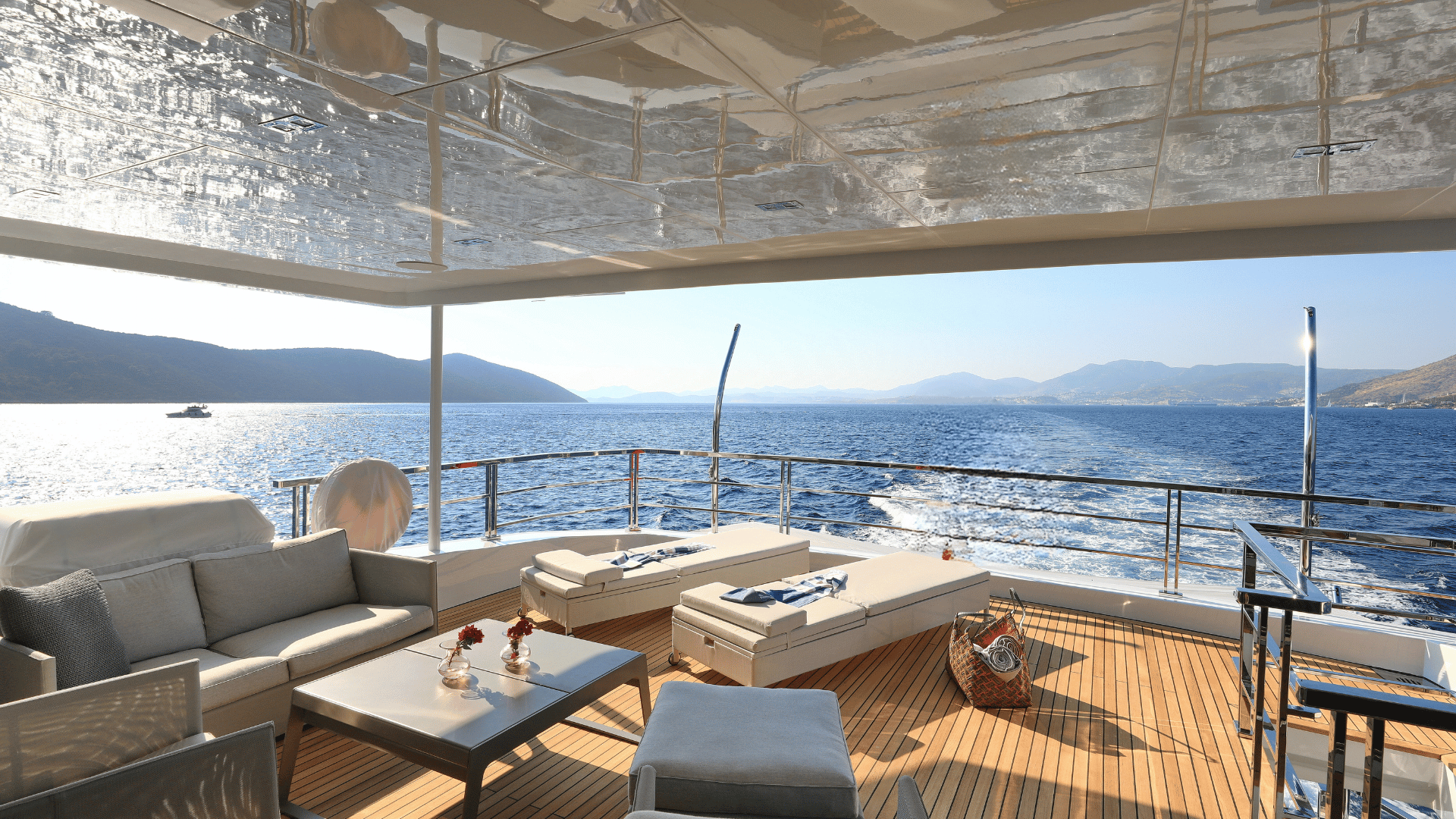
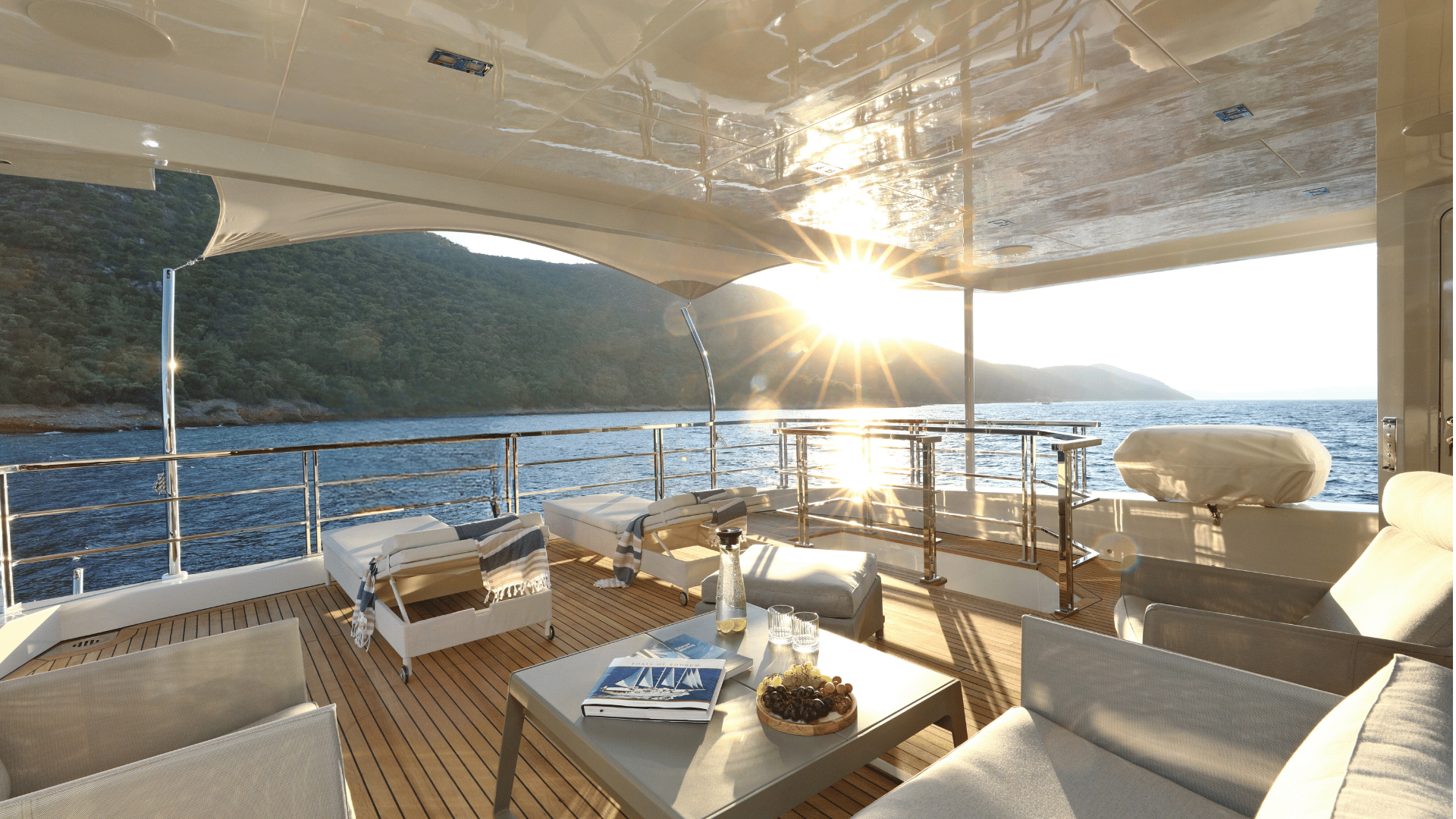
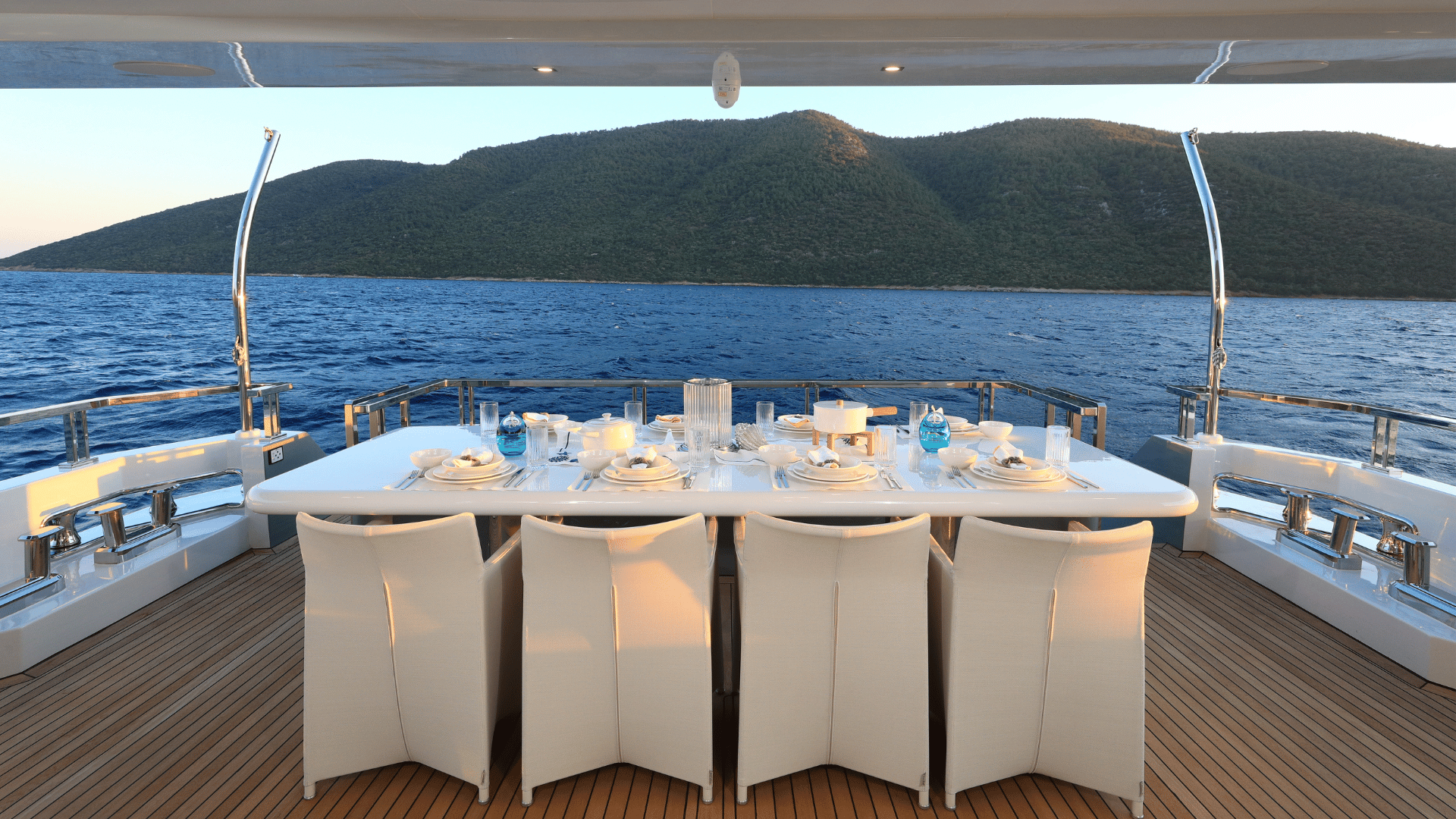
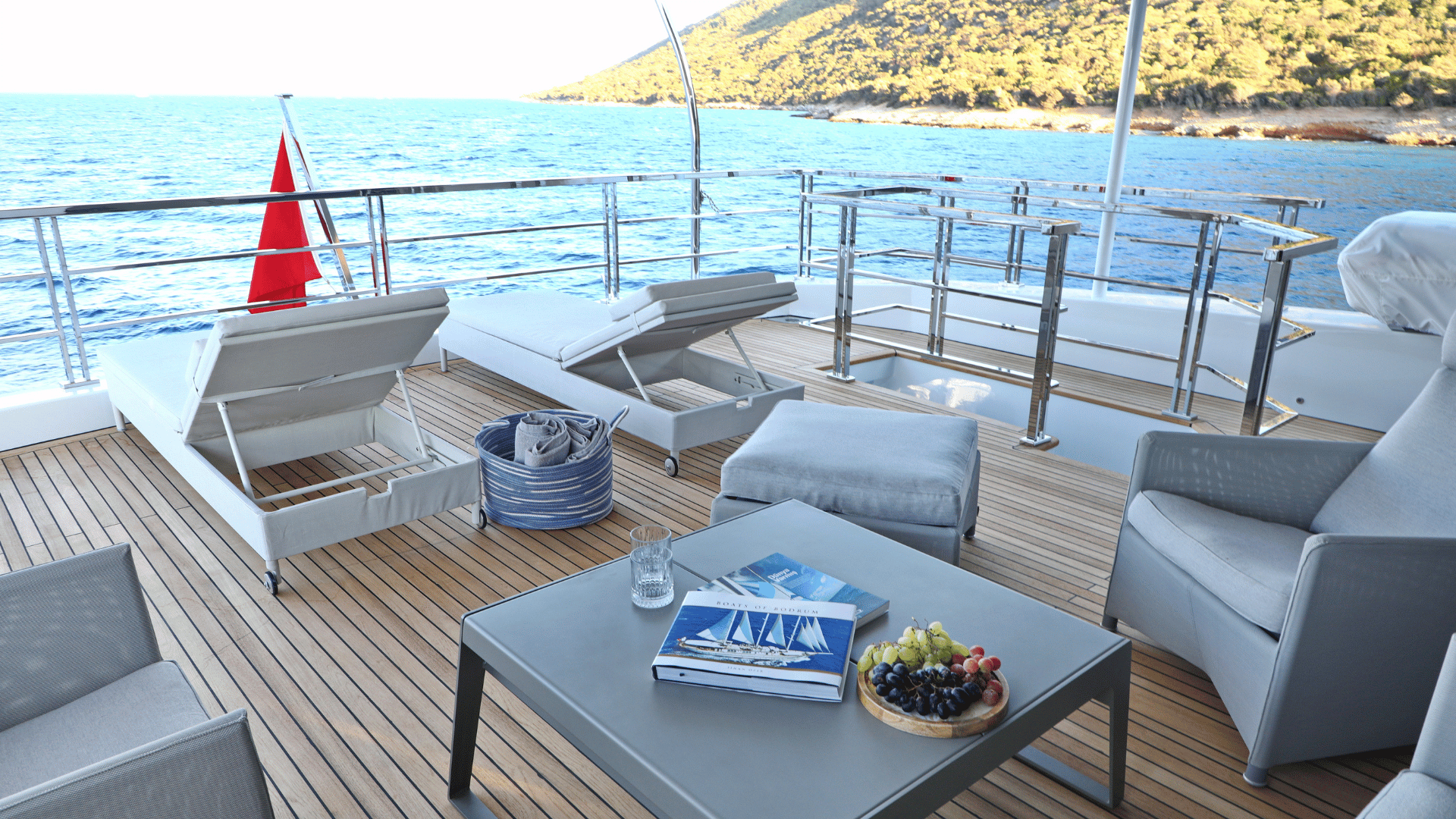
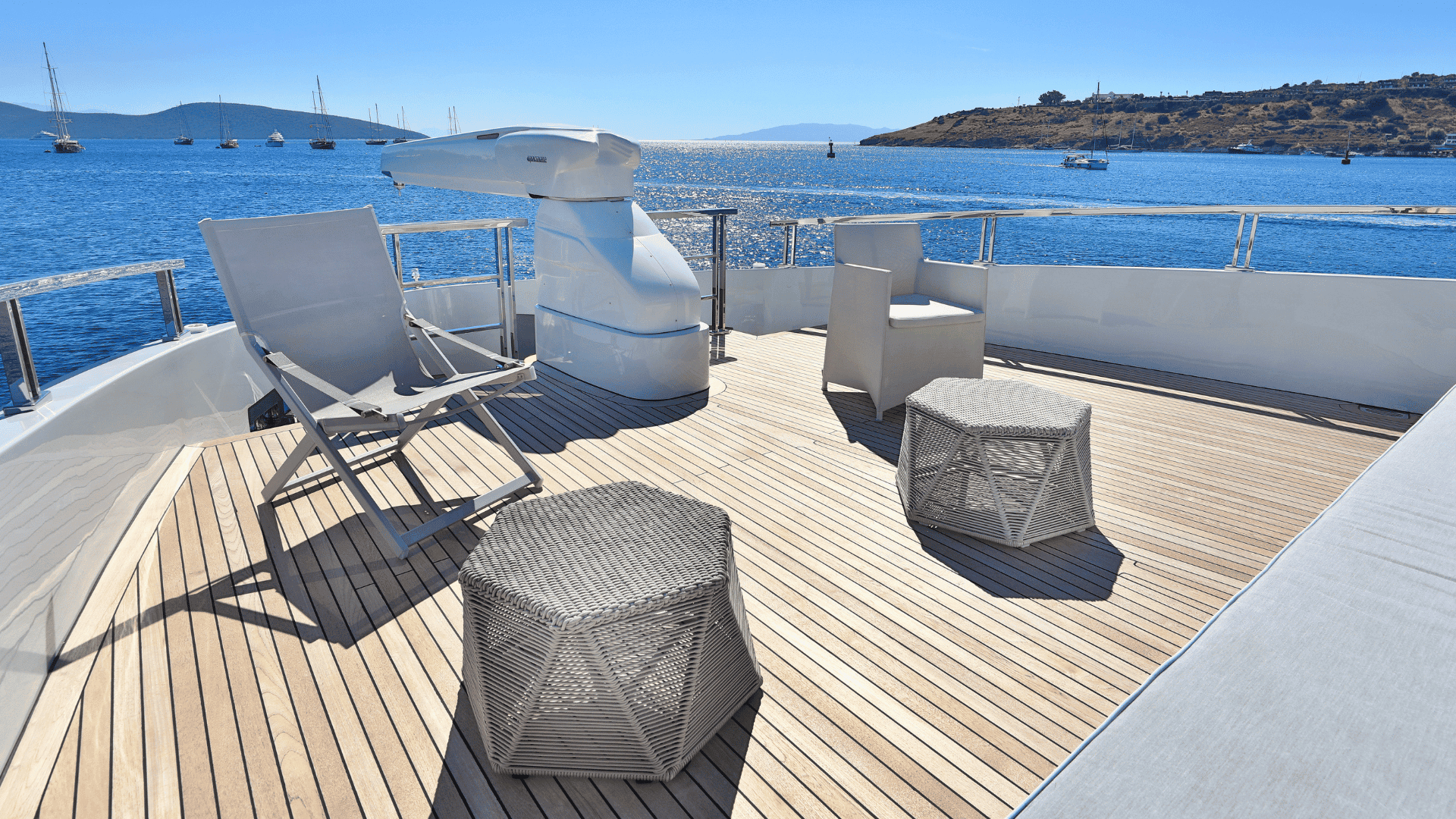
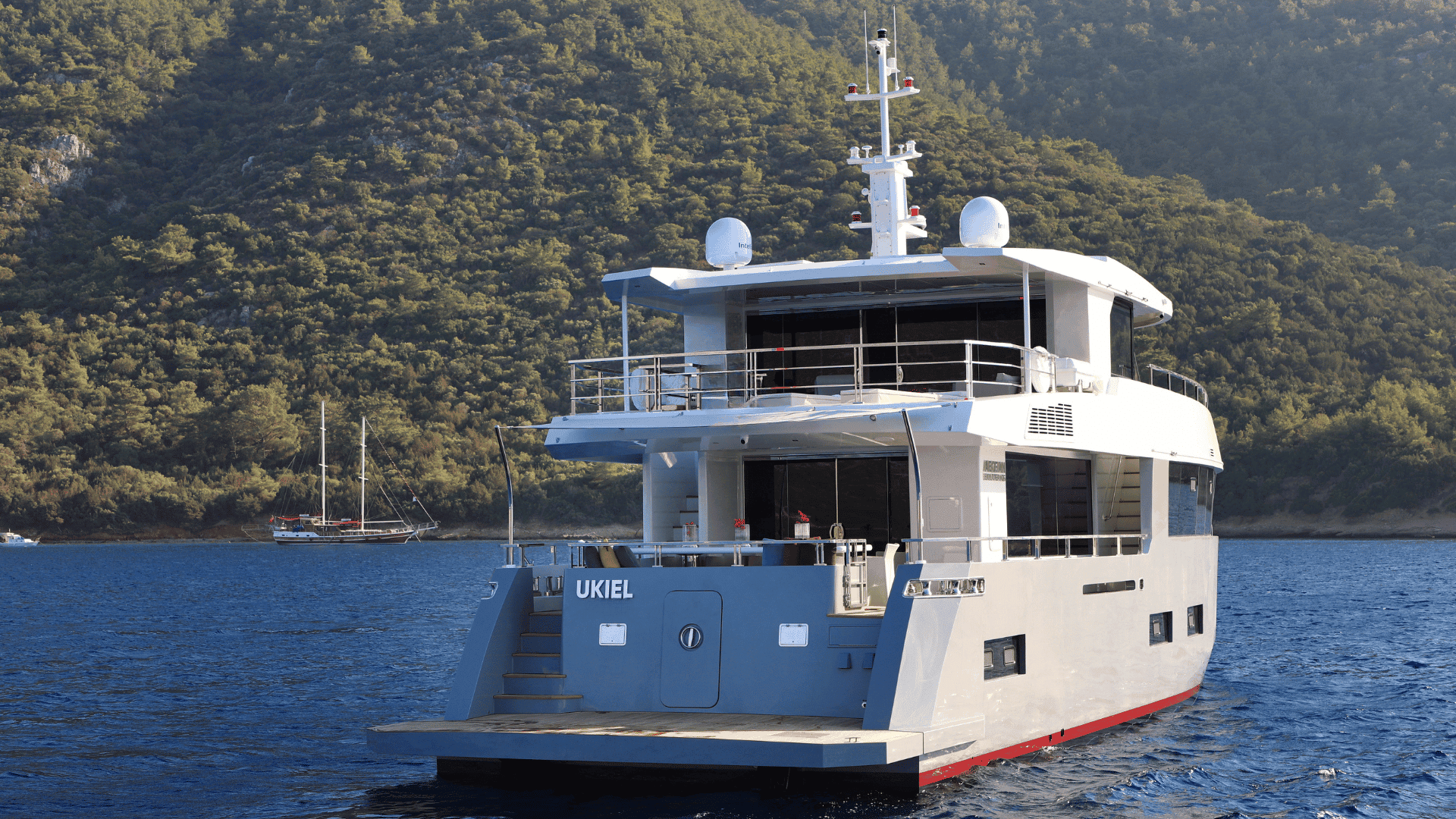
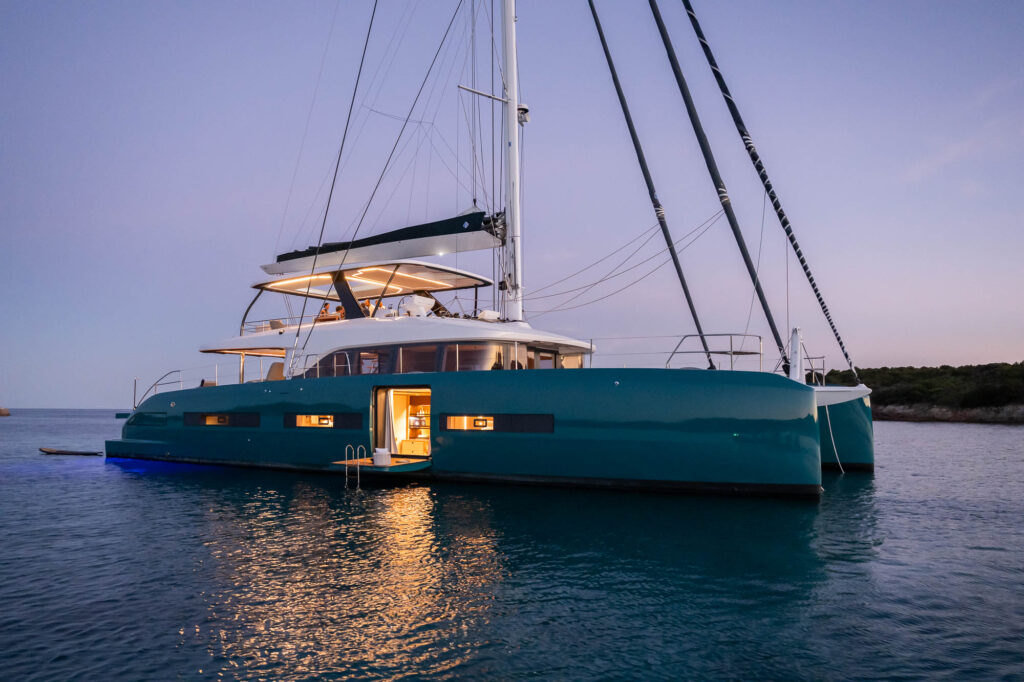
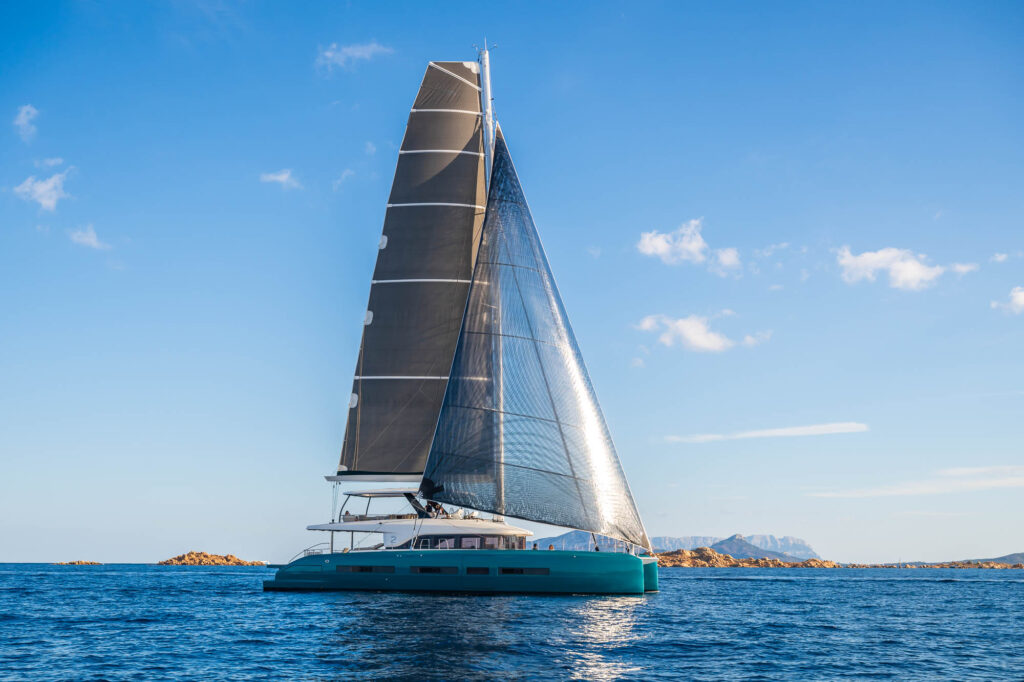
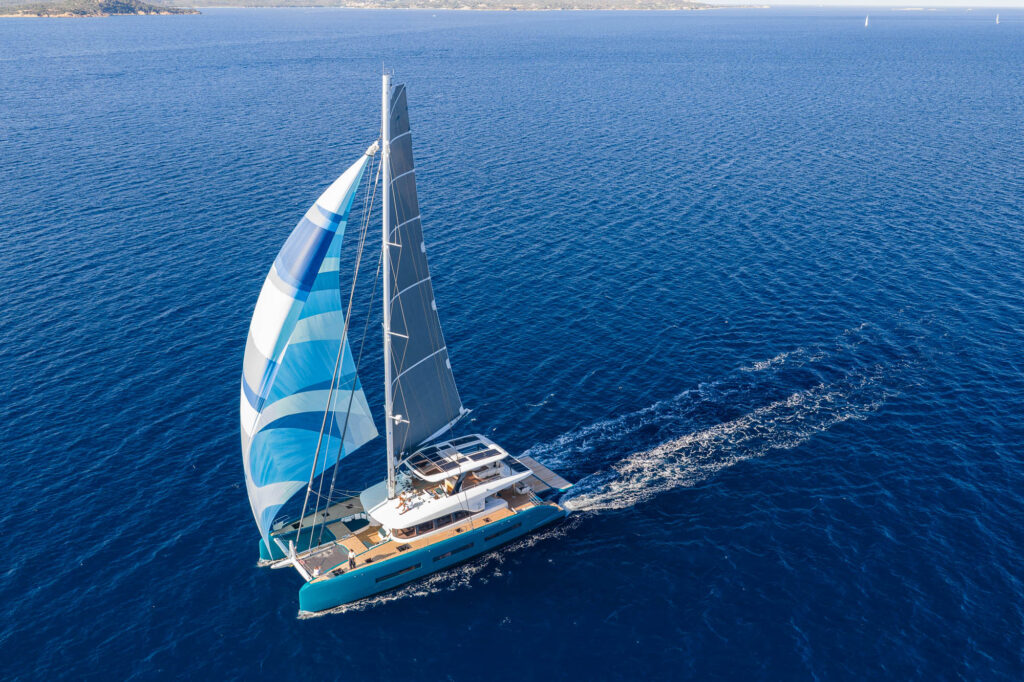
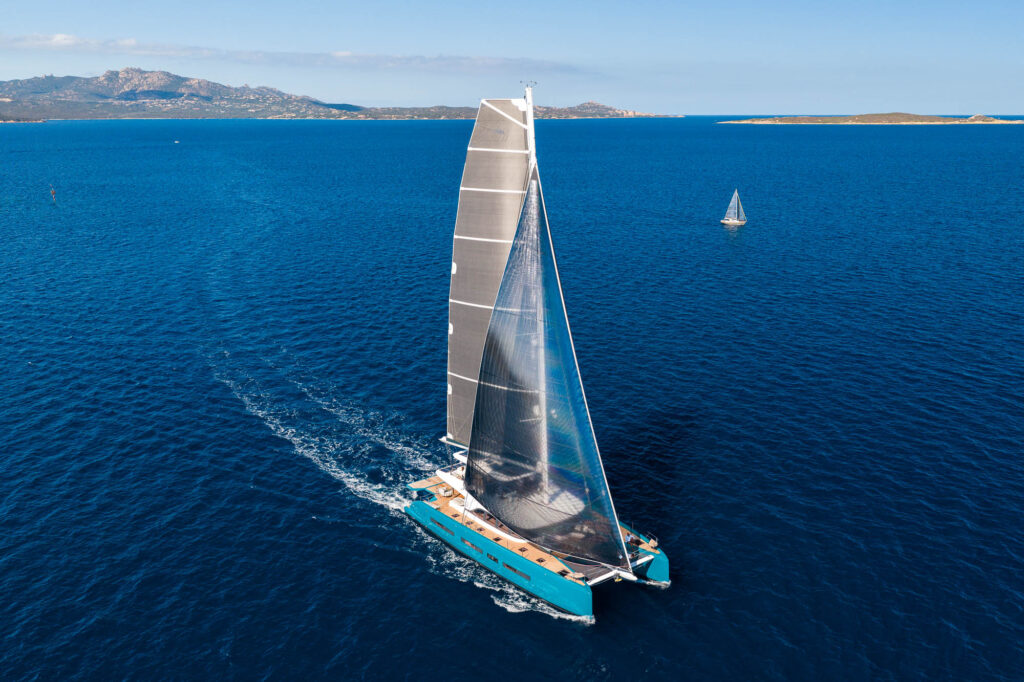
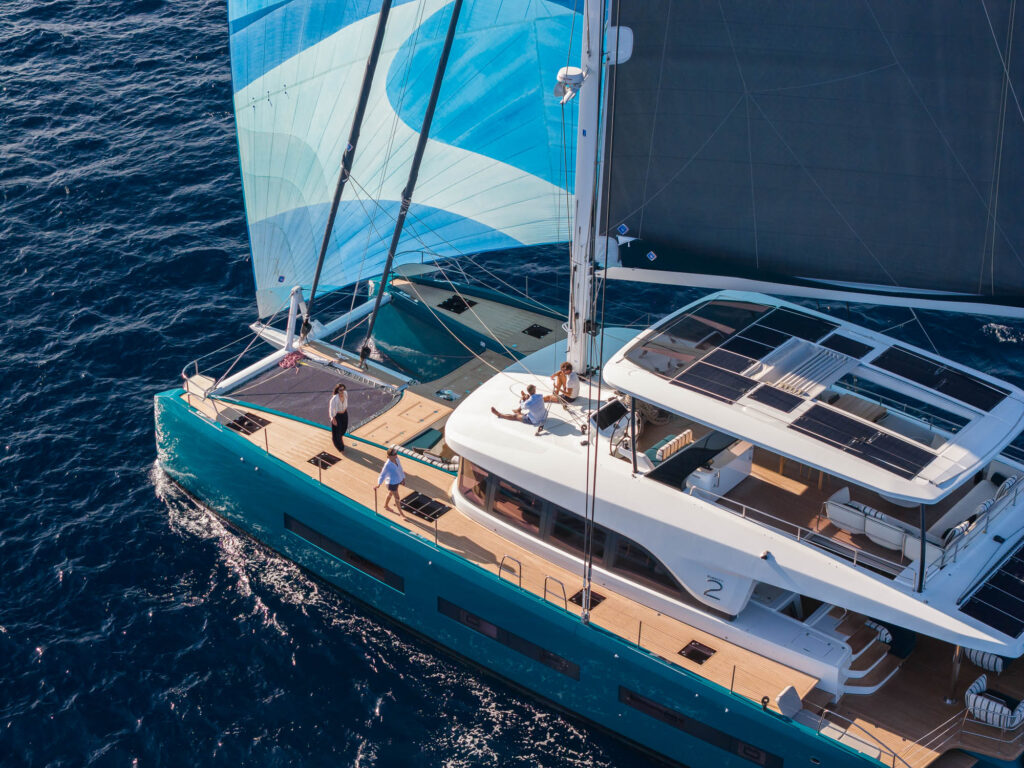
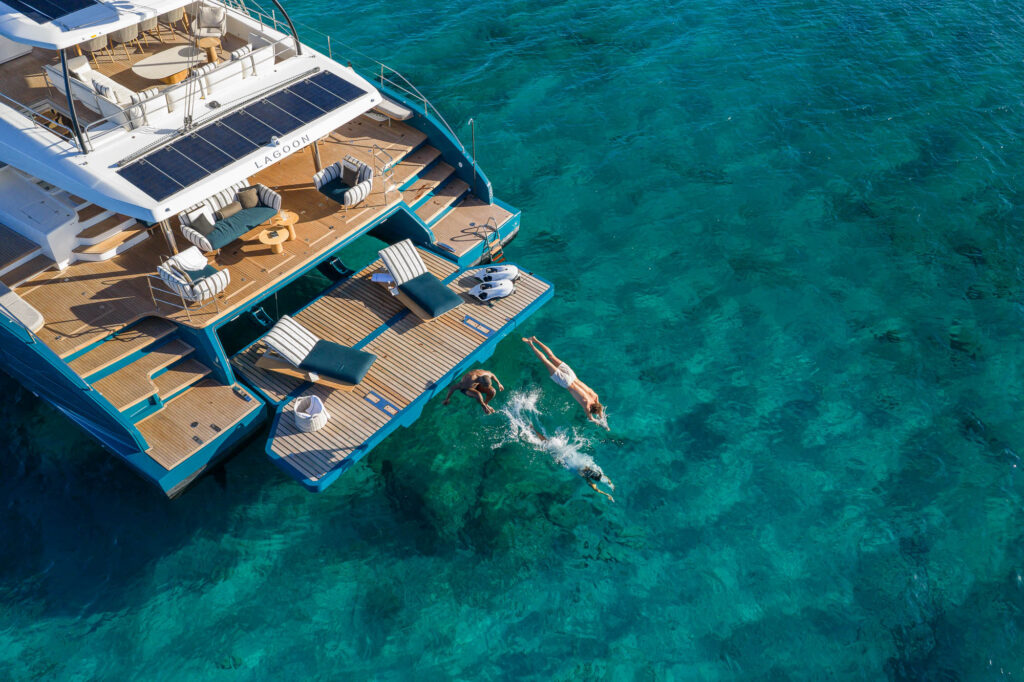
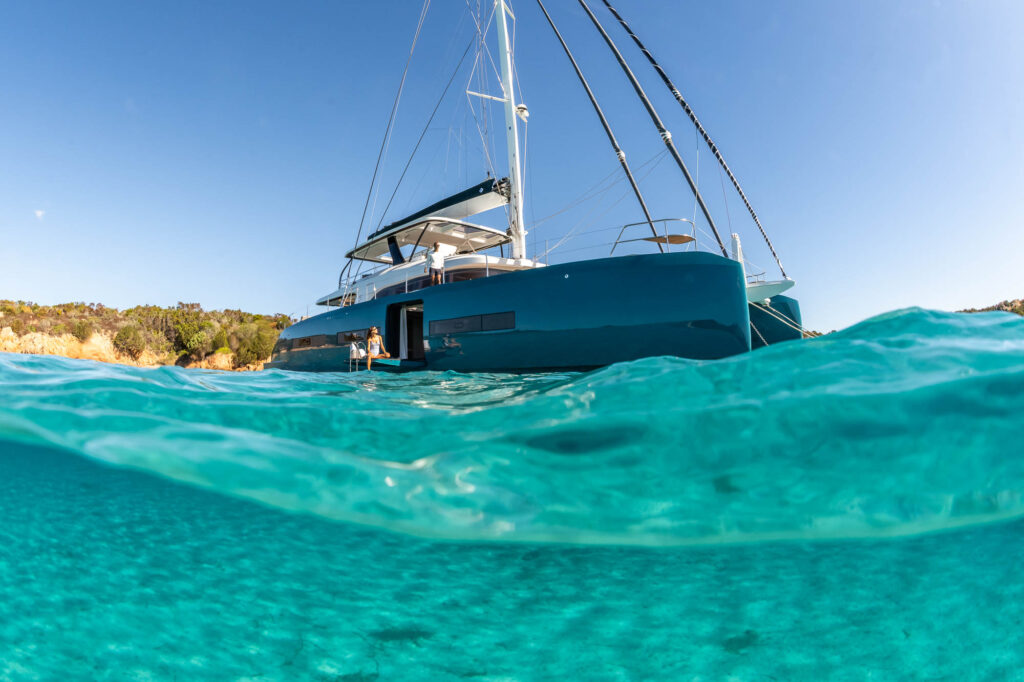
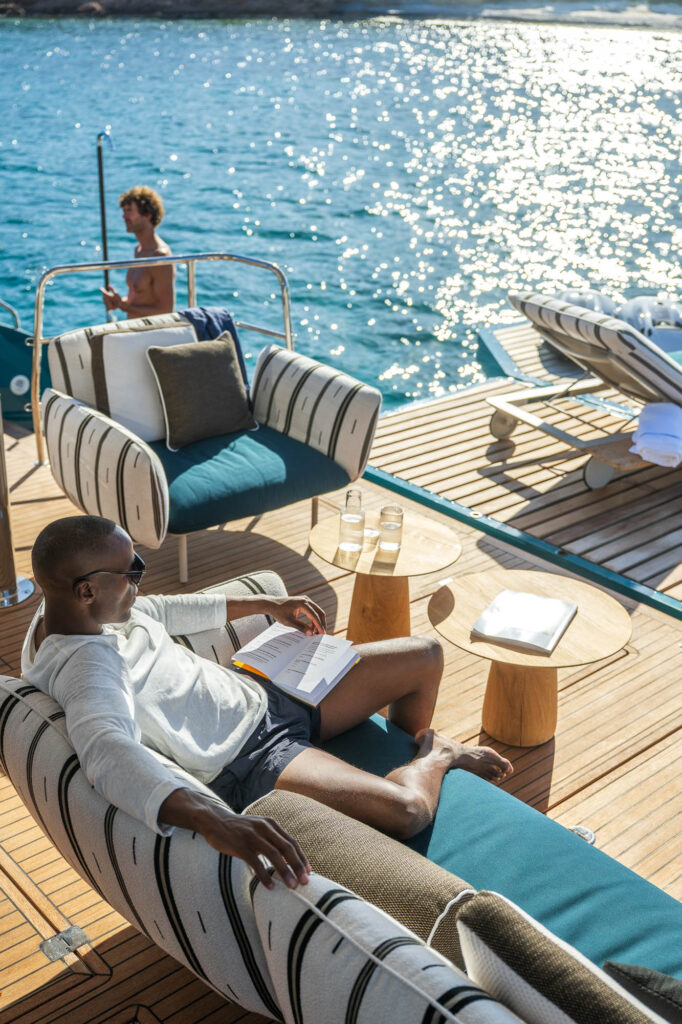
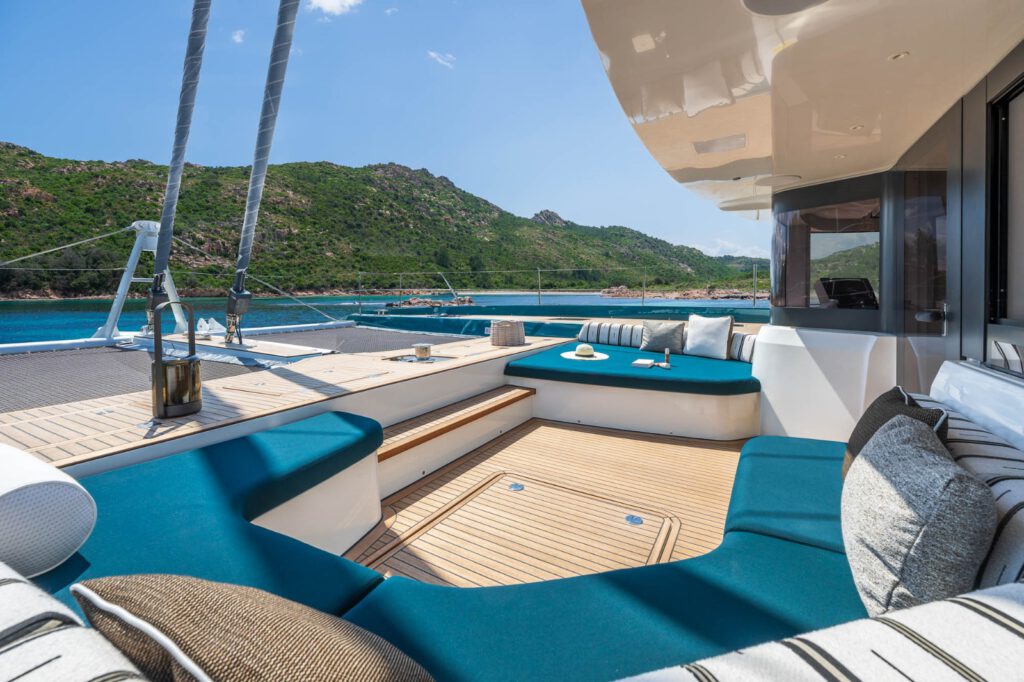
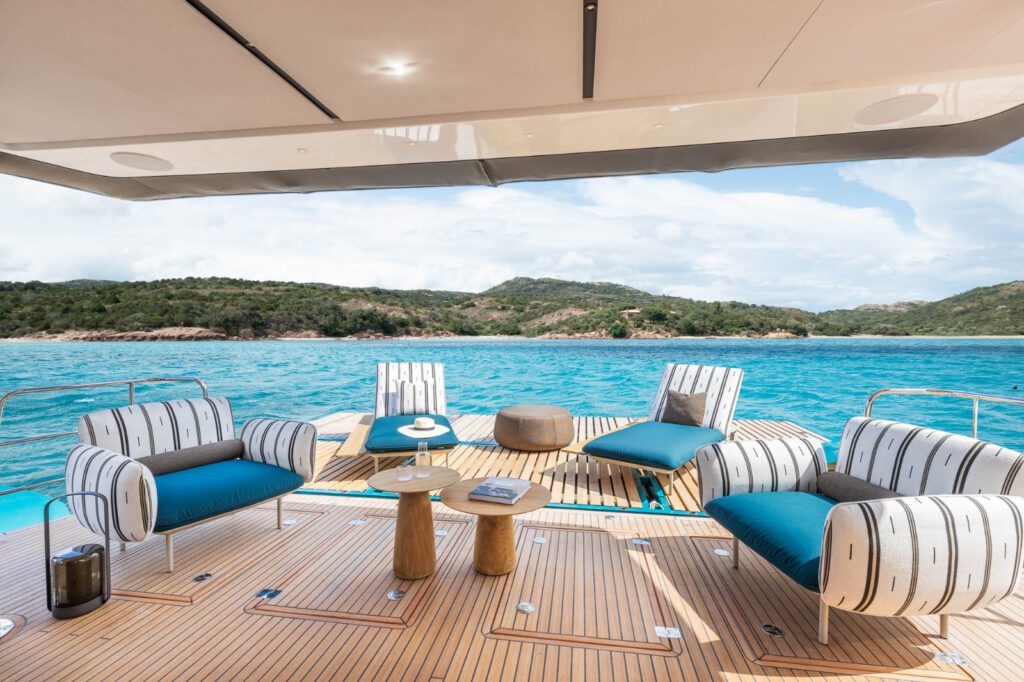
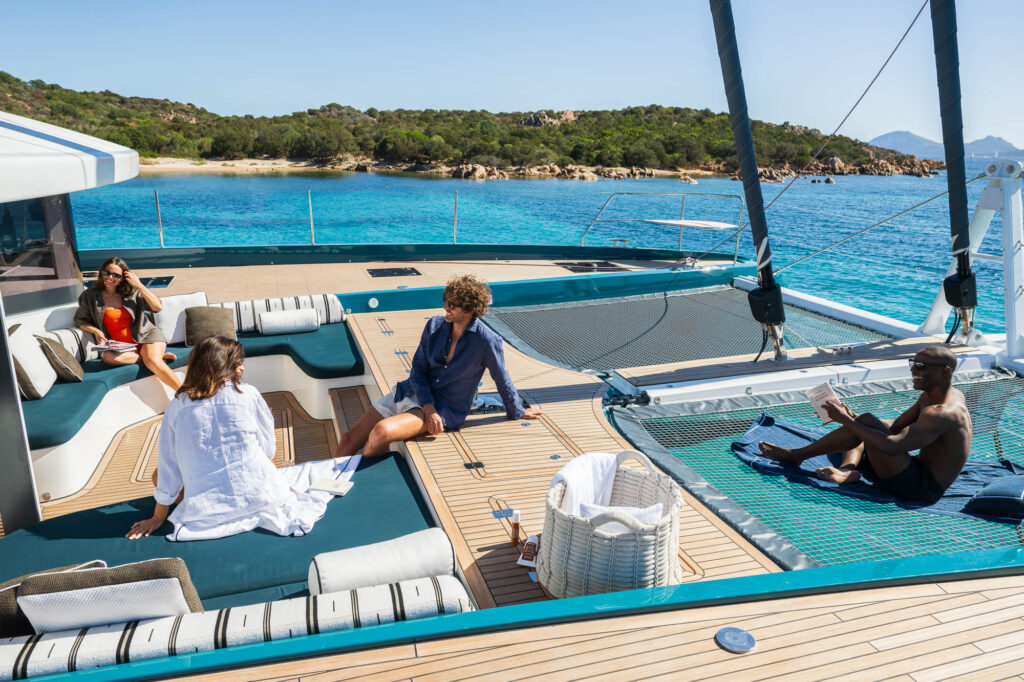
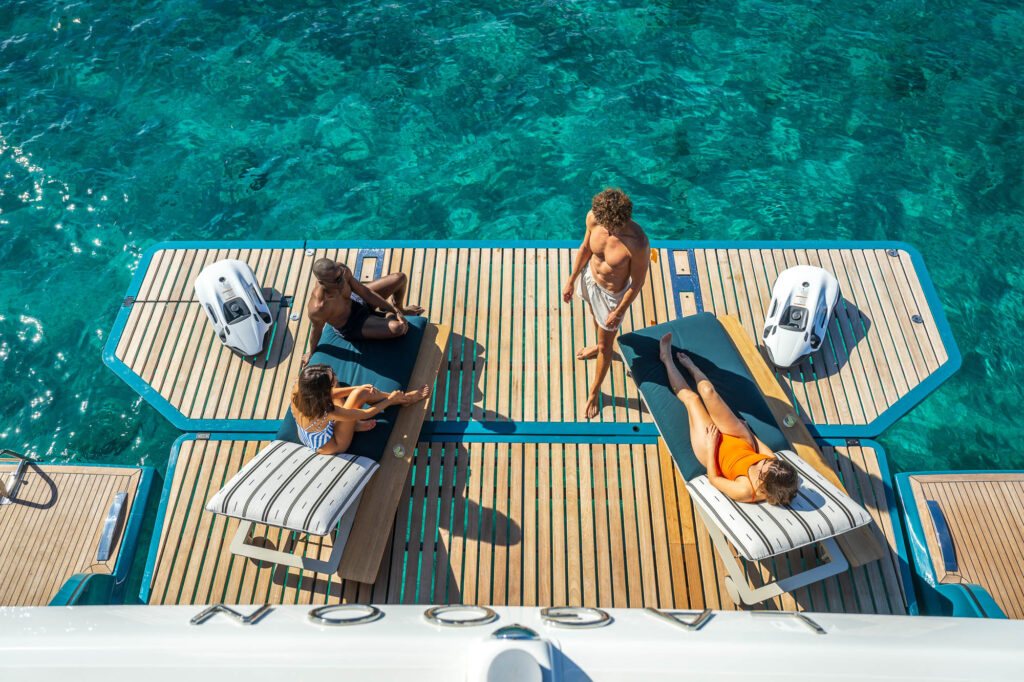
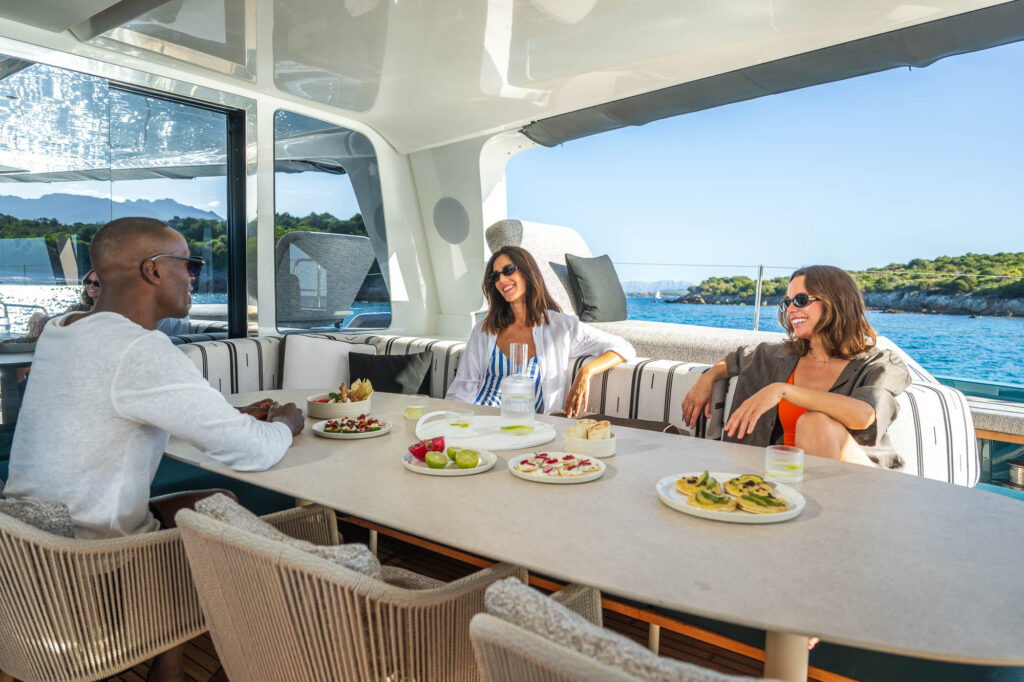
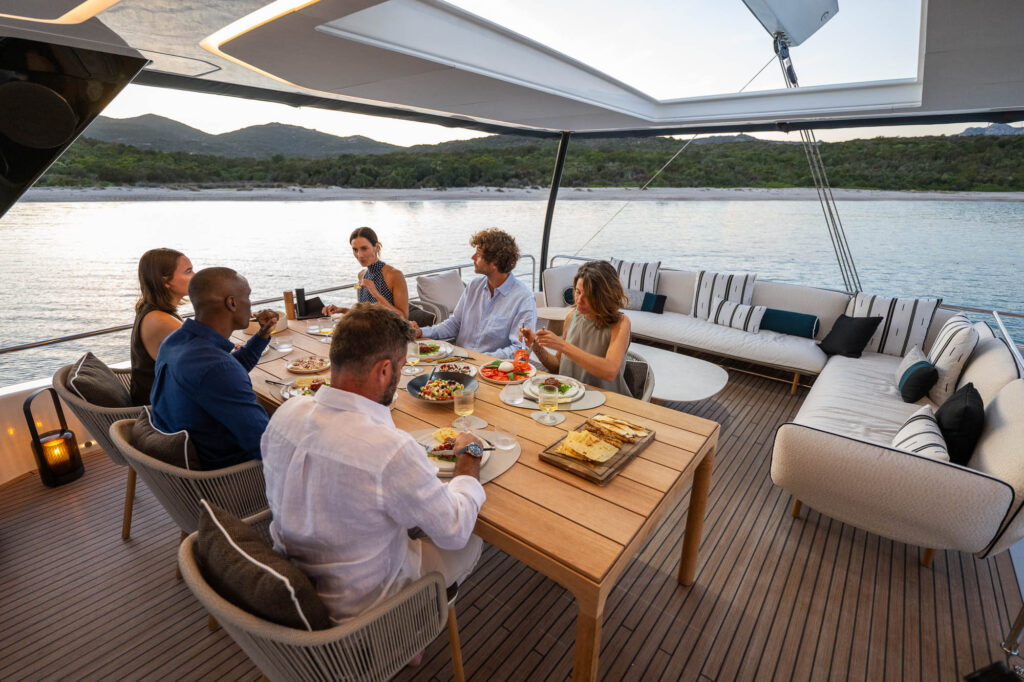
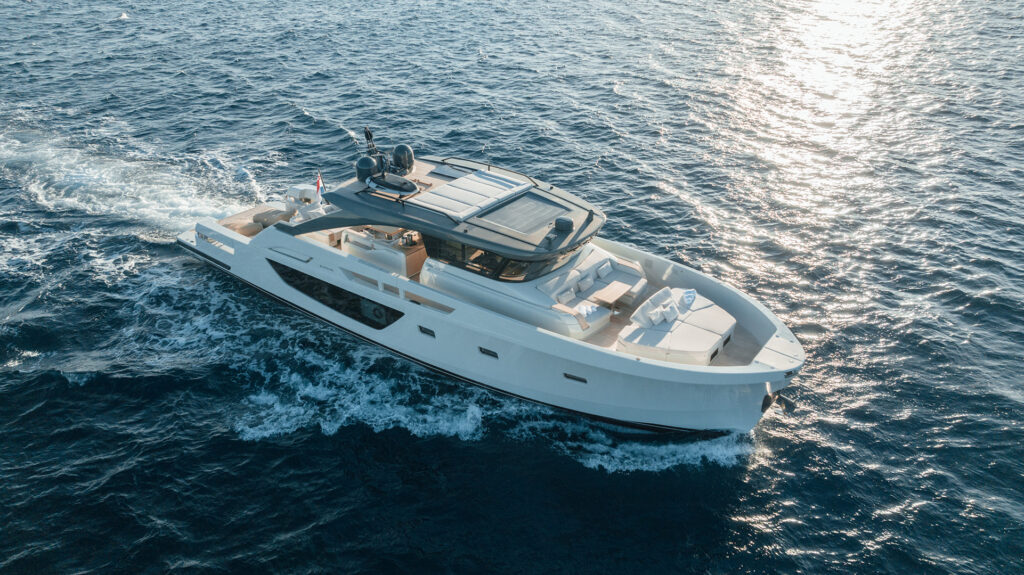
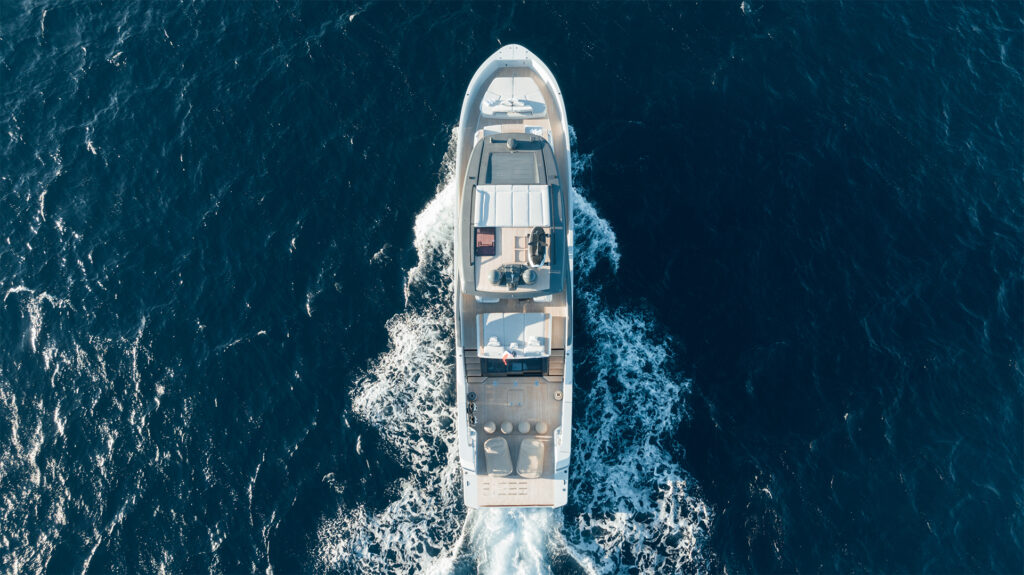
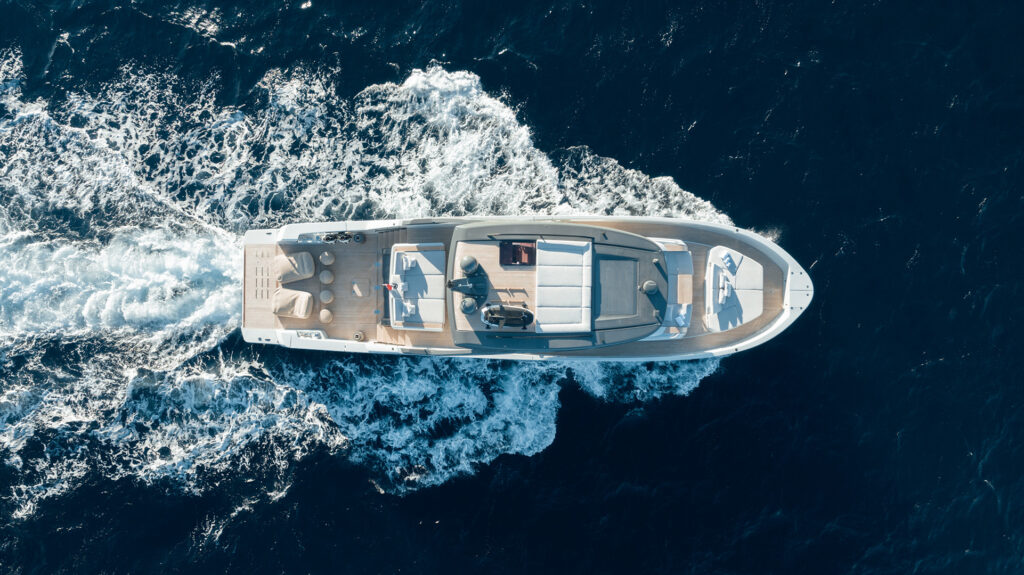
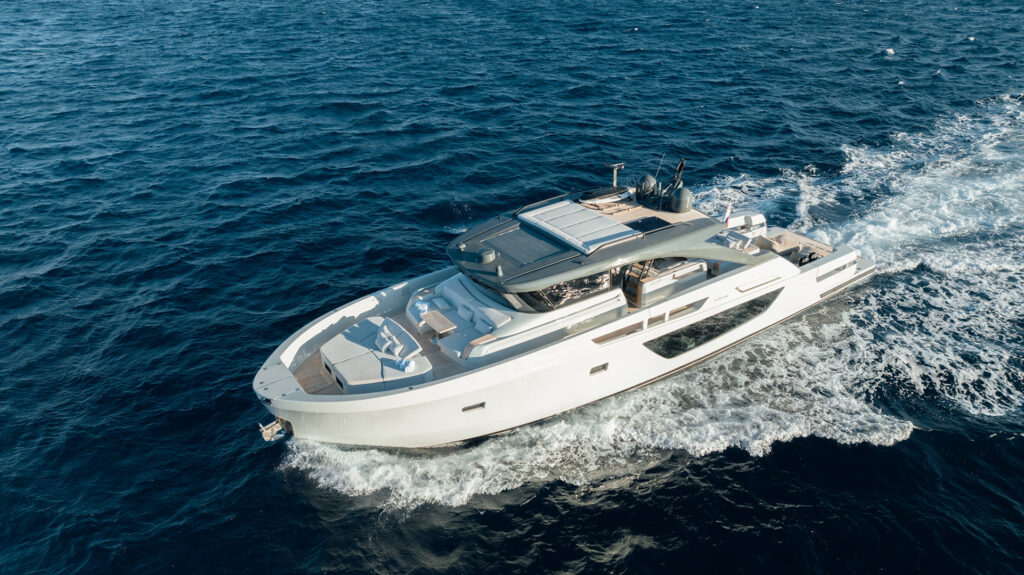
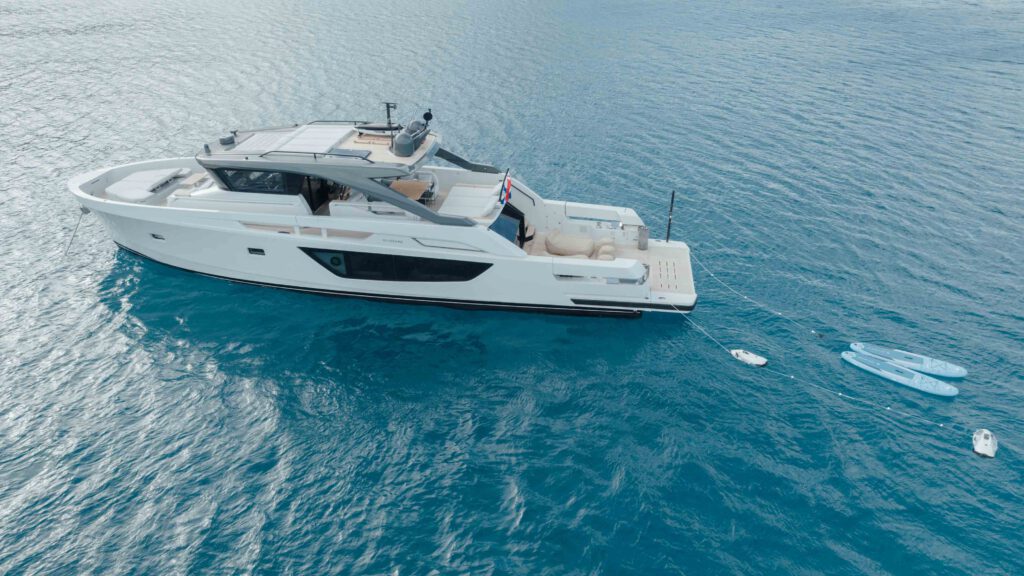
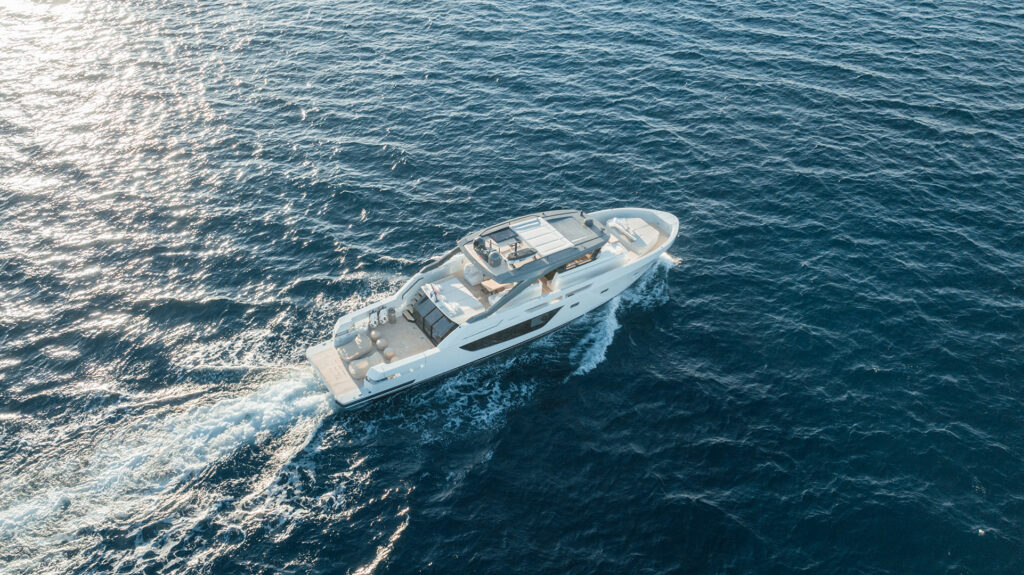
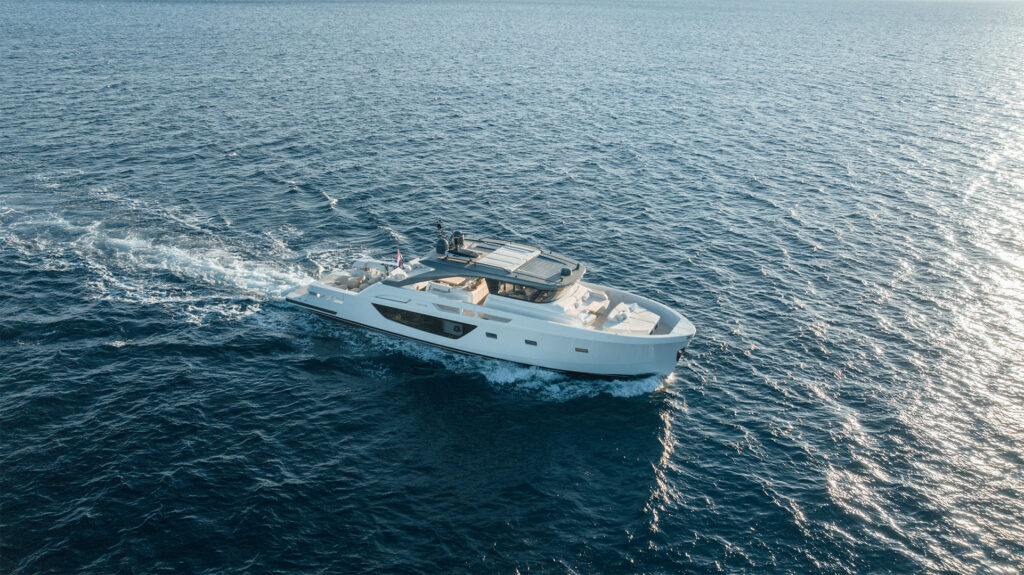
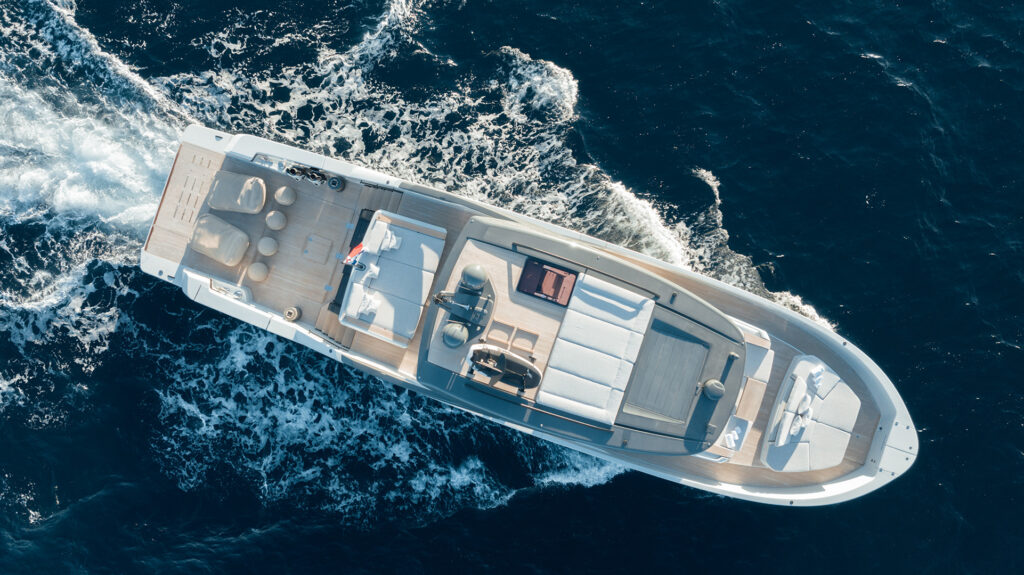
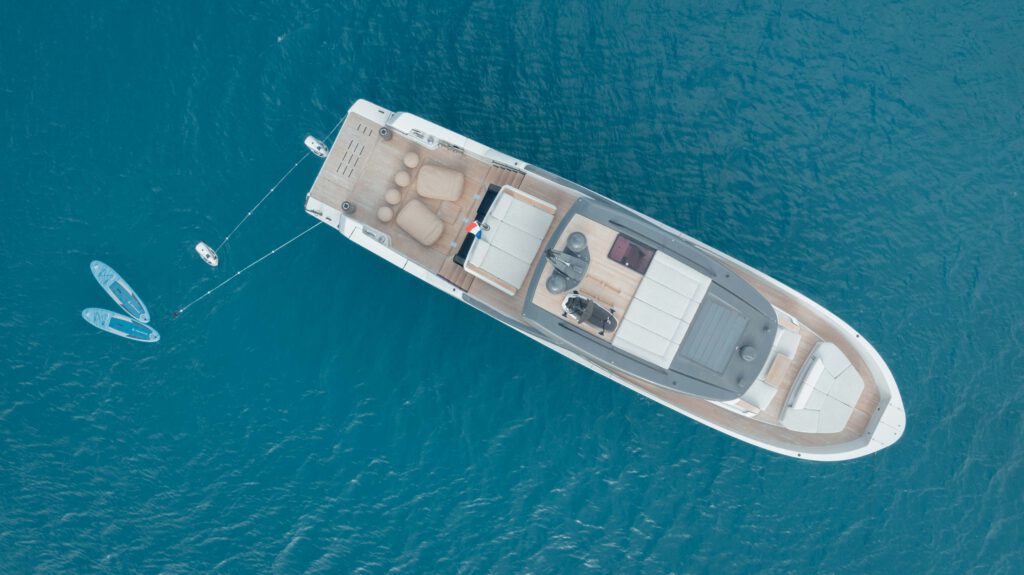
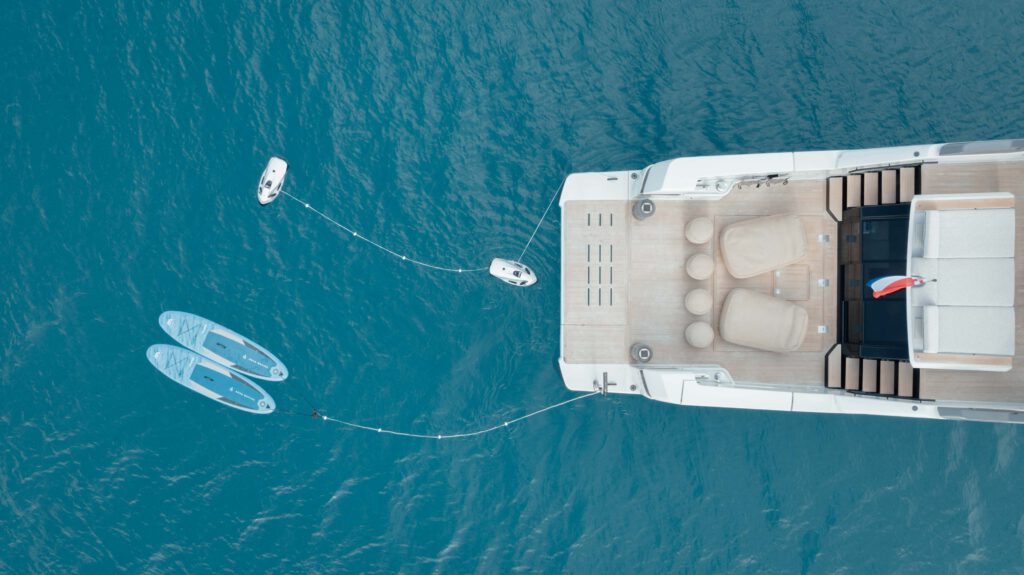
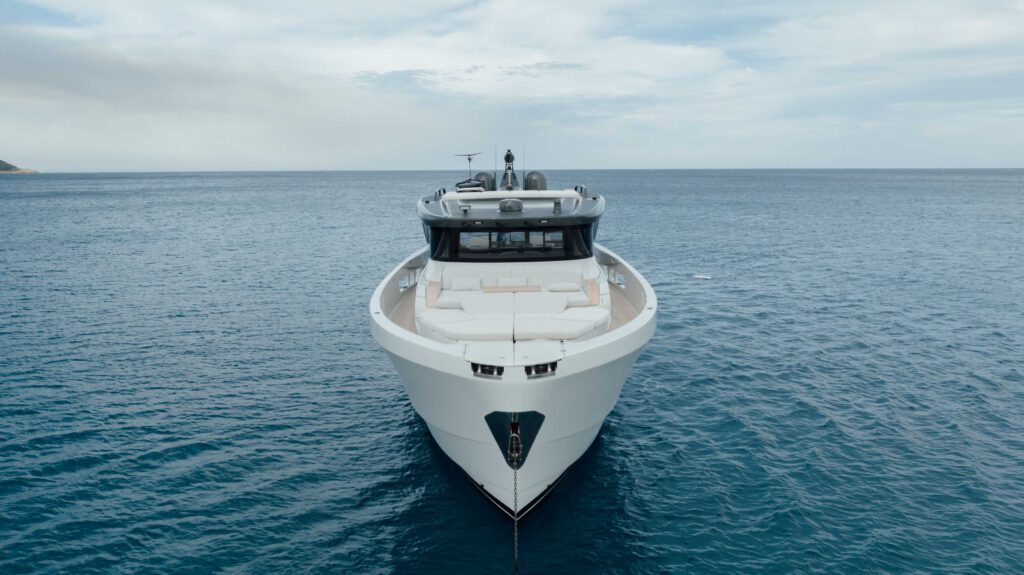
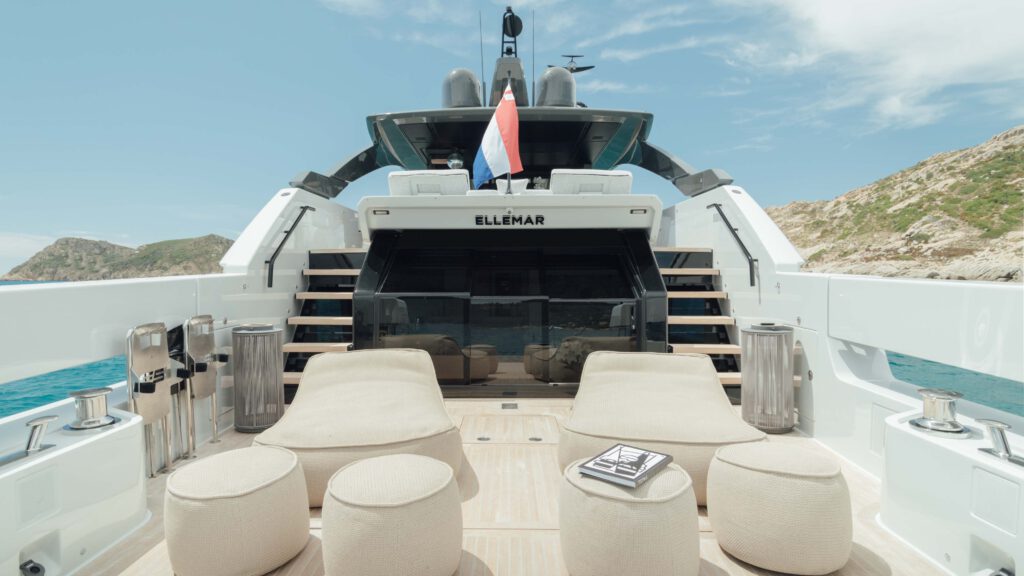
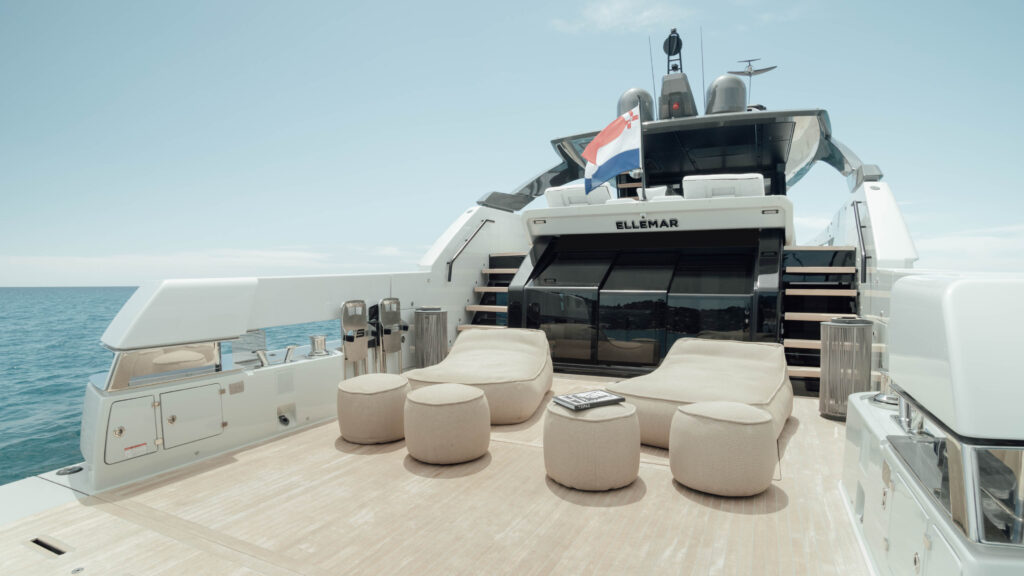
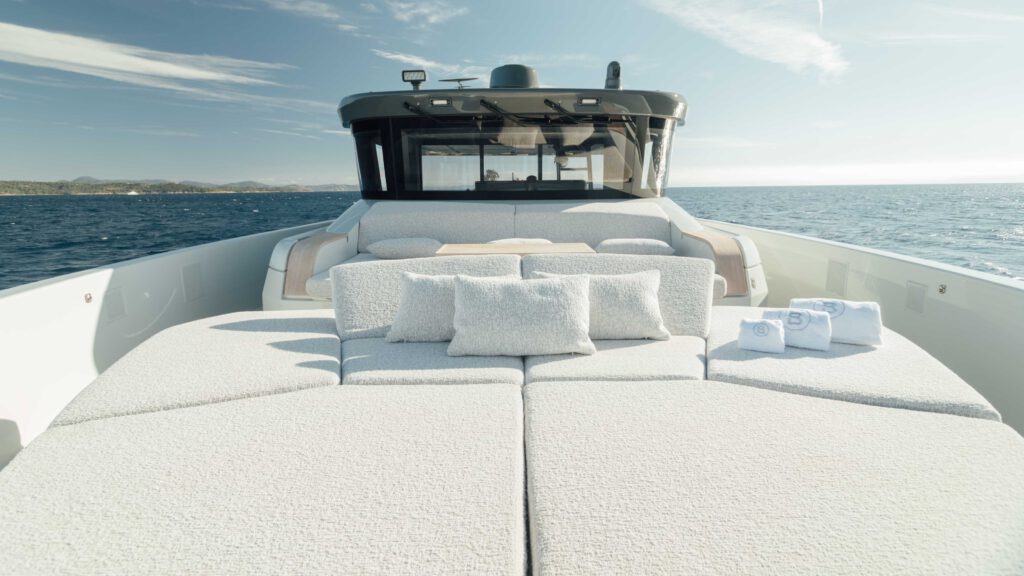
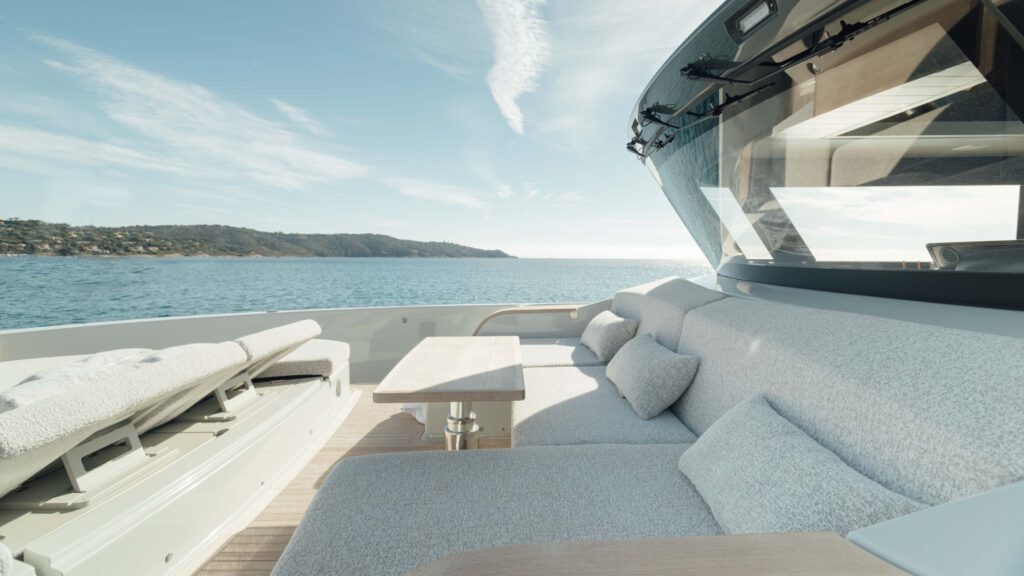
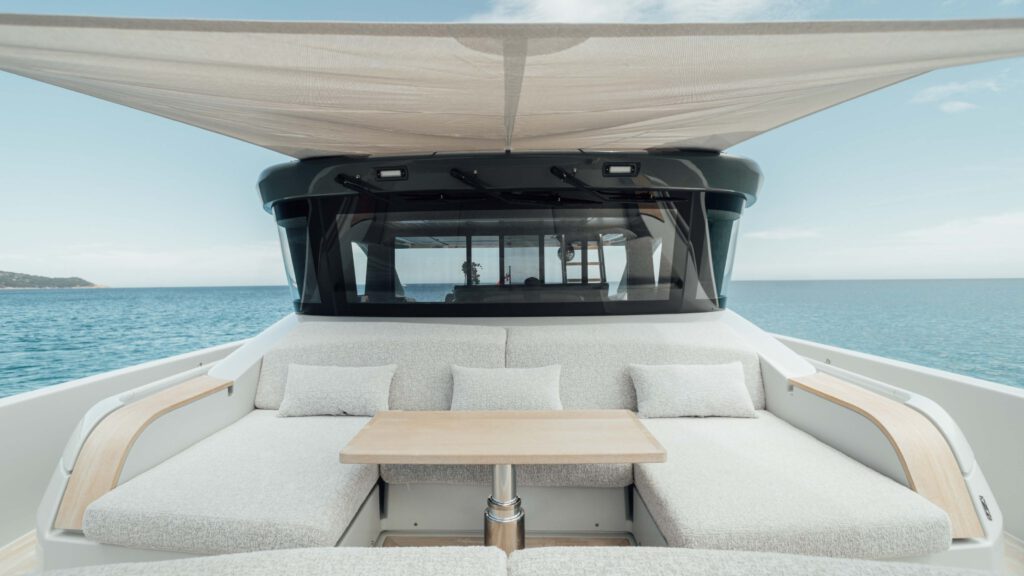
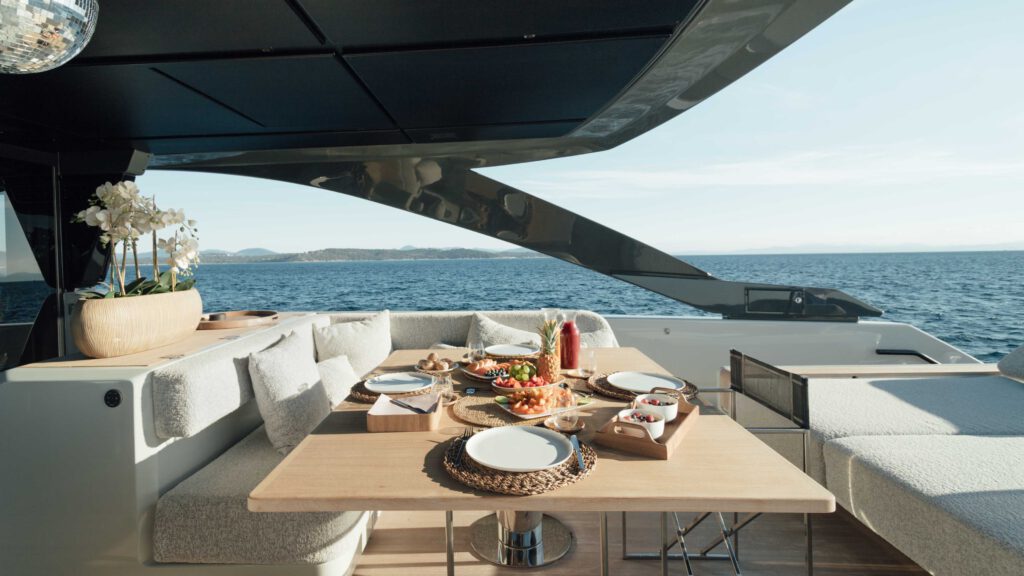
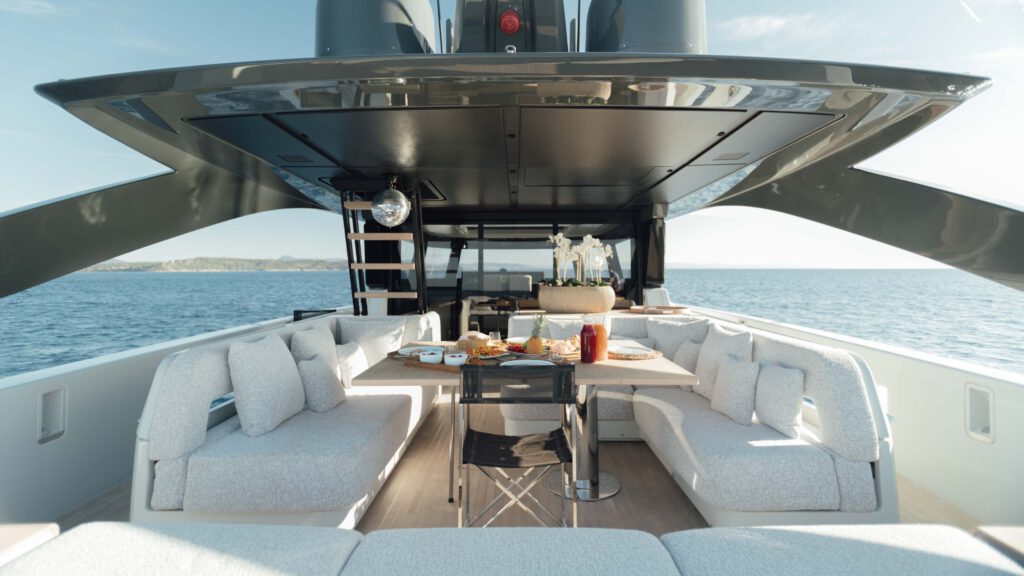
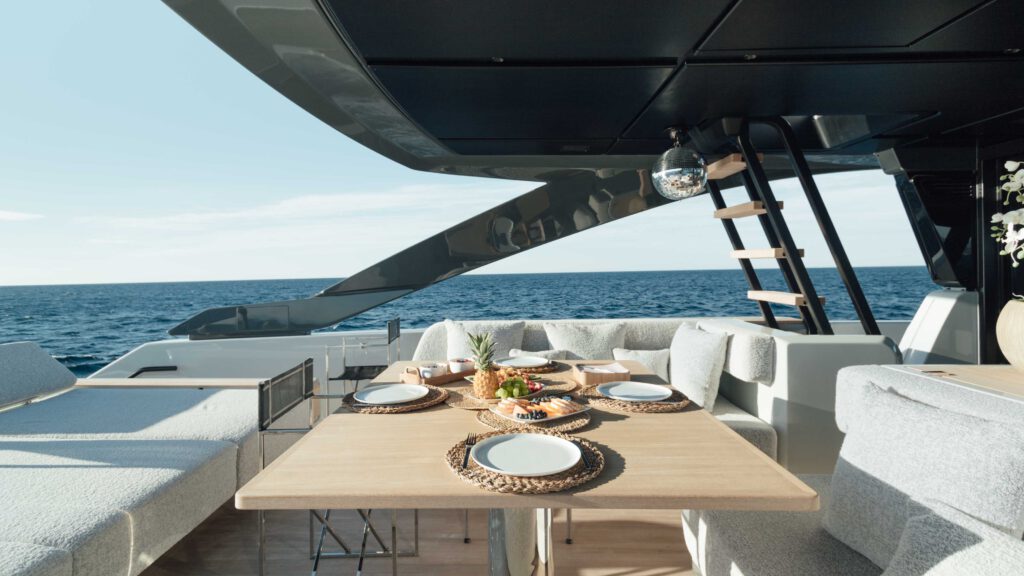
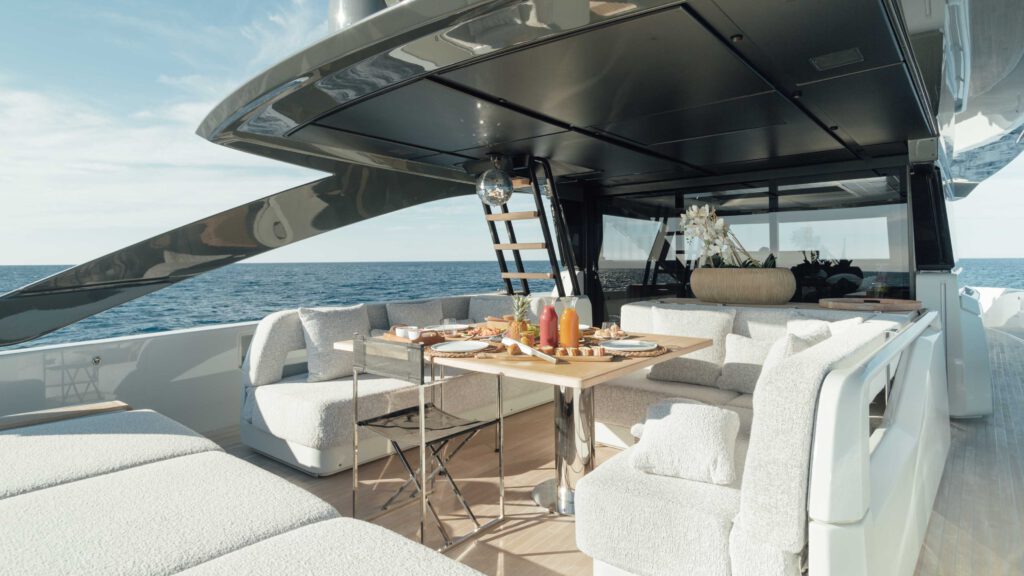
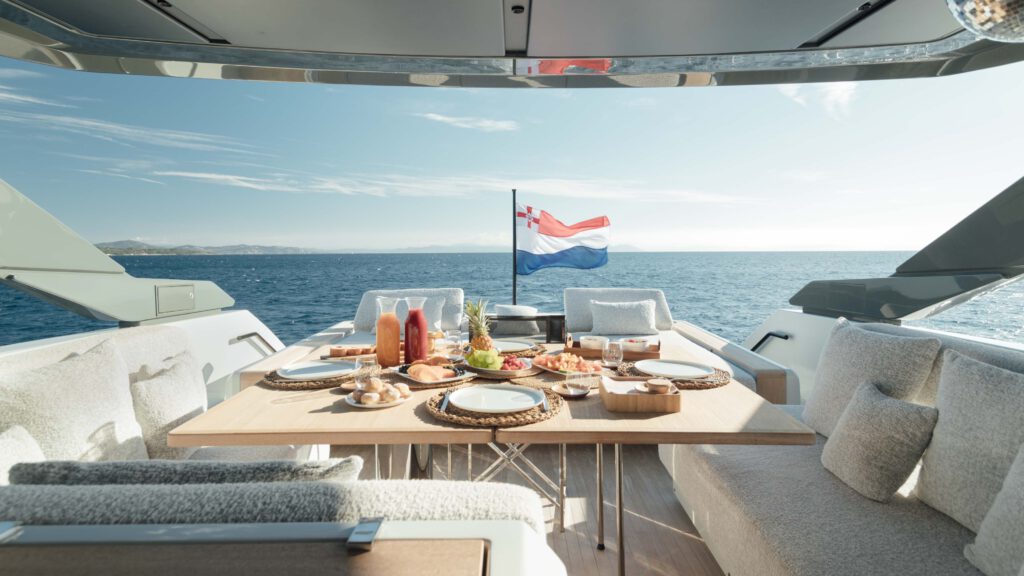
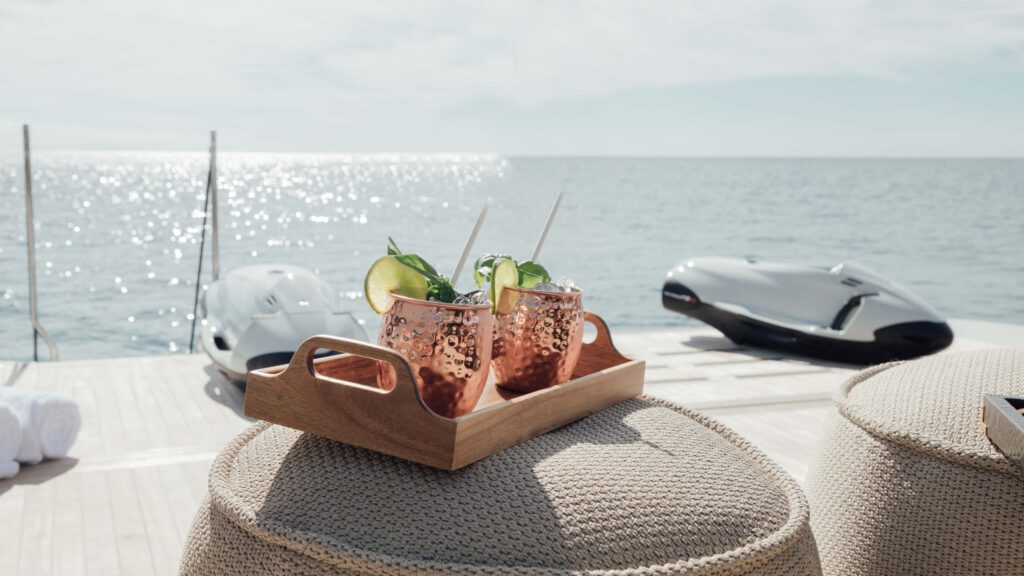
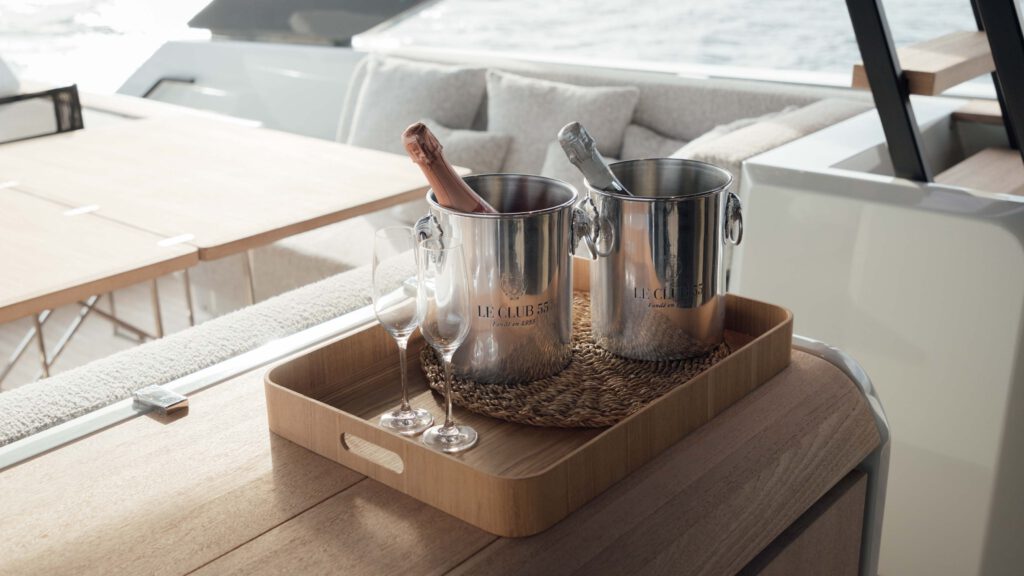
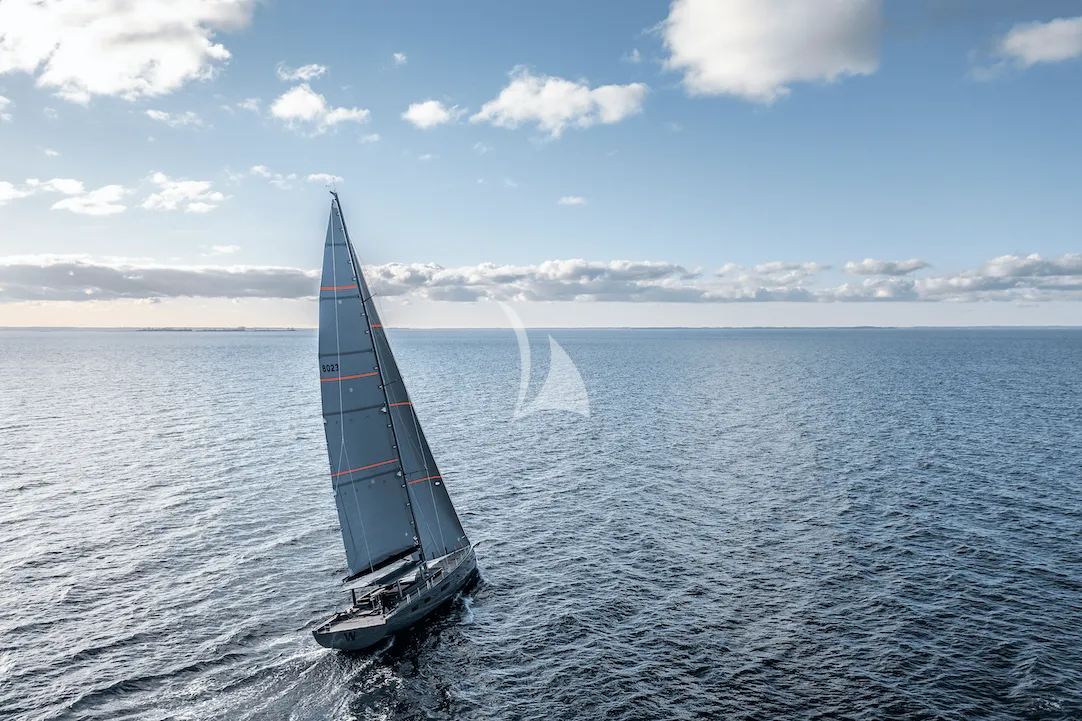
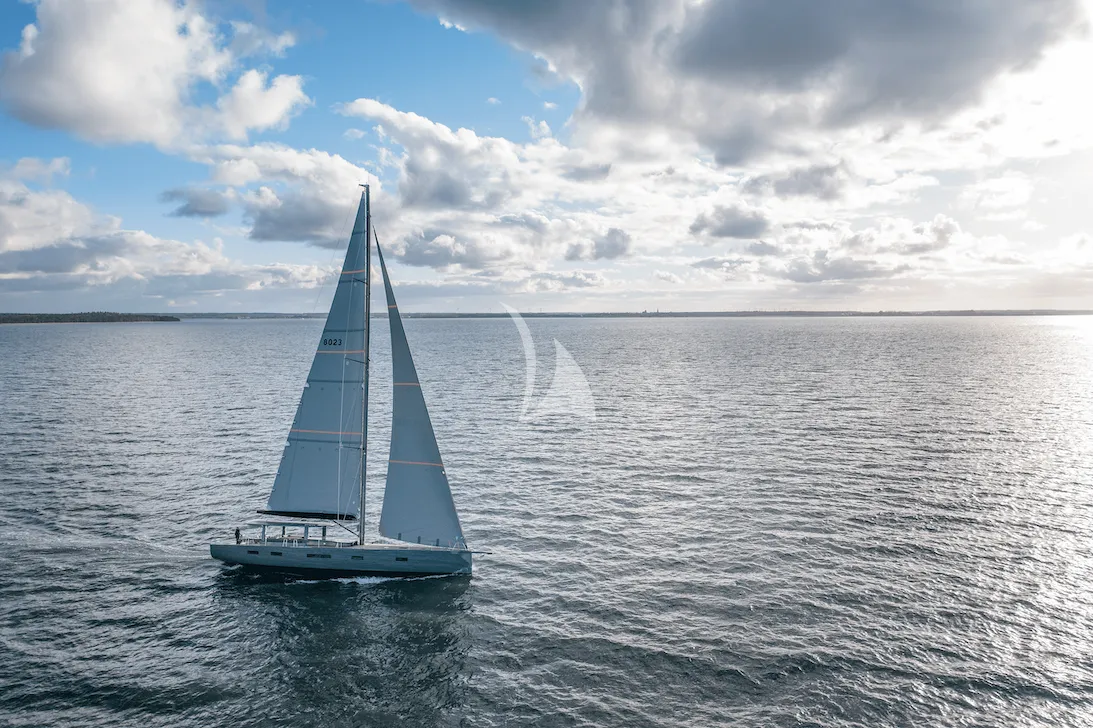
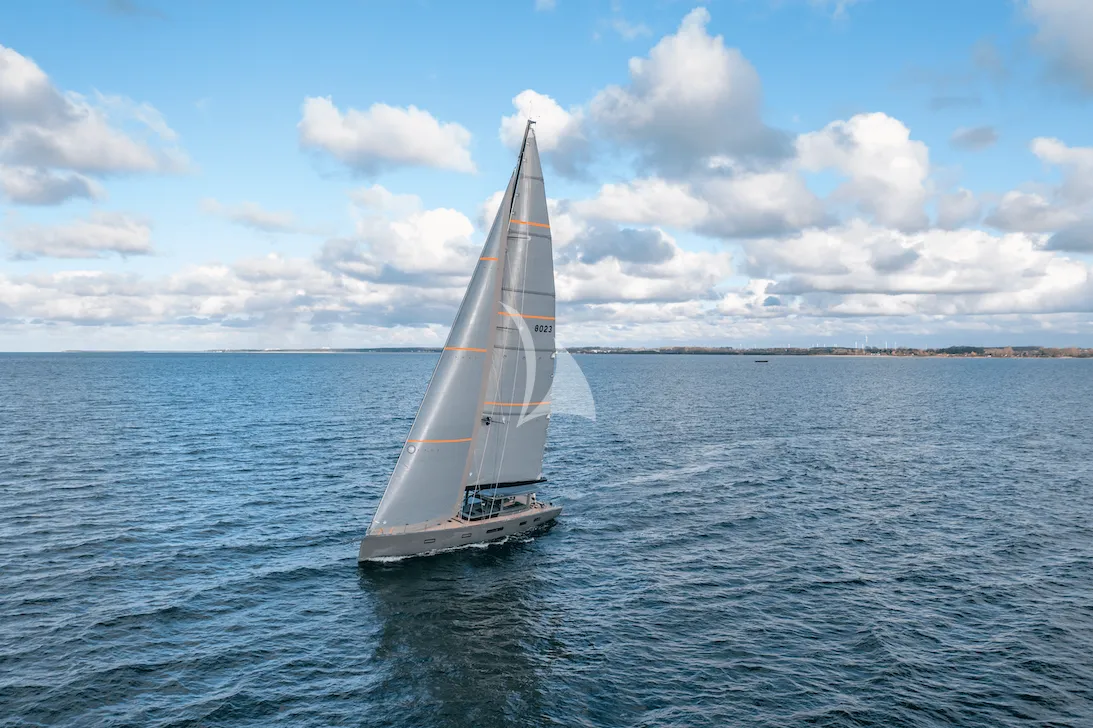
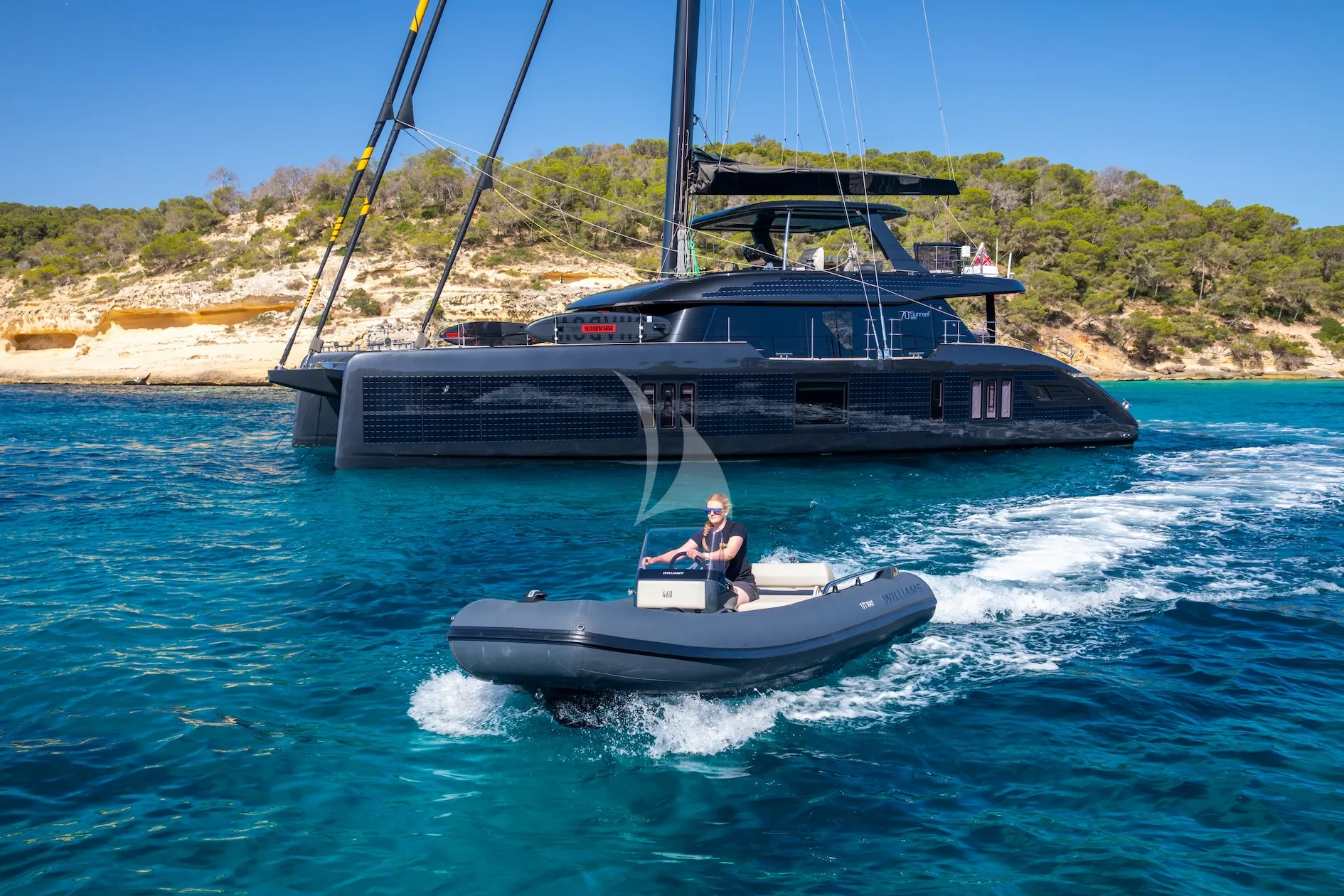
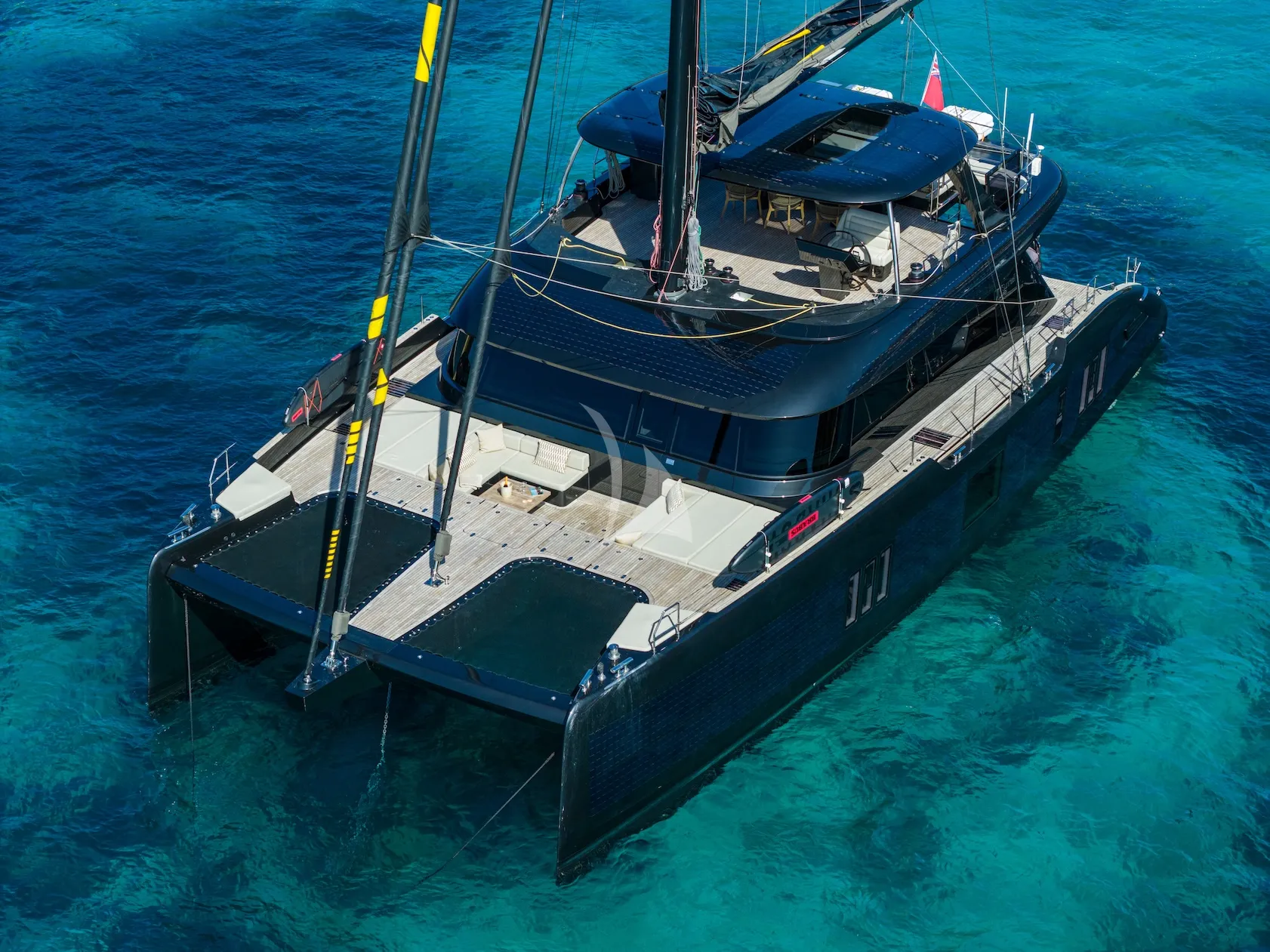
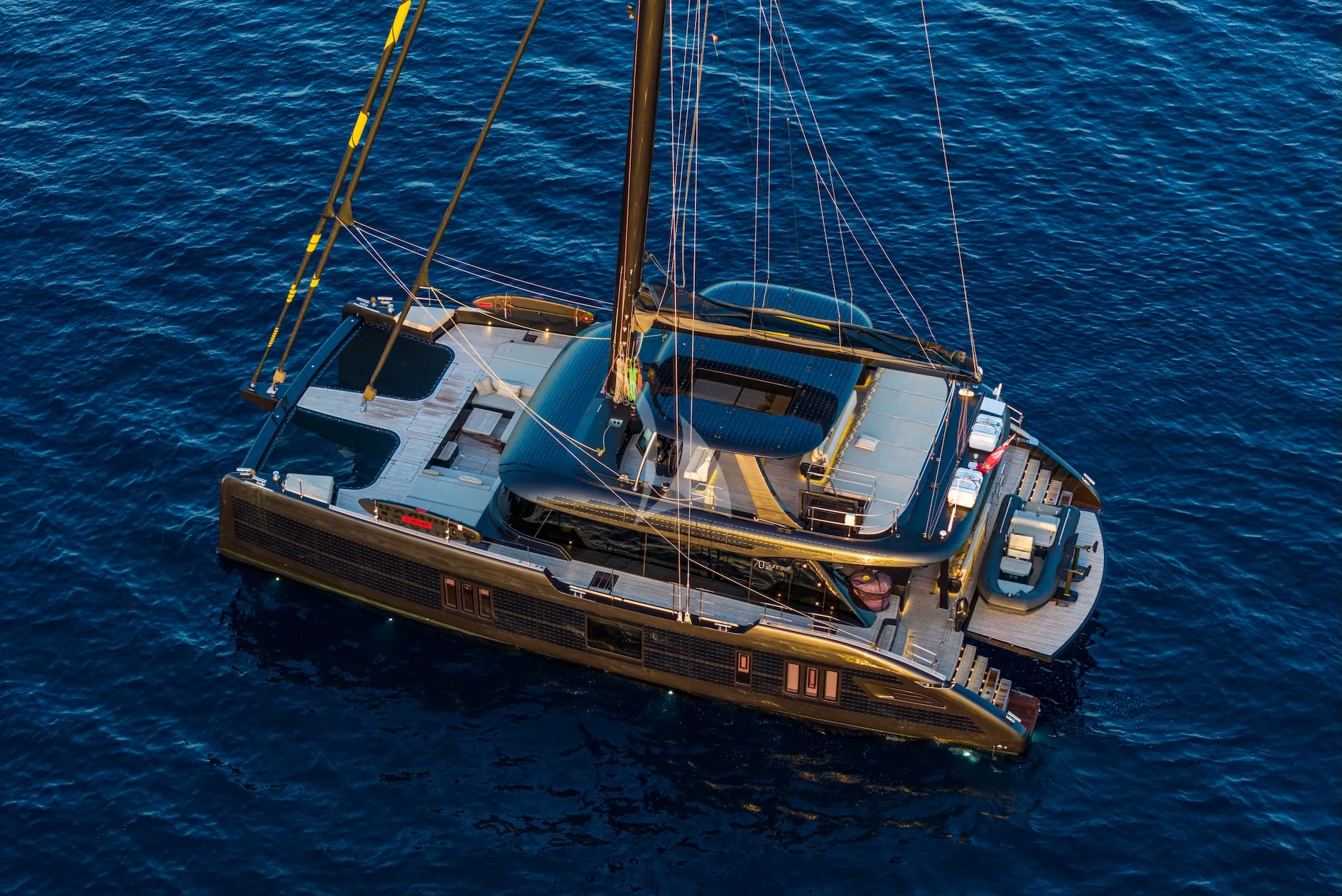
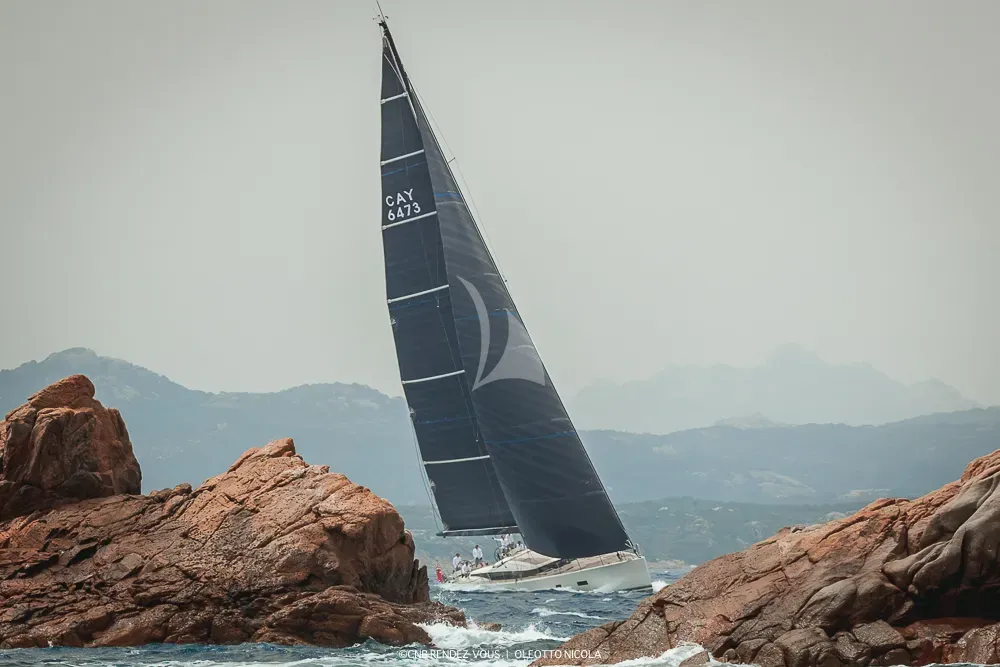
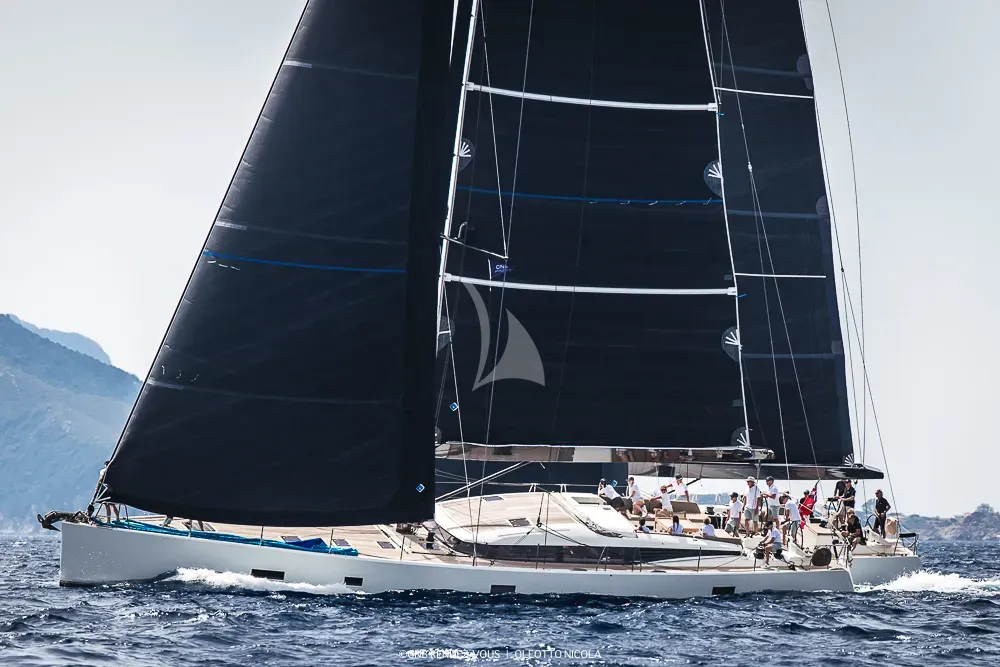
French Riviera charters range from classic sailing yachts to 50-metre-plus superyachts, with a full spectrum of motor yachts, catamarans, and gulets in between. The region attracts some of the world’s finest charter fleets, meaning guests can access vessels with beach clubs, helicopter pads, full-service spas, and Michelin-calibre cuisine prepared by private chefs.
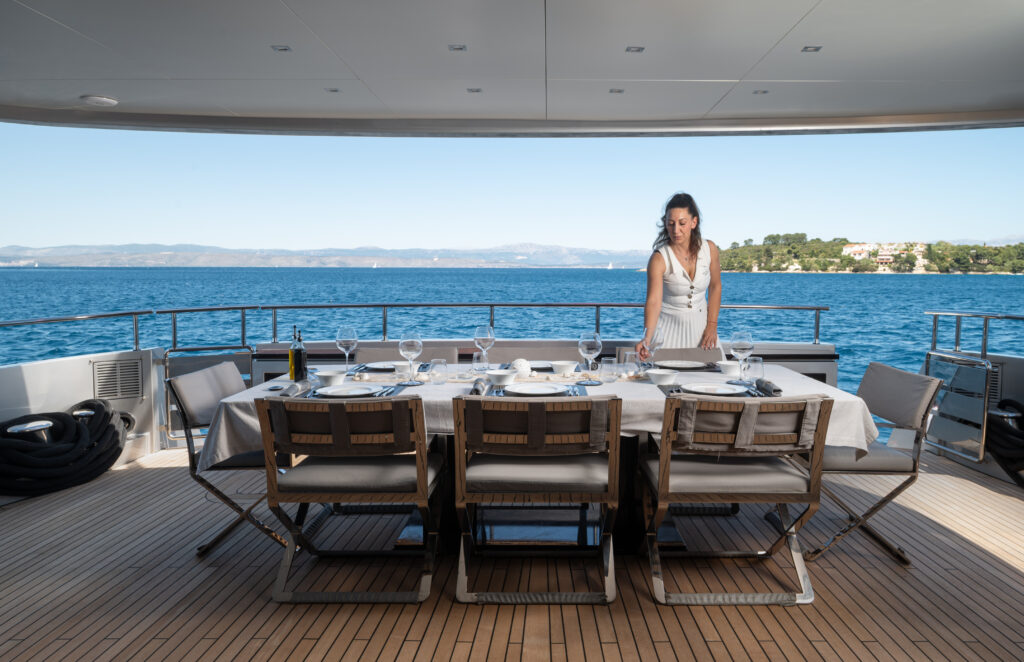
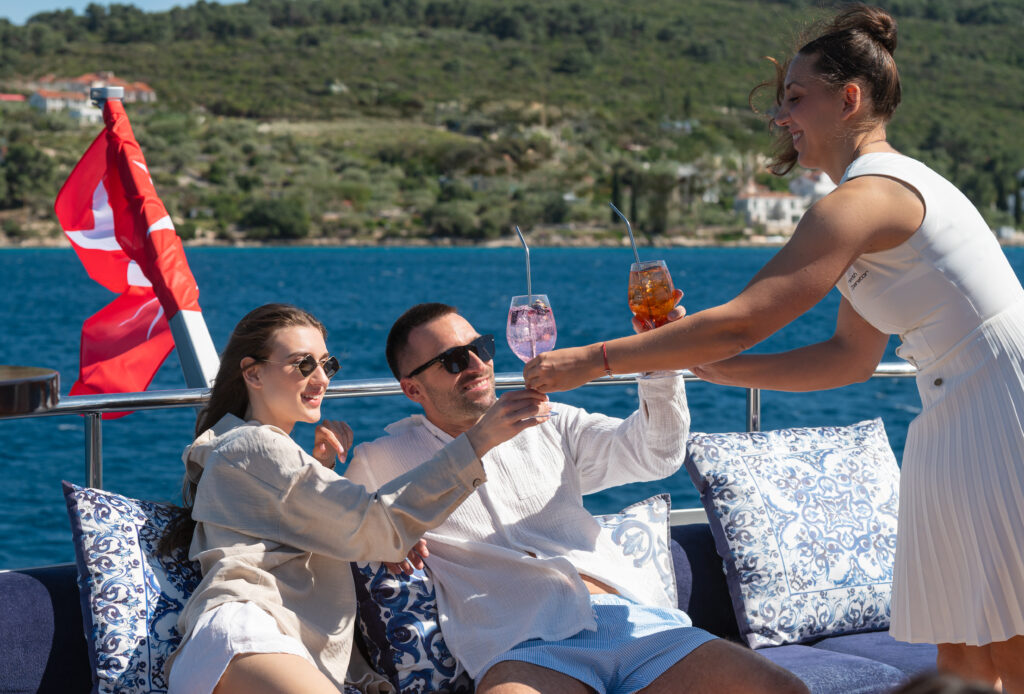
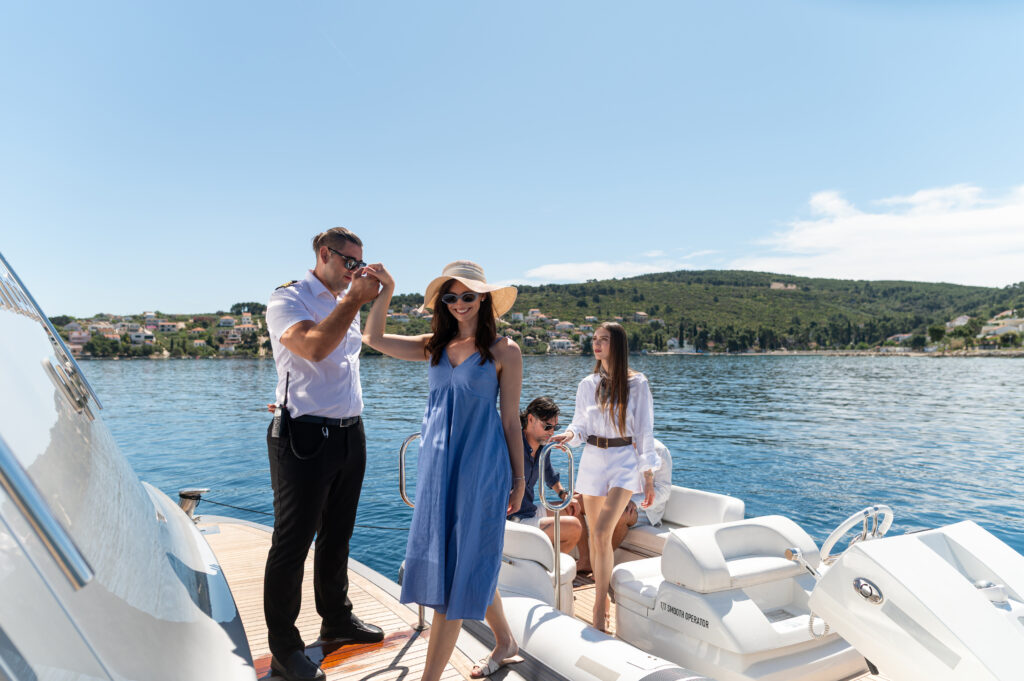
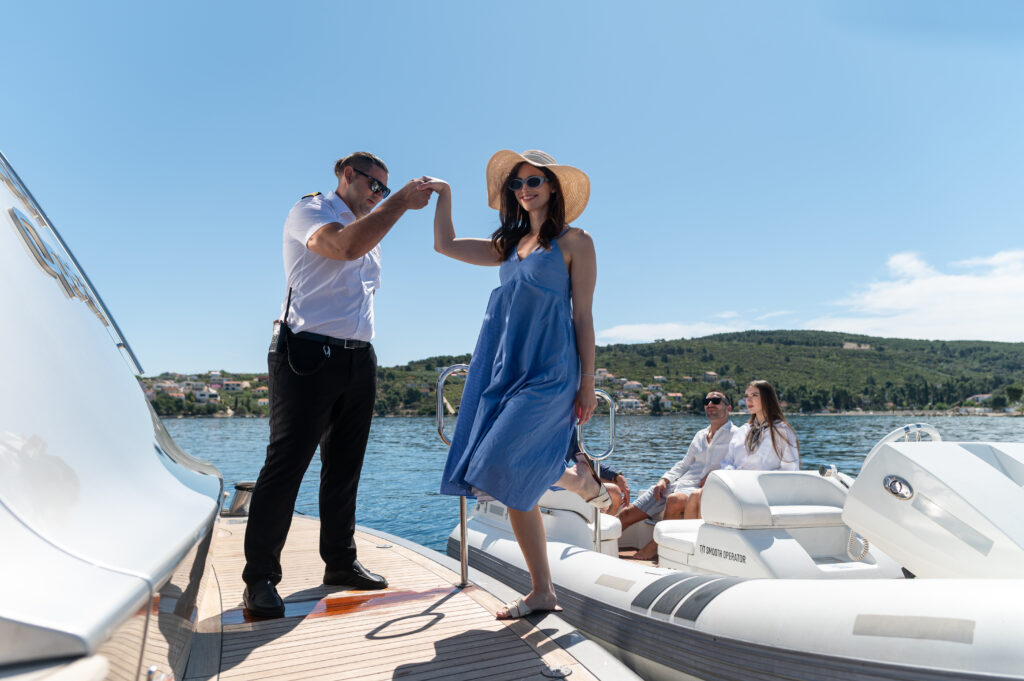
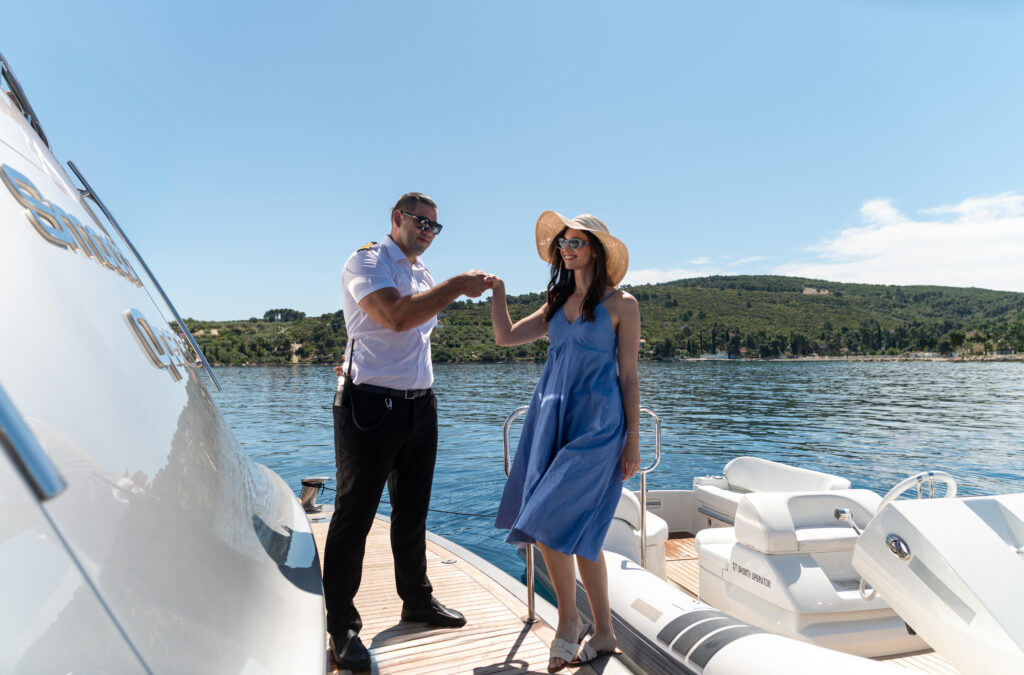
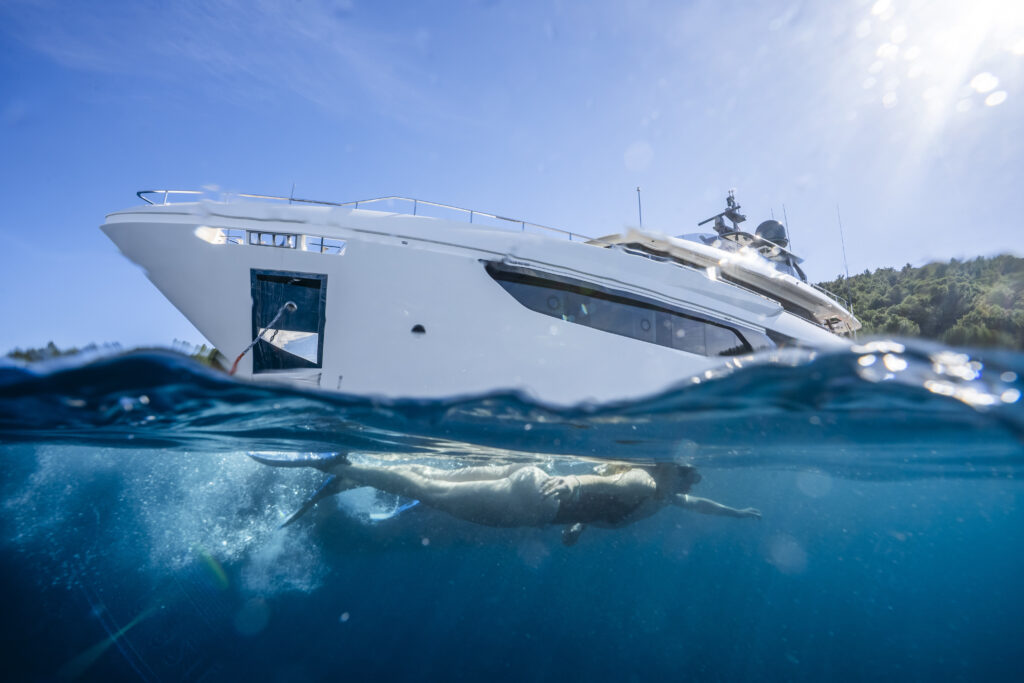
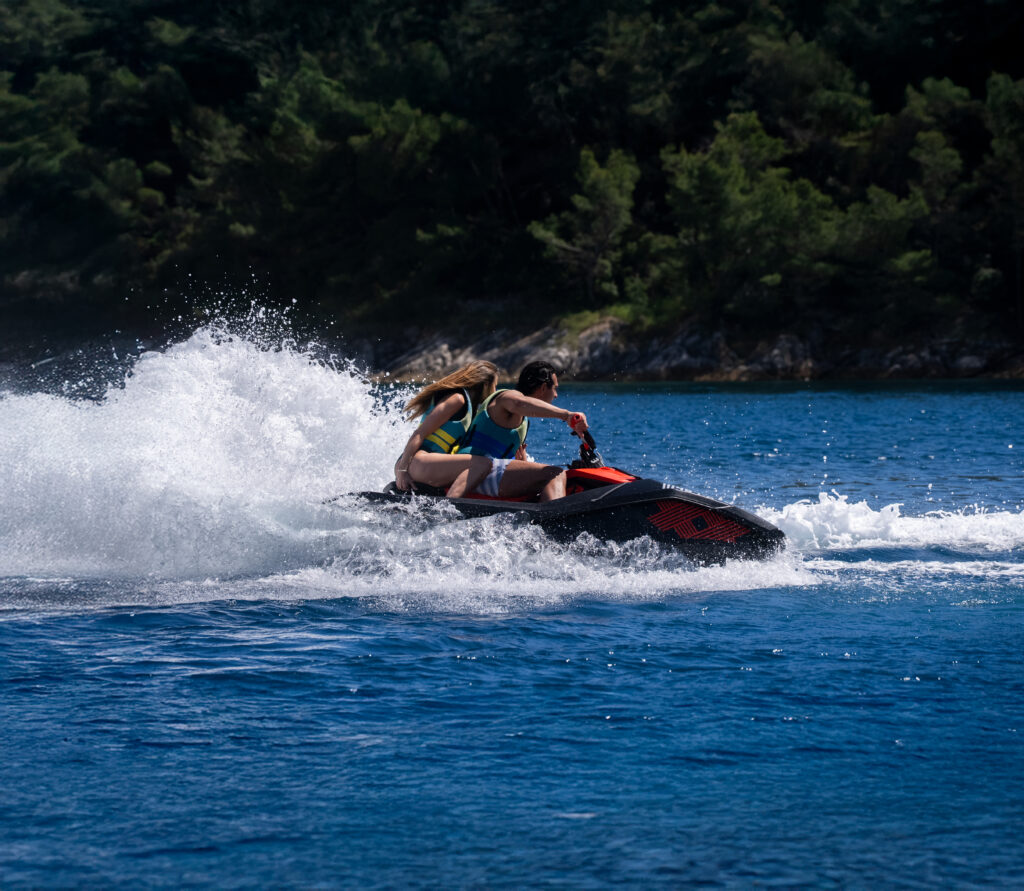
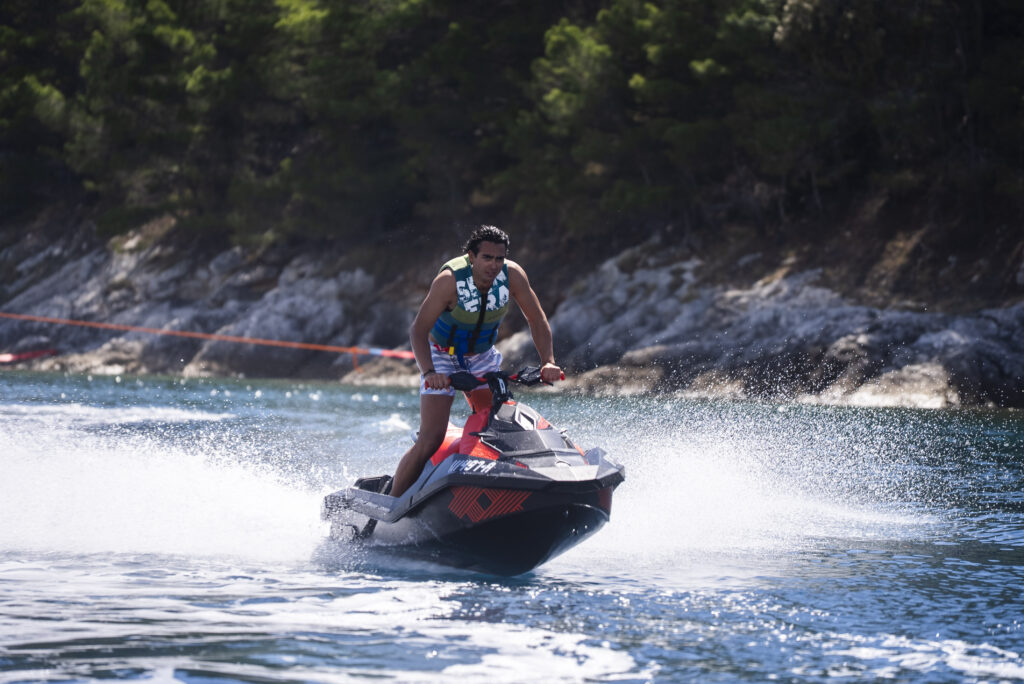
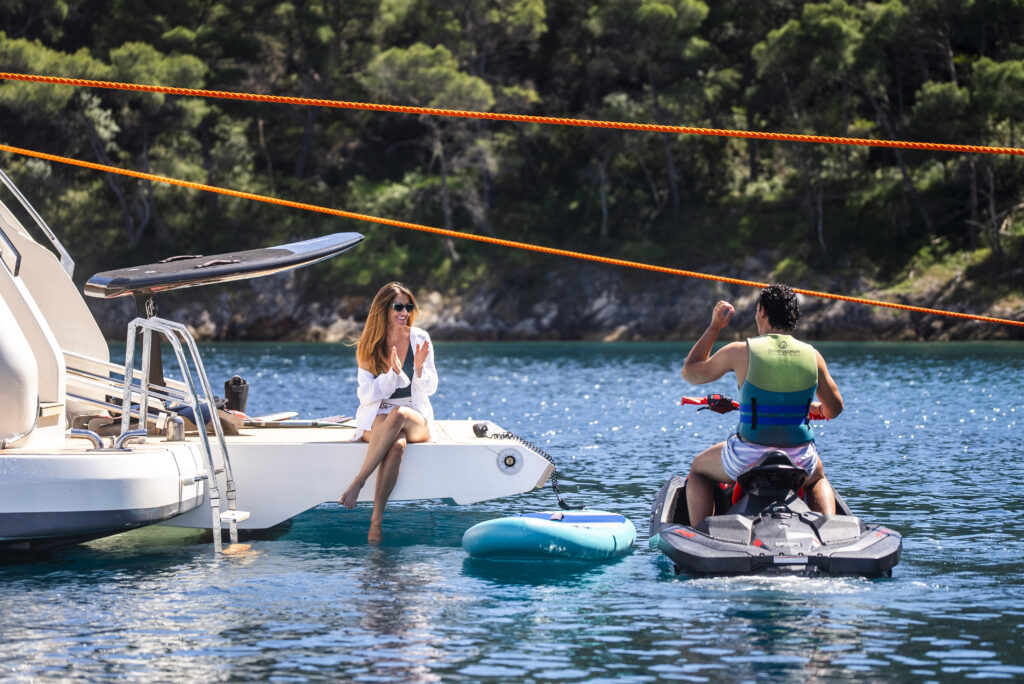
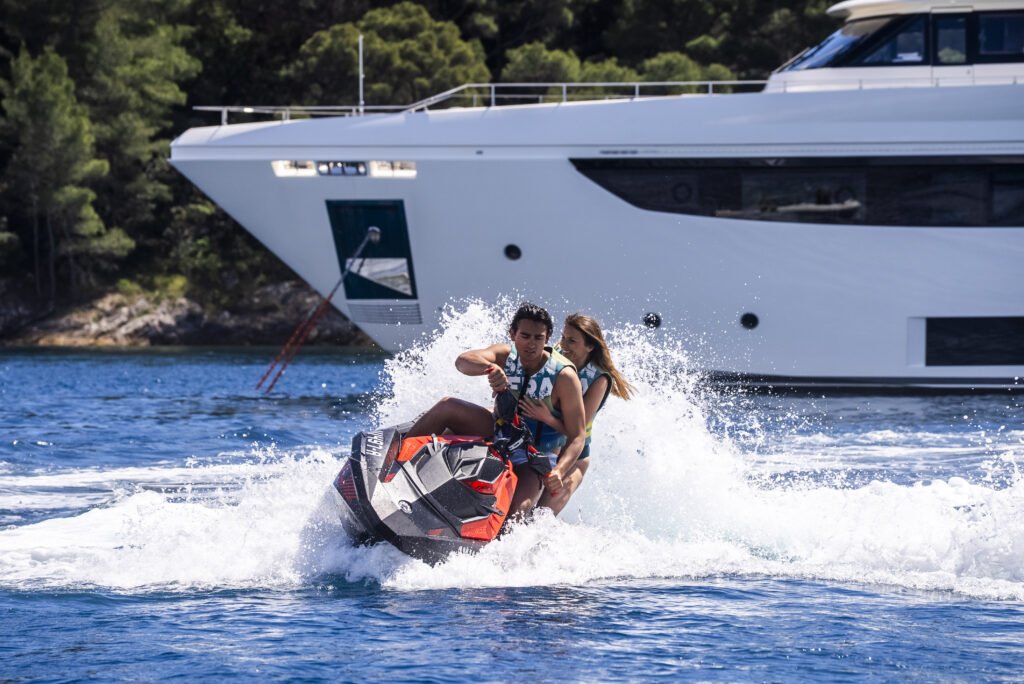
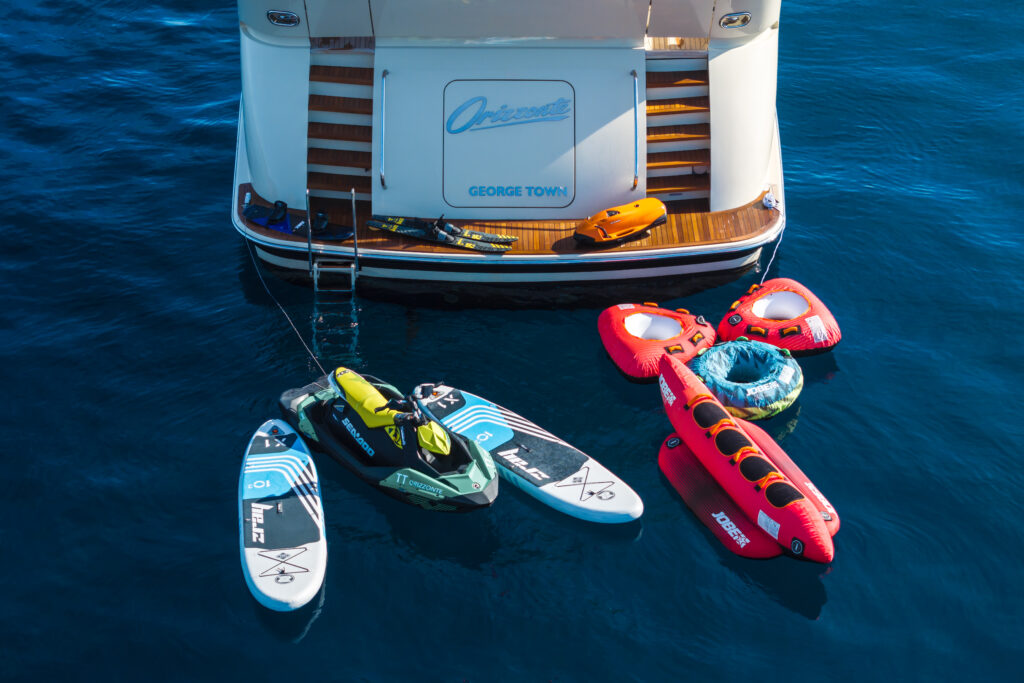
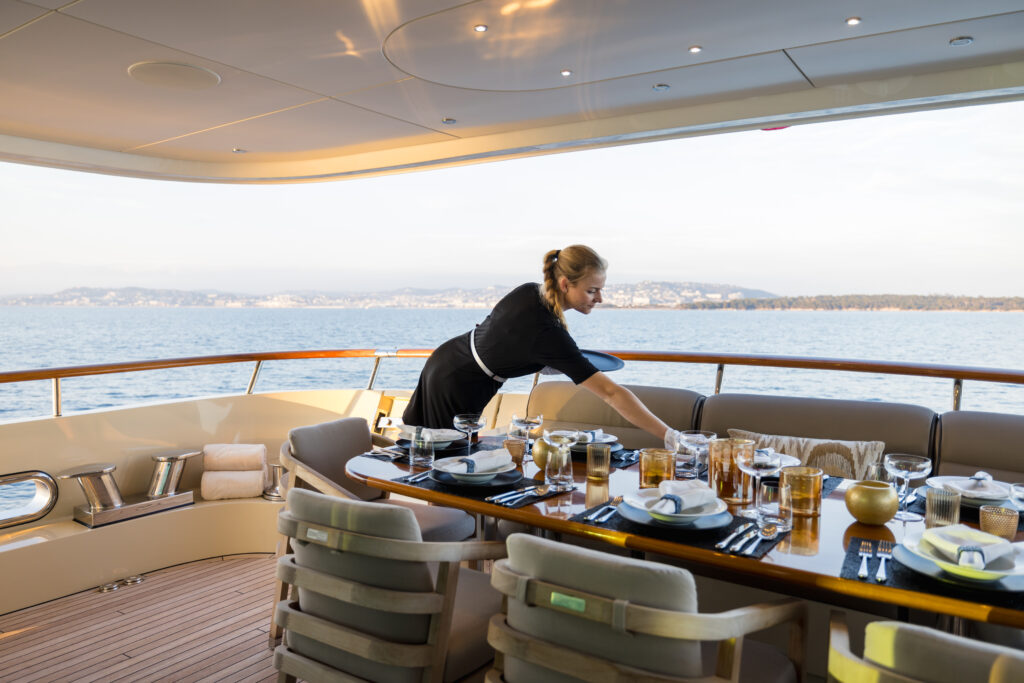
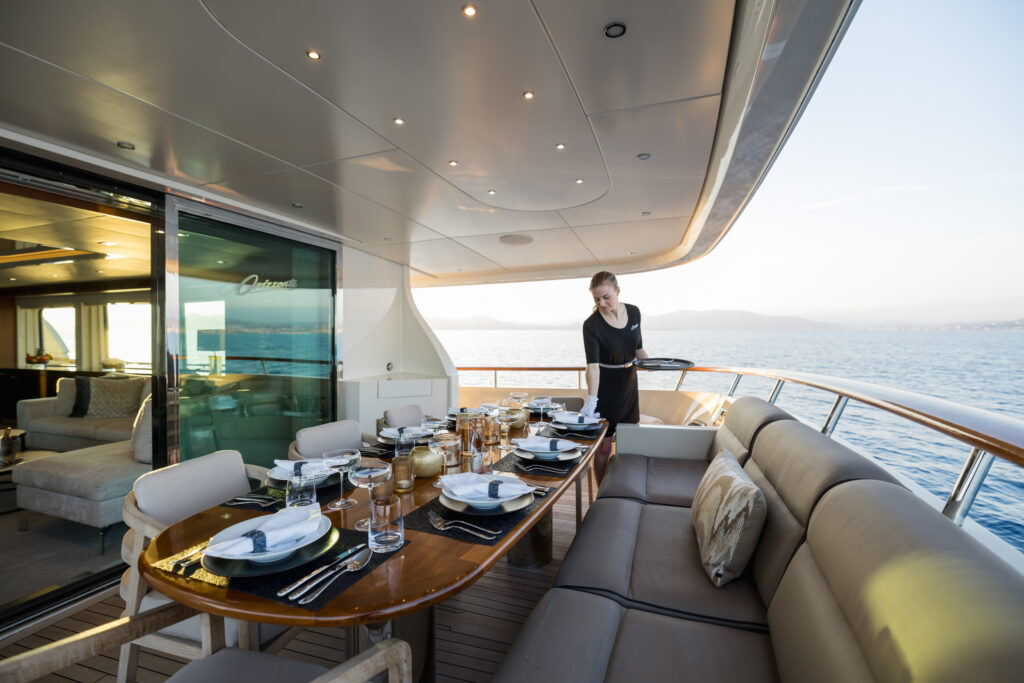
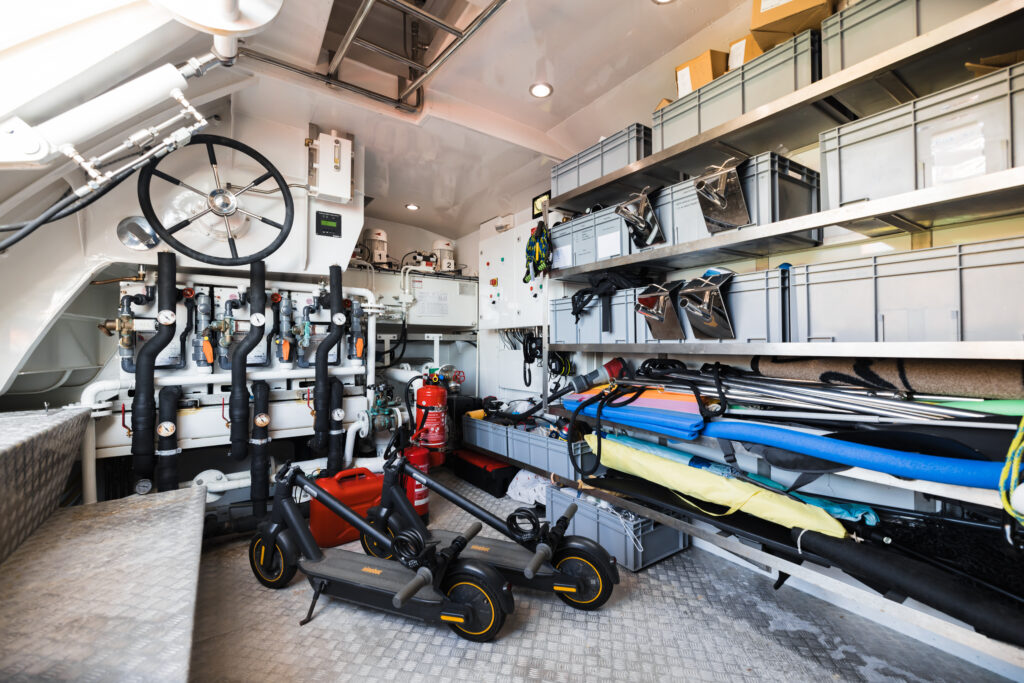
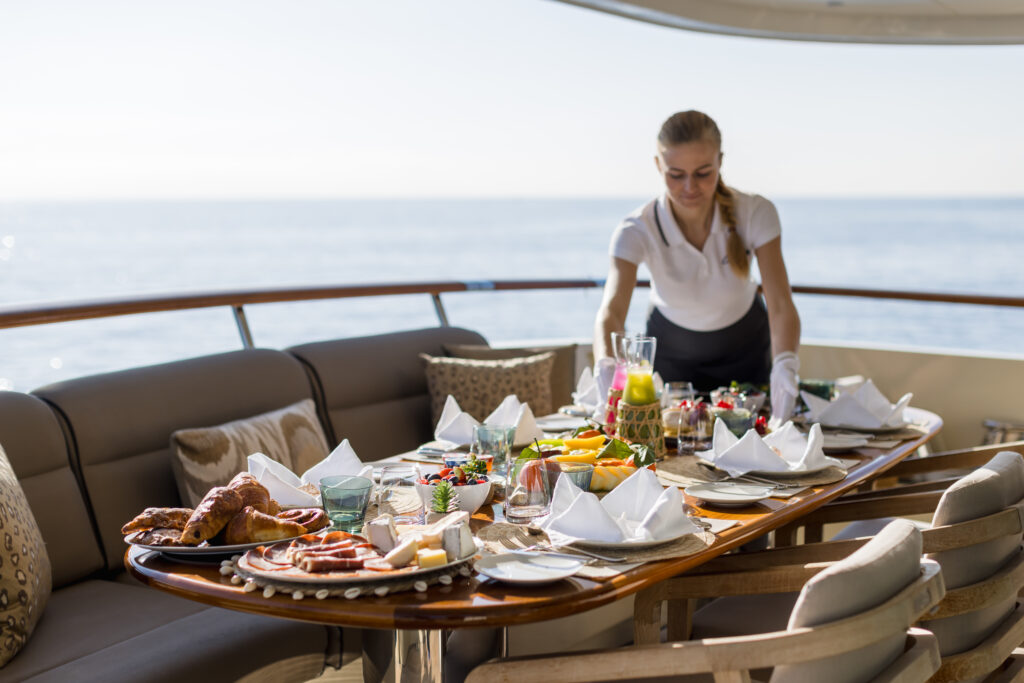
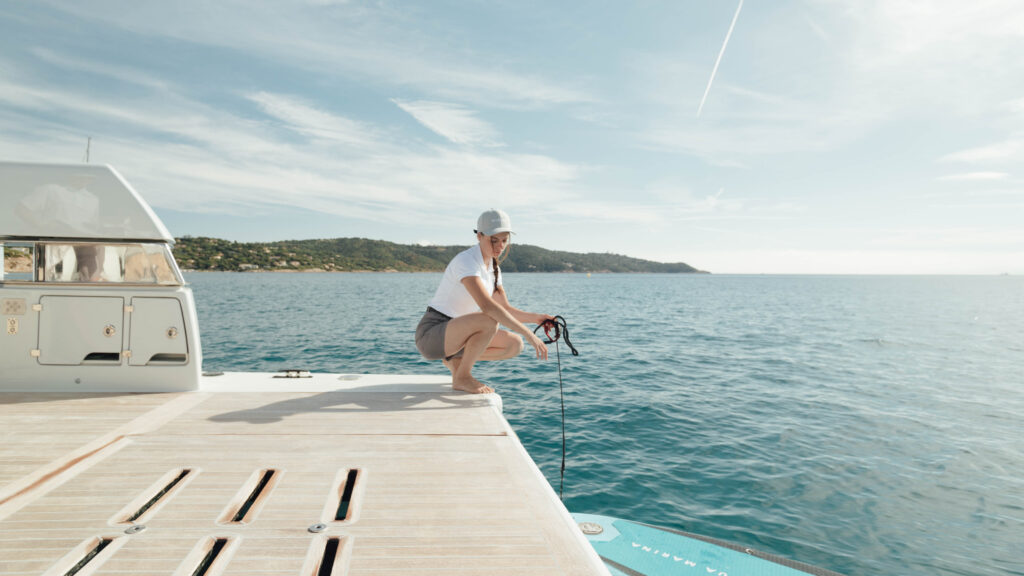
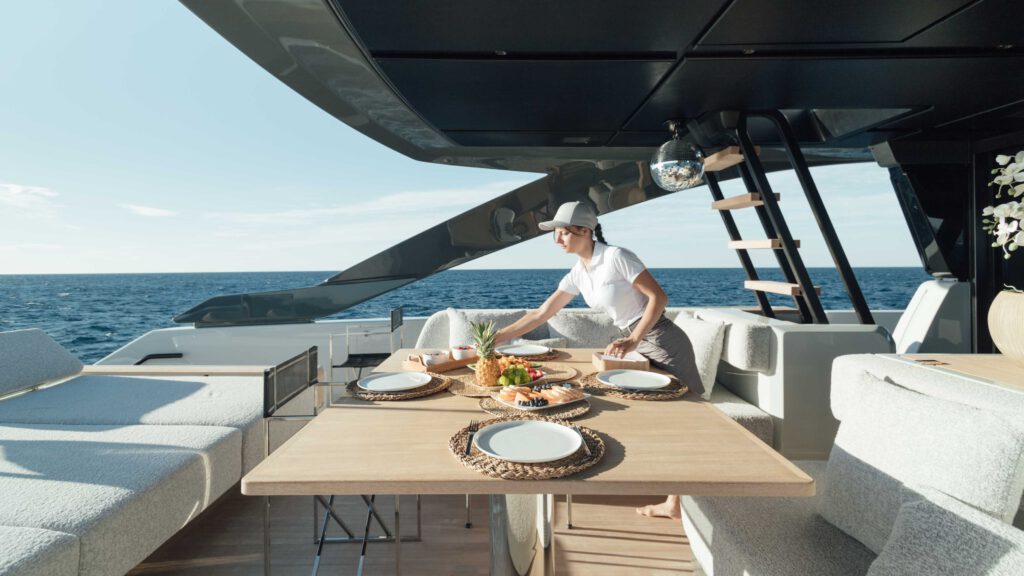
Crew standards on the Riviera are equally elevated. Stewardesses trained in silver service, captains with decades of Mediterranean experience, and water sports instructors who can guide guests through everything from foiling to diving are standard at the higher end of the market.
Best Time to Charter the French Riviera
The Mediterranean season runs from May to October, but each month carries a different character. May is uncrowded and brilliant, the Cannes Film Festival adds cultural glamour. June sees schools still in session across Europe, keeping family crowds manageable. July and August are peak season: busiest, most expensive, and most vibrant. September is widely regarded by seasoned charterers as the finest month, when the sea remains warm, summer crowds thin, and the light takes on a golden quality that photographers and artists have chased for centuries. October offers a gentler, more contemplative coast.
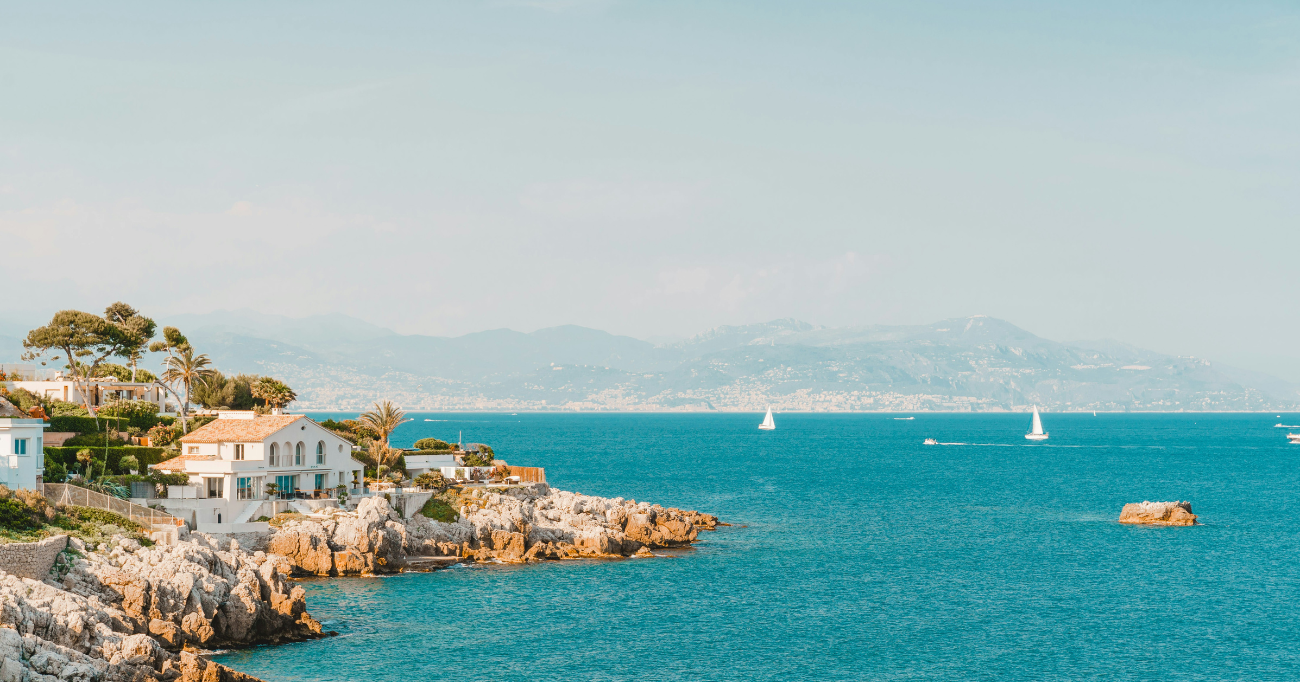
Planning Your French Riviera Charter
A typical Riviera charter engagement runs one to two weeks. One-week itineraries tend to focus on either the eastern Riviera, Monaco, Villefranche, Antibes, Cannes, or the western arc from Cannes through Saint-Tropez and the Îles d’Hyères. Two weeks allows a more generous circumnavigation of both, with possible extensions toward Corsica, Sardinia, or the Italian Ligurian coast to the east.
Working with a reputable charter broker is strongly advised. Beyond vessel selection, brokers negotiate charter agreements, handle MYBA or BIMCO contract structures, manage crew communications, and ensure the APA is correctly applied. Their fee is typically absorbed by the owner’s commission, not charged separately to the client.
APA (Advance Provisioning Allowance) typically runs 25–35% of the base charter fee and covers fuel, port dues, provisioning, and crew gratuities. Budget accordingly from the outset.