The Elite 2026 Mediterranean Yacht Charter Guide
1. The Balearics: Spain’s Archipelago of Contrast
The Balearics remain the Western Mediterranean’s most versatile playground, offering a seamless transition from high-octane social scenes to protected natural silence.
-
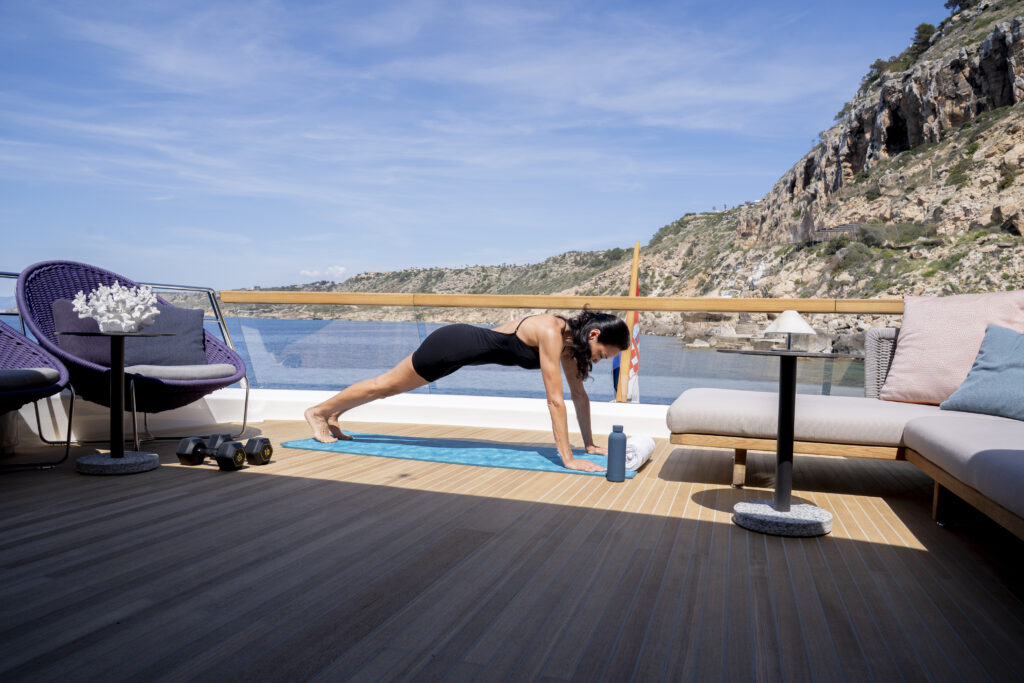
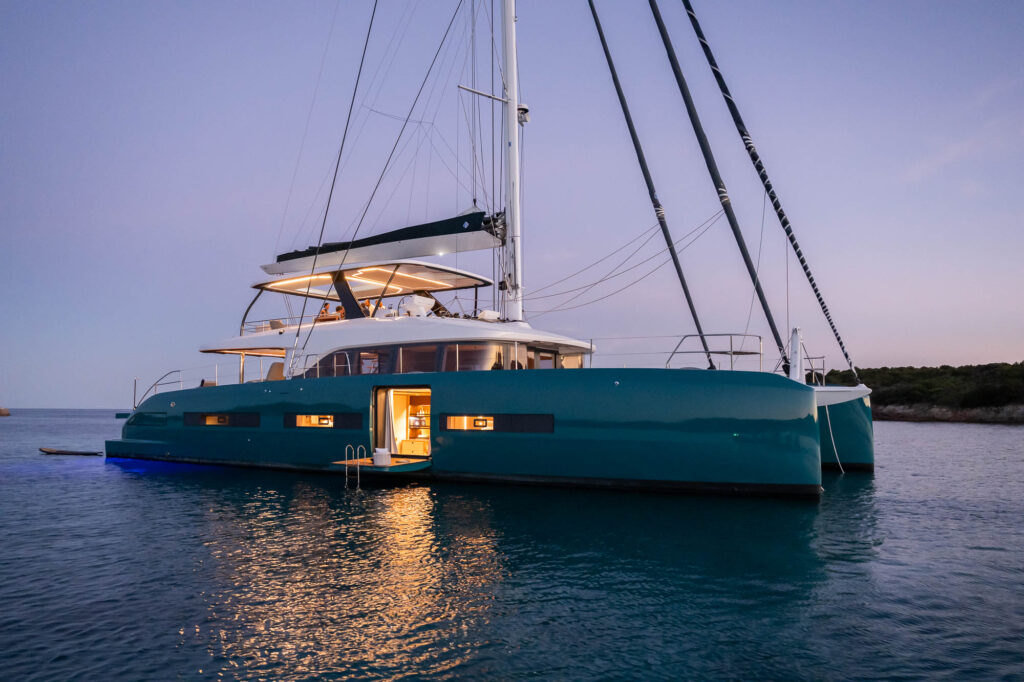
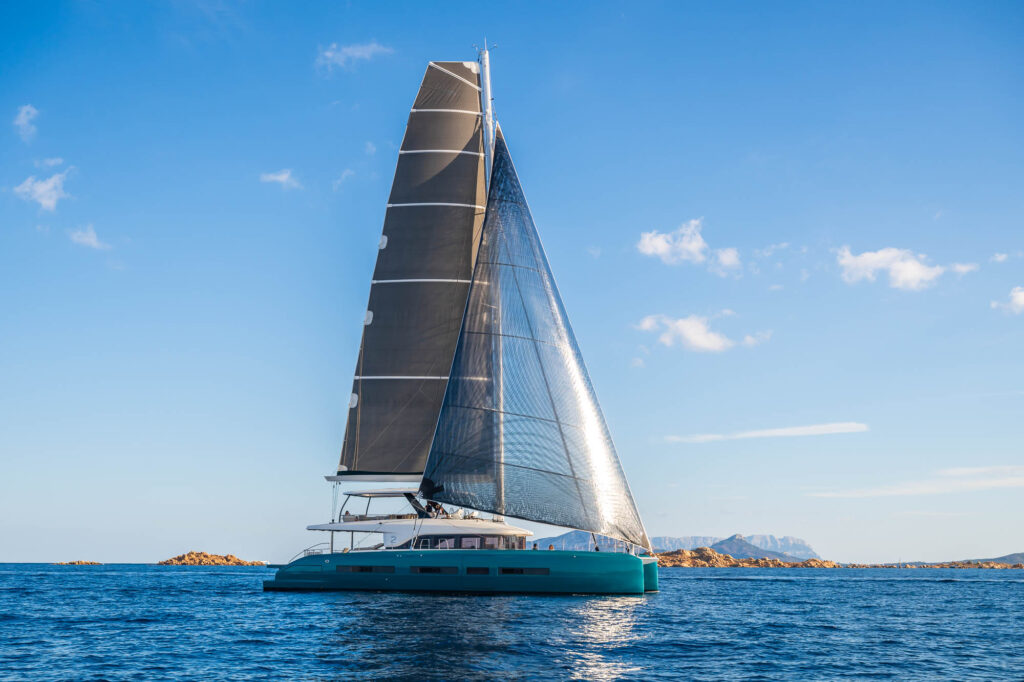
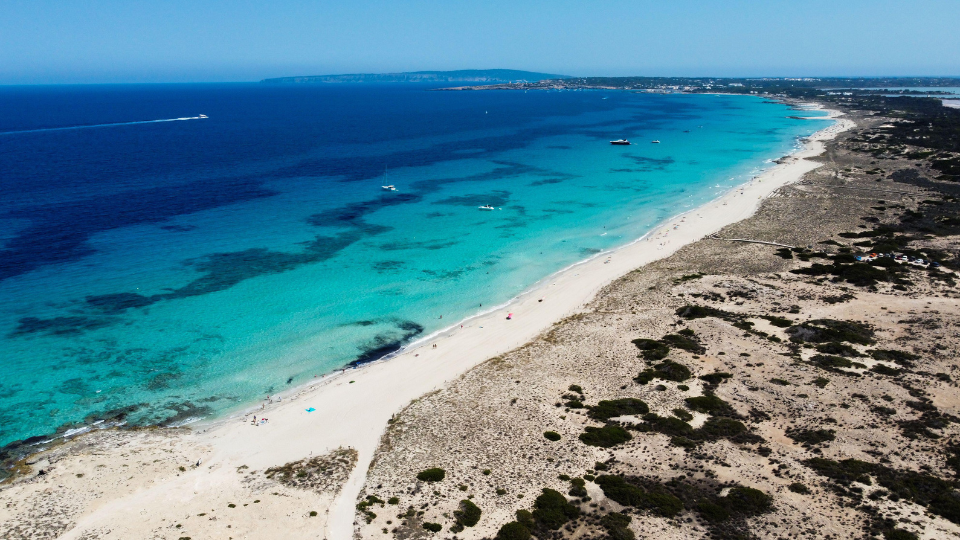
Ibiza & Formentera: Beyond the legendary beach clubs of Playa d’en Bossa, the 2026 trend focuses on “Wellness Yachting.” Secure an anchorage at Cala Jondal for organic shore-side dining or cross the short channel to Formentera. The island’s Caribbean-blue waters at Playa Illetes are best enjoyed via a shallow-draft catamaran, allowing you to get closer to the shore than the heavy displacement vessels.
-
Mallorca & Menorca: Mallorca’s Port Adriano (designed by Philippe Starck) remains the hub for the 100m+ fleet. However, for true seclusion, cruise to Menorca. As a UNESCO Biosphere Reserve, its “Calas” like Macarella offer a pristine environment for silent, electric-propulsion cruising.
2. France: The Côte d’Azur & Corsica
The French Riviera is the spiritual home of yachting, where 2026 sees a return to “Old World” glamour paired with ultra-modern “Beach Club” culture.
-
The Riviera (Monaco to St. Tropez): The classic route is redefined by private experiences. Instead of the main port of Cannes, elite charterers are spending more time anchored at the Îles de Lérins, using the yacht’s chase boat for dinner at La Guérite. In St. Tropez, the beach club scene at Pampelonne remains the peak of summer social life.
-
Corsica: Known as “L’Île de Beauté,” Corsica offers a rugged, vertical drama that the mainland cannot match. The limestone cliffs of Bonifacio provide one of the world’s most spectacular harbor entries. It is the destination of choice for those who prioritize hiking, diving, and wild, unpopulated anchorages.
3. Greece: The Aegean & Ionian Infinite
With over 6,000 islands, Greece offers the most diverse cruising ground in the world. In 2026, the focus has shifted toward the “Small Cyclades” and the lush Ionian west.
-
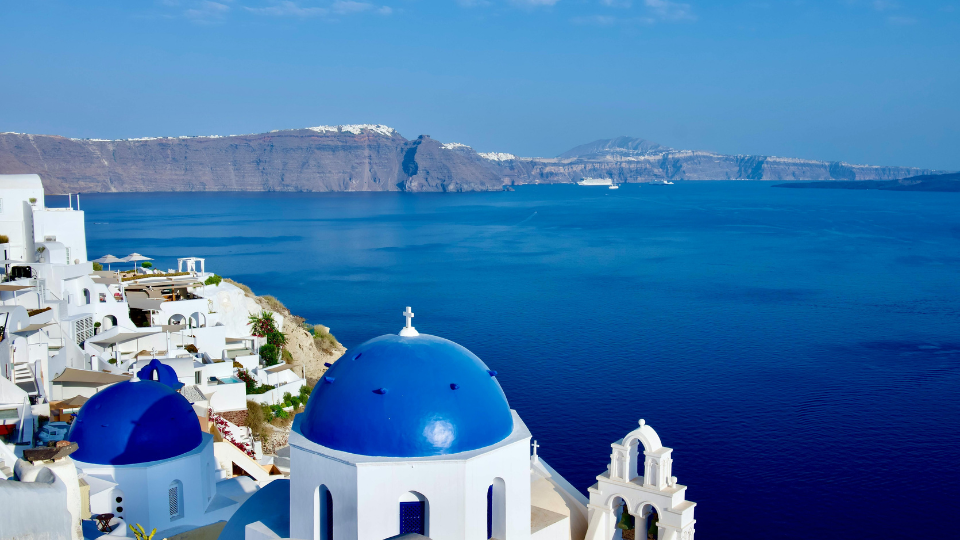
The Cyclades (Mykonos, Paros, Santorini): While Mykonos remains the epicenter of the party, Paros has emerged as the sophisticated alternative for 2026. The bay of Naoussa offers a refined dining scene that rivals the best of the Med.
-
The Ionian (Corfu, Lefkada, Zakynthos): Favored for their calmer winds and emerald waters, these islands are ideal for families. Zakynthos’ Shipwreck Beach (Navagio) is a 2026 “must,” provided you arrive via private tender at sunrise before the commercial tours begin.
4. Croatia: The Dalmatian Heritage
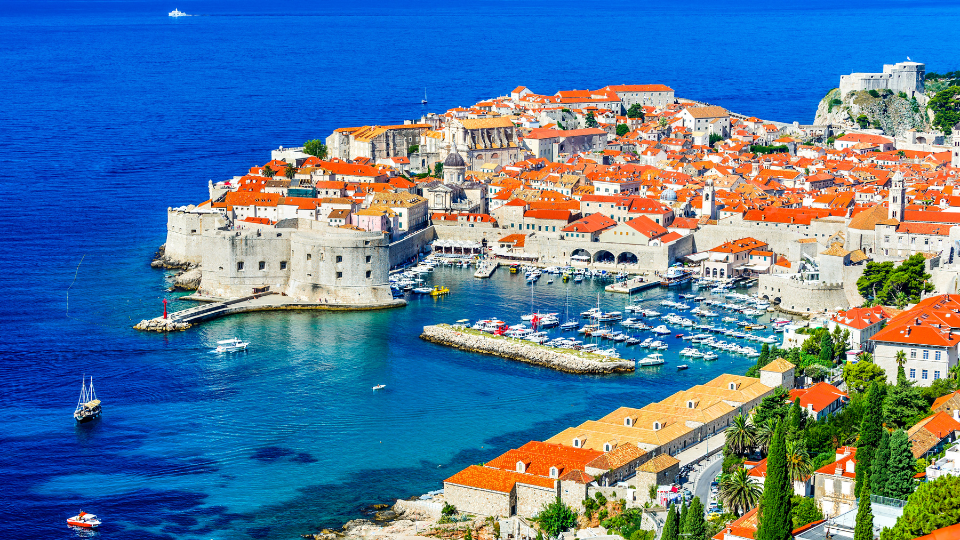
Croatia offers a “living museum” experience, where medieval walled cities meet the crystal-clear waters of the Adriatic.
-
Hvar & Vis: Hvar remains the “St. Tropez of the Adriatic,” but the savvy charterer moves to Vis for a taste of authentic Croatia. Known for its WWII history and submarine pens (which make for incredible tender explorations), Vis is also the gateway to the Blue Cave on Biševo.
-
The Kornati Archipelago: For those seeking total isolation, the 89 islands of the Kornati National Park offer a moon-like landscape with strict limits on vessel numbers, ensuring your sundeck view remains uninterrupted.
5. Italia: The Tyrrhenian & The New Tuscany
Italy in 2026 is defined by a “Return to the Coast,” bolstered by significant new marina investments.
-
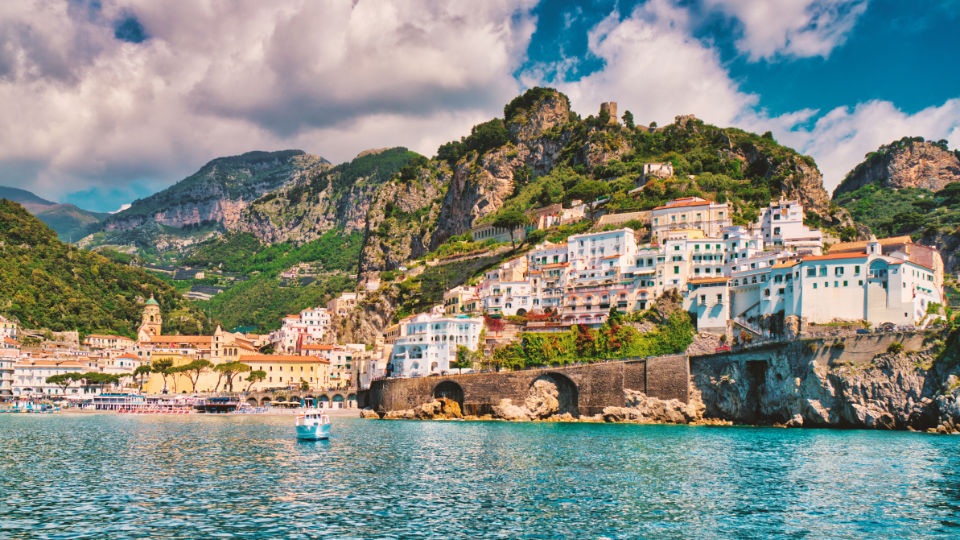
The Amalfi Coast & Capri: The eternal icons. Positano and Amalfi are best experienced from the water to avoid the winding cliffside traffic. A buoy at Nerano for a long lunch is the quintessential Italian yachting experience.
-
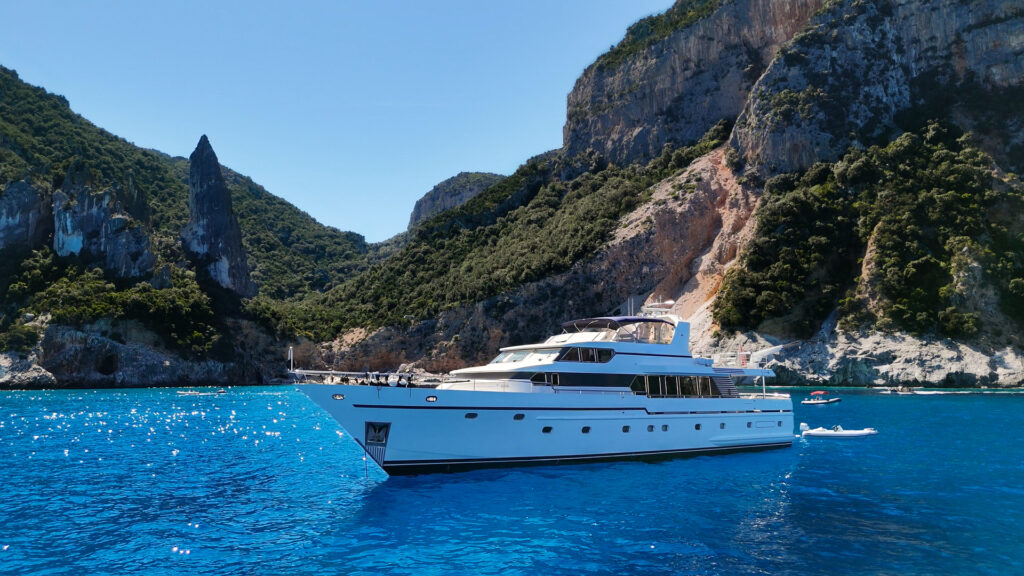
Sardinia (Costa Smeralda): Porto Cervo remains the global headquarters for the superyacht fleet in August. The nearby La Maddalena Archipelago offers some of the most protected and translucent swimming spots in Europe.
-
The New Tuscany: With the full opening of Marina Livorno, the Tuscan Archipelago (Elba, Capraia, Giglio) has become a primary route. It offers a sophisticated, “quiet luxury” alternative to the more frenetic southern coasts.